
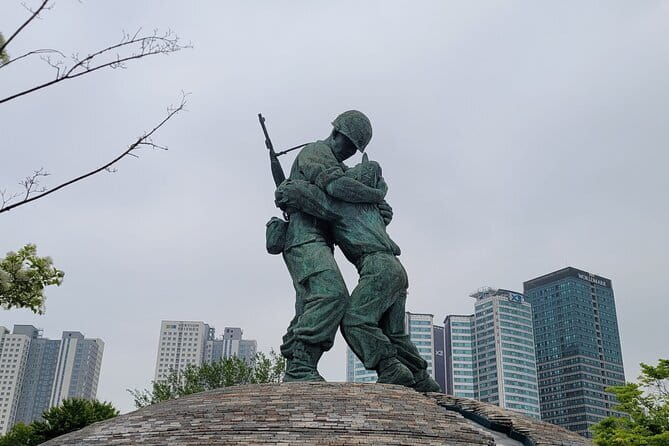
Reviewed · SEOUL KOREAN WAR HISTORY TOURS
Korean War Memorial Private Guided Tour
The most useful part of this Korean War Memorial tour is the context. Instead of simply walking past tanks, maps, and uniforms, you follow the road from liberation after World War II through the division of Korea, the war’s four major stages, the armistice, and the creation of the DMZ.
I like the one-group private format, which gives you room to ask direct questions. I also like the guide’s peace-focused approach, especially the effort to separate wartime propaganda from documented events. The main consideration is simple: two hours is enough for a guided overview, not enough for every gallery in this large museum.
Key points to know before booking
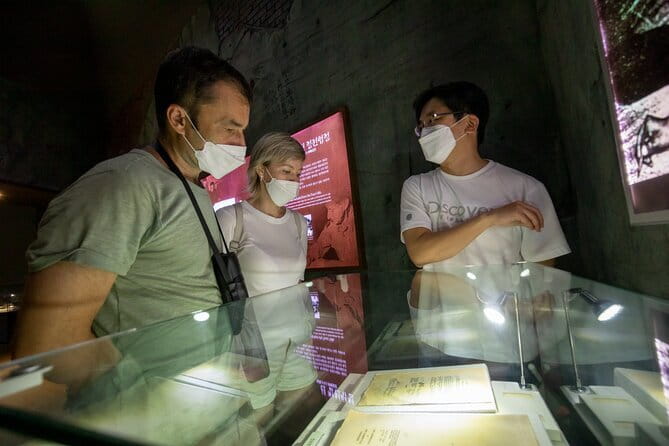
- Two hours in Korean War Rooms I to III: The visit focuses on the museum’s main Korean War galleries rather than trying to cover the entire complex.
- Private for up to five people: You receive a dedicated English-speaking guide instead of joining a large group.
- Kichan Lee is the named guide praised most often: He has a background in Korean history, war and peace studies, and DMZ tours.
- More than dates and battles: The discussion covers the social cost of war, propaganda, civilian experience, and the political birth of two Koreas.
- $100 per group, not per person: With five people, that works out to $20 each, while a solo visitor pays the full group rate.
- Free cancellation up to 24 hours ahead: Late changes or cancellations do not qualify for a refund.
Why this museum matters for understanding Korea
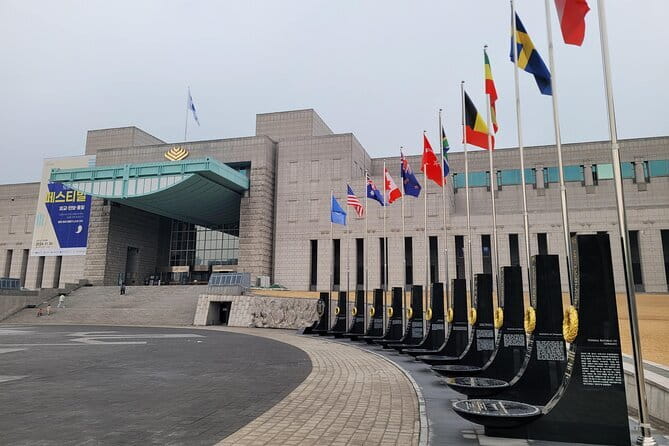
The War Memorial of Korea is one of the best places in Seoul to begin making sense of the peninsula’s present tensions. The Korean War did not appear out of nowhere, and the tour begins before the fighting itself, with the end of Japanese rule and the political choices that split Korea after liberation.
That starting point matters. If you begin only with the 1950 invasion, the conflict can look like a clean story with two opposing sides. The guide instead places it in the setting of a divided country, competing governments, international power struggles, and a population caught between political systems.
I appreciate that approach because the Korean War was both a civil conflict and an international war. South and North Korea were the central parties, but outside powers shaped the fighting, the alliances, and the final armistice. You need both views to understand why the border still exists.
The tour also looks at how the two Korean states were born. That gives you useful background for later visits to the DMZ, the Joint Security Area, or museums and memorials elsewhere in Korea. Without this foundation, those places can become a collection of dramatic fences and military terms. With it, the details carry more weight.
More war history and memorial tours in Seoul:
- Painters Show in Gwanghwamun Theater (nearby Seodaemun station)
★ 5.0 · 104 reviews - Seoul: War Memorial of Korea Private Guided Museum Tour
★ 4.9 · 29 reviews - DMZ Tour + The War Memorial of Korea Museum
★ 5.0 · 28 reviews
Rooms I to III, where the war takes shape
The main visit takes place in Korean War Rooms I, II, and III. These galleries are the heart of the experience, and the guide uses them as a framework rather than treating each display as an isolated object.
You can expect attention to the origins and background of the war, followed by the changing military situation across four stages. That structure helps you keep track of a conflict that moved quickly, changed direction several times, and drew in forces from beyond Korea.
Maps and military displays can be hard to read on your own. A guided explanation helps connect movement on the map with the broader political situation. You are not simply told who advanced or retreated. You are shown how the war shifted from one kind of conflict to another and why the armistice eventually replaced a formal peace settlement.
The rooms also offer a chance to look at the human side of the conflict. This is not presented only as a story of commanders, weapons, and front lines. The guide discusses the social cost of the war and the damage done to ordinary people. That is one of the strongest reasons to choose a private tour instead of relying only on the museum labels.
The museum itself has free admission, but the value here is the interpretation. You could walk through the galleries without paying an entrance fee, yet the political and military background may remain scattered. The guide turns those pieces into a clear sequence.
A peace-focused explanation, not just a military tour
A useful feature of this experience is its focus on peace studies and activism. The guide does not treat the Korean War as a simple contest with an obvious moral script. You are encouraged to examine how governments presented the conflict and how propaganda shaped public understanding.
That does not mean the tour avoids difficult facts. It means the guide makes room for more than one layer of truth: official explanations, military aims, civilian suffering, and the long effects of division.
Several parts of the discussion may be especially useful if you have read conflicting accounts of the war. The guide can explain how propaganda worked and help distinguish political claims from historical evidence. This is the sort of help that is difficult to get from a display case alone.
Kichan Lee is the guide most closely associated with this experience. His background includes Korean history, war and peace studies, and DMZ tours. He has also led discussions that move from the Korean War to modern politics, so you can expect questions about present-day Korea to fit naturally into the conversation.
His English has been praised as clear, and his style appears to suit visitors who want to ask a lot of questions. That matters in a private setting. You can pause over a confusing map, ask about a political term, or return to a point that a fast group tour might pass by.
The armistice and the birth of the DMZ
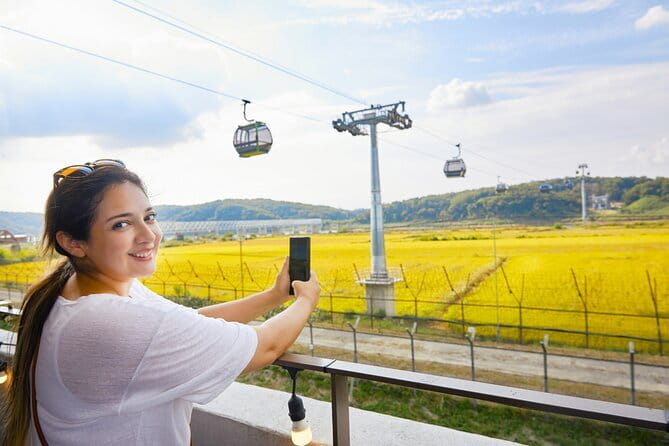
The final part of the story connects the war to the modern DMZ. The armistice stopped large-scale fighting, but it did not create a permanent peace treaty. The tour explains how that unresolved settlement led to the demilitarized zone and helped shape the divided peninsula you see today.
This link is one of the most useful parts of the visit. The DMZ can seem like a separate attraction, but its meaning comes from the war and the armistice. After this museum tour, a later DMZ visit should make more sense because you will understand why the border exists and why it remains politically sensitive.
The guide also provides complementary materials, including pictures and copies of documents. These are useful after the tour, when you are trying to remember names, dates, or the sequence of events. They also give the discussion more substance than a quick spoken overview.
You should keep your expectations realistic. The tour explains the creation and importance of the DMZ, but it is not a DMZ excursion. You remain at the War Memorial of Korea for the two-hour visit. If you want to stand near the border, you need to arrange a separate tour.
More private tours in Seoul:
- Private DMZ Tour (No Shopping): 3rd Tunnel & Suspension Bridge
★ 5.0 · 607 reviews - Seoul City Private Full-Day Tour Including Lunch
★ 5.0 · 469 reviews - Private DMZ the 3rd Tunnel Tour from Seoul (optional Red Bridge)
★ 5.0 · 429 reviews - Seoul Highlights & Hidden Gems Tours by Locals: Private + Custom
★ 5.0 · 359 reviews
What makes the private format worth $100
The price is $100 per group of up to five people, rather than $100 per person. That changes the calculation considerably. A full group pays $20 each, while two people pay $50 each and a solo visitor pays the full amount.
For a private museum tour, the price is reasonable if you value explanation and questions more than a quick self-guided visit. Admission to the museum itself is free, so you are paying mainly for the guide’s time, preparation, specialist background, and additional materials.
I would especially consider it good value for a group of three to five people. Families, friends, or colleagues can share the cost and keep the conversation focused on their own interests. If you are alone, the price is harder to justify unless Korean War history is a major reason for your Seoul visit.
The two-hour length also works well. It is long enough to establish the political background, walk through the principal rooms, and discuss the armistice without turning into an all-day commitment. You can still plan another Yongsan or central Seoul activity afterward.
There is one trade-off. Because the museum is large and the tour focuses on Rooms I to III, you may not receive a full tour of every military period or exhibition area. That is not a flaw if you want the Korean War explained properly. It is worth noting if you hoped to see the entire museum with a guide.
Meeting point, timing, and physical demands
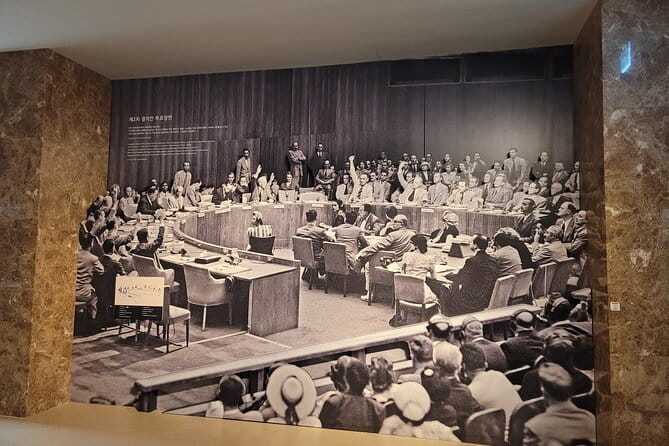
The listed starting address is 8-66 Yongsan-dong 1(il)-ga, with the tour ending in the lobby of the War Memorial of Korea at 29 Itaewon-ro. The actual meeting instructions point you toward the museum lobby and exhibition area, so check the final booking details carefully before setting out.
This is a practical point because the museum is large. One visitor arrived very late and had difficulty finding the group, though the guide kept sending updates and eventually connected with them inside the exhibition room. Do not count on that rescue. Allow extra time and confirm where you should meet.
The museum is near public transportation, and the activity allows service animals. You should have a moderate level of physical fitness, since a two-hour museum visit involves walking and standing. The supplied information does not describe seating, elevators, or a precise route through the galleries, so ask the provider directly if you have mobility concerns.
The tour is offered with a mobile ticket. Confirmation arrives at booking, which makes it easy to keep the details on your phone. Tips are not included, so plan for that separately if you feel the guide earned one.
Who will get the most from this tour
I would recommend this experience to you if you want more than a quick look at military hardware. It suits people who like political history, modern Korean affairs, peace studies, or the human effects of war.
It is also a strong choice before a DMZ visit. The museum tour gives you the background first, and you can then see the border with a better sense of what the armistice means. One visitor followed the museum tour with a private trip to Cheorwon, showing how well the two experiences can work together, though that second trip is separate.
The private format is useful for families with older children, provided they can handle two hours of focused museum discussion. It also works for university groups, educators, and anyone who wants to ask questions that might not fit a standard public tour.
I would be more cautious about recommending it to someone who wants a fast, visual museum stop with little explanation. The subject is serious, and the tour gives attention to politics, propaganda, and civilian suffering. It is not designed as light sightseeing.
How to prepare for a better visit
You do not need to study the Korean War before arriving. Still, it helps to think about what you want to understand. You might ask about the division of Korea after liberation, the four stages of the war, the armistice, or how the DMZ developed.
Bring a charged phone for the mobile ticket and any contact messages from the guide. Wear comfortable shoes, since you will be walking through several rooms and may spend time standing while examining displays.
If you are particularly interested in a certain topic, say so at the beginning. The private format gives the guide a chance to adjust the emphasis. You might focus more on civilian life, international involvement, military strategy, propaganda, peace activism, or the connection to present-day politics.
The best way to use the two hours is to treat it as a conversation built around the museum. Look at the displays, listen to the explanation, and ask when something is unclear. The guide’s value comes from making connections, not from rushing you past every object.
Should you book the Korean War Memorial private tour?
Book it if you want a clear, serious introduction to the Korean War and the forces that created today’s two Koreas. The strongest reasons are the private format, the specialist guide, the focus on propaganda and civilian cost, and the connection between the war, the armistice, and the DMZ.
I would especially book for a group of up to five, since the $100 fee becomes much better value when shared. Solo visitors should choose it only if this subject is a high priority, because the museum itself is free and can be visited without a guide.
Skip it if you want a broad tour of every section of the War Memorial or a visit to the DMZ itself. Choose it when you want the Korean War explained with care, clear English, and enough time for honest questions.
FAQ
How long does the Korean War Memorial private tour last?
The tour lasts approximately two hours.
How much does the experience cost?
The price is $100 per group, with up to five people included.
Is the museum admission included?
The tour takes place at the War Memorial of Korea, where the listed admission for the visit is free. All listed fees and taxes are included in the tour price.
Is this a private tour?
Yes. Only your group participates, with no other groups joining the activity.
Who leads the tour?
The experience includes a professional English-speaking guide. Kichan Lee is the guide named most often in the available information, with expertise in Korean history, war and peace studies, and DMZ tours.
Can I cancel for a full refund?
Yes, if you cancel at least 24 hours before the experience start time. Cancellations or changes made less than 24 hours ahead are not accepted for a refund.
Just added around Seoul
- Your Personal Seoul Photographer!★ 4.1 · 15 reviews
- From Seoul: Hwacheon Ice Fishing and Lighting Festival Tour★ 4.5 · 4 reviews
- You’re Invited to Our Home in Seoul: The Only Cooking Class!★ 5.0 · 8 reviews
- Seoul: Gangneung BTS K-Pop & K-Drama Filming Locations Tour★ 4.6 · 14 reviews
- Unique Native Experience : Han River Picnic, Board game, BBQ★ 5.0 · 3 reviews
- 2-Hour Private Kayaking and Paddleboarding Experience in Hanriver★ 5.0 · 3 reviews
- Yun Korean Cooking Class in Seoul★ 5.0 · 6 reviews
- Day Trip to Yongin Daejanggeum and Korean Folk Village from Seoul★ 4.0 · 9 reviews
Seoul Korean War History Tours, compared.
Seoul Morning Tour: Seoul Tower, Namsan Hanok Village, The War Memorial of Korea
Read our review →
Exclusive Private DMZ Tour & War Memorial Hall or Suspension Bridge(No Shopping)
Read our review →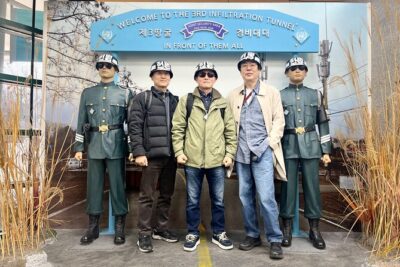
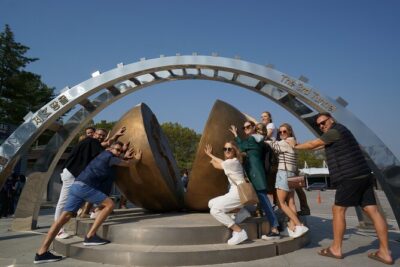
[DMZ Private Full day Tour] & The War Memorial include Lunch
Read our review →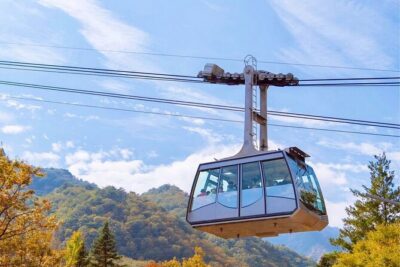
[Private] DMZ & Imjingak Peace Gondola Experience Inter-Korean War
Read our review →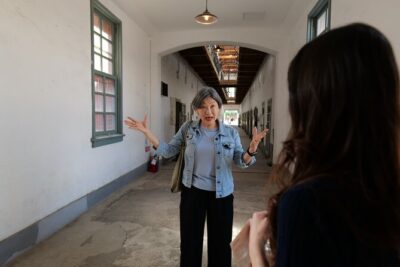
Seoul’s Hidden Dark History Guided Tour of Seodaemun Prison
Read our review →Browse the lists this tour appears in