
Reviewed · SEOUL HIKING AND MOUNTAIN TOURS
Bukhansan National Park- The Summit Course
Bukhansan’s Baek-un-dae peak rises to 836 meters, yet the mountain sits right on Seoul’s edge. That makes this one of the best ways to trade city streets for granite ridges without giving up a full day. The catch is simple: the short route is steep, rocky, and not a casual stroll.
I like the carefully chosen approach, which reaches the summit in about four hours instead of the usual six. I also like the human touches: guide Koa keeps the pace moving, remembers names, and can help with ropes, poles, crampons, and basic first aid.
The main drawback is the effort packed into a short distance. You gain about 600 meters in only 2.1 kilometers, followed by a 20 to 30 minute section of steep rock climbing. If your knees are troublesome or heights make you freeze, this may be too much.
Key points to know before you go
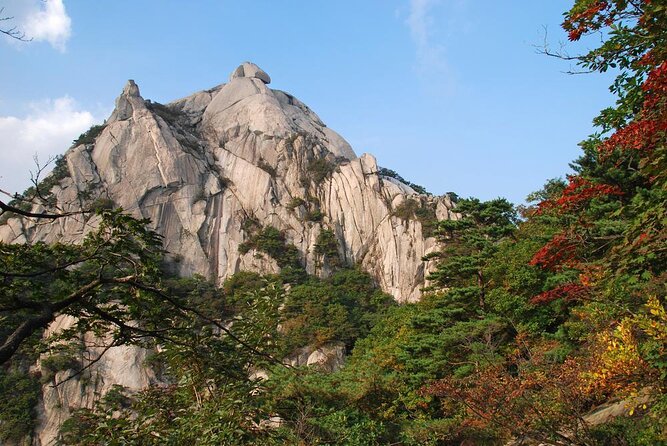
- A steep 2.1-kilometer ascent: You gain about 600 meters, roughly the height of 200 floors of stairs.
- Baek-un-dae uses ropes: The final 20 to 30 minutes include 25 to 45-degree rock sections with ropes for assistance.
- An early 8:15 a.m. start: Meeting early helps you avoid the heavier crowds that arrive later.
- Guide Koa leads in English: He keeps the group together, offers climbing advice, and helps hikers judge their limits.
- Optional tofu lunch afterward: For 9,000 to 15,000 KRW, you can eat handmade tofu dishes, with meat and plant-based choices available.
- Support gear is available: Bug spray, a first aid kit, rain gear when needed, hiking poles, and crampons can be borrowed.
Why Bukhansan makes a strong Seoul day out
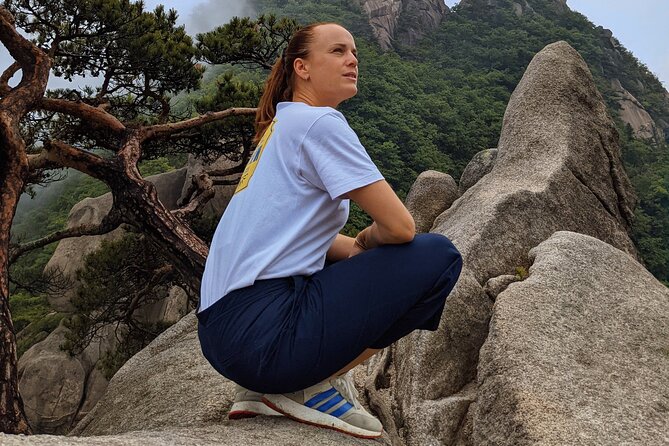
Bukhansan National Park gives you a sharp change of scene without a long ride into the countryside. The mountain lies on Seoul’s boundary in Gyeonggi Province, so you can spend the morning climbing granite slopes and still return to the city before the day is gone.
The reward is not only reaching the highest peak associated with Seoul. The climb gives you a closer look at how Koreans use their mountains, where hiking is a serious part of weekend life rather than an occasional holiday activity.
This is not a gentle nature walk. The route has a large amount of vertical gain compressed into a short distance. You will spend much of the uphill section on rough, steep ground, and the final approach to Baek-un-dae requires hands-on movement with ropes.
That physical demand is also why a guide helps. A map can show you the direction, but it cannot tell you when to slow down, where to place a foot, or how to handle a nervous moment on exposed rock. The experience is designed to make a difficult mountain more manageable, not to make it easy.
More hikes and mountain trips in Seoul:
- Seoul: Guided City Wall Sunset Hike with Korean Dinner
★ 4.9 · 227 reviews - Private Hiking tour to Bukhansan Peak(Baegundae: 836.5m) with Mountain Expert
★ 5.0 · 113 reviews - Fortress Night Hike & Snack at a Local Market
★ 5.0 · 112 reviews
Meeting Koa at Bukhansan Ui Station
Your meeting point is outside Exit 2 of Bukhansan Ui Station. Take care here, because Bukhansan has another station called Bukhansan Bogungmun. Going to the wrong one is the kind of small mistake that can ruin an otherwise well-planned morning.
The group leaves at 8:15 a.m. sharp, and the waiting time for late arrivals is limited to 15 minutes. I would check the route on Naver Map the night before and leave extra time for the journey. This is not the morning to rely on finding the station at the last minute.
An early start serves two purposes. It gives you enough time to complete the steep route within the roughly 4.5-hour activity window, and it helps you get onto the mountain before it becomes more crowded later in the morning.
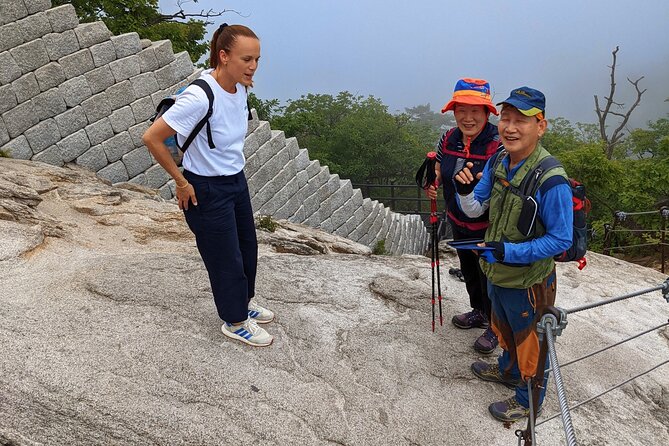
Koa leads in English. His approach, based on the details of the experience, is active rather than formal. He keeps conversation going, speaks with people throughout the walk, and pays attention to how each person is managing the climb. That matters on a route where one person may be moving comfortably while another needs a short pause.
The group is described as a small-group activity, which suits this trail well. A smaller party is easier to manage on narrow rocky sections, and it gives you more access to the guide when you need advice.
The first uphill section: short distance, serious effort
The important number here is not the total duration. It is the ratio between distance and height.
The ascent gains approximately 600 meters over 2.1 kilometers, usually taking 100 to 120 minutes. Put another way, you climb the equivalent of around 200 floors of stairs, but on an uneven mountain route with rocks underfoot.
You need to be moderately fit to finish the full climb. That description should be taken seriously, because the walk is often called moderate in the general tour sense, while the actual uphill work can feel hard even if you exercise regularly.
The practical way to approach it is to start slowly. Do not try to match the fastest person during the first part of the climb. Save energy for the upper rock sections, where balance and confidence matter as much as leg strength.
The guide can adjust the pace and help you judge when to rest. Since the ascent and descent normally use the same route, you also have an important safety option: you can stop below the summit, and the guide can meet you again while coming back down.
That makes the experience more flexible than an all-or-nothing summit attempt. You can still enjoy the mountain even if you decide the final climb is not right for you that day.
Baek-un-dae summit and the rope-assisted rock climb
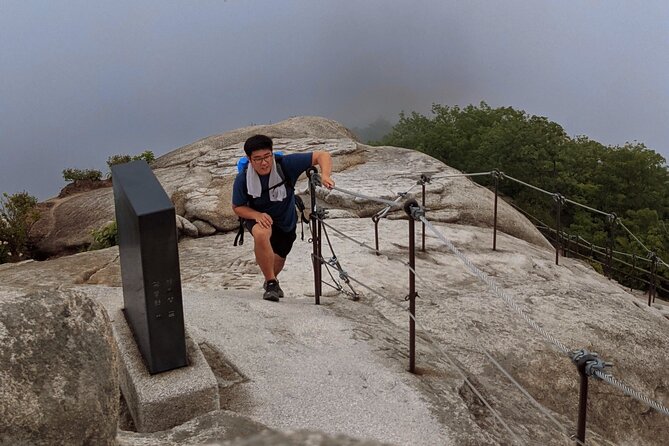
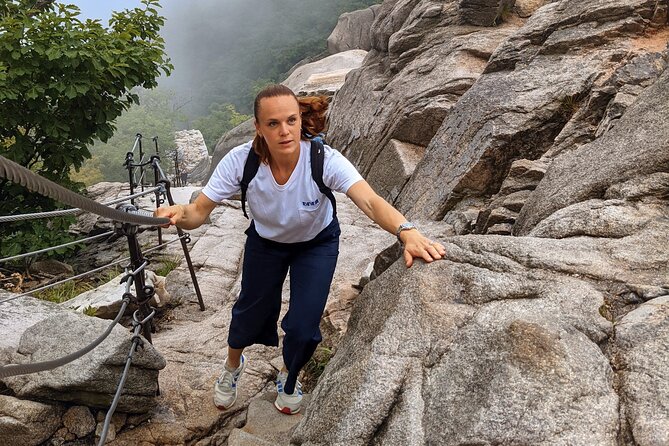
The final approach is the part that gives this outing its character. Baek-un-dae requires some climbing on rock at angles of roughly 25 to 45 degrees, with ropes available throughout the steep section.
Expect this portion to take about 20 to 30 minutes. It is not technical mountaineering, but it is more demanding than ordinary trail walking. You will need to use your hands, watch your footing, and move with care.
If you are comfortable with heights, this can be the most satisfying part of the route. The climb feels direct and physical, and reaching the summit has more impact because you have worked for it rather than simply following a gradual path.
If you are uneasy with exposed terrain, the guide allows you to take a break and skip this section. That is a useful option, not a failure. The mountain can be enjoyable without forcing yourself into a situation that makes you unsafe.
Several people found the route challenging even with regular exercise, while still considering it memorable and manageable with Koa’s support. That is a good description for your planning: expect a real workout, but know that the hardest part is short and guided.
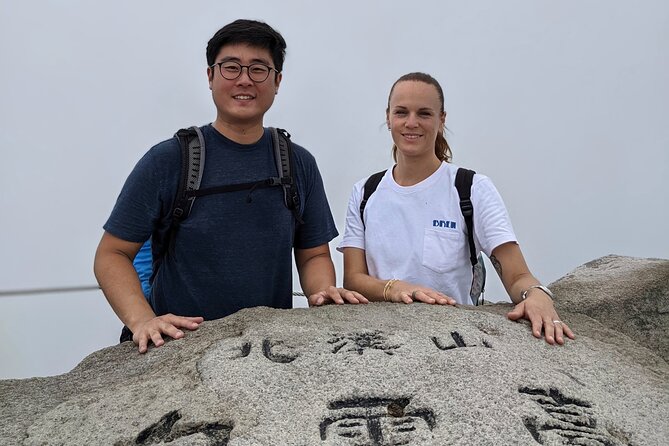
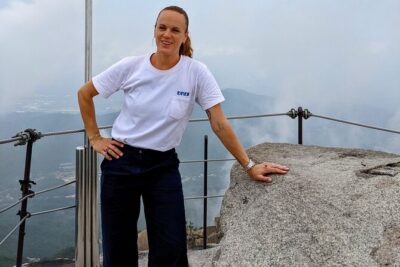
At the top, you reach Baek-un-dae, the highest peak in Seoul at 836 meters. The supplied details do not promise a particular type of weather or visibility, so you should not book this only for a guaranteed city view. The summit itself is the main prize, along with the feeling of having climbed one of Korea’s most famous urban mountains.
More national park trips from Seoul:
- Bukhansan National Park: The Summit Course
★ 5.0 · 53 reviews - Seoraksan National Park Ulsanbawi Hiking from Seoul
★ 5.0 · 15 reviews - Seoul: Mt. Seoraksan National Park Autumn Foliage Day Tour
★ 4.3 · 15 reviews - Private Day Trip to Seoraksan National Park
★ 5.0 · 14 reviews
The descent and the value of having a guide
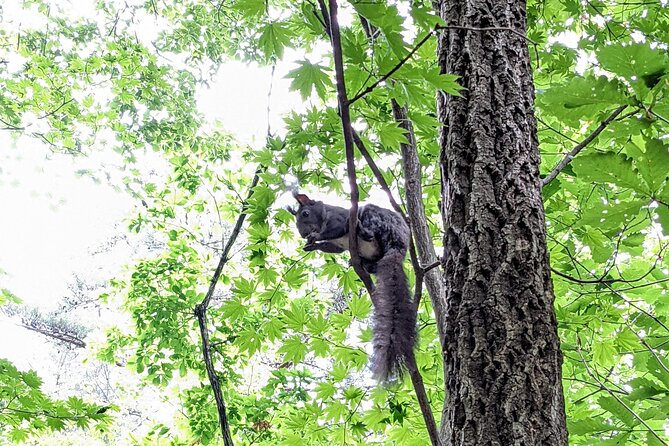
Going down is not simply the uphill route in reverse. Descending steep rock can put more pressure on your knees and requires just as much attention as climbing up. Use the ropes carefully, keep your steps controlled, and do not rush because the summit is behind you.
The standard plan brings you back down the same way. On some outings, Koa may use a different trail on the descent to add variety, but you should expect the route to remain physically demanding.
This is where the guide’s practical role becomes clear. Koa offers tips for moving up and down the rock, checks that people are safe, and keeps the group connected. His humorous, energetic manner also helps during the less glamorous parts of hiking, such as a slow climb when your legs are tired.
Bukhansan has a reputation for requiring respect. Hundreds of people are rescued from the mountain each year, according to the experience information. That warning is not meant to frighten you, but it is a strong reason to follow the guide’s instructions, carry enough water, and be honest about your fitness.
What to bring, and what you can borrow
Water can be bought at a convenience store at the beginning of the outing. I would purchase it before setting off, since the route itself should not be treated like a city walk with regular shops.
The experience provides or makes available several useful items:
- Bug spray
- A first aid kit
- A rain coat when needed
- Hiking poles
- Crampons
The poles and crampons can be borrowed at about the one-third point of the hike. Their usefulness depends on the conditions, so do not assume you will need them every time. Crampons are especially practical only when the trail requires that extra grip.
Wear sturdy shoes suitable for rocky ground. The supplied information does not specify a required footwear type, but ordinary city sneakers would be a poor match for steep, uneven sections and rope-assisted rock.
You should also dress for movement and changing weather. The route is short in distance but intense in effort, so clothing that allows your legs and shoulders to move freely will make the climb more comfortable.
The optional tofu lunch for 9,000 to 15,000 KRW
After the hike, you can join the group for lunch at a restaurant specializing in tofu dishes. Lunch is optional and paid separately, costing approximately 9,000 to 15,000 KRW.
The appeal is that the restaurant makes its tofu from scratch. This is not just a convenient meal added to fill time after the walk. It gives you a chance to try a Korean staple prepared with more care than the plain blocks of tofu many people know from home cooking.
There are meat dishes as well, so the meal is not limited to vegetarians. Vegan and vegetarian diners can also find suitable options, though you should discuss your needs with the guide if you require strict preparation.
The lunch may happen only if time allows. Since the summit route can take longer for a slower group or in difficult conditions, you should not plan an important afternoon appointment too tightly around the meal.
I like the choice here. You can simply finish the hike and continue with your day, or spend a little extra for a local meal and relaxed conversation with the group. Some people also enjoyed sharing the meal with makgeolli, though you should treat alcohol as an optional personal choice after a strenuous hike.
Is $67 a fair price?
The cost is $67 per person, with a duration of about 4.5 hours. Lunch is not included, and water is purchased separately.
The value depends on how comfortable you are handling Bukhansan on your own. If you already know the trail, speak Korean, have the right gear, and feel confident with the rope sections, you may prefer to hike independently.
For many visitors, the fee pays for more than simple directions. You get an English-speaking guide, route planning designed to save time, help with pacing, basic safety equipment, and access to borrowed poles or crampons when needed. You also avoid spending part of your holiday trying to work out which station, trail, and summit route fit together.
The time saving is significant. The chosen route aims to complete the summit experience in about four hours rather than the usual six, although your exact pace will affect the schedule. That makes this a useful choice if you want a major hike but have other Seoul plans later.
The price is less attractive if you are looking for a relaxed walk or only want a scenic park visit. In that case, you would be paying for a demanding summit attempt you may not enjoy.
Who should book this hike?
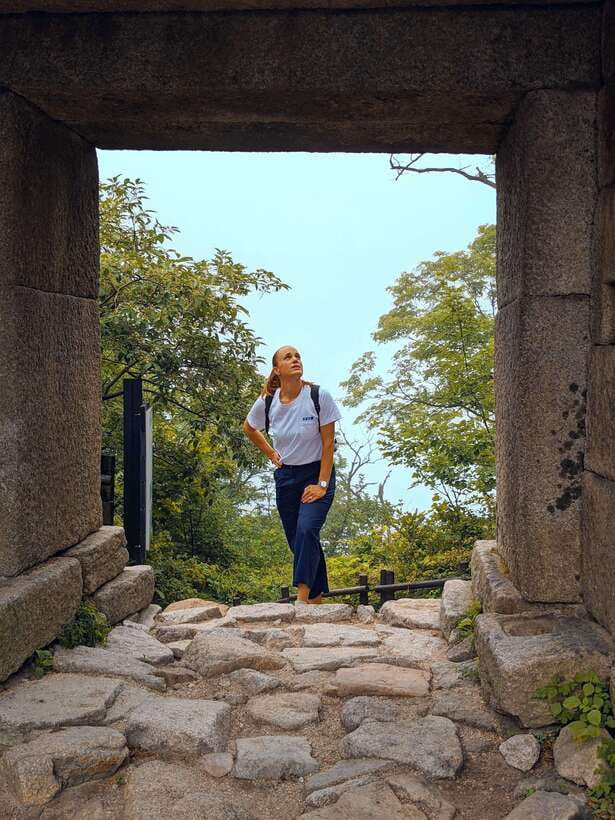
I would recommend it to an active visitor who wants a serious morning outdoors and likes the idea of reaching Seoul’s highest peak. It suits people who are comfortable with steep stairs, uneven rock, and a short section where hands and feet both help with the climb.
It is also a good match if you prefer a social outing. The guide makes a point of speaking with each person, and the small-group format can make it easier to meet people from different countries.
You should think twice if you have bad knees, limited fitness, or a strong fear of heights. The summit section can be skipped, but the 600-meter ascent still requires effort. A decision to stop is respected, yet you should not book this expecting a gentle alternative route.
The early start also matters. This is best for someone willing to plan the transit carefully and arrive before 8:15 a.m. A late arrival could mean missing the entire group.
Should you book the Bukhansan Summit Course?
Book it if you want a compact, well-supported mountain challenge rather than a casual park outing. The steep ascent, rope-assisted summit, and English-speaking guidance give you a clear goal, while the optional tofu lunch adds a pleasant local finish.
I would skip it if you are not comfortable with a workout that feels like hundreds of stairs, or if your travel schedule cannot handle an early start and a flexible finish. For the right person, $67 is a reasonable price for route planning, guidance, safety support, and a full summit attempt without giving up the rest of the day.
Free cancellation is available up to 24 hours before departure, and you can reserve now while paying later. Those terms help if your Seoul plans are still shifting, but the fitness decision should come first.
FAQ
Where does the Bukhansan hike begin?
Meet guide Koa outside Exit 2 of Bukhansan Ui Station. Do not confuse it with Bukhansan Bogungmun Station.
What time does the group leave?
The group leaves at 8:15 a.m. sharp. The guide can wait for late arrivals for only 15 minutes.
How long does the activity take?
The stated duration is 4.5 hours. The hike itself is designed to take about four hours, depending on the group’s pace and conditions.
How difficult is the climb?
The ascent gains about 600 meters over 2.1 kilometers and normally takes 100 to 120 minutes. You need moderate fitness, and the route can feel difficult even if you exercise regularly.
Can I skip the steep summit section?
Yes. The 20 to 30 minute rope-assisted section near Baek-un-dae can be avoided by taking a break.
Is lunch included?
No. Lunch is optional and costs about 9,000 to 15,000 KRW per person. The meal features handmade tofu dishes, with meat and vegan or vegetarian choices available.
What equipment is provided?
Bug spray, a first aid kit, and a rain coat when needed are included. Hiking poles and crampons can be borrowed at about one-third of the way up, and water can be purchased at a convenience store at the start.
Just added around Seoul
- Your Personal Seoul Photographer!★ 4.1 · 15 reviews
- From Seoul: Hwacheon Ice Fishing and Lighting Festival Tour★ 4.5 · 4 reviews
- You’re Invited to Our Home in Seoul: The Only Cooking Class!★ 5.0 · 8 reviews
- Seoul: Gangneung BTS K-Pop & K-Drama Filming Locations Tour★ 4.6 · 14 reviews
- Unique Native Experience : Han River Picnic, Board game, BBQ★ 5.0 · 3 reviews
- 2-Hour Private Kayaking and Paddleboarding Experience in Hanriver★ 5.0 · 3 reviews
- Yun Korean Cooking Class in Seoul★ 5.0 · 6 reviews
- Day Trip to Yongin Daejanggeum and Korean Folk Village from Seoul★ 4.0 · 9 reviews
Seoul Hiking and Mountain Tours, compared.
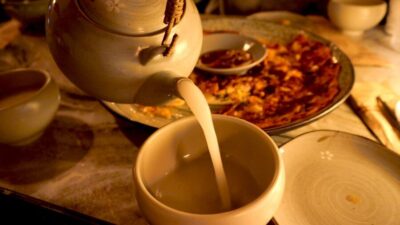
Guided City Wall Sunset Hike with Korean Dinner
Read our review →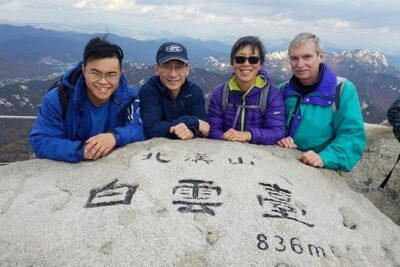
Private Hiking tour to Bukhansan Peak(Baegundae: 836.5m) with Mountain Expert
Read our review →
Seoul Mountain Hike: Temples, Folklore & Traditional Meal
Read our review →
Private Hiking to Bukhansan & Korean Style Spa(Include Lunch)
Read our review →
Spiritual Adventure : Into Inwangsan and Korean Shamanism
Read our review →Browse the lists this tour appears in