
Reviewed · KOREAN FOLK VILLAGE TOURS FROM SEOUL
Hwaseong Fortress and Korean Folk Village Tour from Seoul
Hwaseong Fortress is the star here: a late Joseon military complex with walls, gates, artillery towers, and a royal story tied to King Jeongjo’s devotion to his father. The afternoon at the Korean Folk Village shifts from stone defenses to old homes, crafts, music, and daily customs.
I like the comfortable coach ride and hotel pickup, which make a site 30 kilometers from Seoul much easier to reach. I also like the contrast between the two stops: Suwon gives you architecture and royal ambition, while the folk village gives you a more hands-on look at food, crafts, performances, and household life.
The main caution is the pace. Hwaseong Fortress receives only about an hour, and the folk village can feel rushed if your guide hurries between shows and workshops. Lunch is described as part of the day’s plan, but the booking details say food is not included, so budget separately for bibimbap and market snacks.
Key points to know before booking
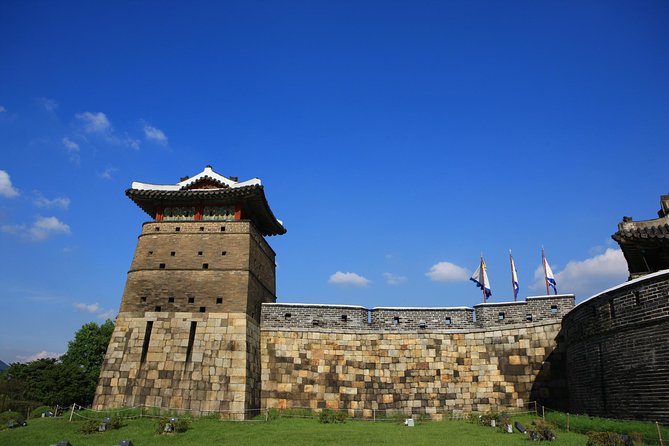
- Hwaseong Fortress in about one hour: See walls, gates, battlements, and artillery towers at Suwon’s UNESCO-listed fortress.
- Two very different sights in one day: Pair Joseon military architecture with restored homes, workshops, and folk performances.
- Richard has earned strong praise: When assigned to the tour, he has been described as attentive, helpful, and good at explaining the sites.
- Small-group transport: The maximum group size is nine, and the air-conditioned van or coach is a comfortable way to leave Seoul.
- Lunch is extra: Plan to pay for bibimbap, rice cakes, drinks, or traditional liquor at the Korean Folk Village.
- Return is to Myeongdong Station: Pickup is offered from your Seoul hotel, but the stated drop-off is Myeongdong Station.
Why this makes a useful Seoul day trip
Seoul can fill several days without effort, but the city gives you only part of the Joseon story. This tour takes you south to Suwon, where the royal court’s military planning, family politics, urban design, and everyday customs come together in one day.
The route also saves you the trouble of arranging transport between two separate sights. Hwaseong Fortress sits about 30 kilometers from Seoul, and the Korean Folk Village lies farther along the same general outing. With pickup, admission, and a guide arranged, you can focus on what you are seeing instead of sorting out trains, local buses, and entry tickets.
At $91 per person, this is not the cheapest way to see Suwon. The value depends on how much you want a guided day rather than an independent visit. The price covers transportation, an English-speaking guide, and admission to both attractions, but not food according to the inclusion details. A small group of no more than nine can also make the cost more reasonable than a large bus excursion.
I would choose this tour if you want historical context and a simple door-to-door start. If you prefer long museum visits, slow photography, or plenty of time to wander alone, the fixed schedule may feel tight.
More Korean Folk Village trips from Seoul:
- Seoul: Suwon Hwaseong Fortress & Korean Folk Village Tour
★ 4.7 · 214 reviews - Yongin Dae Jang Geum Park Tour from Seoul
★ 5.0 · 176 reviews - Korean Folk Village and Suwon Hwaseong Fortress Day Tour(EG Tour)
★ 4.5 · 80 reviews
Morning at Hwaseong Fortress in Suwon
The day begins with pickup at around 8:30 a.m. The drive out of Seoul gives your guide time to introduce Suwon and explain why this fortress was built at the end of the Joseon period, which lasted from 1392 to 1910.
Hwaseong was constructed from 1794 to 1796 under King Jeongjo. Its purpose was not only military. The king wanted to honor his father and help create a new city with its own economic strength. That makes the fortress more interesting than a simple defensive wall. It reflects royal family concerns, city planning, engineering, and political ambition at the same time.
Once you leave the vehicle, expect a walking visit along parts of the fortified walls. You will stop at gates and artillery towers, with explanations of how the structure protected the city. Paldalsan Mountain sits at the center of the fortress area, giving the site a strong physical presence even though the stop is relatively short.
The fortress walls extend for about 5.7 kilometers. You will not walk the entire circuit in the allotted hour. Instead, the guide takes you to selected sections and explains the main features. That approach works well for a first visit, but it does mean you should not expect a full hike around Hwaseong.
The architecture is the reason to pay attention here. The walls, gateways, battlements, and towers show how late Joseon builders combined practical defense with a carefully planned royal project. If you are interested in Korean history, listen closely to the explanation of King Jeongjo’s filial purpose. It gives the stonework a human story.
The site also offers performances at various times, and Suwon holds a cultural festival each fall. Since daily events can change, your guide may not be able to include every performance. Rain has also shortened the day for at least one visitor, so bring sensible weather protection and shoes suited to uneven walking.
How much time do you get at the fortress?
The scheduled stop is about one hour, including the guided walk. That is enough to see the main elements and understand why Hwaseong matters, but not enough for a slow circuit, extended shopping, or an unhurried climb.
I would treat the fortress as a focused introduction. Stay near the guide, ask questions while you can, and take photographs quickly at the gates and wall sections. If you have dreamed of spending half a day walking the entire fortress, book a separate Suwon visit instead.
This short timing is one of the tour’s clearest tradeoffs. The coach continues to the Korean Folk Village, so you gain variety but give up depth at each location.
Bibimbap and the Korean Folk Village market
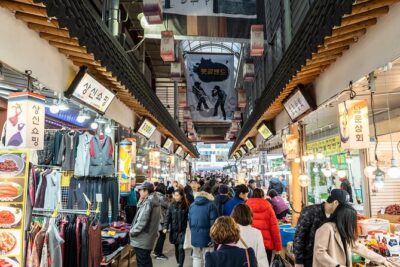
After Hwaseong, the coach continues to the Korean Folk Village. The day’s plan directs you toward the traditional market for a Korean meal, usually bibimbap with rice, meat, and vegetables.
Here is an important budgeting point: the experience description presents a typical Korean lunch as part of the day, while the inclusion section says food and drinks, including lunch, are not included. Follow the latter when planning your spending. Bring money for bibimbap, drinks, rice cakes, and any traditional liquor you want to try.
The market is a useful bridge between the morning’s formal history and the afternoon’s everyday culture. You can see foods associated with Korean dining and choose additional snacks if time allows. Since the schedule is guided, do not assume you will have a long independent meal break. Ask your guide how much time you have before ordering.
More Suwon and Hwaseong fortress trips from Seoul:
- Beyond Seoul: Starfield Library, Hwaseong Fortress & Cave Quest
★ 5.0 · 177 reviews - From Seoul: Suwon Hwaseong Fortress Tour
★ 5.0 · 108 reviews - Suwon Hwaseong+Gwangmyeong Cave+Starfield Library from Seoul
★ 5.0 · 104 reviews - From Seoul: Suwon Hwaseong Fortress Night Tour
★ 5.0 · 78 reviews
Restored homes and Joseon-era household life
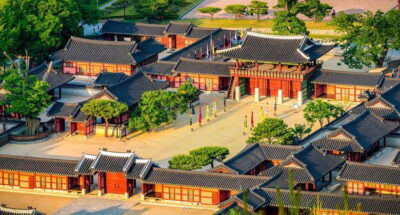
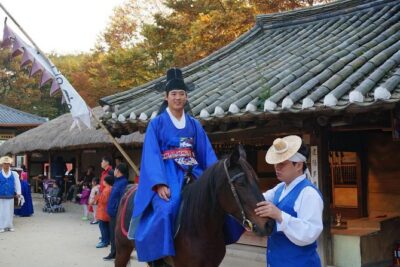
The Korean Folk Village opened in 1974. More than 260 traditional homes were restored to show aspects of late Joseon life, with household goods and objects connected to different regions of Korea.
This is where the tour becomes more visual and practical. Instead of reading only about a dynasty, you can enter houses, look at domestic objects, and compare how homes and workspaces were arranged. The village presents customs, seasonal traditions, shaman beliefs, and social practices in a setting designed for cultural education.
The restored setting is also more accessible than a formal museum for families and first-time visitors. You can move from buildings to workshops and performance areas without needing specialist knowledge. The museum area is especially worthwhile if you want more than staged entertainment. One strong impression from the available feedback was that the museum section was among the best parts of the visit.
Still, keep your expectations realistic. This is a recreated historical village, not an untouched Joseon settlement. Its strength is the range of exhibits and demonstrations. It lets you see how homes, tools, crafts, and customs fit together, but some activities may feel arranged for public viewing rather than discovered by chance.
Crafts, music, and seasonal performances
The village’s workshops may feature artisans working with pottery, baskets, bamboo, paper, brass, fans, musical instruments, and embroidery. Watching a craft take shape helps explain the skill behind objects that can look simple in a display case.
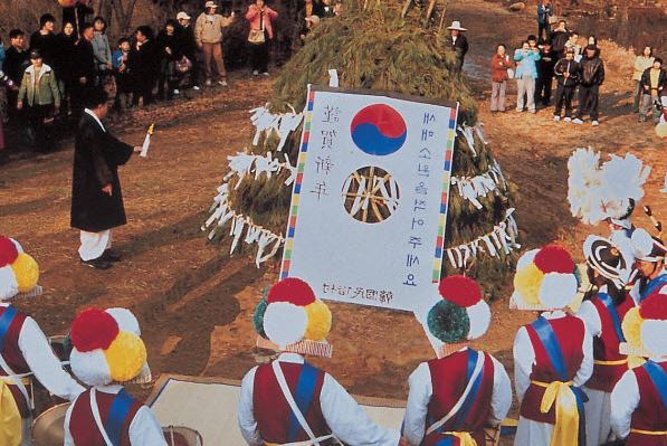
Performances can include nongak, or farmers’ music, martial arts on horseback, traditional wedding ceremonies, and jultagi tightrope acrobatics. What you see depends on the date and operating schedule. Special events also take place during certain seasons, including a May program called Welcome to Joseon.
Do not book this trip solely for one particular show. Performances can be canceled, and at least one experience was affected by missing or canceled events. A guide may also need to keep the group moving to maintain the return schedule. If a show is running, it can be a highlight. If not, the houses, museum, workshops, and market still give the afternoon substance.
This is also where guide quality matters most. A good guide can explain what you are seeing, point out the difference between a working craft demonstration and a display, and help you decide which performance deserves your limited time. Richard, when assigned to the group, has been praised for clear explanations, practical help, and useful suggestions about Seoul food and sightseeing. Other feedback points to a guide who offered only basic cultural information and did not seem familiar with the fortress. The experience can therefore vary with the person leading it.
Transport, group size, and the day’s rhythm
The tour uses a climate-controlled coach or van, with a maximum of nine people. That is a much more personal setup than a large sightseeing bus, and a small group can make pickup and walking instructions easier.
Transport received some of the strongest praise. The vehicle has been described as comfortable, which matters because you spend time on the road to and from Seoul. Pickup is offered at your Seoul hotel, with the stated return drop-off at Myeongdong Station. Confirm the exact pickup instructions when you book, especially if your hotel is outside the normal service area.
The full outing lasts about eight hours. That sounds generous, but the travel time between Seoul, Suwon, and the folk village uses part of the day. The result is a pleasant sampler rather than a slow study tour.
You should have a moderate level of physical fitness. Expect walking at the fortress and through the village, with some outdoor exposure and potentially uneven surfaces. Comfortable shoes are more useful than stylish ones here. Weather can affect the experience, as rain has cut one visit short.
The tour requires at least two people to operate, and adult pricing applies to nearly everyone except children age two and younger. Free cancellation is available up to 24 hours before the start time. If the minimum number is not met, an alternative date or experience, or a full refund, is offered.
What the $91 price really buys you
The strongest value is convenience. You receive hotel pickup, return transport to Myeongdong Station, entry to both major attractions, and an English-speaking guide. For someone staying in central Seoul and wanting both sites in one day, those pieces remove several chores.
The price is less attractive if you only want to photograph Hwaseong Fortress or spend the whole day at the folk village. In that case, an independent visit may offer more control. This tour makes sense because it combines two destinations that would otherwise require separate planning.
Food needs to be added to the calculation. Bibimbap and market treats are part of the planned experience, but the stated inclusions exclude lunch and drinks. Also allow for any optional purchases such as rice cakes, traditional liquor, or handicrafts.
The small maximum group size improves the value compared with a crowded coach tour. It does not guarantee a private tour, though. Some departures may have only two people, while others could include a larger small group. One person described a private-style outing and wished for more time to wander independently, which tells you what to expect: the guide controls the route and timing rather than leaving you entirely on your own.
Who should book this experience?
I would recommend it to first-time visitors to Seoul who want a broad introduction to Joseon Korea without arranging transport themselves. Families may like the mix of houses, crafts, animals or performances when scheduled, and the folk village’s family-friendly attractions.
It also suits anyone who wants a guide to connect the sites. Hwaseong explains royal planning and defense. The folk village shows household life, work, food, music, and customs. Together, they create a fuller picture than either attraction alone.
You may want another option if you are a serious hiker, a museum specialist, or a photographer who needs long stretches of free time. The one-hour fortress visit is brief, and the village schedule can limit independent wandering. You should also be comfortable with the possibility that a planned performance will not run.
Should you book the Hwaseong and Folk Village tour?
Book it if you value easy transport, a small group, and a clear introduction to two major cultural sites. The comfortable vehicle and the variety of the day are its biggest advantages. The fortress is impressive, and the folk village gives you plenty to see even when a performance changes.
Before paying, confirm the pickup point and treat lunch as an extra cost. If Richard is leading your departure, his attentive manner and practical Seoul advice can add a lot to the day. Still, guide performance is not perfectly consistent, so keep your expectations focused on the sites rather than on a guaranteed theatrical presentation.
For $91, this is a sensible choice for a convenient cultural day outside Seoul. It is not the right pick for slow, independent exploration. Think of it as a well-packed introduction to Suwon and Joseon-era Korea, with enough variety to make the long day worthwhile.
FAQ
How long does the tour last?
The experience lasts approximately eight hours, beginning around 8:30 a.m.
Is hotel pickup available?
Yes. Hotel pickup service in Seoul is offered. The stated return drop-off is at Myeongdong Station.
Is lunch included in the price?
The tour plan includes a stop at the Korean Folk Village market for bibimbap, but the inclusion details say food and drinks, including lunch, are not included. Plan to pay separately.
How large is the tour group?
The maximum group size is nine people. At least two people are required for a booking.
What will I see at Hwaseong Fortress?
You will visit parts of the UNESCO World Heritage-listed fortress, including fortified walls, gates, battlements, and artillery towers. The scheduled visit lasts about one hour.
What performances may take place at the Korean Folk Village?
Depending on the season and schedule, you may see nongak farmer’s music, martial arts on horseback, a traditional wedding ceremony, or jultagi tightrope acrobatics. Performances can be canceled or unavailable on the day.
Just added around Seoul
- Your Personal Seoul Photographer!★ 4.1 · 15 reviews
- From Seoul: Hwacheon Ice Fishing and Lighting Festival Tour★ 4.5 · 4 reviews
- You’re Invited to Our Home in Seoul: The Only Cooking Class!★ 5.0 · 8 reviews
- Seoul: Gangneung BTS K-Pop & K-Drama Filming Locations Tour★ 4.6 · 14 reviews
- Unique Native Experience : Han River Picnic, Board game, BBQ★ 5.0 · 3 reviews
- 2-Hour Private Kayaking and Paddleboarding Experience in Hanriver★ 5.0 · 3 reviews
- Yun Korean Cooking Class in Seoul★ 5.0 · 6 reviews
- Day Trip to Yongin Daejanggeum and Korean Folk Village from Seoul★ 4.0 · 9 reviews
Korean Folk Village Tours from Seoul, compared.
Suwon Hwaseong Fortress & Korean Folk Village Tour
Read our review →
Korean Folk Village and Suwon Hwaseong Fortress Day Tour(EG Tour)
Read our review →
Suwon Hwaseong, Folk Village, & Starfield Library
Read our review →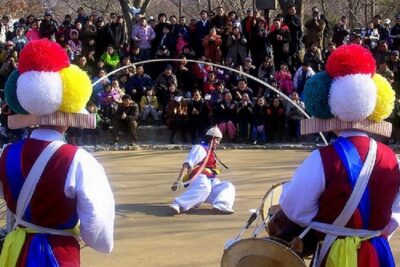
Namhansanseong UNESCO Historical Sites and Korean Folk Village-Private Tour
Read our review →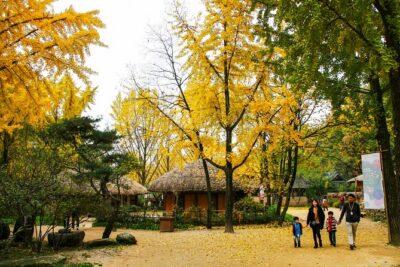
Private Day Trip to Korean Folk Village and Hwaseong Fortress
Read our review →
Incheon Airport (ICN) Transfer to Seoul/Suwon/Seongnam/Yongin
Read our review →Browse the lists this tour appears in