
Reviewed · CHERRY BLOSSOM AND AUTUMN FOLIAGE TOURS FROM SEOUL
Jinhae Cherry Blossom + Busan Sunrise from Seoul
The main appeal here is the chance to combine Busan sunrise with South Korea’s best-known spring flower festival in one long overnight outing from Seoul. You leave the capital at night, reach the coast before dawn, then spend the day among Jinhae’s cherry trees before returning to Seoul.
I like the all-in-one transport, since Seoul to Busan and Jinhae is a major distance to cover on your own. I also like the two-hour allocation at both Yeojwacheon Stream and Gyeonghwa Station, which gives you time to walk, take photos, and avoid rushing from one famous spot to the next.
The catch is simple: this is a punishing schedule. You travel through the night, return the next day, and may get little or no sleep. Bloom timing also matters. One April 8 visit found the flowers nearly finished, so the date you choose can shape the whole experience.
Key points to know before booking
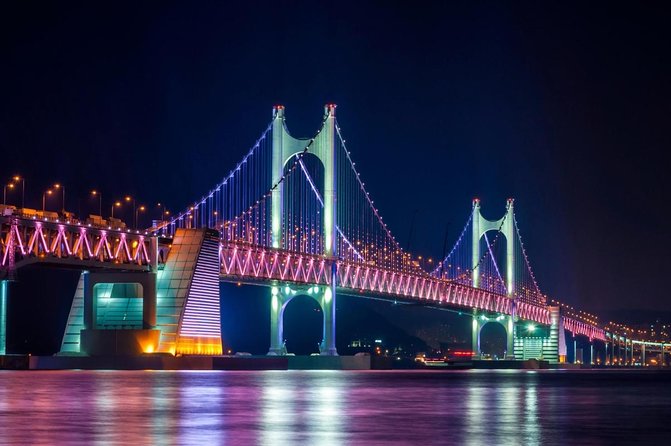
- Two major spring destinations in one trip: Visit Busan’s coast and Jinhae’s cherry blossom festival from Seoul.
- Sunrise at Haedong Yonggungsa: Reach the seaside temple after time at Haeundae Beach.
- Four hours for Jinhae flowers: Spend time at Yeojwacheon Stream and Gyeonghwa Station, with about two hours planned at each.
- $108.49 includes transport: Round-trip transfers, attraction admission, and English-speaking staff are included.
- Prepare for an overnight ride: The tour lasts about 19 to 20 hours and does not include a hotel or sleep break.
- Flower timing is not guaranteed: The operator may reschedule or cancel if the cherry blossoms are not fully open.
Why this overnight route appeals
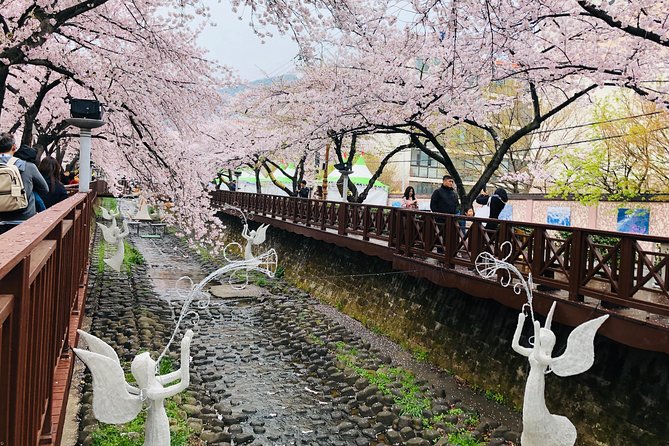
Jinhae, in South Gyeongsang Province, is one of South Korea’s best-known cherry blossom destinations. During the annual Gunhangje Festival, streets, streams, railway scenery, and hills are lined with pale pink flowers. The setting is not just one garden where you stop for a quick photo. You get several different views of the blossoms across the area.
This tour adds Busan to the same outing. That is what makes it unusual. Many day trips from Seoul focus only on Jinhae, while this one uses the overnight hours to reach the southern coast for sunrise before continuing to the festival.
The timing is practical, but not gentle. You depart Seoul at night and spend about five hours and twenty minutes reaching the Busan area. You then have time at Haeundae Beach, visit Haedong Yonggungsa Temple, continue to Jinhae, and spend several hours with the flowers before the return ride.
If you want a relaxed holiday day, this is not it. If you have limited time in South Korea and want to link three major sights in one movement, the packed schedule may be worth the trade.
More Gyeongju and Busan trips from Seoul:
- 5-Day Korea Golden route by K-shuttle Tour from Seoul Including Busan, Yeosu
★ 4.5 · 37 reviews - Andong Hahoe Village [UNESCO site] Premium Private Tour from Seoul
★ 5.0 · 24 reviews - Danyang Tour:Guinsa Temple & Bobaljae & Cheongpung Cable Car
★ 5.0 · 15 reviews
Haeundae Beach before the day begins
The first stop is Haeundae Beach, where you have about one hour and twenty minutes. The beach is free to enter, and the stop gives you a chance to stretch after the night journey and get something to eat.
Breakfast is not included, so you need to budget for your own food and drinks. The schedule calls this free breakfast time, but you should not expect a provided meal or a formal breakfast arrangement. Bring money and be ready to use the time as you prefer.
Haeundae is also a useful first look at Busan. The broad shore gives you open sea views and a change from Seoul’s dense city streets. Still, the timing matters. You arrive at the beginning of the day after a long ride, so you may appreciate the chance to sit more than the chance to explore at length.
Do not treat this as a full Haeundae visit. It is a short morning stop before the temple and the flower festival. The value is in seeing the coast and taking a break, not in covering all of Busan.
Sunrise at Haedong Yonggungsa Temple
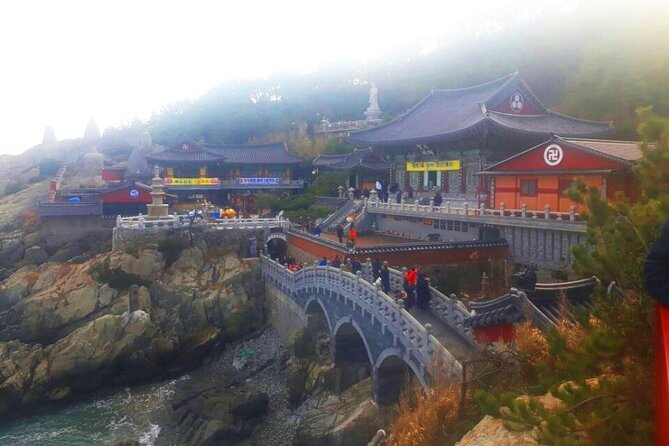
After roughly thirty minutes of transport from Haeundae, you reach Haedong Yonggungsa Temple. The temple is known for its seaside setting, making it a fitting sunrise stop. You get about one hour and twenty minutes here.
The timing is the strongest part of this section. A temple beside the water is a more memorable place to greet the morning than a highway rest stop, and the early light can give the visit a calm feel. You will also have time to look around rather than simply step off the vehicle for a photograph.
There is a practical trade-off. You are seeing the temple after a night on the road, and your energy may be low. The tour does not include a sleep period, and the schedule moves on after this stop. If you need a full night of rest to enjoy a morning visit, this may feel too demanding.
Still, the temple makes the route more than a simple flower transfer. You get a coastal Busan sight before heading inland toward Jinhae, with English-speaking staff helping manage the day.
Reaching Jinhae Gunhangje Festival
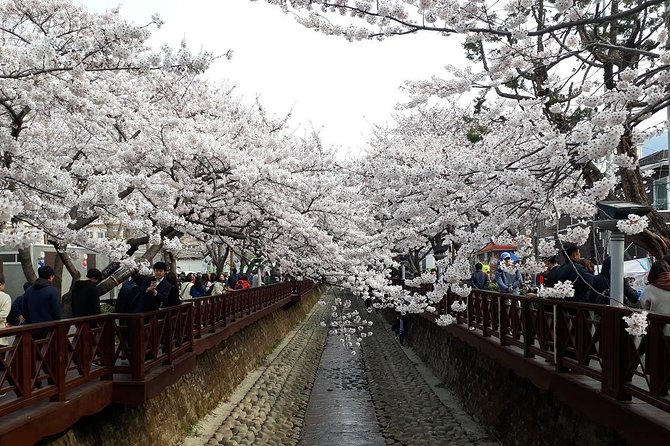
From Busan, the group continues to Jinhae. The listed transport time for this section is about two hours and twenty minutes. That is a substantial ride, but it also means you avoid arranging separate buses or trains between two places that are difficult to combine on a tight schedule.
The Jinhae Gunhangje Festival is the central event of the tour. Its appeal depends heavily on the season. When the trees are at their best, the town becomes a spring show of pink branches, walking routes, and photo spots. The supplied information also identifies Mt. Jaehwangsan as an area where the blossoms are especially strong, although the detailed stop schedule centers on Yeojwacheon Stream and Gyeonghwa Station.
That distinction is worth noting. You should expect the two named blossom stops to be the firm core of the day. Exact routing can change with traffic, group size, weather, and festival conditions.
The tour gives about four hours for Yeojwacheon Stream and Gyeonghwa Station together. It does not mean four hours at each place. The stated plan is roughly two hours at one and two hours at the other, though the exact split can change.
More blossom and autumn foliage trips from Seoul:
- Seoul: Mt. Seoraksan National Park Autumn Foliage Day Tour
★ 4.3 · 15 reviews - Autumn Foliage-Mt. Seorak, Sokcho Fish Market, Sokcho Beach
★ 5.0 · 10 reviews - Naejangsan National Park Autumn Foliage One Day Tour from Seoul
★ 4.5 · 9 reviews - Maisan Cherry Blossom and Jeonju Hanok Village
★ 5.0 · 8 reviews
Walking the Yeojwacheon Stream
Yeojwacheon Stream is the first cherry blossom stop. A streamside setting gives you a different view from a hill or railway line. Trees frame the water and walking route, so you can spend time moving at your own pace instead of staying beside the vehicle.
This is likely to be one of the most photogenic parts of the day, especially when the branches are fully open. The setting also gives you a straightforward way to enjoy the festival without needing a special activity. You walk, look, take photographs, and watch the spring scene unfold around the stream.
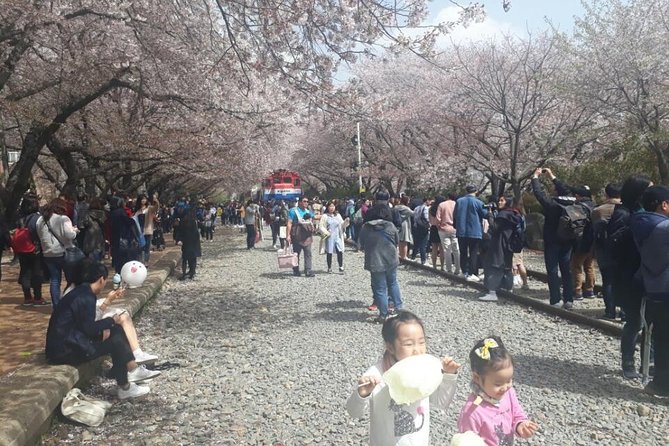
Keep your expectations sensible. The festival is a popular annual event, and the tour can have up to 100 people. Your group may not feel small, and the most famous viewpoints can be busy. You will get time at the stream, but you should not expect an empty path or a quiet private garden.
Wear shoes suitable for several hours of walking. The schedule provides time on foot at both blossom locations, and the lack of sleep can make a simple walk feel longer than expected.
Gyeonghwa Station and its cherry tree corridor
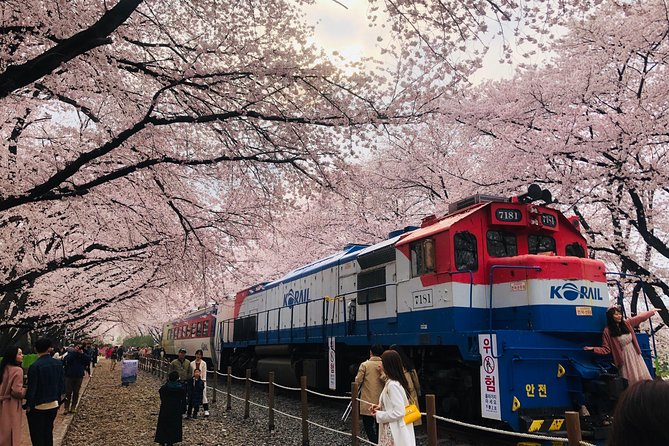
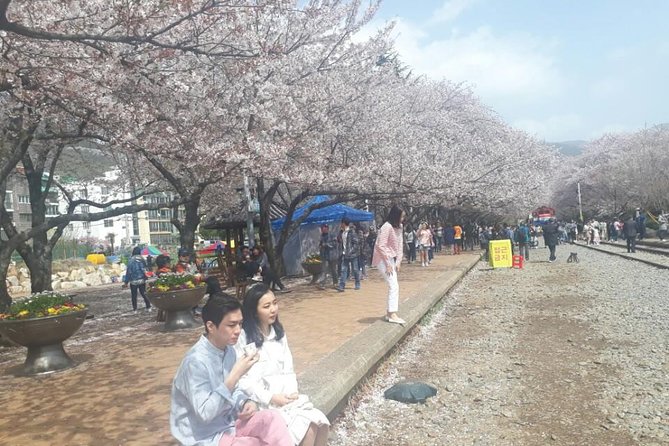
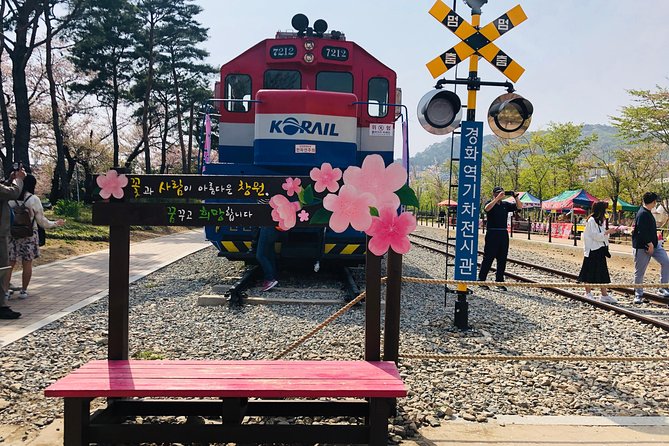
Gyeonghwa Station is the second cherry blossom stop. The railway setting gives the flowers a different character from Yeojwacheon Stream, with the station and tracks forming a clear visual line through the trees.
This is the place to focus on composed photographs. You may find the combination of railway infrastructure and pink blossoms more distinctive than a standard park view. It is also one of the reasons this tour includes two Jinhae locations instead of stopping at the first attractive street.
The plan allows about two hours here, within the four-hour blossom block. That is enough time to explore the area at a reasonable pace, though not enough to wait around indefinitely for ideal light or a completely clear photograph.
The flower season is the biggest uncertainty. A visit on April 8 found the cherry blossoms almost over. That is a useful warning, not a minor footnote. Peak dates vary, and a tour can be affected by warm weather, cool weather, or the natural speed of the bloom. If your schedule is flexible, use the operator’s rescheduling policy as a reason to keep some room around your travel dates.
What $108.49 buys you
At $108.49 per person, the price is reasonable for the distance and the number of stops, provided you value convenience. You are covering Seoul, Busan, the seaside temple, and Jinhae in one organized movement. Round-trip transfers, attraction admission, and English-speaking staff are included.
The transport alone is the main part of the value. Driving from central Seoul to the Busan region, then to Jinhae, and back to Seoul would involve long hours, several route decisions, and a tiring return plan. Here, the vehicle and basic route are handled for you.
The price does not include meals, drinks, or hotel pickup and drop-off. You need to reach the designated meeting point in central Seoul yourself, then arrange your own way home from one of the two final drop-off locations: Dongdaemun History & Culture Park or Myeongdong Station.
The vehicle may change according to the number of participants. The maximum group size is 100, so you should not book this expecting a small private van. The actual vehicle could be different from what you picture when you see the word minivan.
The return to Seoul and the real cost of time
After Jinhae, the group begins the journey back to Seoul. The stated return ride is about five hours, and arrival depends on traffic and weather. That makes the overall trip around 19 to 20 hours.
The real cost is not only money. It is energy. The tour starts at night and returns the following day without a sleep break. You may be able to rest in the vehicle, but that is not the same as a hotel bed, and the schedule does not promise a comfortable sleeping arrangement.
For some people, this is a fair exchange. You save the cost and planning of a separate Busan trip, and you see several seasonal sights in one outing. For others, the return ride after a full day outside will be too much.
The final drop-offs are useful for central Seoul. If you need to return to Hongik University Station, the instructions advise taking Subway Line 2 from Dongdaemun History & Culture Park. The tour does not return to Hongik University Station because of heavy traffic, so plan your onward route before departure.
Who should book this trip
I would choose this tour if you have a short Seoul stay, strongly want to see Jinhae during blossom season, and also want a taste of Busan. It suits people who prefer one organized route over researching separate trains, buses, and local transfers.
It is also a good match if you enjoy early starts, long scenic rides, and fitting several sights into one day. The English-speaking staff and included transfers reduce the amount of route planning you need to do.
I would hesitate if you need regular sleep, dislike long vehicle rides, or want a slow flower-viewing day. A separate overnight stay in Busan or Jinhae would give you more control, though it would cost more and require extra planning.
Families and older visitors should think carefully about the overnight schedule and several hours of walking. Most people can participate, but that does not mean the pace will feel easy for everyone.
Booking, cancellations, and flower timing
You receive confirmation at booking, and mobile tickets are supported. Arrive at the meeting point at least ten minutes early. Late arrivals and no-shows are not refundable, so do not cut your Seoul transfer close.
Free cancellation is available up to 24 hours before the start time. Changes made inside that window are not accepted, and a late cancellation receives no refund. If the minimum number of participants is not reached, the operator may offer another date or experience, or provide a full refund.
The operator may also reschedule or cancel if the cherry blossoms are not fully bloomed. That protection does not cover every personal change, sudden illness, or ordinary rainy weather. The stated exceptions focus on political conditions, extreme weather, or another unexpected event at the destination.
Should you book the Jinhae and Busan combination?
Book it if seeing Jinhae in season matters more to you than comfort, and if the idea of adding a Busan sunrise makes the long night worthwhile. The two blossom locations, included transfers, and $108.49 price make this a useful way to cover a lot of ground.
Skip it if you want restful travel or guaranteed peak flowers. The best advice is to check the expected bloom period, keep your next day free for recovery, bring money for breakfast and drinks, and plan your final subway connection in advance.
For the right person, this is an efficient spring expedition: Seoul at night, the Busan coast at dawn, and Jinhae’s cherry trees by day. Just understand that efficiency here comes at the cost of sleep.
FAQ
Where does the tour start?
The tour starts in Seoul, with round-trip travel from a central Seoul meeting point. Hotel pickup is not included.
How long does the experience last?
The tour lasts approximately 19 to 20 hours.
Does the tour run overnight?
Yes. It starts at night and returns to Seoul the next day without a sleep break.
Is breakfast included?
No. You have free time for breakfast at Haeundae Beach, but meals and drinks are not included.
What places are visited?
The scheduled stops include Haeundae Beach, Haedong Yonggungsa Temple, the Jinhae Gunhangje Festival area, Yeojwacheon Stream, and Gyeonghwa Station Cherry Blossom Road.
How much time is spent at the cherry blossom locations?
About four hours are planned for Yeojwacheon Stream and Gyeonghwa Station together, with roughly two hours at each location.
Is transportation included?
Yes. Round-trip transfers are included, with transport from Seoul to the Busan area, onward to Jinhae, and back to Seoul.
Is an English-speaking guide or staff member provided?
English-speaking staff are included.
Where does the tour finish in Seoul?
Drop-off is available at Dongdaemun History & Culture Park or Myeongdong Station.
Can I cancel for a refund?
You can cancel for a full refund up to 24 hours before the experience start time. Cancellations or changes made less than 24 hours before departure are not accepted for a refund.
Just added around Seoul
- Your Personal Seoul Photographer!★ 4.1 · 15 reviews
- From Seoul: Hwacheon Ice Fishing and Lighting Festival Tour★ 4.5 · 4 reviews
- You’re Invited to Our Home in Seoul: The Only Cooking Class!★ 5.0 · 8 reviews
- Seoul: Gangneung BTS K-Pop & K-Drama Filming Locations Tour★ 4.6 · 14 reviews
- Unique Native Experience : Han River Picnic, Board game, BBQ★ 5.0 · 3 reviews
- 2-Hour Private Kayaking and Paddleboarding Experience in Hanriver★ 5.0 · 3 reviews
- Yun Korean Cooking Class in Seoul★ 5.0 · 6 reviews
- Day Trip to Yongin Daejanggeum and Korean Folk Village from Seoul★ 4.0 · 9 reviews
Cherry Blossom and Autumn Foliage Tours from Seoul, compared.
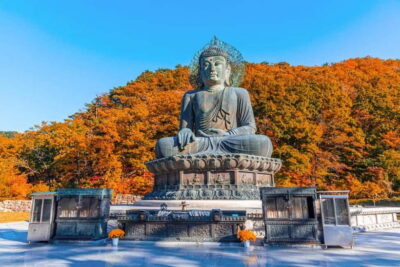
Mt. Seoraksan National Park Autumn Foliage Day Tour
Read our review →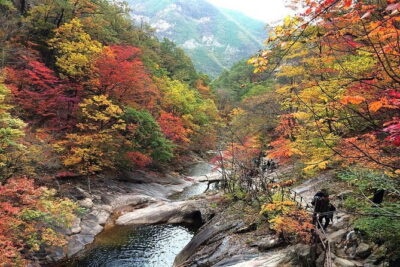
Autumn Foliage-Mt. Seorak, Sokcho Fish Market, Sokcho Beach
Read our review →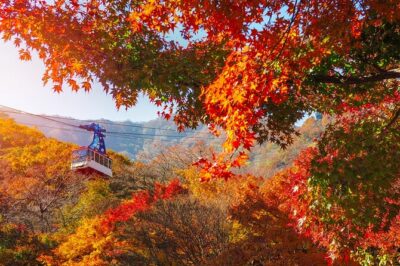
Naejangsan National Park Autumn Foliage One Day Tour from Seoul
Read our review →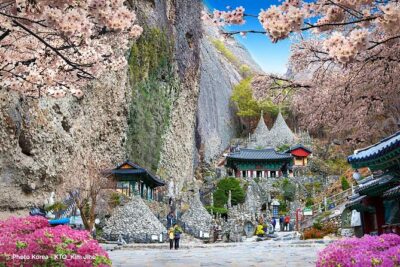
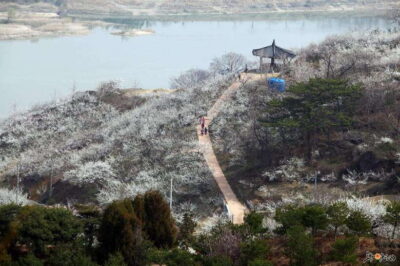
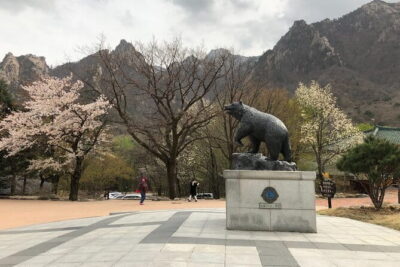
Seoraksan and Cherry Blossom Lake 1 day trip from Seoul
Read our review →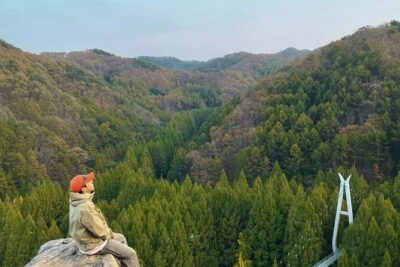
Suwon Hwaseong Fortress & Jangtaesan Full-Day Tour: Autumn Leaves
Read our review →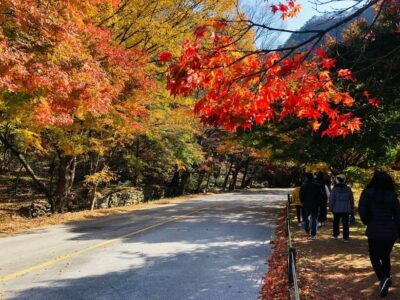
Autumn Foliage – Mt. Naejang + Jeonju Hanok Village
Read our review →Browse the lists this tour appears in