
Reviewed · GYEONGJU AND BUSAN MULTI-DAY TRIPS FROM SEOUL
3-Day Korea Western course by K-shuttle Tour from Seoul to Busan
South Korea’s west offers the kind of places that are awkward to reach on your own in just three days: Baekje royal tombs, old fortress walls, and traditional villages spread between Seoul and Busan. This trip handles the long coach rides and hotel changes, leaving you to focus on the sights.
I like the route for two clear reasons: you get a useful look at Korea beyond Seoul, and the included 4-star hotels, breakfasts, guide, and transfers remove much of the planning work. The main drawback is the pace. Three days cover a lot of ground, and the schedule leaves little time for slow wandering or independent meals.
Key points to know before booking
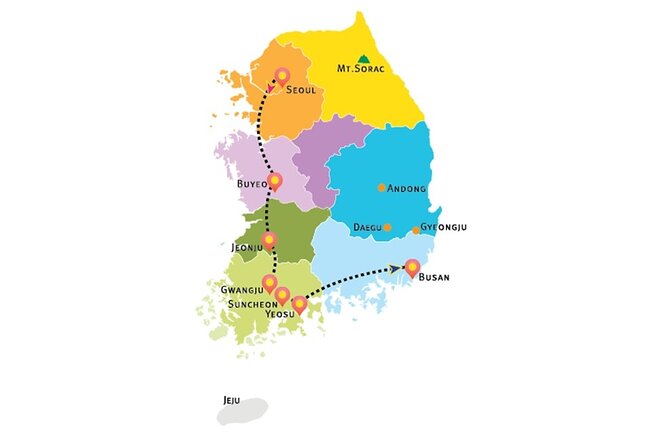
- Gongju opens the trip with Baekje history, including the Tomb of King Muryeong and Gongsanseong Fortress.
- Jeonju Hanok Village adds food and tradition, with time to see old-style Korean homes and try local dishes such as bibimbap.
- The route includes meaningful modern history, especially at the May 18th National Cemetery in Gwangju.
- Suncheon Bay Garden brings a change of pace, with trees, flowers, and broad garden paths.
- The trip ends at Busan Station around 1 p.m., making it useful if you are continuing by train.
- Guide quality matters, and past departures were especially praised for Justin and Mr Kim, also identified as MS Kim.
Why this three-day route works
At $749 per person, this is not a cheap point-to-point transfer. It is a short guided journey with two nights of 4-star lodging, breakfasts, coach transport, a professional guide, and some admissions included.
I see the price as reasonable if you value time and structure. Getting from Seoul to Gongju, Jeonju, Gwangju, Suncheon, Jinju, and Busan by public transport would require careful connections, several hotel arrangements, and a fair amount of Korean-language planning. The coach gives you a fixed base, while the guide helps explain places that can be harder to understand from signs alone.
You should still budget for lunch, dinner, and any extra drinks or snacks. Meals beyond breakfast are not included, so this is not an all-in package. The price also does not include pickup from your Seoul hotel or drop-off at your Busan hotel. The tour begins at 8 a.m. beside the Donghwa Duty Free Shop at Exit 6 of Gwanghwamun subway station and finishes at Busan Station.
The group can reach 40 people. That is large enough to feel like a proper coach tour, but it also means you need to keep an eye on meeting times. The upside is a more efficient trip through a wide section of the country. The tradeoff is less freedom than you would have with a private guide.
More Gyeongju and Busan trips from Seoul:
- 5-Day Korea Golden route by K-shuttle Tour from Seoul Including Busan, Yeosu
★ 4.5 · 37 reviews - Andong Hahoe Village [UNESCO site] Premium Private Tour from Seoul
★ 5.0 · 24 reviews - Danyang Tour:Guinsa Temple & Bobaljae & Cheongpung Cable Car
★ 5.0 · 15 reviews
Day 1: Baekje tombs, a riverside fortress, and Jeonju roofs
Your first morning starts at 8 a.m. at the parking lot next to Donghwa Duty Free Shop, near Gwanghwamun subway station Exit 6. Arrive early. The meeting point is central, but the first departure can feel confusing if several coaches are gathering nearby. One past departure included a frustrating wait while passengers and guides worked out which bus was correct, so keep your confirmation details handy and ask clearly for the Korea Western course.
The first major stop is the Songsan-ri Tombs and Royal Tomb of King Muryeong in Gongju. You have about two hours here, which gives the guide time to explain the Baekje period and the role of Gongju as a former capital.
The tomb area contains seven discovered graves, believed to belong to Baekje kings and their families. King Muryeong’s tomb is especially important. It was found by accident during work to protect nearby tombs from flooding, and its brick construction and objects inside gave historians valuable evidence about Baekje culture.
This is a good first stop because it gives the rest of the trip a historical frame. You are not simply looking at an old burial mound. You are seeing a site tied to a Korean kingdom that ruled from the third to seventh centuries. The admission is listed as free, but the guide’s explanation is the part that gives the visit meaning.
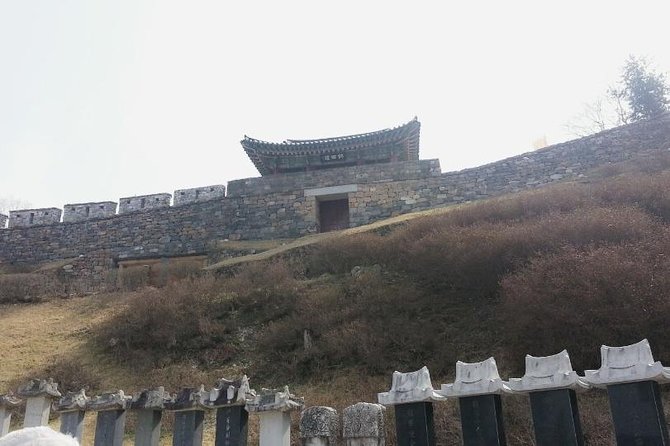
Next comes Gongsanseong Fortress, also in Gongju. The visit lasts about an hour. The mountain fortress follows a trail above the Geumgang River, with Imnyugak Pavilion along the route.
You should expect some walking and uneven ground. The reward is a view of the river and the old defensive walls. This is one of those stops where the setting matters as much as the structure. You get a sense of why the site was chosen and how a fortress could control movement around the river.
The one-hour slot is enough for a look and a short walk, but not for a leisurely circuit of every path. Wear comfortable shoes and be ready to move on when the guide gives the departure time.
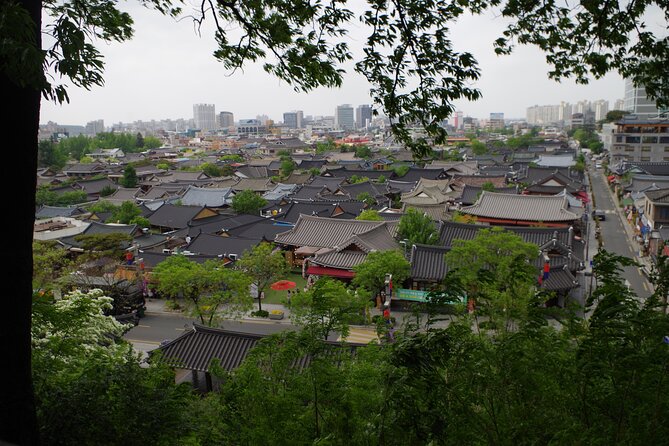
The afternoon brings you to Jeonju Hanok Village, one of the most appealing stops for anyone interested in everyday Korean culture. The modern city has grown around it, but the village keeps its traditional houses, known as hanok. Their roof edges curve upward toward the sky, giving the lanes a distinctive look.
You have about two hours here. That is enough to walk through the main area, see the Hanok Life Experience Hall, and sample local food. Jeonju is closely linked with bibimbap, and the village offers a chance to connect a well-known Korean dish with the region where it became famous.
This is also your best opportunity on the first day to wander at your own pace. Two hours passes quickly, especially if you want photos, food, and a close look at the buildings. Do not expect a quiet historical village untouched by tourism. It is a popular area, but it still gives you a clear sense of traditional Korean design and food culture.
Your first overnight stop is arranged by the tour. The exact hotel can depend on availability, so check the confirmation details when they arrive. A two-person room normally means two separate twin beds. If you want one queen bed, request it during booking.
Day 2: Democracy, gardens, and Admiral Yi
Day two begins with the May 18th National Cemetery in Gwangju. This is not a light sightseeing stop, and it should not be treated as one. The cemetery honors people who died during the May 1980 movement for democracy.
The victims were initially buried under harsh and hurried conditions, with bodies moved by handcarts and garbage trucks. In 1997, the cemetery was reorganized and the victims were reburied at this memorial. May 18 is now observed as a national day of remembrance.
You have around two hours here. The time allows you to take in the grounds and memorial spaces without rushing. I value this part of the route because it connects Korea’s modern political story with the older royal and military history seen on day one.
The setting in front of Mudeungsan Mountain adds a calm backdrop, but the subject remains serious. Listen carefully to the guide and give the site the respect it requires. Entrance is included.
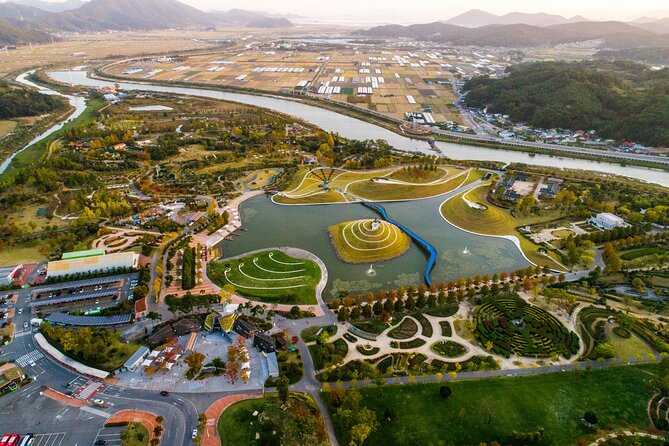
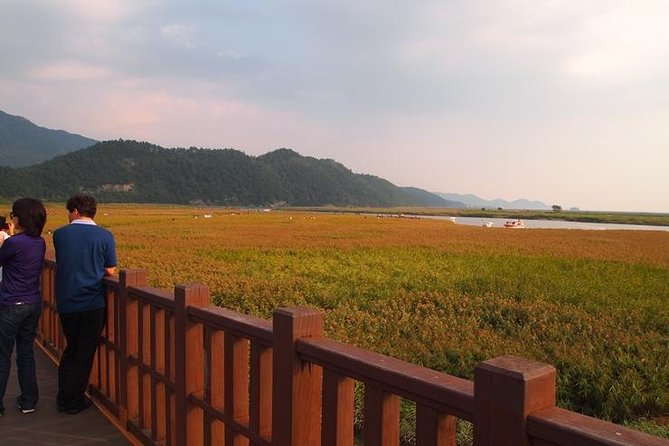
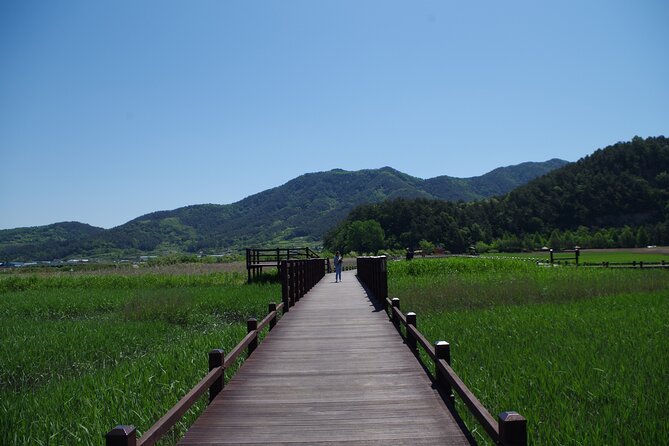
The next stop is Suncheon Bay Garden, also visited for about two hours. The garden covers roughly 1.12 square kilometers and contains more than 505 kinds of trees and 113 kinds of flowers.
This is the day’s most relaxed stop. You can walk among planted areas, flower displays, and shaded paths. Tulips and royal azaleas are important seasonal features, while canola flowers near the garden are usually at their best in May. The exact display depends on the season, so do not book this tour solely for one type of flower.
Suncheon changes the rhythm of the journey. After a memorial focused on loss and democracy, the garden gives you open space and a chance to stretch your legs. It is also a useful reminder that this route is not only about palaces and fortifications. Korea’s public gardens and conservation projects are part of the country’s modern identity too.
Two hours sounds generous, but a large garden can easily absorb the full visit. Follow the guide’s instructions about where and when to meet. If you wander far from the meeting point, you may have a rushed return.
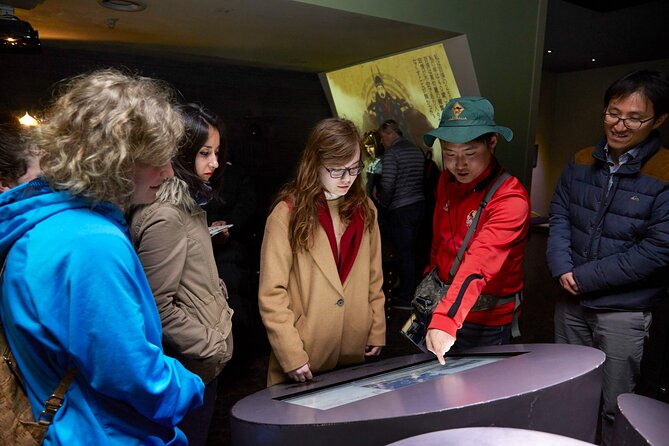
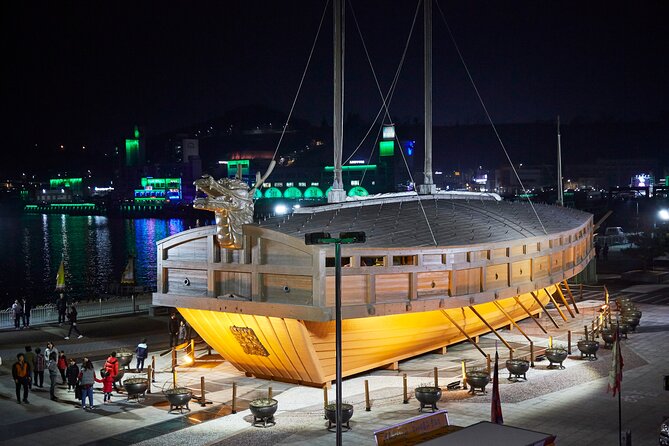
The day continues with a stop connected to Admiral Yi Sun-sin, one of Korea’s best-known military leaders. During the Japanese invasions of 1592 to 1598, Yi chose this area as a headquarters. The site contains displays and artifacts related to his campaigns, and the hall was designated National Treasure No. 304 in 2011.
The scheduled visit is about two hours, which gives you time to see the indoor displays and hear the historical context. This stop may appeal most if you enjoy military history, but the guide should also help explain why Yi remains such a strong figure in Korean memory.
The tour does not include lunch or dinner, so ask the guide about meal timing and local options. One advantage of a guided coach route is that your guide can suggest evening food and activities. Mr Kim, also listed as MS Kim in one past account, was especially praised for helping with hotel check-in, evening plans, food suggestions, and onward travel. Justin was also singled out for clear information during a different departure. Guides can change, but these details show how much the human side of the tour can affect your experience.
Day 3: Jinjuseong Fortress and an easy Busan arrival
The final sightseeing stop is Jinjuseong Fortress, visited for about one hour. The site has carried different names over the centuries, beginning as Geoyeolseong Fortress during the Three Kingdoms period, becoming Chokseokseong Fortress in the Goryeo Dynasty, and later taking its current name during the Joseon Dynasty.
It is closely linked with the Japanese invasions of 1592. The short visit gives you time to walk around the fortress area and connect it with the military sites seen earlier in the trip.
One hour is enough for an introduction, but not a full exploration of every historical detail. If fortifications are your main interest, you may wish you had longer. For most people, though, it is a fitting final stop before the coach heads south.
The tour ends at Busan Station at about 1 p.m. This is one of the strongest practical features of the schedule. You can continue by train, arrange a taxi, or begin your Busan stay without losing the whole afternoon. The tour does not include hotel drop-off, so plan that final transfer yourself.
More multi-day trips from Seoul:
- Essence Korea 3days Ptivate Tour(West/East)
★ 5.0 · 5 reviews
Hotels, rooms, and the small print that matters
Two nights of 4-star accommodation are included, along with breakfast each morning. Hotel names are not fixed in the information provided, so you should treat the star rating as the promise rather than a particular property.
A double room normally has two twin beds. You can request one queen bed in the special requirements field during checkout. For three people sharing one room, a pullout bed can be added at no extra charge. If you prefer separate rooms, one person can book a single room, but a single supplement applies.
Children must travel with an adult. Children aged 3 to 5 can receive the child price if they share a bed with an adult. A child using a separate bed pays the full adult price.
The operator requires passport name, number, expiry date, and country for every person at booking. Bring only one piece of luggage per person because coach storage depends on group size. These are small details, but they matter on a three-day route with hotel changes.
Who will get the most from this tour?
I would recommend this trip to you if you have limited time in South Korea and want to see more than Seoul and Busan. It suits first-time visitors who prefer a guide, fixed transport, and hotels arranged in advance.
It is also a good fit if you want history with variety. You will see Baekje burial sites, a mountain fortress, traditional homes, a democracy memorial, gardens, an admiral’s headquarters, and a Joseon-era fortress in three days.
I would hesitate if you dislike early starts, coach travel, or fixed schedules. The route is busy, and several stops allow only one or two hours. You will see a lot, but you will not have time to settle into each place for a whole afternoon.
Solo bookers should also understand the operating rule. One person may reserve a place, but at least two people are needed for the tour to run. If the minimum is not met, an alternative or full refund is offered after cancellation by the operator.
The experience may be operated with a multilingual guide. That can be useful for a mixed group, but the exact language arrangement should be confirmed before you commit if this is important to you.
Should you book the Korea Western course?
Book it if your priority is efficient sightseeing between Seoul and Busan, especially if you want places that are difficult to connect by public transport in a short visit. The combination of coach transport, two hotel nights, breakfasts, a guide, and a 1 p.m. Busan arrival gives the $749 price real practical value.
Skip it if you want long meals, quiet village time, or the freedom to change plans. The tour is at its best as a well-organized introduction, not as a slow regional trip. Request your preferred bed arrangement, pack light, arrive early at Gwanghwamun, and keep enough money aside for meals and the final transfer from Busan Station.
Cancellations made at least six full days before the start time receive a full refund. Two to six full days allows a 50 percent refund, while cancellations less than two full days before departure are nonrefundable.
FAQ
Where does the tour begin?
It begins at 8 a.m. at the parking lot beside Donghwa Duty Free Shop, near Exit 6 of Gwanghwamun subway station in Seoul.
Where does the tour end?
The coach drops you at Busan Train Station at about 1 p.m. Hotel drop-off in Busan is not included.
How long is the tour?
The tour lasts approximately three days and includes two nights of accommodation.
What accommodation is included?
Two nights in 4-star accommodation are included. The specific hotels depend on availability.
Are meals included?
Breakfast is included according to the schedule. Lunch and dinner are not included.
Is transportation included?
Yes. Coach transfers between the scheduled stops are included, along with a professional guide.
Are entrance fees included?
Some entrance fees are included. The May 18th National Cemetery and Suncheon Bay Garden are specifically listed with admission included.
Can I request one queen bed?
Yes. The standard double room has two separate twin beds, but you can request one queen bed in the special requirements field during checkout.
Can one person book this tour?
One person can make a booking, but at least two people are required for the tour to operate. If the minimum is not met, an alternative or full refund will be offered.
How much luggage can I bring?
The coach compartment has limited space that depends on group size. You should bring only one piece of luggage per person.
Is the tour suitable for children?
Children must be accompanied by an adult. Children aged 3 to 5 can receive the child price when sharing a bed with an adult, but a child using a separate bed pays the full adult price.
What information is needed at booking?
You must provide each participant’s passport name, passport number, expiry date, and country.
Just added around Seoul
- Your Personal Seoul Photographer!★ 4.1 · 15 reviews
- From Seoul: Hwacheon Ice Fishing and Lighting Festival Tour★ 4.5 · 4 reviews
- You’re Invited to Our Home in Seoul: The Only Cooking Class!★ 5.0 · 8 reviews
- Seoul: Gangneung BTS K-Pop & K-Drama Filming Locations Tour★ 4.6 · 14 reviews
- Unique Native Experience : Han River Picnic, Board game, BBQ★ 5.0 · 3 reviews
- 2-Hour Private Kayaking and Paddleboarding Experience in Hanriver★ 5.0 · 3 reviews
- Yun Korean Cooking Class in Seoul★ 5.0 · 6 reviews
- Day Trip to Yongin Daejanggeum and Korean Folk Village from Seoul★ 4.0 · 9 reviews
Gyeongju and Busan Multi-Day Trips from Seoul, compared.
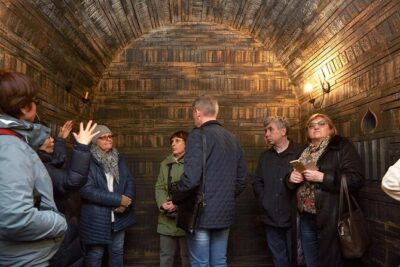
5-Day Korea Golden route by K-shuttle Tour from Seoul Including Busan, Yeosu
Read our review →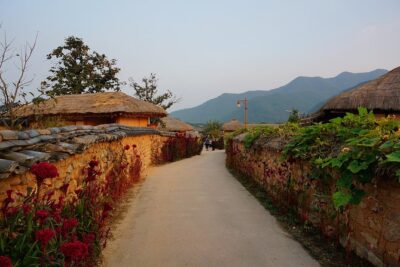
Andong Hahoe Village [UNESCO site] Premium Private Tour from Seoul
Read our review →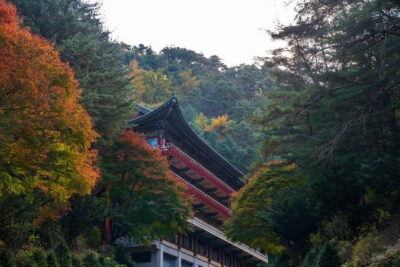
Danyang Tour:Guinsa Temple & Bobaljae & Cheongpung Cable Car
Read our review →
Small Group 7D Korea package Tour with Seoul Gyeongju Busan Jeju
Read our review →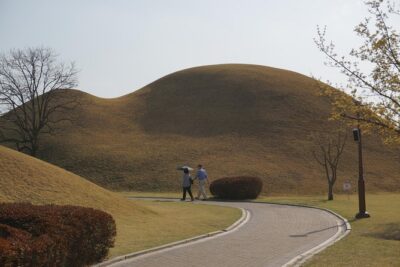
3-Days 2-Nights Gyeongju UNESCO Sites & Busan City [Private Tour from Seoul]
Read our review →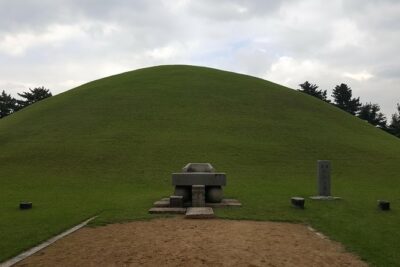
Gyeongju UNESCO Sites Tour by KTX train; The Museum Without walls
Read our review →
Andong Hahoe Folk Village [UNESCO World Heritage] Private Tour from Seoul
Read our review →Browse the lists this tour appears in