
Reviewed · SEOUL CITY HIGHLIGHTS TOURS
Essence Korea 3days Ptivate Tour(West/East)
The best thing about this private Korea tour is its reach. In three days, you can move from Baekje royal tombs and Jeonju’s hanok streets to Shilla-era Gyeongju, seaside temples, Yeosu, Mokpo, and Busan’s Gamcheon Culture Village. Johnny, Jun, and George have each guided this route, with George especially praised for shaping the schedule around what his group wanted to see.
I like the private vehicle and flexible format, since you are not tied to a large coach or a fixed group. I also like the mix of old Korea, coastal scenery, city views, and local food. The catch is clear: this is a lot of ground in only three days. If you combine the East and West courses, expect long drives and a brisk pace, and remember that accommodation is not included.
Key points to know before booking
- Choose West, East, or both: The route can focus on one side of Korea or combine the two, but combining them makes the schedule demanding.
- See places beyond Seoul: Gongju, Jeonju, Yeosu, Mokpo, Gyeongju, Andong, Busan, and Haedong Yonggungsa all offer a different side of the country.
- Private guiding matters: Only your own group participates, and guides such as George have customized the trip to fit the group’s interests.
- Three lunches are included: Fuel, parking, admissions, and lunch are covered, while you arrange your own hotel stays.
- History comes in layers: You will encounter Baekje, Shilla, Joseon-era traditions, modern refugee history, and Korea’s recent international role.
- Plan for a fast-moving trip: Several stops last less than an hour, so this works better for seeing a wide range of places than for slow exploration.
Why this route gets you out of Seoul
Seoul is a fine starting point, but it can give you only one slice of Korea. This tour heads into cities where royal dynasties, village traditions, seafood, temples, and modern urban life sit much closer together.
The itinerary covers the West and East courses separately, with the option to combine them. That flexibility is useful, but you should ask for the exact plan before booking. The supplied schedule includes both sides of the country across the three days, yet the amount of driving makes it important to confirm which stops will actually fit your chosen version.
This is a private activity, so your group controls the experience more than it would on a standard bus tour. You can also benefit from a guide who knows where to stop for food and how to explain the meaning of each place. Guides Johnny, Jun, and George are named in the tour details, but the assigned guide may vary.
More city highlights tours in Seoul:
- Seoul City Sightseeing Tour Including Gyeongbokgung Palace, N Seoul Tower, and Namsangol Hanok Village
★ 5.0 · 1,423 reviews - Seoul Highlights: Gyeongbok Palace, Insadong & N Seoul Tower
★ 4.7 · 726 reviews - Seoul Highlights & Hidden Gems Tours by Locals: Private + Custom
★ 5.0 · 359 reviews
Day 1: Baekje history in Gongju and hanok streets in Jeonju
Gongju begins the West course with a look at the Baekje dynasty, which made the city its capital about 1,400 years ago. This is a strong opening because the history is not confined to one museum room. You can connect the fortress, royal tomb, and museum into a picture of how the old capital worked.
Gongsanseong Fortress
Gongsanseong Fortress sits above the city and gives you a useful view over Gongju. The stop lasts about 40 minutes and admission is included. You may also try archery, which adds a hands-on touch to a site that could otherwise feel like a quick photo stop.
The short visit means you will not have time for a long walk around every section. Think of it as an introduction to Gongju’s military and royal setting, not a full morning at the fortress.
Gongju National Museum
The Gongju National Museum provides the background that makes the outdoor sites easier to understand. It focuses on royal life during the Baekje dynasty, and admission is free. Allow about 40 minutes.
I like the order of these stops. Seeing the fortress first gives you a physical sense of the city, while the museum fills in the names, objects, and daily life behind the ruins.
More multi-day trips from Seoul:
- 3-Day Korea Western course by K-shuttle Tour from Seoul to Busan
★ 4.5 · 4 reviews
Muryeongwangneung, the tomb of King Muryeong
The tomb site of King Muryeong adds another piece to the Baekje story. You have about an hour here, including the small museum connected with the king. Admission is included.
This stop is especially worthwhile if you enjoy archaeology and royal history. It is less about entertainment and more about understanding how rulers were buried and remembered. If your interests lean toward food, shopping, or scenery, the museum-heavy stretch may feel slower.
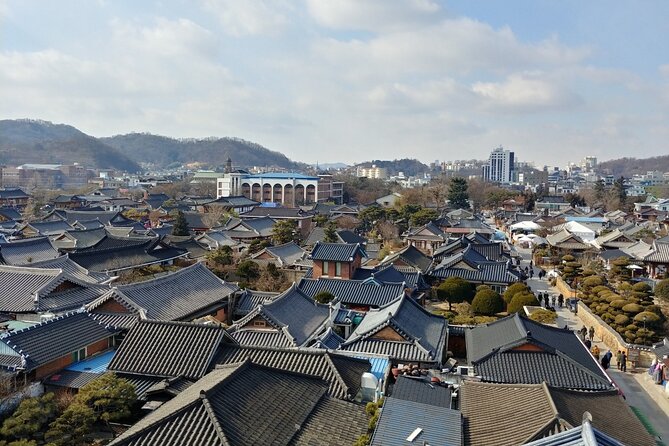
Jeonju Hanok Village
Jeonju changes the mood. The city is famous for its hanok, or traditional Korean houses, and for street food. The village developed during the Japanese occupation as a way to help preserve Korean society, and today it is one of the best-known places to see traditional-style streets in an urban setting.
The planned visit is about an hour, although the wider Jeonju stop is listed as roughly three hours. Clarify how much free time you will have in the village. A short visit lets you sample food and walk among the houses, but you may want longer if you hope to browse carefully or take your time with a meal.
You spend the night in Jeonju, but the hotel is not part of the $800-per-person price. Arrange that separately and confirm the pickup plan for the next morning.
Day 1 or Day 2 option: Andong and its traditional village setting
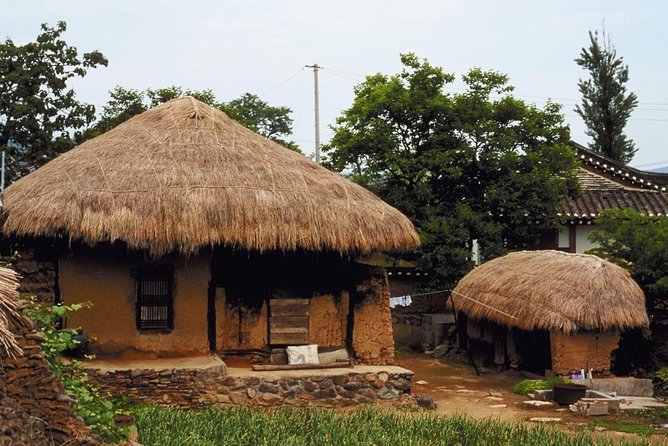
Andong appears as part of the East course. It is described as one of Korea’s most authentic cities, and Queen Elizabeth II visited in 1999, including a birthday celebration there. The main listed stop, Andong Hahoe Folk Village, lasts about 90 minutes and includes admission.
Hahoe is valuable because it presents traditional village life rather than a single palace or museum. The visit is short, so you will get an overview rather than a slow study of every lane and house.
The placement of Andong in the schedule is one reason to request a detailed route. It is not a minor detour if you are also covering Jeonju, Yeosu, Gyeongju, Mokpo, and Busan. A private guide can make the timing work better than a large group, but the driving still takes time.
Day 2: Yeosu’s coast and the royal history of Gyeongju
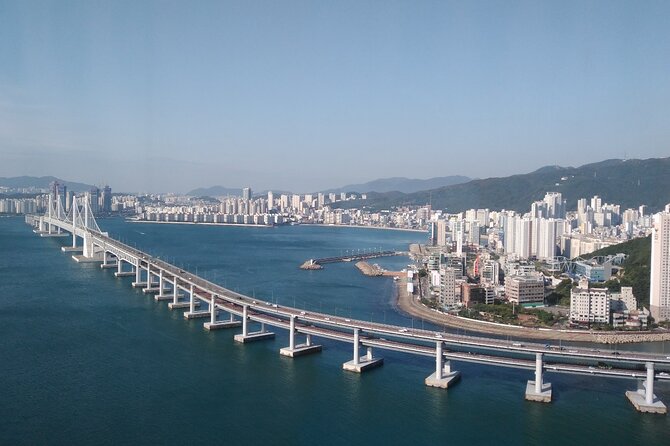
Day 2 brings two very different settings. Yeosu gives you ocean views and seafood, while Gyeongju takes you into the former capital of the Shilla dynasty.
Yeosu and Odongdo
Yeosu is described as the main West and South Sea attraction on this route. You get about three hours in the area, with fresh seafood and ocean scenery as the focus. Odongdo adds a one-hour walking course where you can see camellia flowers, and admission is included.
This is one of the tour’s better changes of pace. After museums and royal sites, the coast offers open views and a chance to think about Korea as a peninsula shaped by fishing and sea trade. The walking course also gives you some movement, although one hour is not enough for an extended outing.
Food is a major reason to value the private format here. Your guide may be able to direct you toward local places, but the tour information does not specify which restaurants are used or whether seafood costs are included. Three lunches are covered overall, so ask whether the Yeosu meal is one of them and what additional charges you should expect.
Gyeongju and the Shilla capital
Gyeongju served as the capital of the Shilla dynasty for about 1,000 years. The city itself is designated a world cultural heritage area, and the schedule gives it about three hours, plus separate visits to Daereungwon and the Gyeongju National Museum.
Daereungwon Tomb Complex contains large royal tombs from the Shilla period. The visit lasts about 40 minutes and admission is included. The broad grassy setting and rounded tombs look very different from the stone fortress at Gongju, which helps you see that Korea’s early kingdoms had distinct styles and traditions.
The Gyeongju National Museum gives you an hour with Shilla artifacts and history. Admission is free. I would pay close attention to the guide here, since a good explanation can turn a collection of crowns, objects, and religious pieces into a clearer story about the old capital.
The drawback is time. Gyeongju deserves more than a few quick stops if ancient history is your main interest. This tour lets you sample the city efficiently, but it is not designed as a slow, full Gyeongju visit.
Day 2: Haedong Yonggungsa beside the East Sea
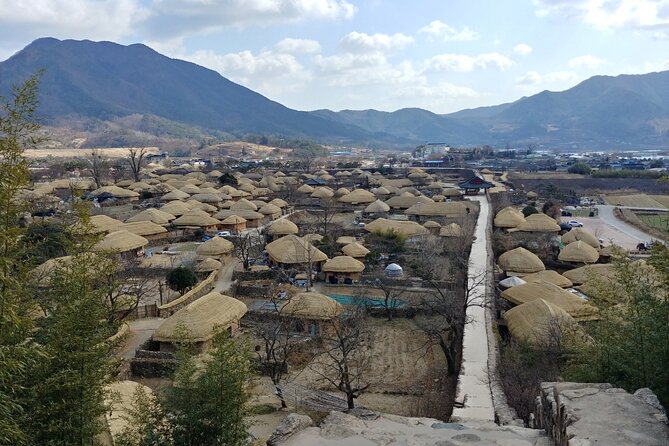
Haedong Yonggungsa is one of Korea’s best-known seaside temples. It sits directly beside the East Sea, and the listed visit lasts about 50 minutes. Admission is free.
The setting is the reason to come. Instead of looking down over a valley or sitting inside a city, the temple meets the water at the edge of the coast. You can expect steps and walking around the temple grounds, so comfortable shoes are sensible, although the tour information does not give a detailed accessibility assessment.
This is a compact stop, but it gives you one of the route’s clearest scenic moments. If you have seen only Seoul’s urban temples, the coastal location offers a very different impression of Korean religious architecture.
Day 3: Mokpo, Busan, and Korea’s modern story
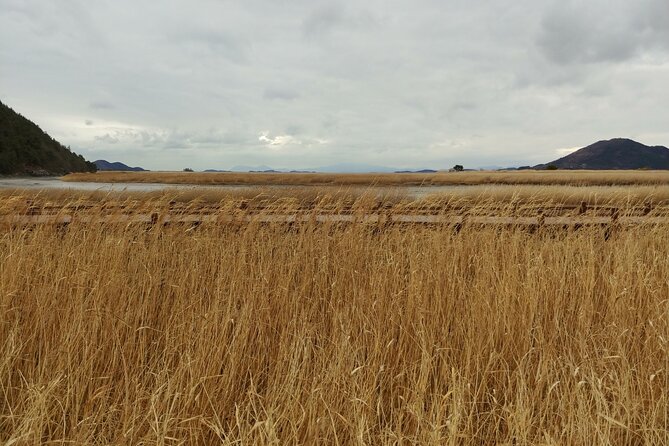
The final day moves through the western port city of Mokpo and then toward Busan. It is also the part most likely to feel rushed, especially if the route is combining both sides of the country.
Mokpo
Mokpo sits at the western end of Korea. The visit lasts about two hours and focuses on local food, scenery, and the city’s unusual views.
Mokpo is useful because it is not simply another major capital or famous heritage stop. You get a sense of a port city with its own food and visual character. Still, two hours is an introduction. If you want to explore deeply, the schedule will probably leave you wanting more.
APEC Naru Park
APEC Naru Park is connected with the 2005 APEC meeting and is known for its scenic setting. The stop lasts about an hour and admission is free.
This is a modern counterpoint to Gongju and Gyeongju. The tour is not only about ancient dynasties. It also shows Korea’s place in recent international affairs and gives you another attractive outdoor stop near Busan.
Gamcheon Culture Village
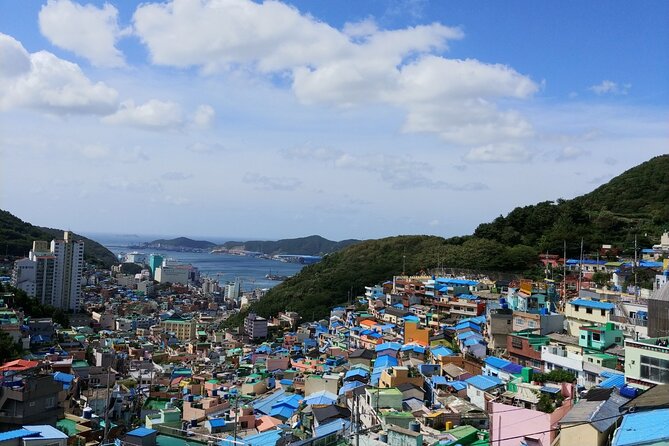
Busan’s Gamcheon Culture Village was created to house refugees from across Korea. It later became famous for its distinctive culture and appearance. The scheduled visit is only about 40 minutes, with no admission charge.
You can expect a quick look rather than an unhurried neighborhood walk. The village’s story is important because it connects Busan to the hardships and movement of Korea’s modern period, not just to seafood, beaches, and city views.
The final day can also be the hardest. One review of the experience called the pace hectic and suggested that a six-day version would better suit a combined East and West route, especially because the last day involves a long return toward Busan. Take that criticism seriously. Seeing many places is the point, but you will trade time and rest for variety.
What the $800 price really covers
At $800 per person, this is not a budget sightseeing package. The price includes fuel surcharge, parking fees, admissions, and three lunches. It does not include accommodation, and the information does not state that dinners, drinks, or other meals are included.
The value depends heavily on your group size and priorities. A private vehicle covering distant cities can be worthwhile when you want to avoid planning several regional connections yourself. You also get a guide who can explain the sites and adjust the day. George, in particular, is described as customizing the route so his group could see as many cities as possible and find good local food.
The price is harder to justify if you prefer slow travel or if you are comfortable arranging trains, hotels, and meals yourself. You may see more places independently for less money, but you will spend more time researching the route and managing transport.
The strongest value is access to a wide regional route in a private setting. The weakest value is the limited time at some stops. Before paying, ask for the exact West, East, or combined schedule and confirm how many people are in your private group.
Guides, vehicle, and the feel of the trip
The guide is central to this experience. Johnny is described as prompt, cheerful, and eager to help, with a luxurious and comfortable vehicle. Jun is praised for explaining the importance of the places visited, while George is described as prompt, obliging, and good at adapting the route.
Those details matter because the tour involves many transitions. You want a guide who can keep the day moving without making you feel hurried at every stop. You also want clear explanations, since the route crosses several dynasties and very different regions.
The vehicle is described as comfortable, but no vehicle size or model is provided. Pickup is offered, and the tour is near public transportation. Most people can participate, though the schedule includes walking at fortresses, villages, tomb complexes, parks, and a seaside temple.
Confirmation is provided at booking. Free cancellation is available up to 24 hours before the start time, with the stated local-time cutoff. Poor weather can lead to a different date or a full refund.
Who should book this private Korea tour?
You should consider it if you have only three days beyond Seoul and want breadth over leisure. It suits a private group that wants history, food, coastal scenery, and several cities without handling every transport connection.
It is also a good fit if you want a guide to explain Baekje and Shilla history, point out local food, and adjust the plan. The private setup is useful for families or friends who want to travel together without strangers in the vehicle.
I would hesitate if you dislike long drives, need generous free time, or want to explore one region properly. Gyeongju, Jeonju, Yeosu, and Busan could each fill more than a few hours. Combining East and West gives you a remarkable range, but it can leave you tired and wishing for longer visits.
FAQ
How long is the tour?
The tour lasts approximately three days.
Where does the tour take place?
The tour begins in Seoul and visits destinations in the West and East courses of Korea, including Gongju, Jeonju, Yeosu, Mokpo, Gyeongju, Andong, and Busan.
Can I choose the West or East course?
Yes. You can choose the West course, the East course, or combine both courses.
Is this a private tour?
Yes. Only your group participates in the activity.
What is included in the price?
Fuel surcharge, parking fees, admissions, and three lunches are included.
Is accommodation included?
No. You must arrange and pay for your own accommodation.
Are hotel pickups available?
Pickup is offered, but the supplied details do not specify the exact pickup locations.
How much does the tour cost?
The listed price is $800 per person.
Can most people participate?
The tour information says most people can participate. It includes walking at places such as fortresses, folk villages, parks, tomb complexes, and a seaside temple.
What happens if the weather is poor?
If poor weather causes cancellation, you will be offered a different date or a full refund. You can also cancel for a full refund if you cancel at least 24 hours before the start time.
Should you book it?
Book this tour if you want to cover a large part of Korea in three days and value a private guide, comfortable transport, local food, and historical context. Ask for the exact route first, especially if you want to combine East and West.
If you can spare six days, a slower version would likely serve you better. With only three days, this is an energetic sampler of Korea beyond Seoul, not a relaxed regional holiday. The range is impressive, the guiding can add real value, and the pace is the price you pay for seeing so much.
Just added around Seoul
- Your Personal Seoul Photographer!★ 4.1 · 15 reviews
- From Seoul: Hwacheon Ice Fishing and Lighting Festival Tour★ 4.5 · 4 reviews
- You’re Invited to Our Home in Seoul: The Only Cooking Class!★ 5.0 · 8 reviews
- Seoul: Gangneung BTS K-Pop & K-Drama Filming Locations Tour★ 4.6 · 14 reviews
- Unique Native Experience : Han River Picnic, Board game, BBQ★ 5.0 · 3 reviews
- 2-Hour Private Kayaking and Paddleboarding Experience in Hanriver★ 5.0 · 3 reviews
- Yun Korean Cooking Class in Seoul★ 5.0 · 6 reviews
- Day Trip to Yongin Daejanggeum and Korean Folk Village from Seoul★ 4.0 · 9 reviews
Seoul City Highlights Tours, compared.
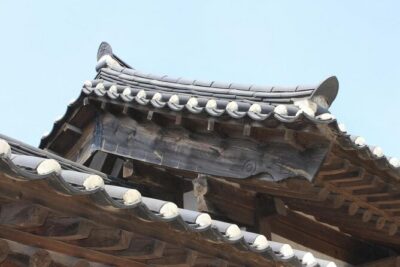
Seoul City Sightseeing Tour Including Gyeongbokgung Palace, N Seoul Tower, and Namsangol Hanok Village
Read our review →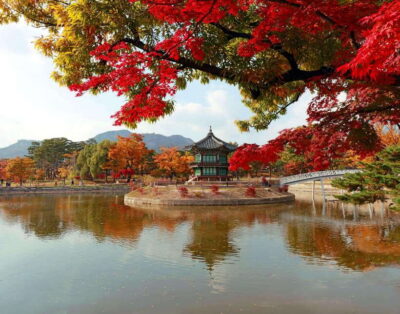
Seoul Highlights: Gyeongbok Palace, Insadong & N Seoul Tower
Read our review →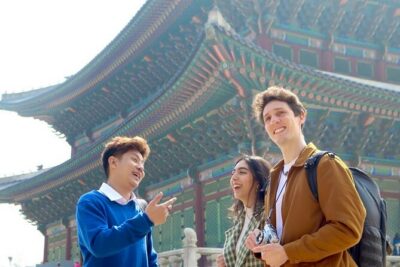
Seoul Highlights & Hidden Gems Tours by Locals: Private + Custom
Read our review →
Free style private Tour(Essence of Seoul city or DMZ)
Read our review →
Nami Island, Cable Car, Garden of Morning Calm Panoramic Tour
Read our review →
City Highlights Full or Half Day Custom Private Tour
Read our review →
DMZ Highlights & Exclusive Defector Interview – True Human Story
Read our review →Browse the lists this tour appears in