
Reviewed · SEOUL TRADITIONAL MARKET TOURS
Private Downtown Seoul Food & Market Tour with 8+ Tastings
Seoul’s best food experiences often happen in small portions, quick market stops, and dishes you might not recognize on a menu. This private food tour brings those moments together with eight or more tastings, while your guide handles the Korean language and explains what is on your plate. I like the mix of food and city sights, especially the chance to pass through Jongno, Namdaemun Market, Bukchon Hanok Village, and the palace district in one morning.
I also like the one-group-only format. You can ask for help, adjust the pace, and discuss food preferences without trying to keep up with a large crowd. Guide Youla, also identified as YL in one account, is specifically praised for clear speaking and useful advice for first-time visitors. The main drawback is the $335 per-person price, which makes the tour most sensible for a small private group that values personal guidance rather than a low-cost food crawl.
Key points to know before booking
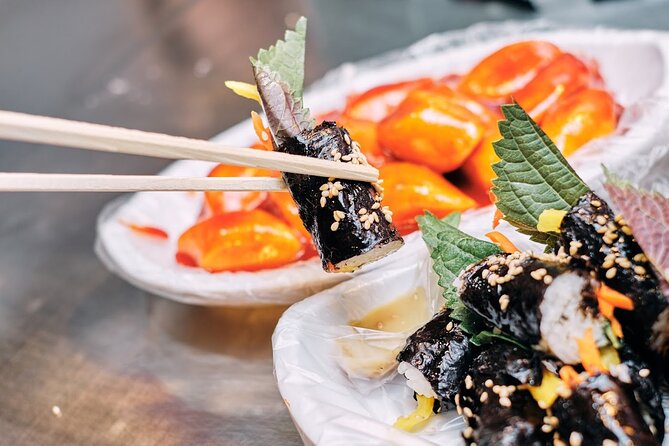
- Eight or more tastings include mung bean pancake, mandu, tteokbokki, fish fillets, kimbap, sweet and salty cream bread, Korean honey snacks, grilled rice cake, tea, and a secret dish.
- Private guiding gives your group the full attention of one guide and allows some customization based on your tastes.
- Jongno and Insadong connect the food stops with palace gates, royal sites, traditional streets, and market scenery.
- You’ll walk for a little over three hours, so comfortable shoes are important.
- The tour begins at 10:00 a.m. at 214 Jong-ro and ends at a teahouse in Insadong, about 100 meters from Anguk Station.
- The menu can change because of weather, location availability, and other conditions. Dietary needs should be discussed before booking.
Why this Seoul food tour works well for first-time visitors
A food tour is a useful first look at Seoul because eating here is tied closely to daily life. You are not just sampling isolated dishes. You are learning how a market works, how familiar ingredients appear in different forms, and how to recognize foods you may want to order later on your own.
This experience also gives you a guide through a part of Seoul where several major sights sit close together. Jongno, Gyeongbokgung, Bukchon, and Insadong can feel confusing on a first visit, especially when you are trying to read signs and decide where to eat. A private guide can help you connect the sights instead of treating each one as a separate stop.
The tour lasts about three hours, or a little longer according to the practical notes. That is enough time for a substantial introduction, but not so long that the morning becomes a full-day commitment. You should still expect walking, short pauses, and a series of tastings rather than a long restaurant meal.
More traditional market tours in Seoul:
- Seoul: Gyeongbok Palace, Bukchon Village, and Gwangjang Tour
★ 4.9 · 2,321 reviews - Seoul Street Food Market Tour
★ 5.0 · 1,226 reviews - DMZ Tour Seoul to North Korea’s 3rd Tunnel & Majang Lake Crossing
★ 5.0 · 1,185 reviews
Starting at Jong-ro with a morning appetite
The meeting point is 214 Jong-ro in Jongno District, with a 10:00 a.m. start. Since the tour begins in central Seoul and ends close to Anguk Station, it fits neatly into a day devoted to the historic center.
You should arrive ready to eat, but not completely empty. The menu includes many separate samples, and the pleasure comes from comparing them rather than rushing through one large meal. Your guide can also help explain what you are eating, which is useful when a dish has a name you may have seen but never tried.
The private format matters from the first minutes. You are not locked into the interests or pace of a larger group. If you want more explanation about a dish, or if one food is not suitable for you, you have a better chance to discuss it directly with the guide.
Mung bean pancake and the first market flavors
One of the listed tastings is nokdujeon, a mung bean pancake, paired with sweet onions. Mung bean pancakes are a familiar Korean market food, with a savory flavor and a texture that differs from the lighter pancakes many visitors expect.
The onion pairing gives you a simple way to notice contrast. The pancake brings the heavier, earthy element, while the sweet onion cuts through it. This is the sort of tasting that makes a food tour more useful than a checklist of famous dishes because the guide can help you notice how a small side changes the bite.
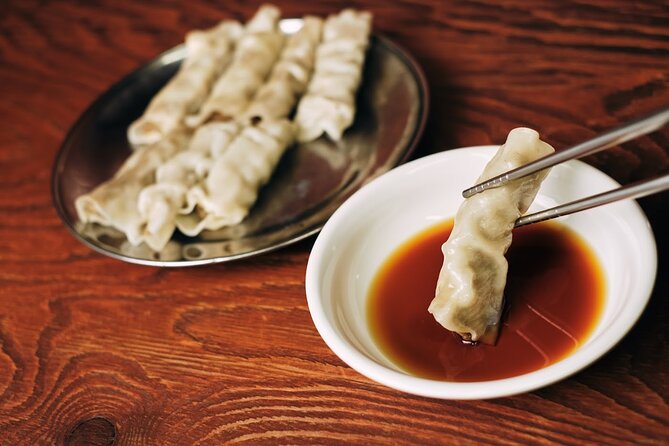
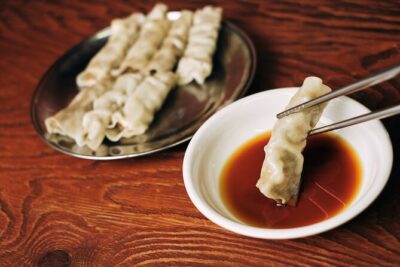
The tour also includes mandu, or Korean dumplings. Mandu can be a gentle entry point for someone new to Korean food, but the value here is the context around it. You get to compare a well-known comfort food with stronger and more distinctive tastes later in the morning.
Tteokbokki and the useful warning about spice
Tteokbokki is included as a slightly spicy tasting. These chewy rice cakes are one of Korea’s most recognizable street foods, and the texture may be more important to you than the heat. The dish is soft, springy, and usually coated in a bold sauce.
The word slightly matters. You should not assume that every bite will be mild, but this is presented as an approachable sample rather than a challenge for spice lovers. If you are sensitive to heat, tell your guide early. The tour is private, so communication is easier than it would be in a large group, though menu changes and dietary limitations still need to be discussed in advance.
More food tours in Seoul:
- Seoul: Night Market Food Tour with Local Guide
★ 4.9 · 943 reviews - Downtown Seoul Guided Food & Market Tour with 8+ Local Tastings
★ 5.0 · 580 reviews - Small-Group Night Food Tour in Seoul with Korean BBQ
★ 5.0 · 304 reviews - Seoul Night Palace & Market Food Tour with Vehicle
★ 5.0 · 275 reviews
Fish fillets, soup, and everyday Korean eating
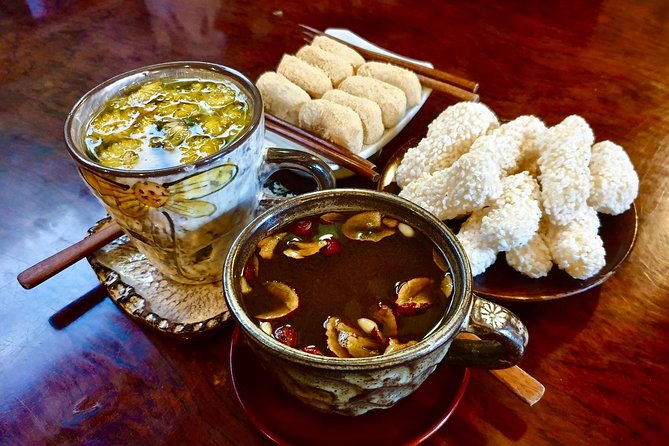
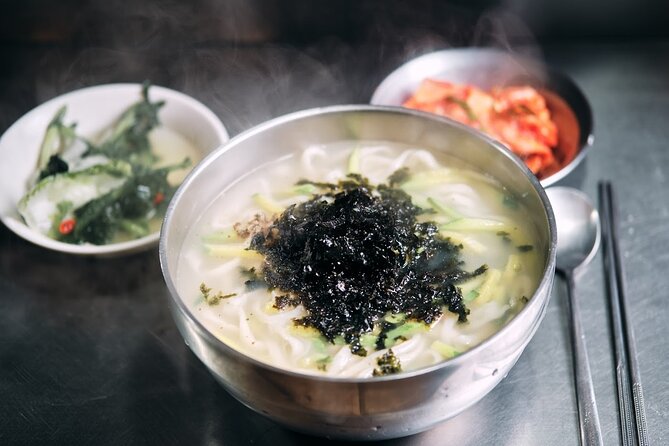
Another stop features minced fish fillets paired with a little fish soup. This pairing lets you experience both a solid snack and a warm broth in a small serving.
I like this kind of combination because it shows how Korean food often balances different textures and temperatures. It is also a useful choice for visitors who want something beyond the most familiar dishes. You may not immediately know what to order if you see fish preparations in a market, but a guide can make that first try less uncertain.
The portions are intended as tastings across the morning. Do not expect each food to arrive as a full restaurant course. The advantage is variety. The tradeoff is that anyone looking for one large, leisurely meal may prefer a restaurant reservation instead.
Kimbap, cream bread, and the sweet turn
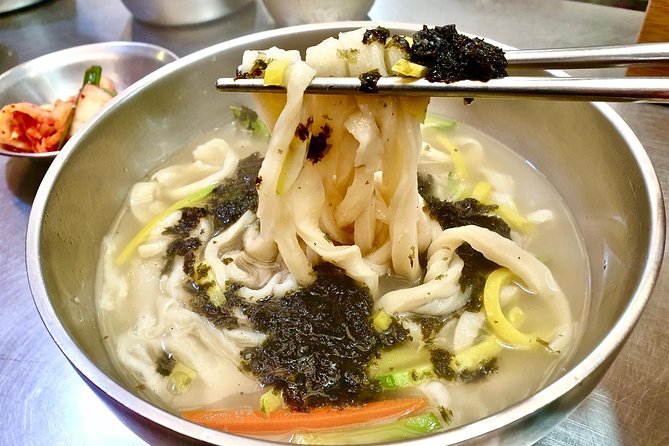
Freshly prepared kimbap is another central tasting. Kimbap is often described as Korean rolled rice, but that short description misses its role as a handy everyday food. It is easy to share, easy to carry, and built from several ingredients in one compact roll.
The tour pairs this savory item with sweet and salty cream bread. That change of direction keeps the morning from becoming a long run of similar savory flavors. You may find the bread especially useful if you prefer a softer, familiar snack between stronger market dishes.
Because the food is prepared fresh, timing and availability can affect what you receive. The operator notes that the menu may change according to location availability, weather, and other conditions. Treat the published list as a guide to the style of the tour, not a fixed restaurant menu.
Korean sweets, grilled rice cake, and tea
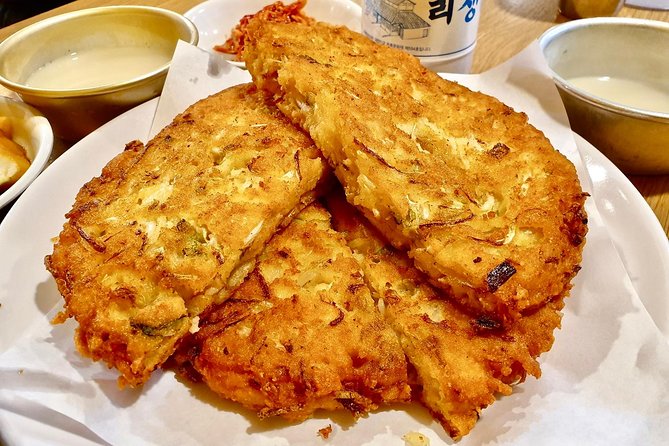
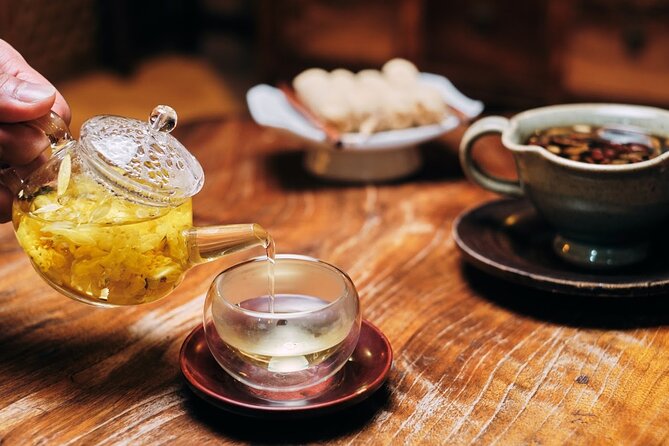
The later tastings include a Korean honey snack, grilled rice cake, and traditional tea. This is a quieter finish than the spicy and savory dishes at the beginning.
The honey snack offers a sweet taste with a traditional feel, while the grilled rice cake brings the satisfying chew that appears in many Korean rice-based foods. Tea gives the group time to pause and talk rather than moving from one quick bite to the next.
The final stop is a hidden teahouse in Insadong. The tour ends there, about 100 meters from Anguk Station on Seoul Subway Line 3, the orange line. That location is practical if you want to continue through Insadong, visit nearby palace sights, or return to another part of the city by subway.
There is also a secret dish included. You will not know exactly what it is in advance, and that is part of the fun, though anyone with strict dietary needs should ask about the full food plan before booking.
Jongno, markets, and Seoul’s old royal center
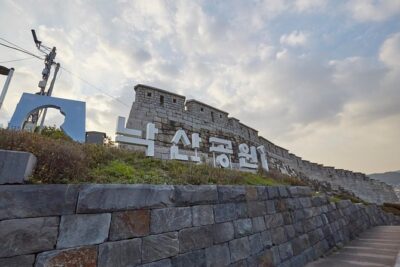
Food is the main reason to book, but the route also gives you a concentrated look at central Seoul. The listed sights include N Seoul Tower, Gyeongbokgung Palace, Namdaemun Market, Bukchon Hanok Village, Gwanghwamun Gate, and Changdeokgung Palace.
N Seoul Tower sits on Namsan Mountain and is one of Seoul’s best-known visual markers. The tower is primarily a communication and observation tower, so it offers a city reference point even if your time there is brief. Since the tour is only around three hours and the route may change, confirm with your guide how this stop fits into the actual morning.
Gyeongbokgung was the main royal palace of the Joseon dynasty and was built in 1395. Gwanghwamun is its main and largest gate. These sights give you a clear sense of the scale and form of the royal center, even when the tour’s focus remains food rather than a full palace lecture.
Changdeokgung is another of the Five Grand Palaces, set within a large park in Jongno. Its inclusion adds another royal landmark to the route, but you should not assume that the tour provides a full palace admission visit or an extended guided tour inside every site. The experience is best understood as a food walk with important city sights along the way.
Namdaemun Market and Bukchon Hanok Village
Namdaemun Market is described as the oldest and largest market in Korea. It sits beside Namdaemun, the Great South Gate, once the main southern gate of the old city. For a food-focused visitor, this is an important setting because the market connects everyday shopping with Seoul’s older urban structure.
Markets can also be crowded and visually busy, so a guide is helpful when you are trying to understand what you are seeing while keeping track of the next tasting. The private arrangement gives you a better chance to stop for questions instead of simply following a flag or umbrella.
Bukchon Hanok Village sits on a hill between Gyeongbokgung Palace, Changdeokgung Palace, and Jongmyo Royal Shrine. Its traditional houses and uphill setting make comfortable shoes more than a polite suggestion. The route may not include every listed sight in the same order, and you should expect the guide to adjust the path to conditions.
What the $335 price really buys you
At $335 per person, this is not a bargain food tour. The price makes more sense if you are booking for a small private group and want a guide who can tailor the morning, explain unfamiliar food, and help with communication.
You are paying for more than the snacks themselves. The cost also covers the planning of a food route, private attention, cultural explanation, and the convenience of combining food with major central Seoul sights. If you are traveling alone and mainly want inexpensive market food, the price may be difficult to justify. If you are sharing the experience with family or friends, group discounts may improve the value.
The 96 percent recommendation rate and 4.9 rating from 27 ratings suggest a strong overall record, but the small number means I would not treat the score as a guarantee. The most useful praise is specific: Youla, also called YL in one account, is credited with speaking clearly and offering practical tips for first-time visitors. Another account highlights the cultural context and extra restaurant suggestions. Those details point to the guide’s role as the main reason to choose a private tour.
Practical details that can affect your morning
The tour is near public transportation, starts at 10:00 a.m., and ends in Insadong near Anguk Station. There is no hotel pickup or drop-off, so you need to make your own way to 214 Jong-ro and arrange your return or onward travel after the tea stop.
Wear comfortable walking shoes. The route lasts a little over three hours and includes market areas, historic streets, and a hilltop village. You should also keep your schedule flexible because the itinerary and menu can change based on weather, location availability, and other conditions.
Most people can participate, but the food side requires advance planning if you have dietary needs. Contact the operator before booking, not just on the morning of the tour. Some restrictions may not be possible to accommodate because the experience is built around a balanced sequence of dishes.
Confirmation is sent within 48 hours, subject to availability. You can cancel for a full refund up to 24 hours before the start time. Cancellations or changes inside that window are not refunded or accepted. Poor weather or failure to meet the minimum number of participants can lead to a different date, another experience, or a full refund.
Who should book this private Seoul food walk
I would recommend it to first-time Seoul visitors who want help understanding Korean food without spending a full day in a classroom. It also suits families, couples, and small groups who value a private pace and want sightseeing built into the meal.
It is a good match if you enjoy trying several small dishes, asking questions, and receiving restaurant suggestions for later in your trip. The guide’s help with language and ordering is particularly useful if you do not read Korean.
I would hesitate if your main goal is a cheap meal, a fixed menu, or a long visit inside each palace. The route covers many subjects in a short time, and the menu can shift. It is also not the right choice to assume dietary restrictions can be handled without advance confirmation.
Should you book it?
Book this tour if you want a private introduction to Seoul food and central Seoul in one compact morning, and if the higher price fits your budget. The strongest reasons are the variety of tastings, the guide’s personal help, and the practical finish near Anguk Station.
Skip it if you prefer to explore markets independently or want to spend $335 on several full meals instead. For everyone else, this is a well-focused first-day option, especially when you want to turn unfamiliar dishes into foods you can confidently seek out again.
FAQ
How long does the Seoul food tour last?
The tour lasts approximately three hours, and the practical information advises allowing a little more than three hours because of the walking and stops.
What time does the tour start?
It starts at 10:00 a.m.
Where does the tour begin?
The meeting point is 214 Jong-ro, Jongno District, Seoul, South Korea.
Where does the tour end?
The tour ends in Insadong at a teahouse about 100 meters from Anguk Station on Subway Line 3, the orange line.
Is this a private tour?
Yes. Only your group participates in the private tour or activity.
What food tastings are included?
The tastings include mung bean pancake with sweet onions, mandu, slightly spicy tteokbokki, minced fish fillets with a little fish soup, fresh kimbap, sweet and salty cream bread, a Korean honey snack, grilled rice cake with traditional tea, and a secret dish.
Is hotel pickup included?
No. Hotel pickup and drop-off are not included.
Can the menu accommodate dietary requirements?
You should contact the operator before booking with your dietary requirements. Some restrictions may not be possible to accommodate because of the planned food sequence.
Can I cancel for a full refund?
Yes. You can cancel at least 24 hours before the experience start time for a full refund. Cancellations or changes made less than 24 hours before the start are not refunded or accepted.
Just added around Seoul
- Your Personal Seoul Photographer!★ 4.1 · 15 reviews
- From Seoul: Hwacheon Ice Fishing and Lighting Festival Tour★ 4.5 · 4 reviews
- You’re Invited to Our Home in Seoul: The Only Cooking Class!★ 5.0 · 8 reviews
- Seoul: Gangneung BTS K-Pop & K-Drama Filming Locations Tour★ 4.6 · 14 reviews
- Unique Native Experience : Han River Picnic, Board game, BBQ★ 5.0 · 3 reviews
- 2-Hour Private Kayaking and Paddleboarding Experience in Hanriver★ 5.0 · 3 reviews
- Yun Korean Cooking Class in Seoul★ 5.0 · 6 reviews
- Day Trip to Yongin Daejanggeum and Korean Folk Village from Seoul★ 4.0 · 9 reviews
Seoul Traditional Market Tours, compared.
Gyeongbok Palace, Bukchon Village, and Gwangjang Tour
Read our review →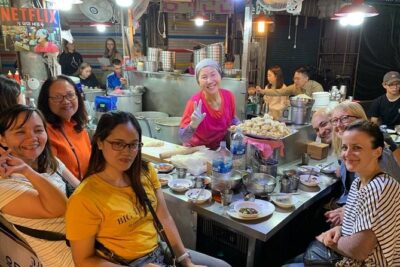

DMZ Tour Seoul to North Korea’s 3rd Tunnel & Majang Lake Crossing
Read our review →Gyeongbok Palace, Bukchon Village, and Gwangjang Tour
Read our review →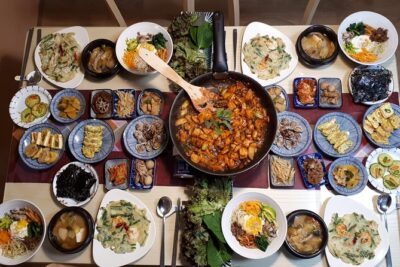
Local Home Korean Cooking Class & Market Adventure in Seoul
Read our review →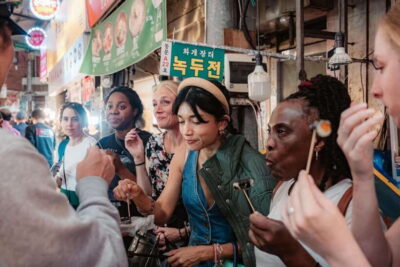
Downtown Seoul Guided Food & Market Tour with 8+ Local Tastings
Read our review →
Korean Cooking Class at a Local Home and Market Tour
Read our review →Browse the lists this tour appears in