
Reviewed · SEOUL PALACE TOURS
Seoul: 4-Hour Guided Tour to Palace, Bukchon, Jogyesa Temple
The most valuable part of this Seoul tour is not simply seeing old buildings. It is learning how Confucianism shaped Joseon Korea, from palace layout and royal ceremony to the design of traditional homes. Guide Paul Koo makes that cultural framework the thread connecting Gyeongbokgung, the Folk Museum, Bukchon, and Insadong.
I like the private format, which gives you room to ask questions and set the meeting place and time after booking. I also like the attention to photographs: Paul knows good angles and makes time to help you capture the places you see. The main consideration is cost. At $152 for up to two people, before admission fees and transportation, this tour makes the most sense for travelers who want interpretation rather than a quick walk-by.
Key points to know before you book
- Confucian ideas shape the whole tour: You learn why Joseon palaces and traditional buildings look and function as they do.
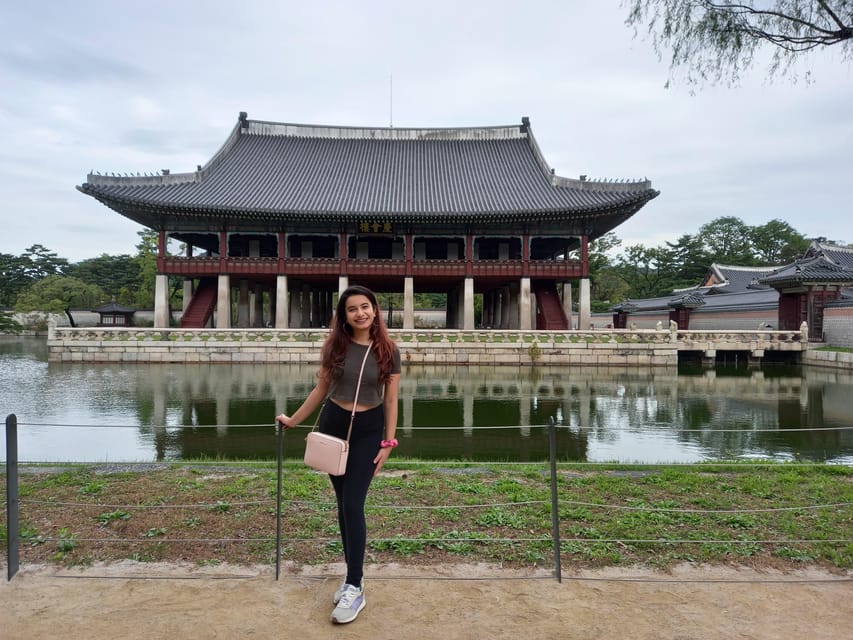
- Gyeongbokgung receives the most time: Plan on about 2 hours and 20 minutes inside Seoul’s grandest royal palace.
- The Folk Museum adds everyday detail: Exhibits cover birth, marriage, work, illness, aging, seasonal customs, and death.
- Bukchon joins old Seoul to the modern city: Traditional hanoks appear with skyscrapers and N Seoul Tower in the distance.
- The tour is private for up to two people: You can arrange the meeting place and time after booking.
- Budget for extras: Palace admission, transportation, food, beverages, insurance, and any N Seoul Tower admission are not included.
Why Confucianism gives Seoul’s old buildings meaning
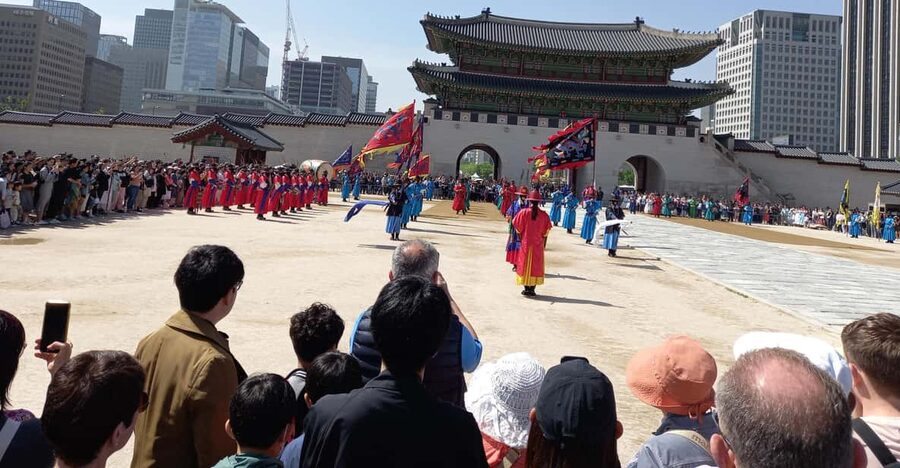
Many palace tours point out gates, roofs, courtyards, and painted beams, then move on. This experience takes a different route. Paul Koo explains that architecture reflects the ideas of its time, and he uses Confucianism to explain Joseon-era Korea.
That matters because Gyeongbokgung is not just a pretty collection of courtyards. It was built in 1395 as the main palace of the Joseon Dynasty, whose national ideology was Confucianism. The arrangement of buildings, the separation of spaces, and the formal sense of order all make more sense once you know the values behind them.
I find this approach especially useful if you have little background in Korean history. Instead of asking you to memorize royal names and dates, the tour gives you a way to read the buildings. You can look at a gate or hall and understand more about authority, ceremony, family structure, and public life.
Paul is presented as a specialist in Korean traditional Confucian culture, and the available feedback points to his detailed explanations as the strongest part of the experience. Nitin found his knowledge of the past made the tour engaging. Luis also singled out Paul’s clear treatment of Korea’s cultural, historical, and religious background.
More Bukchon and hanok village tours in Seoul:
- Seoul: Gyeongbok Palace, Bukchon Village, and Gwangjang Tour
★ 4.9 · 2,321 reviews - Seoul City Sightseeing Tour Including Gyeongbokgung Palace, N Seoul Tower, and Namsangol Hanok Village
★ 5.0 · 1,423 reviews - Seoul: Gyeongbok Palace, Bukchon Village, and Gwangjang Tour
★ 5.0 · 1,044 reviews
Gyeongbokgung: Seoul’s grandest royal setting
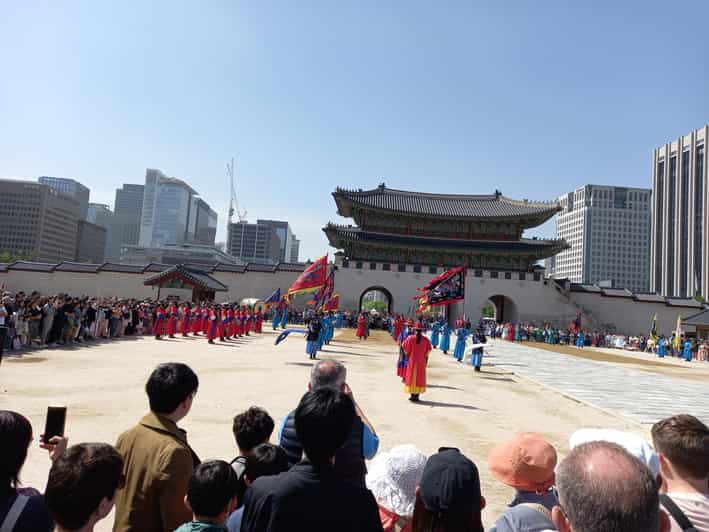
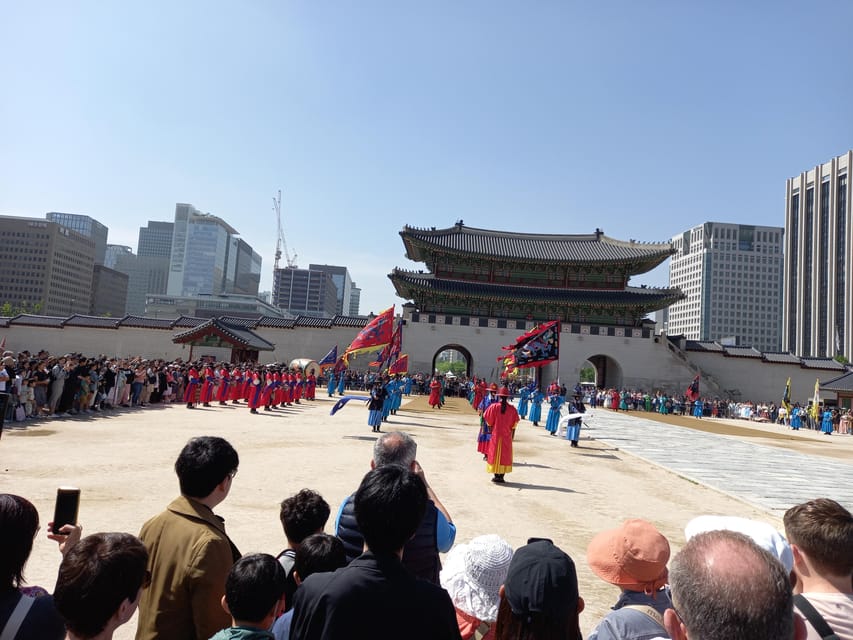
Gyeongbokgung is the center of the tour, with about 2 hours and 20 minutes set aside for a guided visit. That is a substantial portion of a four-hour outing, and it is a good choice. The palace is large, visually varied, and important enough to reward a slower pace.
Built in 1395, Gyeongbokgung was the principal palace of the Joseon Dynasty. It is described as the largest and most magnificent of Korea’s palaces, and its design follows an authentic Confucian palace structure. Unlike some other palace settings, it was built on flat ground, allowing its formal plan to be seen with unusual clarity.
You can expect Paul to focus on more than dates and royal anecdotes. The point is to understand how the palace represented the governing ideals of its age. Confucian order placed importance on proper conduct, rank, family relationships, and social duties. Those ideas appear in the palace’s architecture and ceremonial spaces.
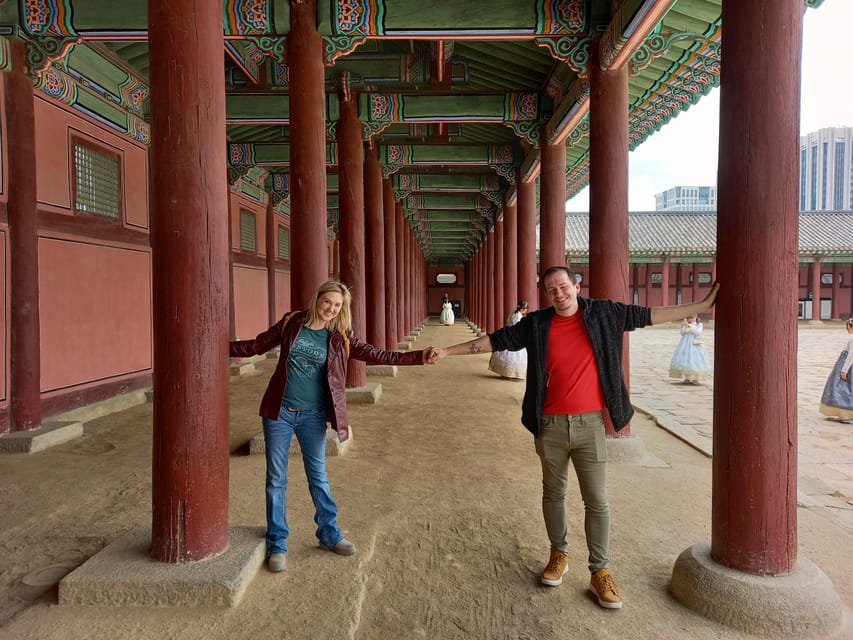
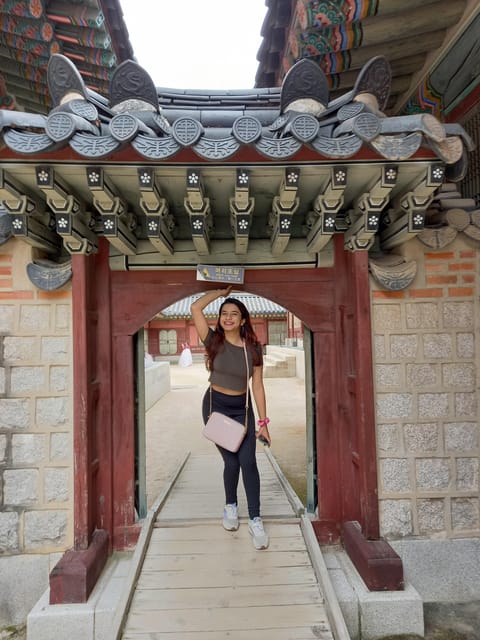
The long palace visit also gives you time to stop for photographs. One of the strongest practical touches in the experience is Paul’s help with picture-taking. He knows useful angles and can help you avoid leaving with a collection of ordinary snapshots that do not show the scale or character of the site.
There is a practical cost to remember. Palace admission is not included in the $152 tour price, so you need to budget for it separately. The activity information does not give the current admission amount, so check it before you go.
The National Folk Museum and ordinary Joseon life
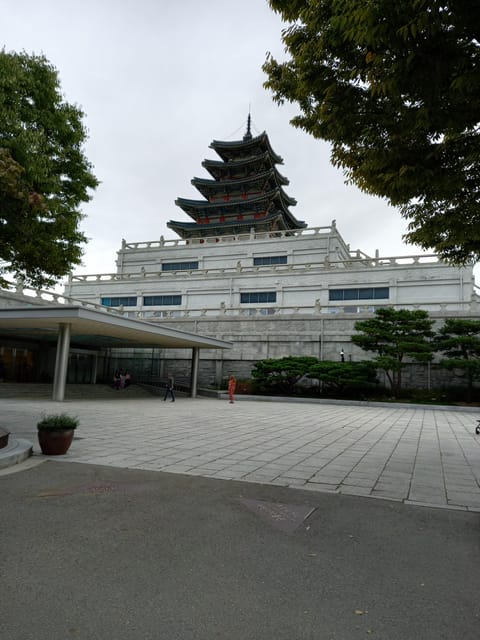
After the palace, the route spends about 30 minutes at the National Folk Museum of Korea. This stop changes the focus from royal architecture to the life of ordinary people.
The museum’s exhibitions cover seasonal activities and customs, along with the stages of life from birth and childhood through marriage, aging, illness, treatment, and death. Ceremonies and commemorative events help show how family and community shaped daily life during the Joseon period.
I like this part of the route because it keeps the palace from becoming a story only about kings and officials. A palace can show how a dynasty presented itself. A folk museum can help you think about how people lived within that system.
Thirty minutes is enough for a guided overview, but not enough to study every display. That is not necessarily a problem. The museum works here as a focused companion to Gyeongbokgung, giving you examples of customs and routines that broaden the palace story.
If museums are your main reason for visiting Seoul, you may want more time on your own elsewhere. If you want a clear introduction to traditional Korean culture during a short private tour, this stop fits the schedule well.
Bukchon Hanok Village and Seoul’s changing view
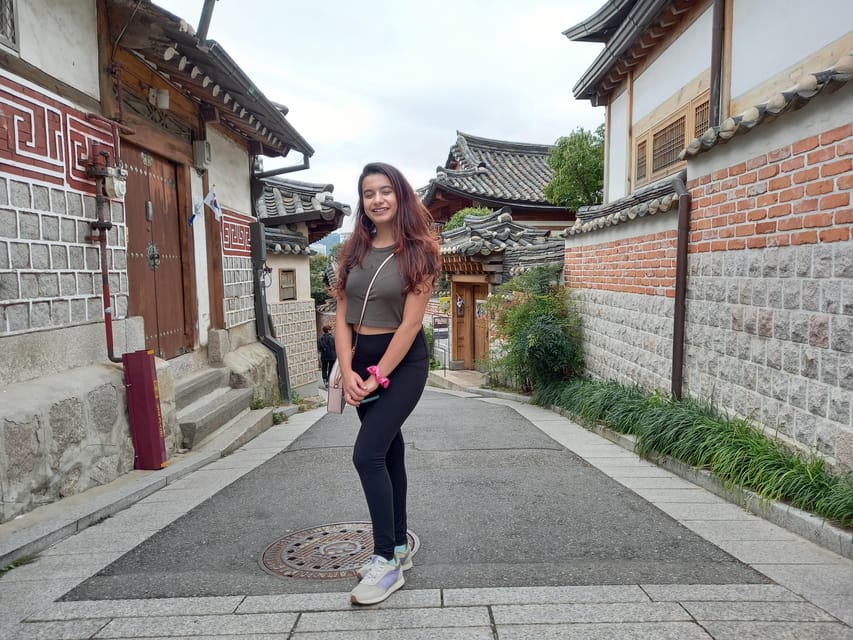
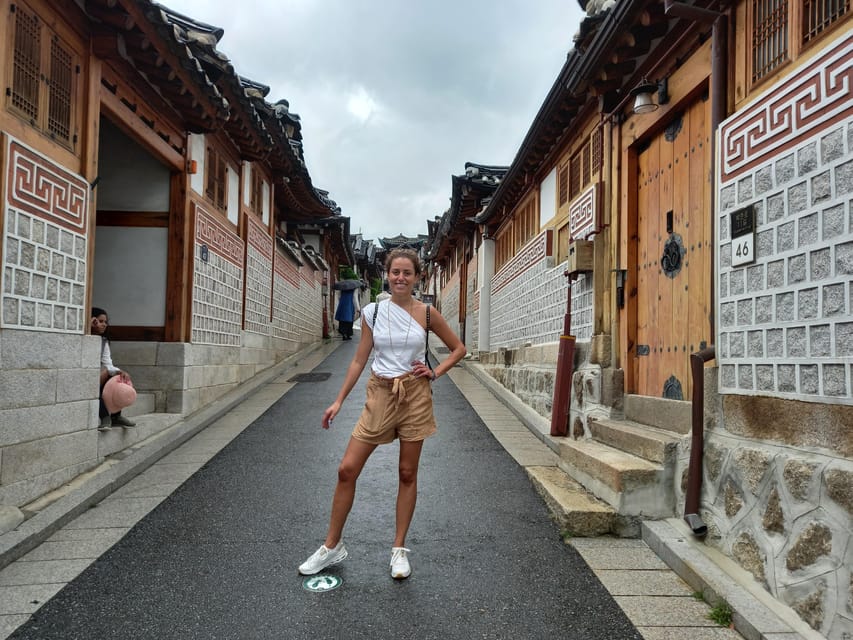
Bukchon Hanok Village receives about 40 minutes. A hanok is a traditional Korean house, and Bukchon has the largest cluster of these homes, with about 1,000 hanoks in the village.
The appeal is the contrast. Traditional homes sit within modern Seoul, with metropolitan skyscrapers and N Seoul Tower visible in the background. You get a view of a city that has not erased its older forms, even as the skyline has changed around them.
Paul’s explanations can help you notice the village as more than a scenic photo stop. The value lies in seeing how traditional residential architecture fits into the wider story of Korean identity and urban change.
Forty minutes makes this a compact visit. You will get an introduction and time for photographs, but not a long, unhurried wander through every lane. Bukchon is a real neighborhood, so the experience is best approached with care and attention rather than treated as a backdrop.
The activity information does not specify a transportation method between stops. Transportation is not included, so you should expect to arrange or pay for movement between locations separately. Ask for a clear plan after booking, particularly if you want to keep the four-hour schedule on track.
More temple visits in Seoul:
- Seoul: Mt Seorak + Naksansa Temple or Nami Island Group Tour
★ 4.7 · 422 reviews - Best Things to Do – Half Day Seoul Trip (Seoul Palace & Temple)
★ 5.0 · 190 reviews - Mount Seorak and Naksansa Temple One Day Tour from Seoul
★ 4.5 · 167 reviews - Day Tour of Suwon Hwaseong Fortress Starfield Waujeongsa Temple
★ 5.0 · 61 reviews
Insadong and Jogyesa: culture, religion, and the modern city
The scheduled itinerary includes 30 minutes in Insadong, a useful finish because it connects the historic sites with one of Seoul’s cultural districts. The supplied highlights also identify Jogyesa Buddhist Temple as an important stop. Jogyesa is described as a small but significant temple and the headquarters of Korea’s Buddhist organization, built in 1926 in Insadong near Gyeongbokgung.
This religious setting adds a needed counterpoint to the Confucian palace story. Joseon culture was strongly shaped by Confucianism, but Korean cultural life also includes major Buddhist traditions. A visit to Jogyesa gives you a chance to see that another belief system remains part of central Seoul.
There is a small planning issue here. The detailed itinerary lists Gyeongbokgung, the National Folk Museum, Bukchon, and Insadong, but it does not give Jogyesa its own separate time block. Since the experience description highlights the temple, confirm with Paul exactly how Jogyesa fits into your route.
Bongeunsa Buddhist Temple is also mentioned in the highlights as a beautiful place where old and new meet. It is not included in the detailed four-stop itinerary, so do not assume it is part of this four-hour tour. If Bongeunsa is important to you, ask before booking rather than expecting it to be added automatically.
N Seoul Tower is another place mentioned in the information, mainly as part of the view from Bukchon. Admission to the tower is not included. The tour does not promise a visit there.
What the private format is worth at $152
The price is $152 per group of up to two people, not $152 per person. For a couple or two friends, that works out to $76 each before admission and transportation. For one person alone, the same group price is less attractive.
The value depends on how much explanation you want. If you only need directions and a few photographs, a private four-hour guide is probably more than you need. If you want someone to connect palace design, Confucian ideas, folk customs, Buddhist practice, and Seoul’s changing architecture, the fee is easier to justify.
A private group also changes the rhythm. You can ask Paul to clarify a point instead of waiting for a large group to move on. The meeting place and time can be chosen after booking, and the group size is limited to your party of up to two.
The included service is the guide fee and information for four hours. You pay separately for palace admission, transportation, food and drinks, insurance, and any N Seoul Tower admission. Keeping those costs in mind will give you a more honest total.
Timing, meeting arrangements, and practical planning
The tour starts at Gwanghwamun Square in the stated route, but the meeting place and time can be chosen after booking. The activity also says that Paul can meet you at your hotel. Confirm the final meeting point and start time in advance, since the route covers several sites and movement between them is not included.
The tour is in English and uses a live guide. It is designed as a private group, not a shared bus or large walking party.
The full duration is four hours. Gyeongbokgung takes the largest share, followed by the Folk Museum, Bukchon, and Insadong. Because the schedule is compact, you should arrive ready to begin and keep extra stops in mind when planning the rest of your day.
Cancellation is free up to 24 hours in advance for a full refund. You can also reserve now and pay later, which helps if your Seoul plans are still shifting. The activity asks you to request the reservation in advance and wait for guide confirmation.
Who will get the most from this tour
I would choose this experience if you want Seoul’s traditional sites explained rather than simply photographed. It suits first-time visitors who want a clear introduction to Joseon culture, architecture, and religion in one morning or afternoon.
It is also a good fit for couples or two friends who value a private guide and can share the group price. Families may appreciate the direct explanations, especially at the Folk Museum, though the supplied information does not specify a children’s program.
You may want a different plan if you prefer a very loose schedule, long museum visits, or extensive independent exploration. The four-hour route has a clear focus, and the time at each stop is limited.
I would also ask specific questions before booking if Jogyesa or Bongeunsa is essential to your plans. Jogyesa appears in the main description, while Bongeunsa appears among the highlights, but the detailed schedule centers on Gyeongbokgung, the Folk Museum, Bukchon, and Insadong.
Should you book this Seoul culture tour?
Book it if you want the meaning behind Seoul’s traditional buildings. Paul Koo’s strongest contribution is his clear, detailed explanation of Confucian culture, and that focus gives the palace visit more depth than a quick sightseeing circuit.
The tour is a good value for two people who want a private English guide, help with photographs, and a well-shaped introduction to four central Seoul sights. It is less compelling for solo visitors on a tight budget, or for anyone expecting admission and transportation to be bundled into the price.
Before you confirm, ask Paul how Jogyesa fits into the route, whether Bongeunsa can be included, and how you will move between stops. If those details match your priorities, this is a thoughtful way to understand why Seoul’s old buildings still matter in a very modern city.
FAQ
How long is the tour?
The tour lasts four hours.
What language is the tour conducted in?
The live tour guide speaks English.
How many people can join the private group?
The price covers a private group of up to two people.
Where does the tour start?
The stated starting location is Gwanghwamun Square. The meeting place and time can be chosen after booking, and you can arrange to meet Paul at your hotel.
Which main sights are included in the route?
The detailed route includes Gyeongbokgung, the National Folk Museum of Korea, Bukchon Hanok Village, and Insadong.
How much time is planned at Gyeongbokgung?
The guided visit to Gyeongbokgung is scheduled for about 2 hours and 20 minutes.
Is palace admission included?
No. Admission to the palace is not included in the tour price.
Is transportation between the sights included?
No. Transportation for moving between locations is not included.
Is Jogyesa Buddhist Temple included?
Jogyesa is highlighted as part of the cultural experience, but the detailed itinerary does not assign it a separate time block. Confirm the exact route with Paul after booking.
Can I cancel for a full refund?
Yes. You can cancel up to 24 hours in advance for a full refund.
More palace tours in Seoul
- Best Seoul City Tour (Gyeongbokgung Palace,Insadong,Namsan Tower)
★ 5.0 · 1,647 reviews - Small-Group Royal Palace and Seoul City Tour (hotel pick-up)
★ 5.0 · 1,474 reviews - Seoul Highlights: Gyeongbok Palace, Insadong & N Seoul Tower
★ 4.7 · 726 reviews - Seoul: Hanbok Rental with Gyeongbokgung Palace Entry
★ 4.6 · 611 reviews
Just added around Seoul
- Your Personal Seoul Photographer!★ 4.1 · 15 reviews
- From Seoul: Hwacheon Ice Fishing and Lighting Festival Tour★ 4.5 · 4 reviews
- You’re Invited to Our Home in Seoul: The Only Cooking Class!★ 5.0 · 8 reviews
- Seoul: Gangneung BTS K-Pop & K-Drama Filming Locations Tour★ 4.6 · 14 reviews
- Unique Native Experience : Han River Picnic, Board game, BBQ★ 5.0 · 3 reviews
- 2-Hour Private Kayaking and Paddleboarding Experience in Hanriver★ 5.0 · 3 reviews
- Yun Korean Cooking Class in Seoul★ 5.0 · 6 reviews
- Day Trip to Yongin Daejanggeum and Korean Folk Village from Seoul★ 4.0 · 9 reviews
Seoul Palace Tours, compared.
Gyeongbok Palace, Bukchon Village, and Gwangjang Tour
Read our review →
Best Seoul City Tour (Gyeongbokgung Palace,Insadong,Namsan Tower)
Read our review →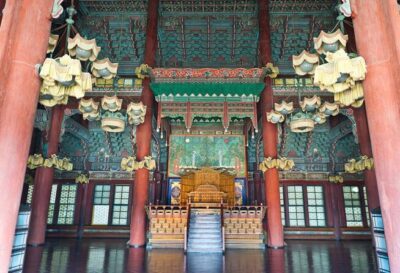
Small-Group Royal Palace and Seoul City Tour (hotel pick-up)
Read our review →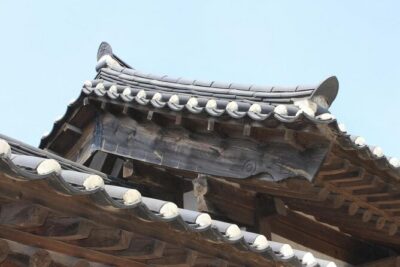
Seoul City Sightseeing Tour Including Gyeongbokgung Palace, N Seoul Tower, and Namsangol Hanok Village
Read our review →Gyeongbok Palace, Bukchon Village, and Gwangjang Tour
Read our review →
Seoul Highlights: Gyeongbok Palace, Insadong & N Seoul Tower
Read our review →
Seoul City Half Day Tour-Gyeongbok Palace Guard Changing Ceremony
Read our review →Browse the lists this tour appears in