
Reviewed · SEOUL PALACE TOURS
(Small Group) Palace & Seoul Old Town Highlights
The clever part of this Seoul walk is how much ground it covers without turning into a blur. In about three hours, you move from tea houses and Buddhist temples to royal gates, a grand public square, and old hanok lanes. Guide Lee adds both Joseon-era stories and everyday Korean culture, so the tour gives you a useful first map of central Seoul.
I like the small maximum group of 10, which makes it easier to ask questions and keep pace in busy areas. I also like that the Gyeongbokgung admission ticket is included, and that the route connects several sights you might otherwise visit separately. The main consideration is time: with five stops in three hours, Bukchon and some palace buildings receive a brief look rather than a slow, detailed visit.
Key points at a glance
- A five-stop introduction to central Seoul: Insadong, Jogyesa Temple, Gwanghwamun Square, Gyeongbokgung Palace, and Bukchon Hanok Village all fit into one morning or afternoon.
- Guide Lee brings a personal touch: Her approach combines Joseon history, modern Korean life, questions, and traditional games during breaks.
- Gyeongbokgung takes the largest share of the tour: You have about 90 minutes inside Seoul’s principal royal palace, with admission covered.
- The group never exceeds 10 people: Smaller departures can feel close to private, though that is not guaranteed.
- The route is useful for first-time visitors: It places you near several areas you can return to on your own later.
- The price is strongest for an orientation walk: At $60.27, you are paying for a compact guided route, local explanation, and the palace ticket.
Why this three-hour route works for a first look at Seoul
Seoul can feel enormous when you first arrive. The city mixes glass towers, old neighborhoods, major palaces, markets, temples, and shopping streets, often within a few subway stops of one another. This tour gives you a historic center to work from.
The route begins at Anguk Station and heads through places linked to Korea’s royal past and living traditions. You are not simply shown a palace and sent away. You get a quick look at how traditional arts, Buddhist practice, public memory, royal power, and residential architecture fit together.
That makes the tour especially useful early in a Seoul visit. You can learn where Insadong sits, see how Gwanghwamun Square relates to Gyeongbokgung, and finish in Bukchon, an area worth revisiting if you want more time with its narrow lanes and traditional houses.
The pace is purposeful. You will walk between stops, spend the most time at Gyeongbokgung, and get shorter visits at the other sites. Wear comfortable shoes and expect a city walk rather than a bus-based sightseeing trip.
More palace tours in Seoul:
- Seoul: Gyeongbok Palace, Bukchon Village, and Gwangjang Tour
★ 4.9 · 2,321 reviews - Best Seoul City Tour (Gyeongbokgung Palace,Insadong,Namsan Tower)
★ 5.0 · 1,647 reviews - Small-Group Royal Palace and Seoul City Tour (hotel pick-up)
★ 5.0 · 1,474 reviews
Starting outside Anguk Station Exit 6
The meeting point is outside Anguk Subway Station, Exit 6, in the Gahoe-dong area of Seoul. This is a practical starting place because the first stop, Insadong, is close by, and the route then continues toward the palace district.
Your activity ends back at the meeting point. That return matters if you are planning the rest of your day around the tour. You are not left at an unfamiliar neighborhood at the end, though you should still leave room in your schedule for the tour’s approximate three-hour duration.
The activity uses a mobile ticket, and confirmation is provided when you book. Since the tour depends on walking and takes place outdoors, check the weather before setting out. Poor weather can lead to a changed date or a full refund, and the tour can also be canceled if its minimum number is not reached.
Insadong: a quick introduction to traditional Seoul
The first stop is Insadong, known for traditional goods, restaurants, and tea houses. The allotted time is about 10 minutes, so think of this as an orientation rather than a shopping visit.
That short stop still has value. Insadong helps you see one of Seoul’s most established traditional districts before you encounter the palace grounds. It is also the kind of place that can be hard to understand on a first solo walk. A guide can point out what makes the area different from ordinary commercial streets.
You will not have time here for a long tea break or serious browsing. If Insadong is high on your list, return after the tour. Use the brief introduction to note the streets and shops you want to explore later rather than trying to buy something in a hurry.
Jogyesa Temple and a quieter side of the city
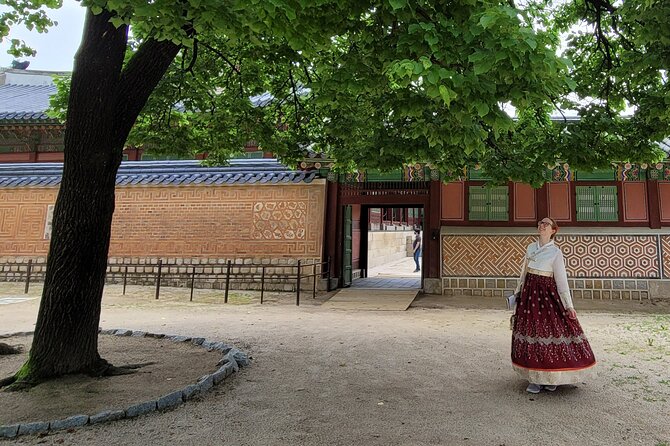
Jogyesa Temple gets about 30 minutes. Founded in 1910, it is the head temple of the Jogye Order of Korean Buddhism and remains an important center for Korean Buddhist practice.
Its location is part of the appeal. The temple provides a calm pause in central Seoul, where traffic and commercial streets are close at hand. This contrast helps you understand that Seoul’s religious life is not separated from the modern city. It is right in the middle of it.
The stop is short enough to keep the tour moving, but long enough for explanation and questions. Guide Lee has been praised for mixing historical facts with current Korean culture, and this is the kind of setting where that balance helps. You can learn about the temple’s role without treating it as a quick photo stop.
Keep in mind that this is an active religious site. A respectful manner is appropriate, and the guide’s presence helps give the visit context. If you want a long, contemplative temple visit, you may prefer to return independently.
More city highlights tours in Seoul:
- Seoul City Sightseeing Tour Including Gyeongbokgung Palace, N Seoul Tower, and Namsangol Hanok Village
★ 5.0 · 1,423 reviews - Seoul Highlights: Gyeongbok Palace, Insadong & N Seoul Tower
★ 4.7 · 726 reviews - Seoul Highlights & Hidden Gems Tours by Locals: Private + Custom
★ 5.0 · 359 reviews - ARMY Must Visit BTS Tour in Seoul
★ 5.0 · 149 reviews
Gwanghwamun Square and the public story of Korea
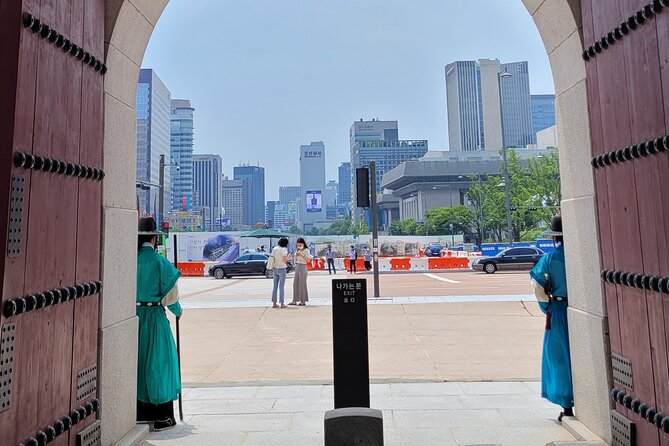
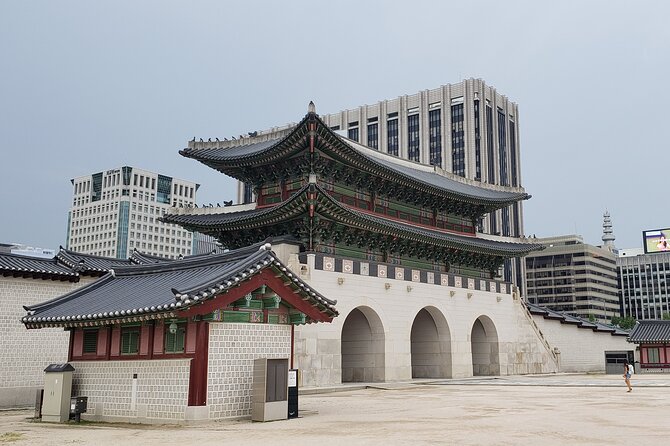
The route continues to Gwanghwamun Square, a central public plaza in front of Gyeongbokgung Palace. The stop lasts about 20 minutes and focuses on major figures in Korean history and culture, including King Sejong the Great and Admiral Yi Sun-sin.
This square is useful because it gives you a public, modern setting before you enter the royal palace. The statues and open space connect national history with present-day Seoul. It is not just a place to cross on the way to the palace.
The time here is enough for an introduction and photographs, but not for a close look at every feature. Listen for the explanation of the figures and the plaza’s role, then save extra time for your own return if you want to explore it more carefully.
The square also helps with orientation. Once you understand that Gwanghwamun sits directly before the palace, Seoul’s central historic district becomes easier to navigate on your own.
Gyeongbokgung Palace: the main event
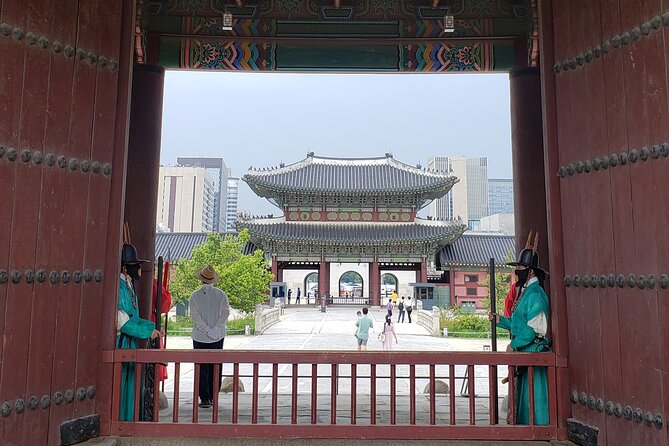
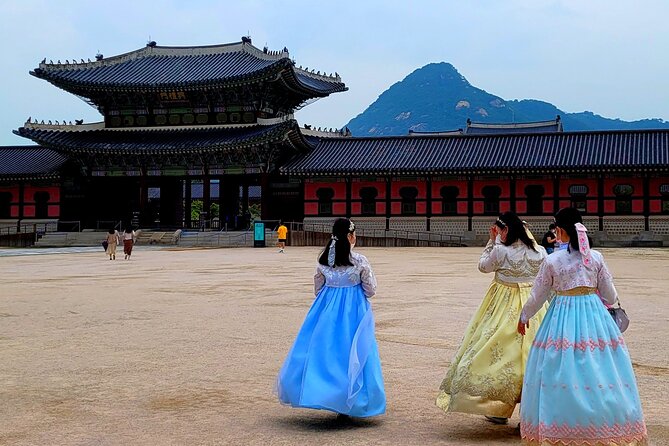
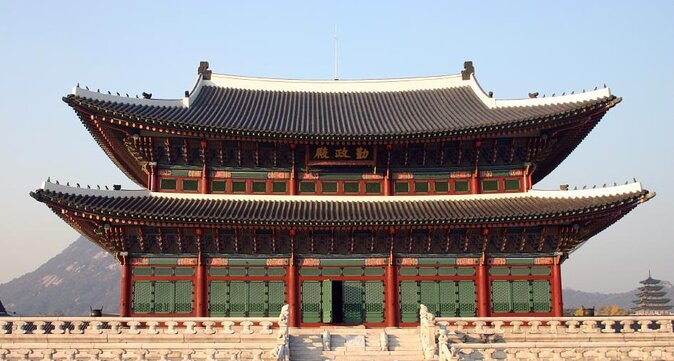
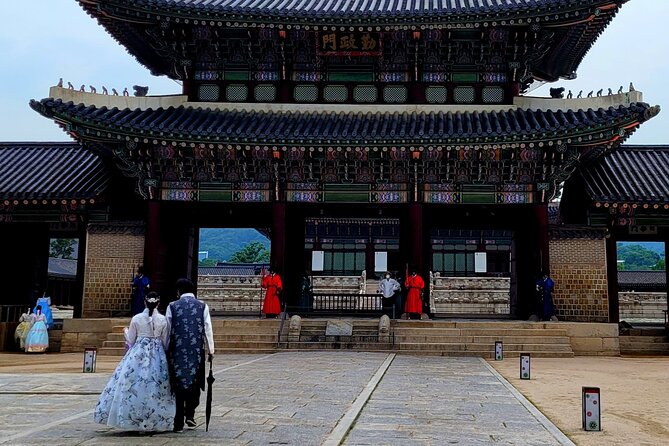
Gyeongbokgung Palace receives about 90 minutes, making it the core of the experience. Built in 1395, it was the main royal palace of the Joseon Dynasty. Its setting, with mountains behind and the city ahead, gives you a clear sense of how royal power was placed within the capital.
The palace represents traditional Korean architecture, political authority, and the ideas that shaped the Joseon court. With guide Lee, you can expect the visit to include historical explanation rather than a simple walk past buildings. Her style, based on direct feedback from the experience, includes answering plenty of questions and adding modern cultural context.
The included admission is important when judging the $60.27 price. You are not paying only for a meeting and a walk through public streets. You receive access to the palace along with a guide who explains what you are seeing.
Still, 90 minutes is not a full palace study. Gyeongbokgung is large, and the tour has four other stops. You will get the main sense of the complex, its architecture, and its place in Seoul’s history, but you should not expect to inspect every courtyard or building at leisure.
This time limit is a benefit if you have only part of a day. It keeps the palace from swallowing your entire schedule. It is less ideal if royal architecture is your main reason for visiting Seoul and you want a slow, detailed look.
Guide Lee’s use of small quizzes and Korean traditional games during break times is another unusual touch. Those activities will not replace serious historical explanation, but they can help break up a long walking stretch and make the information easier to remember, especially for families.
Bukchon Hanok Village: a look at old residential Seoul
The final listed stop is Bukchon Hanok Village, a historic neighborhood between two royal palaces. It is known for winding alleys and hanok, the traditional Korean houses that show how people lived during the Joseon period.
You have about 30 minutes here. That is enough to see the character of the neighborhood and understand why its rooftops and lanes matter, but it is not enough to wander every corner. Bukchon is best treated as a first look, followed by a return visit if you want more time.
The residential setting also adds balance to the palace visit. Gyeongbokgung shows royal life and state power. Bukchon shifts the focus toward homes, streets, and the texture of an older neighborhood.
Because Bukchon is a lived-in area, keep your voice down and respect private homes. The tour offers an introduction, not permission to treat the neighborhood like a theme park. Guide Lee’s patient style can help you notice the difference between a historic street and a public attraction.
What guide Lee adds to the experience
The guide is a major reason to choose this walk over following a map on your phone. Lee is described as patient, warm, and willing to answer questions about both Seoul and Korea. That matters on a short tour because you can use your limited time to ask about things that interest you most.
Her approach also goes beyond dates and royal names. You can expect a mix of Joseon history, present-day cultural facts, mini quizzes, and Korean traditional games during pauses. The result should feel more conversational than a memorized speech.
The maximum group size is 10. That is small enough for a guide to hear questions and adjust explanations more easily than on a large coach tour. On some departures, the group may be much smaller and can even feel private, but you should book expecting a small shared group rather than assuming a private tour.
The activity has received a 5 out of 5 rating from 24 reviews, with 100 percent recommending it. The most consistent praise centers on Lee’s balance of history and modern culture, her patience, and her care for the people in her group. Those strengths are particularly useful if this is your first time in Korea or if you want help understanding more than just the buildings.
Is $60.27 good value?
At $60.27 per person, this is not the cheapest way to walk around central Seoul. You can reach all these districts by subway and walk through several of them without paying a guide. The value comes from the structure, palace admission, and explanation.
You are getting roughly three hours with a guide, a group capped at 10, and entry to Gyeongbokgung. The route also saves you from working out the order of five major stops yourself. For a first day in Seoul, that convenience has real value.
The price makes less sense if you already know the palace district well, prefer slow independent exploration, or want extended time at each attraction. You would likely feel rushed at Insadong, Gwanghwamun Square, and Bukchon because the tour has to keep moving.
For a short stay, though, the calculation improves. You can cover several important places in half a day, learn the basic historical connections, and return later to the area that interests you most.
Who should book this walk?
I would choose this experience for a first visit to Seoul, especially if you have limited time or want a clear introduction before exploring alone. It suits people who like history but also want practical background on present-day Korean culture.
It also works well for families and mixed-age groups. The quizzes and traditional games can add variety, while the compact group makes it easier to ask for clarification. Most people can participate, and service animals are allowed. The route is near public transportation, which makes the start and return point manageable.
I would hesitate if your priority is shopping in Insadong, a long temple meditation visit, detailed palace architecture, or an unhurried photographic walk through Bukchon. Those interests call for separate time after the tour.
Plan for walking, outdoor exposure, and a firm three-hour block. Bring water and comfortable shoes, though personal expenses are not included. Free cancellation is available up to 24 hours before the start time. After that, changes and refunds are not accepted under the stated policy.
Should you book Palace and Seoul Old Town Highlights?
Book it if you want a well-paced first look at historic Seoul and prefer a guide who can connect royal history with modern life. The combination of five stops, a small group, included palace admission, and Lee’s question-friendly style makes the tour a strong orientation.
Skip it if you want to linger. The schedule is designed for breadth, not exhaustive sightseeing. My practical advice is to take this tour early in your Seoul stay, then return to Gyeongbokgung, Insadong, or Bukchon on your own once you know where everything is.
FAQ
Where does the tour begin?
The tour begins outside Anguk Subway Station at Exit 6 in Seoul.
Where does the tour end?
The activity ends back at the meeting point.
How long does the experience last?
The walking tour lasts approximately three hours.
What places does the tour visit?
The route includes Insadong, Jogyesa Temple, Gwanghwamun Square, Gyeongbokgung Palace, and Bukchon Hanok Village.
Is the Gyeongbokgung Palace ticket included?
Yes. Admission to Gyeongbokgung Palace is included in the tour price.
How large is the group?
The tour accepts a maximum of 10 people. Some departures may be smaller, but a private tour is not guaranteed.
Just added around Seoul
- Your Personal Seoul Photographer!★ 4.1 · 15 reviews
- From Seoul: Hwacheon Ice Fishing and Lighting Festival Tour★ 4.5 · 4 reviews
- You’re Invited to Our Home in Seoul: The Only Cooking Class!★ 5.0 · 8 reviews
- Seoul: Gangneung BTS K-Pop & K-Drama Filming Locations Tour★ 4.6 · 14 reviews
- Unique Native Experience : Han River Picnic, Board game, BBQ★ 5.0 · 3 reviews
- 2-Hour Private Kayaking and Paddleboarding Experience in Hanriver★ 5.0 · 3 reviews
- Yun Korean Cooking Class in Seoul★ 5.0 · 6 reviews
- Day Trip to Yongin Daejanggeum and Korean Folk Village from Seoul★ 4.0 · 9 reviews
Seoul Palace Tours, compared.
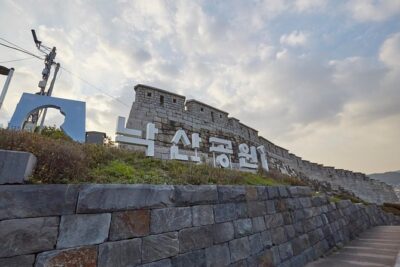
Gyeongbok Palace, Bukchon Village, and Gwangjang Tour
Read our review →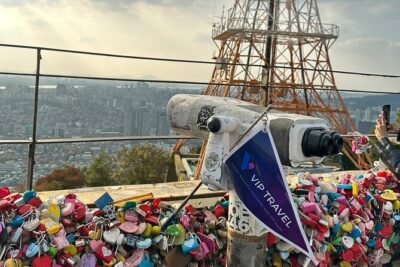
Best Seoul City Tour (Gyeongbokgung Palace,Insadong,Namsan Tower)
Read our review →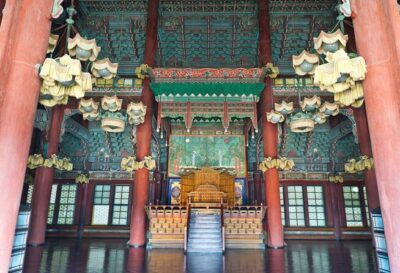
Small-Group Royal Palace and Seoul City Tour (hotel pick-up)
Read our review →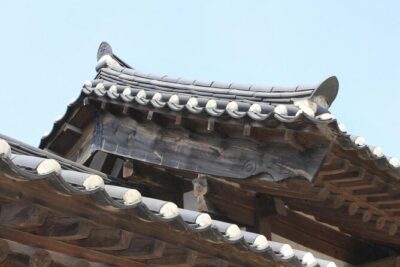
Seoul City Sightseeing Tour Including Gyeongbokgung Palace, N Seoul Tower, and Namsangol Hanok Village
Read our review →Gyeongbok Palace, Bukchon Village, and Gwangjang Tour
Read our review →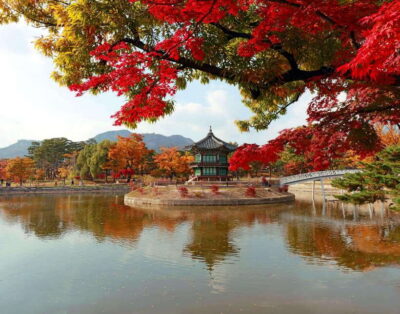
Seoul Highlights: Gyeongbok Palace, Insadong & N Seoul Tower
Read our review →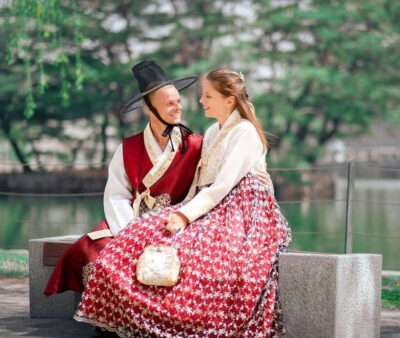
Seoul City Half Day Tour-Gyeongbok Palace Guard Changing Ceremony
Read our review →Browse the lists this tour appears in