
Reviewed · GYEONGBOKGUNG PALACE TOURS
Half day Morning Seoul City Tour(Temple & Gyeongbok Palace)
Gyeongbokgung Palace is the star here, especially if you arrive in time for the royal guard changing ceremony. In four hours, you also visit Jogyesa Temple and the National Folk Museum, giving you a quick but useful look at Korea’s Buddhist life, royal court, and everyday traditions.
I like the hotel pickup and the easy finish in Insadong, where you can continue sightseeing or find lunch. I also like the guides’ personal touch: Molly, Cathy, KC, Rose, JJ, June, and Moon have all been praised for clear explanations, good humor, family-friendly pacing, and helpful Seoul tips.
The trade-off is time. Four hours moves quickly, and the ginseng museum stop can feel like a shopping detour when you would rather spend longer inside the palace or folk museum. Pick this tour for a first look, not a slow museum morning.
Key points to know before booking
- Royal ceremony first: The tour aims to catch the changing of the guard at Gwanghwamun, but rain cancels the ceremony.
- Three strong cultural stops: Jogyesa Temple, Gyeongbokgung Palace, and the National Folk Museum cover very different sides of Korean life.
- Hotel pickup saves effort: Transport is provided from your Seoul hotel, with the tour ending in Insadong.
- Guides shape the experience: Molly, Cathy, KC, Rose, JJ, June, Moon, and Lee are among the guides praised for history, photos, and practical advice.
- The pace is brisk: You see a lot in one morning, but some stops receive only a short visit.
- Tuesday needs a backup plan: Gyeongbokgung is replaced by another attraction when the palace is closed.
A smart four-hour introduction to Seoul
Seoul can feel like a wall of towers, traffic, and shopping streets until you reach its older center. This morning tour cuts through that modern city and takes you to places that explain how Korea developed: a Buddhist temple still in use, a royal palace from the Joseon period, a museum about ordinary life, and the former presidential residence area.
The tour begins at 8:30 am with hotel pickup. That matters in Seoul, where crossing town can take longer than expected and finding an unfamiliar meeting point can waste part of your morning. Transport also helps families and anyone who would rather not handle transfers between several central sights.
The group may reach 44 people, so this is not a private tour. That said, the strongest feedback focuses on attentive guides who kept people together, answered questions, took photos, and adjusted the pace when possible. Cathy was especially good at reaching the palace early for clear photographs and a useful position near the guard ceremony.
At $32 per person, the price is fair for a short orientation. Admission to Gyeongbokgung and the National Folk Museum is included, along with transport, hotel pickup, and an English-speaking guide. You are paying less for depth than for convenience and a well-planned route.
More Gyeongbokgung tours in Seoul:
- Seoul: Gyeongbok Palace, Bukchon Village, and Gwangjang Tour
★ 4.9 · 2,321 reviews - Best Seoul City Tour (Gyeongbokgung Palace,Insadong,Namsan Tower)
★ 5.0 · 1,647 reviews - Seoul City Sightseeing Tour Including Gyeongbokgung Palace, N Seoul Tower, and Namsangol Hanok Village
★ 5.0 · 1,423 reviews
Jogyesa Temple brings living Buddhism into downtown
Jogyesa Temple is usually the first substantial stop. It sits in central Seoul, surrounded by the city, yet the temple grounds offer a noticeable pause from the traffic and commercial streets nearby.
The visit lasts about 30 minutes, with no admission fee. That is enough time to look at the main hall, notice the decorative details, and listen to an explanation of Korean Buddhism. The setting is useful because this is not simply an old building preserved for photographs. It remains an active place of worship.
Your guide can help you understand what you are seeing instead of leaving you to guess at symbols, colors, and religious customs. This is one area where a guide makes a real difference. Without context, a short temple visit can become a quick photo stop. With a good explanation, it gives you a clearer sense of Korea’s spiritual life.
Thirty minutes is still brief. You will not have time for a long, quiet visit or an extended look at every feature. Think of Jogyesa as an introduction that gives meaning to later sights, rather than a full temple tour.
Gwanghwamun and the royal guard ceremony
The route then moves toward Gwanghwamun Square and Gwanghwamun Gate, the main entrance to Gyeongbokgung Palace. Gwanghwamun Square is important in its own right, with large statues and a central position in Seoul’s civic life. It also helps you understand the palace’s place in the city.
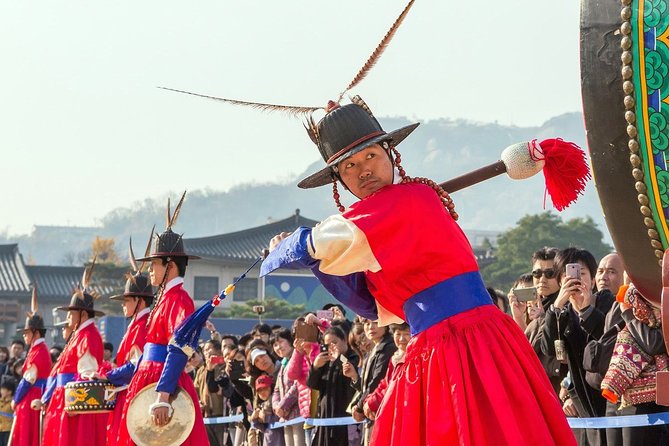
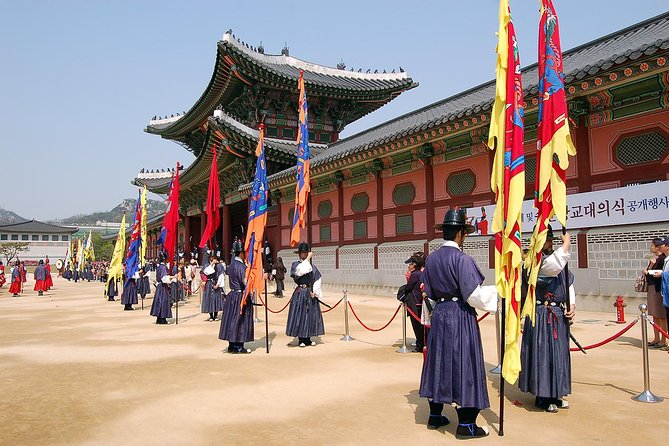
The changing of the royal guard is one of the morning’s most visual moments. Guards in traditional uniforms perform a formal changeover at the gate, offering a compact look at royal customs and ceremonial order. It is easy to appreciate even if you are not deeply interested in Korean history, and it gives you strong photographs.
Timing matters. The tour is designed to reach the palace in time for the ceremony, and guides such as Cathy have been praised for getting groups into a good viewing position before the area fills. You should still treat the ceremony as weather dependent. It is canceled when it rains.
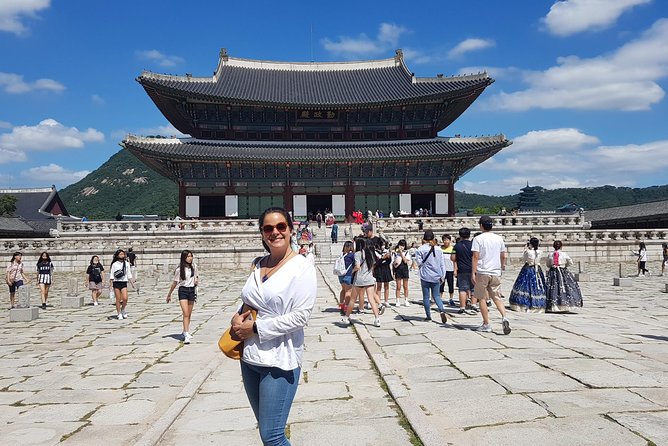
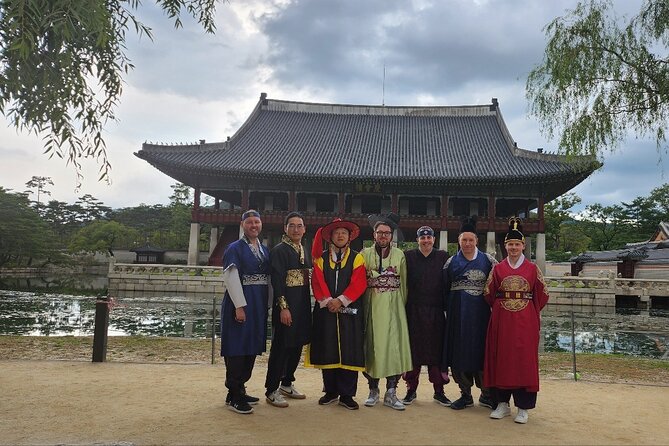
Once inside, you have about one hour for Gyeongbokgung Palace. The name means Palace Greatly Blessed by Heaven, and the complex is large enough that one hour gives you a focused sample rather than a complete visit. Your guide will point out key structures and explain the Joseon dynasty, architecture, and royal life.
This is where the tour’s brisk pace becomes most obvious. You will see important parts of the palace, but you will not have the freedom to wander every courtyard or stop for long at each building. One person described the tour as a quick lesson in Korean history, which is a fair way to view it.
The palace is also a good match for anyone interested in Korean television dramas. Seeing the courtyards and traditional buildings in person gives those familiar scenes a much clearer sense of scale. A guide can add the political and cultural background that a costume drama cannot provide.
The National Folk Museum explains everyday Korea
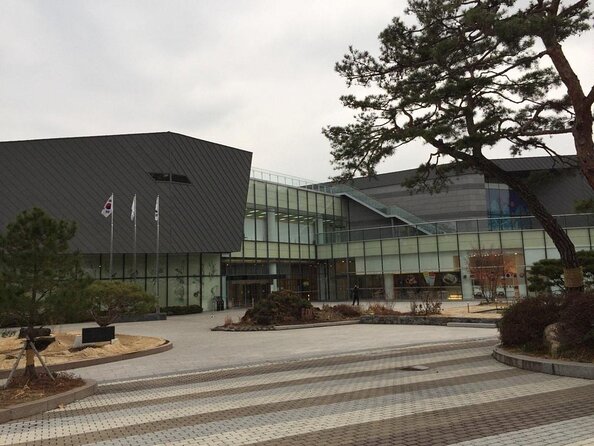
The National Folk Museum of Korea sits within the Gyeongbokgung grounds, making it an efficient next stop. About 45 minutes is set aside for the museum, with admission included.
The museum focuses on ordinary Korean life through historical objects and displays. That balance matters. The palace shows the court and the ruling class, while the museum turns your attention to homes, work, customs, family life, and daily routines.
If you are curious about how people lived beyond the royal compound, this may be the most useful stop. It gives you a broader picture of Korea than palace architecture alone. The exhibits also help put later sightseeing in context, especially if you plan to visit traditional neighborhoods or markets on your own.
The drawback is once again time. The museum has more to offer than can fit into 45 minutes. One useful strategy is to follow your guide for the main explanation, then mark the areas you would return to if your schedule allows. Several visitors found the museum worth revisiting after the tour, which makes sense for anyone with an extra afternoon.
Families may appreciate this stop because objects and displays can make history easier for children to grasp. The tour’s guide-led format also helps keep younger participants involved. One family particularly valued seeing the major cultural sites in a single morning without managing transport between them.
More temple visits in Seoul:
- Seoul: Mt Seorak + Naksansa Temple or Nami Island Group Tour
★ 4.7 · 422 reviews - Best Things to Do – Half Day Seoul Trip (Seoul Palace & Temple)
★ 5.0 · 190 reviews - Mount Seorak and Naksansa Temple One Day Tour from Seoul
★ 4.5 · 167 reviews - Day Tour of Suwon Hwaseong Fortress Starfield Waujeongsa Temple
★ 5.0 · 61 reviews
A quick look at the Blue House area
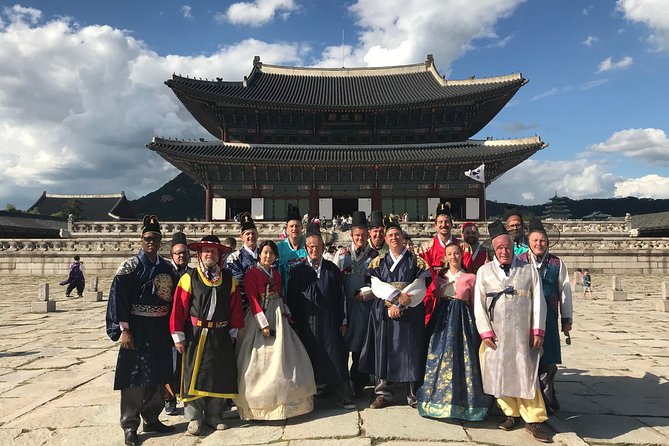
The route passes by Cheongwadae Sarangchae, a visitor area connected with the Blue House, South Korea’s former presidential residence. About 15 minutes is allowed here, and the stop is free.
This is primarily a passing visit rather than a full tour. The Blue House name comes from Cheong Wa Dae, meaning pavilion of blue tiles, and your guide can explain its political importance and the name’s origin.
Security rules may prevent the vehicle or group from passing directly by the presidential area. That uncertainty is worth knowing before you book. If this is your main reason for joining, you may be disappointed. If you see it as a short addition to a palace-focused morning, it is a useful bit of modern Korean context.
The ginseng museum is the tour’s main question mark
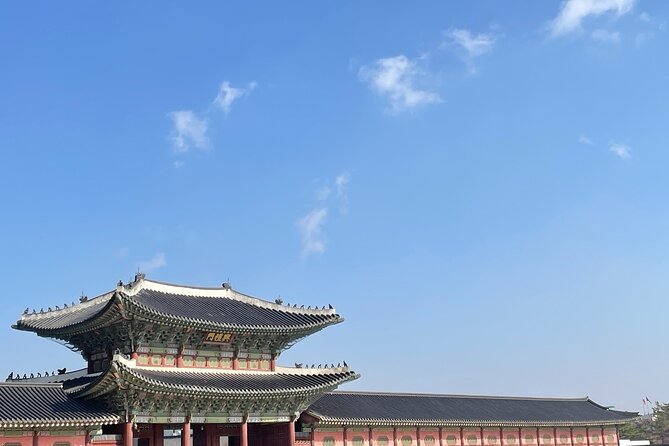
The final scheduled stop is the Cheongha Korea Ginseng Museum, with about 20 minutes devoted to ginseng education and shopping. You learn about the plant, its preparation, and its role in Korean health traditions.
Some people will enjoy this pause, particularly if they want to understand one of Korea’s best-known products or buy a packaged item. Others may feel that it takes time away from the cultural sights.
This is the clearest point of balance in the experience. The stop is presented as a museum and shopping visit, and the sales element can feel more noticeable than the educational part. One detailed account found the ginseng presentation longer than expected and wished the palace and other cultural sites had received more time.
I would treat it as a built-in shopping stop, not a major museum. If you are happy to browse and listen briefly, it will not spoil the morning. If you dislike retail stops, this is the part most likely to bother you.
Why the Insadong finish is useful
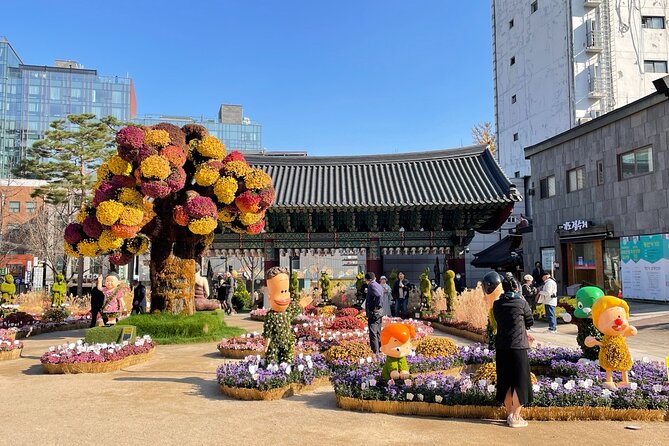
The tour ends in Insadong rather than returning you to your hotel. This is a sensible place to finish because you can continue exploring Seoul on foot, browse traditional arts and souvenirs, or stop for lunch.
Several guides, including Cathy and Lee, have offered lunch and shopping suggestions after the tour. Those recommendations can be valuable when you still have the afternoon ahead and want a local area to explore without starting from scratch.
The end point also gives you flexibility. You can stay in Insadong, walk toward nearby cultural areas, or make your own way elsewhere. The trade-off is that hotel drop-off is not included, so you need to plan your next move.
Guides make or break this short tour
The strongest part of the experience is the guide. The names attached to the tour include Molly, Cathy, KC, Rose, JJ, June, Moon, and Lee, though your assigned guide will vary.
Molly has been praised for detailed explanations of architecture and the Joseon dynasty, along with making people feel included and taking photographs. Cathy is noted for crowd management, early palace arrival, and useful food suggestions. KC has been described as energetic and well informed, keeping the group moving while covering a lot in four hours.
Rose brought a clear sense of Korean culture to the tour, while JJ was praised for warmth and careful explanations. June answered questions about Korea’s dynasties, and Moon was especially strong on the country’s history and development.
There is one small caution. One person found the guide’s microphone difficult to understand at times. In a large group, sound quality and your position near the guide can affect how much you hear. Stay reasonably close during explanations, especially at the palace and museum.
Who should book this morning tour?
I would choose this experience if you have limited time in Seoul, want hotel pickup, or prefer a guide to connect the sights rather than visiting them as separate stops. It is also a good first morning in the city because it gives you ideas for what to return to later.
Families can benefit from the transport and the clear structure. First-time visitors who feel unsure about Seoul’s historical center will get their bearings quickly. The tour also suits anyone who wants the royal guard ceremony without having to work out palace timing alone.
I would not choose it if your priority is a slow palace visit, extensive museum time, or total freedom over the route. A full-day tour would suit you better if you want to explore the palace grounds at length and spend more time in the Folk Museum.
Free cancellation is available up to 24 hours before the 8:30 am start. If the minimum number is not met, the operator offers another date or experience, or a full refund. Most people can participate, but remember that Tuesday changes the palace portion, and rain cancels the guard ceremony.
Should you book it?
Book this tour if you want a practical first look at Seoul’s cultural center for $32, with admission, transport, hotel pickup, and a guide included. The palace, ceremony, temple, and museum form a strong four-hour route.
Skip it if you want to linger. The tour packs in a lot, and the ginseng stop may feel like time taken from the main sights. For a short stay, though, it is a sensible way to see the essentials, collect useful local advice, and decide where to return on your own.
FAQ
What time does the tour start?
The tour starts at 8:30 am.
Is hotel pickup included?
Yes. Hotel pickup is included, along with transportation and an English-speaking guide.
Where does the tour end?
The tour ends in Insadong. Hotel drop-off is not included.
Is admission to Gyeongbokgung Palace included?
Yes. Admission to Gyeongbokgung Palace and the National Folk Museum is included.
Does the tour include the royal guard changing ceremony?
The itinerary is arranged to include the ceremony, but it is canceled when it rains.
What happens if Gyeongbokgung Palace is closed?
The palace is closed on Tuesdays, and the tour replaces it with another tourist attraction on that day.
More palace tours in Seoul
- Small-Group Royal Palace and Seoul City Tour (hotel pick-up)
★ 5.0 · 1,474 reviews - Seoul: Gyeongbok Palace, Bukchon Village, and Gwangjang Tour
★ 5.0 · 1,044 reviews - Seoul Highlights: Gyeongbok Palace, Insadong & N Seoul Tower
★ 4.7 · 726 reviews - Seoul: Hanbok Rental with Gyeongbokgung Palace Entry
★ 4.6 · 611 reviews
Just added around Seoul
- Your Personal Seoul Photographer!★ 4.1 · 15 reviews
- From Seoul: Hwacheon Ice Fishing and Lighting Festival Tour★ 4.5 · 4 reviews
- You’re Invited to Our Home in Seoul: The Only Cooking Class!★ 5.0 · 8 reviews
- Seoul: Gangneung BTS K-Pop & K-Drama Filming Locations Tour★ 4.6 · 14 reviews
- Unique Native Experience : Han River Picnic, Board game, BBQ★ 5.0 · 3 reviews
- 2-Hour Private Kayaking and Paddleboarding Experience in Hanriver★ 5.0 · 3 reviews
- Yun Korean Cooking Class in Seoul★ 5.0 · 6 reviews
- Day Trip to Yongin Daejanggeum and Korean Folk Village from Seoul★ 4.0 · 9 reviews
Gyeongbokgung Palace Tours, compared.
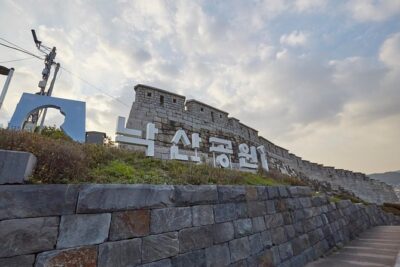
Gyeongbok Palace, Bukchon Village, and Gwangjang Tour
Read our review →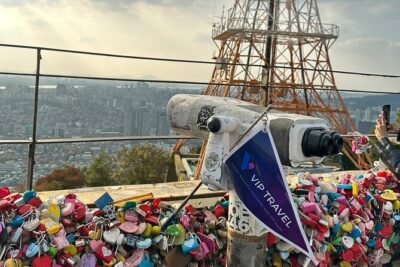
Best Seoul City Tour (Gyeongbokgung Palace,Insadong,Namsan Tower)
Read our review →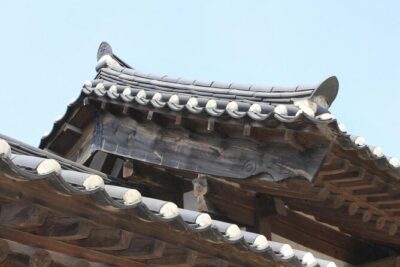
Seoul City Sightseeing Tour Including Gyeongbokgung Palace, N Seoul Tower, and Namsangol Hanok Village
Read our review →Gyeongbok Palace, Bukchon Village, and Gwangjang Tour
Read our review →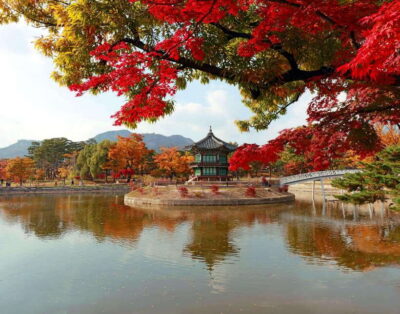
Seoul Highlights: Gyeongbok Palace, Insadong & N Seoul Tower
Read our review →
Seoul City Half Day Tour-Gyeongbok Palace Guard Changing Ceremony
Read our review →
Browse the lists this tour appears in