
Reviewed · SEOUL TEMPLE TOURS
Hiking Adventure Bukhansan Highest Peak & Old Buddhist temples visit (Lunch inc)
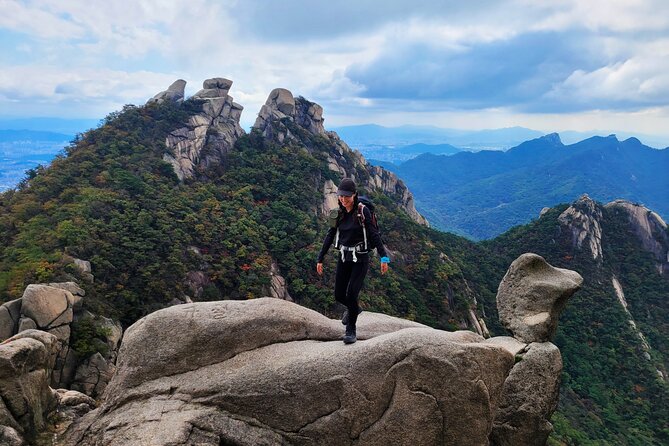
Bukhansan gives you something few capital cities can: a true mountain day without leaving Seoul. This six-hour hike follows the shortest route to Baekundae, the city’s highest peak, with Doseonsa Temple and old fortress walls adding culture to the climb. I like the local focus, especially the stories about wildlife, Korean history, and mountain customs. I also like that guide Lee handles the route and provides lunch, so you can focus on walking and views.
The catch is simple: this is still a real uphill hike, not a gentle city stroll. You need moderate fitness, comfortable shoes, enough water, and the energy for a long day on the trail. The group can reach 15 people, so the experience may feel less personal on a full departure.
Key points at a glance
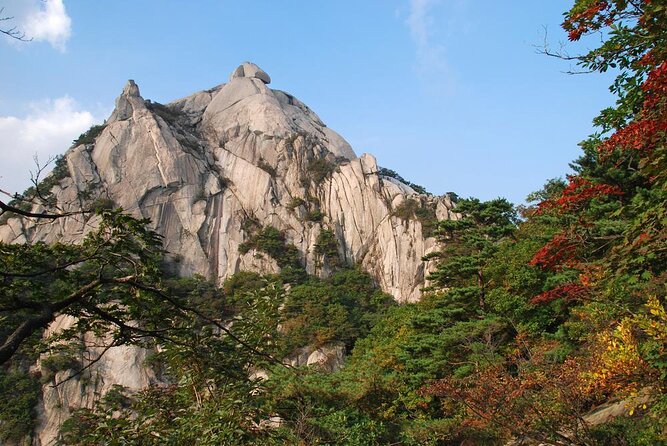
- Baekundae summit: Reach the highest peak in Seoul by the shortest route described for this experience.
- Doseonsa Temple: Visit a Buddhist temple founded in 862, with a striking legend about a monk carving Buddha from rock.
- Joseon-era fortress: Walk beside Bukhansanseong, built in 1711 to protect the dynasty from foreign enemies.
- Local guide Lee: Expect help with the route, safety, history, and practical Seoul suggestions.
- Seaweed-roll lunch: A gimbap-style lunch is supplied before the hike, but you must bring your own water.
- Small-group format: The maximum group size is 15, with mobile tickets and group discounts available.
Why Bukhansan makes a fine Seoul escape
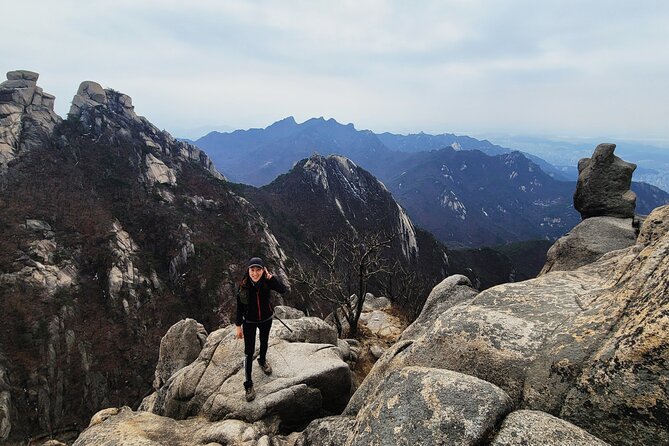
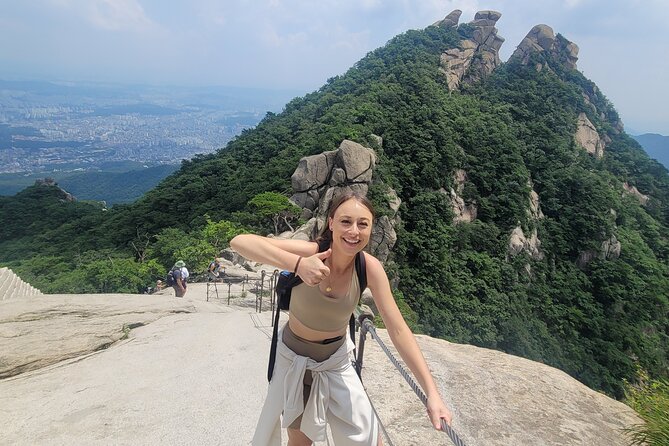
Seoul can feel nonstop. Bukhansan changes the pace quickly, taking you from city streets to wooded trails, exposed rock, temple grounds, and broad views across the capital. It is the only national park in Seoul and the city’s highest mountain, which explains why it is so popular with local hikers.
The scale of that popularity matters. More than 6 million people visited Bukhansan in 2020, and the mountain is used by more than 10,000 local hikers on an average day. You are not being taken to an obscure corner of Korea. You are stepping into one of the city’s favorite weekend habits.
That makes this tour a good choice if you want to see how Seoul residents spend time outdoors. The mountain is not presented as a separate resort world. It is part of daily city life, and the trail gives you a clear look at that connection.
I especially like the mix of nature and history. You are not simply walking uphill for a viewpoint. The route includes a Buddhist temple, a fortress, and smaller religious places along the way, including a praying spot set among the rocks. Those pauses give the hike a sense of place.
More hikes and mountain trips in Seoul:
- Seoul: Guided City Wall Sunset Hike with Korean Dinner
★ 4.9 · 227 reviews - Private Hiking tour to Bukhansan Peak(Baegundae: 836.5m) with Mountain Expert
★ 5.0 · 113 reviews - Fortress Night Hike & Snack at a Local Market
★ 5.0 · 112 reviews
Meeting near Bukhansan at 9 a.m.
The experience begins at 9 a.m. in the Bukhansan area, with the activity ending back at the meeting point. The information provided also identifies Bukhansan UI Station as the meeting area in the tour feedback. Public transportation is nearby, and there are shops around the station where you might buy last-minute snacks, food, or hiking gear.
That is useful planning information. If you forget a snack or need a small item before setting off, you may have a chance to fix the problem near the start. Still, do not rely on shopping as your main plan. Bring water from the beginning, since it is not included.
The group is capped at 15 people. That is a reasonable size for a guided walk, though the atmosphere can vary. A smaller departure should make it easier to ask questions and stay close to Lee. A full group may feel more like a social hike, with less one-to-one attention.
Doseonsa Temple and its unusual rock legend
Doseonsa is the first major cultural stop. The temple was established in 862 during the Silla Kingdom by the monk Doseonguksa. That age gives the site real weight, especially when you see it as part of a mountain route rather than as a quick stop in a city sightseeing schedule.
The temple is also tied to an unusual local legend. Doseonguksa is said to have broken huge rocks with his bare hands and carved Buddha. The story is especially memorable because the rock is said to show no evidence of chisel marks.
You will not spend the whole day at the temple, and this is not a temple-stay program. The value comes from the contrast: after making your way through Seoul, you reach a place connected to centuries of Korean Buddhism, then continue into the national park. Lee’s explanations are meant to make that connection clearer.
The visit also helps break up the climb. A long ascent is easier to handle when the route has points of interest along the way. You can pause, look around, and learn why this particular mountain has mattered to Korean religious life.
The climb toward Baekundae
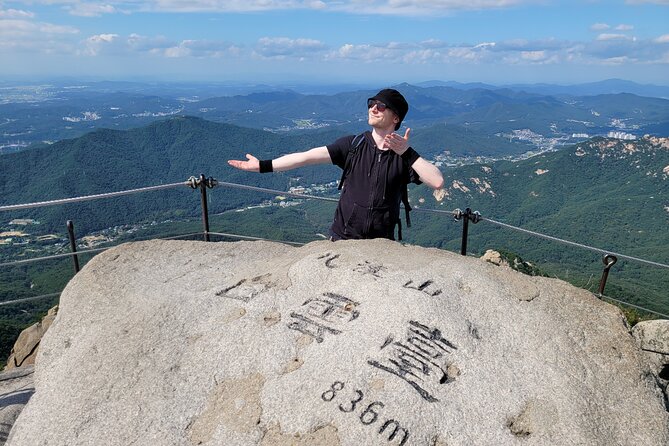
After Doseonsa, the route continues through Bukhansan National Park toward Baekundae. The tour describes this as the shortest route to the summit, which is helpful if your main goal is to reach the top within a six-hour outing. Shortest does not mean effortless, however. You should still expect sustained uphill walking and uneven mountain conditions.
Comfortable shoes are essential. The supplied information calls for a moderate level of physical fitness, and that is the right way to think about the outing. You do not need to be an elite climber, but you should be comfortable spending much of the day on foot and climbing uphill.
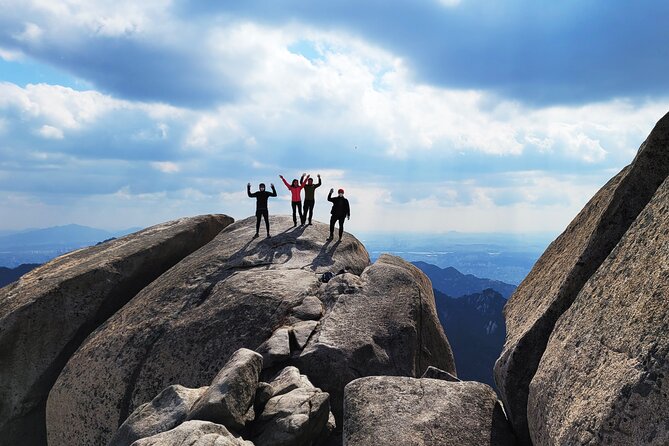
The route provides a gradual change in scenery. At lower points, the emphasis is on woodland and temple surroundings. Higher up, the mountain becomes more open and rocky. One account of the hike describes the rock at the summit as a highlight, with lunch taken there while looking out over Seoul.
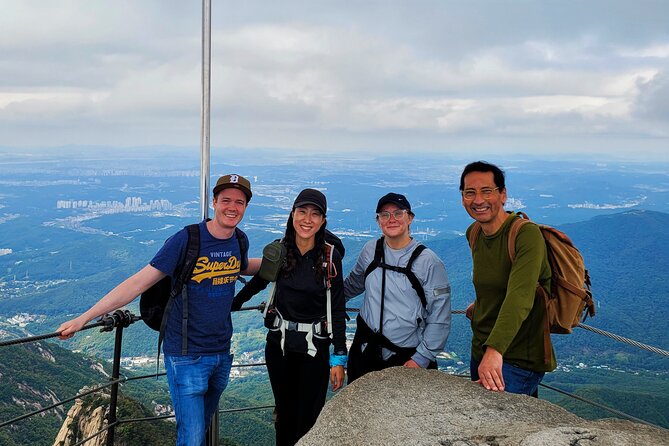
That final section is where the hike becomes most rewarding and most demanding. The peak gives you a view across the city and the surrounding natural area, but you earn it with the climb. If you dislike steep walking, this is the part to consider carefully before booking.
More temple visits in Seoul:
- Seoul: Mt Seorak + Naksansa Temple or Nami Island Group Tour
★ 4.7 · 422 reviews - Best Things to Do – Half Day Seoul Trip (Seoul Palace & Temple)
★ 5.0 · 190 reviews - Mount Seorak and Naksansa Temple One Day Tour from Seoul
★ 4.5 · 167 reviews - Day Tour of Suwon Hwaseong Fortress Starfield Waujeongsa Temple
★ 5.0 · 61 reviews
Bukhansanseong Fortress and Joseon defense
Bukhansan is not only a place of worship and recreation. The route also reaches Bukhansanseong Fortress, built in 1711 to protect the Joseon dynasty from foreign enemies.
The fortress adds useful historical context to the mountain. Its walls show that Bukhansan was valued for defense as well as for scenery and religion. You get a better sense of why this high ground mattered to earlier rulers, and why the mountain still feels so closely tied to Seoul’s identity.
The fortress section also gives the walk a change of mood. Doseonsa connects you with Buddhist practice and legend. Bukhansanseong connects you with military history and the Joseon state. Between these sites, the guide can explain how the mountain served different purposes over time.
Do not expect a full fortress tour with extensive architectural detail at every turn. This is primarily a hike, and the historical sites are woven into the route. That balance suits you if you want context without spending the whole day inside museums or formal monuments.
What lunch includes, and what you still need
Lunch is included in the form of a seaweed roll, or gimbap. It is provided before the hike, which removes one small task from your morning and gives you food for the day’s walk.
Gimbap is practical mountain food: portable, filling, and easy to eat during a break. One account describes lunch at the rocky summit, which sounds like the sort of simple outdoor meal that fits this experience well. Exact lunch timing may depend on the pace of the group and the guide’s plan.
Water is not included. This is the most important packing point in the description. Bring enough for six hours, because the tour specifically tells you to do so. You may also want an extra snack, even though shops near the starting area may sell food such as gimbap.
Wear comfortable hiking shoes rather than casual city sneakers. The tour information does not list specialist equipment, but the combination of uphill walking, rock, and a long duration makes proper footwear sensible.
Lee’s guiding style and what you can expect
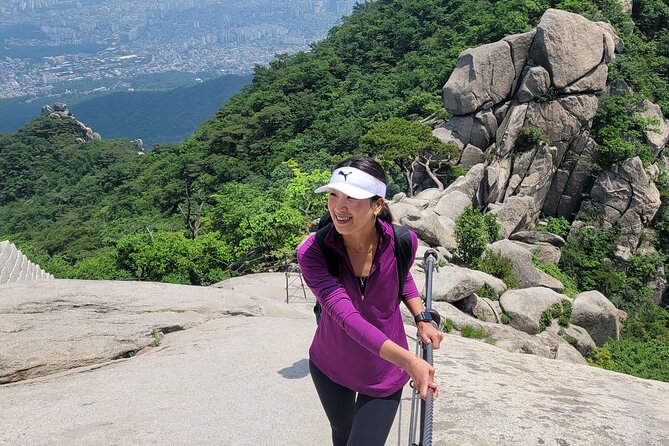
The guide named in the supplied feedback is Lee, also referred to as Ms. Li in one account. Her role goes beyond leading from the front. She explains Korean history and wildlife, answers questions, helps you feel safe on the route, and offers ideas for other places to visit in Seoul.
That personal guidance is one of the strongest reasons to choose this tour instead of walking alone. Bukhansan may be reachable by public transportation, but a guide gives the mountain more meaning. You learn why Doseonsa matters, what the fortress protected, and how the mountain fits into Korean outdoor life.
Lee’s approach also appears suited to first-time hikers. The feedback describes her as calm, helpful, friendly, and attentive to safety. Those qualities matter on a route where some people in the group may be regular hikers and others may be new to mountain walking.
The group format still has limits. With as many as 15 people, pace differences are possible. If you want silence, solitude, or complete control over breaks, a private hike would be a better fit, though this experience does not promise one.
Is the $97.27 price good value?
At $97.27 per person, this is not the cheapest way to visit Bukhansan. You could potentially reach the park by public transportation and walk without a guide. The price makes more sense if you value explanation, route support, lunch, and the convenience of joining a planned six-hour outing.
The included elements are modest but useful: a certified guide, the seaweed-roll lunch, and visits to several cultural points along the mountain route. The main value is not the food. It is the combination of local interpretation and a clear plan for reaching Baekundae.
Group discounts may improve the cost for people booking together. Mobile ticketing also makes the reservation easy to carry on your phone. The tour is often booked 34 days ahead on average, so you should not assume a last-minute place will be available, especially during popular hiking periods.
For a solo visitor or a first-time hiker in Seoul, the price can be fair. For an experienced local hiker who already knows Bukhansan, the independent route may offer better value.
Weather, fitness, and cancellation details
Good weather is required. If poor weather causes cancellation, you are offered a different date or a full refund. The activity also requires a minimum number of people, and if that number is not reached, you are offered another date, another experience, or a full refund.
You can cancel for a full refund up to 24 hours before the start time. Cancellations or changes made less than 24 hours before the experience are not accepted for a refund, so check the forecast and your schedule before that deadline.
The activity is not described as accessible for every fitness level. It specifically calls for moderate physical fitness. If you have concerns about uphill walking, rocky ground, or spending six hours outdoors, ask before booking rather than treating this as an easy sightseeing tour.
Who should book this Bukhansan hike?
I would choose this for you if you want a break from Seoul’s streets but do not want to spend a full day arranging transport, route choices, food, and historical research. It also suits solo visitors who want company and a local guide.
It is a strong match for:
- First-time visitors who want mountain views and Korean history in one outing
- Hikers with moderate fitness who can manage a long uphill route
- People interested in Buddhist sites, fortress history, and local outdoor habits
- Small groups who may benefit from the available group discount
- Visitors who prefer a planned route to finding the summit alone
I would think twice if you want a relaxed walk, have limited mobility, dislike uphill exercise, or expect a quiet private experience. The summit is the point of the tour, and reaching it requires effort.
Should you book it?
Book this Bukhansan hike if you want the highest peak in Seoul, strong city views, and a local explanation of the mountain’s temples and fortress. The best parts are the cultural stops, the practical route guidance, Lee’s personal help, and the chance to eat gimbap in a mountain setting.
Skip it if your idea of a day out is mostly flat walking or if you do not want to carry water and manage a six-hour outing. For the right level of fitness, though, this is a well-balanced way to see a side of Seoul that subway stations and palace courtyards cannot provide.
FAQ
How long is the Bukhansan hiking experience?
The activity lasts approximately six hours, beginning at 9 a.m. and ending back at the meeting point.
What peak does the hike reach?
The route goes to Baekundae, the highest peak in Seoul.
Where does the tour begin and end?
It begins in the Bukhansan area of Seoul and ends back at the meeting point. Bukhansan UI Station is identified as the meeting area in the available tour details.
Is lunch included?
Yes. A seaweed roll, or gimbap, is provided before the hike. You need to bring your own water.
What fitness level is required?
A moderate level of physical fitness is required. The route includes an uphill hike to the summit and lasts about six hours.
What historical sites are visited?
The route includes Doseonsa Temple, established in 862, and Bukhansanseong Fortress, built in 1711.
How large can the group be?
The maximum group size is 15 people.
Can I cancel for a refund?
You can cancel up to 24 hours before the start time for a full refund. If poor weather or an insufficient number of participants cancels the activity, you are offered a different date or experience, or a full refund.
More lunch stops in Seoul
- Seoul City Private Full-Day Tour Including Lunch
★ 5.0 · 469 reviews - Premium Private DMZ Tour & (Suspension Bridge or N-Tower) include lunch
★ 5.0 · 348 reviews - Private DMZ Tour with North Korean Defector + N Korean Lunch
★ 5.0 · 122 reviews - From Seoul: Cheorwon DMZ and 2nd Tunnel Tour with Lunch
★ 4.9 · 116 reviews
Just added around Seoul
- Your Personal Seoul Photographer!★ 4.1 · 15 reviews
- From Seoul: Hwacheon Ice Fishing and Lighting Festival Tour★ 4.5 · 4 reviews
- You’re Invited to Our Home in Seoul: The Only Cooking Class!★ 5.0 · 8 reviews
- Seoul: Gangneung BTS K-Pop & K-Drama Filming Locations Tour★ 4.6 · 14 reviews
- Unique Native Experience : Han River Picnic, Board game, BBQ★ 5.0 · 3 reviews
- 2-Hour Private Kayaking and Paddleboarding Experience in Hanriver★ 5.0 · 3 reviews
- Yun Korean Cooking Class in Seoul★ 5.0 · 6 reviews
- Day Trip to Yongin Daejanggeum and Korean Folk Village from Seoul★ 4.0 · 9 reviews
Seoul Temple Tours, compared.
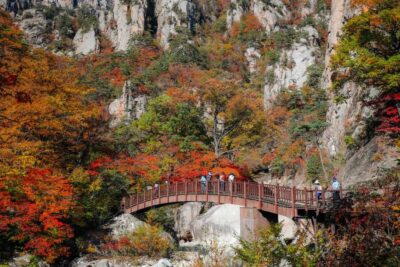
Mt Seorak + Naksansa Temple or Nami Island Group Tour
Read our review →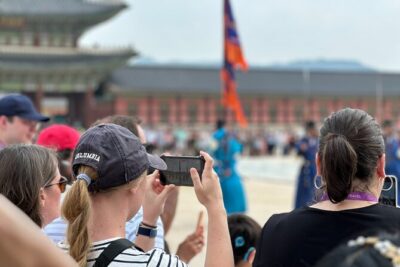
Best Things to Do – Half Day Seoul Trip (Seoul Palace & Temple)
Read our review →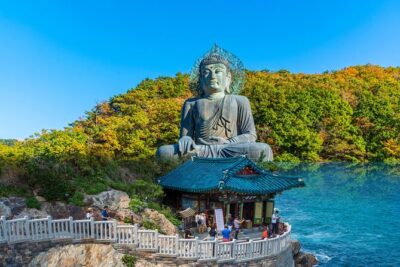
Mount Seorak and Naksansa Temple One Day Tour from Seoul
Read our review →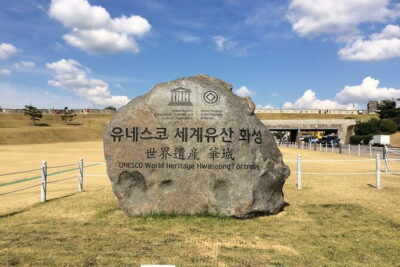
Day Tour of Suwon Hwaseong Fortress Starfield Waujeongsa Temple
Read our review →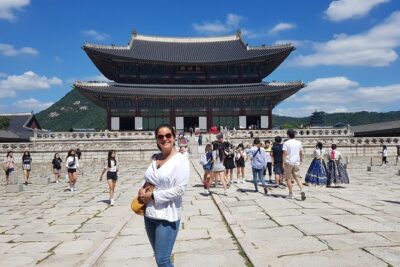
Half day Morning Seoul City Tour(Temple & Gyeongbok Palace)
Read our review →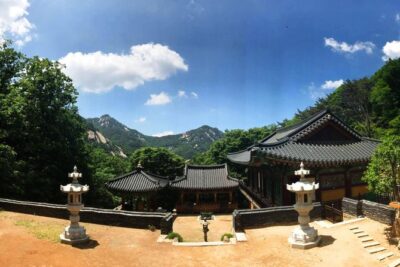
Seoul Mountain Hike: Temples, Folklore & Traditional Meal
Read our review →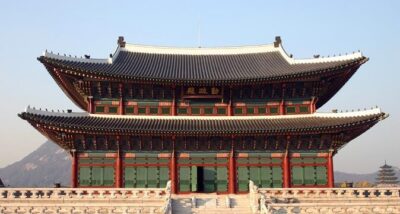
Korean Palace and Temple Tour in Seoul: Gyeongbokgung Palace and Jogyesa Temple
Read our review →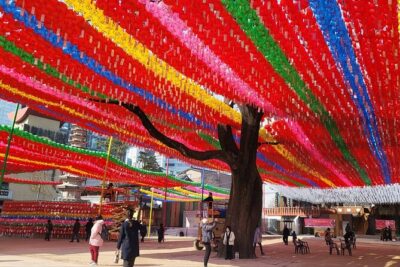
Private Seoul City Tour Palace, village, temple, market
Read our review →Browse the lists this tour appears in