
Reviewed · GYEONGBOKGUNG PALACE TOURS
Korean Palace and Temple Tour in Seoul: Gyeongbokgung Palace and Jogyesa Temple
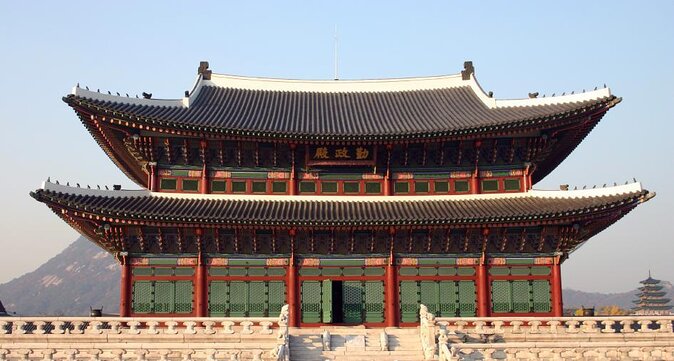
Gyeongbokgung Palace gives this half-day outing its main event: broad courtyards, royal halls, gardens, and a direct look at Joseon-era Seoul. The tour also adds Jogyesa Temple, where colorful lanterns and active Buddhist worship offer a very different kind of cultural visit.
I like the convenient hotel pickup and the way the tour links royal life, everyday Korean customs, and Buddhism in one morning. Guides such as AJ, Katie, Chloe, Grace, and Jun have been praised for clear stories, humor, patience, and help with photos. The main drawback is the ginseng-center stop, which can feel like a sales pitch and takes roughly 30 minutes.
Key points at a glance
- Gyeongbokgung in one focused hour: See Seoul’s largest Joseon palace without giving up a full day.
- Everyday Korea at the National Folk Museum: Move beyond royal rooms to learn how ordinary people lived.
- Jogyesa adds a living religious setting: This is a working Buddhist temple, not simply another historic building.
- Hotel pickup saves time: Air-conditioned transport is useful when Seoul traffic or summer heat makes public transit less appealing.
- The ginseng center is part of the deal: Expect a shopping stop that some people find interesting and others consider unnecessary.
- Best for a first morning in Seoul: The pace is brisk, with a maximum group size of 20 and a drop-off at City Hall rather than your hotel.
A useful first look at Seoul’s royal and religious past
This is a compact introduction to central Seoul, built around three very different places. At Gyeongbokgung, you look at the court of the Joseon Dynasty. At the National Folk Museum, you shift toward homes, customs, work, and family life. At Jogyesa, you see Buddhism as a living part of Korean culture.
The contrast is the tour’s strength. A palace can tell you how rulers presented themselves, but it says less about ordinary life. The museum fills that gap, while the temple shows that Korean culture is not only a matter of old buildings and distant dynasties.
You will not have unlimited time at any stop. The palace receives about an hour, the folk museum about 20 minutes, and Jogyesa about 20 minutes. That makes this a get your bearings fast experience rather than a slow, detailed study of one site.
More Gyeongbokgung tours in Seoul:
- Seoul: Gyeongbok Palace, Bukchon Village, and Gwangjang Tour
★ 4.9 · 2,321 reviews - Best Seoul City Tour (Gyeongbokgung Palace,Insadong,Namsan Tower)
★ 5.0 · 1,647 reviews - Seoul City Sightseeing Tour Including Gyeongbokgung Palace, N Seoul Tower, and Namsangol Hanok Village
★ 5.0 · 1,423 reviews
Morning pickup and the ride past the Blue House
The morning begins with pickup from your Seoul hotel at about 8:30 am. The vehicle is air-conditioned, and the group can include up to 20 people. That is small enough for a guide to keep track of the group, but it is still a group tour, not a private car and personal guide.
The drive includes a pass by the Blue House, known as Cheongwadae, the executive office and residence of South Korea’s president. The tour does not present this as a full stop, so treat it as a brief city sight rather than a visit with time to explore.
This transport matters most if you want an easy first morning. You avoid working out the route between several central sights, and you can leave larger items on the vehicle during the stops, a convenience that one participant particularly appreciated. The tradeoff is less independence. You follow the group’s timing and route, including the shopping stop later in the morning.
Gyeongbokgung Palace: one hour among Joseon royal halls
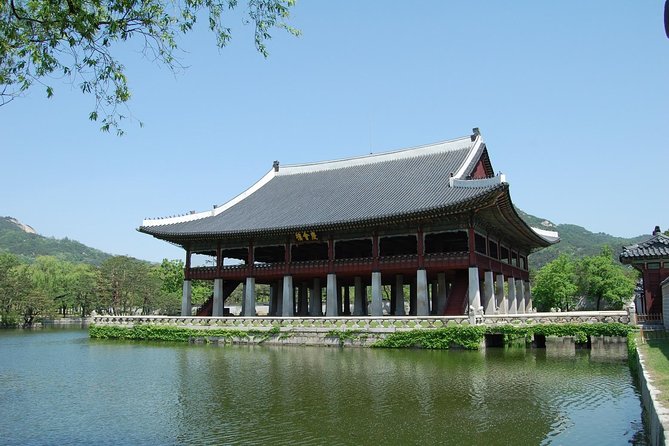
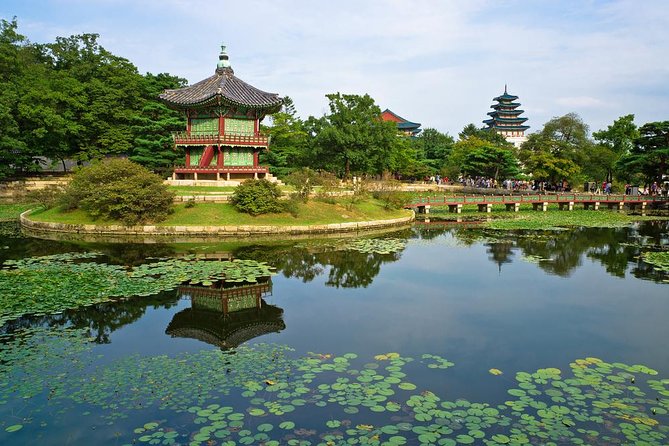
Gyeongbokgung was the main residence of the royal family during the Joseon Dynasty and is the largest of Seoul’s Five Grand Palaces. It is also the stop that gives the tour its visual punch. The compound is large, formal, and designed to make the royal court feel ordered and important.
You spend about an hour exploring on foot with the guide. That is enough to see the central features and understand the palace’s role, but not enough to wander every corner. If you enjoy architecture or photography, you may wish you had more free time. If you have only one morning, the limited visit keeps the tour moving.
The guide is especially useful here. Without context, palace courtyards can blur into one another. A strong guide helps you picture royal routines, points out details you might pass without noticing, and explains how the Joseon court functioned. AJ received especially warm praise for bringing royal life into focus, while Grace was appreciated for clear explanations of palace history. Katie, Chloe, Lizzy, and Eden were also singled out for friendly, informative guidance.
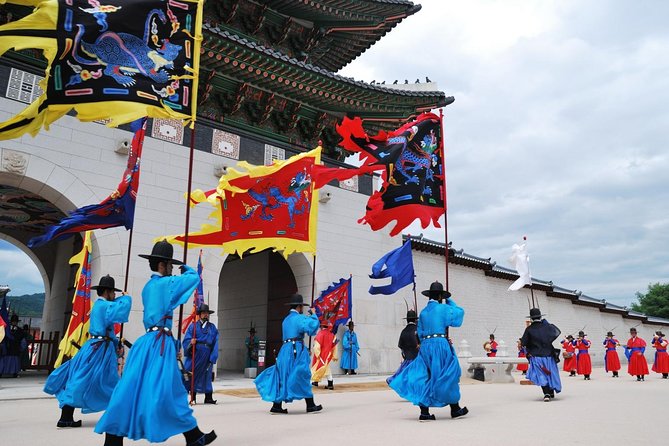
The exact order can change. Some departures visit Jogyesa before the palace, while others begin at Gyeongbokgung. One account described a guide rearranging the stops to reach the changing-of-the-guard ceremony on time, which left the rest of the visit feeling rushed. If seeing that ceremony matters to you, ask your guide at the start how the morning will run.
The palace involves a moderate amount of walking. Wear comfortable shoes, and keep your pace in mind if you have mobility concerns. The tour is designed for most people, but it is not a ride-and-look-from-the-window outing.
The National Folk Museum: Korea beyond the palace
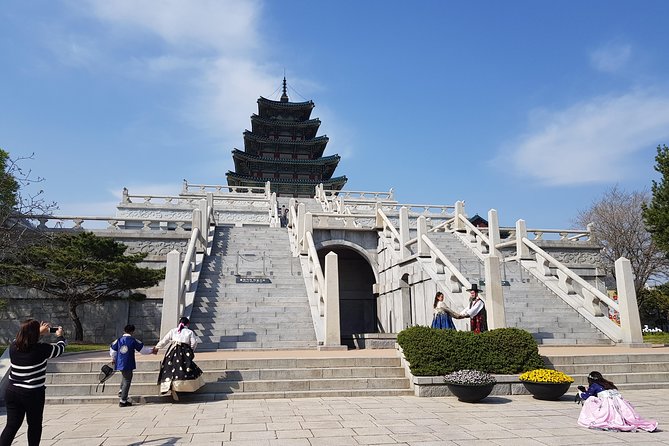
The National Folk Museum is inside the Gyeongbokgung compound, so you do not need another vehicle or a separate transfer. The visit lasts about 20 minutes and focuses on how Koreans lived from earlier periods through the changes brought by modernization.
This short stop helps correct a common imbalance in palace sightseeing. Royal architecture tells you about status and ceremony. A folk museum can show the practical side of life: customs, household routines, and traditions shared by people outside the court.
Twenty minutes is a quick orientation, not a full museum visit. Your guide leads you through selected parts, so you should expect highlights rather than time to read every display. If museums are your main interest, you may want to return independently after the tour. For everyone else, the museum provides useful background without turning the morning into an indoor lecture.
The museum also gives the guide a chance to connect old Korea with modern Seoul. That broader frame is one of the more valuable parts of the experience. You are not simply collecting three photo stops. You are moving from palace life to ordinary customs and then to contemporary religious practice.
More temple visits in Seoul:
- Seoul: Mt Seorak + Naksansa Temple or Nami Island Group Tour
★ 4.7 · 422 reviews - Best Things to Do – Half Day Seoul Trip (Seoul Palace & Temple)
★ 5.0 · 190 reviews - Mount Seorak and Naksansa Temple One Day Tour from Seoul
★ 4.5 · 167 reviews - Day Tour of Suwon Hwaseong Fortress Starfield Waujeongsa Temple
★ 5.0 · 61 reviews
Jogyesa Temple: a working Buddhist center in the city
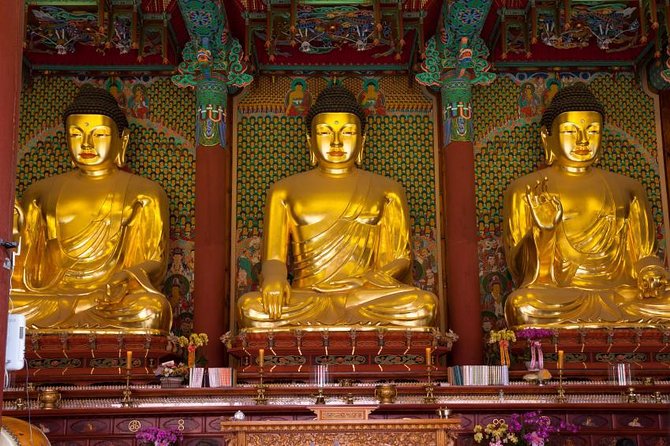
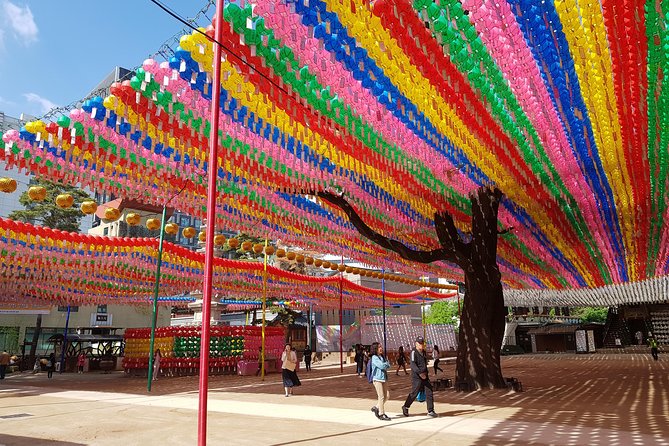
Jogyesa is described as the leading temple for Zen Buddhism in Korea. Its importance comes not only from its history but also from its continuing religious role. Depending on the timing of your visit, you might see worshippers praying or a prayer service taking place.
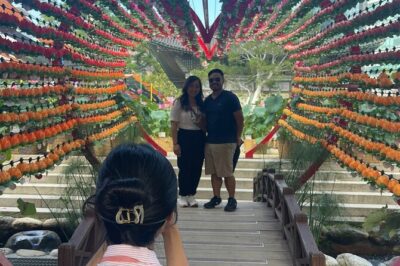
The temple can feel very different from Gyeongbokgung. The palace is carefully arranged around royal authority. Jogyesa is quieter and more personal, with religious symbols and floral offerings creating a setting that encourages observation rather than rapid sightseeing. Colorful offerings have made this a particularly memorable stop for photography.
Your guide explains Buddhism’s role in Korean culture and its place during the Joseon period. That explanation gives meaning to what you are seeing, especially if this is your first visit to a Korean temple. One group arrived while a prayer leader and worshippers were present, which made the visit feel less like a museum stop and more like a glimpse of active religious life.
The visit lasts around 20 minutes, so it is brief. Be respectful, keep your voice low, and follow the guide’s instructions if a service is underway. The temple is a highlight for many people, but anyone hoping for a long, quiet period of personal reflection may find the group schedule too tight.
The ginseng center: useful context or unwanted sales stop
The tour includes a visit of about 30 minutes to a ginseng center. This is not an optional extra tucked away in the fine print of the morning. It is part of the stated program, and you should plan for it.
The stop can introduce you to an important Korean product and give you a look at the way ginseng is presented and sold. But the commercial nature is hard to miss. Several people found the sales presentation too forceful, and one person felt that the stop used up an hour of valuable sightseeing time, although the scheduled visit is listed as 30 minutes.
This is the clearest consideration when deciding if the tour suits you. If you dislike shopping stops, you may prefer to visit the palace and temple on your own. If you accept a short retail visit as part of a packaged city tour, it may not bother you. Go in knowing that you are not getting four major heritage sites in three and a half uninterrupted hours.
Timing, route changes, and what the 3.5 hours really means
The advertised duration is about three hours and 30 minutes, beginning with the morning pickup. In practice, the route can feel brisk because it combines driving, palace walking, a museum visit, temple time, and the ginseng center.
The order is not fixed in every account. Some groups visit Jogyesa first, while others go to Gyeongbokgung first and approach the palace in a way that allows them to reach the front gate for the changing of the guard. Traffic, ceremony times, and the guide’s judgment can affect the sequence.
This flexibility can work in your favor, but it can also create a rushed finish. One participant felt a changed order reduced the palace and temple time to roughly two and a half hours of actual sightseeing. I would ask at pickup whether there is a planned guard ceremony and how much time is allocated to the shopping stop.
After the tour, the vehicle takes you to City Hall rather than back to your hotel. That is useful if you plan to continue sightseeing in central Seoul. It is less convenient if your hotel is outside the center or if you expected a return transfer.
The guides make the difference
The strongest part of this experience is the guide-led interpretation. Names associated with particularly warm feedback include AJ, Katie, Chloe, Grace, Jun, Lizzy, Charles, Eden, Rebecca, David, and Yeoni. You cannot choose a particular guide when booking, but the range of praise points to the importance of having someone who can manage time and explain the sites clearly.
The best guides do more than recite dates. They keep the group together, answer questions, help with photographs, and adjust their approach when someone needs extra support. AJ was praised for humor, energy, and stories that made both the palace and temple easier to understand. Rebecca kept a group engaged during heavy rain, while another guide helped a participant who had an upsetting experience at the temple.
Guide quality can vary. One person felt the explanations were too limited and that public transport with a palace admission ticket might have offered similar value at a lower cost. That criticism is fair. The tour price pays for convenience and interpretation, but the value depends heavily on how much context your guide provides.
Is $40 a fair price?
At $40 per person, the tour is reasonably priced if you value hotel pickup, air-conditioned transport, a local guide, and admission to Gyeongbokgung. You also cover three cultural stops without spending half a day navigating Seoul’s streets and transit system.
The comparison changes if you are comfortable using public transportation and already know where you want to go. Gyeongbokgung and Jogyesa can be visited independently, and independent sightseeing gives you more control over time. You can stay longer at the palace, skip the ginseng center, or spend more time at the museum.
For a first morning in Seoul, I think the price works best when convenience is your priority. You pay for a clear route and a guide who can connect the stops. You are not paying for a slow, private, specialist tour. The shopping stop lowers the value for people who want only heritage and religious sites.
Who should book this half-day tour?
This suits you if you have limited time in Seoul, want a structured introduction, or prefer to begin with hotel pickup rather than manage a new transit system. It is also a good fit if you enjoy history but want more than one type of historical site in the same morning.
Families and older adults may appreciate the air-conditioned vehicle and the guide’s help keeping everyone together, though the walking is moderate. Comfortable shoes are essential. The maximum group size of 20 keeps the outing manageable, but you should still expect a shared pace.
You may want another plan if you dislike commercial stops, need a very relaxed schedule, or want a detailed museum visit. Independent visitors can spend more time inside Gyeongbokgung and Jogyesa and avoid the fixed route. This tour offers breadth and convenience, not complete freedom.
My call: book it for context, skip it for total independence
I would book this tour for a first Seoul morning, especially if the price fits your budget and you want a guide to explain the connection between royal power, ordinary life, and Buddhism. Gyeongbokgung and Jogyesa make a strong pair, and the folk museum adds useful social context.
I would not book it expecting three and a half hours of uninterrupted sightseeing. The ginseng-center visit is a real part of the schedule, and the pace can tighten when the route changes. Ask about the order and guard ceremony at pickup, wear good walking shoes, and treat the City Hall drop-off as part of your onward Seoul plan.
Free cancellation is available if you cancel at least 24 hours before the start time. Changes or cancellations made later are not accepted for a refund.
FAQ
What time does the tour start?
The stated start time is 8:30 am, with pickup from your Seoul hotel.
How long does the tour last?
The tour lasts approximately three hours and 30 minutes.
What sites are included?
The route includes Gyeongbokgung Palace, the National Folk Museum of Korea, Jogyesa Temple, a ginseng center, and a drop-off at Seoul City Hall.
Is hotel pickup included?
Yes. Hotel pickup is included at the beginning of the tour. Hotel drop-off is not included.
Does the tour include transportation?
Yes. Transport is provided in an air-conditioned vehicle.
Is admission to Gyeongbokgung included?
Yes. The included admission fee covers the listed palace visit.
How much walking is involved?
A moderate amount of walking is involved, especially at Gyeongbokgung Palace. Comfortable walking shoes are recommended.
How large is the group?
The activity has a maximum of 20 participants.
Can I cancel for a full refund?
Yes, if you cancel at least 24 hours before the experience start time. Cancellations made less than 24 hours before the start time are not refunded.
More palace tours in Seoul
- Small-Group Royal Palace and Seoul City Tour (hotel pick-up)
★ 5.0 · 1,474 reviews - Seoul: Gyeongbok Palace, Bukchon Village, and Gwangjang Tour
★ 5.0 · 1,044 reviews - Seoul Highlights: Gyeongbok Palace, Insadong & N Seoul Tower
★ 4.7 · 726 reviews - Seoul: Hanbok Rental with Gyeongbokgung Palace Entry
★ 4.6 · 611 reviews
Just added around Seoul
- Your Personal Seoul Photographer!★ 4.1 · 15 reviews
- From Seoul: Hwacheon Ice Fishing and Lighting Festival Tour★ 4.5 · 4 reviews
- You’re Invited to Our Home in Seoul: The Only Cooking Class!★ 5.0 · 8 reviews
- Seoul: Gangneung BTS K-Pop & K-Drama Filming Locations Tour★ 4.6 · 14 reviews
- Unique Native Experience : Han River Picnic, Board game, BBQ★ 5.0 · 3 reviews
- 2-Hour Private Kayaking and Paddleboarding Experience in Hanriver★ 5.0 · 3 reviews
- Yun Korean Cooking Class in Seoul★ 5.0 · 6 reviews
- Vivaldi Park Winter Ski Resort with Nami Island Tour from Seoul★ 4.5 · 7 reviews
Gyeongbokgung Palace Tours, compared.
Gyeongbok Palace, Bukchon Village, and Gwangjang Tour
Read our review →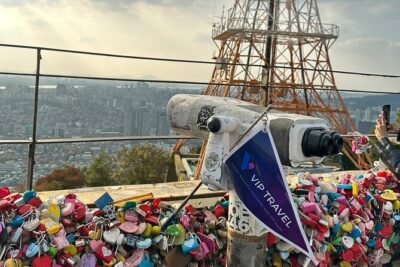
Best Seoul City Tour (Gyeongbokgung Palace,Insadong,Namsan Tower)
Read our review →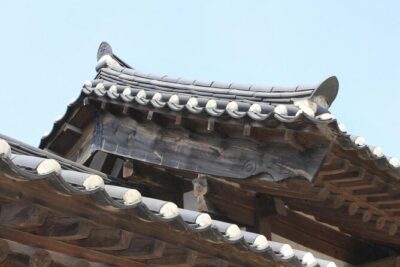
Seoul City Sightseeing Tour Including Gyeongbokgung Palace, N Seoul Tower, and Namsangol Hanok Village
Read our review →Gyeongbok Palace, Bukchon Village, and Gwangjang Tour
Read our review →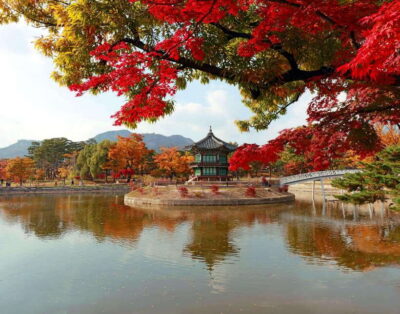
Seoul Highlights: Gyeongbok Palace, Insadong & N Seoul Tower
Read our review →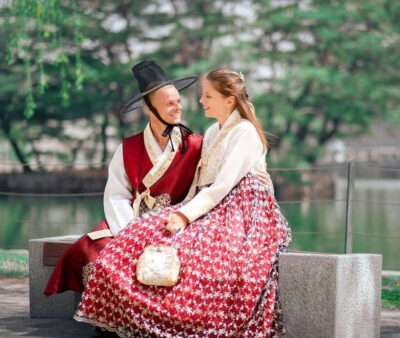
Seoul City Half Day Tour-Gyeongbok Palace Guard Changing Ceremony
Read our review →
Browse the lists this tour appears in