
Reviewed · SEOUL CRAFT AND PERFUME WORKSHOPS
Make your K-scent perfume: Modern oneday class in Seoul
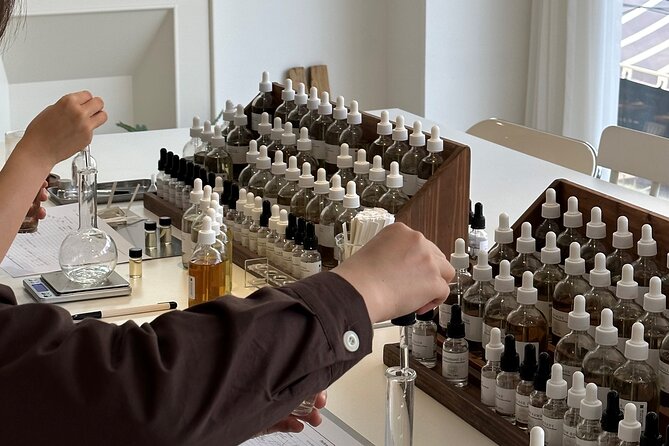
The best part of this Seoul class is that you leave with more than a souvenir. You make a 50ml perfume from scratch, using Korean-inspired scents alongside familiar floral, citrus, woody, and sweet notes. The process gives you a personal reminder of Seoul that will not sit forgotten on a shelf.
I like the opening tea and snack session, which helps you think about scent through Korean flavors and memories. I also like the small maximum group of four, because choosing a fragrance takes patience, and instructors such as Henny can give each person real attention. The main drawback is the $96 price, which is a lot for a two-hour activity if you are not especially interested in perfume.
Key points at a glance
- Make a full 50ml bottle: You blend and finalize your own perfume rather than simply selecting a pre-made fragrance.
- Try three smaller formulas first: The class includes three 5ml trials, followed by a 50ml finished bottle and a 10ml travel-sized bottle.
- Use Korean-inspired accords: Korean green tea and other local scent ideas give this class a clear Seoul connection.
- Start with tea and snacks: Da-gwa time introduces seasonal Korean tea and traditional sweets before the blending begins.
- Learn the scent pyramid: You are shown how top, heart, and base notes work together.
- Keep the group tiny: Casamu accepts no more than four people, making it a good choice for families, couples, and private-feeling outings.
Why this perfume class feels different from a standard Seoul souvenir stop
Casamu turns a familiar shopping idea into a hands-on creative session. Instead of buying a bottle with a name chosen by a marketing team, you decide what belongs in your fragrance and how it should feel.
That matters because scent is tightly tied to memory. A perfume built around Korean green tea, soft woods, or another note you associate with Seoul can bring back a place faster than a key ring or postcard. I like that the class asks you to think about a favorite moment before you begin. You are not just mixing pleasant smells. You are trying to give a memory a shape.
The class takes place on Apgujeong street in Gangnam, an area known for fashion, beauty, and new Korean style. That setting fits the subject. You get a modern beauty experience, but the tea, sweets, and Korean scent materials keep it connected to local culture.
This is not a perfume factory visit or a quick retail demonstration. You handle the process yourself, test combinations, and make choices that affect the finished product.
More craft and perfume workshops in Seoul:
- Seoul: Create Your Own Natural Perfume with a Perfumer
★ 4.9 · 109 reviews - Learn and Make Your Very Own Craft Makgeolli
★ 5.0 · 94 reviews - Traditional Korean Mother-of-Pearl Craft Workshop
★ 5.0 · 16 reviews
Arriving at Casamu in Apgujeong
The meeting point is Casamu, at 32 Eonju-ro 164-gil, second floor, in Seoul’s Gangnam District. The studio is near public transportation, so it can fit neatly into a day spent around Apgujeong.
The class ends where it begins, which keeps the logistics simple. Allow enough time to reach the studio, especially if you are crossing Seoul from another district. The activity lasts about two hours, and arriving late can be a problem because there is a 30-minute no-show policy.
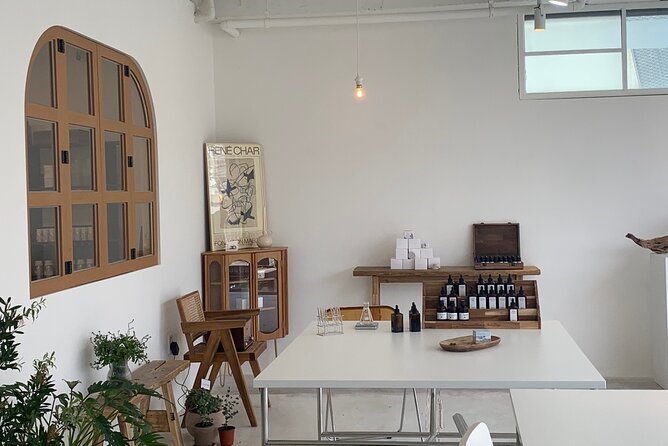
The studio itself is described as bright and attractive, with a modern feel that suits the neighborhood. I would schedule this between other nearby plans rather than treating it as an all-day outing. Two hours is enough time to enjoy the process without making perfume the only event of your day.
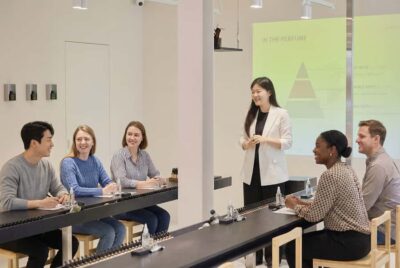
The group limit is four people. That is one of the strongest practical features. Perfume-making requires smelling, comparing, writing down choices, and asking questions. In a large class, you might spend too much time waiting. Here, the instructor can focus on your preferences and help you when two final choices seem impossible to separate.
Da-gwa tea time gives the class a Korean opening
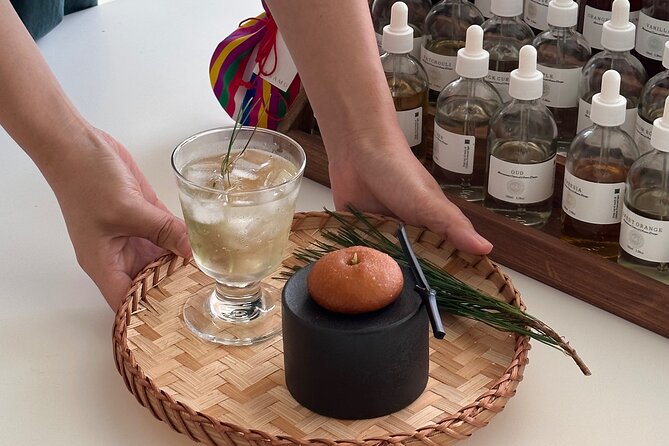
The session begins with da-gwa time, featuring seasonal Korean tea and snacks. This is not filler. It sets up the idea that memory can begin with several senses at once.
You taste and smell Korean tea, sample traditional sweets, and think about flavors or moments you might want to express in a fragrance. A Korean green tea accord is one of the materials available, and it has been a favorite starting point for some people looking for a scent linked closely to the country.
I like this opening because it gives the class a sense of place without turning into a formal cultural lecture. The tea and sweets create a calm pause before you face dozens of scent strips and bottles. They also make the experience more social, which is useful if you are attending with family or friends.
The tea session may be less important to you if you already know exactly what perfume you want to make. Still, it provides a gentle way to begin, and it helps explain why the class includes Korean scent ideas rather than offering only generic perfume ingredients.
The scent lesson explains top, heart, and base notes
Before you start mixing, the instructor covers basic perfume information, including the olfactory pyramid. You learn how top, heart, and base notes behave in a fragrance.
Top notes usually shape the first impression. Heart notes give the perfume its central character, while base notes help create the longer-lasting foundation. You do not need previous perfume experience. The class is designed to explain the structure as you work.
This lesson is useful because your first reaction to a scent is not always the final result. A fragrance can smell bright at first and then become softer, warmer, or woodier as different notes appear. The instructor helps you consider the whole blend instead of choosing ingredients one at a time with no plan.
The teaching also gives you a better vocabulary. Instead of saying only that something smells good or bad, you can begin to describe it as floral, citrusy, woody, sweet, fresh, or warm. That makes the next stage less confusing.
More hands-on classes and workshops in Seoul:
- Local Home Korean Cooking Class & Market Adventure in Seoul
★ 5.0 · 1,024 reviews - Seoul: Korean Cooking Class at a Local Home and Market Tour
★ 5.0 · 348 reviews - Yongpyong Ski Resort from Seoul with Optional Lesson and Packages
★ 5.0 · 217 reviews - Korean Cooking Class with Grocery Shopping at Seoul Local Market
★ 5.0 · 107 reviews
Forty selected accords keep the choices manageable
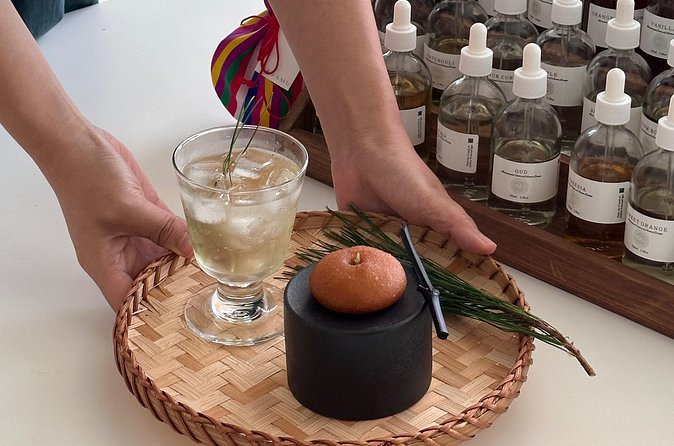
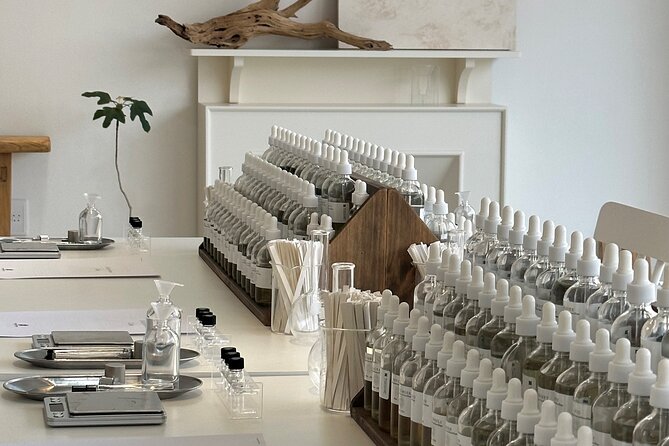
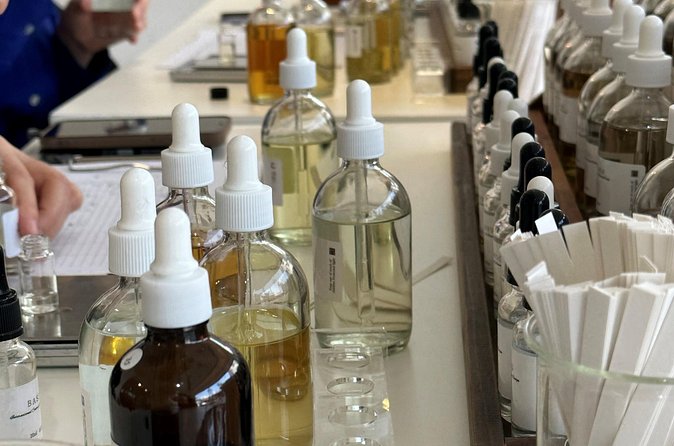
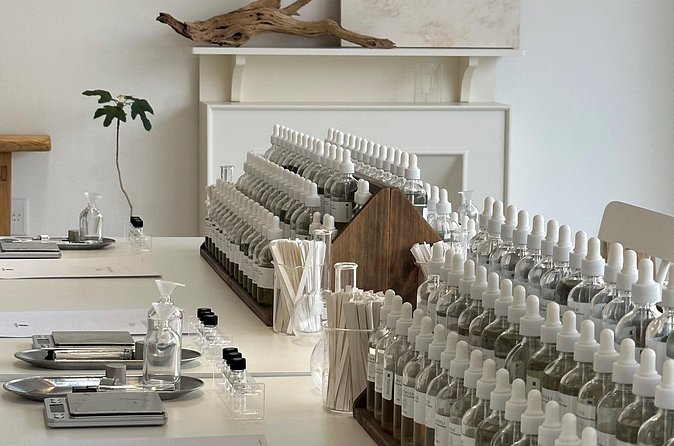
Casamu has more than 250 fragrances, but the class uses a selection of 40 accords and natural raw materials. This is a sensible limit. Forty choices are enough to create many combinations, but not so many that you lose the afternoon simply smelling everything.
The selection includes Korean scents as well as more familiar perfume materials. That gives you two useful directions. You can make something that feels strongly tied to Korea, or you can blend a Korean note with scents you already enjoy at home.
This is where the class becomes personal. One person may prefer tea and woods, another may choose flowers and citrus, and someone else may lean toward sweet or creamy notes. The instructor can help you spot combinations that work together and steer you away from a mixture that becomes too heavy or muddled.
The materials are IFRA certified. That is an important safety detail. IFRA certification does not mean every scent will suit every person, but it shows that the class uses fragrance materials selected under recognized industry safety standards.
Three 5ml trials let you experiment before committing
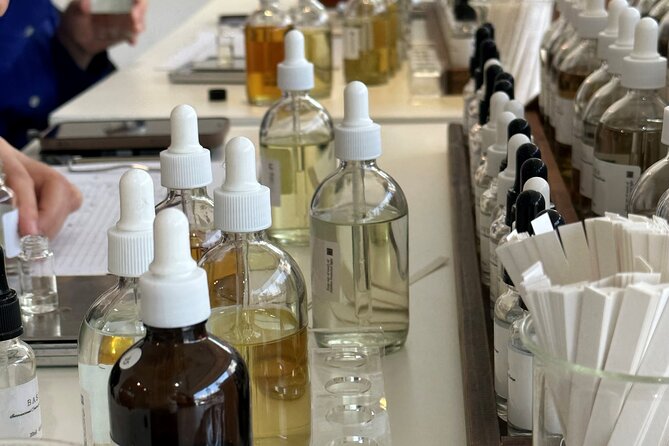
You create three trial perfumes, each in a 5ml format. This is one of the best parts of the class because it removes some pressure from the final choice.
You can test different directions instead of guessing at one formula. Perhaps your first blend is tea-forward, the second is floral, and the third uses more woods or sweetness. The small trials make comparison easier and give you a chance to notice how the combinations develop.
The process is hands-on. You measure and drop the selected essences into the bottle, then blend them yourself. One useful detail is that you get to see how much of each note goes into the formula. That gives you genuine ownership of the finished perfume rather than simply choosing a scent while someone else does all the technical work.
The hardest part may be deciding when to stop changing the formula. The abundance of options can make the final decision slow, especially if you are making perfume with a strong-minded companion. An instructor can help, but the final scent remains your choice.
The 50ml bottle is the main souvenir
After testing the smaller formulas, you finalize your personalized perfume in a 50ml bottle. You also receive a 10ml travel-sized bottle, which is practical for carrying during the rest of your trip or packing for the journey home.
The 50ml size gives you enough perfume to use regularly without making the souvenir overly bulky. The 10ml bottle lets you keep a smaller supply close at hand. Together, they make the result more useful than a decorative keepsake.
Your finished perfume is packed in a Korean blessing pouch, and a small gift is included at the end. The packaging adds a pleasant cultural detail, especially if you are giving the bottle to someone else or saving it for a special occasion.
Several people have used the class as a family outing, a mother-daughter activity, or a birthday experience. It also suits teenagers, since the creative choices make it feel more like designing a personal product than sitting through a lecture. The class is not limited to women. Anyone interested in fragrance, style, memory, or making something by hand can take part.
The instructors make the difficult choices easier
The instructor matters a great deal here. You are dealing with many unfamiliar smells, and it is easy to lose track of what you liked five minutes earlier.
Henny is specifically praised for being personable, patient, and supportive. Other descriptions of the teaching emphasize clear explanations and strong English communication, so international visitors can follow the scent lesson and take part in the decisions.
That support is especially useful at the final stage. You may like several trial blends or discover that a scent you enjoyed alone becomes too strong when combined with another. The instructor can help you compare the formulas and think about balance without forcing you toward one style.
The class can also proceed with a single participant, according to the experience details. That makes it suitable for solo visitors who want a quiet creative activity. At the same time, the maximum of four keeps it friendly for a small family or group of friends.
Is $96 a fair price for two hours?
At $96 per person, this is not a budget activity. You are paying more than you would for a simple bottle of Korean fragrance from a department store or beauty shop.
The value comes from the full process. The fee includes the tea and snacks, the scent lesson, access to the selected materials, three 5ml trials, a 10ml bottle, a final 50ml perfume, Korean-style packaging, and guidance during the blending. You are also paying for a small class rather than a crowded workshop.
I think the price makes sense if you care about making something personal and want an activity with a lasting result. It is less convincing if you simply need an inexpensive souvenir or have no interest in how perfume is made.
The class can also replace several hours of shopping. Instead of browsing for a gift and hoping it feels meaningful, you create one with a clear connection to your time in Seoul. That makes the cost easier to justify for birthdays, family outings, or a final-day activity.
Who will enjoy this class most
I would recommend Casamu to:
- Couples who want a shared souvenir with separate personal scents
- Families with teenagers who enjoy creative activities
- Solo visitors looking for a calm, hands-on Seoul experience
- Anyone interested in Korean tea, beauty, or fragrance
- People marking a birthday, wedding, or other personal occasion
- Visitors who prefer making a souvenir to buying one
The class is also a good rainy-day plan. It takes place indoors, lasts around two hours, and does not depend on good weather.
You should think twice if you dislike strong smells, find scent testing tiring, or want a fast activity with no decisions. The process is relaxed, but choosing among many accords requires attention. Perfume is personal, and the final result depends on your taste.
Booking and practical details
The experience costs $96 per person and is usually reserved about 33 days ahead, so I would not leave it until the last minute if your Seoul dates are fixed. Confirmation is provided when you book, and the experience uses a mobile ticket.
Free cancellation is available up to 24 hours before the start time. Changes or cancellations made less than 24 hours in advance are not accepted for a refund. The 30-minute no-show rule is worth remembering, so plan your route to Apgujeong carefully.
The activity is listed as suitable for a maximum of four people. It returns to the Casamu meeting point and is near public transportation.
Should you book the Casamu perfume class?
Book it if you want a souvenir you help design, not just something you purchase. The Korean tea, da-gwa snacks, local scent ideas, three trial blends, and final 50ml bottle give the class a clear identity.
I especially like it for a mother-daughter outing, a birthday, a small family group, or a solo visitor’s last day in Seoul. The small group and patient instruction make the difficult choices manageable, while the Korean green tea and other local accords tie the finished scent to the trip.
Skip it if $96 feels too high for a two-hour activity or if perfume is not your interest. For everyone else, this is a thoughtful way to turn a Seoul memory into something you can use long after the trip.
FAQ
Where does the perfume class take place?
The class takes place at Casamu, 32 Eonju-ro 164-gil, second floor, in Gangnam District, Seoul.
How long does the experience last?
The class lasts approximately two hours.
How much does the class cost?
The listed price is $96 per person.
How many people can join?
The activity accepts a maximum of four participants.
Do I need previous perfume-making experience?
No previous experience is stated as required. The class explains basic perfume information, including top, heart, and base notes, before you begin blending.
What do I make during the class?
You create three 5ml trial perfumes, then finalize a personalized 50ml perfume. A 10ml travel-sized bottle is also provided.
Are Korean scents included?
Yes. The materials include Korean-inspired scents and natural raw materials. Korean green tea is one example mentioned in the experience.
Is tea included?
Yes. The class begins with da-gwa time, which includes seasonal Korean tea and snacks.
Are the fragrance materials safety certified?
The class uses IFRA certified fragrance materials.
What is the cancellation policy?
You can cancel up to 24 hours before the start time for a full refund. Cancellations or changes made less than 24 hours before the experience are not accepted for a refund.
Just added around Seoul
- Your Personal Seoul Photographer!★ 4.1 · 15 reviews
- From Seoul: Hwacheon Ice Fishing and Lighting Festival Tour★ 4.5 · 4 reviews
- You’re Invited to Our Home in Seoul: The Only Cooking Class!★ 5.0 · 8 reviews
- Seoul: Gangneung BTS K-Pop & K-Drama Filming Locations Tour★ 4.6 · 14 reviews
- Unique Native Experience : Han River Picnic, Board game, BBQ★ 5.0 · 3 reviews
- 2-Hour Private Kayaking and Paddleboarding Experience in Hanriver★ 5.0 · 3 reviews
- Yun Korean Cooking Class in Seoul★ 5.0 · 6 reviews
- Day Trip to Yongin Daejanggeum and Korean Folk Village from Seoul★ 4.0 · 9 reviews
Seoul Craft and Perfume Workshops, compared.
Create Your Own Natural Perfume with a Perfumer
Read our review →

Traditional Korean Mother-of-Pearl Craft Workshop
Read our review →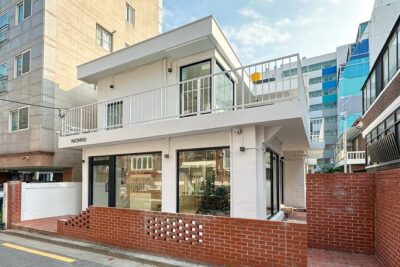
Learn and Craft Makgeolli in a Traditional Brewery
Read our review →
Royal Tomb of King Sejong & Icheon Ceramic (EG Tour)
Read our review →
Browse the lists this tour appears in