
Reviewed · SEOUL FOOD TOURS
K-food cooking Japchae Mandu Tteokbokki & Fishcake
Four Korean comfort foods, a tray of sweets, and a market visit fit into this compact Seoul evening. You’ll prepare japchae, mandu, tteokbokki, and fishcake, then sit down to eat what you made rather than simply watching a demonstration. The format is friendly to first-time cooks, with ingredients and tools ready when you arrive.
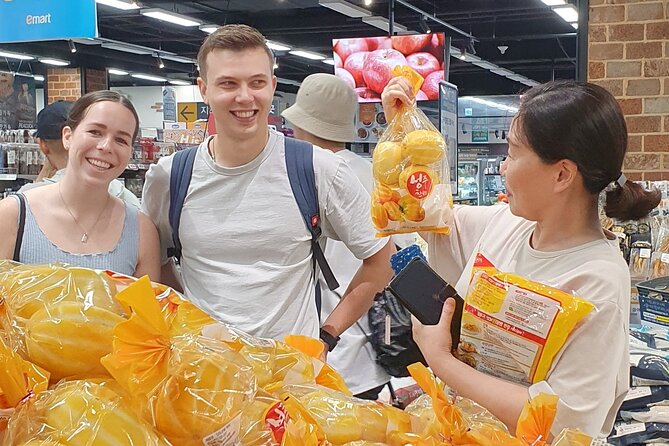
I like the small group of no more than six people, which gives the instructor room to help with folding mandu and handling the hot dishes. I also like the market stop across the street, where you can connect the recipes to the packaged sauces, snacks, kimchi refrigerators, and ingredients used in Korean homes.
The main consideration is timing. Two hours is enough for a lively introduction, but not a slow, highly technical cooking course. The market visit is also unavailable on the second and fourth Sunday of each month, when the supermarket is closed.
Key points to know before booking
- Four dishes in one class: Prepare japchae, tteokbokki with fishcake, and mandu in an evening-sized lesson.
- Maximum six people: The small group suits visitors who want direct help and a calmer pace.
- Seasonal Korean desserts: Try sweets such as yakgwa, wind rice cake, or sesame rice cake, depending on the season.
- Market visit across the street: Spend about 30 minutes exploring four floors of groceries, snacks, sauces, and Korean cooking products.
- Useful shopping help: Bring your passport if you plan to spend more than 30,000 won including VAT and want to request the available tax refund.
- 5:30 pm start in Mapo: The class begins at 199 Baekbeom-ro, Mapo-gu, and finishes back at the same meeting point.
Four Korean dishes, one practical evening
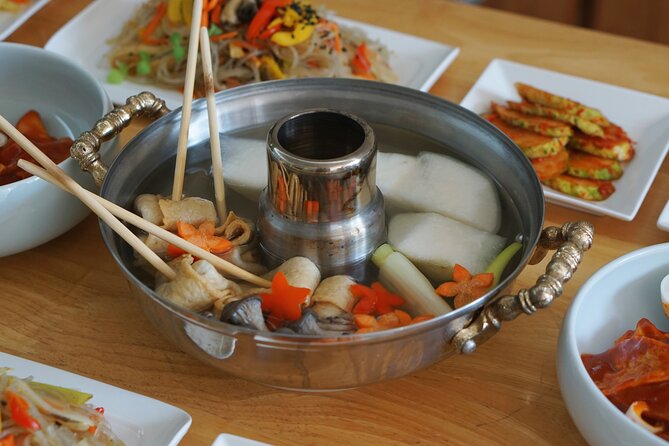
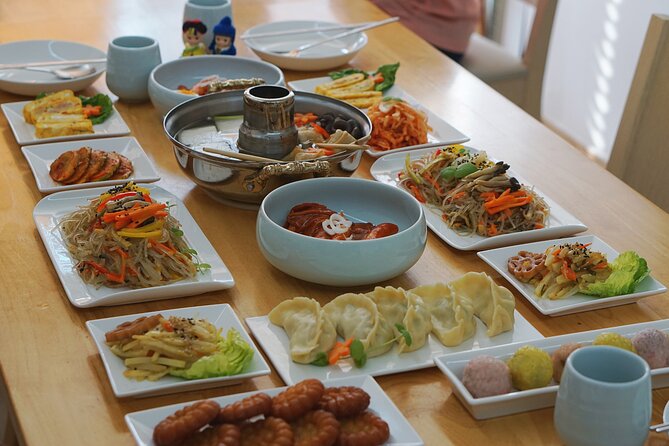
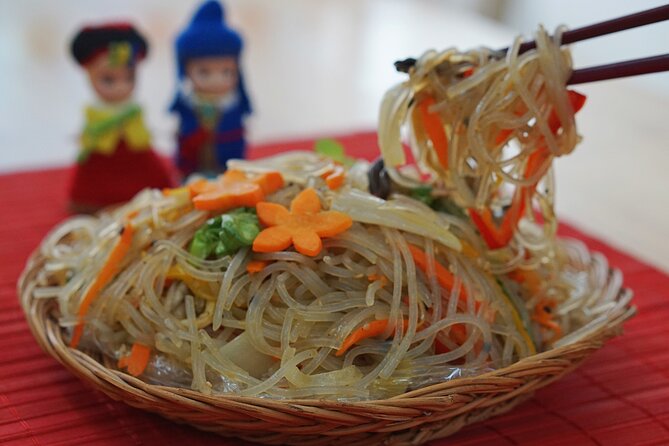
This experience focuses on foods you are likely to notice all over Seoul. Japchae brings soft glass noodles, vegetables, and seasoning. Tteokbokki offers the familiar chewy rice cakes in a spicy sauce, paired here with fishcake. Mandu gives you a hands-on task, since shaping dumplings is more active than stirring a pot.
That combination is well chosen. You get a noodle dish, a spicy street-food favorite, a savory soup or snack ingredient, and a filled dumpling. The class does not ask you to spend an entire day mastering one recipe. Instead, it gives you a useful first look at several dishes you may want to recreate at home.
The ingredients, tools, and packaging are included. That matters because you do not need to shop before the class or carry cooking equipment around Seoul. You can concentrate on the preparation, then pack food if the class produces more than you can eat at the table.
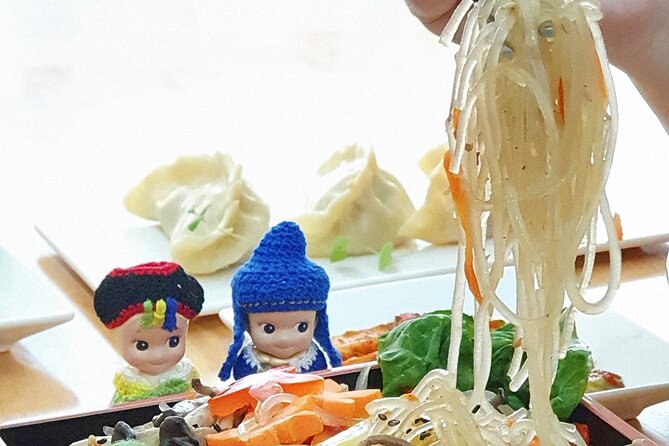
The cooking is designed as a shared meal, not just a lesson. After preparing the dishes, you arrange them attractively and take photos. If you like posting food photos, this presentation step is part of the fun. It also gives you a moment to see how the separate ingredients come together as a Korean table.
More Korean cooking classes in Seoul:
- Local Home Korean Cooking Class & Market Adventure in Seoul
★ 5.0 · 1,024 reviews - Master Korean traditional cooking with a Kimchi chef
★ 5.0 · 385 reviews - Seoul: Korean Cooking Class at a Local Home and Market Tour
★ 5.0 · 348 reviews
What you will actually do at the 5:30 pm class
The meeting point is at 199 Baekbeom-ro in Mapo-gu. The activity is near public transportation, though the supplied details do not specify a station or walking time. Give yourself enough time to find the building before the 5:30 pm start, especially if you are arriving after a full sightseeing day.
The setup is ready to go when you arrive. That keeps the two-hour schedule moving and removes some of the less interesting work, such as measuring every ingredient or locating the right utensils. One particularly useful feature is the chance to ask questions while you cook rather than simply watch someone else handle everything.
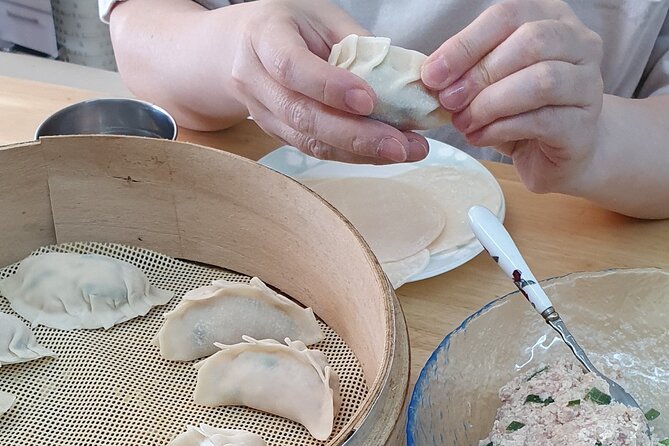
Mandu is likely to be the most tactile part of the lesson. You work with the filling and wrappers, then fold the dumplings into shape. The class is suitable for children aged 10 and above. Children under 10 may attend when accompanied by a guardian, so families should confirm the arrangement before booking.
Japchae gives you a look at a dish that often appears at Korean celebrations and shared meals. Tteokbokki and fishcake bring a more casual street-food side of Korean food culture. The variety means you leave with several ideas for future meals rather than one recipe that may be hard to place in everyday Korean eating.
Alcoholic beverages are not included. This is best treated as a food-focused evening with a prepared meal and dessert, not a dinner with drinks.
A calm class that can feel almost private
A maximum of six people changes the mood. In a large class, you can lose time waiting for help or struggle to see what the instructor is doing. Here, you should have a better chance to ask about folding, seasoning, or ingredient choices at the moment you need help.
One past booking had only one participant, giving that person the instructor’s full attention. The guide, Jenny, was described as calm and pleasant, and the class left the participant confident enough to make the four dishes at home. You should not assume every date will be private, but the small capacity gives the experience a personal feel even when the group is full.
The prepared setup also helps keep the class relaxed. You are not being tested on knife skills or expected to arrive with cooking experience. The point is to learn the basic process, eat the results, and understand what to look for when you shop for Korean ingredients later.
The tradeoff is that this is an introductory class. If you want detailed instruction on fermentation, regional cooking, or advanced Korean technique, this short session will probably feel limited. If you want a clear, friendly start with familiar foods, the format makes good sense.
Seasonal sweets and the Korean table
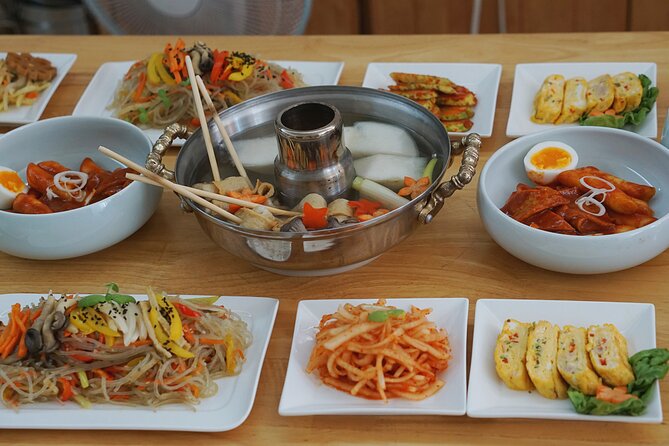
The dessert portion adds a useful cultural touch. You may be served yakgwa, wind rice cake, or sesame rice cake, with the exact selection changing by season. These are not simply a generic sweet course. The instructor explains what you are tasting and discusses the background of the desserts.
That seasonal approach means the experience is not identical all year. It also means you should not book expecting one particular dessert unless the provider confirms it for your date. Yakgwa, wind rice cake, and sesame rice cake have different textures and flavors, so the changing selection can make the class feel tied to the time of year.
The meal itself is arranged for photographs before you eat. This is useful if you want a record of the dishes or plan to share the experience online. More importantly, it gives you a practical lesson in how Korean side dishes and main items can be placed together as a complete table.
You will have time to eat after cooking. That sounds obvious, but some food classes rush from the final step straight into cleanup. Here, the meal is a central part of the evening, and the dessert provides a gentle finish before the group heads to the market.
More food tours in Seoul:
- Seoul Street Food Market Tour
★ 5.0 · 1,226 reviews - Seoul: Night Market Food Tour with Local Guide
★ 4.9 · 943 reviews - Downtown Seoul Guided Food & Market Tour with 8+ Local Tastings
★ 5.0 · 580 reviews - Small-Group Night Food Tour in Seoul with Korean BBQ
★ 5.0 · 304 reviews
Across the street to a four-floor indoor market
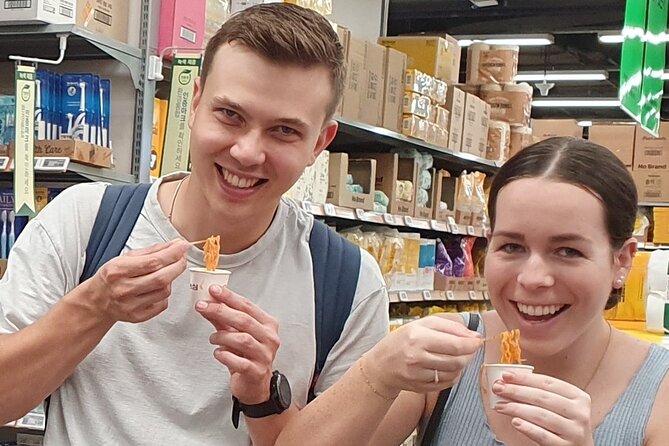
After the meal, you spend about 30 minutes at a large indoor market directly across from the studio building. The short walk keeps the second half of the evening simple, and the market gives you a useful follow-up to the cooking lesson.
The market covers four floors. You can look at groceries, snacks, sauces, seasonings, and other Korean food products. You may also see the large kimchi refrigerators used in Korean homes, an everyday object that says more about domestic food habits than a souvenir shop display does.
This is not only a sightseeing stop. You can compare the ingredients used in class with the products sold for home cooking. If you liked the japchae seasoning or want to try making tteokbokki later, the market can help you understand what Korean packaging and ingredient choices look like.
The instructor can help you decide what to buy, which is especially useful when shelves are filled with unfamiliar labels. You should still keep the time limit in mind. Thirty minutes is enough for a first look and a few purchases, but not for a leisurely four-floor shopping trip.
The market is closed on the second and fourth Sunday of each month. On those dates, the market portion is not held. The cooking class may still be the main reason to book, but you should check your calendar if the shopping stop is important to you.
Is $81 a fair price?
At $81 per person, this is not the cheapest way to eat Korean food in Seoul. You could buy tteokbokki, mandu, japchae, and snacks for less at ordinary restaurants and markets. The price pays for instruction, ingredients, tools, the prepared workspace, desserts, packaging, and the small-group setting.
The value improves if you want to learn dishes you can make again. One useful advantage is that the market visit shows you what to look for after class. You are not only tasting Korean food; you are getting a basic shopping lesson and help making decisions about snacks and seasonings.
The four-dish format also gives the price more weight than a class built around one simple recipe. You take part in several preparations and then eat a full selection. For a first visit to Seoul, that variety may be more useful than a narrow specialist course.
Still, you should book with realistic expectations. This is a two-hour introduction, not a full culinary program. If you mainly want a cheap meal, choose a restaurant. If you want a compact activity that combines cooking, dessert, cultural explanation, and food shopping, the cost is easier to justify.
Who will enjoy this Seoul cooking class?
I would recommend it most to first-time visitors who want a direct introduction to everyday Korean food. You do not need to know Korean cooking in advance, and the ready-to-use ingredients make the evening less demanding.
It also fits people who enjoy practical souvenirs. Instead of bringing home only a packaged snack, you can leave with recipes, cooking ideas, and a better sense of which sauces or seasonings to buy. The included packaging may help if you want to take prepared food with you after the meal.
Families with older children can also consider it. The stated age guidance allows children 10 and above, while younger children may attend with a guardian. The hands-on dumpling work and the market shelves may hold attention better than a long museum visit, though guardians should confirm the arrangement for children under 10.
Food-focused couples and solo visitors have reasons to book as well. The maximum group size keeps the class from feeling like a mass demonstration, and a solo booking might receive especially close attention if others do not book the same time.
This is less suitable for anyone seeking a late-night activity, since the start time is 5:30 pm and the total duration is about two hours. It is also not the right choice if you need alcoholic drinks included or want a long market-shopping session.
Booking, cancellation, and small practical details
Your mobile ticket is accepted for the experience. Confirmation is normally provided at booking, though reservations made within two days of the activity may take up to 48 hours to confirm and remain subject to availability.
Free cancellation is available up to 24 hours before the local start time for a full refund. Inside that 24-hour period, changes are not accepted and the payment is not refunded. The activity also requires a minimum number of participants, so if the provider cancels for that reason, you will be offered another date or experience, or receive a full refund.
If you plan to shop, bring your passport. Purchases over 30,000 won including VAT may qualify for an immediate tax refund after the purchase process. The class staff can help you understand the purchase and make a better choice among Korean snacks, sauces, and seasonings.
Should you book it?
Book this experience if you want to cook four recognizable Korean foods in a small group, eat what you prepare, and finish with a short food market visit. The calm instruction, ready-made setup, seasonal desserts, and help with shopping give the evening more substance than a simple cooking demonstration.
Skip it if your priority is a low-cost meal, alcohol, advanced culinary training, or a long market tour. Also check the date carefully if you want the market stop, since it is not available on the second and fourth Sunday of the month.
For most food-curious visitors, the strongest reason to book is the combination: hands-on cooking followed by real-world shopping advice. You get an enjoyable Seoul evening and a practical chance to recreate part of it after you return home.
FAQ
Where does the cooking class meet?
The meeting point is 199 Baekbeom-ro, Mapo-gu, Seoul, South Korea.
What time does the activity begin?
The class starts at 5:30 pm.
How long does the experience last?
The activity lasts approximately two hours.
Which Korean foods do you prepare?
You prepare japchae, tteokbokki with fishcake, and mandu. The experience describes these as four representative K-foods, with tteokbokki and fishcake presented together.
Are ingredients and cooking tools included?
Yes. All materials, tools, and packaging are included.
Are drinks included?
Alcoholic beverages are not included.
How many people can join?
The activity has a maximum of six travelers.
Is the experience suitable for children?
It is intended for children aged 10 and above. Children under 10 are allowed when accompanied by a guardian.
What happens after the cooking class?
You eat the prepared food and seasonal Korean desserts, then visit a four-floor indoor market across the street for about 30 minutes.
Is the market visit held every day?
No. The market is closed on the second and fourth Sunday of each month, so the market tour is not held on those dates.
Can I receive a tax refund for market purchases?
You may receive an immediate tax refund for purchases over 30,000 won including VAT when you bring your passport and follow the purchase process.
Just added around Seoul
- Your Personal Seoul Photographer!★ 4.1 · 15 reviews
- From Seoul: Hwacheon Ice Fishing and Lighting Festival Tour★ 4.5 · 4 reviews
- You’re Invited to Our Home in Seoul: The Only Cooking Class!★ 5.0 · 8 reviews
- Seoul: Gangneung BTS K-Pop & K-Drama Filming Locations Tour★ 4.6 · 14 reviews
- Unique Native Experience : Han River Picnic, Board game, BBQ★ 5.0 · 3 reviews
- 2-Hour Private Kayaking and Paddleboarding Experience in Hanriver★ 5.0 · 3 reviews
- Yun Korean Cooking Class in Seoul★ 5.0 · 6 reviews
- Day Trip to Yongin Daejanggeum and Korean Folk Village from Seoul★ 4.0 · 9 reviews
Seoul Food Tours, compared.
Downtown Seoul Guided Food & Market Tour with 8+ Local Tastings
Read our review →
Small-Group Night Food Tour in Seoul with Korean BBQ
Read our review →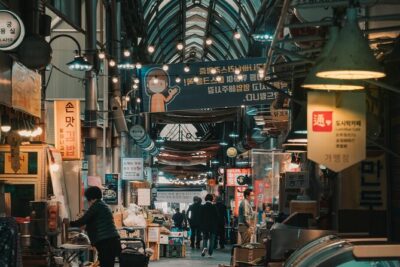
Seoul Night Palace & Market Food Tour with Vehicle
Read our review →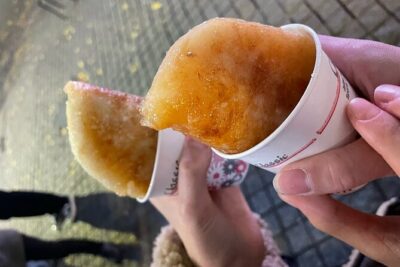
Seoul Fun Food Tour: 12 different food tastings
Read our review →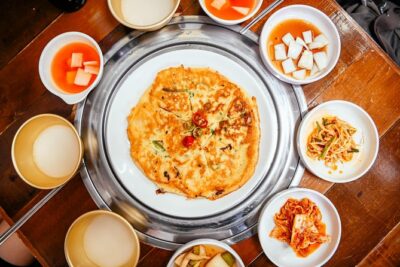
The Award-Winning PRIVATE Food Tour of Seoul: The 10 Tastings
Read our review →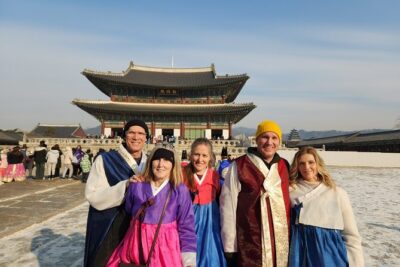
Full Day- Essential Seoul City Tour & Gourmet Tour(including Lunch and Dinner)
Read our review →Browse the lists this tour appears in