
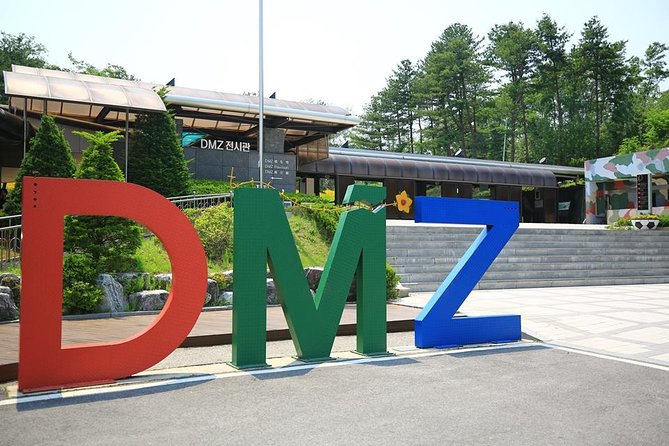
Reviewed · SEOUL DMZ TOURS
DMZ Tour: 3rd Tunnel, Option(Suspension Bridge, Boat) from Seoul
The most striking part of this Seoul DMZ tour is the chance to walk into the Third Invasion Tunnel, a narrow passage built by North Korea beneath the border. You also look across the frontier from Dora Observatory, where North Korean territory can be seen on a clear day. The day links tense military history with quiet mountain scenery.
I like the flexible format: you get the main DMZ sights for $35, then choose an extra stop such as the Gamaksan Suspension Bridge, Majang Reservoir Bridge, or an Imjin River boat ride. I also like the guides’ strong reputation for clear, lively explanations. Julie, Jay, Charles, Simba, and others are often praised for keeping the day organized and making difficult history easy to follow.
The main drawback is the pace. The tunnel involves a steep walk down and back up, and the full outing can last six to nine hours. There is no lunch included, and some parts of the schedule may feel hurried, especially if traffic, military activity, or weather changes the plan.
Key points to know before booking
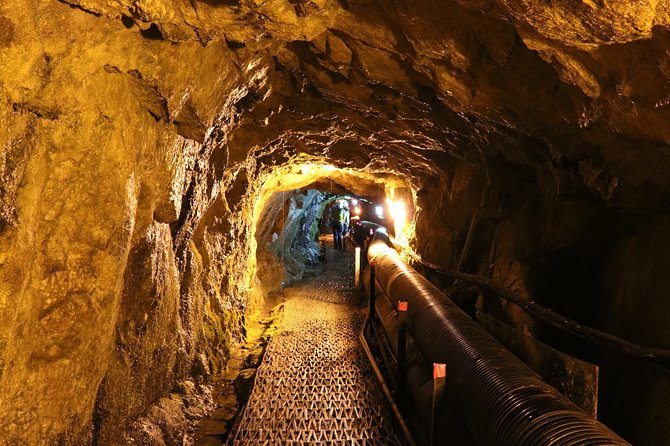
- The Third Tunnel is physically demanding: The route is about 358 meters down and then back up, with a low ceiling, steep sections, heat, and damp air.
- Dora Observatory gives the border view: On a clear day, you may see Gaeseong Industrial Complex and Songhaksan Mountain in North Korea.
- You choose the extra outing: Pick Gamaksan Chulleong Bridge, Majang Reservoir Suspension Bridge, or an Imjin River boat ride, depending on the option available when booking.
- The guides are a major part of the day: Julie, Jay, Charles, Simba, Eddie, Lucy, and Paul are among the guides praised for humor, organization, and clear explanations.
- The $35 price covers the core essentials: Transport from Seoul, a licensed guide, and DMZ admission are included, but lunch and travel insurance are not.
- Bring your passport: Military identification checks are part of entering the DMZ area, and a current valid passport is required.
Why this DMZ tour is worth considering
The DMZ is not a normal sightseeing stop. It is a heavily controlled border zone shaped by the Korean War and the continuing division of the Korean Peninsula. You are not simply looking at a monument or museum display. You are visiting places where roads, tunnels, bridges, observation posts, and civilian life still reflect that unresolved conflict.
This tour works well because it combines the main points in one day. You do not need to arrange separate transport from Seoul, figure out military access rules, or decide which border sites can be visited independently. The bus, guide, and admission arrangements are handled for you.
At $35 per person, the value is strong if you want the standard DMZ visit without paying for a private vehicle or a luxury format. The price includes round-trip transport, a licensed professional guide, and DMZ admission. The main costs left for you are lunch, insurance, and any personal purchases.
The experience is not designed for slow, open-ended exploration. You move with a group, follow military instructions, and keep to a set timetable. That tradeoff is normal for the DMZ, but you should know it before booking.
More DMZ tours in Seoul:
- Best DMZ Tour Korea from Seoul (Red Suspension Bridge Optional)
★ 5.0 · 41,422 reviews - DMZ tour south Korea from Seoul (NK experience hall, defector)
★ 5.0 · 20,599 reviews - Seoul: DMZ Tour with Optional Suspension Bridge
★ 4.8 · 5,277 reviews
Leaving Seoul for the border
You make your own way to one of three designated meeting points in Seoul. The exact point matters, so check your confirmation carefully and arrive with time to spare. For groups of 10 or more, hotel pickup is included.
Transport is by air-conditioned bus. The maximum group size is 43 people, so this is not an intimate private tour, despite the comfortable vehicle and guided structure. The bus keeps the long transfer practical, and the guide usually begins explaining the Korean War and the DMZ before the first major stop.
The full day lasts approximately six to nine hours. The range is wide because traffic, military checks, weather, and border-area operating conditions can change the schedule. Do not plan a tight evening reservation or airport transfer unless you have a generous buffer.
A useful detail from the guide feedback is that the guides do more than recite dates. Charles has been praised for explaining security rules and helping people understand when photography is allowed. Jay, Julie, Simba, Eddie, Lucy, and Paul are also noted for balancing humor with serious subject matter. Your actual guide may vary, but expect the guide to shape much of the experience.
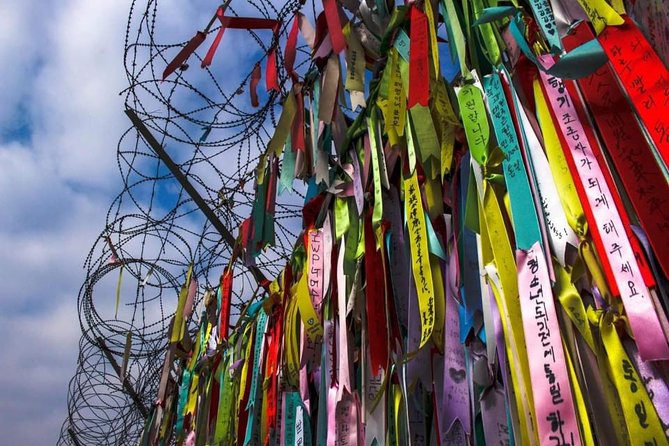
Bridge of Freedom and Mangbaedan Altar
The first stop introduces the emotional weight of the border. The Bridge of Freedom is tied to exchanges and movement connected with the Korean War. Mangbaedan Altar is used by people who cannot visit their ancestral homes in North Korea, especially during traditional holidays.
You have about 20 minutes here, including the initial DMZ access process and identity check. This is a short stop, but it gives the rest of the tour a human focus. The DMZ is not only about military strategy. It is also about families separated for decades.
This is a good moment to listen closely to the guide. The sites themselves are fairly simple, and their meaning comes from the stories attached to them. The guide’s explanation can make the difference between a quick photo stop and a thoughtful introduction to Korea’s division.
Walking into the Third Invasion Tunnel
The Third Tunnel is the tour’s most unusual stop and the one that demands the most from your legs. It was built as an invasion route under the border and measures about 1.95 meters high, 2.1 meters wide, and 1,635 meters long. The public walking section is much shorter than the entire tunnel, but it still requires a steep descent and climb.
The scheduled visit lasts about 40 minutes. That sounds generous until you account for the walk itself, narrow passages, stops, and the return uphill. One section requires about 358 meters of walking down before you turn around and climb back out.
You should expect a low ceiling. Taller people may need to bend for much of the route, and several people have found the return climb tiring. The tunnel can feel warm and damp even in cold weather. Wear shoes with a good grip, and do not treat this as a casual stroll.
If you have limited mobility, heart or breathing problems, or trouble with steep uphill walking, think carefully before entering. The activity requires a moderate level of physical fitness. You may be able to walk only part of the accessible section, but the tour information specifically warns that the tunnel is not recommended for people with health issues.
The tunnel is not filled with displays or dramatic scenery. Its value is the physical sense of scale and purpose. You are walking through a military passage cut into the rock, close to one of the world’s most closely watched borders. If you dislike confined spaces or strenuous walks, the exterior and other DMZ stops may be more rewarding.
On Mondays, the tour visits the Second Tunnel instead of the Third Tunnel. If the Third Tunnel is your main reason for booking, avoid assuming that every departure follows the same route.
More boat trips and river cruises in Seoul:
- Seoul Han River Night Tour: Picnic, Games & Starlight Cruise
★ 4.5 · 80 reviews - [DMZ Adventure] DMZ and optional Boat Voyage in River
★ 5.0 · 69 reviews - Seoul Night Tour with Han River Cruise and Gyeongbokgung Palace
★ 5.0 · 53 reviews - Seoul: Chungju Cruise, Cable Car & Cave Kayak Adventure Tour
★ 4.5 · 8 reviews
Dora Observatory and the view into North Korea
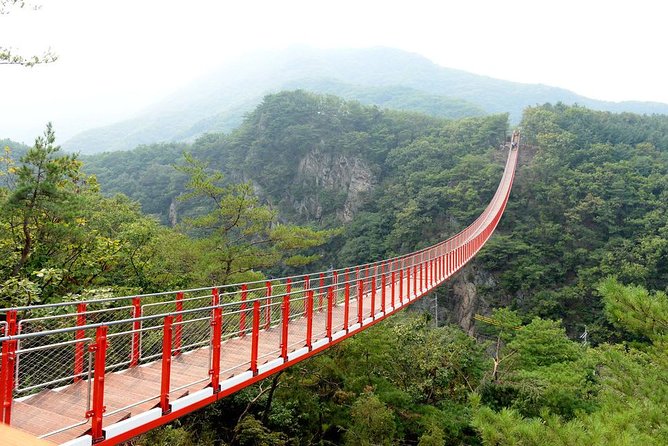
Dora Observatory is the clearest visual connection with North Korea on the standard route. From the northernmost point of the western front, you may see across the border toward Gaeseong Industrial Complex and Songhaksan Mountain.
The scheduled stop lasts around 40 minutes. Visibility depends heavily on weather, haze, and military rules. On a clear day, the view can be striking, but this is not a guarantee of a sharp or close-up look at buildings and roads. Bring patience rather than expecting a postcard view every time.
Photography rules can change, and your guide will tell you where pictures are allowed. Follow those instructions closely. This is an active security zone, not an ordinary public lookout.
I find this stop valuable because it makes the division concrete. After hearing about the border, you can actually look toward the other side. The scene may appear quiet, but the quiet is part of the experience.
Unification Village and the civilian side of the border
Tongilchon, also called Unification Village, is a farming community where South Korean civilians live under special regulations near the DMZ. The visit lasts about 20 minutes and is included as a free stop.
This part of the tour adds an angle that military sites cannot provide. Life near the border is not only about soldiers, fences, and observation posts. People farm and maintain ordinary routines under unusual conditions and restrictions.
The stop is brief, so do not expect a long village walk or an extended conversation with residents. It works best as a short reminder that the DMZ affects civilian life as well as national security.
Choosing a bridge or a boat
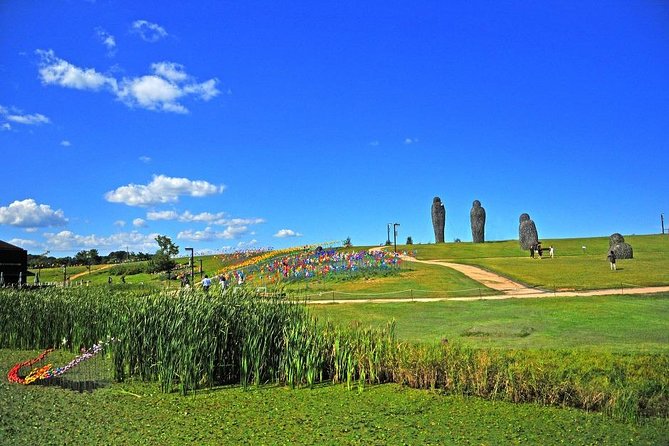
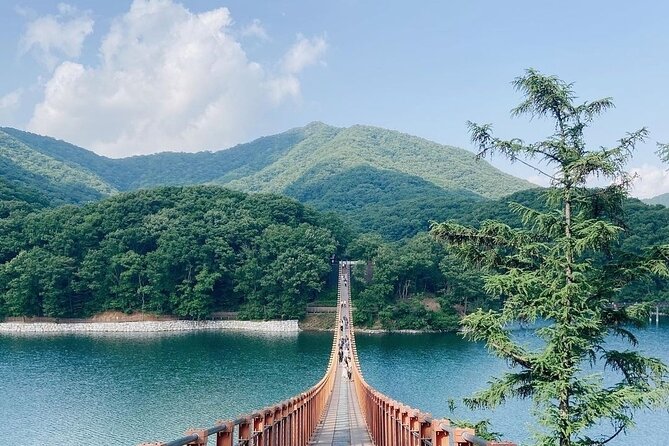
The optional portion lets you shape the day around your interests. The exact choice depends on the booking option you select, and the listed choices include Gamaksan Chulleong Suspension Bridge, Majang Reservoir Suspension Bridge, and an Imjin River boat ride.
Gamaksan Chulleong Suspension Bridge
The Gamaksan route includes a short uphill hike of about 15 minutes before reaching the 150-meter suspension bridge. The bridge has historical significance because the area was a battlefield during the Korean War.
The total stop is listed at about one hour. This option suits you if you want a little exercise, forest scenery, and a bridge walk after the more serious border stops. It is not ideal if steep uphill walking is difficult.
The bridge adds variety to the day. You move from an underground tunnel and guarded observatory into a more open setting, but the wartime connection remains part of the explanation.
Majang Reservoir Suspension Bridge
The Majang option also lasts about one hour. The area is connected with fierce fighting in April 1951, when Allied forces suffered heavy losses during the Korean War.
The bridge gives you a scenic walk with a direct link to wartime events. It may be the better choice if you prefer a gentler setting than the Gamaksan hike, though the available information still suggests outdoor walking, so comfortable shoes remain sensible.
Imjin River boat ride
The Imjin River option lasts about 40 minutes. The river flows from North Korea into South Korea, and access to parts of it was restricted for decades after the Korean War.
A boat ride offers a calmer way to see the border region. Choose it if you prefer water views and a quieter pace over another bridge walk. It may also suit you better if you want to limit uphill hiking, though weather and operating conditions can affect availability.
All three add-ons extend the day beyond the essential DMZ route. They are not necessary to understand the main sites, but they make the outing feel less repetitive and give you a chance to spend time outdoors.
What the guides add to the day
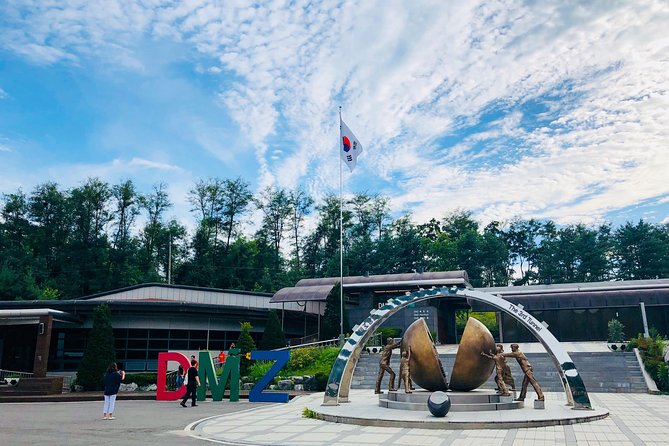
The strongest part of this experience is the guiding. The subject can become confusing quickly, with changing borders, military terminology, and events spread across several decades. A good guide gives the stops a clear order and explains why each place matters.
Julie is often described as energetic, warm, and especially good at making the information memorable. Jay is praised for a funny and easy-to-understand style. Charles is noted for careful explanations, practical advice, and patient answers. Simba is frequently associated with humor and clear information, while Eddie has been praised for keeping a group informed during a long day.
You cannot request a particular guide with certainty from the information provided, but these names give you an idea of the guiding style to expect. The best guides make room for questions without losing control of the timetable.
The tone also matters. The DMZ is a serious place, but a guide who uses gentle humor can help a mixed group stay engaged. At the same time, the subject should not be reduced to entertainment. The most effective approach combines human stories, military facts, and respect for the people affected by division.
Food, timing, and practical comfort
Lunch is not included in the stated price. Some departures may have a meal arrangement, but you should not assume food is part of every booking. Bring money and check the day’s plan before leaving Seoul.
The tour can end earlier or later than expected. One departure has been described as returning more than an hour ahead of schedule, while others can stretch toward nine hours. Traffic and military operations are the main reasons for this uncertainty.
Dress for changing outdoor conditions. The observatory and bridge stops can be cold and windy, while the tunnel may feel hot and damp. Wear sturdy walking shoes and carry water. Keep your passport with you, since a current valid passport is required on the day of the tour.
The tour has no forced shopping stops, which helps keep the focus on the border sites. That also means the day is more direct than some large sightseeing excursions, with less built-in time for browsing or a long meal.
Free cancellation is available up to 24 hours before the start time. Changes made within 24 hours are not accepted, and late cancellations are not refunded. Poor weather or an insufficient number of bookings can lead to a different date, another experience, or a full refund.
Who should book this experience?
Book this tour if you want the main DMZ sights from Seoul without arranging transport and admission yourself. It suits first-time visitors who want a clear introduction to the Korean War, the divided peninsula, and the border’s present-day importance.
It is also a good fit if you like having choices. The core route is already set, but you can add a bridge hike or boat ride according to your energy and interests. The price is particularly attractive for a guided day that includes transport and DMZ entry.
Think twice if you need a slow schedule, dislike group travel, or have difficulty with steep walking. The Third Tunnel is not an easy stop, and the day can feel rushed. If you prefer a private guide, a long lunch, or plenty of time at each site, a smaller and more expensive tour may suit you better.
Should you book the Seoul DMZ tour?
I would book it if the Third Tunnel and Dora Observatory are high on your Seoul list and you want useful context rather than a self-guided border visit. The $35 starting price is fair for the included transport, guide, and admission, while the optional bridge or boat stop adds flexibility.
Choose the tunnel route only if you are comfortable with a steep, low, damp walk. Pick an add-on that matches your energy, bring your passport, allow a full day, and do not schedule anything important immediately afterward. With those expectations, this is a practical and worthwhile way to see one of Korea’s most significant places.
FAQ
How long does the DMZ tour take?
The tour lasts approximately six to nine hours. Traffic, weather, military training, security checks, and operating conditions can change the schedule.
What is included in the $35 price?
The price includes a licensed professional tour guide, round-trip transfer from Seoul, and DMZ admission fees. Lunch, travel insurance, and items not specifically listed are not included.
Do I need to bring my passport?
Yes. A current valid passport is required on the day of the tour for the DMZ identity check.
Is the Third Tunnel physically difficult?
Yes. The walking route includes a steep descent and climb, with about 358 meters of walking down and then back up. The tunnel is low, narrow, warm, and damp, so a moderate level of physical fitness is needed.
Does the tour visit the Third Tunnel every day?
No. On Mondays, the tour visits the Second Tunnel instead of the Third Tunnel.
What optional stops can I choose?
The available options include Gamaksan Chulleong Suspension Bridge, Majang Reservoir Suspension Bridge, and an Imjin River boat ride. The selected option affects the final part of the tour.
Just added around Seoul
- Your Personal Seoul Photographer!★ 4.1 · 15 reviews
- From Seoul: Hwacheon Ice Fishing and Lighting Festival Tour★ 4.5 · 4 reviews
- You’re Invited to Our Home in Seoul: The Only Cooking Class!★ 5.0 · 8 reviews
- Seoul: Gangneung BTS K-Pop & K-Drama Filming Locations Tour★ 4.6 · 14 reviews
- Unique Native Experience : Han River Picnic, Board game, BBQ★ 5.0 · 3 reviews
- 2-Hour Private Kayaking and Paddleboarding Experience in Hanriver★ 5.0 · 3 reviews
- Yun Korean Cooking Class in Seoul★ 5.0 · 6 reviews
- Vivaldi Park Winter Ski Resort with Nami Island Tour from Seoul★ 4.5 · 7 reviews
Seoul DMZ Tours, compared.
Best DMZ Tour Korea from Seoul (Red Suspension Bridge Optional)
Read our review →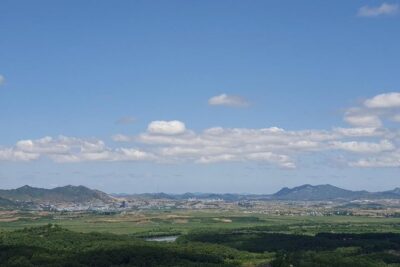
DMZ tour south Korea from Seoul (NK experience hall, defector)
Read our review →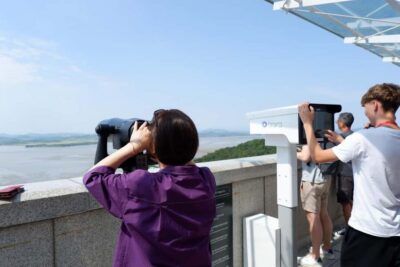

Signature DMZ Tour: Exclusive Defector Talk & Suspension Bridge
Read our review →
Thrilling Korean DMZ 3rd Tunnel Tour from Seoul + Red Bridge Rush
Read our review →
DMZ Past and Present: Korean Demilitarized Zone Tour from Seoul
Read our review →
Ultimate Korea DMZ Tour from Seoul (Gondola & Suspension Bridge)
Read our review →
DMZ; NK Defector, 3rd Tunnel, Suspension Bridge,Hotel pickup
Read our review →Browse the lists this tour appears in