
Reviewed · SEOUL TRADITIONAL MARKET TOURS
Flavors of Seoul: Grandma’s Handmade Noodles to Night Market Tour
The best part of this Seoul tour is the contrast. You start by kneading dough with a Korean grandmother, then move from royal palace food traditions to tiny eateries and market stalls. It gives you people, places, and food in one long day, instead of another rushed landmark circuit.
I especially like the personal cooking lesson and the small maximum group of 10. I also like the final stretch through Euljiro and Gwangjang Market, where the focus shifts from formal history to everyday eating. The main drawback is the price, $280 per person, and the nine-hour schedule may feel long if you prefer a slower day.
Key points
- Handmade noodles with a retired Korean grandmother: Learn by working with dough and hearing personal stories in a home-style setting.
- Changdeokgung with a food-focused angle: The palace visit connects royal spaces with Korean culinary traditions.
- Two very different food districts: Euljiro brings old eateries and modern pubs, while Gwangjang Market centers on long-established vendors and local snacks.
- A small group of up to 10: That size should make it easier to ask questions and keep the food walk moving.
- Kevin brings clear food and culture explanations: His guidance was singled out for making the eating experience more engaging.
- Practical booking details: The tour starts at 11 a.m. in Mapo-gu, ends at Gwangjang Market, and requires at least two participants.
A Seoul food day that begins with hand-pulled noodles
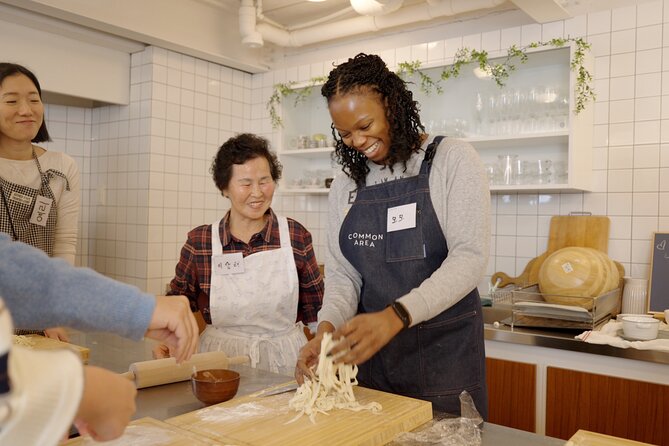
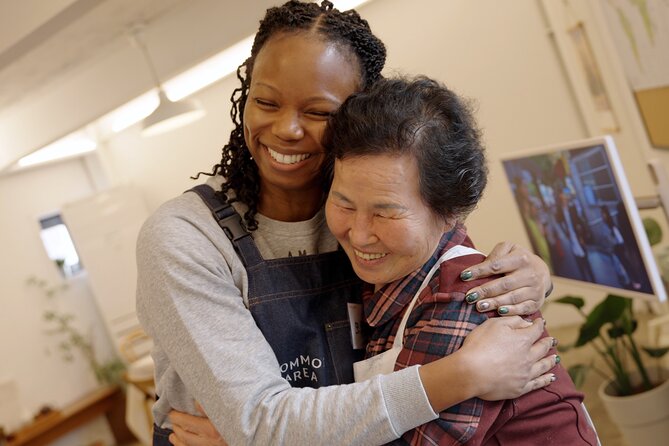
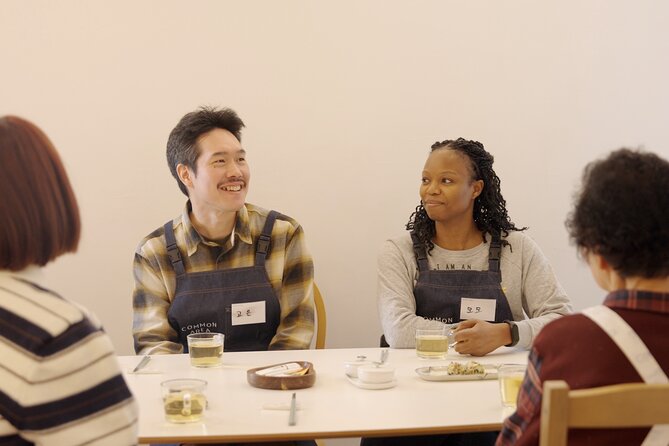
This is not a simple market crawl. The day opens at 53-9 Tojeong-ro in Mapo-gu, where you meet a retired local grandmother for a cooking class lasting about three hours.
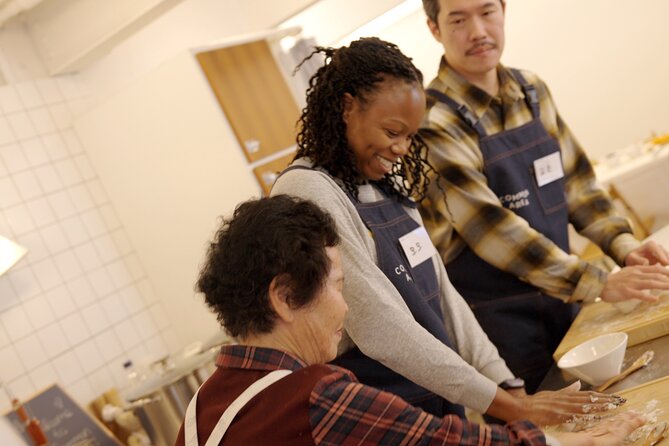
The central activity is making handmade noodles. You can expect to work with dough, learn the basic process of pulling or shaping noodles by hand, and eat the result as part of a friendly cooking session. The supplied details do not specify the exact noodle dish or every dish served, so you should think of this as a hands-on introduction rather than a formal cooking school with a fixed menu.
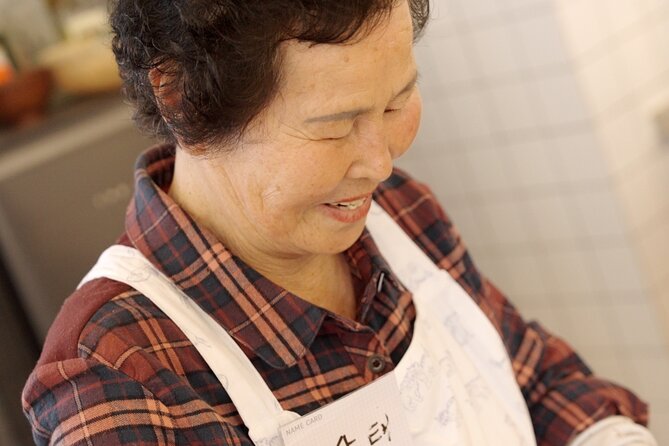
That personal setting is the reason this tour feels different from a standard food walk. A grandmother sharing her own stories gives you a direct connection to Korean home cooking. You are not just being told that a dish is traditional. You are seeing how food fits into a person’s life.
The three-hour length also matters. You have time to learn without rushing through each step, and there is room for conversation. The trade-off is that the cooking class takes up a large part of the day. If you want to see many Seoul sights, you will need to accept that this tour gives food and human contact priority.
The cooking stop has no separate admission charge listed. Food allergies and dietary restrictions must be reported in advance. That is especially important here, since the activity involves preparing and eating food rather than simply choosing from a menu.
More traditional market tours in Seoul:
- Seoul: Gyeongbok Palace, Bukchon Village, and Gwangjang Tour
★ 4.9 · 2,321 reviews - Seoul Street Food Market Tour
★ 5.0 · 1,226 reviews - DMZ Tour Seoul to North Korea’s 3rd Tunnel & Majang Lake Crossing
★ 5.0 · 1,185 reviews
Changdeokgung connects palace life with the dinner table
After the cooking class, the group heads to Changdeokgung Palace for about 90 minutes. Admission is included, which makes this section easier to budget.
Changdeokgung is a UNESCO World Heritage site, but this visit is not presented as a general palace tour alone. The guide links the royal buildings and court life to Korean cuisine. You learn how royal food traditions fit into the wider culture of the palace.
I like this approach because it gives the palace stop a clear purpose. Instead of treating food and history as two unrelated subjects, the tour shows how meals can reflect status, ceremony, and tradition. You get architecture and cultural context, but the food theme remains in view.
Ninety minutes is enough for a focused visit, though not enough for every part of the palace complex. If Changdeokgung is one of your main Seoul priorities, you may want to return on your own for a longer look. This tour gives you a compact introduction, not an entire afternoon at the site.
The palace also creates a useful change of pace. The morning is practical and social, with your hands in the dough. Changdeokgung is quieter and more formal. That variety helps the day feel like a tour of Seoul’s culture, not just a series of meals.
Euljiro shows Seoul’s old shops and new nightlife
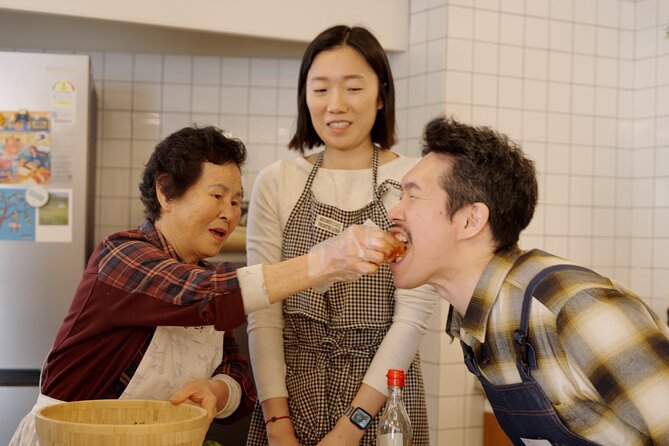
The third stop lasts about two hours in Euljiro-dong. Here the food story changes again. The area combines eateries that have been operating for more than 50 years with newer pubs and contemporary places.
This is a good district for understanding how Seoul’s food culture changes without completely losing its past. You might find yourself moving from a long-established restaurant to a newer drinking spot, with the guide explaining what makes each place part of the neighborhood.
The description emphasizes local eating rather than a list of famous attractions. That means the value is in the setting, the food choices, and the explanations. You are not simply being sent to order something on your own. The guide helps connect the dishes and places to local habits.
A previous participant specifically praised Kevin for explaining both the food and the culture, and that skill matters most here. Euljiro can be more rewarding when someone explains why a place is worth visiting, how the neighborhood has changed, and what you are tasting. Without that context, a food stop can become a quick bite with no lasting meaning.
The exact menu is not provided, so you should not book this expecting a guaranteed list of dishes. Instead, expect a guided sampling of Euljiro’s older and newer food scene. If you are curious about Korean drinks, restaurant customs, and neighborhood eating, this may be one of the strongest parts of the day.
Gwangjang Market finishes the tour with classic Seoul snacks
The final stop is Gwangjang Market, where the tour ends after roughly two hours. The market is known for its food stalls and long-running vendors, and this visit is built around personal introductions and tastings.
You will meet trusted vendors who have worked with the tour company for years. That relationship is useful because a market can be confusing at first. There may be many stalls, crowded lanes, and unfamiliar dishes. A guide helps you focus on selected foods and hear the stories behind the people serving them.
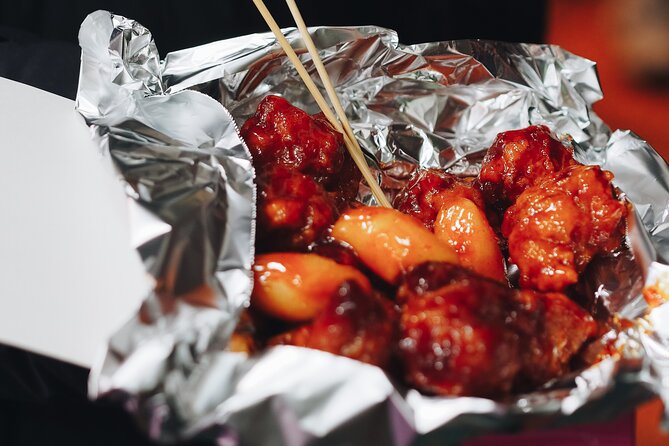
The information specifically names gimbap as one of the local delicacies you may try, along with other market foods. It does not provide a complete tasting menu, so portions and dishes may vary. Let the guide know about allergies or dietary restrictions before the day begins, not when you are already at the stall.
Gwangjang is a fitting finish because it brings the day back to ordinary Korean eating. The palace showed food connected to royal life. The market shows food prepared for daily customers, with vendors working in a direct, public setting.
The tour ends at 88 Changgyeonggung-ro in Jongno District. That is useful if you plan to continue your evening in central Seoul. You are not returned to the starting point in Mapo-gu, so plan your onward route from Gwangjang Market rather than assuming a round-trip transfer.
More food tours in Seoul:
- Seoul: Night Market Food Tour with Local Guide
★ 4.9 · 943 reviews - Downtown Seoul Guided Food & Market Tour with 8+ Local Tastings
★ 5.0 · 580 reviews - Small-Group Night Food Tour in Seoul with Korean BBQ
★ 5.0 · 304 reviews - Seoul Night Palace & Market Food Tour with Vehicle
★ 5.0 · 275 reviews
What $280 pays for, and what it does not
At $280 per person, this is a premium day tour. The price needs to be judged against the amount of guiding and the range of stops, not just the number of meals.
You are paying for about nine hours of organization, a cooking class, a palace visit with admission included, cultural explanations, and guided food experiences in two Seoul districts. A group of no more than 10 should also offer more personal attention than a large coach tour.
The most valuable part is the access to people and places you might not arrange easily on your own. Meeting a grandmother for a hands-on noodle lesson is different from watching a cooking demonstration. Visiting market vendors through an established relationship is different from wandering through the stalls without knowing where to start.
Still, the price may feel high if you mainly want inexpensive Korean food. The listed information does not spell out every inclusion, transportation arrangement, or exact number of tastings. You should view this as a guided cultural experience that includes food, rather than as a bargain meal package.
Group discounts are available, which may improve the cost for people booking together. The tour is also mobile-ticket friendly, and confirmation is provided when you book. Since the day starts in Mapo-gu and ends in Jongno, your own transportation planning remains important.
The nine-hour schedule needs a little stamina
The tour begins at 11 a.m. and runs for about nine hours. That creates a practical rhythm: a substantial morning cooking session, a palace visit in the afternoon, then food districts and a market into the evening.
You should arrive ready for a full day of eating, walking, listening, and conversation. The tour is not described as physically demanding, and most people can participate, but the length may still matter if you are jet-lagged or traveling with young children.
The schedule also means you get several different kinds of Seoul in one day. You begin in Mapo-gu, visit Changdeokgung, continue to Euljiro, and finish at Gwangjang Market in Jongno. Because the start and end points differ, keep your evening plans flexible.
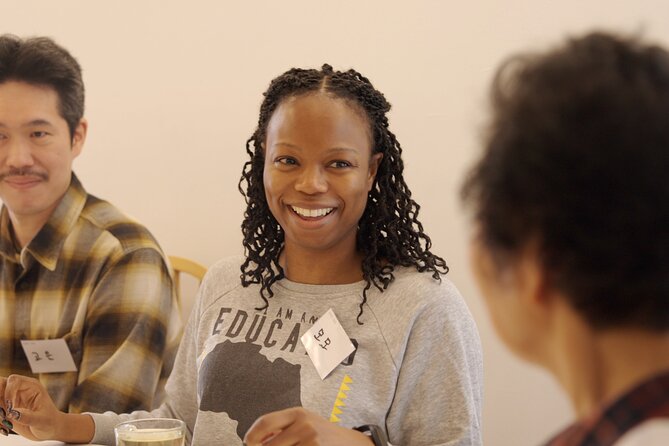
A maximum of 10 participants is a welcome limit. Small groups generally make cooking instruction easier and allow the guide to answer questions without stopping the whole tour for long periods. It also helps at food stalls, where a large group could crowd the space.
The minimum operating requirement is two participants. If that minimum is not met and the tour is canceled, you are offered another date or experience, or a full refund. That policy reduces the risk of losing your payment, but it is still wise not to place an unchangeable evening reservation immediately afterward.
Who will get the most from this food tour
I would recommend this day to you if you want food tied to people and place. It works especially well for a first Seoul visit when you want a guided introduction but do not want to spend the entire day looking at major sights from the outside.
It is also a strong choice for people who enjoy asking questions. The grandmother’s stories, the royal cuisine discussion, Euljiro’s changing restaurant culture, and the market vendor introductions all give you reasons to talk with the guide.
The tour may suit couples, friends, and small family groups. Group discounts can help when several people book together. The small group cap should also make the day less impersonal than a large food excursion.
You may want a different plan if you prefer to choose every dish yourself, eat at a slower pace, or spend several hours at Changdeokgung. The fixed route leaves less room for spontaneous detours. You also need to be comfortable with a long day that mixes cooking, sightseeing, and repeated food stops.
Kevin’s clear explanations of food and culture are worth noting. If he is leading your departure, his strength appears to be making the dishes and customs easier to understand, not simply pointing out where to eat. Since guide assignments can change, confirm the guide when booking if that matters to you.
Booking tips for allergies, timing, and cancellation
Send all food allergies and dietary restrictions before the tour. This is not a minor note, since the day includes cooking and food served by several different vendors.
The starting point is Common Area at 53-9 Tojeong-ro, Mapo-gu, Seoul. The start time is 11 a.m. The ending point is Gwangjang Market at 88 Changgyeonggung-ro in Jongno District.
The tour is near public transportation, and most people can participate. No separate accessibility details are provided, so you should ask the provider directly if you have specific mobility needs or require additional support.
Goodmate Travel provides the tour. You can cancel for a full refund up to 24 hours before the local start time. Cancellations or changes made less than 24 hours before the start are not refunded or accepted.
Should you book Flavors of Seoul?
Book it if you want Seoul explained through cooking, conversation, and eating rather than through landmarks alone. The strongest reasons are the handmade noodle lesson with a Korean grandmother, the small group limit, and the mix of palace food traditions with Euljiro and Gwangjang Market.
Think twice if $280 feels too high for a food day or if you want a flexible schedule. You are paying for access, guidance, and a carefully linked cultural route, not just a series of low-cost dishes.
For the right visitor, this is an efficient first-day introduction to Seoul’s food culture. Bring an appetite, report dietary needs early, and keep your evening free enough to finish at Gwangjang Market without rushing.
FAQ
How long is the Seoul food tour?
The tour lasts approximately nine hours.
What time does the tour begin?
It begins at 11 a.m.
Where does the tour start?
The meeting point is Common Area, 53-9 Tojeong-ro, Mapo-gu, Seoul, South Korea.
Where does the tour end?
The tour ends at Gwangjang Market, 88 Changgyeonggung-ro, Jongno District, Seoul, South Korea.
How many people can join the tour?
The maximum group size is 10 travelers.
Does the tour require a minimum number of participants?
Yes. At least two participants are required for the tour to operate.
Is Changdeokgung Palace admission included?
Yes. Admission to Changdeokgung is included.
Can I cancel for a full refund?
Yes. You can cancel at least 24 hours before the local start time for a full refund. Cancellations made less than 24 hours before the start are not refunded.
Just added around Seoul
- Your Personal Seoul Photographer!★ 4.1 · 15 reviews
- From Seoul: Hwacheon Ice Fishing and Lighting Festival Tour★ 4.5 · 4 reviews
- You’re Invited to Our Home in Seoul: The Only Cooking Class!★ 5.0 · 8 reviews
- Seoul: Gangneung BTS K-Pop & K-Drama Filming Locations Tour★ 4.6 · 14 reviews
- Unique Native Experience : Han River Picnic, Board game, BBQ★ 5.0 · 3 reviews
- Yun Korean Cooking Class in Seoul★ 5.0 · 6 reviews
- 2-Hour Private Kayaking and Paddleboarding Experience in Hanriver★ 5.0 · 3 reviews
- Day Trip to Yongin Daejanggeum and Korean Folk Village from Seoul★ 4.0 · 9 reviews
Seoul Traditional Market Tours, compared.
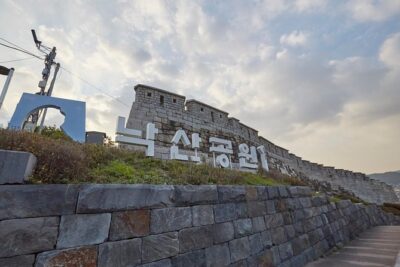
Gyeongbok Palace, Bukchon Village, and Gwangjang Tour
Read our review →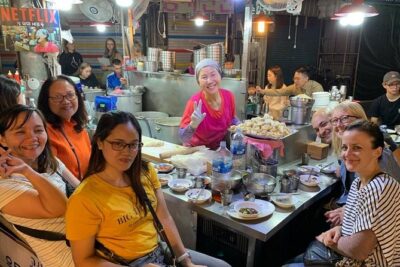
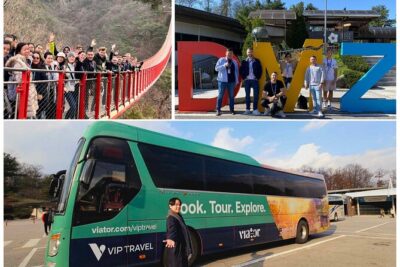
DMZ Tour Seoul to North Korea’s 3rd Tunnel & Majang Lake Crossing
Read our review →Gyeongbok Palace, Bukchon Village, and Gwangjang Tour
Read our review →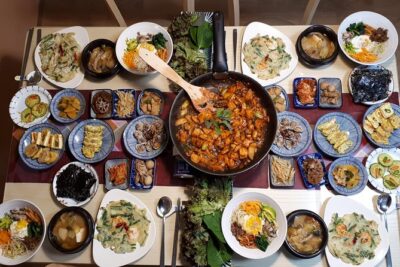
Local Home Korean Cooking Class & Market Adventure in Seoul
Read our review →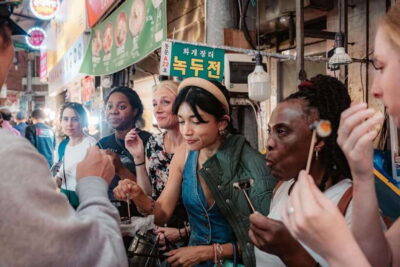
Downtown Seoul Guided Food & Market Tour with 8+ Local Tastings
Read our review →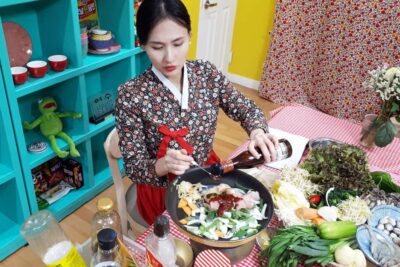
Korean Cooking Class at a Local Home and Market Tour
Read our review →Browse the lists this tour appears in