
Reviewed · SEOUL PUB CRAWLS AND MAKGEOLLI TASTINGS
Rice Wine Tasting with Sommelier – Finest Makgeolli (& Soju)
Korean rice wine is far more varied than the familiar green bottle of soju suggests. In a small backroom at Sool Society, sommelier Jay and certified brewer Sam guide you through makgeolli, the cloudy, unfiltered drink found across Korea, with bottles chosen from small producers that rarely reach a broad audience.
I like two things right away: the tasting focuses on unusual regional bottles rather than supermarket standards, and the setting is easy to reach, inside the mall connected to Hapjeong Station. You also get useful background on how makgeolli is made and why it matters in Korean culture. The main drawback is the non-refundable booking policy, so this is not an easy activity to change at the last minute.
Key points at a glance
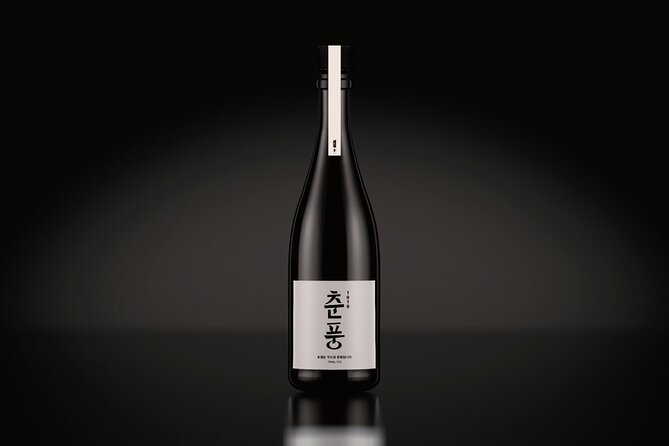
- Rare bottles from small Korean producers: Taste makgeolli that you may not find in ordinary Seoul shops.
- Two informed hosts: Jay brings sommelier training, while Sam is a certified Korean alcohol brewer.
- A practical Hapjeong location: Meet at Sool Society in Mecenatpolis, directly connected to Hapjeong Station.
- More than a drink tasting: Learn about makgeolli production, its past, and its place in Korean culture.
- Small group format: The maximum is 10 people, which suits an intimate tasting.
- A short evening activity: The session begins at 5:00 pm and lasts about 80 minutes.
Why makgeolli deserves an evening in Seoul
If you have only tried Korean alcohol in the form of soju, makgeolli gives you a much broader picture. It is a fermented rice wine, and it remains cloudy because it is not filtered. That hazy appearance is part of its character, not a sign that something is wrong with the bottle.
The useful point here is variety. Makgeolli is not one fixed flavor or one standard drink. The hosts have explored hundreds of bottles across Korea and select examples from different categories, including products made by small local brewers. That gives you a chance to compare styles rather than simply taste several versions of the same familiar label.
I like this kind of tasting because it gives the drink a proper setting. You are not just ordering a bowl of makgeolli with a meal and guessing what you are drinking. You can ask why one bottle tastes different from another, how fermentation affects the drink, and what makes a small producer worth seeking out.
The experience also places makgeolli in a cultural frame. One of the strongest parts of the session is the explanation of its history and cultural roots. If you have already tasted makgeolli but never learned how it is made, this fills in the missing piece.
More pub crawls and makgeolli tastings in Seoul:
- Seoul: Pub Crawl
★ 4.7 · 903 reviews - The Seoul Pub Crawl Official
★ 5.0 · 838 reviews - Drinking and Eating through the Alleys of Seoul
★ 5.0 · 364 reviews
Meeting Jay and Sam at Sool Society
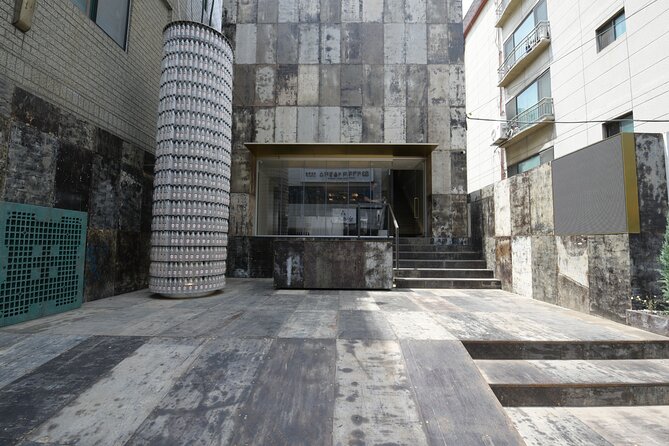
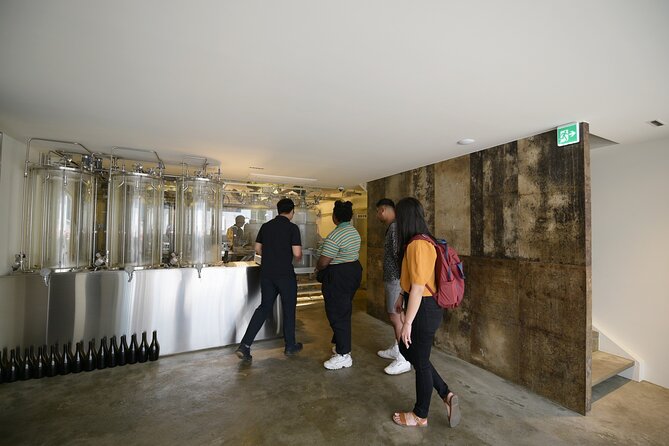
You meet at Sool Society, a specialty rice wine shop at Mecenatpolis, at 5:00 pm. The address is in the basement level, unit B139, at 45 Yanghwa-ro in Mapo-gu. The mall is connected to Hapjeong Station, so you do not need to make a long side trip across Seoul for a session that lasts only 80 minutes.
That location matters. Hapjeong is a convenient stop for an evening in western Seoul, and a mall-connected meeting point is easier to find than a small independent venue hidden on an unfamiliar side street. You should still allow enough time to locate the shop, since large mall interiors can take a few minutes to sort out.
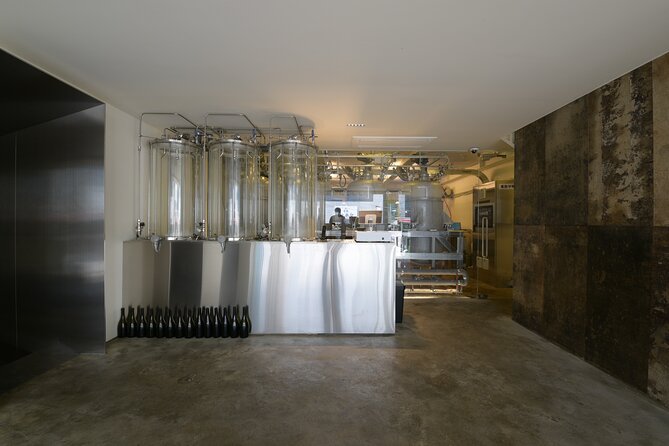
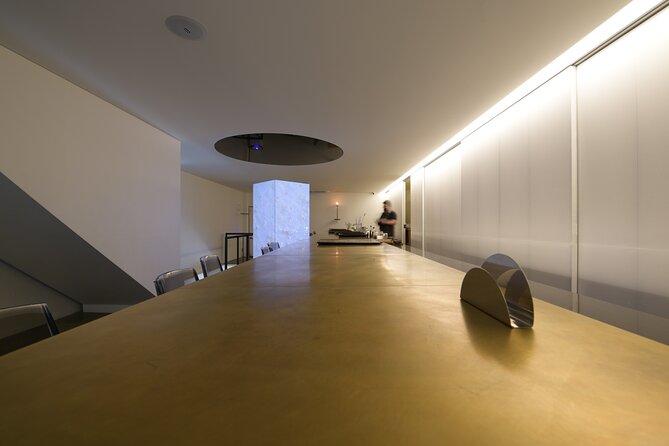
The tasting takes place in a backroom of the shop. This is not described as a large restaurant or a formal lecture hall. The small room gives the session a focused feel, and the group limit of 10 keeps it from becoming a loud, crowded bar event.
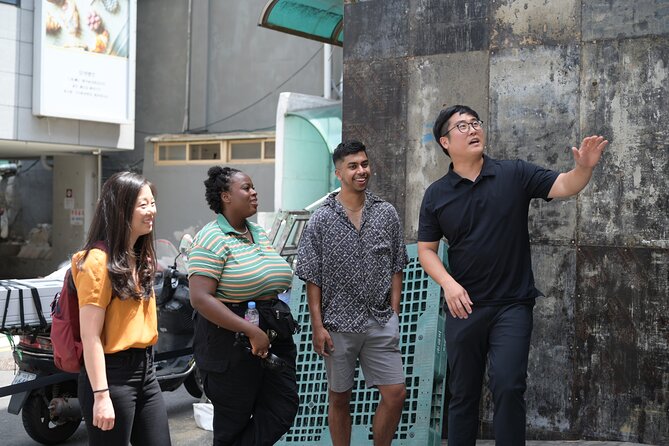
Jay is the Korean liquor sommelier, and Sam is a certified Korean alcohol brewer. Their roles complement each other. Jay brings the tasting perspective, while Sam can explain the brewing side in practical terms. Sam also speaks perfect English, according to the experience details, which is important when the session deals with unfamiliar terms and production methods.
What you taste during the 80-minute session
The center of the experience is a guided tasting of selected makgeolli from across Korea. The exact bottles and number of pours are not specified, so you should not book expecting a fixed menu of named brands. Instead, think of this as a changing introduction to the best examples the hosts have found in several categories.
That approach has a clear advantage. Small-batch Korean alcohol can be difficult to find outside its home area, and even in Seoul you may see only a limited part of the country’s production. The hosts seek out bottles that are rarely able to reach a wider market, then bring those discoveries into the tasting room.
You can expect the session to move beyond simple sipping. The hosts explain the drink as you taste it, giving you a way to compare what is in the glass with the methods and traditions behind it. You might notice differences in texture, sweetness, weight, or fermentation character, but the provided details do not promise a particular sequence or style list.
This is also not presented as a standard soju tasting. The focus is finest and rarest makgeolli, while the experience description notes that a separate soju tasting is offered at a small distillery with a family history of 400 years. If you specifically want soju, check that you are booking the makgeolli session you want, not the separate distillery option.
The cultural story behind the cloudy glass
A good drink tasting should explain why the drink matters, not just tell you whether it tastes good. That is where this experience earns its place in a Seoul itinerary.
Makgeolli is widely consumed in Korea, yet it is often poorly understood by people who first encounter it. The tasting addresses that gap by covering how the rice wine is made and by explaining its cultural roots and significance. You come away with a better sense of why this drink has remained important, rather than treating it as a novelty.
The cultural explanation is especially useful if you have already had makgeolli in a casual setting. You may know the pale, cloudy appearance and light alcoholic character, but not the work and tradition behind it. Sam’s brewing background gives the production discussion a firm base, while Jay’s sommelier role helps connect production to what you taste.
I would set aside the full 80 minutes for this reason. It is not simply a quick stop for a few samples. The time includes storytelling, explanation, and the chance to understand why bottles from smaller towns can differ from the common options found around Seoul.
More breweries and tastings in Seoul:
- Seoul: Wine & Korean BBQ, Perfect Pairing Dinner in Sinchon
★ 5.0 · 6 reviews - Rice Wine Tasting with Sommelier – Finest Makgeolli (& Soju)
★ 5.0 · 3 reviews
Why the small group size helps
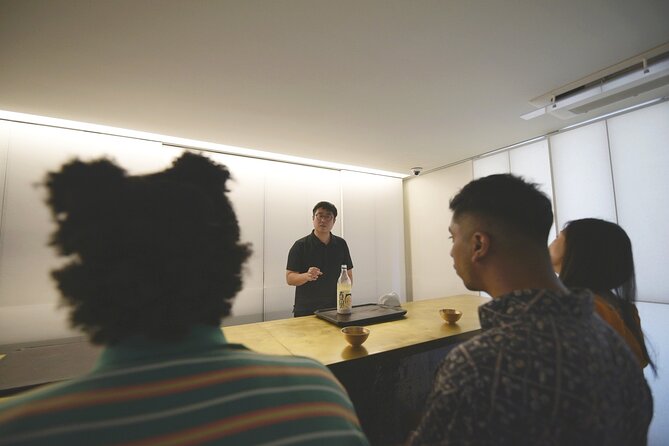
The maximum group size is 10 people. That is small enough for a personal tasting without promising a private session.
For you, the main benefit is room for questions. Makgeolli can be confusing at first because the drink is unfamiliar, the bottles may come from lesser-known producers, and the hazy appearance does not tell you much about flavor. A smaller room makes it easier to ask about the drink in front of you rather than simply listen from the back of a crowd.
The group limit also suits the setting. A specialty shop backroom sounds better for a compact group than for a large tour party. If you prefer a lively bar atmosphere with a wide social mix, this may feel quiet. If you want a short, focused introduction to Korean alcohol, the format is a good match.
The available ratings are very strong, with a 5 out of 5 score and a 100 percent recommendation rate from 11 reviews. The praise centers on the information, the hosts, the unusual bottles, and the friendly delivery. That does not tell you the exact bottle lineup on your date, but it does point to the teaching and hospitality as the reliable part of the experience.
What the hosts add to the tasting
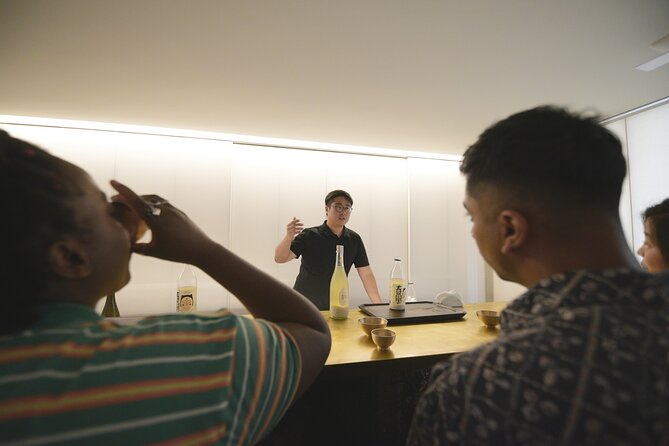
Sam and Jay are important to the value of this activity. Without them, you could buy bottles at a shop and taste them on your own. The hosts turn those bottles into a guided comparison.
Sam is described as personable, informative, and able to speak perfect English. His brewing certification matters because you can connect the taste in the glass with the way Korean alcohol is produced. The host details also describe him as someone who tells good stories, which helps keep the session from becoming a technical presentation.
Jay’s role as a Korean liquor sommelier adds another useful layer. The tasting is not limited to explaining how fermentation works. It also presents makgeolli as a drink with different categories and producers, giving you a framework for choosing bottles later.
That is one reason I see this as more useful than a generic alcohol stop. You can learn enough to make better choices after the tasting, whether you want to buy a bottle in Seoul or understand a makgeolli menu during the rest of your trip.
Buying bottles after the tasting
The experience takes place in a specialty rice wine shop, and the tasting information indicates that you can purchase products to take home from Seoul. That is a practical bonus, especially since the session may introduce you to bottles you would not otherwise see.
Still, keep your expectations precise. The information does not state which brands will be available, how many bottles you can buy, or whether shipping or checked-baggage support is offered. If you plan to take alcohol home, ask about the current selection and Korea’s travel rules before buying.
The shop setting gives you a natural chance to continue exploring after the formal tasting ends. You can use what you learned to choose something that fits your taste, rather than grabbing the first familiar label. For many people, that take-home option will add real value to the $40.85 price.
Is $40.85 a fair price?
At $40.85 per person, this costs more than simply buying a bottle of makgeolli at a convenience store. That comparison misses the point, though. You are paying for selected bottles, an 80-minute guided session, access to a sommelier and certified brewer, and an introduction to products that can be hard to find.
The value is strongest if you are curious about Korean alcohol and want context. If you already know makgeolli well, you may find the introductory explanations less useful, though the rare bottles could still make the session worthwhile.
The small group limit also supports the price. You are not paying for a large commercial tasting where the host has little time for questions. You are paying for a compact, specialist-led session in a central Seoul location.
I would not choose this for someone who wants a bargain drink stop or a full meal with alcohol. I would choose it for someone who wants to understand Korean rice wine and leave with ideas for further tasting.
Timing, age rules, and the weather note
The session begins at 5:00 pm and ends back at the meeting point after about 1 hour and 20 minutes. That timing works well before dinner in Mapo-gu, and the Hapjeong location makes it easy to continue your evening nearby.
Only adults are allowed in the venue. For 2024, the stated rule is that you must have been born in 2005 or earlier. Make sure every person in your booking meets that requirement.
The activity also requires good weather, even though the tasting takes place in a shop. If poor weather causes cancellation, you are offered a different date or a full refund. Under the standard cancellation terms, however, your booking is non-refundable and cannot be changed for any reason. That makes travel insurance, a flexible schedule, or careful date selection worth considering.
Who should book this makgeolli tasting?
I would recommend it to you if you enjoy food and drink experiences with a strong local connection. It suits first-time makgeolli drinkers who want an explanation, as well as people who have tried the drink before but never compared bottles from different Korean producers.
It is also a good choice for an English-speaking visitor who wants a smaller activity. Sam’s English ability removes a major barrier, and the group cap keeps the session personal.
You may want to skip it if you dislike fermented drinks, want a large nightlife atmosphere, or are looking specifically for a traditional soju distillery visit. This experience is centered on makgeolli in a specialty shop. The separate soju tasting is a different activity.
My recommendation
Book this if you want more than a quick taste of Korean alcohol. The strongest reasons are the rare makgeolli selection, the clear English guidance, the cultural background, and the easy Hapjeong meeting point.
At $40.85, it is a reasonable specialist tasting rather than a cheap bar stop. Just confirm the date carefully because the booking cannot be refunded or changed, and remember that the exact bottles may vary. For a compact evening activity that helps you understand one of Korea’s most distinctive drinks, this is a smart pick.
FAQ
Where does the makgeolli tasting take place?
It takes place at Sool Society, a specialty rice wine shop at Mecenatpolis, basement level B139, 45 Yanghwa-ro, Mapo-gu, Seoul.
Is the meeting point close to public transportation?
Yes. Sool Society is in a mall connected to Hapjeong Station.
What time does the activity begin?
The tasting starts at 5:00 pm.
How long does the experience last?
The experience lasts approximately 1 hour and 20 minutes.
Where does the activity end?
It ends back at the meeting point at Sool Society.
Who leads the tasting?
The experience is hosted by Jay, a Korean liquor sommelier, and Sam, a certified Korean alcohol brewer.
What kind of alcohol will I taste?
The main focus is makgeolli, a fermented and unfiltered Korean rice wine. The session features selected bottles from producers across Korea.
Is soju included in this experience?
The described tasting focuses on makgeolli. A separate soju tasting is offered at a small distillery with a 400-year family history.
How many people can join?
The maximum group size is 10 people.
Are children allowed to attend?
No. Only adults are allowed in the venue. In 2024, participants must have been born in 2005 or earlier.
Can I buy bottles after the tasting?
The experience allows you to purchase products to take home from Seoul, although the available bottles are not specified.
What happens if poor weather cancels the activity?
You will be offered a different date or a full refund if the activity is canceled because of poor weather.
Can I cancel or change my booking?
No. The experience is non-refundable and cannot be changed for any reason after booking.
More food tours in Seoul
- Seoul Street Food Market Tour
★ 5.0 · 1,226 reviews - Seoul: Night Market Food Tour with Local Guide
★ 4.9 · 943 reviews - Downtown Seoul Guided Food & Market Tour with 8+ Local Tastings
★ 5.0 · 580 reviews - Small-Group Night Food Tour in Seoul with Korean BBQ
★ 5.0 · 304 reviews
Just added around Seoul
- Your Personal Seoul Photographer!★ 4.1 · 15 reviews
- From Seoul: Hwacheon Ice Fishing and Lighting Festival Tour★ 4.5 · 4 reviews
- You’re Invited to Our Home in Seoul: The Only Cooking Class!★ 5.0 · 8 reviews
- Seoul: Gangneung BTS K-Pop & K-Drama Filming Locations Tour★ 4.6 · 14 reviews
- Unique Native Experience : Han River Picnic, Board game, BBQ★ 5.0 · 3 reviews
- 2-Hour Private Kayaking and Paddleboarding Experience in Hanriver★ 5.0 · 3 reviews
- Yun Korean Cooking Class in Seoul★ 5.0 · 6 reviews
- Day Trip to Yongin Daejanggeum and Korean Folk Village from Seoul★ 4.0 · 9 reviews
Seoul Pub Crawls and Makgeolli Tastings, compared.
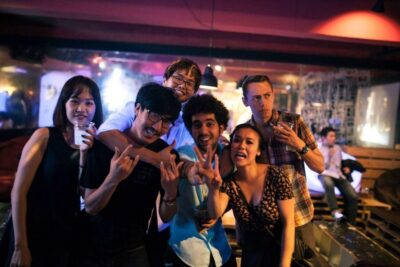

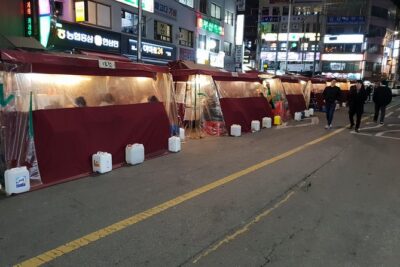
Drinking and Eating through the Alleys of Seoul
Read our review →
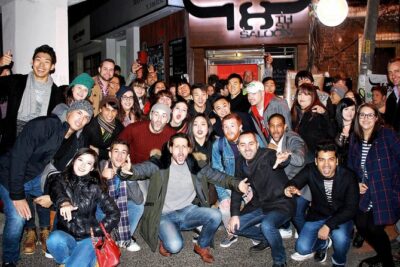
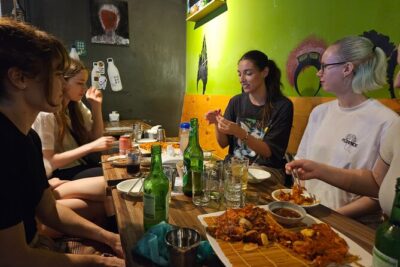
Korean Drinking Games Night (non-drinkers are also welcome)
Read our review →
Korean Drinking Games Night (non-drinkers welcome)
Read our review →Browse the lists this tour appears in