
Reviewed · SEOUL PALACE TOURS
Seoul Royal Palace,Bukchon Hanok Village & Gwangjang Market Feast
The most rewarding part of this Seoul tour is the quick change of scene: quiet hanok lanes, royal courtyards, a glimpse of the Blue House, and sizzling food stalls at Gwangjang Market. Bukchon Hanok Village and the palace give you strong cultural context, while the market keeps the outing grounded in everyday Seoul.
I like the efficient route and the English-speaking guides, especially guides such as Eva, Kelly, Sunny, and Gabby, who are praised for clear storytelling and personal attention. I also like the price: at $29, you get transport, guiding, and palace admission without giving up half a day. The main drawback is the 30-minute ginseng-center stop, which can feel like a sales visit, and the food itself is not included.
Key points at a glance
- Two easy meeting points: Join at Myeongdong Subway Station Exit 8 or Seoul City Hall Subway Station Exit 6.
- Bukchon comes first: Spend about an hour among old hanok houses and narrow, sloping lanes.
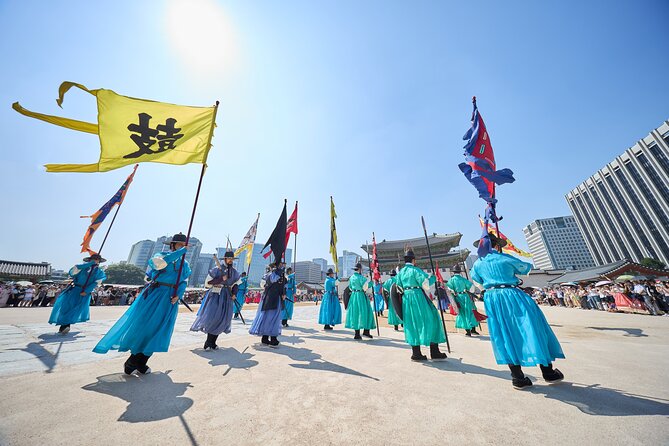
- Royal ceremony on most days: Gyeongbokgung and its colorful guard-changing ceremony are included every day except Tuesday.
- Tuesday has a different route: Changdeokgung Palace and Insadong replace Gyeongbokgung and the ceremony.
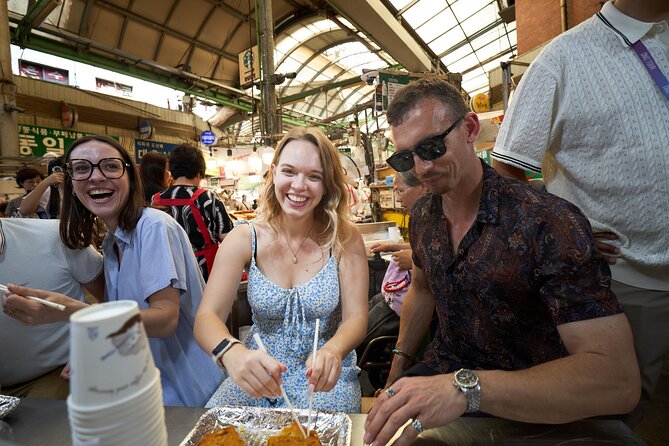
- Gwangjang Market is your food finish: Try bindaetteok and mayak gimbap, but pay for food separately.
- Good value, with one caution: The tour is inexpensive and efficient, but the ginseng stop is not for everyone.
Four Seoul highlights in three and a half hours
This is a compact introduction to Seoul’s old center. In about three and a half hours, you move from a residential quarter of traditional houses to the main royal palace, then finish with Korean market food.
That variety is the point. You do not spend the whole morning inside one palace or on a bus. Instead, you get several useful snapshots of the city. The tradeoff is that each place receives limited time, so you should see this as an orientation tour rather than a slow, scholarly exploration.
The outing begins at either Myeongdong Subway Station Exit 8 or Seoul City Hall Subway Station Exit 6. You ride in an air-conditioned vehicle, which matters in Seoul’s summer heat and during cold weather. The maximum group size is listed as 100, though some departures can be much smaller. One couple on a short layover ended up with a private tour, while another small group received extra attention from its guide.
The finish is especially practical. You can leave at Gwangjang Market and keep eating or shopping, or ride back toward Myeongdong. That gives you a useful choice instead of forcing the entire group back to the starting point.
More Bukchon and hanok village tours in Seoul:
- Seoul: Gyeongbok Palace, Bukchon Village, and Gwangjang Tour
★ 4.9 · 2,321 reviews - Seoul City Sightseeing Tour Including Gyeongbokgung Palace, N Seoul Tower, and Namsangol Hanok Village
★ 5.0 · 1,423 reviews - Seoul: Gyeongbok Palace, Bukchon Village, and Gwangjang Tour
★ 5.0 · 1,044 reviews
Bukchon Hanok Village: old Seoul in working streets
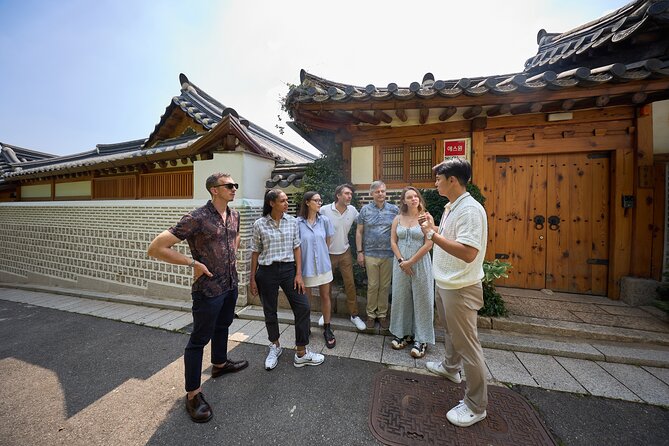
Bukchon Hanok Village is the first major stop, with about an hour to walk through its winding lanes. The neighborhood is known for hanok, the traditional Korean houses associated with the Joseon period, and the setting gives you a sense of how older Seoul fits into the modern city.
The appeal is not one grand monument. It is the repeating view of tiled roofs, timber details, uphill alleys, and framed glimpses between buildings. You will also find local arts and crafts in the area. The guide helps turn a pleasant walk into something more meaningful by explaining the houses and the neighborhood’s place in Korean culture.
Wear comfortable shoes. Bukchon is hilly, and the charm comes from walking rather than simply taking a photograph from the bus. The hour is enough to get a feel for the district, but not enough for an unhurried wander into every side lane.
This is also a place where you should behave like a respectful neighbor, not an actor on a film set. The area includes actual homes. Keep your voice down and follow the guide’s direction about where to stop for photos.
Gyeongbokgung and the guard-changing ceremony
On every day except Tuesday, the route continues through Gwanghwa Square and toward Gwanghwamun Gate. Gwanghwa Square is a broad public space in central Seoul, useful for photos and a quick sense of the city’s formal civic center.
At Gwanghwamun Gate, the colorful guard-changing ceremony provides the tour’s most theatrical moment. It is a reenactment, but it gives you a clear visual introduction to royal military tradition and Joseon-era court culture. The costumes, formations, and gate make this a good first palace experience, particularly if you have only a short time in Seoul.
The tour then enters Gyeongbokgung Palace for about an hour. Built more than 600 years ago, it is the grandest of Seoul’s royal palace complexes, with broad courtyards, elegant halls, and grounds that reward a guided walk. Admission is included, which helps keep the $29 price appealing.
One hour will not cover every corner. You will get the major impression of the palace and its architecture, along with explanations from your guide, but you will not have time for the slow pace of a full independent visit. If royal buildings are your main interest, plan to return on another day.
The Blue House appears next as a pass-by stop. This former presidential residence sits against Bugaksan Mountain and offers a useful photo opportunity from the route. Do not expect an extended interior visit. Its value here is the view and the political context, placed alongside the older royal center.
Tuesday changes the palace experience
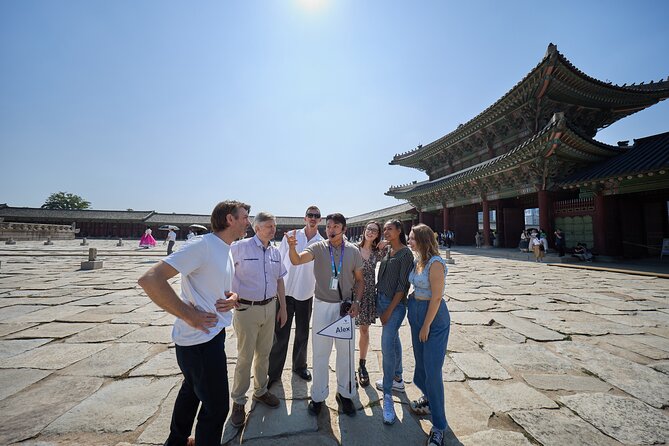
Tuesday is important when choosing this tour. Gyeongbokgung Palace and the guard ceremony are replaced by Changdeokgung Palace and Insadong.
Changdeokgung is a UNESCO World Heritage Site and was built in 1405 during the Joseon period. Its buildings and pavilions are arranged with close attention to their natural setting, giving the visit a different feel from the broad formal spaces of Gyeongbokgung. If you prefer quieter architecture and a palace associated with gardens and wooded surroundings, Tuesday may suit you well.
If seeing the guard ceremony is a priority, do not book Tuesday. The two routes are not interchangeable in character. One emphasizes the grand main palace and its public ceremony. The other gives you Changdeokgung and a more traditional arts district.
Insadong adds shops, art galleries, antique stores, handmade crafts, tea houses, and street food. It is a useful place to browse for Korean-style souvenirs and see how traditional arts are presented in modern Seoul. The schedule still gives you only a short look, so treat it as an introduction rather than a full shopping visit.
More traditional market tours in Seoul:
- Seoul Street Food Market Tour
★ 5.0 · 1,226 reviews - DMZ Tour Seoul to North Korea’s 3rd Tunnel & Majang Lake Crossing
★ 5.0 · 1,185 reviews - Local Home Korean Cooking Class & Market Adventure in Seoul
★ 5.0 · 1,024 reviews - Seoul: Night Market Food Tour with Local Guide
★ 4.9 · 943 reviews
The ginseng center: useful context, possible pressure
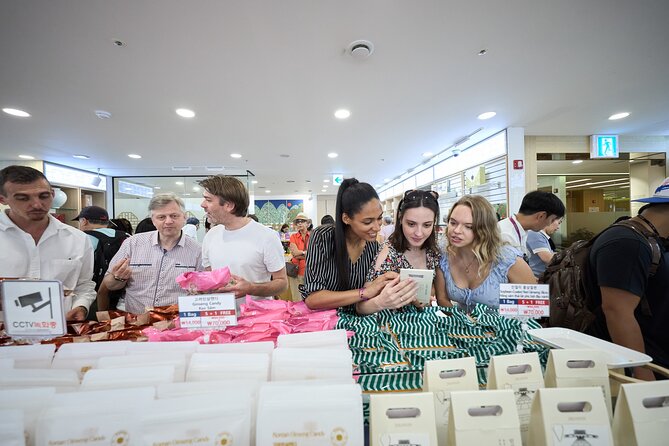
The 30-minute stop at the Cheongha Korean Ginseng Center explains the role of ginseng, known in Korea as insam, and its reputation as a health product. This gives you background on one of Korea’s best-known exports and an item you will see in shops across the country.
Still, this is the least universally appealing part of the tour. One strongly negative account described the stop as a tourist trap and warned against buying products there. That does not mean you must purchase anything, but you should arrive with the right expectations. It is a commercial presentation as well as a cultural explanation.
I would treat the stop as a chance to learn, ask questions, and browse without feeling obliged to buy. If you are interested in Korean food, herbal products, or gift shopping, you may find it worthwhile. If you prefer uninterrupted sightseeing, the half hour can feel like time taken from the palace or market.
This stop also explains why the tour can offer so much for $29. The operator combines sightseeing with a retail visit. That keeps the price low, but it means the experience is not a pure monuments-and-food tour.
Gwangjang Market and the best part of the finish
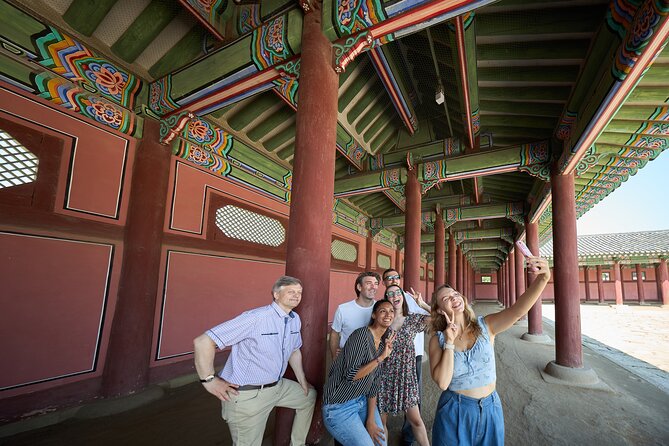
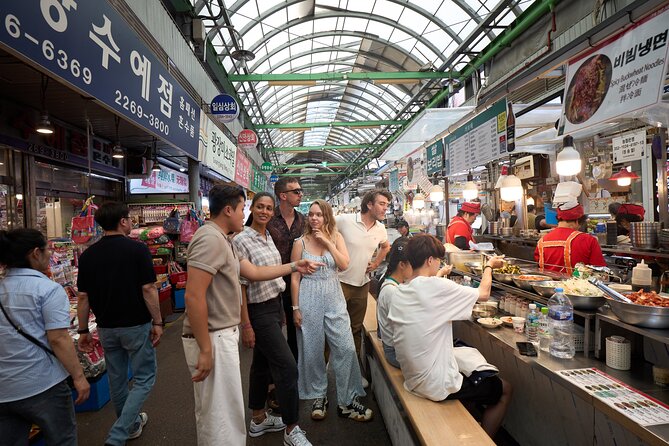
Gwangjang Market is the final major stop, with about an hour to explore. Founded in 1905, it is one of Seoul’s oldest markets and a strong place to end a cultural tour because the focus shifts from royal history to eating, shopping, and ordinary city life.
The food choices include bindaetteok, a savory mung bean pancake, and mayak gimbap, small seaweed rice rolls. You may also find other Korean street foods as you walk the market aisles. Food is not included in the tour price, so bring money for anything you want to taste.
Your guide can help you understand what you are looking at and make the market less intimidating on a first visit. Still, your hour goes quickly. If you enjoy sampling several dishes, avoid spending the whole time at the first stall. You can also remain at the market after the formal tour ends, which is one of the best features of the schedule.
The market is a good place to continue independently because you are already in the right setting for a casual meal. You can try one or two snacks, browse local clothing and souvenirs, and then decide when you are ready to leave.
What the guides add to the experience
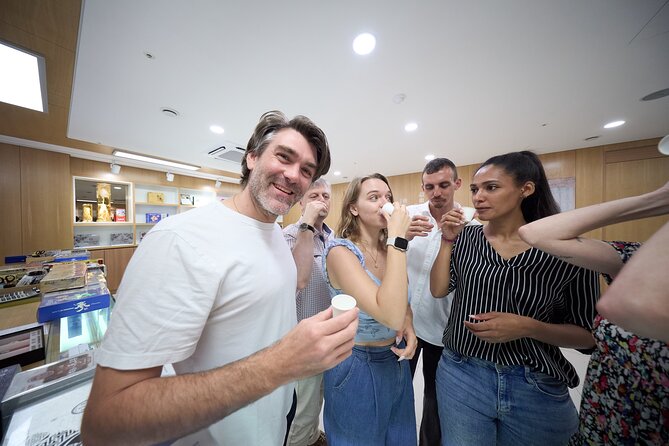
The guide can make or break a short, information-heavy tour. You have only a few hours, so clear explanations and good time control matter more than long speeches.
Eva receives especially warm praise for her friendly manner and ability to handle a small group. She also helped resolve a mix-up at the beginning of one outing. Kelly is noted for strong storytelling, clear communication, and remembering people in the group. Sunny is praised for adapting to a group of six women and extending the time to help them get more from the experience.
Gabby is described as friendly and well informed, with detailed explanations at each stop. These comments point to the strongest feature of the experience: the human guide, not the vehicle or the ticket.
Guide assignments can change, of course. You should not book on the assumption that you will receive a particular person. But the pattern is encouraging: the tour is built around explanation, group coordination, and practical help rather than simply dropping you at monuments.
Price, pace, and what the $29 covers
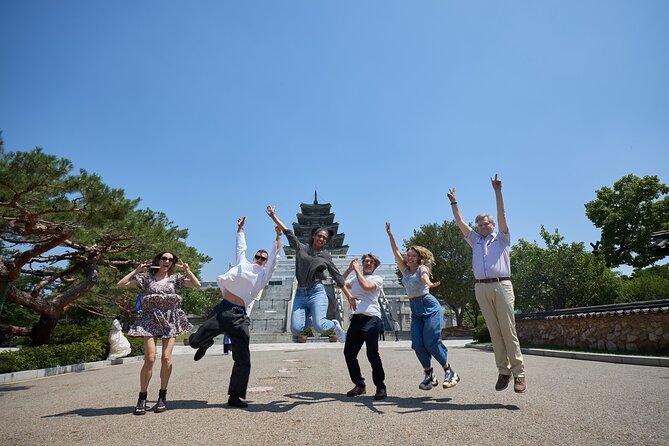
At $29 per person, this is a strong-value introduction if you want several major sights in one morning or afternoon. The price includes an English-speaking guide, an air-conditioned vehicle, and palace admission. It does not include food at Gwangjang Market.
The value is best for a first visit, a short stay, or a layover. You avoid working out the route between Bukchon, the palace area, the ginseng center, and the market. You also gain context that can be easy to miss when walking alone.
The price is less attractive if you dislike fixed schedules or commercial stops. An independent day can cost less, especially if you are happy using public transportation and visiting only one palace. You would also have more freedom to linger in Bukchon or eat at Gwangjang Market.
The tour has a maximum capacity of 100, so a large departure is possible. The actual feel may vary by date. Some outings have been intimate, while the published capacity allows for a much bigger group. If you need a private experience, this is not guaranteed.
Practical details before you book
Choose your meeting point carefully. The first is Myeongdong Subway Station Exit 8. The second is Seoul City Hall Subway Station Exit 6. Both are central, but you should allow time to reach the correct exit and locate the bus and guide.
The tour ends in Myeongdong or at Gwangjang Market, depending on the drop-off choice. Staying at the market is smart if you want more food or shopping. Returning to Myeongdong works well if you are staying there or want access to cosmetics, clothing, street food, and Myeongdong Cathedral.
Confirmation is provided at booking, and the activity is near public transportation. Most people can take part, but remember that Bukchon involves walking through hilly lanes and the palace grounds require time on your feet.
Free cancellation is available up to 24 hours before the start time. Changes or cancellations inside that window are not accepted for a refund.
Who should book this Seoul tour?
I would choose this tour for a first-time visitor who wants a clear introduction without spending a full day on sightseeing. It suits people who like history, architecture, local food, and a guide who can explain the connections between them.
It is also useful for a short Seoul stay. The couple on a 24-hour layover got a concentrated look at several signature places, and the central drop-offs make it easier to continue exploring afterward.
I would hesitate if you already know Seoul well, want a slow palace visit, or dislike shopping-oriented stops. The ginseng center is the key question. If you can accept 30 minutes of product education and simply decline to buy, the tour offers plenty of value. If that stop would sour the day, build your own route instead.
Book it if you want a well-priced overview with a strong food finish, especially on a non-Tuesday date when the guard ceremony is part of the plan. Choose Tuesday only if Changdeokgung and Insadong appeal more than Gyeongbokgung and the ceremony.
FAQ
How long does the tour last?
The tour lasts approximately three hours and 30 minutes.
Where does the tour begin?
You can meet the bus and English-speaking guide at Myeongdong Subway Station Exit 8 or Seoul City Hall Subway Station Exit 6.
Is admission to Gyeongbokgung Palace included?
Yes. Palace admission is included on the regular route.
What happens on Tuesdays?
On Tuesdays, the tour visits Changdeokgung Palace and Insadong instead of Gyeongbokgung Palace and the Royal Guard Ceremony.
Is food included at Gwangjang Market?
No. Food is not included. You pay separately for items such as bindaetteok and mayak gimbap.
Where does the tour end?
You can finish at Gwangjang Market or return to Myeongdong, depending on the drop-off option.
Can I cancel for a full refund?
Yes, if you cancel at least 24 hours before the experience start time. Cancellations or changes made less than 24 hours before the start time are not refunded.
More palace tours in Seoul
- Best Seoul City Tour (Gyeongbokgung Palace,Insadong,Namsan Tower)
★ 5.0 · 1,647 reviews - Small-Group Royal Palace and Seoul City Tour (hotel pick-up)
★ 5.0 · 1,474 reviews - Seoul Highlights: Gyeongbok Palace, Insadong & N Seoul Tower
★ 4.7 · 726 reviews - Seoul: Hanbok Rental with Gyeongbokgung Palace Entry
★ 4.6 · 611 reviews
Just added around Seoul
- Your Personal Seoul Photographer!★ 4.1 · 15 reviews
- From Seoul: Hwacheon Ice Fishing and Lighting Festival Tour★ 4.5 · 4 reviews
- You’re Invited to Our Home in Seoul: The Only Cooking Class!★ 5.0 · 8 reviews
- Seoul: Gangneung BTS K-Pop & K-Drama Filming Locations Tour★ 4.6 · 14 reviews
- Unique Native Experience : Han River Picnic, Board game, BBQ★ 5.0 · 3 reviews
- 2-Hour Private Kayaking and Paddleboarding Experience in Hanriver★ 5.0 · 3 reviews
- Yun Korean Cooking Class in Seoul★ 5.0 · 6 reviews
- Day Trip to Yongin Daejanggeum and Korean Folk Village from Seoul★ 4.0 · 9 reviews
Seoul Palace Tours, compared.
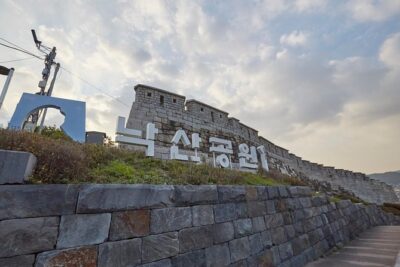
Gyeongbok Palace, Bukchon Village, and Gwangjang Tour
Read our review →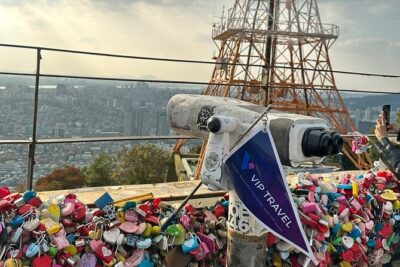
Best Seoul City Tour (Gyeongbokgung Palace,Insadong,Namsan Tower)
Read our review →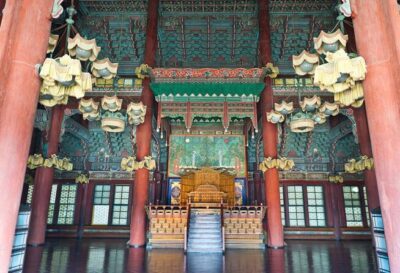
Small-Group Royal Palace and Seoul City Tour (hotel pick-up)
Read our review →
Seoul City Sightseeing Tour Including Gyeongbokgung Palace, N Seoul Tower, and Namsangol Hanok Village
Read our review →Gyeongbok Palace, Bukchon Village, and Gwangjang Tour
Read our review →
Seoul Highlights: Gyeongbok Palace, Insadong & N Seoul Tower
Read our review →
Seoul City Half Day Tour-Gyeongbok Palace Guard Changing Ceremony
Read our review →Browse the lists this tour appears in