
Reviewed · SEOUL FOOD TOURS
10day Small Group Discover Korea Tour : History, Food and Culture
South Korea packs a remarkable amount into ten days: volcanic craters on Jeju, seafood markets in Busan, royal tombs in Gyeongju, hanok houses in Jeonju, Seoul’s palaces, and the tense border zone near North Korea. This tour gives you a broad first look while handling the long transfers and domestic flights for you.
I like the private format, which lets your group discuss changes with the guide, and I like the mix of food and culture, from Jeonju rice wine to a Seoul cooking class. The main drawback is pace: you change cities often, and some days involve several hours on the road.
Key points to know before booking
- Jeju begins the trip with volcanic scenery, including Seongsan Ilchulbong, lava caves, beaches, and columnar rock formations.
- The private arrangement allows itinerary changes, although the schedule is already full and some stops may need to be shortened.
- Gyeongju gives you the strongest history focus, with Bulguksa, Seokguram, royal tombs, museums, and palace ruins.
- Food is part of the sightseeing, with Dongmun Market, Busan street food, Jeonju bibimbap, a makgeolli dinner, and a Korean cooking class.
- One night at Golgulsa Temple adds a different kind of cultural experience, but a temple stay may feel basic compared with a standard hotel.
- The DMZ visit requires an early start and flexible expectations, since access follows military-zone rules and ticket availability is not guaranteed.
Ten days across Korea, from Jeju volcanoes to Seoul towers
This is a big-scope tour rather than a slow, single-city holiday. You cover Jeju, Busan, Gyeongju, Jinan, Jeonju, Suwon, Seoul, and the DMZ in ten days.
The route makes geographic sense, but it asks you to keep moving. You fly from Gimpo to Jeju on the first day, then from Jeju to Busan on Day 3. After that, the journey continues by road toward Gyeongju, Jeonju, Suwon, and Seoul.
Your transportation includes an air-conditioned vehicle and domestic flights. That is valuable in Korea, where several of these stops are far apart. You do not have to work out every transfer yourself, but you should still expect early starts, road time, and regular hotel changes.
The tour is described as private, with only your group participating. That is a useful distinction from a fixed coach tour. You can ask the guide to adjust the plan, spend more time at a favorite stop, or seek restaurant suggestions. Still, customization works best when you discuss priorities early. With this many sights, adding stops without removing others could make the days tiring.
More food tours in Seoul:
- Seoul Street Food Market Tour
★ 5.0 · 1,226 reviews - Seoul: Night Market Food Tour with Local Guide
★ 4.9 · 943 reviews - Downtown Seoul Guided Food & Market Tour with 8+ Local Tastings
★ 5.0 · 580 reviews
Days 1 and 2: Jeju’s lava tubes, beaches, and old village life
Your first day starts with a flight from Gimpo Domestic Airport to Jeju, which takes about an hour. Weather can delay or cancel the flight, so the opening day needs some flexibility. After landing, a driver takes you to the hotel, with check-in handled independently.
The first stops introduce Jeju’s odd geology and modern art. At Mysterious Road, cars and objects appear to roll uphill when the engine is off, although the effect is an optical illusion caused by the surrounding slope. It is a quick, playful stop rather than a major sight.
ARTE Museum Jeju shifts the mood completely. This video and light art museum uses large-scale visual displays, giving you a polished indoor experience after the flight. Spirited Garden follows with bonsai and carefully arranged living art. These attractions are easy to visit and offer shelter if weather interrupts outdoor plans.
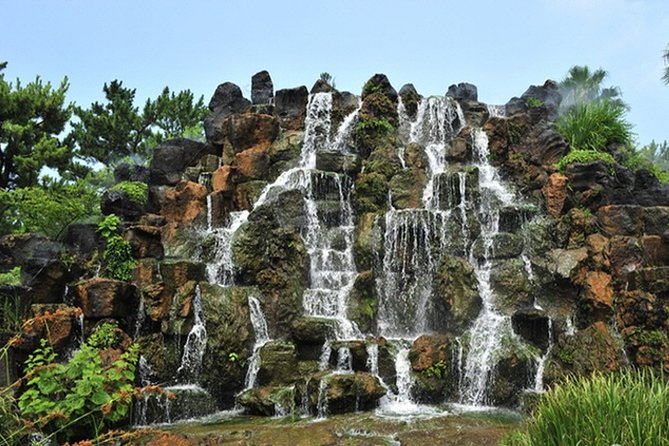
Hyeopjae Beach gives you time by the water. You can swim if conditions allow, or sit at a cafe with a view. The schedule allows about an hour, so do not expect a full beach day. Jusangjeollidae then shows off Jeju’s volcanic past through tall, jointed columnar rock formations. Cheonjiyeon Falls closes the day with a short nature visit.
Day 2 goes further into Jeju’s volcanic story. Manjanggul Cave is one of the most important stops, with a long lava-tube system created by an eruption. The cave can be a highlight for anyone interested in geology, though you should be ready for a darker, cooler, and less polished setting than the museums.
Sangumburi Crater is a broad, flat volcanic crater. Its circular shape is easy to appreciate from above, and the walk gives you a different view of Jeju than the coast. Gwangchigi Beach has black sand formed from weathered basalt, making it noticeably different from Hyeopjae.
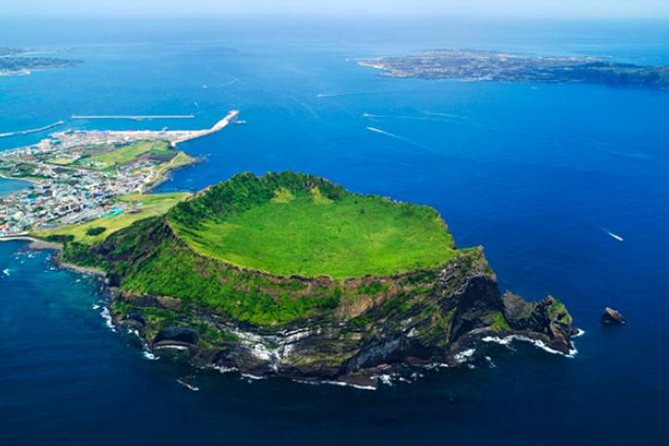
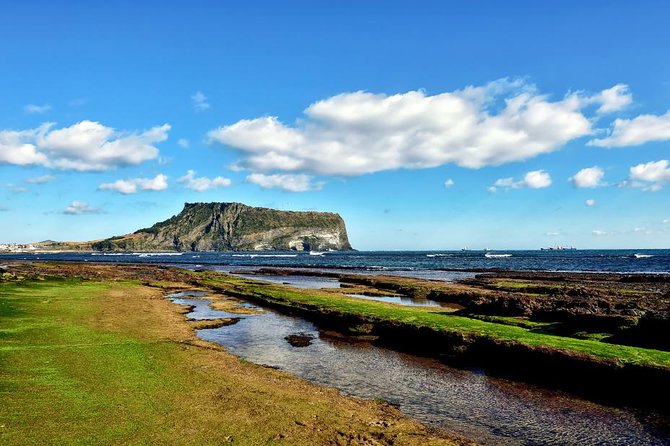
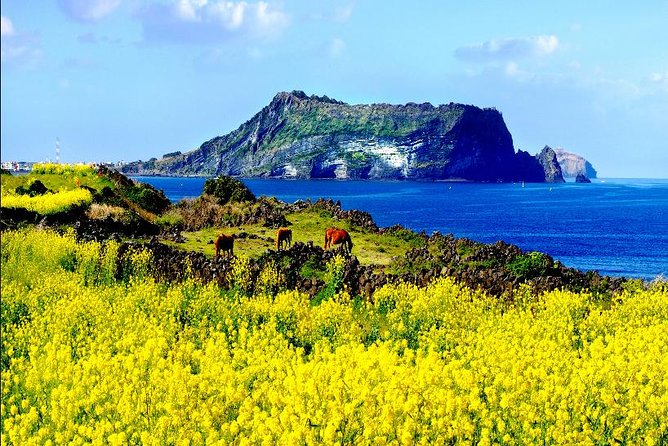
The day’s centerpiece is Seongsan Ilchulbong, also called Sunrise Peak. This tuff cone rose from the shallow sea through volcanic eruptions, and the climb leads toward a grass-filled crater with broad coastal views. The schedule allows about an hour, so the amount of walking you can do depends on your pace and conditions.
Seongeup Folk Village gives you a look at traditional Jeju culture and buildings passed down through generations. It is a useful contrast to the island’s newer museums and resort areas. Dongmun Market finishes the day with food stalls and local shopping. Since meals are only partly included, the market is also a practical place to choose your own dinner or snacks.
Day 3: Busan’s hillside homes, harbor food, and seaside temple
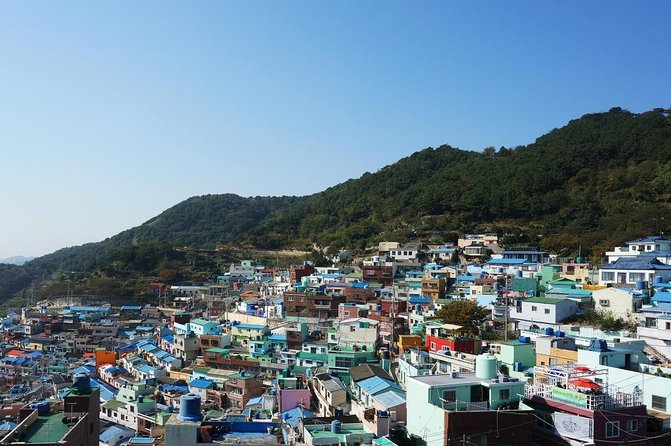
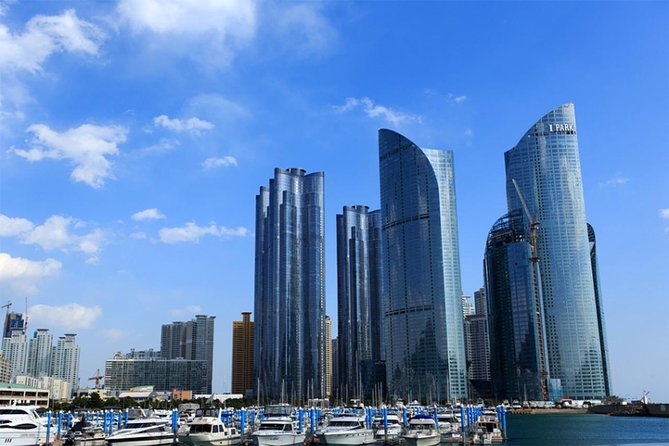
After hotel pickup and a flight to Busan, the tour turns from island geology to Korea’s second-largest city. Gamcheon Culture Village is built in rows up the side of a coastal mountain. The narrow lanes and stacked homes make this one of Busan’s most distinctive urban stops.
You then head to Songdo, known for its beach, seafood restaurants, skywalk, and ocean cable car. The cable car is optional, so you can decide if the extra cost suits your interests. The skywalk itself is free and gives you time near the water without committing to another paid activity.
BIFF Square is both a film-festival district and a street-food area. This is the place to try sweet pancakes and browse food stalls. Jagalchi Market, nearby, is Busan’s major fish market. It is an interesting stop if you enjoy markets and seafood, but twenty minutes is short. If fish markets are not your thing, the plan allows you to spend more time around BIFF Square instead.
The route also includes Busan’s long double-decker bridge. The bridge is especially attractive after dark, when city events may include lights, fireworks, or drones, though those events are not guaranteed. Haedong Yonggungsa brings the day to a more reflective close. Built beside the sea, this temple is memorable because of its setting and the way its buildings meet the coast.
Days 4 and 5: Gyeongju’s Silla monuments and a night at Golgulsa
Day 4 takes you to Golgulsa Temple, outside historic Gyeongju. The temple runs temple-stay programs throughout the year, and this tour includes one night there. A temple stay offers a more direct encounter with Korean Buddhist practice than a short photo stop, but it may not feel like a normal hotel night. Ask what the sleeping arrangements and daily schedule will be before you go.
Bulguksa Temple is another major Gyeongju site, associated with the Silla Kingdom and more than a thousand years of Buddhist tradition. Seokguram, a grotto sanctuary with a large Buddha statue, adds another important religious artwork to the day.
The time allocations at Bulguksa and Seokguram are about forty minutes each. That is enough for a focused visit, but not for a long, unhurried exploration. The temple stay itself is the fuller experience, so the day works best if you value cultural context over checking every corner.
Day 5 begins at Daereungwon Tomb Complex, where large grass-covered royal tombs mark the burial grounds of Silla rulers and elites. These rounded tombs give Gyeongju much of its distinctive character. Nearby Cheomseongdae Observatory is a quick stop at ten minutes. It is an ancient star-gazing tower, but the schedule treats it more as a brief landmark than a full visit.
The Gyeongju National Museum helps explain what you have been seeing. Its collection includes artifacts from the Silla period, and an hour gives you time to put the temples, tombs, and royal sites into context.
Donggung Palace and Wolji Pond is best saved for evening. Reflections on the pond and the illuminated palace remains make this one of Gyeongju’s most attractive night stops. Woljeonggyo Bridge, near the Kyochon village area, continues the evening walk with another lit architectural view.
A different kind of day out around Seoul:
- Best DMZ Tour Korea from Seoul (Red Suspension Bridge Optional)
★ 5.0 · 41,422 reviews - DMZ Tour: 3rd Tunnel, Option(Suspension Bridge, Boat) from Seoul
★ 5.0 · 21,373 reviews - DMZ tour south Korea from Seoul (NK experience hall, defector)
★ 5.0 · 20,599 reviews - Seoul: DMZ Tour with Optional Suspension Bridge
★ 4.8 · 5,277 reviews
Day 6: A long road to Maisan, stone pagodas, and Jeonju food
The journey from Gyeongju to Jinan takes about two and a half to three hours. That is the day’s main practical consideration. You spend a fair part of the morning in the vehicle, but the destination is unlike the royal sites of Gyeongju.
Maisan Mountain is named for its resemblance to horse ears. You stop at an observatory before continuing to Tapsa Temple. Tapsa is known for more than eighty stone pagodas built by Lee Gapyong, a retired scholar. Their shapes and sizes vary, and the collection gives the temple a strong sense of place.
Jeonju is one of Korea’s best stops for food. The tour includes time in Jeonju Hanok Village, where traditional houses line pedestrian streets filled with shops and places to eat. You will have a chance to try bibimbap, a dish strongly associated with the city.
Gyeonggijeon Shrine holds a portrait of Tae-jo, founder of the Joseon dynasty. Jeondong Catholic Church marks the site where Catholic martyrs were executed during the Joseon period. Omokdae and Imokdae provide a higher view over the hanok district.
Dinner is at a traditional makgeolli restaurant. The meal works differently from a standard restaurant order: as you order more rice wine, more accompanying dishes are brought to the table, up to three rounds. You do not need to drink heavily to appreciate the format, but this is one part of the tour where food is also a social custom.
Day 7: Suwon Fortress and the road into Seoul
The drive toward Seoul takes about three hours, with a stop at Suwon Hwaseong Fortress. Built during the Joseon dynasty and recognized as a UNESCO World Heritage site, the fortress shows how military planning, city walls, gates, and public life fit together.
The schedule gives you about an hour at the fortress, but the wider Suwon area also has a famous fried chicken street. Dozens of restaurants serve Korean fried chicken, including versions seasoned with a Korean barbecue-style sauce. This is a fun food stop, though it is not included as a formal meal in the tour description, so confirm how the timing and payment will work.
Because this is another transfer day, Suwon helps break up the ride. The visit is more useful than simply driving straight to Seoul, but it also adds to an already active schedule.
Day 8: Seoul palaces, markets, traditional homes, and a city view
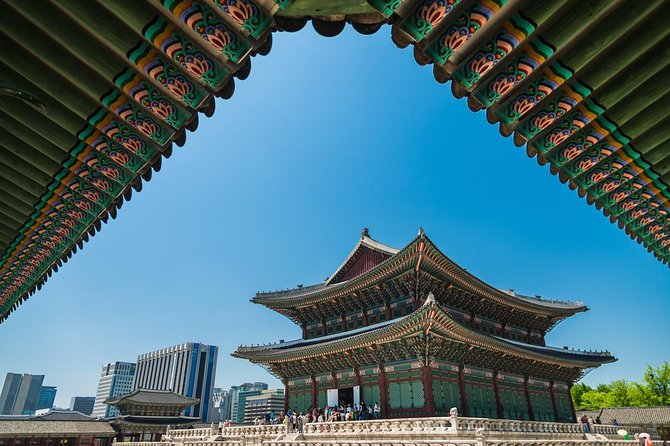
Seoul receives one full sightseeing day before the DMZ and final activities. Gyeongbokgung Palace deserves the longest visit, with about two hours to see the main Joseon royal complex. It sits near Gwanghwamun Square and gives you a clear introduction to the capital’s royal past.
Insadong is better for browsing than rushing. Art galleries, traditional goods, and souvenirs line the area. Bukchon Hanok Village then brings you into a residential district of traditional houses. The lanes can be steep and cramped, so wear comfortable shoes and remember that people still live there.
Kwangjang Market is the day’s food stop. You can choose from mung bean pancakes, Korean doughnuts, gimbap, tteokbokki, fruit juice, and many other market foods. Since the tour includes several meals but not every meal, this is a good place to make your own choices.
N Seoul Tower gives you a broad view over the capital from Namsan Mountain. The top reaches nearly 480 meters above sea level, combining the mountain and tower height. Jogyesa Temple provides a quieter final stop, with seasonal festivals that may add color depending on when you visit.
Day 9: The DMZ, the Third Tunnel, and Dora Observatory
The DMZ requires an early start. Tickets are first come, first served, and there is no reservation system for the DMZ tickets described here. That means you should not expect a relaxed morning or a guaranteed schedule.
The Third Tunnel takes you below ground into a passage built by North Korea after the Korean War. You can walk down into the tunnel, so the visit involves physical effort. Dora Observatory is the visual high point, with views toward North Korea through the naked eye and binoculars. On a clear day, you may see Gaeseong, the former industrial complex, and North Korean villages.
Tongil Park, or Unification Park, is in the Civilian Control Zone and is described as the only village in that zone where people actually live. It is also a place to buy local products and DMZ-related items.
Gamaksan Chulleong Bridge adds a short mountain walk connected to Korean War history. The approach involves about ten minutes of hiking before reaching the suspension bridge. The DMZ portion is a strong reason to choose this tour, but regulations, weather, and military procedures can affect the day. Keep your schedule flexible.
Day 10: Korean cooking, NANTA, and last-minute Seoul shopping
The final day combines performance, food, and shopping. Cookin NANTA in Myeongdong is a nonverbal comedy show built around Korean rhythms and cooking. Since it uses little or no spoken language, it is easier to follow for international audiences. The performance lasts about an hour and a half.
The small-group Korean cooking class lasts three hours. The menu changes monthly and may include bulgogi, gimbab, kimchi, or Korean pancakes. This is one of the most practical parts of the tour because you do not just eat the food, you learn how the dishes are made.
Seonyudo is scheduled as a Han River park visit with walking and city views. Myeongdong Shopping Street then gives you a final chance to browse shops and street-food stalls. The order of these stops may matter depending on performance times, so confirm the final day schedule with the guide.
What the $3,800 price includes
At $3,800 per person, this is not a budget tour. Its value comes from the amount of coordination packed into ten days.
The price includes an air-conditioned vehicle, an English-speaking guide, nine nights of three-and-a-half to four-star accommodation, entrance fees listed in the plan, both domestic flights, seven breakfasts, seven lunches, two dinners, and one night at Golgulsa Temple.
The included flights are important. Jeju and Busan are not quick side trips from Seoul, and arranging the flights, airport transfers, vehicle, hotels, and guide independently would take time. The included meals also reduce daily planning, while the markets and food streets leave room for your own choices.
The price does not cover all meals, and optional activities such as the Busan ocean cable car are extra. The tour is best value for someone who wants a private, guided route and would otherwise pay separately for transport, hotel coordination, entrance fees, and a guide.
It is less appealing if you prefer public transport, independent wandering, or a slower stay in two or three cities. You are paying for range and convenience, not free time.
Who should book this Korea tour?
I would choose this for a first visit if you want to see several sides of Korea in one trip. It suits people who care about history but also want markets, cooking, scenery, temples, performance, and modern city life.
It can also work well for a multigenerational group. A previous booking included an elderly mother and daughter, and the experience was described as meeting or exceeding what they hoped to do. Still, the long drives, cave visit, mountain walks, tunnel descent, and frequent changes mean you should discuss mobility needs with the guide before booking.
The private format is useful for families and small groups with different interests. One person can spend more time at a market while another shortens a walk, though changes may require dropping another stop.
The non-refundable policy deserves serious attention. You cannot receive a refund or amend the booking after cancellation, so confirm dates, flight plans, health needs, and the temple stay before paying.
FAQ
How long is the tour?
The tour lasts approximately 10 days and includes nine nights of accommodation.
Where does the tour begin?
The tour begins in Seoul, with a flight from Gimpo Domestic Airport to Jeju Island on the first day.
Are domestic flights included?
Yes. The tour includes flights from Gimpo to Jeju and from Jeju to Busan.
Is this a private tour?
Yes. Only your group participates, and the itinerary can be discussed and adjusted with the guide.
What type of accommodation is included?
The tour includes nine nights in three-and-a-half to four-star accommodation, plus one night at Golgulsa Temple.
Are meals included?
Seven breakfasts, seven lunches, and two dinners are included. Other meals are not planned, so you will need to pay for some meals yourself.
Is the Busan ocean cable car included?
No. The ocean cable car is an optional activity, while the Songdo Skywalk visit is included in the plan.
Is access to the DMZ guaranteed?
The DMZ uses first-come, first-served ticket procedures, and tickets cannot be reserved in advance according to the tour information. The early meeting time and military-zone rules may affect access.
Can the tour be canceled for a refund?
No. The booking is non-refundable and cannot be changed for any reason after cancellation or an amendment request.
Should you book it?
Book this tour if you want a wide introduction to Korea and value having one guide manage the flights, vehicle, hotels, sightseeing, and meals. The best parts are the range of experiences: Jeju’s volcanic sites, Gyeongju’s Silla monuments, Jeonju’s food traditions, Seoul’s markets and palaces, and the DMZ.
Think twice if you need generous free time or dislike long transfers. This is an ambitious route, but that is also its appeal. In ten days, you see far more than Seoul, and the private format gives you a better chance to shape the pace around your own group.
More history and heritage tours in Seoul
- Seoul: Evening Dark History, Folklore & Ghost Story Walking Tour
★ 5.0 · 593 reviews - Hanbok Photoshoot and History Tour at Gyeongbokgung Palace
★ 5.0 · 276 reviews - From Seoul: Dae Jang Geum Park Historic K-Drama Set Tour
★ 4.9 · 143 reviews - Seoul: City Highlights and Historical Experience No Shopping
★ 5.0 · 74 reviews
Just added around Seoul
- Your Personal Seoul Photographer!★ 4.1 · 15 reviews
- From Seoul: Hwacheon Ice Fishing and Lighting Festival Tour★ 4.5 · 4 reviews
- You’re Invited to Our Home in Seoul: The Only Cooking Class!★ 5.0 · 8 reviews
- Seoul: Gangneung BTS K-Pop & K-Drama Filming Locations Tour★ 4.6 · 14 reviews
- Unique Native Experience : Han River Picnic, Board game, BBQ★ 5.0 · 3 reviews
- 2-Hour Private Kayaking and Paddleboarding Experience in Hanriver★ 5.0 · 3 reviews
- Yun Korean Cooking Class in Seoul★ 5.0 · 6 reviews
- Day Trip to Yongin Daejanggeum and Korean Folk Village from Seoul★ 4.0 · 9 reviews
Seoul Food Tours, compared.
Downtown Seoul Guided Food & Market Tour with 8+ Local Tastings
Read our review →
Small-Group Night Food Tour in Seoul with Korean BBQ
Read our review →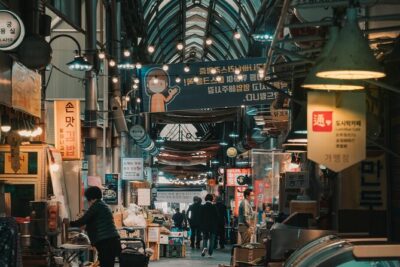
Seoul Night Palace & Market Food Tour with Vehicle
Read our review →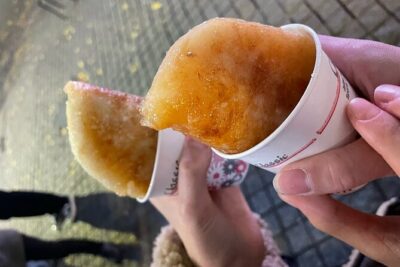
Seoul Fun Food Tour: 12 different food tastings
Read our review →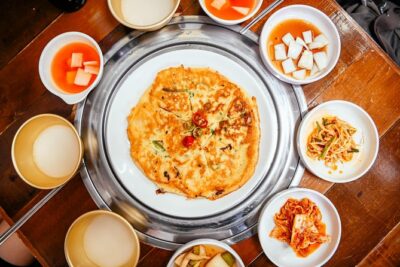
The Award-Winning PRIVATE Food Tour of Seoul: The 10 Tastings
Read our review →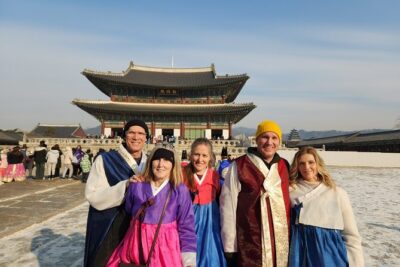
Full Day- Essential Seoul City Tour & Gourmet Tour(including Lunch and Dinner)
Read our review →Browse the lists this tour appears in