
Reviewed · SEOUL DMZ TOURS
Seoul: DMZ 2nd Tunnel and Suspension Bridge Tour
The most striking part of this day is the chance to look toward North Korea from the Cheorwon area, then walk through the 2nd Tunnel, a passage secretly cut beneath the border. You also get a very different side of Korea: basalt cliffs, a river geopark, a suspension bridge, and a waterfall used as a filming location.
I like the mix of serious history and open-air scenery. I also like that this route uses the quieter Cheorwon sector rather than focusing only on Seoul’s best-known DMZ sights. The main catch is the long 10-hour day, with an early meeting at Myeongdong Station and lunch left for you to arrange.
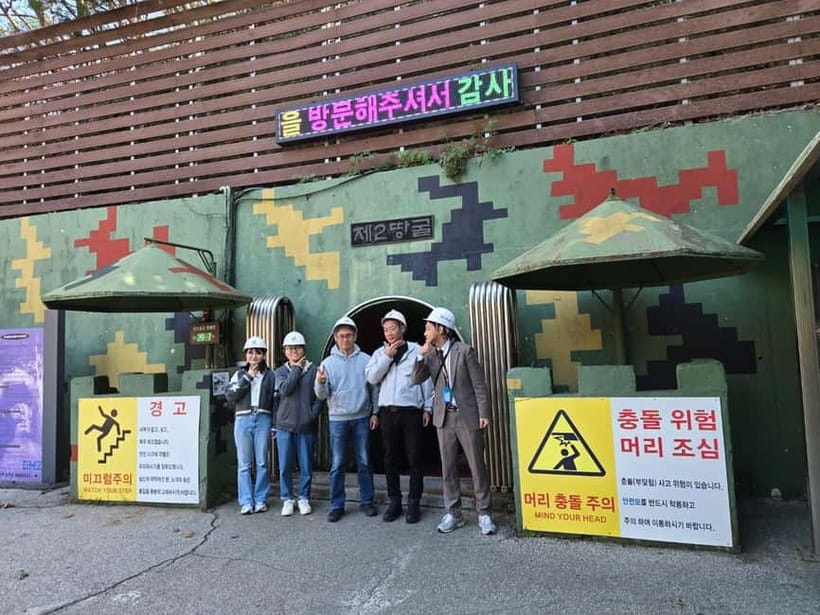
- The 2nd Tunnel: Walk about 500 meters underground through a Cold War-era passage built for a possible North Korean attack.
- Cheorwon Peace Observatory: Use the viewing area and telescope to look across the DMZ toward military positions and North Korea.
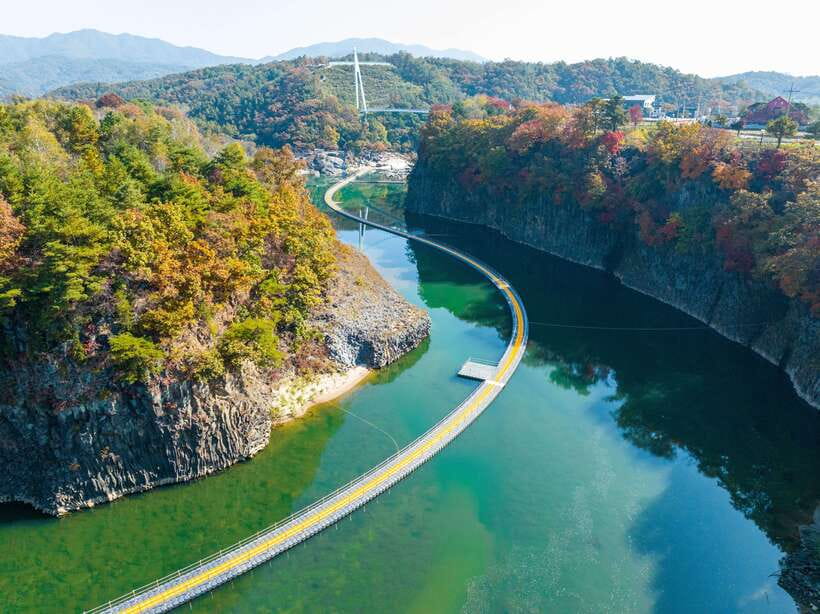
- Hantan River geopark: See the region’s volcanic rock formations and broad natural scenery from the Sky Bridge.
- Woljeong-ri Station: Visit a symbolic railway site tied to Korea’s divided history.
- Bidulginang Falls: Finish at a basalt gorge and waterfall seen in Korean television dramas.
- Small-group feel: Several bookings were handled in a minivan with around seven people, though group size can vary.
A full day beyond Seoul’s usual sights
This is not a quick photo stop at the border. You leave Seoul for Gangwon Province and spend the day in Cheorwon, an area where military history and rural scenery share the same road.
The route works because it keeps changing tone. The morning is focused on conflict, tunnels, observation points, and division. By afternoon, the emphasis shifts to abandoned wartime buildings, a suspension bridge, volcanic rock, and a waterfall.
Your meeting point is outside Exit 10 at Myeongdong subway station. From there, transportation, admission fees, and a professional guide are included. The tour lasts about 10 hours and returns you to Myeongdong Station.
You should plan for a full day, not a casual half-day outing. The distance from central Seoul is part of the experience, but it also means traffic and the long schedule can wear you down. A minivan can make the ride more personal than a large coach, although the vehicle and group size may vary.
Guides may be assigned from an English or Japanese-speaking team. Names praised in past bookings include Leo, Sophie, Winnie, Henry, Dragon, Grace, Heidi, and others. Do not book on the assumption that you will receive one particular guide, but the repeated praise for clear explanations, care with the group, and good English is a positive sign.
The 2nd Tunnel and Cheorwon’s wartime reality
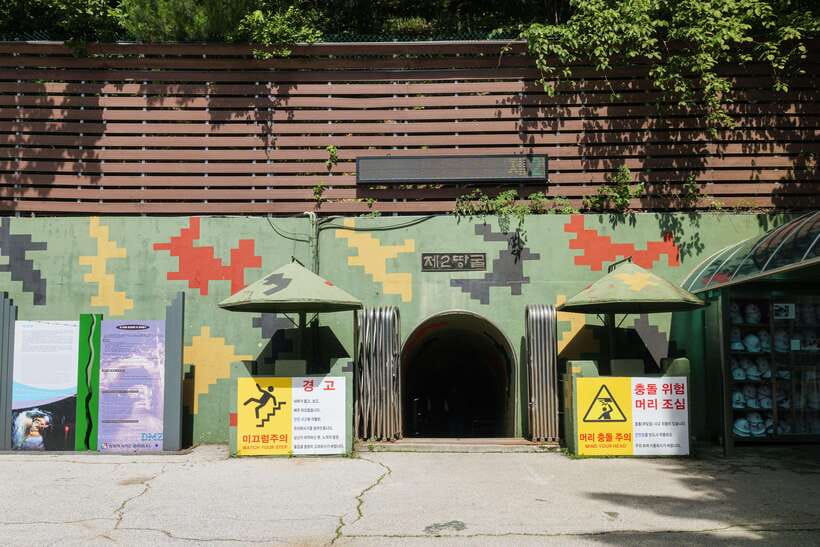
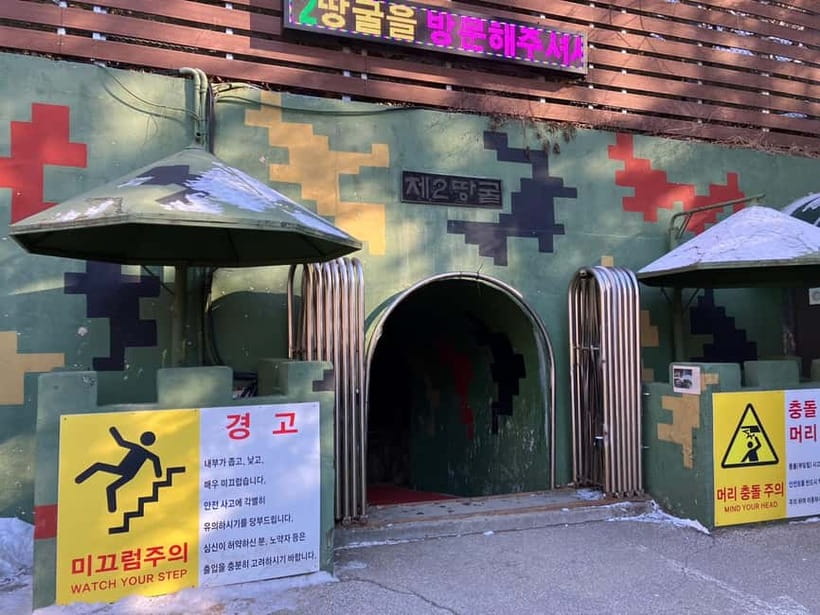
The 2nd Tunnel is the emotional center of the morning. It was discovered in 1975 and is one of several tunnels dug under the Demilitarized Zone by North Korea. The purpose was military: a route for troops to move south.
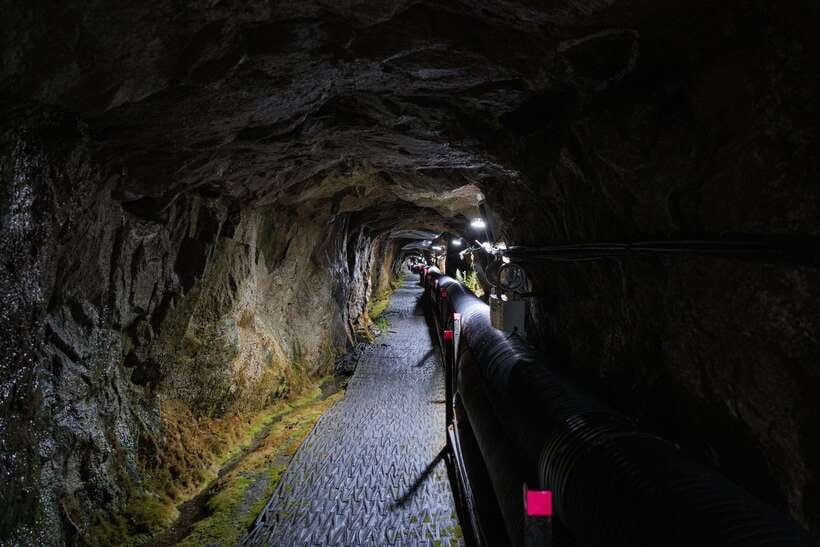
The visit gives the division of Korea a physical scale. Instead of only hearing about a border on a map, you walk underground through a narrow passage cut through rock. The route extends roughly 500 meters into the tunnel area, making comfortable shoes a sensible choice.
This is not a polished museum attraction. The site asks you to pay attention, move carefully, and accept a more basic setting. The passage can feel enclosed and demanding, especially for anyone who dislikes confined spaces or has mobility concerns.
The tour instructions specifically advise patience and care when entering the site. The experience is not suitable for wheelchair users, pregnant women, or people with heart problems or other serious medical conditions. An ID card is required, and a copy is accepted.
Your guide’s explanation matters here. Leo, for example, was praised for giving enough historical context without turning the day into an exhausting lecture. A good guide can explain the military purpose of the tunnel, the division between North and South, and the continuing condition of the peninsula while keeping the group moving.
More DMZ tours in Seoul:
- Best DMZ Tour Korea from Seoul (Red Suspension Bridge Optional)
★ 5.0 · 41,422 reviews - DMZ Tour: 3rd Tunnel, Option(Suspension Bridge, Boat) from Seoul
★ 5.0 · 21,373 reviews - DMZ tour south Korea from Seoul (NK experience hall, defector)
★ 5.0 · 20,599 reviews
Looking across the border at Cheorwon Peace Observatory
The Peace Observatory provides one of the clearest chances to look toward North Korea on this itinerary. Telescopes help you inspect the distant side of the DMZ, including military outposts. One booking even described hearing music broadcast across the border and spotting North Korean soldiers through the telescope.
That detail captures the strange nature of the DMZ. It is both a heavily controlled military zone and an area where birds and other wildlife have found room to live. You are not simply visiting a viewpoint. You are looking at a live political boundary, one that still shapes daily life on both sides.
The observatory visit can be weather dependent in practical terms. The views are more rewarding on a clear day, while haze may make distant details difficult to see. Even so, the guide’s explanation gives the stop value beyond the view itself.
I would pay close attention to the human stories here. The strongest part of this tour is not just identifying buildings across the line. It is understanding how the division affects families, travel, military service, and the ordinary lives of Koreans.
Woljeong-ri Station and a railway that stops at the border
Woljeong-ri Station is one of the tour’s more symbolic stops. The former railway station represents a connection that once extended farther north but was cut by Korea’s division and war.
It is a useful counterpoint to the tunnel. The tunnel shows the hidden military side of the border. The station shows what division did to transportation and civilian movement.
Do not expect a functioning rail hub or a long indoor museum visit. This is a historical site best understood through your guide’s narration and the surrounding setting. If you like places where a damaged structure carries a large story, you will find this stop worthwhile.
The guide can also connect the station to the broader story of the Korean War and the divided peninsula. Several strong guide reports singled out the value of learning not only military facts, but also about Korean life and the country’s past.
Lunch near the 2nd Tunnel, with one important catch
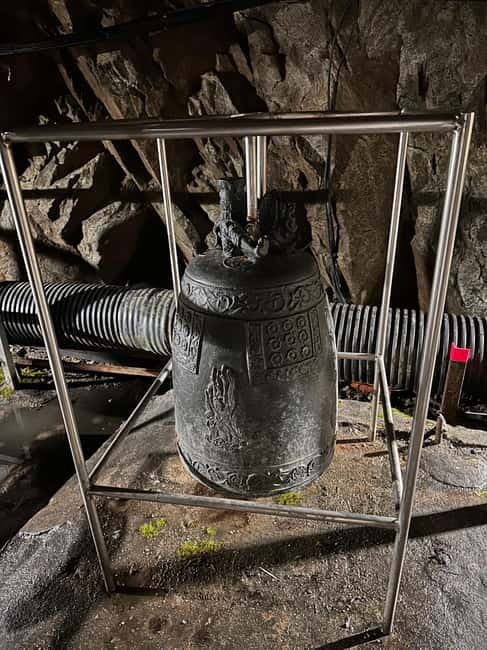
Lunch is not included. You receive free time near the 2nd Tunnel area, but you must pay for your own meal.
This arrangement gives you some choice, though it also creates uncertainty. One booking described difficulty finding an open place and suggested that advance meal planning would make the stop easier. Another guide, Leo, helped a vegetarian member of the group find suitable food.
I would bring some patience and make your dietary needs clear to the guide early in the day. If you need a particular meal, do not assume the lunch stop will work like a prearranged restaurant booking. Drinks are also not included, so carry money and consider bringing water.
The break is useful after the morning’s walking and concentrated history. Just remember that lunch is part of the day’s logistics, not a hosted feature.
A different kind of day out around Seoul:
- Seoul: DMZ Tour with Optional Suspension Bridge
★ 4.8 · 5,277 reviews - Signature DMZ Tour: Exclusive Defector Talk & Suspension Bridge
★ 5.0 · 4,459 reviews - Thrilling Korean DMZ 3rd Tunnel Tour from Seoul + Red Bridge Rush
★ 5.0 · 3,097 reviews - DMZ Past and Present: Korean Demilitarized Zone Tour from Seoul
★ 5.0 · 2,481 reviews
The Former Korean Workers’ Party Headquarters
The Former Korean Workers’ Party Headquarters adds another layer to the Cheorwon story. The damaged building reflects the period when the region was caught directly in the conflict between competing political systems.
Its appeal is visual as well as historical. Broken walls and wartime remains can communicate the violence of the period in a way that a modern display sometimes cannot. Your guide’s explanation helps place the building in the political setting of the time.
This stop will not occupy the same amount of time as the tunnel or observatory. Think of it as a compact historical visit that connects the military sites with the civilian and political history of the area.
Across the Sky Bridge above Hantangang Geopark
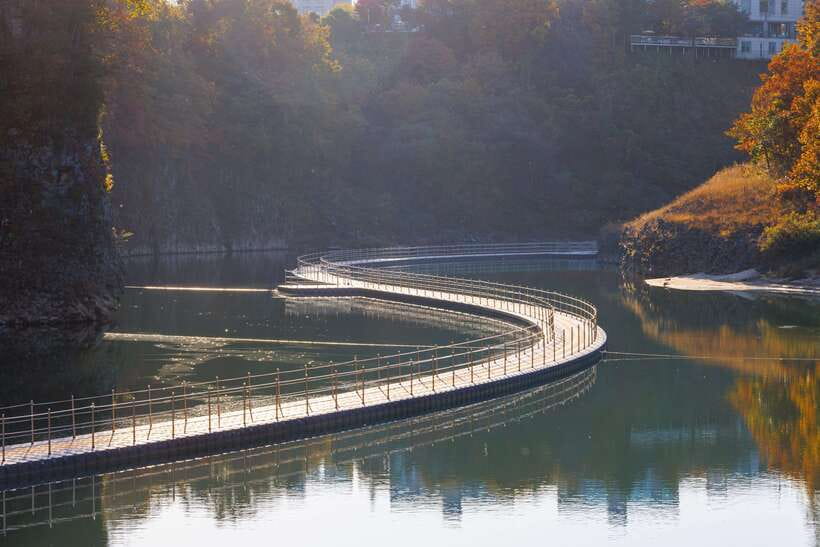
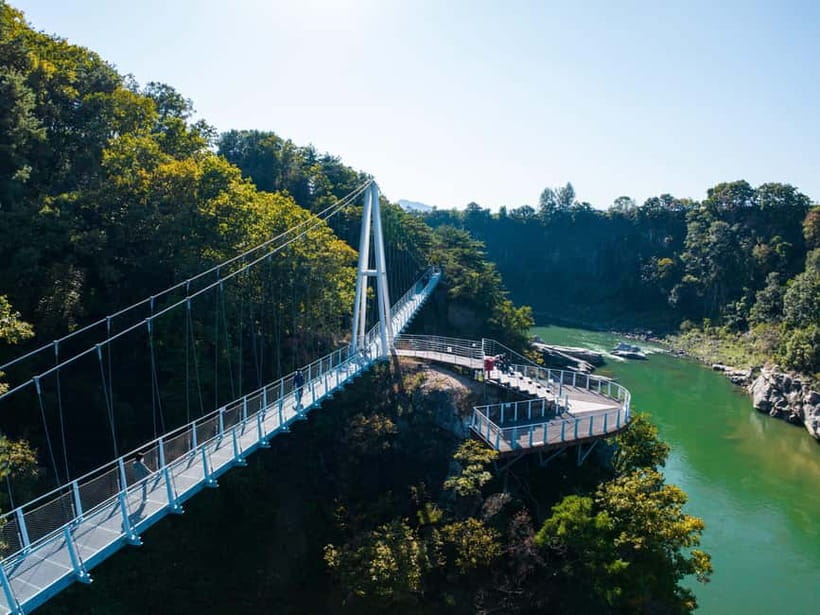
The afternoon becomes more scenic at the Sky Bridge, a suspension bridge above the Hantangang area. The bridge has appeared in Korean dramas, including Crash Landing on You and What’s Wrong with Secretary Kim, so it may appeal to fans who want to recognize a filming location.
The bigger reason to visit is the view. The Hantangang area is part of a UNESCO Global Geopark, known for volcanic rock and the basalt gorge shaped by the river. From the bridge, you can take in the dark rock formations, river valley, and broad Korean countryside.
The bridge is also where the tour shifts from history lesson to active sightseeing. You will want steady shoes and a bit of comfort with height. The information does not give an exact bridge length or walking time, so expect a scenic walk rather than a timed attraction with a fixed program.
I like this section because it prevents the day from becoming only a military-history excursion. You get a better sense of why this region matters as a place, not only as a border zone.
Bidulginang Falls and a dramatic final stop
Bidulginang Falls is the final major stop. The waterfall lies within the Pocheon Hantangang Basalt Gorge, designated Natural Monument No. 537.
The name comes from the doves that once nested behind the falls. Its screen appearances include The Slave Hunters, Queen Seondeok, and Warrior Baek Dong-soo. Even if you do not know those dramas, the setting gives you a pleasant final change of pace after the more serious border sites.
The waterfall and gorge show the area’s volcanic geology in a direct, easy-to-see way. You may find the visit especially appealing if you want nature photography or a quieter walk at the end of the day.
Because this is the last stop, the amount of daylight and the day’s pace can affect how long you have there. The route covers many locations, so the tour is better for seeing a wide range of places than for spending an hour at every site.
What the $87 price includes
At $87 per person, the value depends on how much of the day you want organized for you. The price covers transportation, admission tickets, a professional guide, and pickup and drop-off at the designated meeting points.
That is a fair package for a 10-hour outing from Seoul. The Cheorwon area is not a simple subway trip, and arranging the tunnel, observatory, geopark sites, and waterfall independently would require more planning. The guide also provides the historical framework that makes the stops meaningful.
You still need to budget for lunch and drinks. Hotel pickup is not included, so you must reach Myeongdong Station yourself. Travel insurance is also excluded.
The value improves if you want a clear route and live interpretation. It is less compelling if you prefer to move slowly, choose your own lunch stop, or spend most of the day at one location.
Who will enjoy this route most
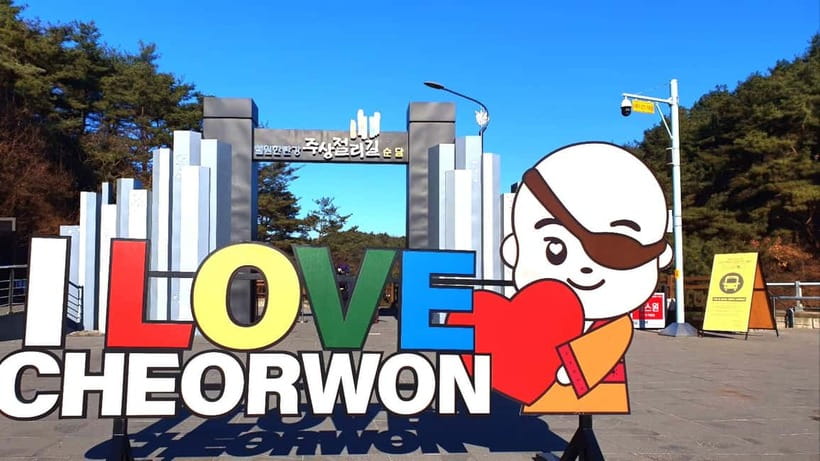
I would recommend this tour to families with older children, couples, solo visitors, and small groups who want more than Seoul’s palaces and shopping districts. It offers a strong mix of history, nature, and Korean popular culture.
Families should consider the walking and the underground tunnel before booking. The tour is open to all tourists, with no country restrictions, age limits, or dress code, but the physical limitations still matter.
Solo visitors may appreciate the structure and the company of a small group. Couples can expect a serious morning and scenic afternoon rather than a romantic sightseeing trip from start to finish. Drama fans will enjoy the Sky Bridge and Bidulginang Falls, but the tour is not built around television locations.
The route also suits anyone who wants a more personal day. The highest praise has centered on guides who look after the group, answer questions, help with food needs, and keep the schedule moving. Sophie was noted for making sure everyone had enough time at each stop, while Winnie was praised for watching out for the group throughout the day.
Practical details before you book
The tour is available on Saturdays and is not available on Tuesdays or national holidays. At least two people are required for the activity to operate, and the provider may cancel after confirmation if there are not enough participants. In that case, you are offered an alternative or a full refund.
You can cancel up to 24 hours in advance for a full refund, and the reserve-now, pay-later option keeps you from paying at the time of booking.
Bring an ID card or an accepted copy. Wear comfortable shoes for the tunnel and outdoor sites, and be prepared for changing conditions between enclosed, elevated, and open-air areas.
Smoking is not allowed in the vehicle. Pets, alcohol, and drugs are not allowed. The vehicle is not wheelchair accessible, and the tour is not suitable for pregnant women or people with heart problems or other serious medical conditions.
Should you book the Cheorwon DMZ tour?
Book it if you want a full-day look at Korea’s division with more variety than a standard border excursion. The 2nd Tunnel and Peace Observatory provide the serious historical core, while the Sky Bridge, Hantangang Geopark, and Bidulginang Falls keep the day visually interesting.
Skip it if you need hotel pickup, included meals, wheelchair access, or a short and relaxed schedule. The lunch arrangement is informal, and the 10-hour day asks for stamina.
For most visitors who want context rather than a quick border photograph, the $87 cost is sensible. Go prepared for a long day, bring identification, and treat the Cheorwon DMZ as both a place of conflict and a striking part of Korea’s countryside.
FAQ
Where does the tour meet?
Meet outside Exit 10 of Myeongdong subway station in Seoul. Hotel pickup and drop-off are not included.
How long does the tour last?
The tour lasts about 10 hours and returns to Myeongdong Station.
What languages are available?
The tour offers live guides in English and Japanese.
Is lunch included?
No. You have free time for lunch near the 2nd Tunnel area, but the meal and drinks are not included.
What should I bring?
Bring an ID card. A copy is accepted.
Is the tour wheelchair accessible?
No. The tour is not wheelchair accessible, and it is not suitable for pregnant women or people with heart problems or other serious medical conditions.
Just added around Seoul
- Your Personal Seoul Photographer!★ 4.1 · 15 reviews
- From Seoul: Hwacheon Ice Fishing and Lighting Festival Tour★ 4.5 · 4 reviews
- You’re Invited to Our Home in Seoul: The Only Cooking Class!★ 5.0 · 8 reviews
- Seoul: Gangneung BTS K-Pop & K-Drama Filming Locations Tour★ 4.6 · 14 reviews
- Unique Native Experience : Han River Picnic, Board game, BBQ★ 5.0 · 3 reviews
- 2-Hour Private Kayaking and Paddleboarding Experience in Hanriver★ 5.0 · 3 reviews
- Yun Korean Cooking Class in Seoul★ 5.0 · 6 reviews
- Vivaldi Park Winter Ski Resort with Nami Island Tour from Seoul★ 4.5 · 7 reviews
Seoul DMZ Tours, compared.
Best DMZ Tour Korea from Seoul (Red Suspension Bridge Optional)
Read our review →
DMZ Tour: 3rd Tunnel, Option(Suspension Bridge, Boat) from Seoul
Read our review →
DMZ tour south Korea from Seoul (NK experience hall, defector)
Read our review →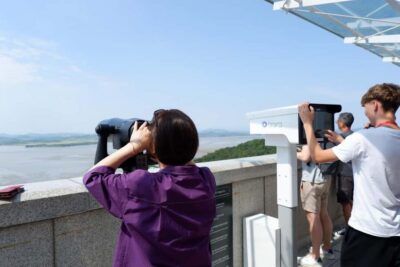

Signature DMZ Tour: Exclusive Defector Talk & Suspension Bridge
Read our review →
Thrilling Korean DMZ 3rd Tunnel Tour from Seoul + Red Bridge Rush
Read our review →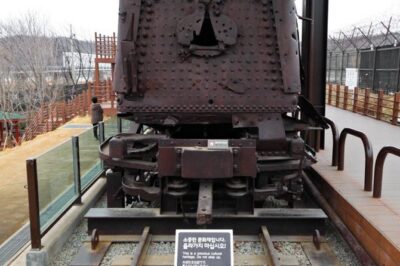
DMZ Past and Present: Korean Demilitarized Zone Tour from Seoul
Read our review →
Ultimate Korea DMZ Tour from Seoul (Gondola & Suspension Bridge)
Read our review →Browse the lists this tour appears in