
Reviewed · SEOUL DMZ TOURS
Seoul: Small-Group DMZ Tour with North Korea Experience Hall
The most striking part of this day trip is how quickly Seoul gives way to a heavily controlled border zone. You’ll see monuments to separated families, look toward North Korea from Dora Observatory, and hear a defector’s story at the North Korea Experience Hall. It is history with a human face, not just a photo stop.
I like the mix of serious sites and fresh air at Gamaksan Suspension Bridge, and I like that the small-group format lets guides such as Sookhee, Mr Young, BK, and Junie explain the Korean War and today’s politics in clear English. The main drawback is the long day, with strict timing, walking, stairs, and a possible souvenir stop that may feel more commercial than meaningful.
Key points to know before booking
- The North Korea Experience Hall adds personal context: Defector testimony and guided storytelling help explain daily life beyond the headlines.
- The standard route packs in the major sights: Imjingak Park, Freedom Bridge, the Third Tunnel, Dora Observatory, Unification Village, and the suspension bridge.
- Monday tours still operate: When the standard sites close, the Special Course replaces them with the Peace Gondola and Gloster Hill Memorial Park.
- The Third Tunnel requires effort: Expect walking and a physically enclosed space, so claustrophobia and mobility concerns matter.
- Small groups improve the day: A group of around 10 can move more easily than a large coach party and gives you better access to the guide.
- The $55 price is fair for a full day: Transport, guide, and admission are included, but lunch and hotel drop-off are not.
Why this DMZ day trip feels different from a normal Seoul excursion
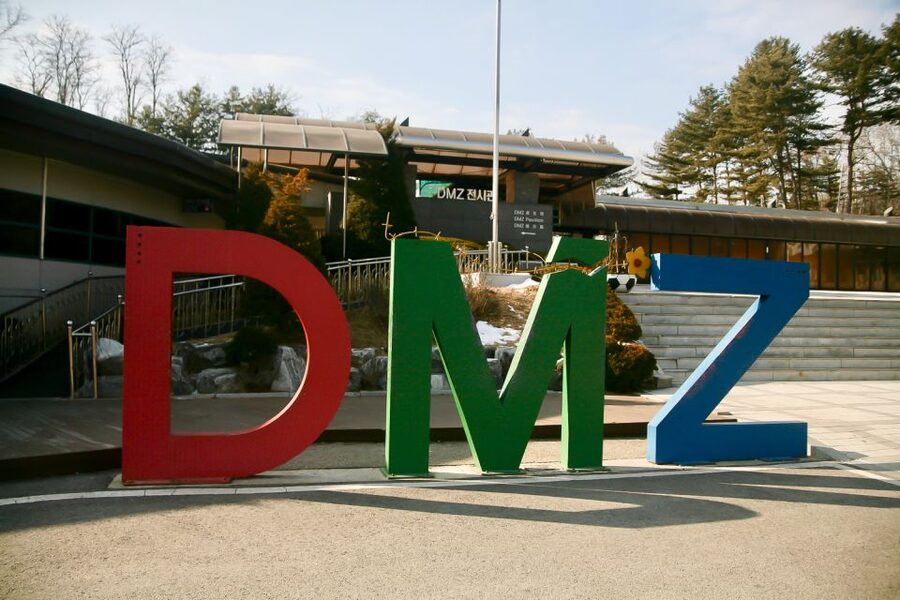
The Demilitarized Zone is not a typical sightseeing district. It is a living border shaped by the Korean War, family separation, military tension, and a long-running hope for reunification. You are not simply looking at an old battlefield. You are visiting places where history still affects daily life.
This tour works well because it combines famous DMZ stops with explanation. At the North Korea Experience Hall, you get more than maps and political slogans. The program includes a defector’s story, giving you a personal account of North Korean life and the difficult path out. That part can be especially useful if your understanding of North Korea comes mainly from news reports.
Guides make a large difference here. Sookhee is praised for adding political, cultural, and personal context, while Mr Young is known for a warm style and good timing. BK has also been noted for staying positive in poor weather and helping with photographs. You should not expect every guide to tell the day in exactly the same way, but the strong English-language guiding is one of the tour’s main assets.
More DMZ tours in Seoul:
- Best DMZ Tour Korea from Seoul (Red Suspension Bridge Optional)
★ 5.0 · 41,422 reviews - DMZ Tour: 3rd Tunnel, Option(Suspension Bridge, Boat) from Seoul
★ 5.0 · 21,373 reviews - DMZ tour south Korea from Seoul (NK experience hall, defector)
★ 5.0 · 20,599 reviews
Starting from Seoul: six pickup points and an early road trip
Pickup is available from several central subway locations: Gangnam Station Exit 12, Hongik University Station Exit 3, Itaewon Station Exit 1, Hamilton Hotel, Myeongdong Station Exit 10, and City Hall Station. The exact pickup time is sent by email one day before the tour, and the time shown on your voucher is not necessarily the time you meet the vehicle.
That detail matters. Check your email and spam folder the day before, then arrive early at the confirmed location. Pickup from subway stations is convenient, but this is not hotel-to-hotel service. You are responsible for reaching the selected meeting point.
The ride toward the border takes about an hour. Depending on traffic and the day’s schedule, the full outing lasts eight to ten hours. That is a substantial commitment, but it avoids the trouble of arranging several separate admissions and finding your way through controlled access points.
The vehicle is shared by a small group or arranged as a private tour, depending on the option you choose. A small group can make a real difference at a site where the schedule is firm. It also lets the guide answer questions without trying to manage a crowd.
Imjingak Park, Freedom Bridge, and the sadness of Mangbaedan
Imjingak Park is the emotional opening to the day. It sits close to the civilian control area and focuses on the division of Korea, separated families, and the hope that the peninsula might one day be reunited.
You have free time here, so this is a good place to take in the monuments at your own pace and listen to the first part of the guide’s explanation. You’ll also get views toward North Korea, though the clarity depends on weather. A gray or rainy day can limit distant views, but it does not erase the meaning of the park.
Freedom Bridge is linked to prisoners of war and the return of people after the Korean War. It is a short sightseeing stop, but it helps connect the military story with the human cost of the conflict.
At Mangbaedan, the guide explains the rituals associated with families who cannot return to their ancestral homes in the North. This is one of the places where the division feels personal. A simple monument can say more than a long lecture when you understand why families gather there.
Bring a jacket even in warmer months if you are sensitive to wind. The open areas near the border can feel exposed, and you may spend more time outside than expected.
The North Korea Experience Hall and a defector’s story
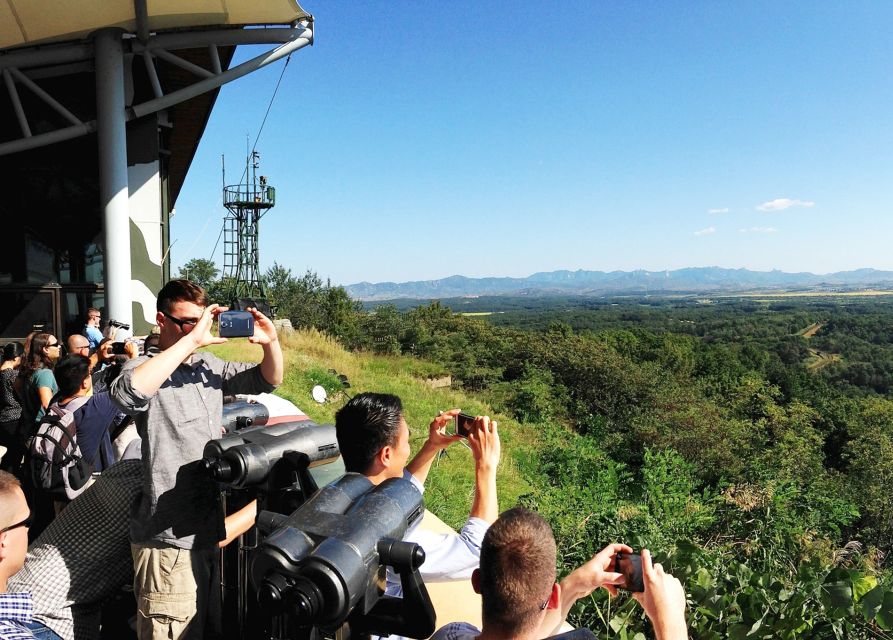
The North Korea Experience Hall is the tour’s most distinctive feature. Many DMZ outings focus on military structures and observation platforms. This one also gives you a setting for guided interpretation and a defector’s account.
The value is not that one story can explain all of North Korea. It cannot. The value is that it gives you a personal point of reference. You hear about a real human experience rather than treating the country as a distant political symbol.
The guide’s role is important here. Sookhee, Junie, Mr Young, and other English-speaking guides are described as adding warmth, humor, and personal context while keeping the subject serious. You can expect the history to cover the Korean War, the division of the peninsula, the current relationship between North and South Korea, and the meaning of the DMZ today.
This section may be especially worthwhile for first-time visitors to Korea. It gives you cultural and political background that you will not get from a quick stop at a viewing platform.
A different kind of day out around Seoul:
- Seoul: DMZ Tour with Optional Suspension Bridge
★ 4.8 · 5,277 reviews - Signature DMZ Tour: Exclusive Defector Talk & Suspension Bridge
★ 5.0 · 4,459 reviews - Thrilling Korean DMZ 3rd Tunnel Tour from Seoul + Red Bridge Rush
★ 5.0 · 3,097 reviews - DMZ Past and Present: Korean Demilitarized Zone Tour from Seoul
★ 5.0 · 2,481 reviews
Entering the Third Tunnel of Aggression
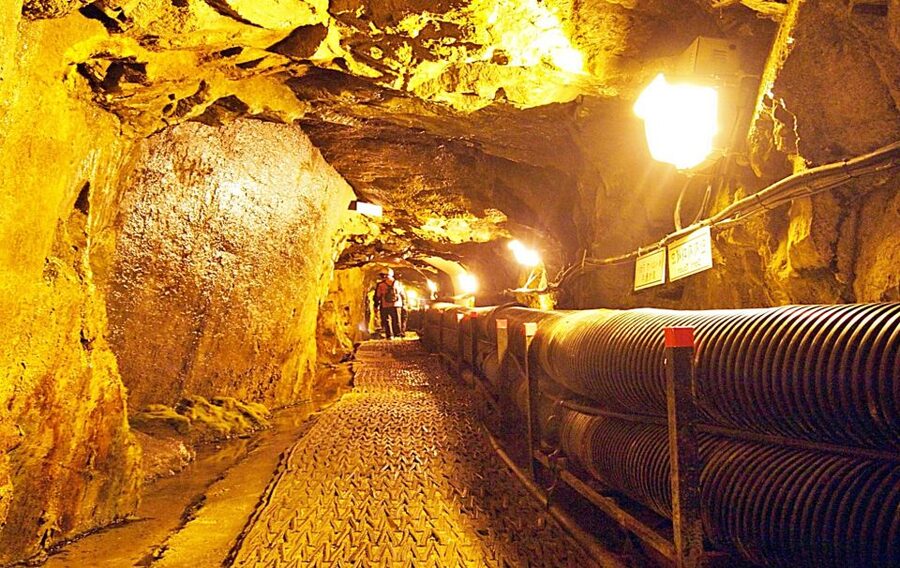
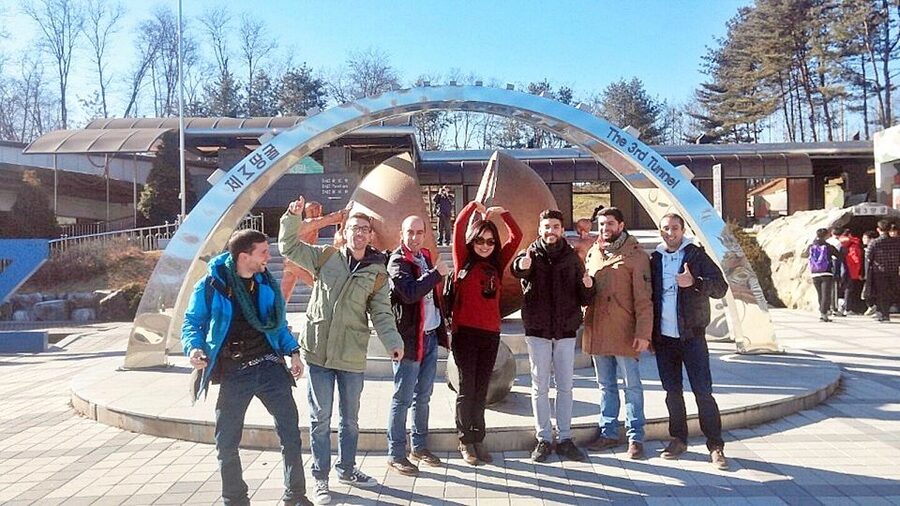
The Third Tunnel is one of the day’s most memorable physical experiences. It was built from the North Korean side toward Seoul and later discovered by South Korea. The tour takes you into the tunnel area with a guide for about an hour.
You should think of this as a walk, not a quick exhibit. The tunnel is enclosed, and the route includes a descent and return climb. That makes comfortable shoes essential. High heels, sandals, and flip flops are not allowed, and the experience is not suitable for people with claustrophobia, serious back problems, or certain medical conditions.
The tunnel is also a reminder that the DMZ is not only a historical display. The border remains politically sensitive, and you must follow the guide’s instructions at all times. Do not wander away from the group or treat restricted areas casually.
If you are fit enough for the walk, the tunnel adds physical scale to the story. A map shows distance. Walking underground gives you a stronger sense of the effort involved in construction and the tension surrounding the discovery.
Dora Observatory and the limits of a border view
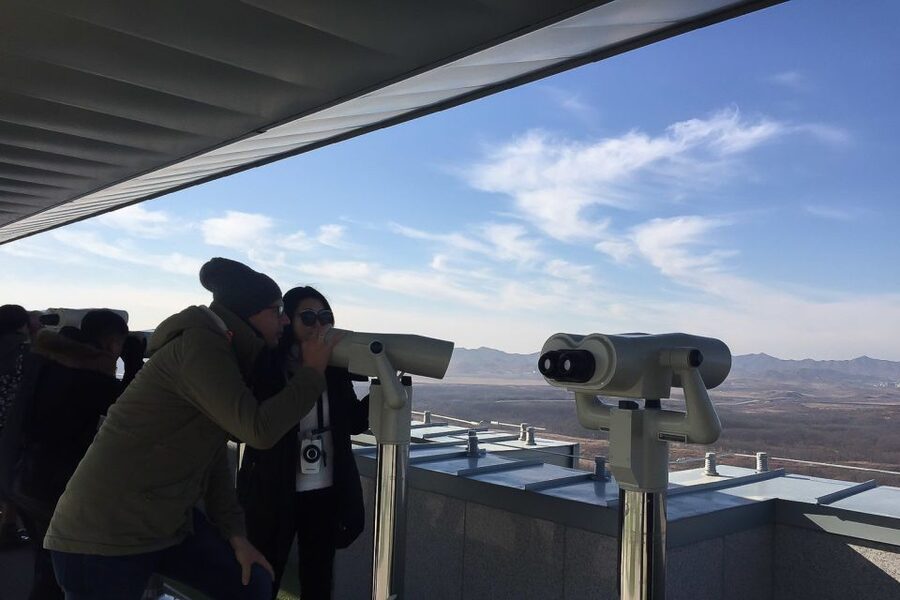
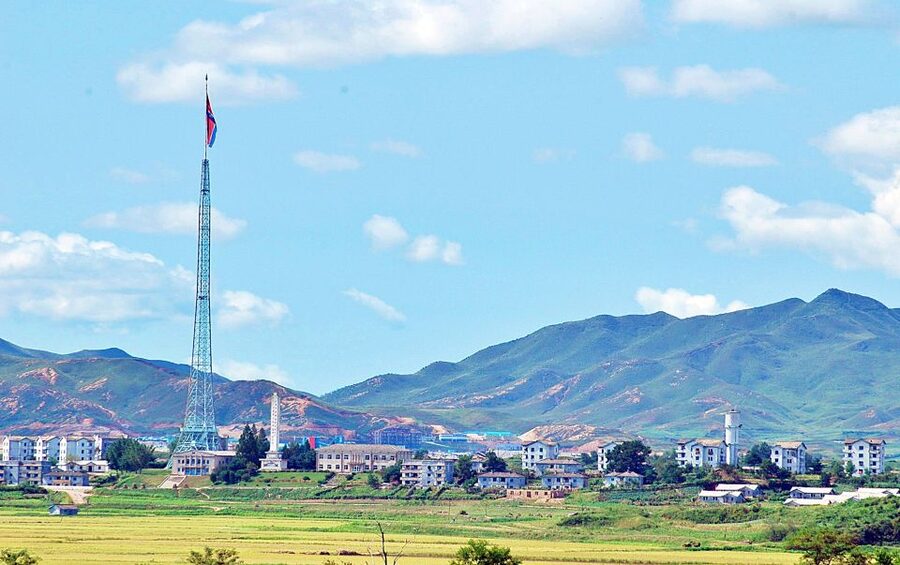
Dora Observatory is where you look across the border toward North Korea. On a clear day, you may see villages, hills, and parts of the northern side. Several hours of the tour lead up to this moment, so expectations should be realistic.
Weather matters. Rain, snow, haze, and low cloud can reduce what you see. A winter visit may offer crisp air and striking photographs, but it may also mean slippery paths and colder conditions. On a clear day, the view can be excellent, as long as you remember that this is a controlled observation area, not an unrestricted photo viewpoint.
The guide helps you understand what you are looking at and why the area matters. Without that explanation, it is easy to stare across the border and see only distant hills. With context, the viewpoint becomes a lesson in geography, military separation, and the unusual closeness of two countries that remain technically at war.
Unification Village and the controlled border zone
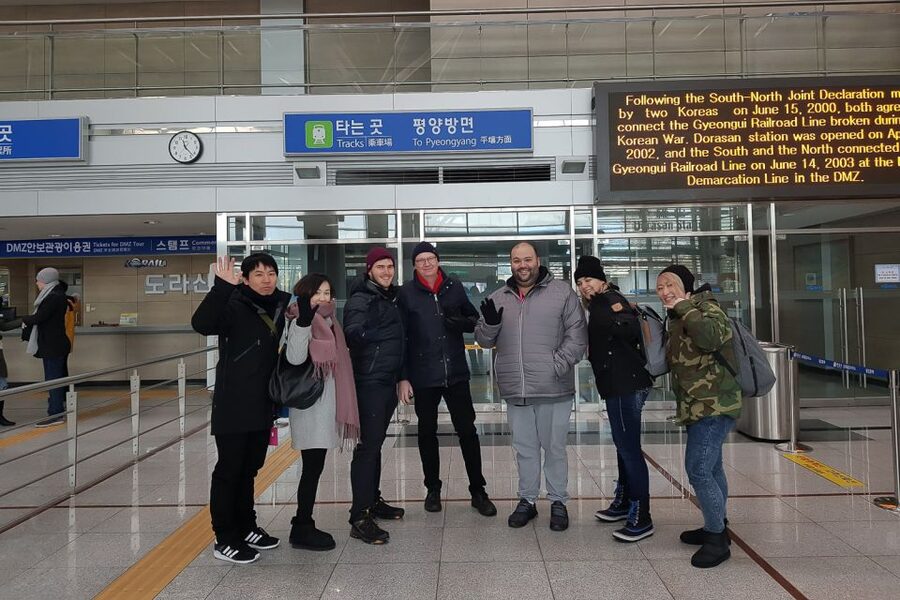
The visit to Unification Village lasts about 30 minutes and adds another layer to the day. The village sits in the border region and gives you a look at life near the DMZ rather than only at memorials and military sites.
Access and movement in this part of the tour are controlled. Stay with the group and follow the guide closely. The rules are not a nuisance added for tourists. They reflect the sensitive location and the need to keep the route organized.
This stop may feel quieter than the tunnel or observatory, but it helps you see that the DMZ is not an empty strip of land. People live and work near this border under unusual conditions.
Gamaksan Suspension Bridge and the day’s best breath of fresh air
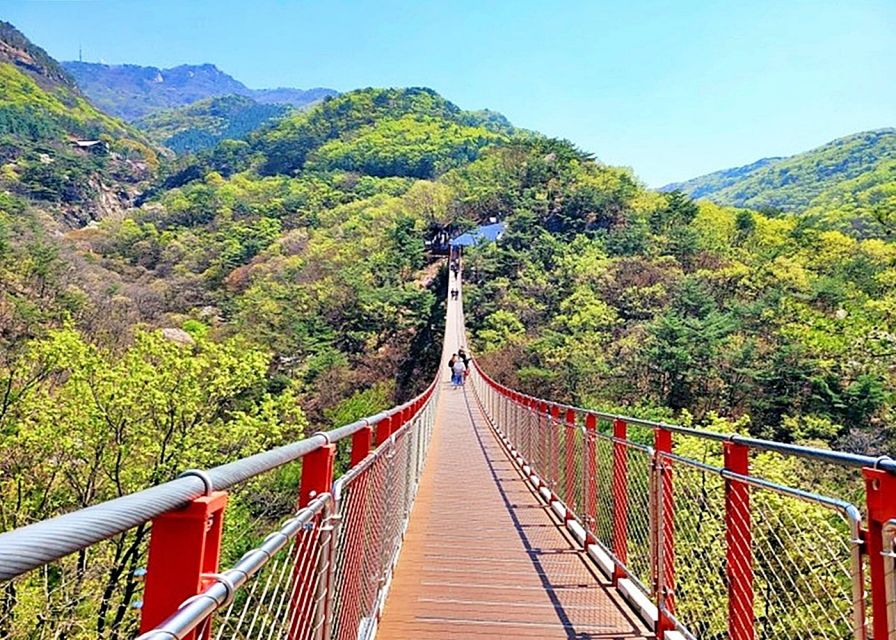
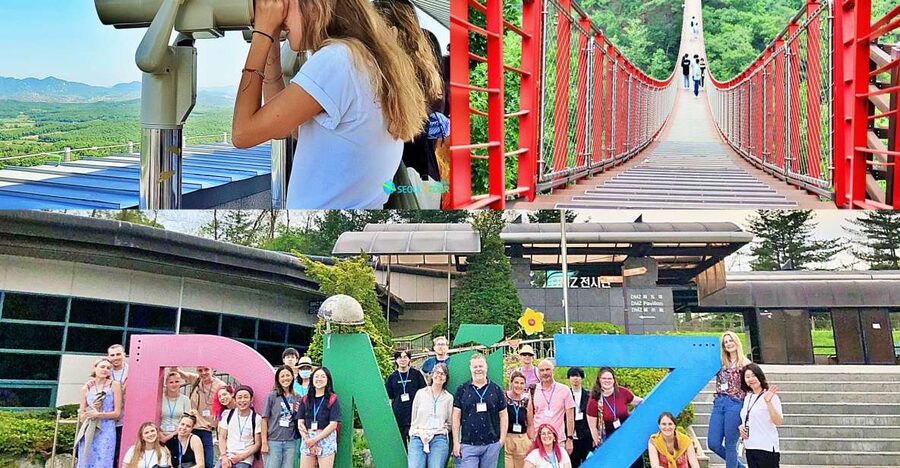
The final major stop is Gamaksan Suspension Bridge. After a day of museums, memorials, vehicles, and security checks, the bridge offers a change of pace. You walk through a mountain setting, cross the bridge, and enjoy open views and fresher air.
The bridge is also a physical challenge for some people. The route may be slippery in snow or rain, and anyone afraid of heights should think carefully before booking. Wear shoes with a good grip and avoid carrying more than you need.
This stop gives the tour a welcome outdoor finish. It is not part of the DMZ itself in the same way as the tunnel or observatory, but it balances the serious subject matter with scenery and movement. In clear weather, it can also be one of the best places for photographs.
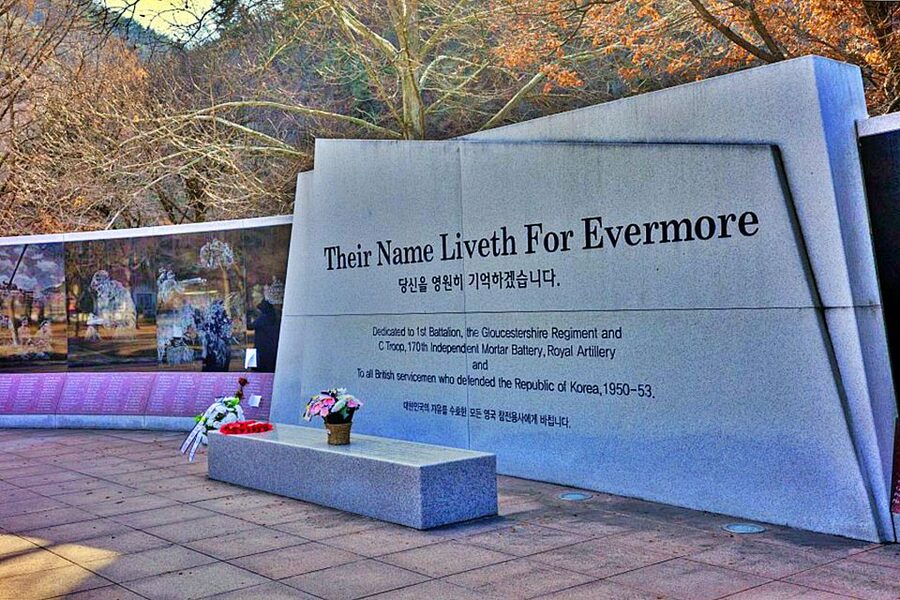
A memorial connected with British soldiers may be included around this part of the day, especially on routes that visit Gloster Hill Memorial Park. The exact Monday or holiday schedule can vary, so check which course is operating when you book.
Signature Course or Special Course: how the schedule changes
The Signature Course generally runs Tuesday through Sunday and includes the North Korea Experience Hall, Imjingak Park, Dora Observatory, the Third Tunnel, and the suspension bridge. It is the main choice if you want the classic DMZ experience with both the tunnel and the North Korea viewpoint.
The Special Course operates on Mondays, public holidays, or days when Dora Observatory and the Third Tunnel are closed. It includes the North Korea Experience Hall, Imjingak Park, the DMZ Peace Gondola, Gloster Hill Memorial Park, and the suspension bridge.
The Special Course is not simply a lesser version of the standard route. It gives you a different view of the border area and keeps the tour running on days when access changes. The important point is to understand that you may not visit the Third Tunnel or Dora Observatory if those sites are closed.
The year-round schedule is a real advantage for short Seoul visits. You do not have to build your entire trip around a single weekday, though you should confirm the available course before paying.
Is $55 good value for eight to ten hours?
At $55 per person, this is a reasonable price for a full-day outing from Seoul. Transportation, an English-speaking guide, entrance fees, and pickup from selected subway stations are included. Organizing the same route alone would be difficult because access, timing, and admissions are not as simple as ordinary sightseeing.
Lunch is not included, so budget for your own meal. Hotel drop-off is also not included, with drop-off listed at City Hall Station and another Seoul location. The exact return point can depend on the day’s arrangement, so do not schedule a tight evening activity.
The main value is the interpretation. A DMZ visit without context can become a sequence of fences, signs, and distant views. Here, the guide connects Imjingak, Mangbaedan, the tunnel, the observatory, and the defector story into one account of division and life in Korea today.
One small caution is the souvenir shopping. The day may include a stop intended to encourage purchases, and that can feel out of place after a serious historical program. You can treat it as optional browsing rather than a core part of the experience.
Who should book this tour?
I would choose this tour if you want a structured, history-focused day and prefer to have transport and border access handled for you. It suits first-time visitors to Korea, people interested in modern Asian history, and anyone who wants more than a quick photograph of North Korea.
It is also a good choice if you value a guide’s story and explanation. Guides such as Sookhee, Mr Young, BK, Junie, Brian Kim, and Yoon have been praised for clear English, good humor, careful timing, and personal attention. The exact guide is not guaranteed, but the guide can shape your understanding of the day.
I would think twice if you dislike long coach trips, strict schedules, enclosed spaces, or walking on uneven and slippery routes. The tour is not suitable for wheelchair users, people who use walkers, unaccompanied minors, pregnant women, people with serious medical conditions, or those with heart, respiratory, back, or blood pressure problems. It is also not recommended for people over 75, people afraid of heights, or anyone with claustrophobia.
Bring your passport. Wear comfortable closed shoes. Do not wear military-style clothing, and leave alcohol, drugs, walking sticks, non-folding strollers, and non-folding wheelchairs at home.
Should you book this DMZ experience?
Book it if you want the DMZ explained rather than merely photographed. The strongest parts are the defector story, the personal guiding, the Third Tunnel, and the chance to compare memorials, villages, and a border viewpoint in one day.
Choose the Signature Course for the classic route from Tuesday to Sunday. Choose the Special Course when you visit on a Monday, public holiday, or a day when the tunnel and observatory are closed. If you accept the long schedule, bring the right shoes, and understand that views depend on weather, the $55 cost is good value for a rare and serious day trip from Seoul.
FAQ
How long does the DMZ tour take?
The tour lasts about eight to ten hours, including transportation from Seoul and the return journey.
What sites are included on the Signature Course?
The Signature Course includes the North Korea Experience Hall, Imjingak Park, Dora Observatory, the Third Tunnel, and Gamaksan Suspension Bridge. The route also includes Freedom Bridge, Mangbaedan, and Unification Village.
What happens on Mondays and public holidays?
The Special Course operates on Mondays, public holidays, and days when the Third Tunnel or Dora Observatory is closed. It includes the North Korea Experience Hall, Imjingak Park, the DMZ Peace Gondola, Gloster Hill Memorial Park, and Gamaksan Suspension Bridge.
Is the tour available every day of the year?
A year-round DMZ program operates on available schedules, including Mondays and public holidays. The exact route depends on which sites are open that day.
What should I bring?
Bring your passport and comfortable shoes. You should also check your email for the confirmed pickup time and location.
Is lunch included?
No. Lunch is not included in the tour price.
Does the tour visit the Joint Security Area?
No. A visit to the JSA is not included.
Where does pickup and drop-off take place?
Pickup is available from selected subway stations and the Hamilton Hotel area, including locations near Gangnam, Hongik University, Itaewon, Myeongdong, and City Hall. Drop-off is listed at City Hall Station and another Seoul location. The exact pickup details are sent by email one day before the tour.
Just added around Seoul
- Your Personal Seoul Photographer!★ 4.1 · 15 reviews
- From Seoul: Hwacheon Ice Fishing and Lighting Festival Tour★ 4.5 · 4 reviews
- You’re Invited to Our Home in Seoul: The Only Cooking Class!★ 5.0 · 8 reviews
- Seoul: Gangneung BTS K-Pop & K-Drama Filming Locations Tour★ 4.6 · 14 reviews
- Unique Native Experience : Han River Picnic, Board game, BBQ★ 5.0 · 3 reviews
- 2-Hour Private Kayaking and Paddleboarding Experience in Hanriver★ 5.0 · 3 reviews
- Yun Korean Cooking Class in Seoul★ 5.0 · 6 reviews
- Day Trip to Yongin Daejanggeum and Korean Folk Village from Seoul★ 4.0 · 9 reviews
Seoul DMZ Tours, compared.
Best DMZ Tour Korea from Seoul (Red Suspension Bridge Optional)
Read our review →
DMZ Tour: 3rd Tunnel, Option(Suspension Bridge, Boat) from Seoul
Read our review →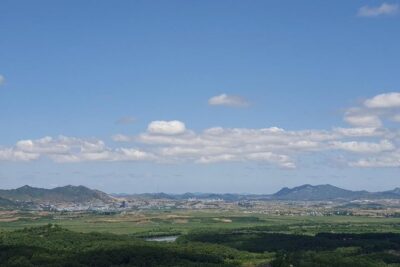
DMZ tour south Korea from Seoul (NK experience hall, defector)
Read our review →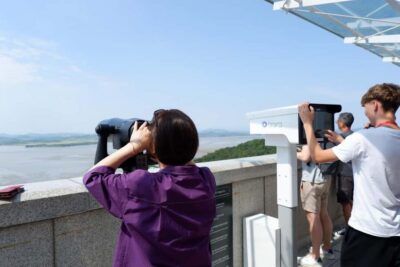

Signature DMZ Tour: Exclusive Defector Talk & Suspension Bridge
Read our review →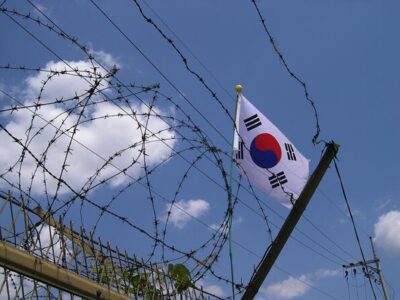
Thrilling Korean DMZ 3rd Tunnel Tour from Seoul + Red Bridge Rush
Read our review →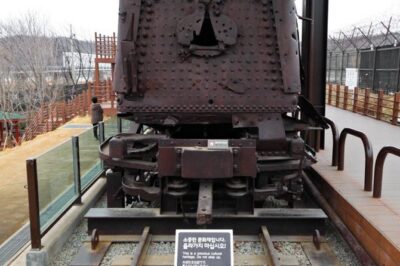
DMZ Past and Present: Korean Demilitarized Zone Tour from Seoul
Read our review →
Ultimate Korea DMZ Tour from Seoul (Gondola & Suspension Bridge)
Read our review →Browse the lists this tour appears in