
Reviewed · SEOUL PHOTOSHOOTS
Seoul Film Camera Club
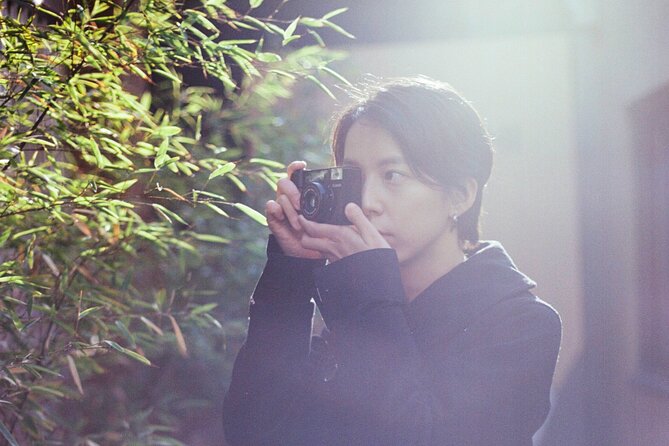
Hongdae looks different through a film camera. Instead of firing off endless phone photos, you get 36 chances to notice a narrow lane, a Korean-style house, a cafe front, or a passing slice of neighborhood life. The three-hour walk covers Hongdae and Yeonnam-dong, including the Maze Road area, with guide Kinam helping you use the camera and read the neighborhood.
I like two things here. First, Kinam teaches beginners patiently, so you do not need photography experience. Second, the finished film becomes a physical memory of Seoul, with development and scanning handled for you. The main drawback is the fixed roll of 36 shots: you cannot check your pictures as you go, and every press of the button counts.
Key points
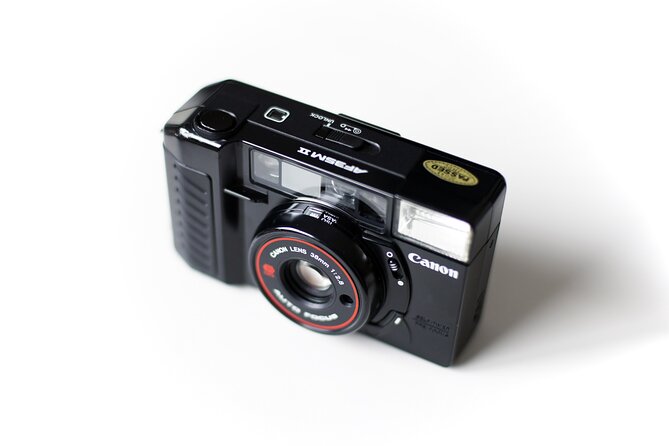
- Shoot Hongdae on real Kodak film: You receive an automatic Canon film camera and one 36-shot roll.
- Walk Yeonnam-dong’s Maze Road: The route includes narrow streets, cafes, Korean-style houses, and local neighborhood views.
- Learn from Kinam: He explains basic camera use and adds context about the area in English.
- Keep the finished photographs: The film is developed, scanned, and sent through a download link.
- Stay in a group of four or fewer: The small size allows room for questions and personal guidance.
- Pay $55 for a three-hour creative walk: The price includes the camera, film, processing, and scans, but not food or drinks.
Seeing Hongdae one frame at a time
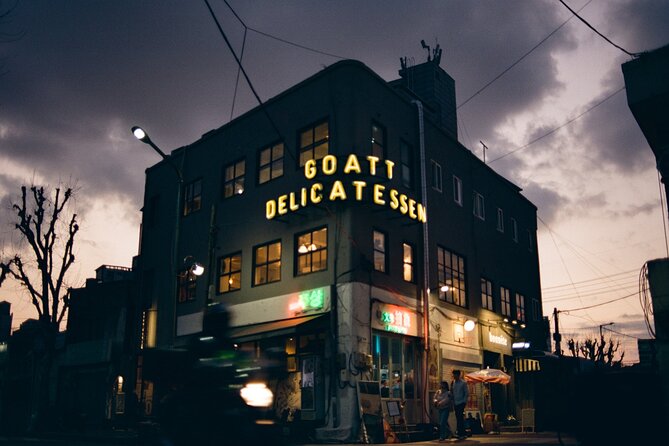
Hongdae is easy to experience as a noisy entertainment district. This tour asks you to slow down and look closer. With a film camera in hand, you are not simply collecting snapshots of famous streets. You are deciding what deserves one of your limited frames.
That small limit changes your pace. You may study the light on a wall, wait for a person to pass through an alley, or frame a cafe sign more carefully. The automatic Canon keeps the technical side manageable, so your attention can stay on the scene in front of you.
You receive Kodak film with 36 exposures. That is enough for a satisfying three-hour walk if you shoot with care, but it is not unlimited. I see this as part of the appeal, though it may frustrate anyone who prefers taking dozens of quick images and choosing the best ones later.
The tour suits beginners especially well. Kinam starts with the basics and explains how the film camera works in clear, simple terms. You press the button, and he takes care of the less glamorous part afterward.
More photoshoots in Seoul:
- Hanbok Photoshoot and History Tour at Gyeongbokgung Palace
★ 5.0 · 276 reviews - Street photoshoot and Seoul Hidden gem History Walking Tour
★ 5.0 · 68 reviews - Seoul High-Quality Night Photography
★ 5.0 · 26 reviews
Meeting at Hongik University Station Exit 3
The meeting point is Exit 3 of Hongik University subway station. This puts you right at the edge of Hongdae, a useful starting place for a walking tour focused on the neighborhood.
You return to the same general starting point after the three-hour route. The walk itself is the main activity, so plan around being on your feet for the duration. Food and drinks are not included, but the route may give you several ideas for what to eat afterward.
The small group limit is four participants. That matters with a camera activity. You can ask Kinam to explain a setting again, show you how to frame a subject, or suggest a good way to approach a scene without competing with a large crowd.
The activity is conducted in English. If you want a guide who can explain both the camera and the area in English, this is a straightforward fit.
Walking Yeonnam-dong and Maze Road
The route includes Hongdae Street and the famous Maze Road area in Yeonnam-dong. Rather than treating Hongdae as one large shopping and nightlife zone, the walk brings attention to its smaller streets and side lanes.
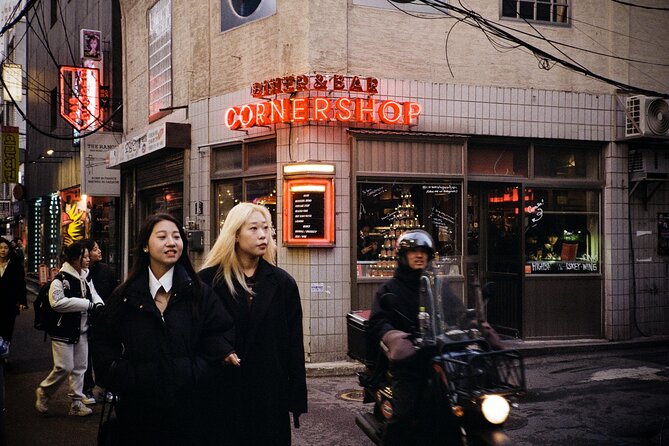
You might photograph narrow alleys, funky cafes, and Korean-style houses. These details give your roll more variety than a sequence of storefronts. You get the chance to make pictures that feel tied to the character of the neighborhood, not just its most obvious signs.
Kinam also explains the area as you walk. That local context adds purpose to the route. You are not only looking for a pleasing frame. You are learning why a street or corner matters within Hongik University’s neighborhood.
The route is described as a photo stop and guided walk rather than a formal list of monuments. That is good news if you want a flexible neighborhood view, but less useful if you expect a major sightseeing checklist. The focus is on observation, photography, and conversation.
What Kinam adds to the experience
A camera can make an ordinary walk more interesting, but the guide is what gives the activity shape. Kinam explains the camera for beginners, answers practical questions, and points out places worth noticing.
His local knowledge also extends beyond photography. You can ask for restaurant recommendations during the walk, which is useful in an area with many eating options. The advice becomes a handy bonus rather than a separate food tour.
The personal scale helps here. With only four people, the experience can feel more like a walk with a local friend than a standard group excursion. You can take your time with a subject, ask about the neighborhood, or admit that you have no idea what the camera is doing.
That said, the quality of your experience will partly depend on what you want from a guide. If you are seeking detailed technical instruction in advanced photography, an automatic camera and beginner-focused explanation may feel basic. If you want a relaxed introduction to film while learning about Hongdae, the level is more suitable.
A different kind of day out around Seoul:
- Best DMZ Tour Korea from Seoul (Red Suspension Bridge Optional)
★ 5.0 · 41,422 reviews - DMZ Tour: 3rd Tunnel, Option(Suspension Bridge, Boat) from Seoul
★ 5.0 · 21,373 reviews - DMZ tour south Korea from Seoul (NK experience hall, defector)
★ 5.0 · 20,599 reviews - Seoul: DMZ Tour with Optional Suspension Bridge
★ 4.8 · 5,277 reviews
Why film makes this walk different
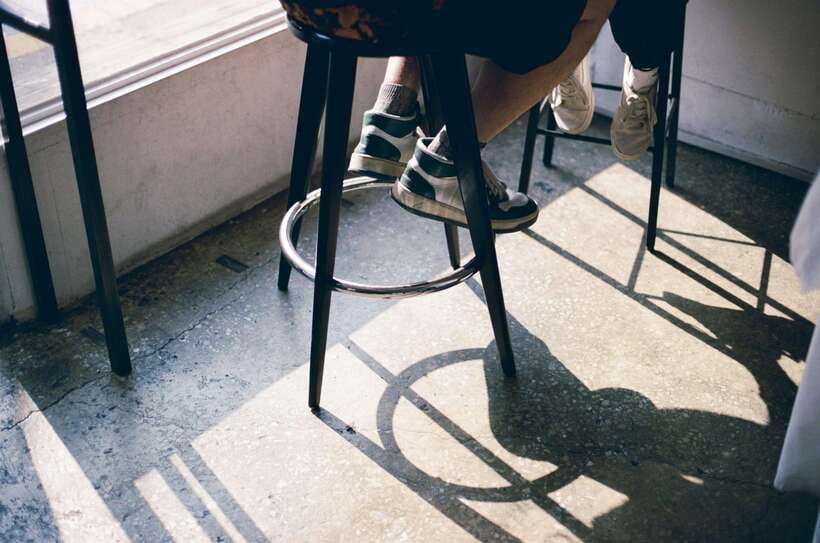
Digital photography gives you speed and control. Film gives you limits and suspense. You will not see the image immediately, correct the composition, or erase a frame that did not work.
For some people, that uncertainty is the point. You leave Seoul with photographs that were made slowly and intentionally. The pictures may include small imperfections, but those imperfections can make them feel more connected to the moment.
The automatic Canon reduces the intimidation factor. You do not need to know how to set every camera control before you begin. Kinam explains the basic operation, and you concentrate on choosing subjects and pressing the shutter.
I would still recommend treating each exposure as valuable. Look through the viewfinder carefully, check what sits around the main subject, and avoid wasting frames while simply testing the camera. You have 36 shots, not an unlimited memory card.
The experience also works well for people who rarely think of themselves as photographers. You do not need a polished portfolio or a special eye. The walk gives you a reason to notice ordinary scenes, and the film gives the outing a clear result.
The end of the walk: development and scans
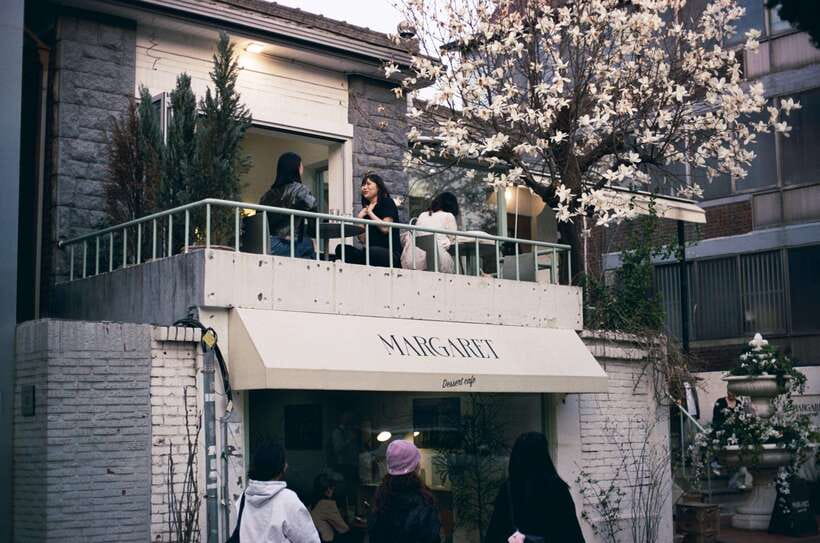
The strongest practical feature is that the work does not stop when you return. The film is developed and scanned for you, and a download link is sent afterward.
That saves you from finding a film lab in Seoul or worrying about how to transport an undeveloped roll home. It also makes the $55 price easier to assess. You are paying for the guided walk, the camera, the Kodak roll, and the processing and scanning.
The final scans also solve the problem of modern sharing. You can keep digital copies while still having made the photographs on film. The physical roll and the finished images give you a more lasting souvenir than a quick phone folder that may never be opened again.
The timing of the scans is not specified, so you should not assume you will receive them immediately after the tour. If you are leaving Seoul very soon, keep that in mind when planning. You receive a download link, but the exact delivery schedule is not stated.
Is $55 a fair price?
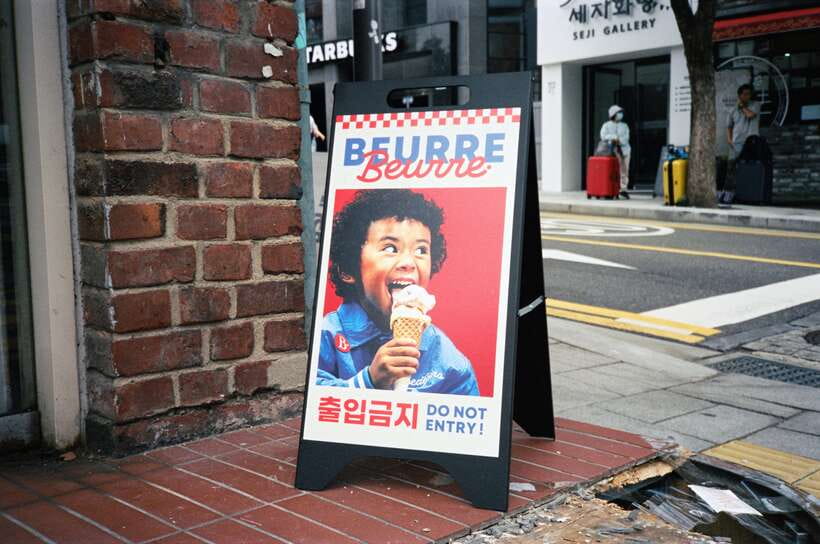
At $55 per person, this is not the cheapest way to walk around Hongdae. You could explore the streets on your own for the cost of transportation and take phone photos for free.
The comparison changes once you count what is included. You receive an automatic Canon film camera, a full 36-shot Kodak roll, an English-speaking guide, film development, and scanning. You are also paying for a planned route and for Kinam’s ability to explain both the camera and the neighborhood.
I think the value is strongest for a first-time film user. Buying or renting a camera, finding film, locating a processing shop, and learning the basics on your own can take more time than expected. Here, the process is packaged into one three-hour activity.
The value is less clear for an experienced photographer who already owns a film camera and knows Hongdae well. That person may prefer to explore independently and spend the $55 on additional film or meals. The tour is about guidance and access to a simple creative format, not advanced equipment.
Because meals and drinks are not included, add your own food budget. The restaurant tips from Kinam may help you choose where to eat after the walk, but this is not a food tour.
Who should book this Hongdae photo walk?
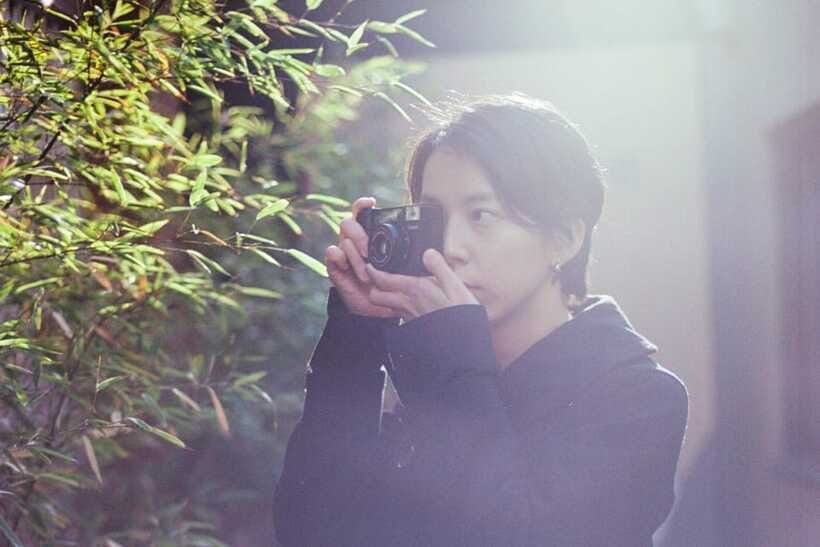
I would choose this activity if you want to see Seoul through a slower, more personal lens. It fits people who enjoy street scenes, local neighborhoods, small creative activities, and souvenirs with a direct connection to a particular day.
It is a particularly good match for:
- First-time film photographers
- Couples or friends who want a shared creative activity
- Solo visitors who prefer exploring with a local guide
- People who want neighborhood detail instead of a standard sightseeing route
- Anyone looking for a memorable Seoul keepsake
It may not be right for you if you need instant photos, dislike walking for three hours, or want a large number of images. The fixed 36-shot roll requires patience, and film does not guarantee that every frame will be perfect.
Families and mixed-age groups should also consider the format carefully. The available information confirms a small group of up to four, but it does not give a minimum age or specific accessibility details. Ask the provider before booking if those points matter for your group.
Booking details worth knowing
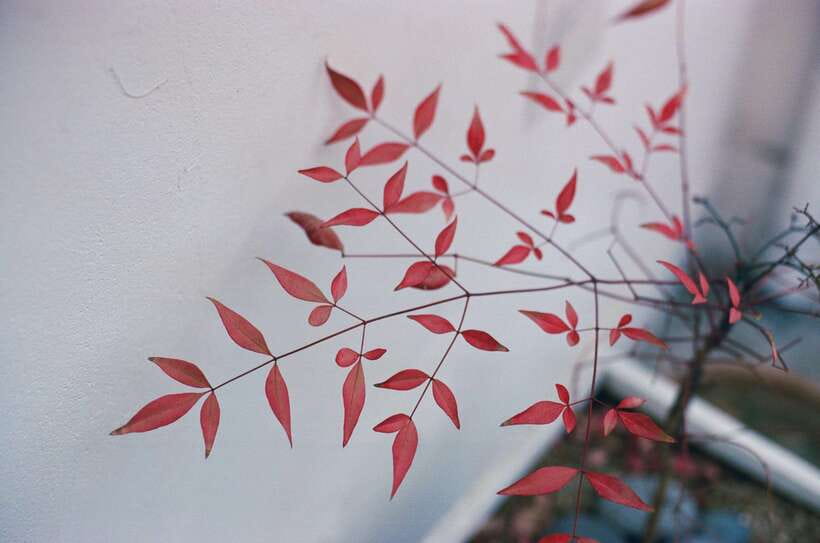
The tour lasts three hours and starts at times shown when you check availability. The guide language is English, and the group is limited to four participants.
You can cancel up to 24 hours in advance for a full refund. The reserve-now, pay-later option lets you hold a place without paying at the time of booking, which is useful when your Seoul schedule is still changing.
The meeting point is Hongik University subway station Exit 3. The activity returns to the starting point area after the walk. Bring only what you need for a neighborhood stroll and keep space available for the camera.
Since the camera and film are supplied, you do not need to bring photography equipment. You may bring your own phone if you want quick digital snapshots too, but the main purpose here is to work with the provided film camera.
My verdict on the Seoul Film Camera Club
I would book this tour if I wanted a guided introduction to film photography and a different way to read Hongdae. Kinam’s patient camera instruction, local stories, restaurant suggestions, and knowledge of the Hongik University area give the walk more substance than a simple camera rental.
The best reason to go is the combination of small-group guidance and a finished set of film scans. You get help while making the pictures, then receive a useful digital record afterward.
Skip it if you already know film well, prefer complete independence, or want instant results. For everyone else, $55 is a reasonable price for a three-hour creative walk, a camera, film, processing, and a personal look at Yeonnam-dong.
FAQ
Where does the Seoul Film Camera Club experience meet?
You meet at Exit 3 of Hongik University subway station.
How long does the experience last?
The activity lasts three hours.
What areas will I visit?
The walk covers Hongdae Street and the Maze Road area of Yeonnam-dong.
Who leads the experience?
The guide is Kinam, who explains how the film camera works and shares information about the Hongik University neighborhood.
Is the tour conducted in English?
Yes. The live guide language is English.
What camera do I receive?
You receive an automatic Canon film camera.
How much film is included?
You receive one roll of Kodak film with 36 shots.
Are film development and scans included?
Yes. The film is developed and scanned, and you receive a download link for the images.
Are meals and drinks included?
No. Meals and drinks are not included.
How many people can join the group?
The group is limited to four participants.
Can I cancel for a full refund?
Yes. You can cancel up to 24 hours in advance for a full refund.
Do I pay at the time of booking?
The reserve-now, pay-later option lets you book without paying immediately.
Just added around Seoul
- Your Personal Seoul Photographer!★ 4.1 · 15 reviews
- From Seoul: Hwacheon Ice Fishing and Lighting Festival Tour★ 4.5 · 4 reviews
- You’re Invited to Our Home in Seoul: The Only Cooking Class!★ 5.0 · 8 reviews
- Seoul: Gangneung BTS K-Pop & K-Drama Filming Locations Tour★ 4.6 · 14 reviews
- Unique Native Experience : Han River Picnic, Board game, BBQ★ 5.0 · 3 reviews
- 2-Hour Private Kayaking and Paddleboarding Experience in Hanriver★ 5.0 · 3 reviews
- Yun Korean Cooking Class in Seoul★ 5.0 · 6 reviews
- Vivaldi Park Winter Ski Resort with Nami Island Tour from Seoul★ 4.5 · 7 reviews
Seoul Photoshoots, compared.
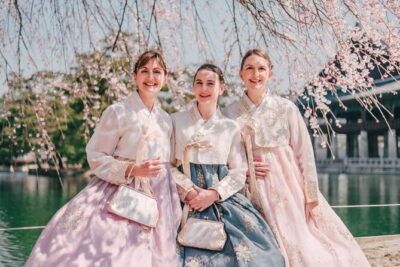
Hanbok Photoshoot and History Tour at Gyeongbokgung Palace
Read our review →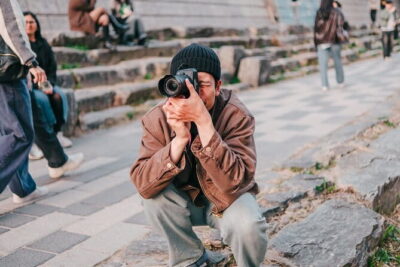
Street photoshoot and Seoul Hidden gem History Walking Tour
Read our review →
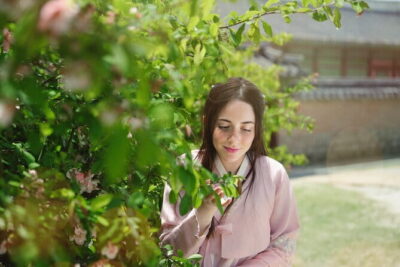

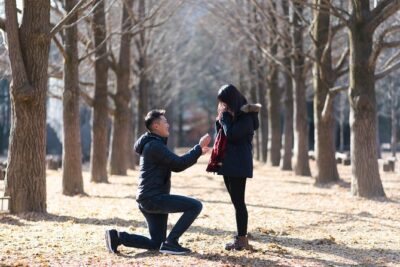
Private Nami Island Photo Shoot and Tour with a Photographer
Read our review →
Browse the lists this tour appears in