
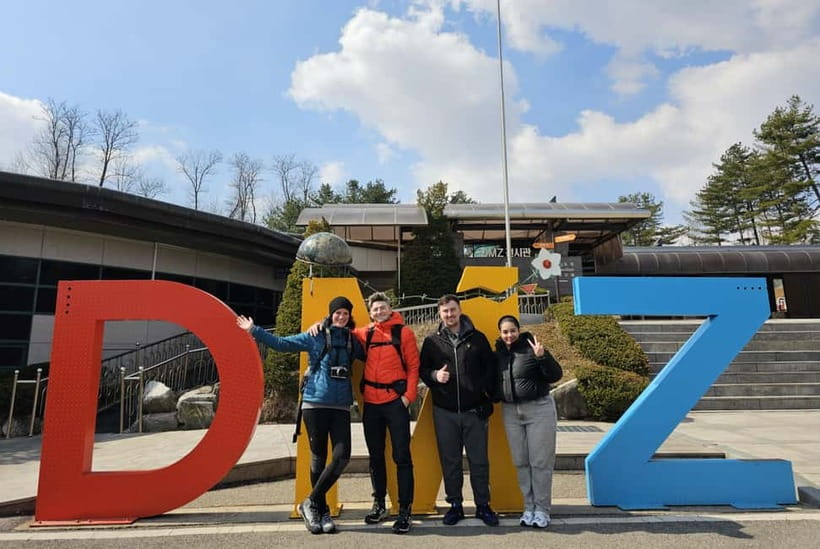
Reviewed · SEOUL DMZ TOURS
Seoul: Paju DMZ Private Tour with Former US Military Base
The most striking part of this day is the Third Infiltration Tunnel, where you walk through a cramped passage built by North Korea beneath the border. Pair that with the former US base at Camp Greaves, and the DMZ becomes more than a distant viewpoint. You get a physical sense of the Cold War and its unfinished story.
I like the way this tour combines major sights with a guide-led explanation. I also like the convenient hotel pickup and drop-off, which matters on a long day outside Seoul. The main drawback is the price: at $483 per person, lunch and the optional Peace Gondola cost extra, so this is a serious splurge.
Guides including Julie, John, Jonathan, Jenny, Joo Lee, and Chuck Park have been praised for clear explanations and thoughtful answers. The tour can feel personal when numbers are low, but the exact vehicle and group size may vary.
Key points at a glance
- Camp Greaves gives you a rare look at a former US military base, including barracks, military facilities, ammunition depots, and Cold War-era remains.
- The Third Infiltration Tunnel is physical and claustrophobic, with a steep descent, a long walk, and safety helmets.
- Dora Observatory offers views toward North Korea, including Kaesong and, on clear days, statues of Kim Il-sung.
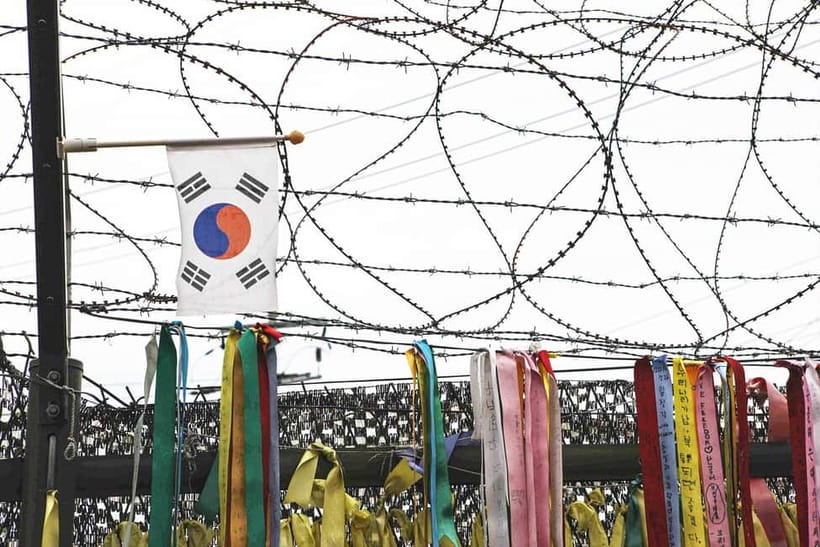
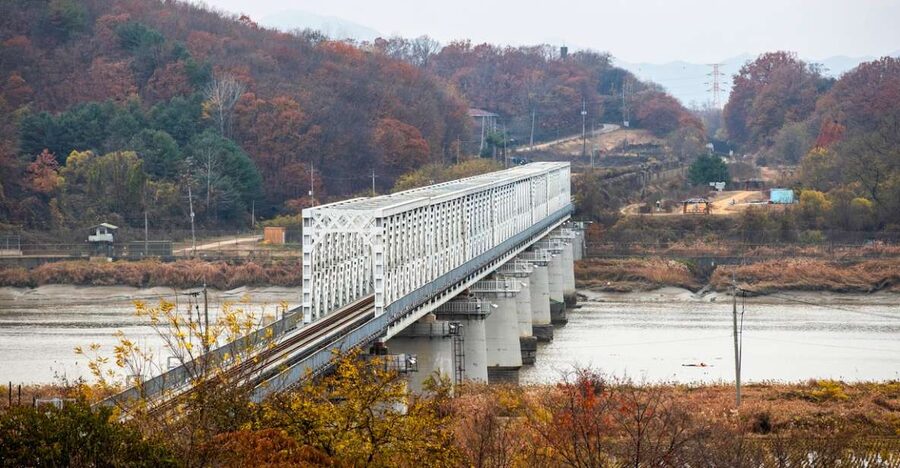
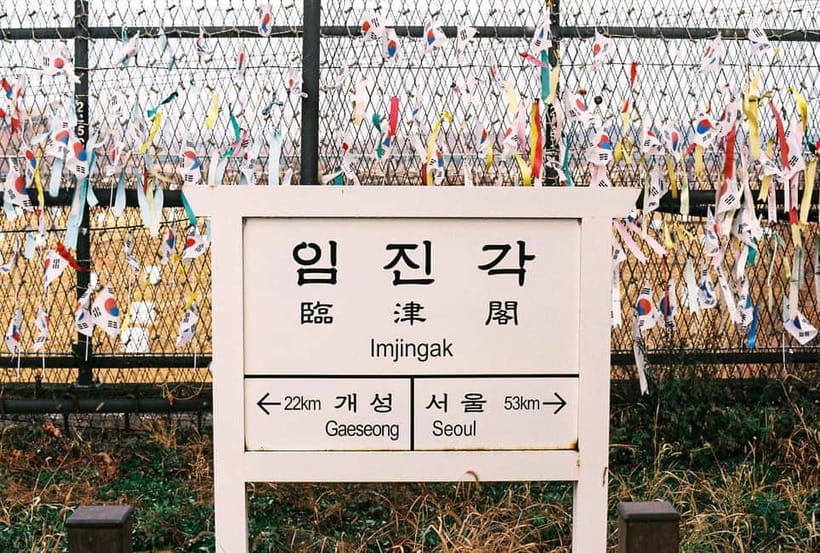
- Imjingak adds the human side of the divide, with memorials, the Imjin River, and reminders of separated families and reunification hopes.
- A Peace Gondola ride is available for an extra fee, but it is not included in the tour price.
- The ten-hour schedule is full, so expect a long day shaped by traffic, weather, and border security.
Why this DMZ day feels different
Many visits to the Korean Demilitarized Zone focus on a single lookout or a quick photo stop. This Paju tour gives you several ways to understand the border: a memorial park, a former military base, an underground passage, and a high viewpoint toward North Korea.
That variety is the real strength. You are not simply told that Korea remains divided. You see the barriers, military traces, and controlled access for yourself. The day moves from reflection at Imjingak to the more tangible remains at Camp Greaves, then into the tunnel and up to Dora Observatory.
Your guide matters here. The route includes a lot of history, military terminology, and political context. Guides such as Julie and Jonathan have been praised for making the material easy to follow, while Chuck Park has been singled out for answering questions about the area and the two Koreas.
The tone is serious, but it does not have to feel grim. Some guides also add everyday details about life in South Korea, which helps connect the major events to the country you are visiting now.
More DMZ tours in Seoul:
- Best DMZ Tour Korea from Seoul (Red Suspension Bridge Optional)
★ 5.0 · 41,422 reviews - DMZ Tour: 3rd Tunnel, Option(Suspension Bridge, Boat) from Seoul
★ 5.0 · 21,373 reviews - DMZ tour south Korea from Seoul (NK experience hall, defector)
★ 5.0 · 20,599 reviews
Leaving Seoul for Imjingak Park
The day begins with hotel pickup in central Seoul. You should be ready in the lobby at least ten minutes before your scheduled time. The drive to the Paju area takes about 50 minutes under the stated schedule, though traffic can affect the timing.
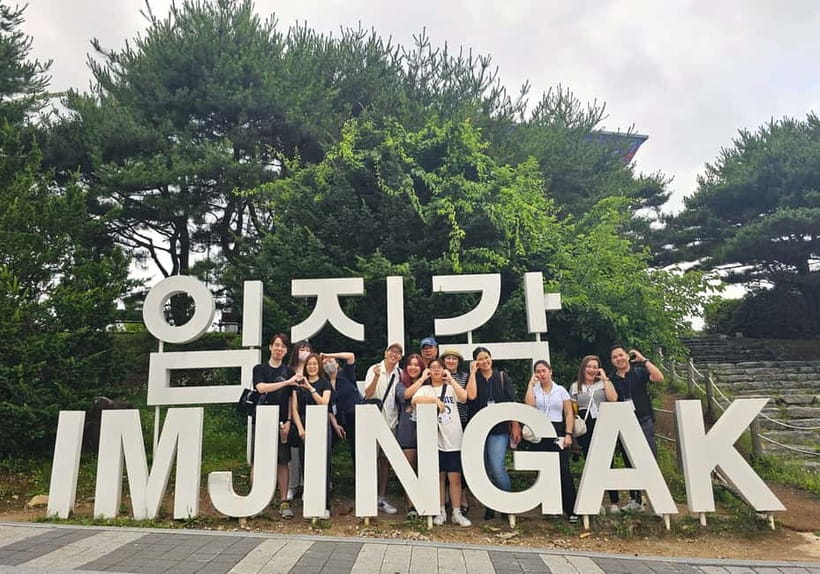
The first major stop is Imjingak, a park built around the memory of the Korean War and the hope of reunification. From here, you can look toward the Imjin River and the border region. It is a useful first stop because it introduces the emotional weight of the DMZ before the day moves into more restricted areas.
Allow about 40 minutes for sightseeing and free time at Imjingak. You may see memorial features and historic reminders tied to the war and the divided families created by it. This is not just a place to take a quick photograph. Give yourself time to read and think about what the border means to Korean families.
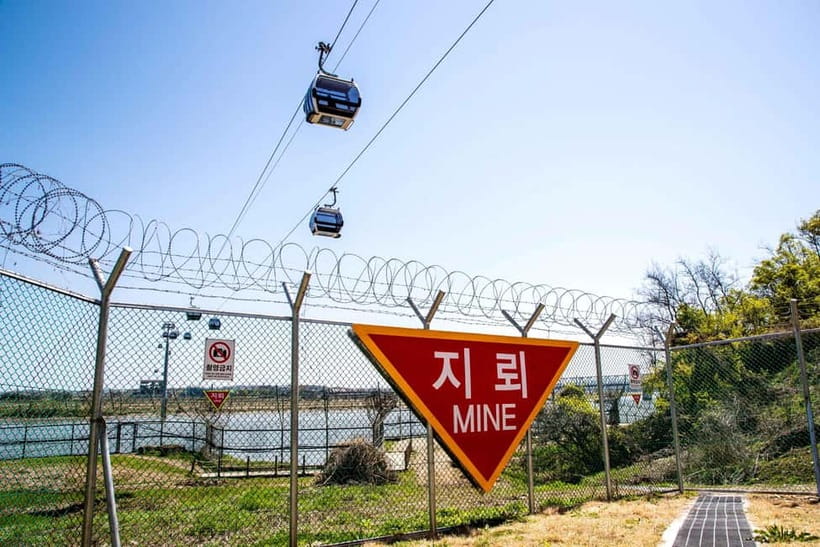
The Peace Gondola is an optional addition here or nearby. It crosses the Imjin River and takes about 30 minutes, but the ticket is not included. If you want the ride, budget extra and ask your guide how it fits the day’s schedule.
Camp Greaves and the remains of a US base
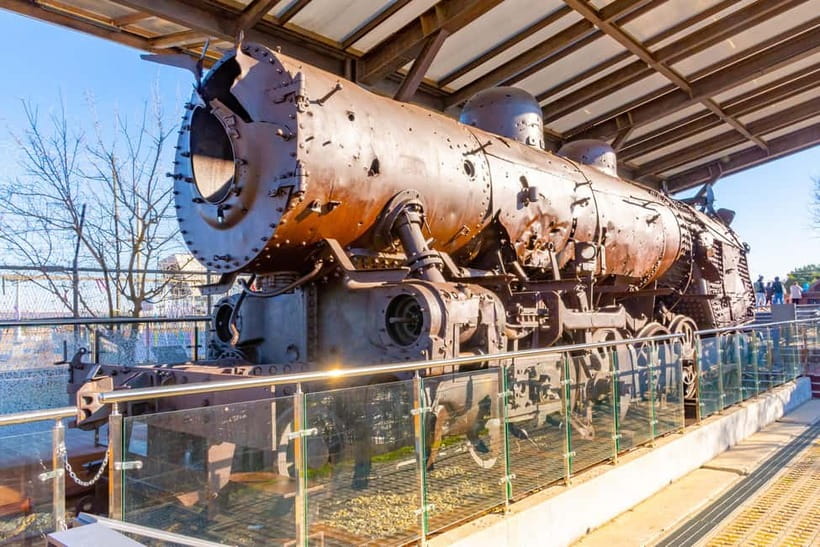
Camp Greaves is one of the more unusual parts of the experience. It was a former US military base used during the Korean War and later retained barracks, military facilities, ammunition depots, and other Cold War-era remains.
The base has since been turned into a peace and culture site. You can expect exhibitions and interactive programs alongside the old structures. That mix gives you something the more polished memorial sites cannot: physical evidence of how soldiers lived and worked near the border.
The scheduled visit lasts about 70 minutes. That is enough time to see the main area, take photographs, and listen to your guide, though it may feel short if you want to study every exhibit.
Camp Greaves also has an unusual link to Korean popular culture. It served as a filming location for Korean dramas, adding a lighter point of interest to a site otherwise shaped by military history. The filming connection should not distract from the base itself, but it may appeal to anyone interested in Korean television.
I especially like this stop for visitors who want more than standard war memorials. The buildings and military remains make the past easier to picture. The limitation is that access and available exhibits can depend on current site rules, so the visit may not feel like an unrestricted exploration of every structure.
Lunch and free time in Paju
After Camp Greaves, you have about an hour and a half around Imjingak or Paju for lunch and free time. Food is not included, so plan to pay for your own meal.
This break gives the day a needed pause. The tunnel and observatory require attention, and a full ten-hour outing can become tiring without a chance to sit down. You can also use this time to ask your guide about anything that was unclear earlier.
The precise food options are not specified, so do not book this tour expecting a planned Korean lunch as part of the package. If food is important to you, ask about the available choices at the stop or bring a small snack.
The timing also depends on traffic, security procedures, and weather. A flexible attitude helps. This is a border-area tour, not a city sightseeing route where every stop runs to the minute.
More private tours in Seoul:
- Private DMZ Tour (No Shopping): 3rd Tunnel & Suspension Bridge
★ 5.0 · 607 reviews - Seoul City Private Full-Day Tour Including Lunch
★ 5.0 · 469 reviews - Private DMZ the 3rd Tunnel Tour from Seoul (optional Red Bridge)
★ 5.0 · 429 reviews - Seoul Highlights & Hidden Gems Tours by Locals: Private + Custom
★ 5.0 · 359 reviews
Walking through the Third Infiltration Tunnel
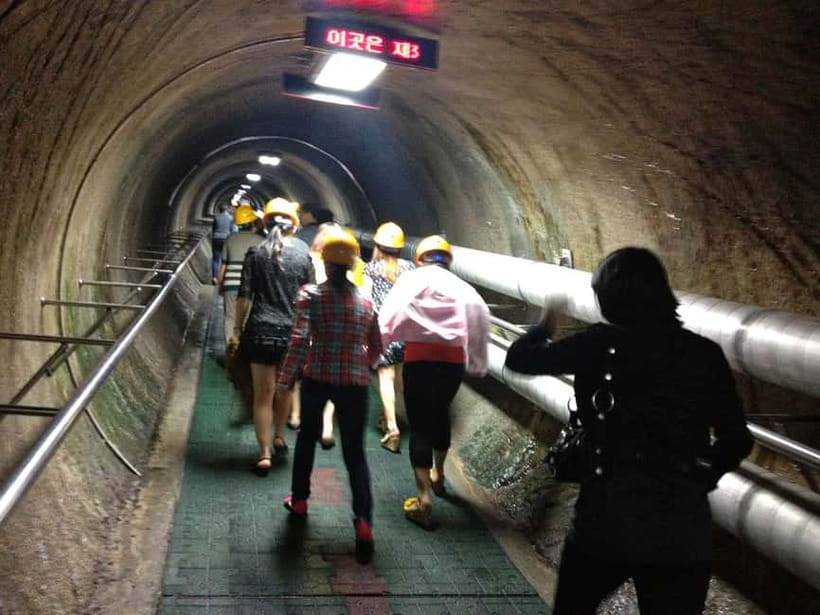
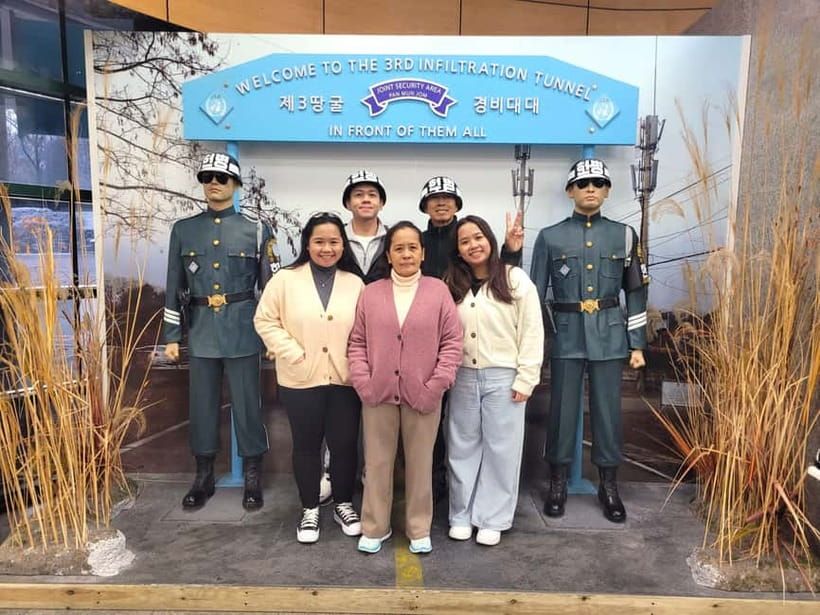
The Third Infiltration Tunnel is the most physical stop of the day. North Korea dug the passage during the Cold War, and it was discovered in the 1970s. The tunnel extends for more than 1.6 kilometers, though your visit covers the permitted visitor route rather than the whole passage.
You put on a safety helmet and descend into a dark, narrow space. The walk gives you a direct sense of the tunnel’s low ceiling and confined conditions. It is not a gentle museum visit. The route includes a descent and a return climb, and the cramped passage may be uncomfortable if you dislike tight spaces.
The scheduled time is about two hours, including the visit and walking. That makes this the longest stop on the tour. Wear comfortable shoes and clothing that lets you walk freely. A small bag is easier to manage than bulky luggage in a narrow underground passage.
The tunnel is valuable because it turns an abstract military story into something you can feel in your legs and shoulders. You are not only looking at a map of infiltration routes. You are walking through one.
It is also the clearest warning that this tour is not suited to everyone. The activity is not stroller or wheelchair-accessible, and the tunnel’s cramped conditions may challenge anyone with mobility limitations or a strong fear of enclosed spaces.
Looking toward North Korea from Dora Observatory
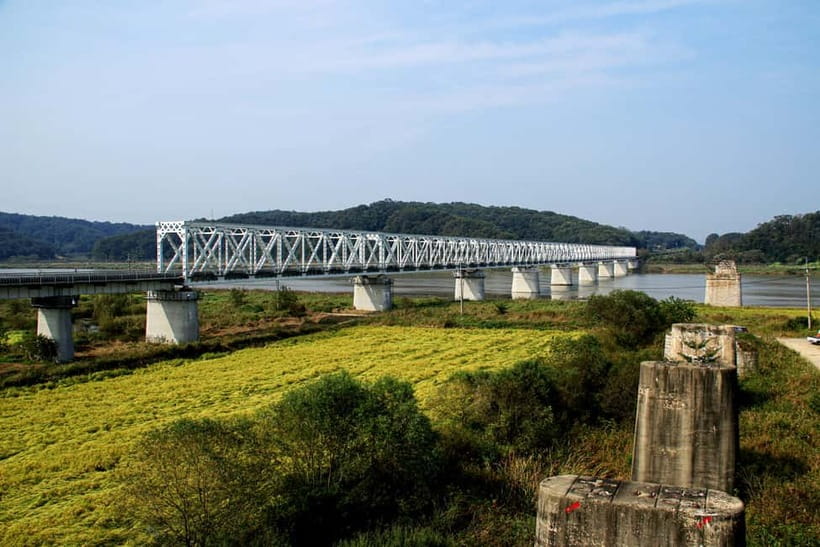
Dora Observatory sits at the highest point of the northern DMZ line and offers one of the few public places where you can look into North Korea through telescopes.
On a clear day, you may see North Korean border towns such as Kaesong. The telescopes can also reveal landmarks including statues of Kim Il-sung. Visibility is the key variable here. Weather and haze can reduce the view, so keep your expectations realistic.
You have about an hour for the observatory. Your guide can explain what you are looking at and help place the distant towns and border features in context. Without that explanation, the view may seem like a stretch of hills and distant buildings.
The observatory is quieter in mood than the tunnel. After walking underground, you are back in open air, looking across a border that is both visible and difficult to comprehend. That contrast gives the day a strong rhythm.
How the ten-hour schedule works
The full day is planned for about ten hours, including roughly 1.5 hours for the return journey to Seoul. Drop-off options include Seoul, Dongdaemun History & Culture Park Station Exit 10, Hongik Univ. Station Exit 3, and Lotte Department Store Main Store.
Hotel pickup and drop-off are included for hotels within central Seoul. If your accommodation sits outside that area, confirm the pickup arrangement before booking rather than assuming door-to-door service.
Transportation is included, which is important here. Reaching Paju independently requires planning around restricted areas, admission procedures, and changing access rules. With a guide and arranged transport, you can focus on the sites instead of managing the route.
The schedule can change because of traffic, weather, or security conditions. The DMZ can also close for security reasons. In other words, you are paying for access and organization, but no tour can guarantee every stop under every condition.
The group is described as private, though the operating details can vary. Some English-speaking departures have been small, with one group of six described as feeling personal and another group of four moving quickly between stops. Ask how your chosen departure is organized if group size is important to you.
Is $483 per person good value?
At $483 per person, this is expensive for a day trip from Seoul. The price needs to be judged against what is included: hotel pickup and drop-off, round-trip transport, a live English or Chinese-speaking guide, DMZ admission, and the Camp Greaves experience fee.
You are also getting a ten-hour day with several major sites. If you tried to arrange transport, admission, and border-area access yourself, the convenience would be difficult to match. The guide’s historical explanation is another important part of the value, especially at Imjingak, the tunnel, and Dora Observatory.
Still, the extras add up. Lunch is not included, and the Peace Gondola requires a separate ticket. Insurance and personal expenses are also your responsibility.
I would consider the tour good value for someone who wants a full, guided DMZ day and does not want to manage the logistics. I would consider it poor value if you only want a quick view toward North Korea or if you are mainly seeking a low-cost outing.
What to bring and how to prepare
Bring a valid passport or ID for every person in your party, including children. The information supplied for booking must match the details on the passport exactly, or you may be refused entry to the DMZ area.
Wear comfortable walking shoes for the tunnel and bring clothing suitable for changing weather. A hat or water may help in warm conditions, but the most important preparation is practical: expect a long day, a lot of walking, and no guarantee that the weather will cooperate.
Children are charged the adult rate from age zero. The tour is not stroller or wheelchair-accessible. If you have mobility concerns, ask for current route details before paying.
The cancellation information should be checked carefully at booking because the supplied terms give two different deadlines: one says cancellation up to 24 hours in advance, while another says full refunds are available until 10 a.m. Korean time three days before the travel date. Confirm which rule applies to your selected departure.
Who should book this experience?
You should book this tour if you want the DMZ explained in context rather than viewed as a quick photo stop. It suits first-time visitors to Korea, history-minded visitors, families with older children who can manage the tunnel, and anyone who values door-to-door transport.
It is especially useful if Camp Greaves interests you. Many DMZ trips focus on the tunnel and observatory, while this one adds a former US military base with barracks, depots, exhibits, and Korean drama connections.
You may want a different option if you dislike enclosed spaces, need step-free access, want a relaxed schedule, or are watching your budget closely. The tunnel is central to the day, and the schedule leaves limited room for delays.
FAQ
How long does the Seoul DMZ tour last?
The tour lasts about 10 hours, including transportation from Seoul to the Paju area and back.
Is hotel pickup included?
Yes. Hotel pickup and drop-off are available within central Seoul. You should be ready in the hotel lobby at least 10 minutes before the scheduled pickup.
What languages are available?
The tour offers live guiding in English and Chinese.
Is the Peace Gondola included in the price?
No. The Peace Gondola is an optional activity, and its ticket costs extra.
What must I bring to enter the DMZ?
Bring a valid passport or ID for every person on the tour, including children. Your booking information must match the details on the passport.
Is the tour suitable for wheelchair users or strollers?
No. The activity is not stroller or wheelchair-accessible, and the Third Infiltration Tunnel includes a descent and a walk through a cramped passage.
Should you book this DMZ tour?
Book it if you want the most varied version of a DMZ day: memorials at Imjingak, military remains at Camp Greaves, a demanding walk through the Third Infiltration Tunnel, and a telescope view toward North Korea.
The price is high, but the included transport, admissions, and guide support make sense for a long border-area excursion. Just budget for lunch and the gondola, bring your passport, and accept that traffic, weather, and security may change the plan. For a first visit to the DMZ, this is a serious, well-filled day rather than a rushed photo opportunity.
Just added around Seoul
- Your Personal Seoul Photographer!★ 4.1 · 15 reviews
- From Seoul: Hwacheon Ice Fishing and Lighting Festival Tour★ 4.5 · 4 reviews
- You’re Invited to Our Home in Seoul: The Only Cooking Class!★ 5.0 · 8 reviews
- Seoul: Gangneung BTS K-Pop & K-Drama Filming Locations Tour★ 4.6 · 14 reviews
- Unique Native Experience : Han River Picnic, Board game, BBQ★ 5.0 · 3 reviews
- Yun Korean Cooking Class in Seoul★ 5.0 · 6 reviews
- 2-Hour Private Kayaking and Paddleboarding Experience in Hanriver★ 5.0 · 3 reviews
- Day Trip to Yongin Daejanggeum and Korean Folk Village from Seoul★ 4.0 · 9 reviews
Seoul DMZ Tours, compared.
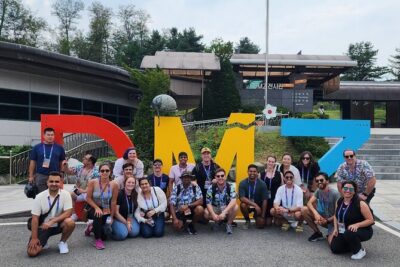
Best DMZ Tour Korea from Seoul (Red Suspension Bridge Optional)
Read our review →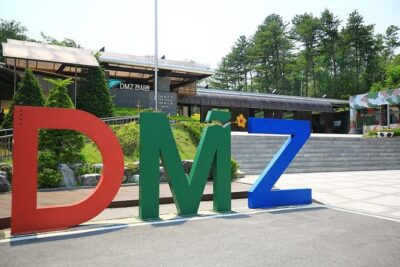
DMZ Tour: 3rd Tunnel, Option(Suspension Bridge, Boat) from Seoul
Read our review →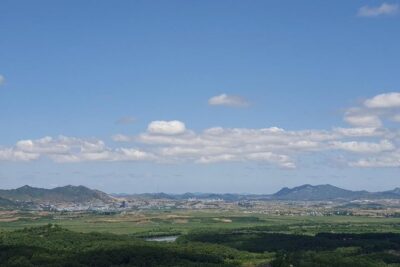
DMZ tour south Korea from Seoul (NK experience hall, defector)
Read our review →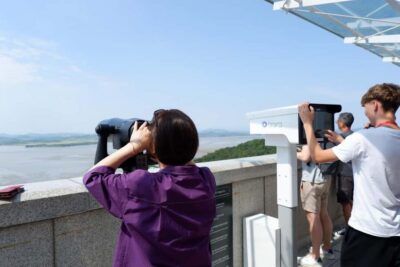

Signature DMZ Tour: Exclusive Defector Talk & Suspension Bridge
Read our review →
Thrilling Korean DMZ 3rd Tunnel Tour from Seoul + Red Bridge Rush
Read our review →
DMZ Past and Present: Korean Demilitarized Zone Tour from Seoul
Read our review →
Ultimate Korea DMZ Tour from Seoul (Gondola & Suspension Bridge)
Read our review →Browse the lists this tour appears in