
Reviewed · SEOUL DMZ TOURS
From Seoul: Aegibong Starbucks Observatory & DMZ View
North Korea is only about 1.4 kilometers away at Aegibong Peace Park, close enough to see villages and people when the air is clear. The experience combines that rare border view with a Starbucks café, a 112-meter suspension bridge, and a short history lesson about the Korean War and the divided Korean Peninsula.
I like the tour’s compact five-hour schedule and the fact that round-trip transport, a guide, and entrance fees are included. I also like the quiet setting at the Jogang River, which feels less like a major attraction than some of Seoul’s busier border excursions. The main drawback is simple: the view depends heavily on weather, so clouds or fog can hide North Korea.
Key things to know before you go
- North Korea is viewed from 1.4 kilometers away: The Jogang Observatory is among the closest public viewpoints in this area.
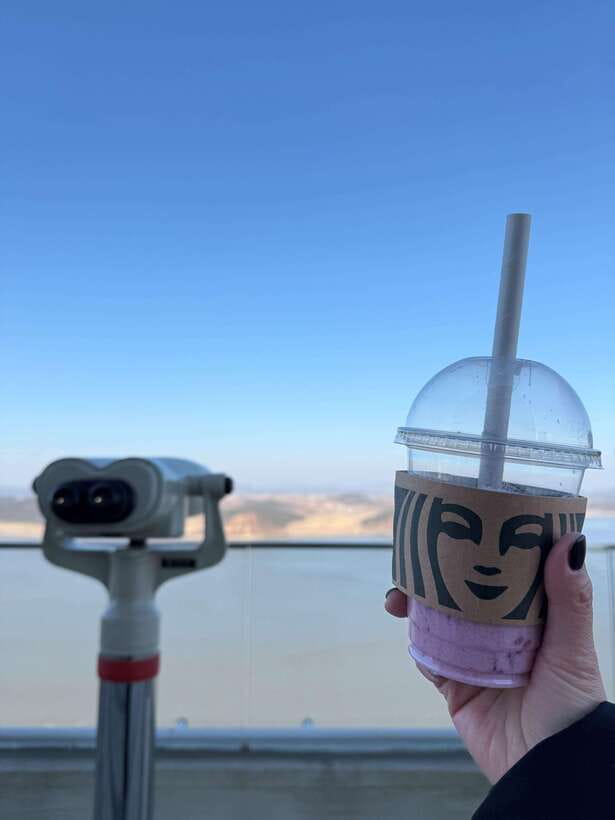
- The Starbucks café sits above Aegibong Peace Park: You can have a drink or snack while looking across the river.
- The suspension bridge is 112 meters long: It links the Themed Gardens with the Sky Forest Garden.
- The tour lasts five hours: About 1.5 hours is set aside for Aegibong Peace Eco Park and another 1.5 hours for the observatory area.
- English-speaking guides add useful context: Guides including Hana, Eva, Crystal, Gogo, Alice, and Yuna have been praised for clear explanations and practical help.
- Bring your passport: It is required for this border-area visit.
Why Aegibong feels different from a standard DMZ tour
Many visitors picture the DMZ as military checkpoints, barbed wire, and formal observation posts. Aegibong offers some of that border tension, but the setting is softer and more reflective. You look across the Jogang River from a park with gardens, exhibition spaces, and a café rather than spending the day moving between a long list of military sites.
That change of pace matters. You still gain a direct sense of how close North Korea is to South Korea, but you also have time to walk, take photographs, and absorb the setting. I find the contrast especially striking: a familiar coffee shop sits above a river connected to one of the world’s most sensitive borders.
The park occupies Hill 154, a strategic point near Gimpo. Its older name, Ssukgatmeori Mountain, referred to the shape of the hill, which was said to resemble a daisy crown. The site also carries a traditional story about the Governor of Pyeongan Province and Aegi during the Qing invasion of Joseon, as well as memories of fighting during the Korean War.
Your guide helps connect these layers. Guides such as Eva, Hana, Gogo, Crystal, and Alice have been praised for explaining the Korean War, life in North Korea, and the current border situation in clear English. The quality of that explanation matters here. Without context, you may see distant hills and a river. With context, the view becomes a reminder of communities divided by war and a ceasefire that still shapes daily life.
More DMZ tours in Seoul:
- Best DMZ Tour Korea from Seoul (Red Suspension Bridge Optional)
★ 5.0 · 41,422 reviews - DMZ Tour: 3rd Tunnel, Option(Suspension Bridge, Boat) from Seoul
★ 5.0 · 21,373 reviews - DMZ tour south Korea from Seoul (NK experience hall, defector)
★ 5.0 · 20,599 reviews
Leaving Seoul for Gimpo
You can choose from several departure points in Seoul, including Myeong-dong, Hongik University Station Exit 3, and The Plaza Seoul, Autograph Collection. The exact meeting point depends on the option you book, so check it carefully before setting out.
The journey is by included round-trip transport. Several guides have been praised for sending clear meeting instructions and reminders before departure, while drivers and vehicles have also received strong marks for comfort. Some trips use a comfortable minibus or Mercedes bus, although the exact vehicle can vary.
I like this arrangement because Aegibong is not a simple subway-and-walk outing from central Seoul. Having a driver handle the route saves time and keeps the five-hour schedule practical. It also means you can listen to the guide’s explanation on the way rather than trying to organize transport across the city and into Gimpo yourself.
The return point is Hongik University Station Exit 4. That is useful if you plan to continue sightseeing, eat in the Hongdae area, or return to your hotel by subway. The tour has also been timed so that you may still have much of the afternoon or evening free, depending on the departure time.
Aegibong Peace Eco Park: gardens, stories, and a border view

The first main stop is Aegibong Peace Eco Park, where you have about 1.5 hours for a guided visit, walking, and sightseeing. The park mixes outdoor paths with exhibition spaces and elevated viewing areas.
The park’s cultural setting is worth your attention. Aegibong is not only a photo stop. It is tied to a local legend and to the Korean War, and its position made it an important military point. The guide’s job is to explain why this hill matters instead of treating it as just another place to point a camera toward North Korea.
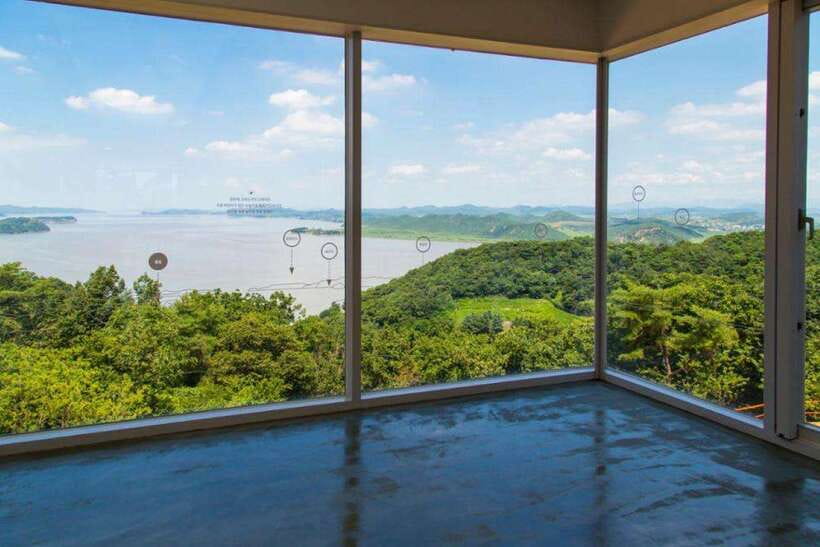
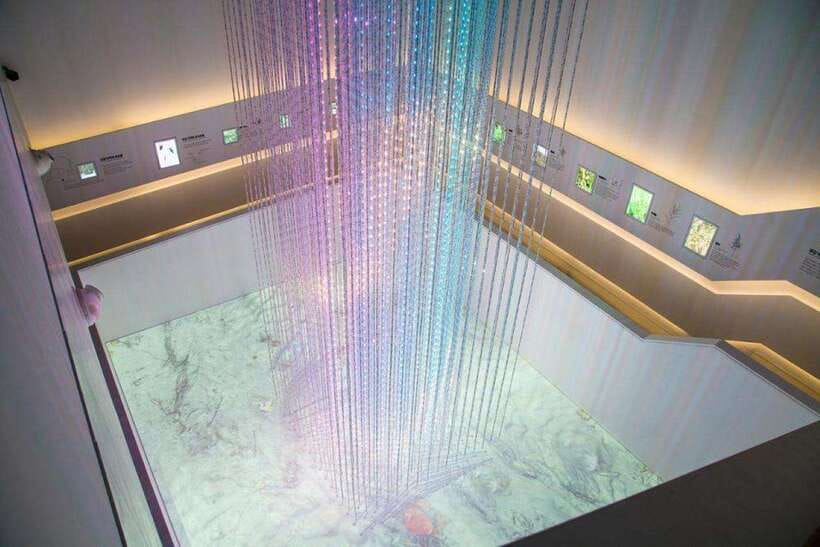
You can also see the Jogang River area through a large front window in the exhibition hall. The exhibition space includes videos related to the river and the surrounding area. This indoor stop is especially useful when visibility is poor or the weather turns wet.
The river itself has a remarkable story. The Jogang lies downstream of the Han River, where the Imjin, Han, and Yeseong Rivers meet before flowing into the West Sea. Its name refers to a large river or grandfather river, a fitting description for water that can appear as broad as the sea.
Before the Korean War, the area was home to a village of about 100 households. After the 1953 ceasefire agreement designated the Han River estuary as neutral waters, residents lost their homes and scattered elsewhere. With people largely absent for decades, the river basin became a refuge for a wide range of plants and animals, including endangered and protected species.
That detail gives the view more depth. You are not looking at an empty strip of land with no story. You are looking at a former human settlement, a restricted border zone, and a natural area shaped by decades of limited access.
The 112-meter suspension bridge
The suspension bridge links the Themed Gardens with the Sky Forest Garden. At 112 meters long, it is a modest attraction in size but adds movement to an otherwise quiet visit.
You cross the bridge amid the park’s peaceful setting, with the structure providing a little excitement without taking over the day. If you dislike swaying bridges or have trouble with heights, this may be the part you approach slowly. The tour information describes it as a place for exhilaration and enjoyment, but it is still worth treating as an optional-feeling element rather than the central reason to book.
The bridge also helps break up the viewing experience. A border tour can become repetitive if every stop involves standing at a telescope. Here, you walk between gardens, see the park from a different angle, and have a chance to take photographs away from the main viewing windows.
You should not expect a long hike. The visit is structured as a guided sightseeing stop rather than a strenuous outdoor excursion. Wear shoes you can walk in comfortably, particularly if the ground is wet.
A different kind of day out around Seoul:
- Seoul: DMZ Tour with Optional Suspension Bridge
★ 4.8 · 5,277 reviews - Signature DMZ Tour: Exclusive Defector Talk & Suspension Bridge
★ 5.0 · 4,459 reviews - Thrilling Korean DMZ 3rd Tunnel Tour from Seoul + Red Bridge Rush
★ 5.0 · 3,097 reviews - DMZ Past and Present: Korean Demilitarized Zone Tour from Seoul
★ 5.0 · 2,481 reviews
Jogang Observatory and the view into North Korea
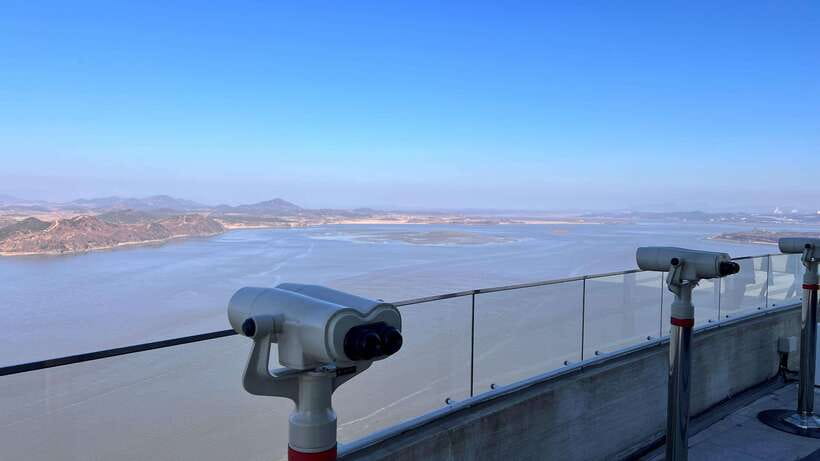
The Jogang Observatory is the emotional center of the visit. This outdoor viewpoint looks toward Gaepung-gun in North Korea from a distance of roughly 1.4 kilometers, making it the closest observatory included in the experience.
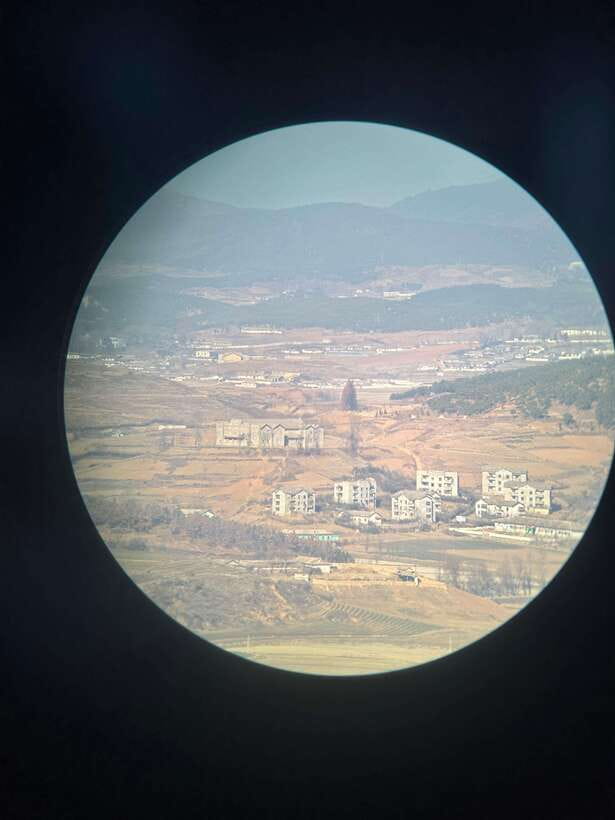
On a clear day, telescopes let you study the opposite bank in more detail. The view can include North Korean villages and, according to several tour accounts, people moving around in the distance. You may also see the river, fields, and the broad area around Gaepung-gun.
Keep your expectations realistic. This is not a chance to walk into the DMZ or cross the border. You remain in South Korea, looking across a river and a restricted zone. The power of the stop comes from the distance being so short and the political divide being so large.
Weather is the biggest variable. Clear conditions can produce an extraordinary view, while cloud, haze, or fog can reduce North Korea to faint outlines. Even poor weather does not erase the historical value of the place, but it can affect how much you see through the telescopes. If the forecast is changeable, bring patience and take your time at the viewing area.
The schedule gives you about 1.5 hours at the observatory and nearby sights. That is enough for a guided explanation, telescope viewing, photographs, and a drink or snack at Starbucks without making you rush. Some guides allow plenty of free time after the initial explanation, which suits people who want to look quietly rather than stay with the group every minute.
Coffee with North Korea across the river
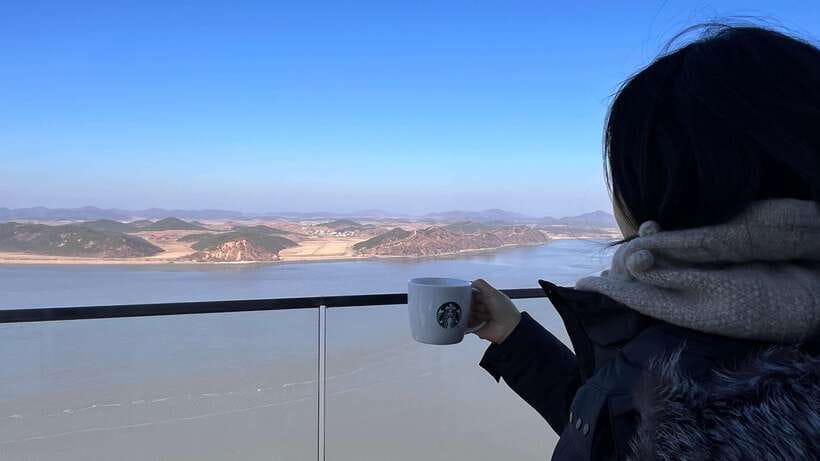
The Starbucks café is located on the top floor of the park’s facilities. It is the tour’s most unusual feature and an easy place to appreciate the setting in a relaxed way.
You can order a drink or something to eat, but food and beverages are not included in the $45 price. Treat the café as a convenient addition, not a full meal stop. If you need lunch, plan around the schedule because the tour does not include food.
The large windows give the café a direct view toward the Jogang River and North Korea. I like this part because it changes the mood. You can spend a few minutes thinking about the border, then sit with a coffee and look across the same water through an ordinary café window.
It also makes the experience suitable for people who want a border visit without a full-day military tour. You receive a meaningful view and historical context, but the day includes a comfortable pause instead of constant movement.
The café may be busy at certain times, and a window seat cannot be guaranteed. The important point is the location itself, not the coffee brand. You are having a familiar modern experience in a place where the political divide is impossible to ignore.
The guide can shape the whole experience
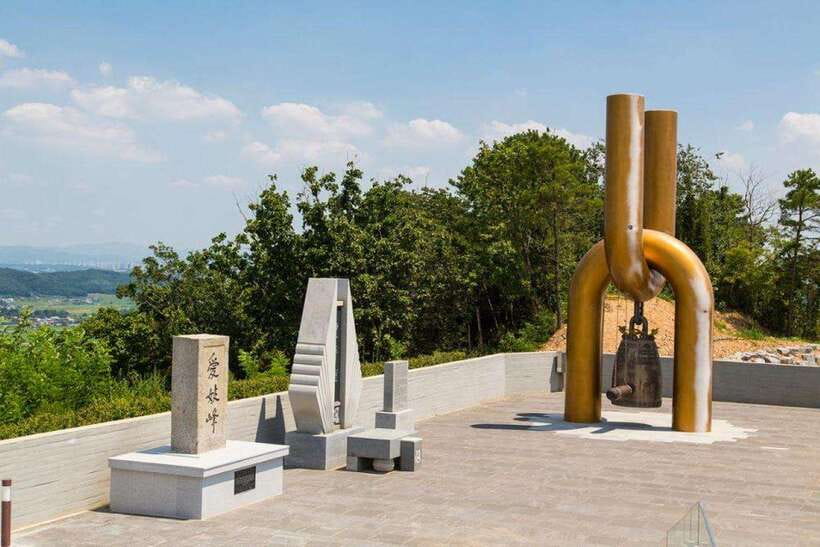
This is a guide-led tour, and the guide has a major effect on how much you take away. English is the operating language, and several named guides have received especially strong praise for their delivery and care.
Hana has been singled out for clear explanations and a friendly manner. Eva has been appreciated for teaching Korean history, answering questions, taking photographs, and offering food and sightseeing suggestions. Crystal has been praised for easy-to-understand explanations and a warm approach.
Gogo has been noted for making the history of the DMZ engaging, while Alice has given detailed background on the Korean War and the area. Yuna has also been praised for explaining the site, North Korean life, and the history in a way that works well for families.
The best guides do more than recite dates. They explain the difference between seeing a border on a map and seeing communities across the river with your own eyes. They also help you understand what you are looking at through the telescope.
The experience is still a group tour, so the pace and amount of free time are shared with other people. That is a fair trade for included transport and a guide who handles the complicated border-area visit.
Is $45 good value?
At $45 per person, the tour is good value if you want a short, organized visit rather than a full-day DMZ itinerary. The price includes transport from Seoul and back, an English-speaking guide, and all entrance fees. Those inclusions remove several costs and planning tasks that would be difficult to manage efficiently on your own.
The value is strongest for first-time visitors who want a clear introduction to the border. You receive a historical explanation, an observatory visit, the eco park, the suspension bridge, and time at the café in one half-day outing.
The value is less clear if your main goal is to visit every major DMZ attraction around Seoul. This experience focuses on Aegibong and the Jogang River. It does not promise a long list of military sites, tunnel visits, or a full-day border circuit.
I would also budget separately for a café drink or snack. That extra cost is optional, but the Starbucks stop is one of the experience’s central pleasures.
Who should book this tour?

I would choose this tour if you want:
- A direct view of North Korea without giving up a whole day
- A guide who can explain the Korean War and the modern border
- A quieter alternative to a more crowded DMZ excursion
- Comfortable round-trip transport from Seoul
- A mix of walking, history, photographs, and café time
- A suitable outing for families, couples, and first-time visitors to the border
You may want something else if you need a highly active hike, a full military tour, or guaranteed clear views. Weather can change the observatory experience, and the visit remains centered on looking across the border rather than entering restricted areas.
Bring your passport, wear comfortable shoes, and keep your schedule flexible around the meeting point. Free cancellation is available up to 24 hours before departure, and you can reserve now and pay later, which helps if your Seoul plans are still shifting.
Should you book Aegibong Starbucks Observatory?
I would book this tour if you want a thoughtful half-day introduction to the Korean border with a little comfort built in. The 1.4-kilometer view of North Korea is the main reason to go, but the Jogang River’s story, the exhibition hall, and the suspension bridge make the visit more than a quick photograph.
The tour is especially useful if you have already seen the better-known DMZ attractions near Paju and want a different viewpoint. Just remember that the experience depends on visibility. On a clear day, it can be striking. On a foggy one, the history and the guide’s explanation may become more important than the view itself.
FAQ
How long does the Aegibong Starbucks Observatory tour last?
The tour lasts five hours, including round-trip transportation from Seoul and time at Aegibong Peace Eco Park and Jogang Observatory.
How much does the tour cost?
The listed price is $45 per person.
What is included in the price?
Round-trip transportation, an English-speaking tour guide, and all entrance fees are included.
Is food or coffee included?
No. Food and drinks are not included, so you pay separately for anything purchased at the Starbucks café.
Where does the tour begin?
There are three possible starting location options: Myeong-dong, Hongik University Station Exit 3, and The Plaza Seoul, Autograph Collection. Your exact meeting point depends on the option you book.
Where does the tour finish?
The tour finishes at Hongik University Station Exit 4.
Do I need to bring my passport?
Yes. A passport is listed as required for this activity.
Can I cancel or pay later?
You can cancel up to 24 hours in advance for a full refund. The reserve-now-and-pay-later option lets you book without paying immediately.
Just added around Seoul
- Your Personal Seoul Photographer!★ 4.1 · 15 reviews
- From Seoul: Hwacheon Ice Fishing and Lighting Festival Tour★ 4.5 · 4 reviews
- You’re Invited to Our Home in Seoul: The Only Cooking Class!★ 5.0 · 8 reviews
- Seoul: Gangneung BTS K-Pop & K-Drama Filming Locations Tour★ 4.6 · 14 reviews
- Unique Native Experience : Han River Picnic, Board game, BBQ★ 5.0 · 3 reviews
- 2-Hour Private Kayaking and Paddleboarding Experience in Hanriver★ 5.0 · 3 reviews
- Yun Korean Cooking Class in Seoul★ 5.0 · 6 reviews
- Day Trip to Yongin Daejanggeum and Korean Folk Village from Seoul★ 4.0 · 9 reviews
Seoul DMZ Tours, compared.
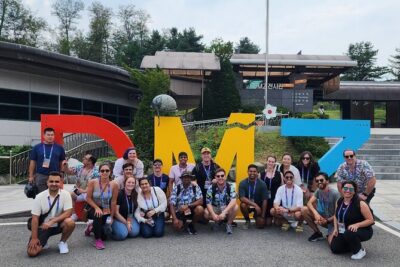
Best DMZ Tour Korea from Seoul (Red Suspension Bridge Optional)
Read our review →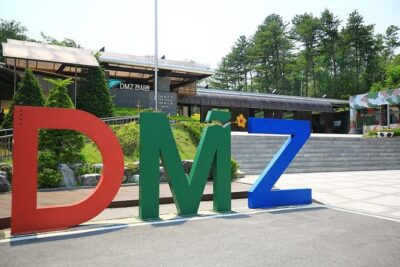
DMZ Tour: 3rd Tunnel, Option(Suspension Bridge, Boat) from Seoul
Read our review →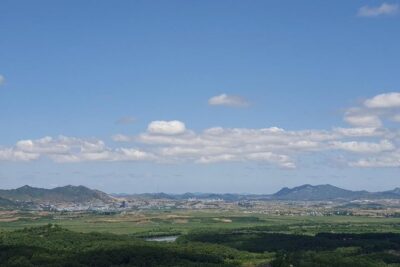
DMZ tour south Korea from Seoul (NK experience hall, defector)
Read our review →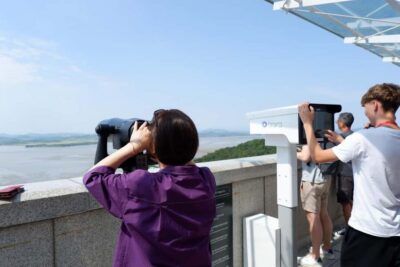

Signature DMZ Tour: Exclusive Defector Talk & Suspension Bridge
Read our review →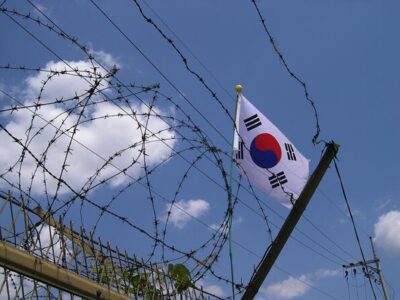
Thrilling Korean DMZ 3rd Tunnel Tour from Seoul + Red Bridge Rush
Read our review →
DMZ Past and Present: Korean Demilitarized Zone Tour from Seoul
Read our review →
Ultimate Korea DMZ Tour from Seoul (Gondola & Suspension Bridge)
Read our review →Browse the lists this tour appears in