
Reviewed · SEOUL DMZ TOURS
Closest Observatory to DMZ: North Korea View(Starbucks Tour)
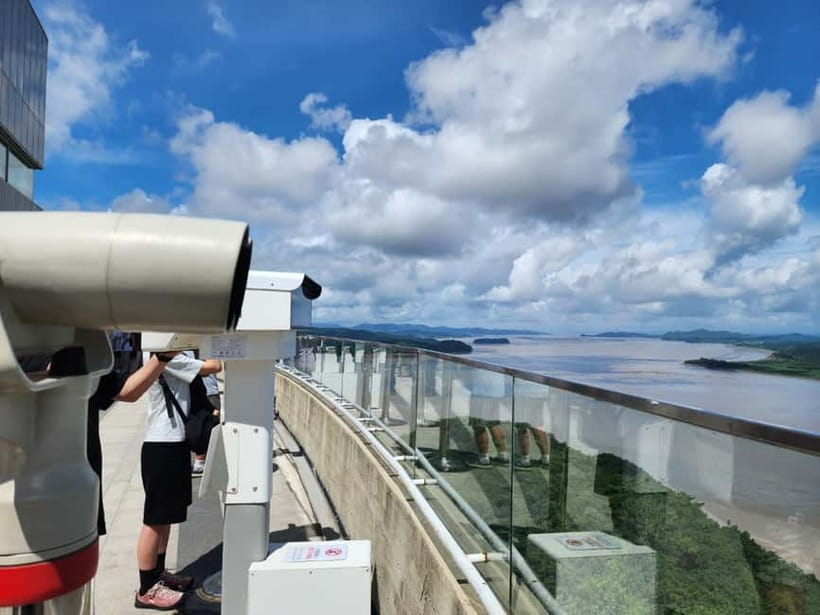
North Korea comes into view from Jogang Observatory, where the Han River meets the Jogang River and the border feels startlingly close. You can look across at North Korean fields, buildings, roads, and sometimes people, then sit down for coffee at the Starbucks only 1.4 kilometers from North Korea.
I like two things right away: the visit is short enough to fit into a busy Seoul schedule, and the guide-led drive gives useful background before you arrive. Guides such as Shin, Henry, Dragon, Sophie, Thomas, and Leo have earned praise for clear explanations and thoughtful help. The main drawback is that Aegibong is operated by the military, so the visit can be canceled without warning.
Key points at a glance
- Jogang Observatory gives you a close view of North Korea, not just a distant border marker.
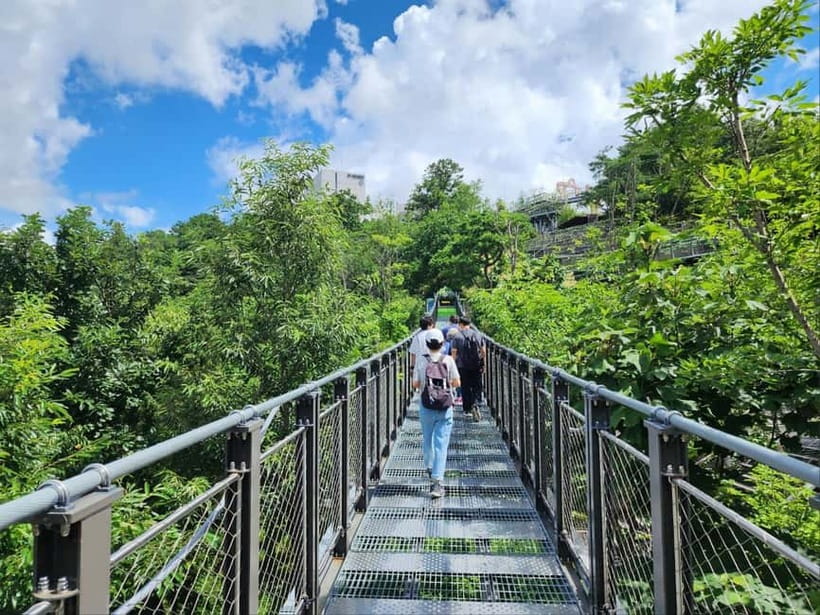
- The Christmas-tree-shaped bridges recall the famous lighted tree once seen at Aegibong.
- Starbucks sits only 1.4 kilometers from North Korea, making the coffee stop an unusual part of the visit.
- A half-day schedule works well if you have limited time in Seoul.
- The drive from Seoul adds useful context, with guides explaining the Korean War, divided families, and current relations.
- Military rules matter, so bring your passport and ask before taking photographs.
Why Aegibong feels different from a standard DMZ trip
Many border excursions focus on famous DMZ sites, military checkpoints, tunnels, or large viewing platforms. Aegibong Peace Ecopark offers a different angle. It takes you to the western end of the border near the meeting point of the Hangang and Jogang Rivers, where the view across the water reaches North Korean territory.
The setting carries a strong human story. Aegibong became a place for people separated from their homes after the Korean War. Displaced Koreans came here to look toward their hometowns, sometimes seeing only the direction in which home lay. That gives the observatory more weight than a simple photo stop.
The old observatory opened in 1978. It was later removed and replaced by Jogang Observatory, which offers a closer view of the northern side. From the viewing area, you might see farmland, buildings, roads, or people working. Clear weather makes a major difference, and fog or haze can hide much of the view.
I find that uncertainty fitting. You are not entering a museum display with a guaranteed sightline. You are looking across a live border, where weather, military rules, and political conditions can change the experience.
More DMZ tours in Seoul:
- Best DMZ Tour Korea from Seoul (Red Suspension Bridge Optional)
★ 5.0 · 41,422 reviews - DMZ Tour: 3rd Tunnel, Option(Suspension Bridge, Boat) from Seoul
★ 5.0 · 21,373 reviews - DMZ tour south Korea from Seoul (NK experience hall, defector)
★ 5.0 · 20,599 reviews
The drive from Seoul sets the scene
The trip begins with pickup in Seoul, with a starting option at 62-10, Hongik University Station. The exact meeting point depends on the option you book, so check your confirmation carefully rather than assuming every departure leaves from the same spot.
The total outing lasts about 270 minutes to five hours. That range likely reflects traffic, departure times, and the pace of the visit. The route takes roughly an hour each way according to the experience details, so the drive is a substantial part of the day.
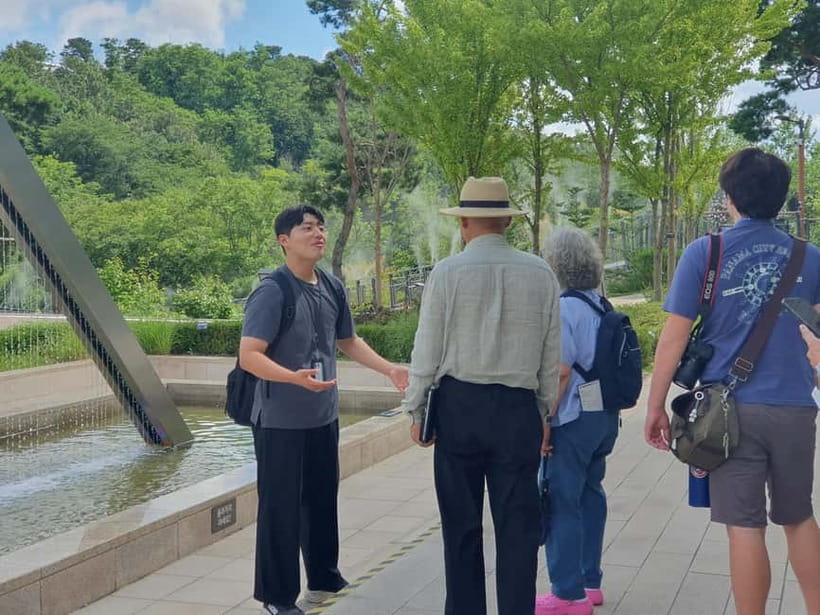
That time is useful when the guide handles it well. Shin, Henry, Dragon, Sophie, Thomas, Leo, Grace, Rachel, Stella, Sunny, and others have been praised for explaining Korean War history, the division of the peninsula, separated families, and current political conditions. Several guides also answer questions during the drive, which means you arrive with a better sense of what you are seeing.
The transport has received a 97 percent perfect score for its quality. That matters here because Aegibong is outside central Seoul, and round-trip transport removes the need to work out a complicated independent route to a military-run park.
The bus is not the attraction itself, but comfort matters on a half-day trip with a long road section. Pickup is also a practical advantage if you want a border visit without giving up an entire day.
Aegibong Peace Ecopark and its wartime memory
Aegibong Peace Ecopark occupies the former Hill 154, an area where fighting took place during the Korean War. The park now presents itself as a place connected with peace and harmony, but the ground beneath that message has a painful past.
The history of displaced families is central. After the war, people who could not return to homes in the North came to Aegibong to look across the water. You may find this part of the visit more affecting than the military facts, because it turns the border from a political line into a place tied to family memory.
You have about 1.5 hours of free time at the park. That is enough for the observatory, the bridge area, photographs where permitted, and the Starbucks visit, but it is not a long, leisurely park outing. Keep an eye on the meeting instructions so you do not spend too long at one point.
The park includes slopes and hills. Strollers and wheelchairs cannot access all parts, and the experience is not suitable for wheelchair users. Pregnant people and those with heart problems should also take the steep sections into account.
Jogang Observatory and the view north

Jogang Observatory is the core of the experience. Its appeal is simple: you get a close look toward North Korea from South Korean territory, rather than only hearing about the border from a guide or seeing it on a map.
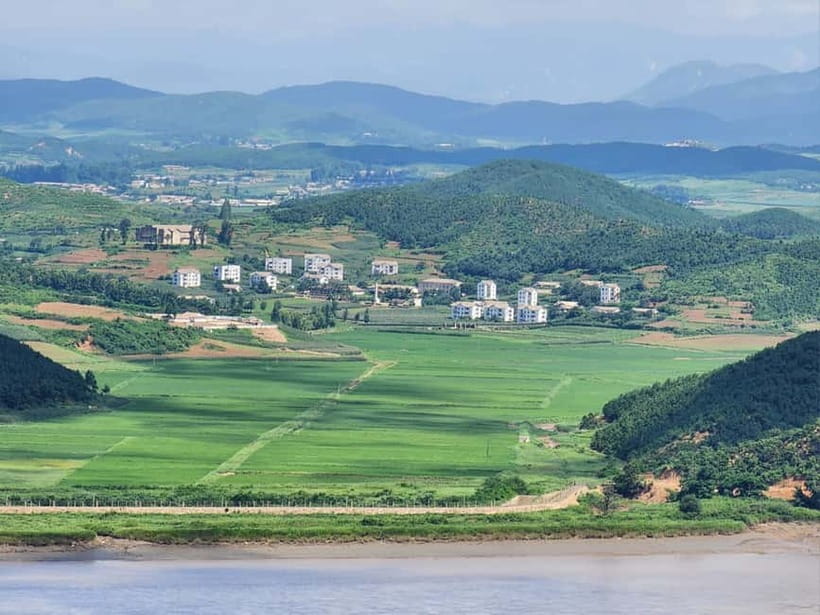
The exact view depends on the day. In good conditions, you might see North Korean fields, houses, a propaganda village, soldiers, or people working in a rice field. One account described the strange feeling of seeing North Korea in real time, including signs of ordinary work on the far side.
Do not expect a city skyline or a dramatic wall. The view is often rural and quiet. That is part of its force. The border can look almost peaceful, even though the history and military presence tell you how tense the area remains.
Bring your passport. Aegibong is military-operated, and access or photography rules can be enforced. There are facilities where photographs are forbidden, so ask your guide before raising your camera. Video recording is not allowed, and you should follow the guide’s instructions without argument.
The observatory is best approached as a place for careful looking, not rapid sightseeing. Give yourself time to use the viewing equipment if available, scan the far bank, and listen to the explanation of what is visible. Haze can make details hard to pick out, so a good guide helps you understand the view even when the weather is imperfect.
A different kind of day out around Seoul:
- Seoul: DMZ Tour with Optional Suspension Bridge
★ 4.8 · 5,277 reviews - Signature DMZ Tour: Exclusive Defector Talk & Suspension Bridge
★ 5.0 · 4,459 reviews - Thrilling Korean DMZ 3rd Tunnel Tour from Seoul + Red Bridge Rush
★ 5.0 · 3,097 reviews - DMZ Past and Present: Korean Demilitarized Zone Tour from Seoul
★ 5.0 · 2,481 reviews
The Christmas-tree bridges and a complicated symbol
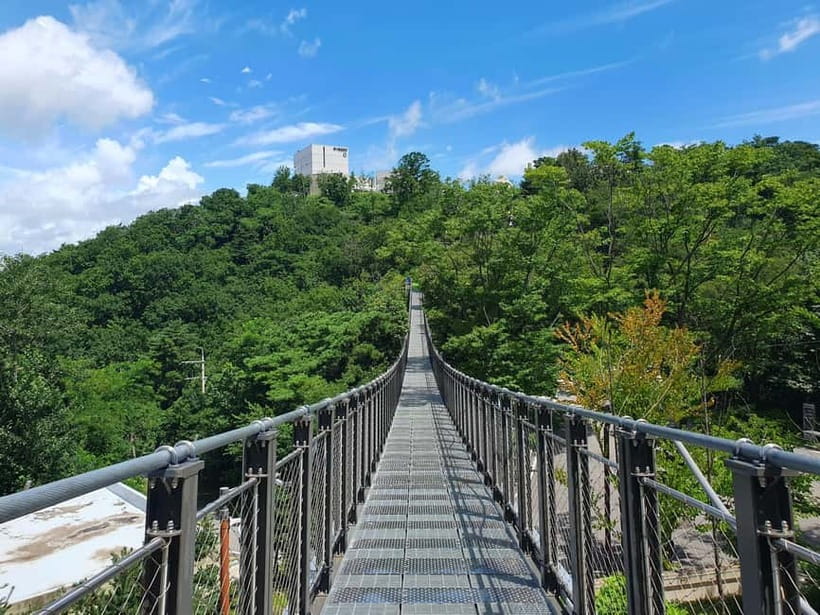
Aegibong was once associated with a huge Christmas tree that could be seen from across the border. The lights were eventually removed after objections that they were too bright for North Korea, where electricity was scarce. That small detail reveals how even a seasonal decoration could become part of the political conflict.
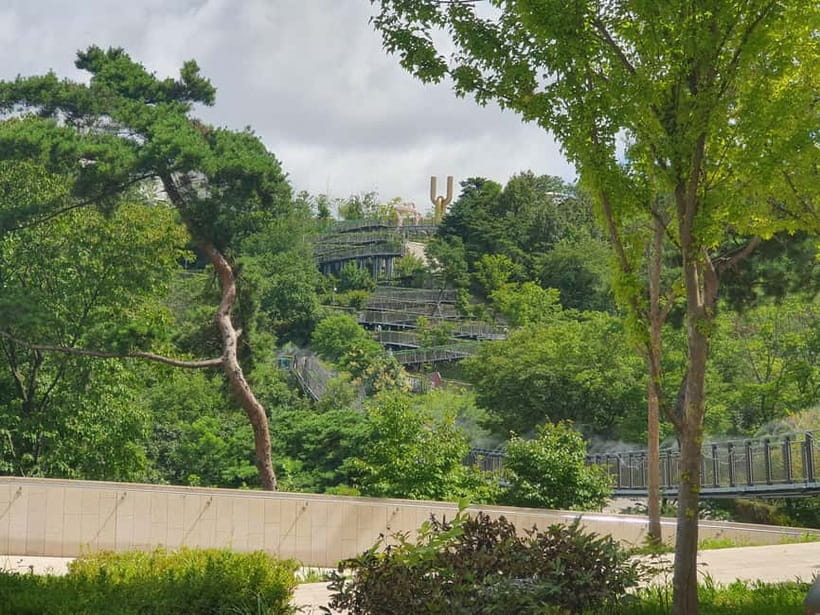
The park workers later built bridges in the shape of the tree. These bridges now preserve the outline of the old symbol without repeating the original light display. You can see them as a photo subject, but they also carry a reminder of how ordinary objects can take on political meaning near the border.
The bridge design is one of the more distinctive details of this visit. It gives you something specific to look for beyond the distant view, and it links the park’s past with its current message of peace.
Coffee at Starbucks near the border
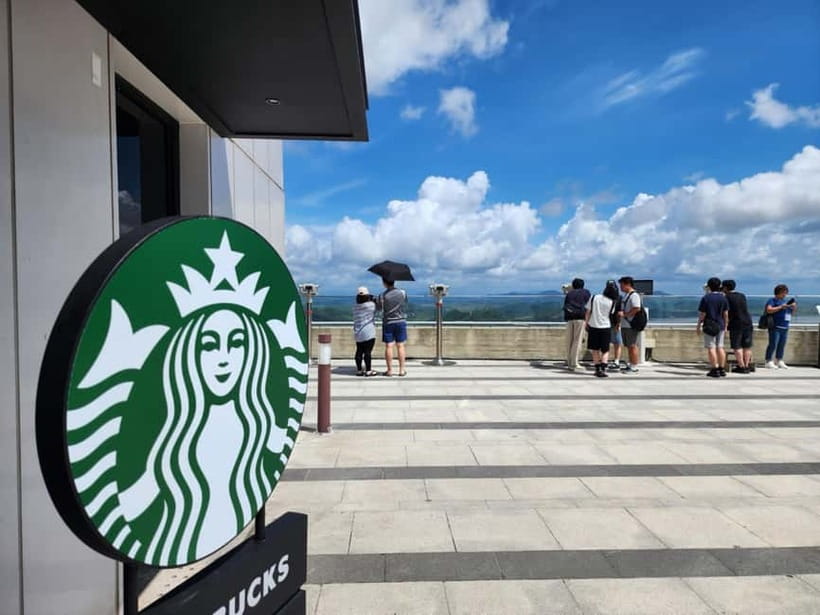
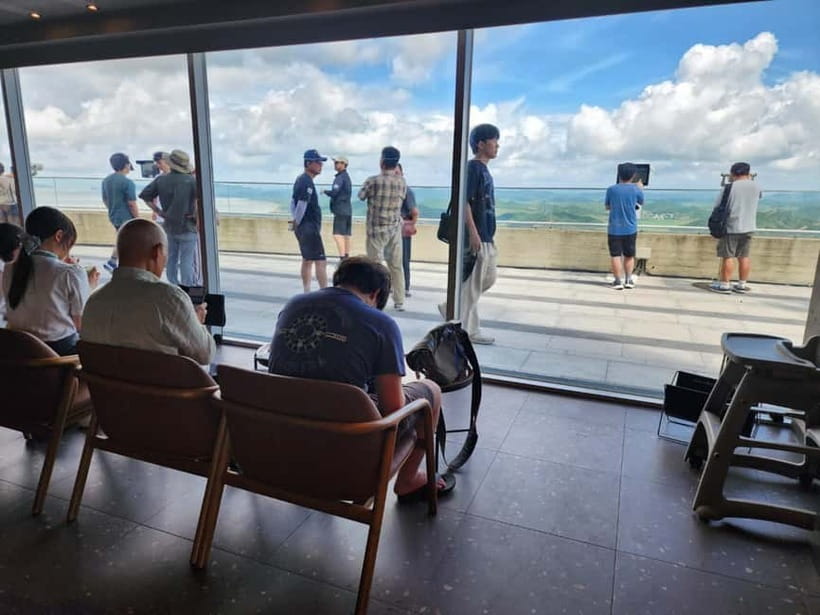
The Starbucks stop is the tour’s oddest and most memorable feature. The cafe is only 1.4 kilometers from North Korea, so you can sit with a coffee while looking toward one of the world’s most tightly controlled borders.
The contrast is the point. One moment you are hearing about war, separated families, military restrictions, and propaganda villages. The next, you are in a familiar cafe setting with a drink and a view toward the North. That does not make the history light or casual, but it gives the visit a distinctly modern Korean feel.
Food and drinks are not included in the $48 price, so budget separately for coffee or snacks. You may find the cafe busy, and the Starbucks itself is not a substitute for the observatory. The observatory provides the serious border view. Starbucks adds comfort, contrast, and a memorable setting.
For me, this stop works best after you have taken in the historical side of Aegibong. The coffee feels more meaningful when you understand why the location matters.
Is the $48 price good value?
At $48 per person, this is a fair price for a half-day outing from Seoul if you value convenience and explanation. The fee includes round-trip transport, admission to the observatory, and a licensed professional guide when you select the guide option.
You are paying for more than a viewpoint ticket. The transport saves you from arranging the journey to a military-run park, and the guide gives context that would be difficult to gather on your own. That is especially useful for visitors who want to understand the Korean War and the divided peninsula rather than simply take a photograph of North Korea.
The value is weaker if your main goal is a long day of military attractions. This itinerary focuses on Aegibong, with about 1.5 hours at the park, and does not include food, drinks, or traveler’s insurance. If you want several major DMZ sites in one day, another excursion may suit you better.
For a visitor with limited time, the half-day format is a real advantage. You can return to Seoul and finish in Myeongdong, leaving room for an evening meal or another activity.
What the guides add to the experience
The guide can make or break a border visit. A view alone does not explain why the land is divided, why displaced families came to Aegibong, or why photography rules are strict.
Shin has been praised for being friendly, well prepared, and clear on history and current politics. Henry is often singled out for answering questions and explaining details during the drive. Dragon has helped visitors understand both the Korean War and the present-day relationship between North and South Korea.
Sophie has been described as warm, informative, and attentive to safety. Thomas, Leo, Grace, Rachel, Stella, and Sunny have also received strong praise for their history explanations, practical help, and friendly manner. Leo has been especially helpful with photographs, while one guide assisted with a forgotten backpack and a taxi after the tour.
Guide assignments can change, so you cannot count on a particular person. Still, the repeated praise for the guiding team suggests that the human side of the outing is one of its strongest features.
English and Japanese guiding are available. A guide option is important if you want commentary throughout the drive and at the park, rather than only transport and admission.
Practical limits before you book
Bring your passport. The military setting makes identification more important than on a normal cafe or city tour.
Ask before taking photographs. Some military facilities cannot be photographed, and video recording is not allowed. Your guide can tell you where photos are permitted.
Wear shoes suited to slopes and hills. The park is not fully accessible to strollers or wheelchairs, and the activity is not suitable for wheelchair users. Pregnant people and those with heart problems should consider the physical demands before booking.
Build in flexibility. Aegibong Peace Ecopark can close or cancel visits without prior notice because it is operated by the military. If that happens, the replacement visit is Starbucks The Bukhansan Branch, so the promised North Korea view is not guaranteed.
You can cancel up to 24 hours before departure for a full refund, and the reserve-now, pay-later option lets you hold a place without paying immediately. Check the available departure times because the duration can range from 270 minutes to five hours.
Who should choose this half-day outing?
I would choose this for a first visit to the Korean border, especially if you want a shorter and less crowded alternative to a full-day DMZ program. It suits people who care about history, separated families, current politics, and unusual modern details such as a Starbucks near North Korea.
It also suits photographers, within the rules, and anyone who wants a striking view without giving up a whole day in Seoul. The bridge shaped like a Christmas tree adds a detail that you will not find at every border viewpoint.
I would think twice if you need wheelchair access, dislike military restrictions, or want a guaranteed view. Weather can obscure North Korea, and the park can close at short notice. You also need to be comfortable with hills and with a long drive compared with the time spent at the site.
Should you book the Jogang Observatory tour?
Book it if your priority is a close, guided look toward North Korea with round-trip transport from Seoul. The combination of Jogang Observatory, the displaced-family story, the Christmas-tree bridges, and coffee 1.4 kilometers from the border gives the outing a clear identity.
The strongest reason to go is not simply seeing North Korea. It is seeing the border through several lenses: war, family separation, military control, peace symbolism, and everyday modern life. The Starbucks stop may sound unusual, but that contrast is exactly what makes Aegibong memorable.
Skip it if you want a guaranteed military-site itinerary or full accessibility. For everyone else, $48 is sensible value for a focused half-day trip, especially when an experienced guide such as Shin, Henry, Dragon, Sophie, Thomas, or Leo provides the background that turns a distant view into a meaningful one.
FAQ
How much does the North Korea view tour cost?
The tour costs $48 per person.
How long does the experience last?
The listed duration ranges from 270 minutes to five hours. Check the available starting time and exact duration when booking.
Where does the tour start?
One listed starting location is 62-10, Hongik University Station. The meeting point may vary depending on the option you book.
Where does the tour finish?
The tour finishes in Myeongdong.
Is transportation included?
Yes. Round-trip transfer from Seoul is included.
Is admission to Jogang Observatory included?
Yes. Admission to the observatory is included.
Are food and drinks included?
No. Food and beverages are not included, so you pay separately for coffee or anything else you buy at Starbucks.
What languages are available?
Live guiding is available in English and Japanese.
Can I take photographs and videos?
Photography is restricted around some military facilities, so ask your guide before taking pictures. Video recording is not allowed.
Just added around Seoul
- Your Personal Seoul Photographer!★ 4.1 · 15 reviews
- From Seoul: Hwacheon Ice Fishing and Lighting Festival Tour★ 4.5 · 4 reviews
- You’re Invited to Our Home in Seoul: The Only Cooking Class!★ 5.0 · 8 reviews
- Seoul: Gangneung BTS K-Pop & K-Drama Filming Locations Tour★ 4.6 · 14 reviews
- Unique Native Experience : Han River Picnic, Board game, BBQ★ 5.0 · 3 reviews
- Yun Korean Cooking Class in Seoul★ 5.0 · 6 reviews
- 2-Hour Private Kayaking and Paddleboarding Experience in Hanriver★ 5.0 · 3 reviews
- Day Trip to Yongin Daejanggeum and Korean Folk Village from Seoul★ 4.0 · 9 reviews
Seoul DMZ Tours, compared.
Best DMZ Tour Korea from Seoul (Red Suspension Bridge Optional)
Read our review →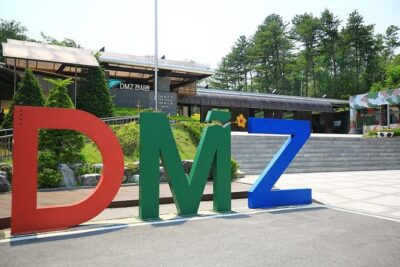
DMZ Tour: 3rd Tunnel, Option(Suspension Bridge, Boat) from Seoul
Read our review →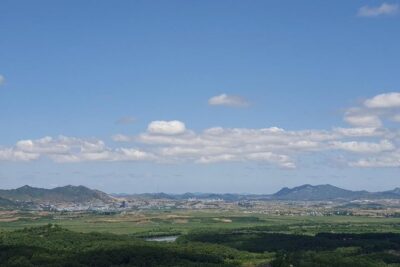
DMZ tour south Korea from Seoul (NK experience hall, defector)
Read our review →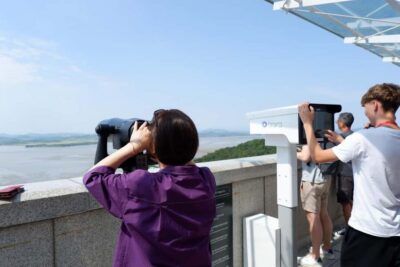

Signature DMZ Tour: Exclusive Defector Talk & Suspension Bridge
Read our review →
Thrilling Korean DMZ 3rd Tunnel Tour from Seoul + Red Bridge Rush
Read our review →
DMZ Past and Present: Korean Demilitarized Zone Tour from Seoul
Read our review →
Ultimate Korea DMZ Tour from Seoul (Gondola & Suspension Bridge)
Read our review →Browse the lists this tour appears in