Reviewed · TOURS
From Seoul: 5-Day Tour of Korea with UNESCO Sites
The most striking thing about this tour is its reach. In five days, you move from royal tombs and fortress walls to a seafood market, a traditional village, Buddhist temples, and the mountain valleys of Seorak National Park. This is Korea at a fast pace, with very little time wasted between major regions.
I like the way the tour links places that are difficult to combine by public transport, especially Gongju, Gyeongju, Andong, and Mt. Seorak. I also like the mix of formal sights and everyday places, from the May 18th National Cemetery to Jagalchi Fish Market and Haeundae Beach.
The trade-off is simple: five days is short for this much ground. You will spend long stretches on the road, and some stops may feel rushed. Suncheon Bay Garden can also close for its monthly day off, and Seorak visits may be restricted in October.
Key points at a glance
- Eight destinations in five days: The route covers Gongju, Jeonju, Gwangju, Suncheon, Yeosu, Busan, Gyeongju, Andong, Pyeongchang, and Seorak.
- Strong UNESCO focus: You visit the Tomb of King Muryeong, Gongsanseong Fortress, Seokguram Grotto, Bulguksa Temple, and Andong Hahoe Village.
- Good regional food stops: Breakfast is included, while lunch and dinner are your chance to try local dishes near markets and city centers.
- Comfortable but shared lodging: Four hotel nights are included, with twin or triple rooms at properties such as the Jeonju Ramada and Gyeongju Commodore.
- Guides matter here: English and Korean guiding is provided, and Justin and Mr. Kim have received particular praise for keeping the packed schedule moving.
- Plan for road time: The air-conditioned vehicle makes the route possible, but comfortable shoes and enough Korean won are important.
Why this five-day route works
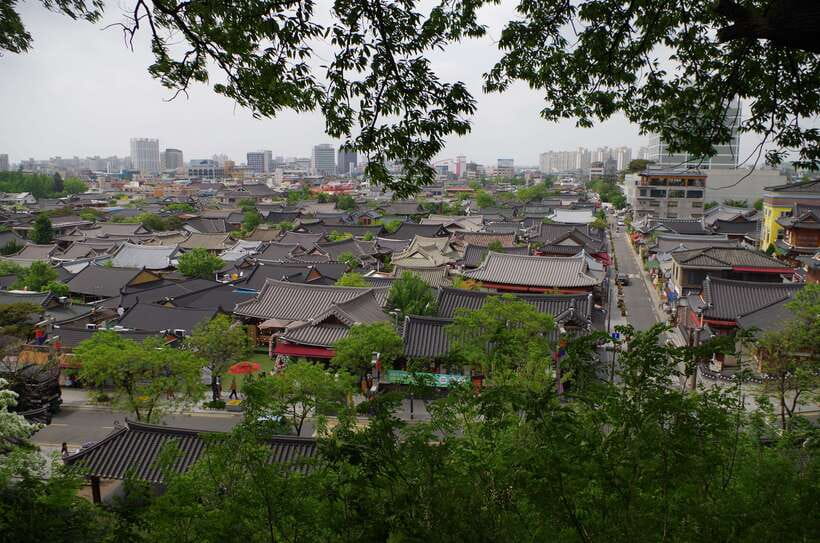
South Korea is compact on a map, but its best historical sites are scattered across the peninsula. This trip solves that problem with an air-conditioned vehicle and a guide, taking you far beyond Seoul without asking you to arrange several train connections, regional buses, and admission tickets.
I see the route as a sampler rather than a relaxed holiday. You get a useful first look at Korea’s kingdoms, Joseon-era villages, modern political history, southern coastline, and mountain scenery. If you want long museum visits or quiet afternoons at each stop, this schedule will feel crowded. If you want to cover a great deal in one short visit, the pace makes sense.
The price is $999 per person. That includes four hotel nights, four breakfasts, the English-speaking guide, selected entrance fees, and transportation. Lunches, dinners, insurance, and transport to and from the Seoul meeting point are extra.
The value is strongest if you would otherwise need to book several hotels and organize a complicated loop through central and southern Korea. The value is weaker if you prefer independent travel and already feel comfortable arranging intercity transport. Room sharing is also part of the deal, with twin or triple accommodation rather than a private room guaranteed for each person.
More multi-day trips from Seoul:
Day one: royal tombs, fortress walls, and Jeonju
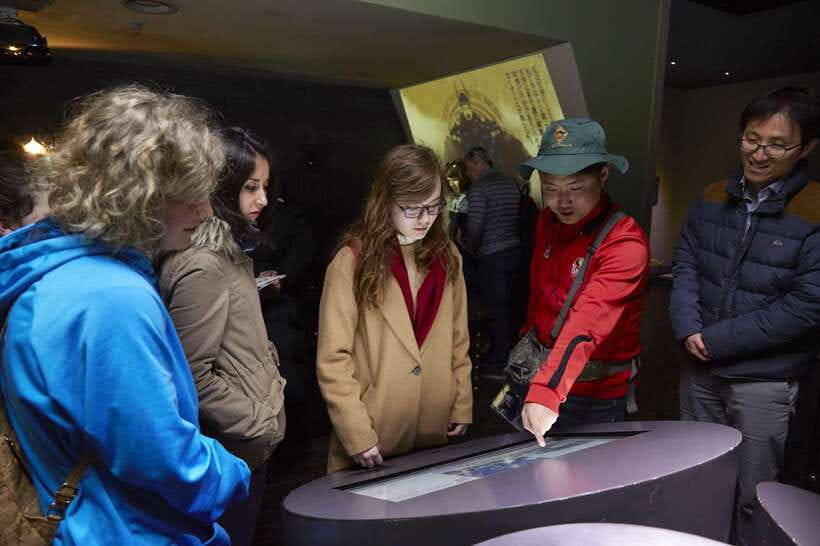
You meet at the Donghwa Duty-Free Shop Building by Gwanghwamun Intersection. The meeting point is close to Exit 6 of Gwanghwamun Station, and the guide carries a K-shuttle sign. There is no Seoul hotel pickup, so allow time to reach Gwanghwamun on your own.
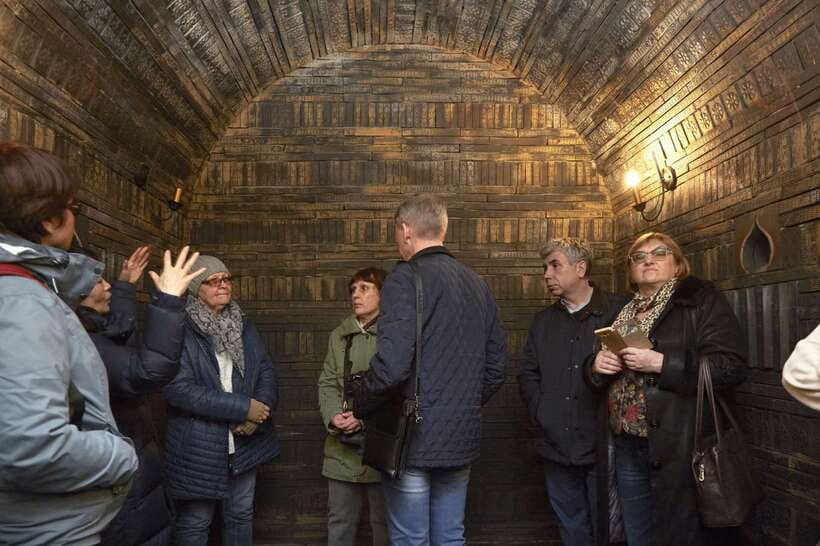
The first destination is Gongju, an important Baekje-era center. At the Tomb of King Muryeong, a UNESCO World Heritage Site, you get a direct connection to the Baekje kingdom through the royal burial complex. The stop is valuable because it gives the rest of the tour an early historical anchor, rather than beginning with only modern city sights.
Gongsanseong Fortress follows. Its walls and elevated position help you picture how a defensive capital functioned. The combination of the tomb and fortress works well: one stop focuses on royal burial customs, while the other shows military and political power.
After Gongju, the vehicle continues to Jeonju. Your hotel is close to Jeonju Hanok Village, with the Jeonju Ramada listed as an example of the accommodation or a similar property. That location should give you a chance to see the traditional neighborhood around the hotel, though the available free time depends on the day’s traffic and the group’s progress.
This first day has a clear advantage: the major visits are tightly connected by theme. The drawback is that the transfer to Jeonju comes after two substantial historical sites, so you may reach the hotel ready for dinner rather than a long evening walk.
Day two: democratic memory, garden scenery, and Yeosu
After breakfast, you travel to Gwangju, a city closely associated with Korea’s modern democratic movement. The May 18th National Cemetery is a serious, reflective stop. It asks you to spend time with recent Korean history, not just admire old buildings and scenic views.
I consider this one of the most meaningful parts of the trip because it broadens the story. The tour does not present Korea as only royal palaces and Buddhist temples. It also addresses the country’s struggle for democracy and the people connected to the May 18 movement.
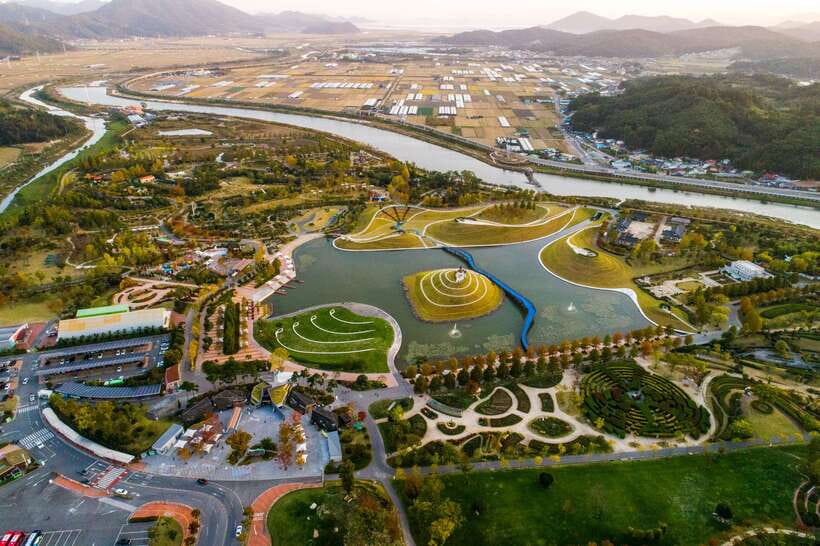
The route then turns toward Suncheon Bay Garden. Its appeal is visual and spacious, offering a change after the solemn cemetery visit. The garden can be affected by its monthly closure, so you should confirm that the stop is operating for your departure date. A closed garden could be a real disappointment, especially on a day already built around several scheduled stops.
The evening brings you to Yeosu, a port city with strong naval connections. The historic path associated with Admiral Yi Sun-sin gives the city a national story tied to the Japanese invasion of 1592. The stop is shorter and more historical than a full coastal sightseeing day, so set your expectations accordingly.
Your hotel is the Ramada Plaza by Wyndham Yeosu or a similar property. Breakfast is included, but lunch and dinner are not. I would keep some Korean won ready before leaving Seoul, since changing money during the tour can be difficult.
Day three: Jinjuseong Fortress and Busan’s seafood market
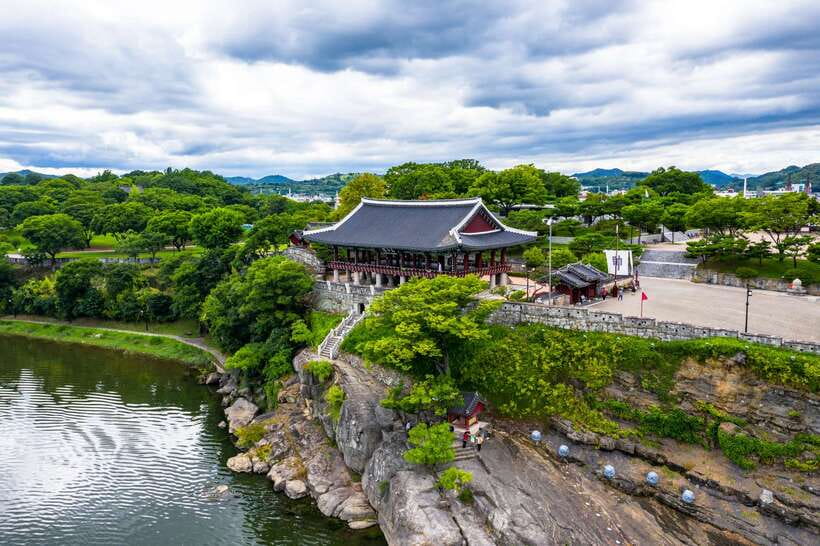
The morning begins at Jinjuseong Fortress and the Chokseoknu pavilion. The fortress is linked to the Japanese invasion of 1592, giving you another place where Korean military history is tied to a physical setting. The pavilion adds a scenic element and breaks up the historical explanation with views over the surrounding area.
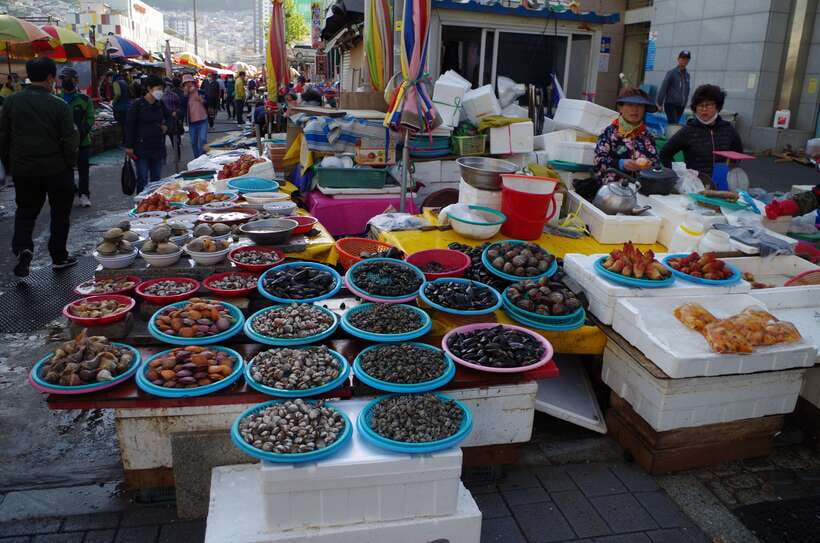
Next comes Busan, where the focus shifts from fortifications to food and the sea. Jagalchi Fish Market is the city’s largest seafood market. I like this stop because it puts you in a working food district rather than a purpose-built cultural display. It is also a practical place to think about lunch, since meals are not covered by the tour price.
The schedule then moves to Haeundae Beach and Dongbaek Park. Haeundae gives you Busan’s famous waterfront, while Dongbaek Park provides a greener walking setting beside the coast. These stops are useful even if you are not a beach person, because they show the modern side of Busan after two days focused mainly on earlier periods.
The day ends in Gyeongju, where you check into the Gyeongju Commodore Hotel or a similar property. This is another long day, and the shift from Busan to Gyeongju means your free evening may be limited. Still, arriving in Gyeongju positions you well for the next morning’s major temple and grotto visits.
A different kind of day out around Seoul:
- Best DMZ Tour Korea from Seoul (Red Suspension Bridge Optional)
★ 5.0 · 41,422 reviews - DMZ Tour: 3rd Tunnel, Option(Suspension Bridge, Boat) from Seoul
★ 5.0 · 21,373 reviews - DMZ tour south Korea from Seoul (NK experience hall, defector)
★ 5.0 · 20,599 reviews - Seoul: DMZ Tour with Optional Suspension Bridge
★ 4.8 · 5,277 reviews
Day four: Seokguram, Bulguksa, and a Joseon village
Day four is the tour’s strongest concentration of major cultural sites. At Seokguram Grotto, a UNESCO World Heritage Site, you visit a famous Buddhist sanctuary connected with Silla-period Gyeongju. The setting and sculpture are the focus, so comfortable shoes matter and you should be ready for some walking.
Bulguksa Temple follows. Also protected as a UNESCO World Heritage Site, it offers a broader architectural experience than the grotto. The two sites complement each other, but seeing them on the same morning can make the schedule feel dense. Pay close attention to the guide’s explanation, since the value here is not only in taking photographs but in understanding how the sites fit into Silla-era religious culture.
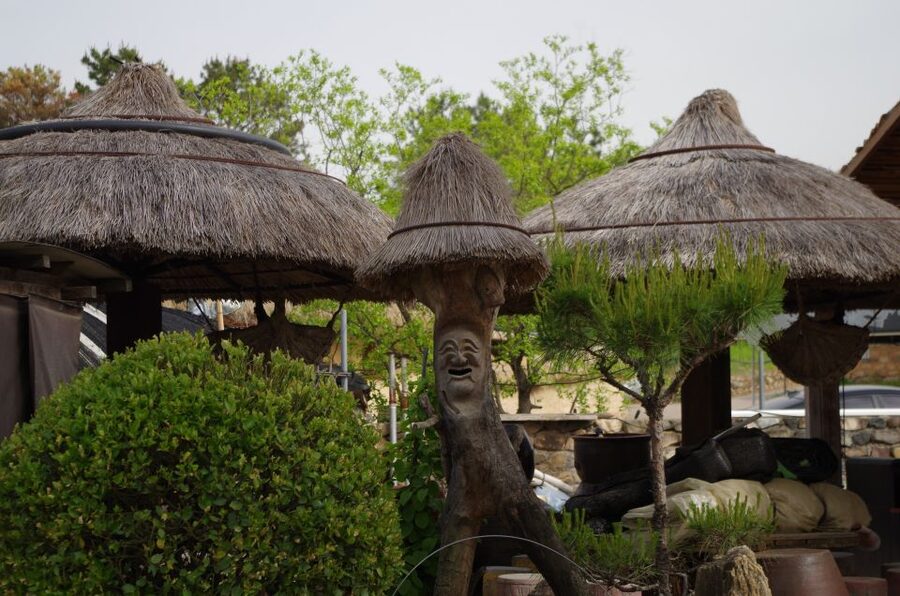
The route then heads to Andong Hahoe Folk Village, another UNESCO World Heritage Site. This is a living village of preserved Joseon Dynasty homes and cultural traditions, not simply a row of reconstructed buildings. The visit is especially interesting if you want to see how traditional housing and village planning differ from Korea’s modern cities.
The village is also associated with a visit by Queen Elizabeth II, a detail often noted during introductions to the site. Keep in mind that the word living does not mean the village is a full day of open-ended exploration. The group schedule determines how long you have to walk and look around.
You finish the day in Pyeongchang at the Ramada Hotel PyeongChang or a similar property. This hotel stop gives you a little breathing room after the day’s sites, but the overall route still leaves limited time for independent exploring.
Day five: Seorak’s mountain valleys and the return to Seoul
The final morning takes you from Pyeongchang to Mt. Seorak National Park, one of Korea’s best-known mountain areas and a UNESCO Biosphere Preservation District. The appeal is natural rather than architectural: clear, jade-like water in the valleys and high peaks that can reach into the clouds.
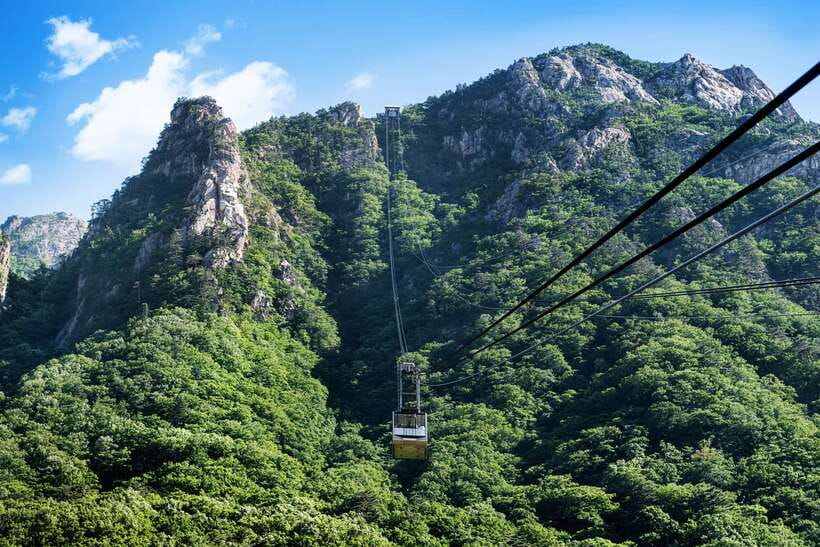
A cable car to Gwongeumseong Fortress is listed as optional. If operating and available, it can provide a wider mountain view with less walking than a long climb. Shinheungsa Temple is another possible focus in the park, so listen carefully to the guide’s instructions about the day’s exact arrangement.
October needs special attention. The park may restrict tour buses, and you may have to walk 3.6 kilometers from the parking area to the entrance. The visit could also be skipped under those conditions. If Seorak is a major reason you are booking, ask about the expected situation before committing to the tour, especially for an October departure.
The group returns to Gwanghwamun at about 5 p.m. That planned arrival is useful, but I would avoid booking an evening flight or an appointment that cannot move. Road conditions and the mountain stop can affect the final timing.
Hotels, meals, and the practical side
The four included hotel nights make this trip easier to manage. You are not repacking for every city, and the properties named in the schedule are established full-service hotels or similar alternatives. Rooms are shared on a twin or triple basis, so solo visitors should check exactly how room allocation works before paying.
Breakfast is included each morning. This is helpful on early departures, but lunch and dinner are yours to arrange. The route gives you natural meal opportunities in cities such as Jeonju, Yeosu, Busan, and Gyeongju. Jagalchi Fish Market is the obvious place to think about seafood, while Jeonju gives you access to one of Korea’s best-known food districts near Hanok Village.
Bring enough Korean won before leaving Seoul. The trip information specifically warns that currency exchange may be difficult on the road. I would also bring walking shoes, a refillable water bottle, and a small day bag rather than relying on your main luggage during each stop.
The vehicle size changes with the number of people booked. A smaller group may feel more personal, while a larger group can mean slower boarding and less flexibility. You should expect the group to follow the planned schedule rather than stop whenever you wish.
What the guides add to a packed schedule
A route this full depends on good coordination. English and Korean guiding is available, and guides named Justin and Mr. Kim have been praised for handling the demanding schedule and helping the group see nearly all planned stops despite busy conditions.
That praise matters because the guide is doing more than explaining monuments. The guide keeps departures on time, manages entrance visits, helps the group understand sensitive sites such as the May 18th National Cemetery, and handles changes caused by crowds or closures.
Still, your experience can depend on the individual departure and the day’s conditions. One useful lesson from the accommodation feedback is that room placement can affect comfort. Rooms facing a road or parking area may be less pleasant than higher-category options, and upgrades may cost extra if available.
Who should book this Korea tour?
I would choose this tour if you have only five days beyond Seoul and want to see several parts of Korea without handling regional transport yourself. It suits first-time visitors who value historical context, included transport, hotel breakfasts, and a guide who can keep a complicated route on track.
It is also a good match if UNESCO sites are high on your list. Gongju, Gyeongju, and Andong are not the easiest places to combine independently in a short visit, and the tour connects them efficiently.
I would hesitate if you dislike early starts, long vehicle rides, shared rooms, or fixed schedules. You should also think twice if your priority is relaxed time in Busan, Jeonju, or Seorak. The tour gives you a broad sample, not a slow regional stay.
At $999, the trip offers fair value for the transport, four nights of lodging, breakfasts, guide service, and entrance fees. The best reason to book is the range of places covered. The best reason to pass is the pace. If you accept that trade-off, this is a practical way to see Korea’s ancient sites, modern political memory, southern coast, food culture, and mountain scenery in one carefully packed loop.
FAQ
Where does the tour begin in Seoul?
You meet at the Donghwa Duty-Free Shop Building at Gwanghwamun Intersection. The meeting point is near Exit 6 of Gwanghwamun Station, and the guide carries a K-shuttle sign board.
What is included in the $999 price?
The price includes four nights of hotel accommodation, hotel breakfast, an English-speaking guide, selected attraction entry tickets, and air-conditioned transportation.
Are lunch and dinner included?
No. Lunch and dinner are not included, so you need to budget separately for both meals during the five-day trip.
Are Seoul hotel pickup and drop-off included?
No. You are responsible for reaching the Gwanghwamun meeting point at the start. The tour returns to Gwanghwamun at about 5 p.m. on the final day.
What type of room will I receive?
Accommodation is based on twin or triple sharing. Hotels include properties such as the Jeonju Ramada, Ramada Plaza by Wyndham Yeosu, Gyeongju Commodore Hotel, and Ramada Hotel PyeongChang, or similar hotels.
Can the Mt. Seorak visit be affected in October?
Yes. Bus restrictions may apply in October, and you may need to walk 3.6 kilometers from the parking area to the entrance. The Seorak visit may also be skipped.
What should I bring?
Bring comfortable shoes and enough Korean won for the journey. Currency exchange may be difficult during the tour.
Just added around Seoul
- Your Personal Seoul Photographer!★ 4.1 · 15 reviews
- From Seoul: Hwacheon Ice Fishing and Lighting Festival Tour★ 4.5 · 4 reviews
- You’re Invited to Our Home in Seoul: The Only Cooking Class!★ 5.0 · 8 reviews
- Seoul: Gangneung BTS K-Pop & K-Drama Filming Locations Tour★ 4.6 · 14 reviews
- Unique Native Experience : Han River Picnic, Board game, BBQ★ 5.0 · 3 reviews
- 2-Hour Private Kayaking and Paddleboarding Experience in Hanriver★ 5.0 · 3 reviews
- Yun Korean Cooking Class in Seoul★ 5.0 · 6 reviews
- Day Trip to Yongin Daejanggeum and Korean Folk Village from Seoul★ 4.0 · 9 reviews
Tours, compared.
Best DMZ Tour Korea from Seoul (Red Suspension Bridge Optional)
Read our review →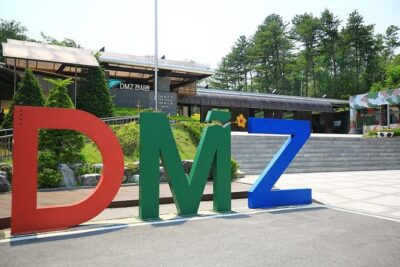
DMZ Tour: 3rd Tunnel, Option(Suspension Bridge, Boat) from Seoul
Read our review →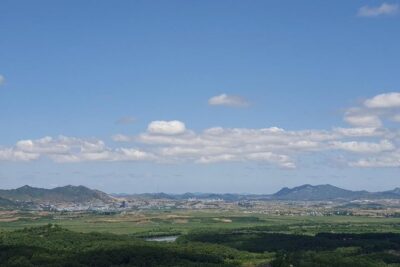
DMZ tour south Korea from Seoul (NK experience hall, defector)
Read our review →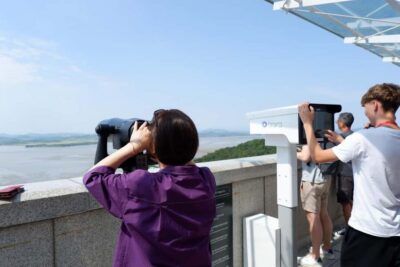
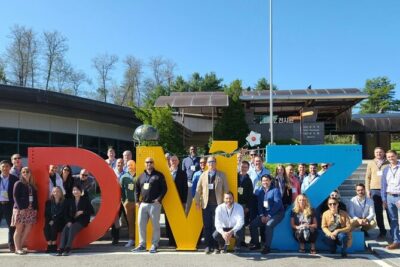
Signature DMZ Tour: Exclusive Defector Talk & Suspension Bridge
Read our review →
Thrilling Korean DMZ 3rd Tunnel Tour from Seoul + Red Bridge Rush
Read our review →
DMZ Past and Present: Korean Demilitarized Zone Tour from Seoul
Read our review →