
Reviewed · SEOUL DMZ TOURS
Closest Observatory to DMZ & Suspension Bridge Tour from Seoul
The most striking feature here is the Jogang Observatory, where North Korea lies only 1.4 kilometers away. From this Civilian Control Zone viewpoint, you get a close look across the border while standing at Aegibong Peace Ecopark, a place tied to war, displacement, faith, and hopes for peace.
I like the combination of clear historical meaning and simple sightseeing. You can learn why displaced Koreans came here to look toward their former homes, then visit the unusual Starbucks at the observatory. The main consideration is that this is a short, group-based visit rather than a full DMZ tour, and the view depends heavily on weather.
Key points to know before booking
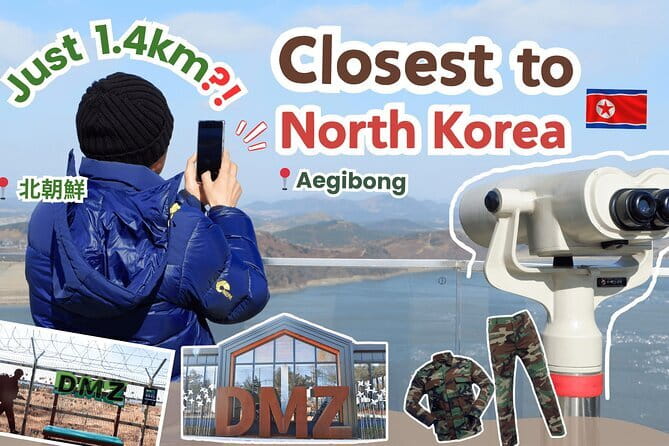
- North Korea is only 1.4 kilometers from Jogang Observatory, making this one of the closest public viewpoints available in the area.
- Aegibong Peace Ecopark carries personal meaning, especially for Koreans separated from their hometowns after the war.
- The Starbucks visit is part of the setting, not a free coffee stop, so drinks and food cost extra.
- Guides such as Thomas, Sunny, and Shin have received especially strong praise for clear explanations and friendly service.
- The tour lasts about 4 hours and 45 minutes, with transport from Myeongdong and return to Myeongdong Station.
- You must bring your passport, and the tour requires at least two participants to operate.
Aegibong Peace Ecopark and the view toward North Korea
Aegibong Peace Ecopark sits near the mouth of the Hangang River and Jogang River, in an area shaped by the Korean War and the continuing division of the peninsula. The site was once known as Hill 154, where fighting between the two Koreas was severe.
That setting gives the visit more weight than a standard city lookout. You are not simply climbing to a high point for a photograph. You are visiting a place where people have looked north for decades, often trying to see the hometowns they lost after Korea was divided.
The park is within the Civilian Control Zone. That matters because the area is not an ordinary suburban attraction. Access is more controlled, and carrying your passport is mandatory. Bring the same passport used for booking, and keep it with you throughout the outing.
The key stop is Jogang Observatory, the modern replacement for an older observatory built in 1978. From here, the northern land is remarkably close, only 1.4 kilometers away. The experience is less about dramatic buildings and more about the strange feeling of seeing another country so near, yet separated by a heavily guarded boundary.
You should keep your expectations practical. The tour does not promise a perfect, close-up view of North Korean buildings or people. Weather and visibility will affect what you can see. Still, the short distance gives this viewpoint a strong sense of place, especially if your main interest is understanding the border rather than collecting a long list of attractions.
More DMZ tours in Seoul:
- Best DMZ Tour Korea from Seoul (Red Suspension Bridge Optional)
★ 5.0 · 41,422 reviews - DMZ Tour: 3rd Tunnel, Option(Suspension Bridge, Boat) from Seoul
★ 5.0 · 21,373 reviews - DMZ tour south Korea from Seoul (NK experience hall, defector)
★ 5.0 · 20,599 reviews
Why the Starbucks matters here
The Starbucks at Aegibong has become one of the park’s most talked-about features. It is an unusual place for a familiar coffee brand, positioned at an observatory where you can look toward North Korea.
That contrast is part of the appeal. You can buy a modern coffee in a comfortable setting while looking across one of the world’s most politically tense borders. It is an everyday South Korean experience placed beside a major symbol of division.
Your drink is not included in the tour price. Food and other refreshments are also extra, so budget separately if you want to use the cafe. The coffee stop is best viewed as an optional part of the visit, not the main reason to book.
I like this detail because it gives the stop a human scale. The tour is not only about military history and political speeches. It also shows how ordinary life continues on the South Korean side of the border.
The Christmas tree that became a peace symbol
Aegibong was once known for a large Christmas tree and bright lights. Those lights could be seen from North Korea, where electricity was limited, and the display became a source of conflict.
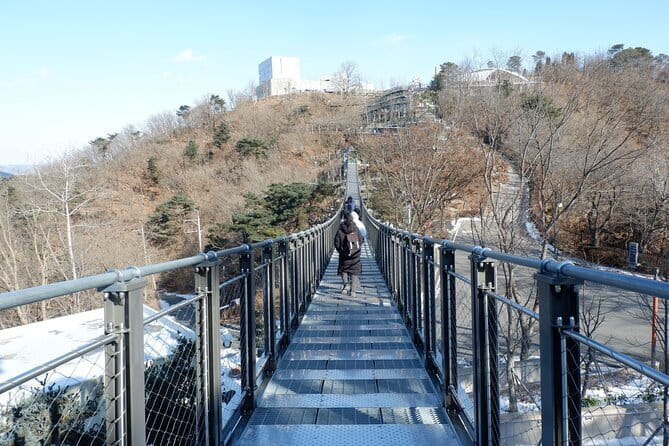
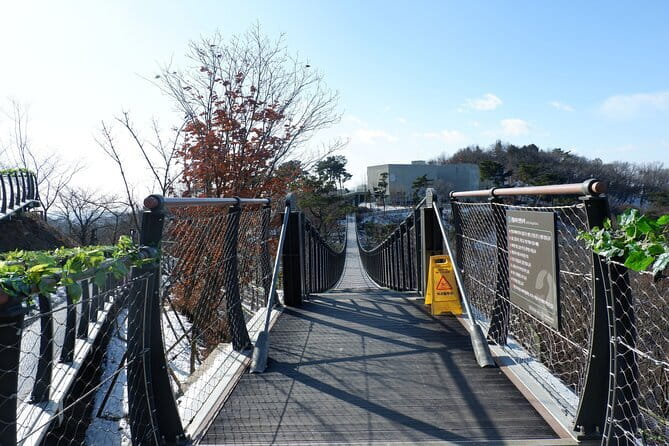
The tree was eventually removed. In its place, workers built bridges shaped like the tree. This is a small but memorable detail, and it helps explain the park’s message of peace and harmony.
You will not find a simple war memorial story here. The site also deals with symbolism, family separation, religion, and the effects of actions taken on either side of the border. The tree story shows how even a seasonal display can carry political meaning in this part of Korea.
The park’s paths and structures are part of the visit, but the supplied schedule gives about 1 hour and 30 minutes at Aegibong Peace Ecopark. That is enough time to visit the observatory, take in the view, see the tree-shaped bridges, and decide if you want coffee. It is not enough time for a slow, all-day exploration.
What guides add to the experience
A guide can make a major difference here. The border is easy to look at but harder to understand without context. The strongest guide feedback centers on clear explanations of the conflict between North and South Korea, along with personal insight into how division has affected Korean life.
Thomas is repeatedly praised for explaining the subject in a friendly and easy-to-follow way. Sunny is described as caring, organized, and engaging. Shin is also singled out for making the tour especially informative.
Those guide names are useful when comparing the experience, but they do not guarantee who will lead your departure. The professional guide is included if you select the guided option. If your booking offers a choice, check the exact option before paying.
I would choose the guided version if you want more than a quick photo stop. The history is serious, and a good explanation helps you understand why displaced people came to Aegibong and why this border remains so sensitive. If you already know the modern history of Korea and mainly want the view, the setting itself may be enough.
A different kind of day out around Seoul:
- Seoul: DMZ Tour with Optional Suspension Bridge
★ 4.8 · 5,277 reviews - Signature DMZ Tour: Exclusive Defector Talk & Suspension Bridge
★ 5.0 · 4,459 reviews - Thrilling Korean DMZ 3rd Tunnel Tour from Seoul + Red Bridge Rush
★ 5.0 · 3,097 reviews - DMZ Past and Present: Korean Demilitarized Zone Tour from Seoul
★ 5.0 · 2,481 reviews
The four-hour-forty-five-minute schedule
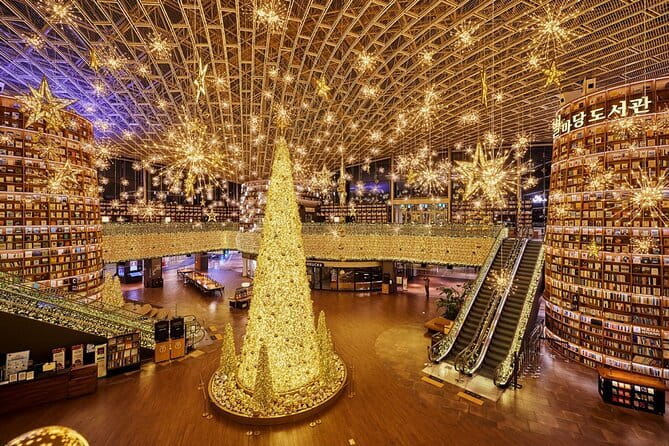
The total duration is about 4 hours and 45 minutes. That makes this a manageable half-day outing from Seoul rather than a full-day commitment.
The meeting point is in Myeongdong, one of Seoul’s most convenient areas for visitors. The tour ends at Myeongdong Station, but hotel pickup and drop-off are not included. You will need to reach the meeting point yourself and arrange your own return from the station.
Transport is by air-conditioned vehicle. That is useful because the trip takes you beyond central Seoul, and you can avoid dealing with the route yourself. The group can be as large as 120 people, so the atmosphere may vary considerably depending on the departure date.
A large maximum group size is the main practical weakness. A smaller departure can feel more personal, especially when discussing a sensitive subject or trying to hear the guide clearly. On the other hand, group transport keeps the price at about $48 per person, which is reasonable for a half-day excursion that includes transport, admission, and a professional guide when selected.
The tour requires at least two participants. If that minimum is not met, the provider can offer another date or experience, or provide a full refund.
Is $48 a fair price?

At around $48 per person, the value is strongest if you want convenience. The price covers the air-conditioned vehicle and admission to Aegibong Peace Ecopark. A professional guide is included when you select that option.
You still need to pay for coffee, snacks, lunch, and any other drinks. Travel insurance is also not included. Since the tour lasts nearly five hours, eat before departure or plan for food after returning to Myeongdong.
I consider the price fair for someone who wants a border visit without arranging transport to a controlled area. You are paying for the transfer, entry, and the structure of a guided visit. It is less compelling if you only want a cafe or if you expect a long, detailed tour of several DMZ facilities.
The tour is often booked well ahead, with an average booking time of 31 days before departure. That suggests you should not wait until the last day if your Seoul schedule is fixed, particularly if you need a certain date.
What to bring and how demanding it is
Your passport is essential. The tour information makes this a firm requirement, not a suggestion. Without it, you may not be able to take part.
The activity calls for a moderate level of physical fitness. The supplied details do not describe the exact length of walks, the number of stairs, or the surface of every path, so you should be prepared for some walking around the park and observatory.
Wear practical shoes and allow room in your schedule for the full 4 hours and 45 minutes. The trip is not presented as an extreme hike, but it is also not a vehicle-only sightseeing ride.
Because the area is weather-sensitive, check the forecast before leaving. Poor weather can lead to cancellation, in which case you can be offered another date or a full refund. Clear weather will give you a better chance of seeing across the border, though visibility is never guaranteed.
Who will enjoy this Aegibong tour most?
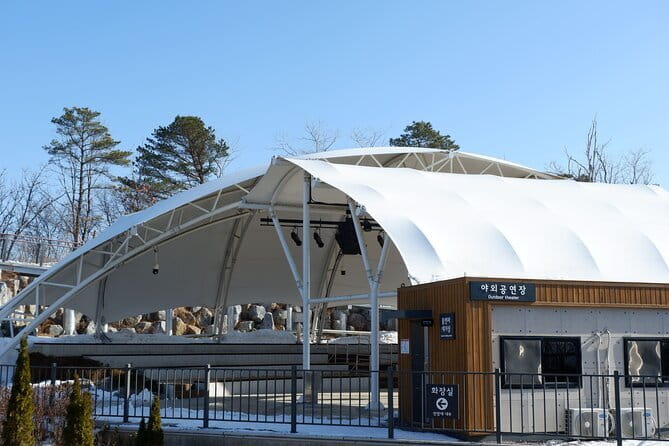
This experience suits you if you want a short introduction to the Korean border without committing to a longer military-focused excursion. It is especially useful for first-time visitors who want historical context and a close viewpoint toward North Korea.
It also suits people interested in the human side of division. Aegibong is connected with displaced people who came to look toward their old homes, so the site can feel personal rather than purely political.
The tour may be a good alternative when other border attractions are unavailable. One guide review specifically praised it as a useful choice while the Joint Security Area was closed. That does not make Aegibong a substitute for every DMZ site, but it does make this a practical option when access elsewhere is limited.
You may want something different if your priority is a full-day DMZ program with several stops, extensive military exhibits, or a longer walking route. Based on the supplied schedule, this visit focuses on one park and one observatory.
Should you book it?
Book this tour if seeing North Korea from a very close public viewpoint matters to you, and if you want the trip explained rather than simply photographed. The combination of Jogang Observatory, the displaced-family story, the Starbucks, and the tree-shaped bridges gives Aegibong a character that goes beyond a standard lookout.
I would book it with three expectations: bring your passport, expect a group setting, and accept that weather controls the quality of the view. At $48, it offers solid value for a convenient half-day trip from Myeongdong, especially with the guided option.
Skip it if you want a long, detailed DMZ circuit or dislike fixed group schedules. For everyone else, Aegibong offers a compact and meaningful look at Korea’s divided present, with enough unusual details to make the visit memorable.
FAQ
Where does the tour start?
The tour starts in Myeongdong, in Jung District, Seoul, South Korea.
Where does the tour end?
The tour ends at Myeongdong Station.
How long does the experience last?
The tour lasts approximately 4 hours and 45 minutes.
Is a passport required?
Yes. Passports are mandatory for this experience.
How close is Jogang Observatory to North Korea?
Jogang Observatory is described as being only 1.4 kilometers from North Korea.
Is coffee included?
No. Coffee and tea at Starbucks are not included in the tour price.
Is lunch included?
No. Lunch, snacks, and other food or drinks are not included.
Is hotel pickup and drop-off provided?
No. Hotel pickup and drop-off are not included. You meet in Myeongdong and finish at Myeongdong Station.
How many people are needed for the tour to operate?
At least two participants are required for the tour to proceed.
What happens if bad weather cancels the tour?
If poor weather causes cancellation, you can be offered a different date or receive a full refund. You can also cancel up to 24 hours before the start time for a full refund.
Just added around Seoul
- Your Personal Seoul Photographer!★ 4.1 · 15 reviews
- From Seoul: Hwacheon Ice Fishing and Lighting Festival Tour★ 4.5 · 4 reviews
- You’re Invited to Our Home in Seoul: The Only Cooking Class!★ 5.0 · 8 reviews
- Seoul: Gangneung BTS K-Pop & K-Drama Filming Locations Tour★ 4.6 · 14 reviews
- Unique Native Experience : Han River Picnic, Board game, BBQ★ 5.0 · 3 reviews
- 2-Hour Private Kayaking and Paddleboarding Experience in Hanriver★ 5.0 · 3 reviews
- Yun Korean Cooking Class in Seoul★ 5.0 · 6 reviews
- Day Trip to Yongin Daejanggeum and Korean Folk Village from Seoul★ 4.0 · 9 reviews
Seoul DMZ Tours, compared.
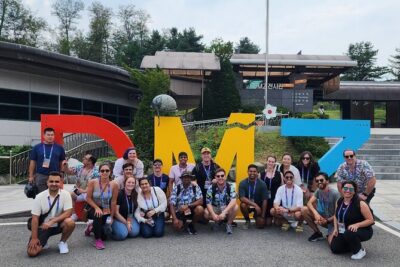
Best DMZ Tour Korea from Seoul (Red Suspension Bridge Optional)
Read our review →
DMZ Tour: 3rd Tunnel, Option(Suspension Bridge, Boat) from Seoul
Read our review →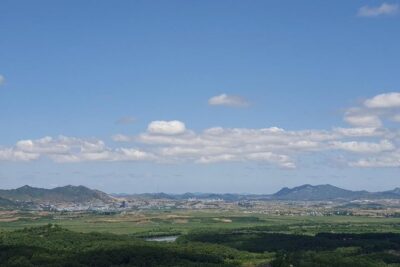
DMZ tour south Korea from Seoul (NK experience hall, defector)
Read our review →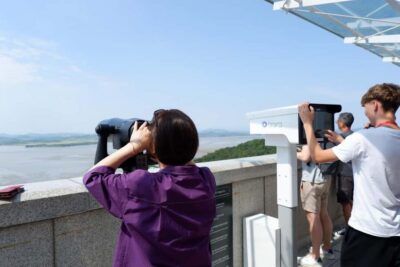

Signature DMZ Tour: Exclusive Defector Talk & Suspension Bridge
Read our review →
Thrilling Korean DMZ 3rd Tunnel Tour from Seoul + Red Bridge Rush
Read our review →
DMZ Past and Present: Korean Demilitarized Zone Tour from Seoul
Read our review →
Ultimate Korea DMZ Tour from Seoul (Gondola & Suspension Bridge)
Read our review →Browse the lists this tour appears in