
Reviewed · SEOUL DMZ TOURS
[Small Group] Aegibong and DMZ Closest Views of North Korea
North Korea is usually seen from a distance. This tour gets you unusually close, first from Dora Observatory inside the DMZ, then from Aegibong Peace Ecopark, where North Korean villages and farmland can appear across the border. The day also includes the 3rd Infiltration Tunnel and the memorials at Imjingak.
I like the strong mix of places: you get quiet reflection at Imjingak, a physical sense of Cold War tension in the tunnel, and clear border views at Aegibong. I also like the guides’ role. Eunice, Sophia, Jung, and Mimi are praised for explaining difficult history in a clear, personal way. The main drawback is the long day and the need for moderate fitness, especially in the tunnel.
Key points at a glance
- Aegibong offers some of the closest public views of North Korea, including villages, farmland, and signs of daily life.
- The 3rd Infiltration Tunnel gives the day a physical edge, not just a museum explanation of the conflict.
- Dora Observatory provides views toward Panmunjeom, Daeseong-dong, mountains, and farmland within the DMZ.
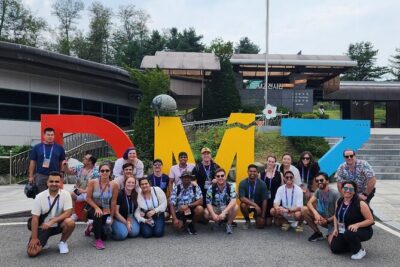
- English-speaking guides such as Eunice, Sophia, Jung, and Mimi add useful context to a subject that can otherwise feel confusing.
- The tour lasts about 8 to 9 hours, with a listed drop-off in Myeongdong at about 16:00.
- You must bring your passport for the identity check before entering the restricted area.
Why the Aegibong views change the usual DMZ day
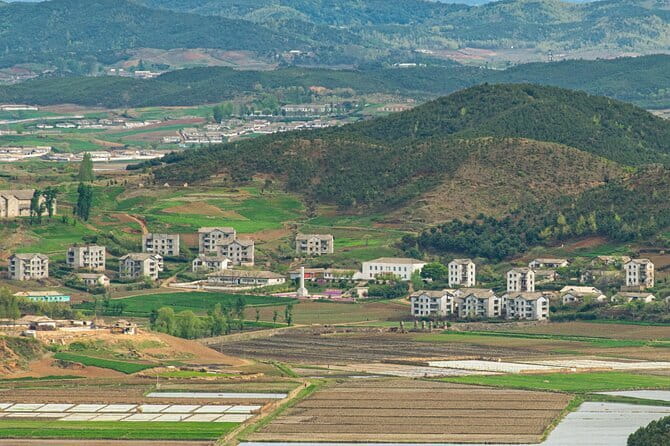
Many DMZ visits focus on the formal border zone. This tour adds Aegibong Peace Ecopark, which gives you a different view of the Korean Peninsula. From the Jogang Observatory, you can look across at North Korean villages and farmland without the same sense of distance found at many standard lookout points.
That matters because the border is not only a line on a map or a military story. From Aegibong, you may see ordinary settlements and fields on the other side. The view helps connect the political division to real places where people live and work.
The park also combines nature, walking paths, and exhibits about the area’s past. It is a calmer part of the day after the more controlled DMZ stops. The tour description presents it as the closest point to North Korea, so this is the central reason to choose this outing over a basic DMZ package.
Views depend on weather and visibility. On a clear day, the setting can be striking. Haze, clouds, or poor conditions may reduce what you can see, which is one reason the experience requires good weather.
More DMZ tours in Seoul:
- Best DMZ Tour Korea from Seoul (Red Suspension Bridge Optional)
★ 5.0 · 41,422 reviews - DMZ Tour: 3rd Tunnel, Option(Suspension Bridge, Boat) from Seoul
★ 5.0 · 21,373 reviews - DMZ tour south Korea from Seoul (NK experience hall, defector)
★ 5.0 · 20,599 reviews
Imjingak begins with remembrance, not military theater
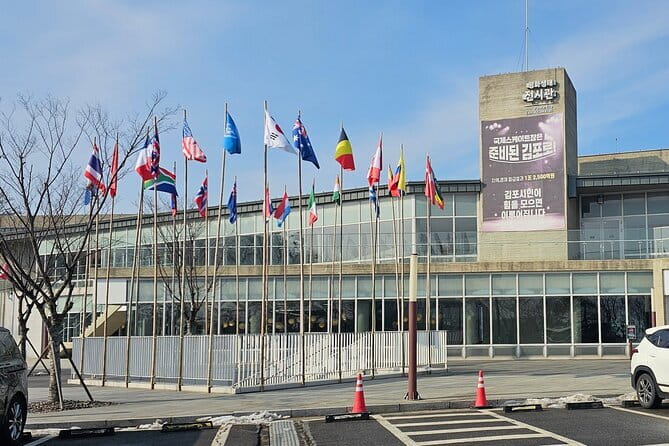
The day starts at Imjingak Pyeonghwa-Nuri Park, a large unification and security complex near the DMZ. The site includes Imjingak Pavilion, the North Korea Center, Unification Park, and several monuments connected with the Korean War and Korea’s division.
You have about two hours here, enough time to take in the memorials rather than race through them. Pyeonghwa-Nuri Park also hosts events, and its open grounds give you space to pause before the more restricted sections of the tour.
I like this beginning because it gives emotional and historical context before you enter the border area. The DMZ can otherwise become a checklist of observatories, tunnels, and military signs. At Imjingak, the focus is on separation, remembrance, and the hope of reunification.
The site is also a practical meeting point. The listed starting location is Imjingak Pyeonghwa-Nuri Park in Munsan-eup, Paju-si, although pickup is offered as a tour feature. If you plan to rely on pickup, confirm the exact arrangement before the day begins. The published end point is Myeongdong in Seoul.
The passport check marks the move into restricted territory
After Imjingak, you pass through an identity check before crossing the Unification Bridge. Bring your passport. This is not an optional extra, and you should keep it easy to reach.
The check changes the feel of the day. You are moving from a public park into an area with tighter access and a clear security purpose. The crossing is part of the experience because it shows that the DMZ is not simply another sightseeing district around Seoul.
Your guide is especially useful here. The subject involves the Korean War, the armistice, the division of the peninsula, and ongoing peace efforts. A guide who can explain the background in plain English makes the stops far more useful. Jung, Sophia, Eunice, and Mimi are all named as guides who explain the subject clearly and keep the day organized.
The group can include up to 40 people, even though the experience is presented as small group and includes private transportation. That is worth checking if group size is important to you. The vehicle is air-conditioned, and transportation is included, which saves you from arranging several separate transfers around Paju and Gimpo.
The 3rd Infiltration Tunnel puts the conflict under your feet
The 3rd Infiltration Tunnel is the most physical stop. North Korea built it as a possible route for an invasion of South Korea, and South Korea discovered it in 1978. Of the four tunnels found so far, this one is the closest to Seoul, about 52 kilometers away.
You spend about an hour and a half here, including the visit and the explanation of its purpose. The key value is scale. A written account of an infiltration tunnel is one thing. Descending into the passage gives you a more direct sense of the planning and labor behind it.
You should have a moderate level of fitness. The tour specifically warns about this, and the tunnel is not a passive museum stop. Wear sensible shoes and expect the visit to require physical effort. The provided information does not specify the exact route or number of steps, so ask your guide on the day if you need a clearer sense of the descent.
The tunnel is also where a good guide earns the fee. Sophia is praised for explaining the history in a way that is easy to follow, while other guides are credited with adding stories and context. The subject can be grim, but the explanations help connect the tunnel to the wider story of the armistice and the continuing division.
A different kind of day out around Seoul:
- Seoul: DMZ Tour with Optional Suspension Bridge
★ 4.8 · 5,277 reviews - Signature DMZ Tour: Exclusive Defector Talk & Suspension Bridge
★ 5.0 · 4,459 reviews - Thrilling Korean DMZ 3rd Tunnel Tour from Seoul + Red Bridge Rush
★ 5.0 · 3,097 reviews - DMZ Past and Present: Korean Demilitarized Zone Tour from Seoul
★ 5.0 · 2,481 reviews
Dora Observatory offers the classic DMZ panorama
Dora Observatory is the familiar high point of a DMZ visit, but it still deserves its place. From here, you can look toward Panmunjeom, see Daeseong-dong within the DMZ, and view surrounding mountains and farmland.
You have roughly one hour at the observatory. The value depends heavily on visibility, so do not judge the stop only by the photographs you may have seen online. On a clear day, the view can help you understand the geography of the border. You are not looking at an abstract political zone. You are seeing fields, settlements, and terrain divided by one of the world’s most guarded boundaries.
The observatory also works well after the tunnel. The tunnel shows the hidden and threatening side of the conflict. Dora shows the broader setting. Together, they give you both the underground story and the view across the open ground.
Your guide should point out what you are seeing and explain the significance of the visible locations. This is one of the places where timing matters. Sophia is praised for arranging the day so the group reached stops before larger buses arrived. That kind of pacing can make an observatory much easier to enjoy.
Aegibong Peace Ecopark adds a human view of North Korea
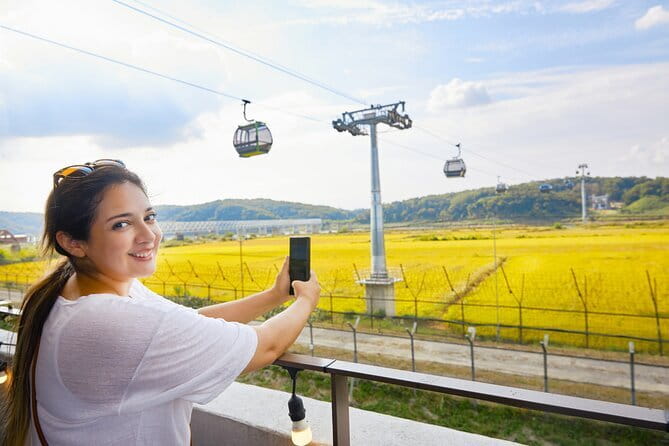
The second half of the tour moves to Aegibong Peace Ecopark in Gimpo. The park is known for nature, walking trails, exhibits, and its position close to North Korea. It symbolizes hope for peace, but it does not feel limited to a political display.
The park gives you time to slow down. After the controlled border facilities, the walking paths and open views offer a different rhythm. You can consider what you have seen rather than move immediately to another security checkpoint.
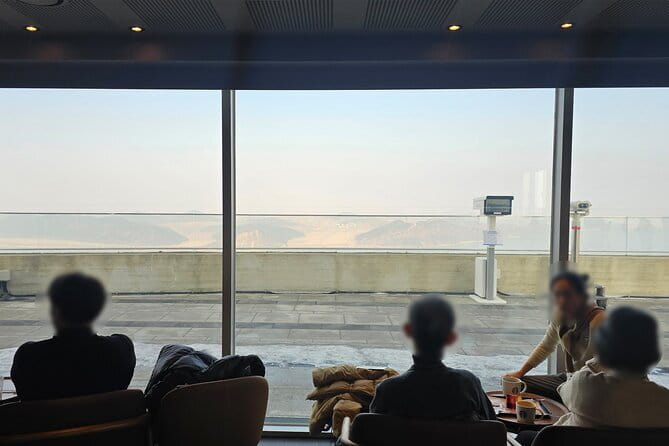
The most important stop here is the Jogang Observatory, listed alongside Starbucks Aegibong Peace Ecopark. The description highlights the clear, unobstructed views of North Korean villages and farmland. This is the tour’s strongest point for seeing ordinary life on the other side of the border.
The word close matters here, but you should not expect to see private details or individual people clearly. The value is the broad view of settlements, fields, and the shape of the area. It is a more human picture than a purely military lookout.
You have about an hour at the park and another hour listed for the Starbucks and Jogang Observatory stop. That gives you time for the viewpoint and a break, though coffee is not included in the price. Personal spending, lunch, and coffee or tea are all separate.
The guide can make a difficult subject easy to follow
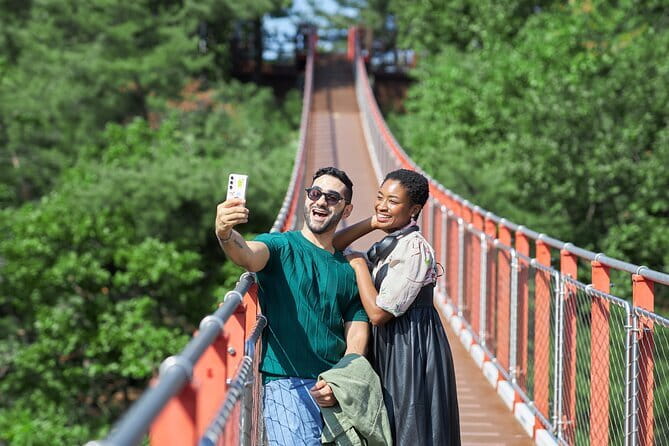
The strongest part of this tour is not only the route. It is the explanation along the way. Korea’s division involves the Korean War, the armistice, separate political systems, restricted zones, infiltration tunnels, and repeated efforts toward peace. Without context, several of the sights can blur together.
Eunice is described as warm, clear, and good at explaining both sides of Korea. Sophia is praised for organization, timing, and straightforward explanations. Jung is noted for giving the group a better understanding of the DMZ, while Mimi is credited with making the day both informative and enjoyable.
That range is useful because the best guide for this tour is not simply someone who knows dates. You want someone who can explain why the sites matter, answer questions without turning the day into a lecture, and keep the group moving through controlled areas.
The tone also matters. This is a serious subject, but you do not need a solemn lecture for eight hours. The guides named here appear to bring warmth and clear storytelling to the day. That helps the experience remain approachable while respecting the people and events involved.
The $120 price makes sense if you value transport and context
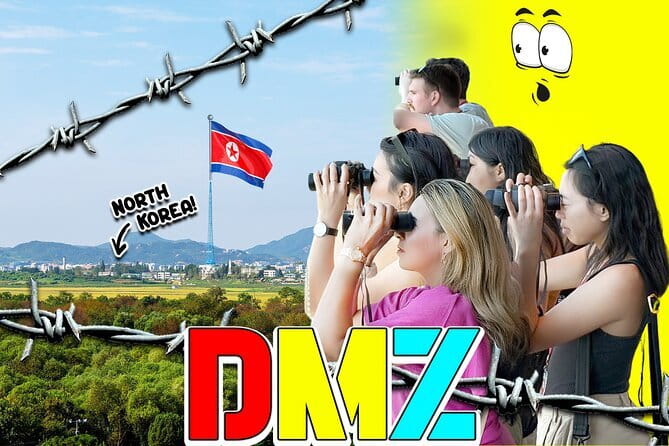
At $120 per person, this is not the cheapest way to visit the DMZ. You are paying for an 8 to 9 hour day, admission to the listed sites, private transportation, an air-conditioned vehicle, and an English-speaking guide.
The value is strongest if you want both the standard DMZ sights and Aegibong. A simpler outing may take you to one observatory or one tunnel, but this route gives you Imjingak, the 3rd Infiltration Tunnel, Dora Observatory, and the closer Aegibong views in one day.
Lunch, coffee, tea, and personal expenses are not included. Plan for those separately. The itinerary indicates that the tour ends at Aegibong Peace Ecopark around 15:00, with an estimated arrival in Myeongdong at 16:00. Traffic can affect the return, so do not schedule an important Seoul activity too tightly afterward.
The maximum group size is 40, so ask about the expected group size if you are specifically seeking an intimate small-group setting. The published feedback places strong emphasis on good timing and avoiding the largest bus crowds, which may matter more than the label used to describe the group.
Who should book this DMZ experience
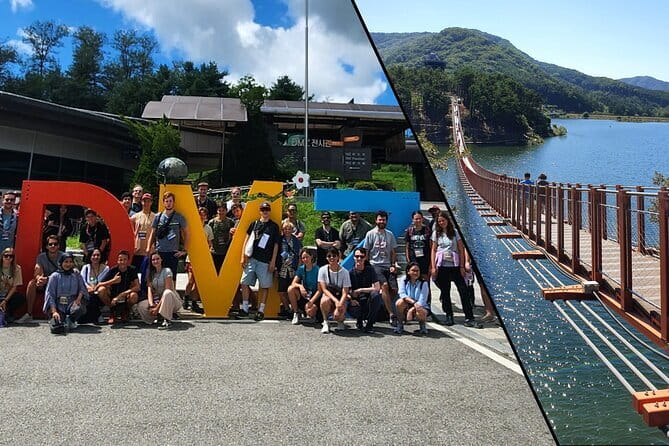
I would choose this tour if you want the DMZ to feel like more than a quick photo stop. It suits you if you care about the Korean War, want a guide to explain the political background, and like the idea of seeing both military sites and civilian-looking villages across the border.
It is also a good fit if Aegibong is the main attraction for you. The close views from Jogang Observatory are the feature that separates this outing from a standard DMZ route.
You should think twice if you dislike long day trips, controlled entry procedures, or physical activity. The passport check is required, the tunnel needs moderate fitness, and weather can affect the views. You should also confirm the pickup point and expected group size before booking.
Free cancellation is available if you cancel at least 24 hours before the start time. Changes made within 24 hours are not accepted, and poor weather or failure to meet the minimum number of participants can lead to a rescheduled tour or full refund.
Should you book it?
Book this tour if you want the closest and most varied look at North Korea offered by this route. Aegibong gives you villages and farmland, while the tunnel and Dora Observatory explain the border’s military reality.
The tour is worth the $120 for a full day of transport, admissions, and guided context, especially if you do not want to organize several restricted-area visits yourself. Just bring your passport, prepare for the tunnel, allow room in your schedule for traffic, and confirm the pickup details. For a serious, well-explained DMZ day with an extra viewpoint, this is a strong choice.
FAQ
How long does the Aegibong and DMZ tour last?
The experience lasts approximately 8 to 9 hours.
Where does the tour start?
The listed starting point is Imjingak Pyeonghwa-Nuri Park, 148-40 Imjingak-ro, Munsan-eup, Paju-si, Gyeonggi-do, South Korea. Pickup is also offered, so confirm the exact pickup arrangement before the tour.
Where does the tour end?
Drop-off is provided in Myeongdong, Seoul. The tour is expected to finish at Aegibong Peace Ecopark around 15:00, with estimated arrival in Myeongdong at 16:00.
Do I need to bring my passport?
Yes. You must bring your passport for the identity check before entering the restricted area across the Unification Bridge.
What places are visited?
The route includes Imjingak Pyeonghwa-Nuri Park, the 3rd Infiltration Tunnel, Dora Observatory, Aegibong Peace Ecopark, and the Jogang Observatory area listed as Starbucks Aegibong Peace Ecopark.
Is lunch included?
No. Lunch is not included. Coffee, tea, and personal expenses are also separate.
Is transportation included?
Yes. The tour includes private transportation in an air-conditioned vehicle.
How many people can join the tour?
The activity can have a maximum of 40 participants.
What happens if the weather is poor?
The experience requires good weather. If it is canceled because of poor weather, you will be offered another date or a full refund.
Just added around Seoul
- Your Personal Seoul Photographer!★ 4.1 · 15 reviews
- From Seoul: Hwacheon Ice Fishing and Lighting Festival Tour★ 4.5 · 4 reviews
- You’re Invited to Our Home in Seoul: The Only Cooking Class!★ 5.0 · 8 reviews
- Seoul: Gangneung BTS K-Pop & K-Drama Filming Locations Tour★ 4.6 · 14 reviews
- Unique Native Experience : Han River Picnic, Board game, BBQ★ 5.0 · 3 reviews
- Yun Korean Cooking Class in Seoul★ 5.0 · 6 reviews
- 2-Hour Private Kayaking and Paddleboarding Experience in Hanriver★ 5.0 · 3 reviews
- Day Trip to Yongin Daejanggeum and Korean Folk Village from Seoul★ 4.0 · 9 reviews
Seoul DMZ Tours, compared.
Best DMZ Tour Korea from Seoul (Red Suspension Bridge Optional)
Read our review →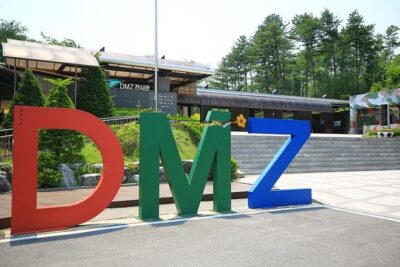
DMZ Tour: 3rd Tunnel, Option(Suspension Bridge, Boat) from Seoul
Read our review →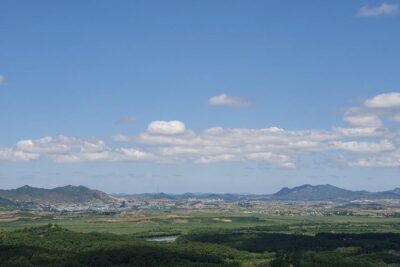
DMZ tour south Korea from Seoul (NK experience hall, defector)
Read our review →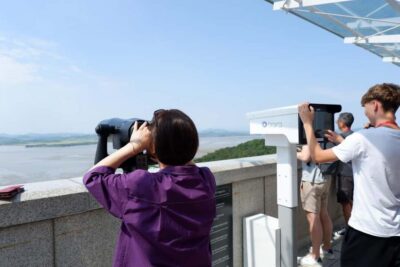

Signature DMZ Tour: Exclusive Defector Talk & Suspension Bridge
Read our review →
Thrilling Korean DMZ 3rd Tunnel Tour from Seoul + Red Bridge Rush
Read our review →
DMZ Past and Present: Korean Demilitarized Zone Tour from Seoul
Read our review →
Ultimate Korea DMZ Tour from Seoul (Gondola & Suspension Bridge)
Read our review →Browse the lists this tour appears in