
Reviewed · SEOUL DMZ TOURS
DMZ Highlights & Exclusive Defector Interview – True Human Story
The most powerful part of this Seoul day trip is not the photo stop at the border. It is the interview with a North Korean defector, which gives the DMZ a human face. You also visit the Third Infiltration Tunnel and Dora Observatory, so the day connects personal experience with the military facts on the ground.
I like the way the tour gathers the main DMZ sights into one long outing, and I like the strong English presentation from guides such as SP Hong, whose mix of Korean history, clear explanations, and humor has earned high praise. The main drawback is the tight schedule: there is little time for lunch, the tunnel requires real effort, and the optional suspension bridge course can be confusing if you do not confirm exactly what you booked.
Key points to know before booking
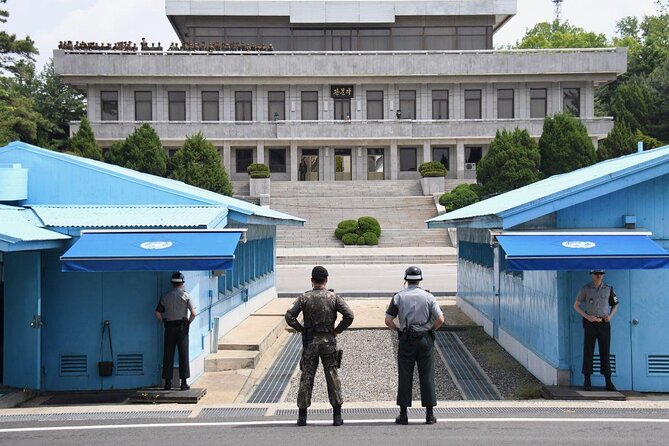
- A defector interview adds a human story: You can ask questions and hear about North Korea, escape, hardship, and hopes directly through a translator or English-speaking guide.
- The Third Tunnel is physical: The route extends 435 meters into South Korea, and the walk back up is steep enough to feel like a workout.
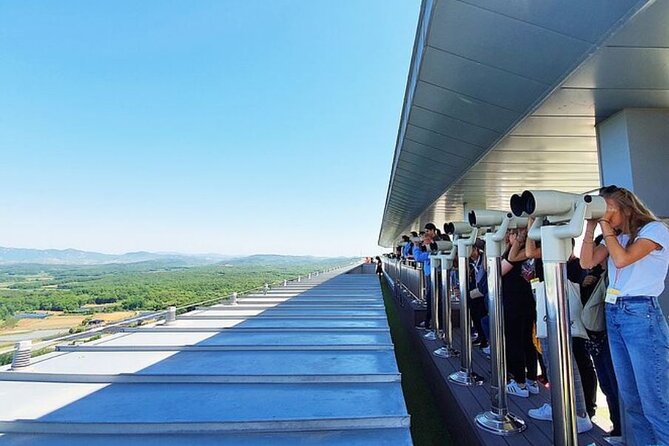
- Dora Observatory gives you a view north: Binoculars help you see Gaeseong City, the Gaeseong Industrial Complex, and the border village often called Propaganda Village.
- Your passport is required: The DMZ is a controlled military area, and access rules can change without notice.
- Lunch is not included: Bring snacks and water because the schedule may leave little time for a proper meal.
- Check the bridge option carefully: The Gamaksan Suspension Bridge is a separate course that requires a 20 to 30-minute uphill walk and may need a minimum number of participants.
Why the defector interview changes the day
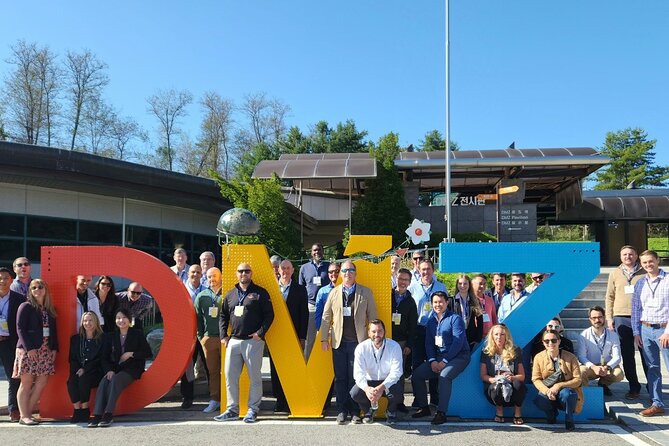
Many DMZ tours follow nearly the same route. You see the fences, observation points, tunnels, memorials, and military signs, then return to Seoul with a general sense of the division. This tour tries to add something less visible: the memory of a person who lived on the other side.
The interview is the experience’s main reason to choose it over a standard DMZ outing. The format allows questions, and the guide translates when needed. Stories from Ms. Cho and other speakers have been described as passionate, detailed, and personal. You may hear about daily life in North Korea, the decision to leave, the difficulty of escape, and hopes for the future.
That conversation cannot replace a careful study of Korean history, and the quality will depend partly on the speaker and the time available. One critical assessment found the guide talked at length while offering little beyond the written information and videos. I would book this tour for a personal introduction to the subject, not as a university-style history seminar.
The strongest guides appear to be those who keep both sides in view. SP Hong is described as a retired businessman and Korean history major with excellent English, a serious grasp of the subject, and a good sense of humor. That balance matters. The DMZ can feel grim, but a day of nothing but solemn speeches would be tiring.
More DMZ tours in Seoul:
- Best DMZ Tour Korea from Seoul (Red Suspension Bridge Optional)
★ 5.0 · 41,422 reviews - DMZ Tour: 3rd Tunnel, Option(Suspension Bridge, Boat) from Seoul
★ 5.0 · 21,373 reviews - DMZ tour south Korea from Seoul (NK experience hall, defector)
★ 5.0 · 20,599 reviews
Starting early from central Seoul
The meeting point is at 92 Sejong-daero in Jung-gu, central Seoul, with departure at 7:30 am. You meet the guide, wait for the full group, and then travel by air-conditioned vehicle toward the border.
The ride takes about 50 minutes according to the planned schedule, though traffic can change the timing. An early start is useful because the DMZ operates under security controls, not ordinary sightseeing rules. Delays can happen, and the day may run anywhere from seven to nine hours.
Arrive early. There are no changes or refunds if you miss departure, even for a reason that feels unavoidable. Keep your passport with you throughout the day. You will need it for access to the controlled area.
The group can include as many as 90 people, so this is not a small private tour. That size helps keep the price low, but it also means you must stay alert when moving between the vehicle and each stop. The guide’s organization makes a real difference.
Imjingak: memorials, fences, and the wish to reunite
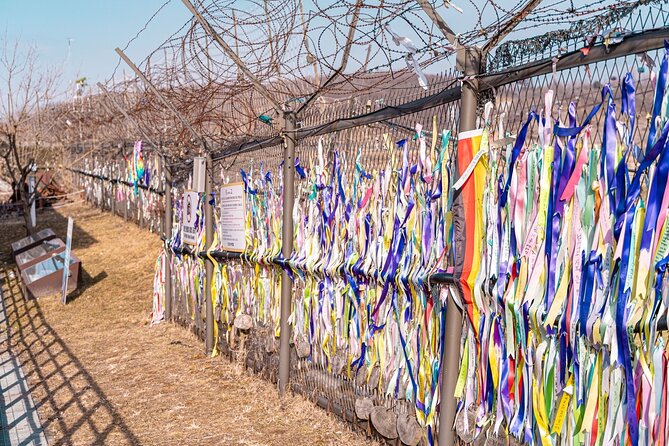
The first main stop is Imjingak Pyeonghoa-Nuri Park, where public recreation sits beside one of the world’s most heavily watched borders. The setting can feel surprisingly open, with rides, restaurants, and large modern buildings near barbed wire and memorials.
That contrast is part of what makes Imjingak useful. The Korean Peninsula remains divided, but the site is not presented only as a battlefield. It also expresses the long hope that families and communities separated by the border might one day be reunited.
You see historical objects and memorials connected with the Korean War. The Freedom Bridge is the emotional center. About 13,000 prisoners of war crossed it in 1953 on their return to freedom. The nearby Mangbaedan area and bridge over the Imjingang River also carry the memory of separated families and those waiting for reunification.
Allow about an hour here. I would listen closely to the guide rather than rush straight to photographs. The monuments can seem cryptic without context, and this is where a good explanation turns a collection of concrete and steel into a place with meaning.
Entering the Third Infiltration Tunnel
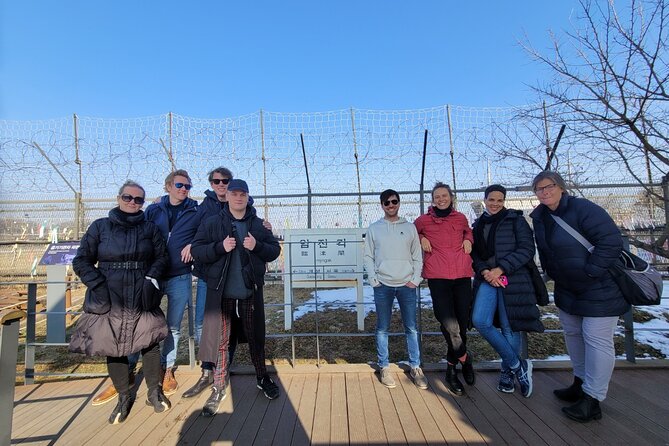
The Third Infiltration Tunnel is often the most physical stop of the day. The tunnel extends 435 meters into South Korean territory and is presented as a route built for possible military use. A documentary and displays at the site explain how the tunnel was found and why it matters.
The walk is not long by ordinary hiking standards, but the grade is the issue. You descend into the tunnel, then face the uphill return. The ceiling is low in places, which can be awkward if you are tall, and the climb back has been compared to a serious workout.
Wear sneakers or other comfortable shoes. This is not a good outing for anyone with mobility problems, and the overall tour requires a moderate level of fitness. The tunnel is also not the place for a slow, leisurely stroll. You need to keep moving with the group.
I like this stop because it makes the division physical. At an observatory, the border is distant. Inside the tunnel, the story is under your feet. The museum and film help, but the strongest impression comes from the narrow route itself.
More city highlights tours in Seoul:
- Seoul City Sightseeing Tour Including Gyeongbokgung Palace, N Seoul Tower, and Namsangol Hanok Village
★ 5.0 · 1,423 reviews - Seoul Highlights: Gyeongbok Palace, Insadong & N Seoul Tower
★ 4.7 · 726 reviews - Seoul Highlights & Hidden Gems Tours by Locals: Private + Custom
★ 5.0 · 359 reviews - ARMY Must Visit BTS Tour in Seoul
★ 5.0 · 149 reviews
Dora Observatory and the view toward North Korea
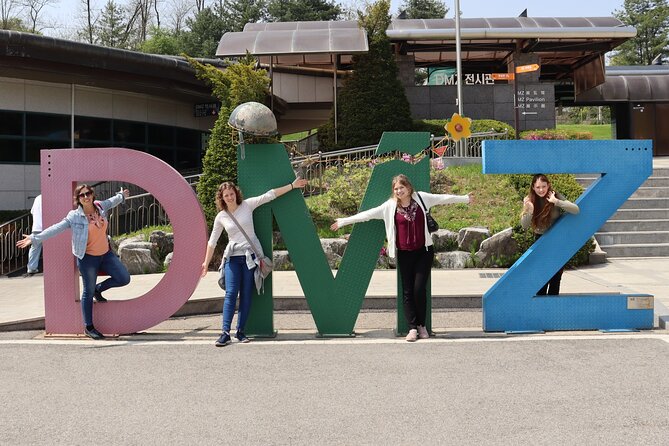
At Dora Observatory, you look north across the DMZ. On a clear day, you may see Gaeseong City, the Gaeseong Industrial Complex, and the village often called Propaganda Village. Binoculars are available at the viewing area, and they make a major difference.
Do not expect a dramatic city panorama every time. Weather and visibility control what you can see, and the border area can look quiet from a distance. That quiet is part of the lesson. The DMZ is heavily controlled, yet from the observatory it can appear almost still.
The guide helps identify the places in view and explains the border’s political setting. This is a good moment to ask questions after the more structured information at the tunnel. You will get more from the observatory if you know what you are looking at, rather than treating it as a quick photo stop.
The so-called Propaganda Village is especially interesting because it reflects the information battle between North and South Korea. The view is not simply about scenery. It shows how the border has been used to project competing images of national life.
Unification Village and the changing rhythm of the tour
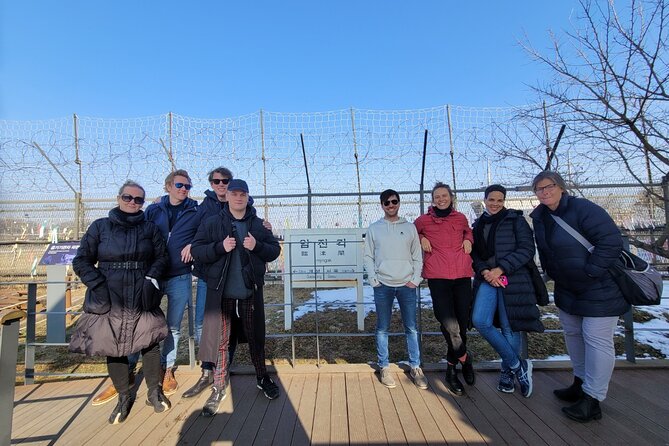
Tongilchon-gil, or Unification Village, lies north of the Civilian Control Line. The scheduled stop is short, about 10 minutes, and the village is known for agricultural products such as Jangdan ginseng and Jangdan soybeans.
Because the stop is brief, do not expect an extended village visit. It works more as a quick glimpse of civilian life near a heavily restricted zone. After the tunnel and observatory, that change of pace helps you see that people still farm and live close to the military boundary.
The exact order and duration of stops can change with security requirements and traffic. The DMZ can close suddenly without notice. If that happens, an alternative tour is provided, but there is no refund. That policy may feel strict, yet it reflects the fact that this is an active military control area rather than a normal museum route.
The optional Gamaksan Suspension Bridge course
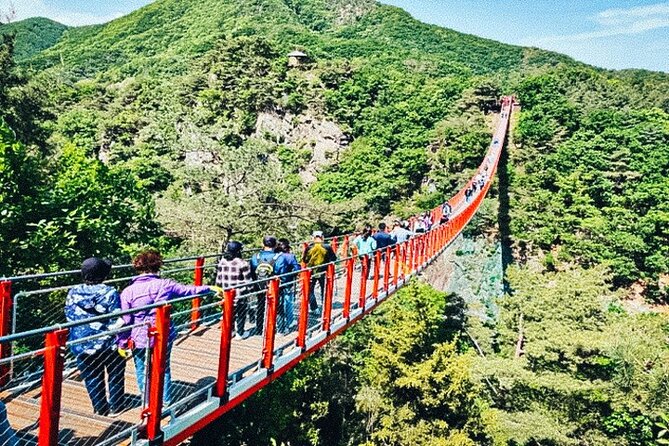
Some departures offer a different finish at Gamaksan Chulleong Bridge. The suspension bridge stretches 220 meters over Silmari Valley and was once the longest suspension bridge in Korea. The setting adds a scenic walk to a day that otherwise focuses on war, separation, and politics.
The tradeoff is time and effort. Reaching the bridge requires a 20 to 30-minute uphill walk, so sturdy shoes are essential. The option also needs a minimum number of participants. If that number is not reached, the course may be changed.
Pay close attention when selecting your tour. The basic defector course does not necessarily include the suspension bridge. Some customers expected the bridge but found that they had booked a different version. Confirm the exact course and price before payment, and ask the guide at the start if the bridge is part of your day.
A separate drop-off at City Hall Station may be available for some arrangements. The tour information also refers to Myeongdong and City Hall in the return plan, so expect the ending point to depend on traffic and the selected route. Hotel drop-off is not included.
A day that needs snacks, patience, and good shoes
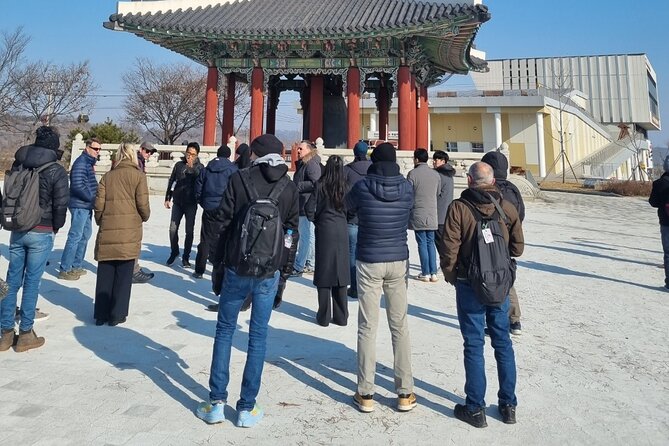
At $27 per person, this is inexpensive for a full-day outing that includes transport, a certified English guide, admission fees, and the defector interview. You are paying for a group experience, not a private driver or a flexible schedule.
The value is strongest if you want to see several major DMZ sights in one day without arranging separate transport. Entrance fees and the controlled transfer are already handled, and the guide gives you useful context while moving the group through a complicated area.
Food is the weak point. Lunch is not included, and the tight schedule may leave little time to sit down for a full meal. Bring snacks and water. You should also eat breakfast before meeting the group, since the departure is early and the day can stretch to nine hours.
The group may be large, with up to 90 people. That keeps the cost down but can make stops feel brisk. If you want long stretches of quiet viewing, a small-group or private tour may suit you better. If you prefer a practical route with many sights for one low price, this format makes sense.
Who will get the most from this DMZ tour
I would choose this outing if you are visiting Seoul for the first time and want the main DMZ sights plus a personal account from someone who left North Korea. Solo visitors should feel comfortable booking it, since the group format makes joining alone straightforward.
It also suits families with older children, provided they can manage the early start, long day, security rules, and tunnel walk. Children must be accompanied by an adult.
You should think twice if you have mobility limitations, dislike group schedules, or need a guaranteed lunch break. The Third Tunnel is physically demanding, and the uphill bridge route is harder still. Anyone hoping for a detailed academic treatment of Korean history may also find the guide commentary too general.
The best preparation is simple: bring your passport, wear sneakers, carry snacks, arrive early, and keep an open mind. The subject is serious, but the day is not meant to frighten you. The controlled setting, the quiet view north, and the defector’s account give you plenty to think about without turning the experience into a lecture.
Should you book it?
Book this tour if the defector interview is your main reason for visiting the DMZ. That conversation gives the day a personal center, while Imjingak, the Third Tunnel, and Dora Observatory supply the wider setting. Guides such as SP Hong can add humor and clear explanations to a difficult subject.
Book with caution if you are mainly interested in the Gamaksan Suspension Bridge. Confirm that option before you pay, since it is not automatically included and may depend on group numbers.
At $27, the tour offers strong value for a full day of transport, admissions, guide service, and a rare chance to ask questions of a North Korean defector. Just accept the compromises: a large group, changing timing, limited food breaks, and military restrictions. If those conditions suit you, this is a sensible and memorable way to understand the border from both the map and the human side.
FAQ
How much does the DMZ Highlights and Defector Interview tour cost?
The listed price is $27 per person. It includes the certified English guide, the North Korean defector interview, entrance fees, taxes, and transport in an air-conditioned vehicle.
How long does the tour last?
The tour lasts approximately seven to nine hours. Traffic, security checks, and conditions at the DMZ can change the schedule.
Where and when does the tour start?
The meeting point is 92 Sejong-daero, Jung-gu, Seoul. The scheduled start time is 7:30 am.
Do I need to bring my passport?
Yes. Every participant must bring a passport because the DMZ is a controlled military area.
Is lunch included?
No. Lunch is not included, and the schedule may not leave much time for a proper meal. Bring snacks and water.
Is the Gamaksan Suspension Bridge included?
Not necessarily. It is an optional course that may cost more, requires a 20 to 30-minute uphill walk, and needs a minimum number of participants. Confirm the selected option when booking.
Is the Third Infiltration Tunnel difficult to visit?
The tunnel requires a moderate level of fitness. The route extends 435 meters into South Korea, includes a descent, and requires an uphill walk to return. Comfortable shoes are recommended.
What happens if the DMZ closes?
The DMZ can close suddenly without notice. If that happens, an alternative tour is provided, and no refund is issued.
Can I cancel for a full refund?
You can cancel at least 24 hours before the scheduled start time for a full refund. Cancellations or changes made less than 24 hours before departure are not accepted.
Just added around Seoul
- Your Personal Seoul Photographer!★ 4.1 · 15 reviews
- From Seoul: Hwacheon Ice Fishing and Lighting Festival Tour★ 4.5 · 4 reviews
- You’re Invited to Our Home in Seoul: The Only Cooking Class!★ 5.0 · 8 reviews
- Seoul: Gangneung BTS K-Pop & K-Drama Filming Locations Tour★ 4.6 · 14 reviews
- Unique Native Experience : Han River Picnic, Board game, BBQ★ 5.0 · 3 reviews
- 2-Hour Private Kayaking and Paddleboarding Experience in Hanriver★ 5.0 · 3 reviews
- Yun Korean Cooking Class in Seoul★ 5.0 · 6 reviews
- Day Trip to Yongin Daejanggeum and Korean Folk Village from Seoul★ 4.0 · 9 reviews
Seoul DMZ Tours, compared.
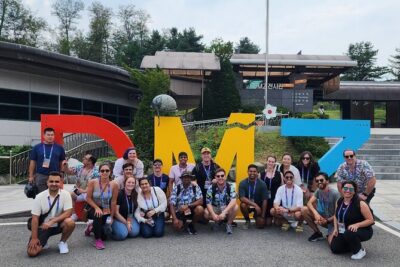
Best DMZ Tour Korea from Seoul (Red Suspension Bridge Optional)
Read our review →
DMZ Tour: 3rd Tunnel, Option(Suspension Bridge, Boat) from Seoul
Read our review →
DMZ tour south Korea from Seoul (NK experience hall, defector)
Read our review →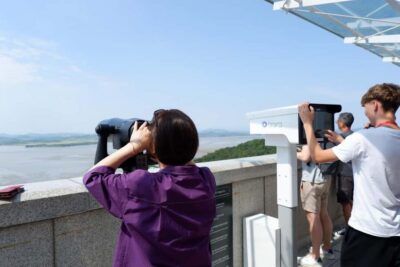

Signature DMZ Tour: Exclusive Defector Talk & Suspension Bridge
Read our review →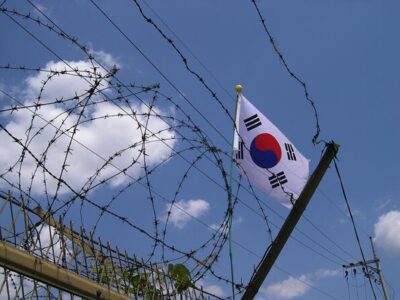
Thrilling Korean DMZ 3rd Tunnel Tour from Seoul + Red Bridge Rush
Read our review →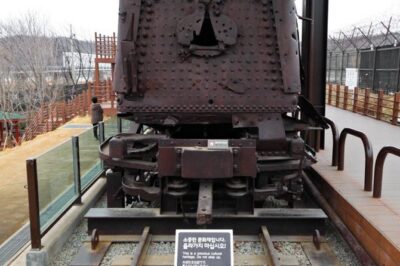
DMZ Past and Present: Korean Demilitarized Zone Tour from Seoul
Read our review →
Ultimate Korea DMZ Tour from Seoul (Gondola & Suspension Bridge)
Read our review →Browse the lists this tour appears in