
Reviewed · SEOUL DMZ TOURS
DMZ Guided tour from Seoul with Suspension Bridge or Gondola
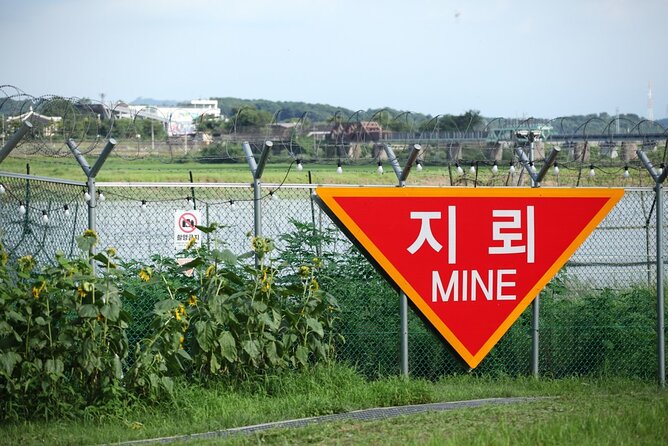
The most striking part of this day is the sudden change from Seoul’s city streets to the heavily guarded DMZ, where barbed wire, watchtowers, and military controls sit beside quiet farmland and the Imjin River. You may also look across toward North Korea from Dora Observatory, though weather and security conditions can change the view.
I like the way this tour combines serious history with two very different outdoor stops: a narrow infiltration tunnel and a mountain suspension bridge or gondola ride. Guides such as Patrick, April, and Roy are praised for keeping the day moving and explaining the complicated past in clear terms. The drawback is the schedule: this is a long day with steep walks, limited time at some stops, and no control over sudden political or weather changes.
Key things to know before booking
- The weekday changes the route: Tuesday through Sunday usually means the 3rd Tunnel, Dora Observatory, and Unification Village. Mondays use the 2nd Tunnel, Peace Observatory, and Woljeongri Station instead.
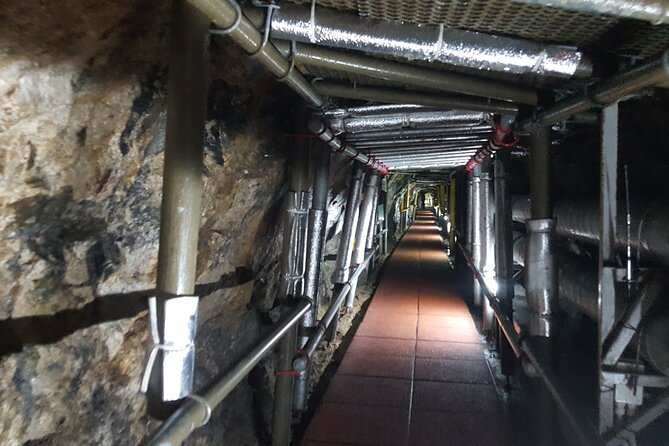
- The 3rd Tunnel requires effort: You walk down a steep route and return uphill through a low passage. A monorail is not available.
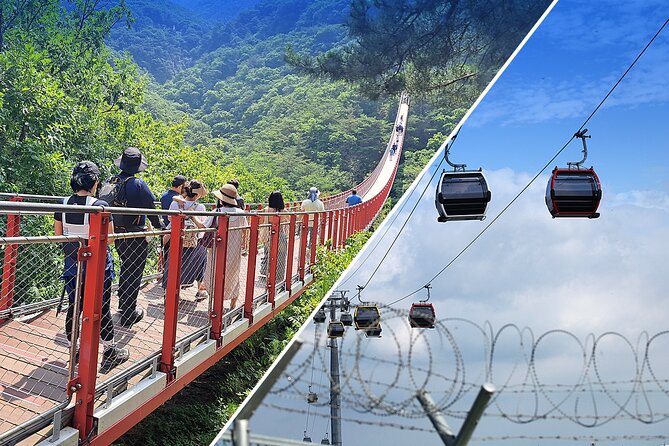
- Gondola and bridge stops are optional: Select them when booking, and confirm which bridge is included if the bridge matters most to you.
- Expect a full day: The advertised duration is about 7 to 11 hours, depending on traffic, group size, and the day’s route.
- Guide quality matters: Patrick, April, and Roy are named as particularly strong guides, with praise for their history explanations, organization, and energy.
- The tour can change suddenly: The DMZ may close because of political conditions, severe weather, or an unexpected event.
Why the DMZ feels different from a normal day tour
This is not simply a sightseeing trip to a border. The Korean Demilitarized Zone is a place where the unfinished Korean War remains visible in everyday life. You pass through checkpoints, cross the Unification Bridge, and enter an area where access depends on military rules.
That tension gives the day its weight. At Imjingak, memorials and old railway relics point to families separated by the division of Korea. At the observatories, you may see North Korean territory across the river. On a clear day, the view can be surprisingly calm. The quiet makes the political reality feel even sharper.
Your English-speaking guide provides the setting you need. Patrick is described as direct, organized, and strong on Korean history. April brings more energy and storytelling, while Roy is praised for keeping a busy schedule under control. The guide you receive depends on the departure, but a good guide is important here because the stops themselves cannot explain the larger story.
More DMZ tours in Seoul:
- Best DMZ Tour Korea from Seoul (Red Suspension Bridge Optional)
★ 5.0 · 41,422 reviews - DMZ Tour: 3rd Tunnel, Option(Suspension Bridge, Boat) from Seoul
★ 5.0 · 21,373 reviews - DMZ tour south Korea from Seoul (NK experience hall, defector)
★ 5.0 · 20,599 reviews
Starting from Seoul and reaching Imjingak
The day begins at one of the selected meeting points in Seoul. From there, you ride in an air-conditioned vehicle toward Imjingak. The exact vehicle can change with the number of people booked, and drop-off can shift because of traffic.
Allow plenty of time to reach your meeting point. One of the less convenient parts of the experience is that the pickup locations are not always as easy to find as a hotel lobby. Read the meeting instructions carefully and arrive early. A late arrival can affect the whole group because DMZ access is tied to a fixed schedule.
The drive is part of the day’s rhythm. You leave dense Seoul behind and head toward Paju and the border area. Since transportation time is not included in the individual stop lengths, the total day can stretch toward the longer end of the 7 to 11 hour range.
At around Imjingak, the tour begins to feel less like ordinary sightseeing. You are close to the Civilian Control Line, and movement becomes more structured. This is the point where your guide will explain the day’s order, security rules, and walking demands.
Imjingak and Pyeonghwa Nuri Park: the emotional opening
Imjingak Pyeonghwa Nuri Park is the usual starting point for the Tuesday through Sunday route. You see the old train remains and other reminders of the division, along with memorial features connected to separated families and the Korean War.
This stop helps before you enter the controlled area. It gives you a human frame for the military sights that follow. The DMZ can otherwise become a series of checkpoints and observation platforms. At Imjingak, you begin with the people affected by the border.
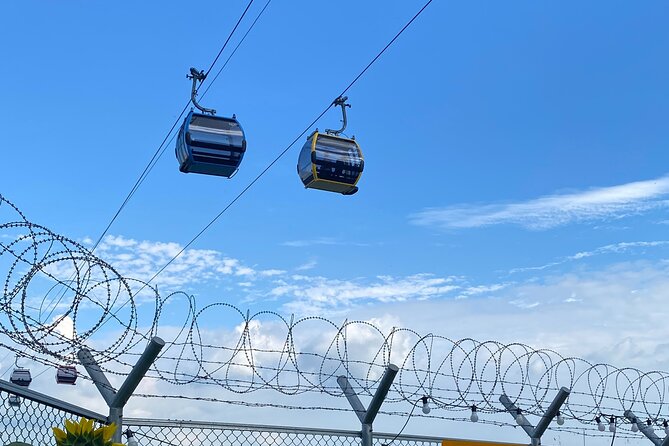
The visit is also where optional additions can shape your day. Depending on what you select, you may ride the gondola across the Civilian Control Line toward Gallery Greaves, or spend time at another attraction in the Imjingak area. The gondola provides wide views toward the Imjin River and a different way to experience the border zone.
There is a practical tradeoff. Time can be tight, so choosing the gondola may mean less time to explore other parts of Imjingak. If your main interest is modern Korean history and memorials, you may prefer to skip the cable car and use that time on the park. If you want the unusual experience of crossing the Civilian Control Line by gondola and seeing the river from above, the extra option is worthwhile.
The 3rd Infiltration Tunnel, a demanding walk underground
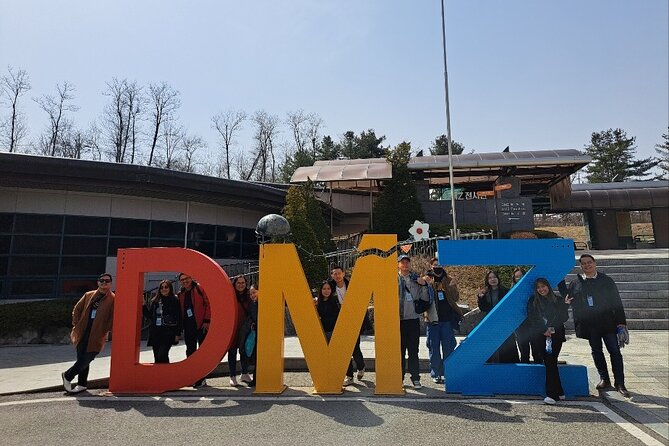
Tuesday through Sunday, the usual route includes the 3rd Infiltration Tunnel. North Korea built tunnels beneath the border, and the 3rd Tunnel is now open for controlled visits. The purpose of the tunnel is not just to show a physical space. It demonstrates how close the two sides once came to a possible military breakthrough.
You walk down a steep route to reach the tunnel. The return is uphill, and the passage itself is low enough that many people need to bend forward for much of the walk. One estimate from the day puts the tunnel walk at roughly 500 meters, with several minutes of steep walking both down and back up.
Wear comfortable shoes with good grip. This is not a gentle museum visit, and the tunnel can be tiring even if you are generally fit. Anyone with heart, leg, back, or respiratory problems cannot enter the 3rd Tunnel under the stated restrictions. The tour notes also describe the hike as requiring an intermediate level of fitness.
A monorail is not available. That point matters because some visitors expect mechanical help on the slope. If the 3rd Tunnel is closed, the operator may replace it with another stop. The decision can be made for security or operational reasons, so you should treat this part as planned but not guaranteed.
More cable car and gondola rides in Seoul:
- Ultimate Korea DMZ Tour from Seoul (Gondola & Suspension Bridge)
★ 5.0 · 2,396 reviews - DMZ Guided Tour with Suspension Bridge / Gondola from Seoul
★ 5.0 · 876 reviews - Seoul: DMZ Guided Tour with Suspension Bridge and Gondola
★ 4.9 · 553 reviews - Nami Island, Cable Car, Garden of Morning Calm Panoramic Tour
★ 5.0 · 111 reviews
Dora Observatory and Unification Village
After the tunnel, you continue through the controlled zone toward Dora Observatory. This is the main place to look toward North Korean territory. Visibility depends on weather, so a hazy or rainy day can reduce the view. Even when distant details disappear, the observatory remains valuable because your guide can point out the geography and explain what you are seeing.
Do not expect unlimited time with binoculars or cameras. The group must stay on schedule, and the military setting means the order of movement can be strict. Some stops allow only a few minutes for photographs. Keep your camera ready and listen for the return time.
The route also passes through Unification Village. It is not a staged attraction, and that is part of its interest. The village shows how ordinary life continues near one of the world’s most watched borders. You see an area shaped by security rules and the division of the peninsula, not a conventional tourist district.
The combination of tunnel, observatory, and village gives the standard route a good progression. You first see the military threat below ground, then the divided territory from above, and finally a civilian community living near the border.
Gondola ride or mountain suspension bridge
The optional gondola ride and suspension bridge add a more scenic, active side to the day. They are not interchangeable, so decide what kind of experience you want before booking.
The gondola offers views toward the Imjin River and access toward Gallery Greaves. It is the easier physical choice and gives you a broad view of the area. It also has historical interest because the ride crosses into the Civilian Control Line area. Still, the gondola can use time that you might otherwise spend at Imjingak or another nearby stop.
The suspension bridge at Gamaksan is more physical. After about 25 minutes by vehicle, you reach the entrance and walk toward the bridge through hilly terrain. The approach includes slopes and a climb, and the return adds more uphill effort. Plan on a proper workout rather than a quick photo stop.
The bridge itself provides views across the mountain valley and makes for strong photographs. But check the exact option when you book. A change of route can mean that the bridge you expected is replaced by another suspension bridge. One departure may include the red bridge you have seen in photographs, while another may use a different site.
On Mondays, the bridge is part of the alternate Cheorwon route. On Tuesday through Sunday, it is an optional addition to the 3rd Tunnel itinerary. The tour description also allows for the gondola, bridge, or both depending on your selection, but the day’s order can change.
The Monday route: 2nd Tunnel and Cheorwon
Monday has a different program and should not be treated as a shorter version of the regular route. Instead of the 3rd Tunnel, Dora Observatory, and Unification Village, you visit the 2nd Tunnel, Peace Observatory, Woljeongri Train Station, and a suspension bridge.
The 2nd Tunnel route takes you farther toward Cheorwon, so the driving portion can be substantial. The tunnel and observatory involve steep inclines, and the walk may be harder than expected. If you are choosing Monday because the date suits your schedule, prepare for a physical day with several climbs.
Woljeongri Train Station adds a railway reminder to the route, while Peace Observatory offers another view toward the North. The Monday plan has a different feel from the Paju route, with more time spent reaching the Cheorwon area and a different set of border sites.
There is one detail worth checking before you commit: information about a monorail can appear at some sites, but this tour specifically says the monorail is not available. Assume you will walk the route provided and do not plan on a mechanical shortcut.
A North Korean defector talk
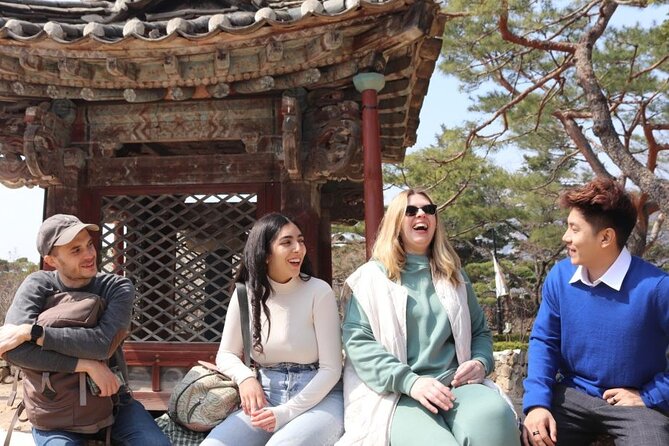
A meeting with a North Korean defector is an optional addition. When available and selected, it gives you a personal account alongside the military and historical information provided by the guide.
This can be one of the most meaningful parts of the day because it shifts the subject from maps and fortifications to lived experience. It also requires careful listening. The talk is best approached as a chance to hear one person’s story, not as a complete account of life in North Korea.
Check that this option is included in your booking. It is listed as optional, just like the gondola and suspension bridge, and should not be assumed to be part of every departure.
What the $45.86 price includes
At $45.86 per person, the tour offers solid value for a full day. The price includes round-trip transportation from Seoul, an English-speaking guide and driver, admission to the listed attractions, and the gondola or suspension bridge only if you choose that option at booking.
The value comes from the logistics. Reaching the DMZ independently is less straightforward because the border area has controlled access and several sites are spread across different locations. Here, the vehicle, admissions, and route planning are handled together.
Meals and drinks are not included. Lunch is taken during the day, but the food stop may be basic and the time limited. Set aside money for your meal, and do not expect a long restaurant break. Personal expenses are also extra.
The group size can be as high as 999 people, though the actual vehicle depends on the number booked. That upper limit tells you this is a mass-market day tour, not a small private outing. The advantage is a lower price. The cost is less flexibility and a schedule that must keep a large group moving.
Who will enjoy this day most
I would choose this tour if you want a practical first look at the DMZ and prefer having the history explained as you go. It suits people who want several major sites in one day rather than a single observatory visit.
It also works well for families with older children and teenagers who can manage the walking. Two children aged 11 and 14 were reported to become engaged as the historical explanation and activities unfolded. The tunnel and bridge give the day enough variety to hold attention.
You should think twice if you dislike early starts, group schedules, steep walks, or uncertain plans. The tour may be tiring, and some stops allow only a short time for photographs. People with serious heart, leg, back, or respiratory conditions cannot enter the 3rd Tunnel.
Bring comfortable shoes, water, and a light layer for changing conditions. Keep your belongings manageable because the vehicle may change and luggage space should be discussed in advance. Large bags are not something to assume the vehicle can handle.
Booking advice and final verdict
Book this tour if you want a well-priced, full-day introduction to the Korean border with transport and an English-speaking guide included. Choose the regular Tuesday through Sunday route for the 3rd Tunnel, Dora Observatory, and Unification Village. Choose Monday only if the 2nd Tunnel and Cheorwon route appeal to you more.
Select the gondola for easier sightseeing and river views. Select the suspension bridge if you want a more active mountain stop, and confirm the exact bridge before paying if a particular structure matters to you. If history is your priority, protect your time at Imjingak instead of adding every optional feature.
Guides such as Patrick, April, and Roy can make a big difference. Patrick is praised for detailed explanations and calm organization, April for energy and memorable stories, and Roy for keeping the group on schedule. Guide style can vary, and one departure may feel strict about time, but the structure is useful in a place where delays can disrupt the whole day.
The tour has free cancellation up to 24 hours before the start time. Political conditions, severe weather, or an unexpected event can force a change, with another date or a full refund offered under the stated policy. Rain or snow alone does not automatically qualify if the operator considers the conditions manageable.
FAQ
How long does the DMZ tour take?
The experience lasts approximately 7 to 11 hours, including transportation from Seoul. The exact return time can change because of traffic, the number of stops, security conditions, and the day’s route.
What does the Tuesday through Sunday route include?
It normally includes Imjingak Pyeonghwa Nuri Park, the 3rd Infiltration Tunnel, the DMZ Exhibition Hall, Dora Observatory, and Unification Village. You can add the gondola, suspension bridge, and North Korean defector talk when those options are selected.
What happens on Mondays?
The Monday route visits the 2nd Tunnel, Peace Observatory, Woljeongri Train Station, and a suspension bridge. It replaces the usual Tuesday through Sunday route that includes the 3rd Tunnel, Dora Observatory, and Unification Village.
Can I enter the 3rd Tunnel if I have a medical condition?
The tour states that people with heart disease or leg, back, or respiratory problems cannot enter the 3rd Tunnel. The route requires an intermediate level of hiking, including steep sections, and no monorail is available.
Are meals included?
No. Meals and drinks are not included, and personal expenses are extra. You should bring money for lunch and expect the meal break to be fairly short.
What happens if the DMZ closes because of weather or politics?
The tour may be rescheduled or fully refunded if it is canceled because of extreme weather, political conditions, or another qualifying unexpected event. If the 3rd Tunnel is unavailable, it may be replaced with another destination.
Just added around Seoul
- Your Personal Seoul Photographer!★ 4.1 · 15 reviews
- You’re Invited to Our Home in Seoul: The Only Cooking Class!★ 5.0 · 8 reviews
- From Seoul: Hwacheon Ice Fishing and Lighting Festival Tour★ 4.5 · 4 reviews
- Seoul: Gangneung BTS K-Pop & K-Drama Filming Locations Tour★ 4.6 · 14 reviews
- Unique Native Experience : Han River Picnic, Board game, BBQ★ 5.0 · 3 reviews
- 2-Hour Private Kayaking and Paddleboarding Experience in Hanriver★ 5.0 · 3 reviews
- Yun Korean Cooking Class in Seoul★ 5.0 · 6 reviews
- Day Trip to Yongin Daejanggeum and Korean Folk Village from Seoul★ 4.0 · 9 reviews
Seoul DMZ Tours, compared.
Best DMZ Tour Korea from Seoul (Red Suspension Bridge Optional)
Read our review →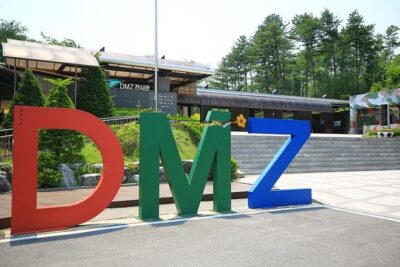
DMZ Tour: 3rd Tunnel, Option(Suspension Bridge, Boat) from Seoul
Read our review →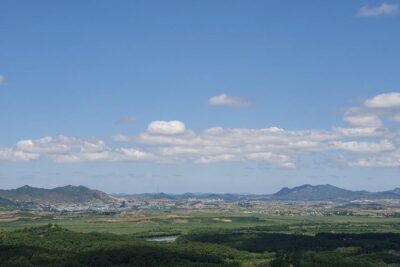
DMZ tour south Korea from Seoul (NK experience hall, defector)
Read our review →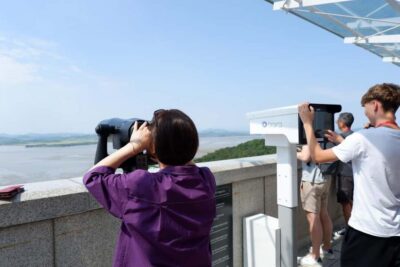
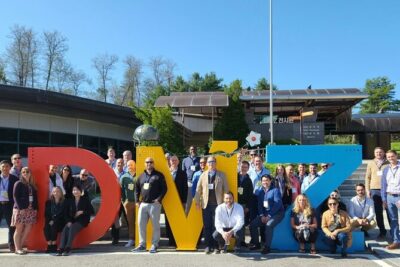
Signature DMZ Tour: Exclusive Defector Talk & Suspension Bridge
Read our review →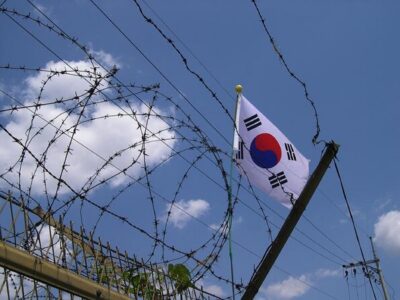
Thrilling Korean DMZ 3rd Tunnel Tour from Seoul + Red Bridge Rush
Read our review →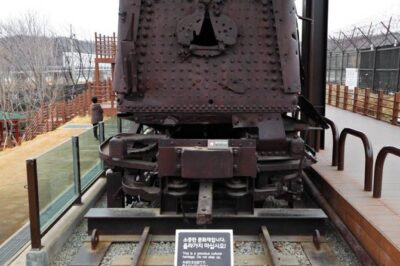
DMZ Past and Present: Korean Demilitarized Zone Tour from Seoul
Read our review →
Ultimate Korea DMZ Tour from Seoul (Gondola & Suspension Bridge)
Read our review →Browse the lists this tour appears in