
Reviewed · SEOUL FOOD TOURS
Seoul Food Tours, Eat Like a Local : 100% Personalized & Private
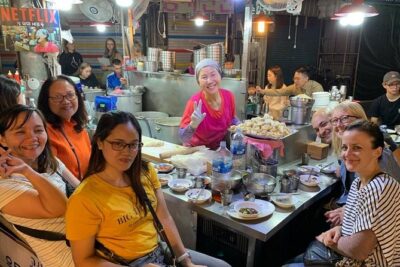
Seoul’s best food often appears in small local eateries, not polished restaurants built for sightseeing. This private three-hour walk lets you eat your way through neighborhoods such as Ikseondong and around Gwangjang Market, with a host shaping the route around what you actually want to try.
I like the custom itinerary, which can suit a first-time visitor or someone chasing a specific dish such as galbijjim or kalguksu. I also like the private format: hosts including Andrew, Ben, and Van have helped visitors understand Korean food customs while encouraging them to try unfamiliar dishes.
The main catch is price. At $221.45 per person, this is costly for three hours, especially since taxis, public transportation, and extra food are not included. You are paying for personal attention and local guidance, not simply for a meal.
Key points to know before booking
- Six to eight tastings are included, along with two soft drinks per person.
- Your route is personal, so the exact restaurants and markets can change.
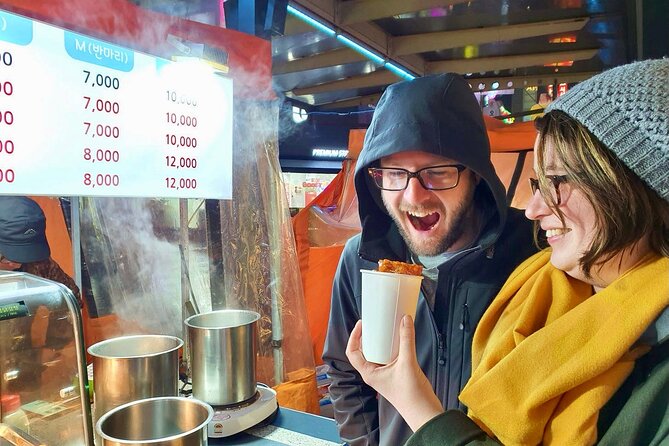
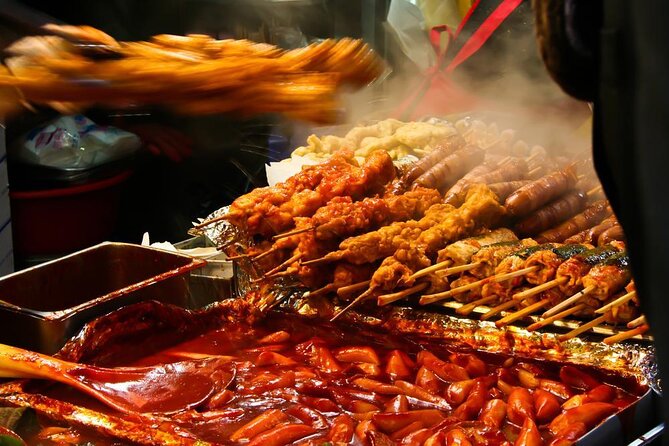
- Possible food stops include mandu, Korean barbecue, noodle soup, garlic chicken stew, rice cakes, and pancakes.
- Ikseondong adds atmosphere, with its hanok-style cafés and narrow lanes.
- Gwangjang Market brings street food into the mix, though it may not be included on every private route.
- The $221.45 price buys privacy, but transportation and anything beyond the included tastings cost extra.
A private introduction to Seoul’s food culture
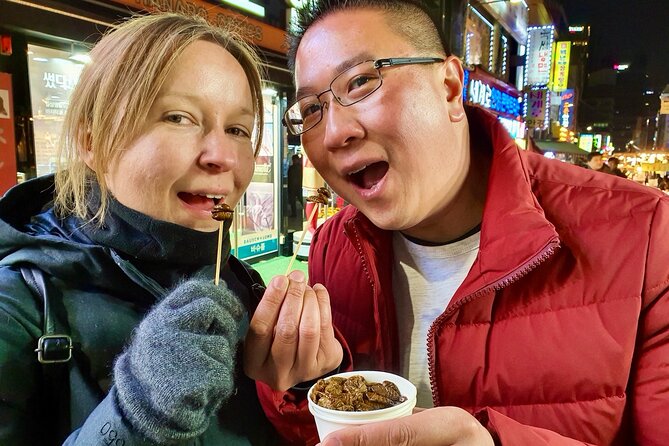
This is not a fixed restaurant crawl where every group follows the same printed schedule. You meet a private host and spend about three hours walking, tasting, and talking through Seoul’s food culture.
That flexibility matters. If you are new to Korean food, your host can help you move from familiar choices to dishes you might not order alone. If you already know Korean cuisine, you can request particular foods or neighborhoods. One visitor worked with Ben to find galbijjim and kalguksu in a traditional area away from the usual tourist routes.
The tour can also work as a useful first outing in Seoul. Andrew has been praised for adding historic and cultural background during the walk, giving newcomers a clearer sense of how the city fits together. You are not only sampling dishes. You are learning what to look for during the rest of your stay.
The experience begins at Starbucks Anguk, at 5-1 Bukchon-ro in Jongno District, unless a central hotel meeting point is arranged in advance. The listed end point is the same meeting point. A central hotel meet-up is available on request, but you should confirm it before setting out.
More food tours in Seoul:
- Seoul Street Food Market Tour
★ 5.0 · 1,226 reviews - Seoul: Night Market Food Tour with Local Guide
★ 4.9 · 943 reviews - Downtown Seoul Guided Food & Market Tour with 8+ Local Tastings
★ 5.0 · 580 reviews
What the six to eight tastings really mean
The included food is served as a series of tastings rather than one large sit-down meal. That is a good setup if you want variety. In three hours, you can sample several styles of Korean cooking instead of spending the whole tour at one table.
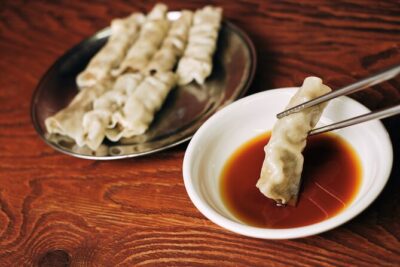
Possible dishes include mandu, Korean dumplings often filled with meat or vegetables; noodle soup; garlic chicken stew; Korean barbecue; rice cakes; and savory pancakes. The exact selection depends on your host and the interests you give when arranging the experience.
You also receive two soft drinks per person. Food and drinks beyond the included tastings are extra, so do not assume that every snack picked up along the way is covered. Ask your host what is included before ordering additional items.
The tasting count sounds generous, but portions are not specified. I would treat this as a food orientation and sampling walk rather than a guaranteed full dinner. Some people will leave satisfied, especially if they are happy trying small portions. If you have a large appetite, budget for an additional meal.
Pumpkin Korean BBQ and the small-eatery approach
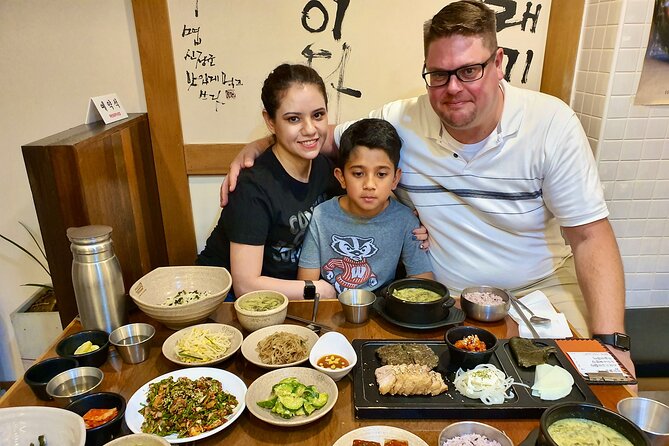
The plan may include a sikdang, the Korean term for a small local eatery, such as Pumpkin Korean BBQ. These modest restaurants are useful places to understand everyday dining in Seoul. They focus on food rather than décor, and your host can take care of the ordering process and explain what arrives.
Korean barbecue is social food. It is often cooked at the table, with several side dishes and sauces adding variety. A private host helps here because the meal can be unfamiliar if you have never used the grill or are unsure how to combine the ingredients.
The advantage of including a place such as Pumpkin Korean BBQ is the chance to eat in a setting that feels local rather than designed only for visitors. The drawback is that comfort and polish may vary from stop to stop. A small eatery may be lively, crowded, or simple. You should choose this experience for the food and guidance, not for a carefully staged restaurant setting.
If barbecue is high on your list, say so when you book. Since the route is personal, your host may be able to build the meal into the afternoon or evening plan. It is not guaranteed that every group visits the same restaurant.
Ikseondong’s hanok cafés and narrow streets
Ikseondong is one of the more distinctive possible stops. The neighborhood is known for its hanok-style café street, where traditional Korean houses have been adapted into cafés and small businesses.
This gives the food walk a change of pace. You are not simply moving from one restaurant to another. You may pause for a drink or dessert in a setting that shows how older buildings have found new uses in modern Seoul.
A tea house dessert has been part of one especially well-liked outing, and medicinal tea may appear on a route with a host such as Ben. That kind of stop is valuable if you want context around Korean food customs, not just a list of dishes.
Ikseondong can also be a busy area, and the café atmosphere may appeal more to some people than others. If you prefer markets and savory food, tell your host. If you like design, tea, and traditional architecture, ask for extra time in this part of the route.
A different kind of day out around Seoul:
- Best DMZ Tour Korea from Seoul (Red Suspension Bridge Optional)
★ 5.0 · 41,422 reviews - DMZ Tour: 3rd Tunnel, Option(Suspension Bridge, Boat) from Seoul
★ 5.0 · 21,373 reviews - DMZ tour south Korea from Seoul (NK experience hall, defector)
★ 5.0 · 20,599 reviews - Seoul: DMZ Tour with Optional Suspension Bridge
★ 4.8 · 5,277 reviews
Mandu, noodle soup, and garlic chicken stew
Mandu is one of the clearest introductions to Korean comfort food. These dumplings can be easy to enjoy even if you are cautious with unfamiliar dishes, yet they still offer a useful entry into local cooking.
Yago Mandoo is one possible stop, though the exact restaurant can change. A host can explain the difference between dumpling styles and help you decide how much to order if you want more than the included tasting.
Noodle soup and garlic chicken stew add warmth and substance to the route. These dishes show a different side of Korean food from barbecue or market snacks. They are the sort of everyday meals that can be difficult to choose when you cannot read a menu or do not know which restaurants welcome first-time visitors.
You should share dietary restrictions and strong dislikes before the tour. The experience is advertised as personalized, but the supplied details do not promise vegetarian, allergy-safe, halal, or other specific adaptations. A clear request gives your host the best chance to plan a suitable route, but you should confirm what can be accommodated.
Gwangjang Market and Seoul’s street-food habits
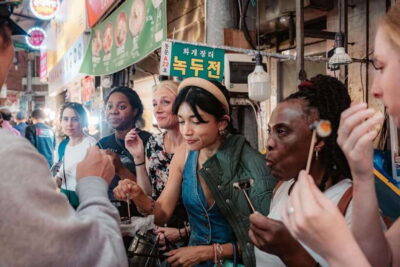
Gwangjang Market may add the most informal part of the walk. The market is associated with street food, and a small rice cake or pancake can be an easy way to sample something on the move.
This stop helps explain how people snack in the city. You can see food being prepared in front of you, compare different textures, and keep moving rather than settling in for a formal meal.
The market is also where the tasting count can become less clear. The tour includes six to eight Korean specialties, but the exact stops are flexible. If you want to visit Gwangjang Market, ask whether the market snacks count toward your included tastings and which items are planned.
Street food is not always the best choice for people who need quiet seating or predictable portions. It can also be a poor fit for a very hot day. One evening outing took place in extremely hot and sticky weather, yet the food and company still made the walk worthwhile. Seoul’s weather can affect comfort, so dress for the conditions and wear shoes suitable for several hours on foot.
Why the private format can be worth the cost
At $221.45 per person, this is not a budget food tour. The value depends on how much you want personal attention.
You are paying for a private host, a route built around your tastes, six to eight tastings, two soft drinks, and help navigating Korean food culture. A private group also means you can ask questions freely and adjust the pace without waiting for strangers.
That can be useful for families, couples, and friends with different levels of experience. One person may want barbecue, another may prefer noodles, and someone else may be curious about tea or market food. A fixed group tour has less room for those changes.
The price looks less attractive if you compare it with a longer private outing that includes a car. One visitor found another private tour that lasted twice as long and included a dedicated vehicle for a similar price. This experience does not include transportation, and any taxi or public transit fare is yours to pay.
For that reason, I would book this mainly for the personal food planning and local explanation. If your priority is maximum duration, private driving, or the largest possible meal, another format may offer better value.
Walking, public transport, and the meeting point
The basic experience is a walking tour. If the planned neighborhoods are spread out, your host can suggest public transportation or taxi options, but those costs are not included.
That is important when calculating the real price. The listed meeting point is Starbucks Anguk near Bukchon, and the activity ends back there. A central hotel meet-up can be arranged on request, but you should not assume pickup from any Seoul hotel.
The route can also change based on your interests. A plan centered on Ikseondong may feel quite different from one built around Gwangjang Market or a traditional neighborhood farther from the main tourist areas.
I would leave some space in your day rather than booking a tight connection immediately afterward. The tour is approximately three hours, but eating in several places and moving between neighborhoods is not as predictable as a single restaurant reservation.
The guides and the personal feel
The host is central to the experience. Andrew has helped make Seoul’s food and history easier to understand for first-time visitors. Ben has guided a food-focused evening built around requested dishes and conversation about Korean culture and family life. Van has led a night outing through street vendors and local specialties.
These examples show the range of the experience, but they do not guarantee a particular host. Your guide may have a different style, and the route may not match another person’s plan.
The strongest part of the format is the chance to ask questions while you eat. You can ask why a dish is served a certain way, how a market snack fits into daily life, or what to order later in your trip. That kind of exchange is more useful than a memorized list of restaurant facts.
The tradeoff is that the quality of the day depends heavily on the host and on how clearly you communicate your preferences. Before the tour, share your favorite foods, foods you want to avoid, walking comfort, and interest in markets, cafés, barbecue, or traditional dishes.
Who should book this food walk?
I would recommend it most strongly to:
- First-time visitors who want a gentle introduction to Korean food
- Couples or families who want a private route
- People who feel unsure ordering in small local restaurants
- Food fans with a short list of dishes they want to try
- Visitors who enjoy walking and conversation more than a formal cooking class
- Anyone who wants a host to connect food with Korean culture and neighborhoods
I would be more cautious if you are seeking a cheap way to eat a large meal. The price is high for three hours, extra transport is not covered, and the tasting portions are not described in detail.
It may also be less suitable if you need a fully fixed schedule. Since the activity is built around your group, the exact restaurants and districts can differ. That flexibility is the point, but it also means you need to communicate clearly before the day begins.
Booking details that matter
The experience is usually booked about 35 days ahead, which suggests that you should plan early if your Seoul dates are fixed. Group discounts are available, though no discount amounts are provided.
Confirmation is sent at booking. Most people can participate, service animals are allowed, and the experience is private for your group only.
Free cancellation is available up to 24 hours before the local start time. Canceling or changing the booking within 24 hours does not qualify for a refund. Gratuities are optional.
Should you book Seoul Food Tours, Eat Like a Local?
Book it if you want a private, flexible introduction to Seoul’s everyday food and value a host who can steer you toward dishes and neighborhoods you might miss alone. The strongest reasons are the custom route, the mix of six to eight tastings, and the chance to ask questions while you eat.
Think twice if $221.45 feels steep for a three-hour walk. You will need to pay for transport and extra food, and the exact stops are not guaranteed. For a first day in Seoul, though, the tour can give you useful bearings, favorite dishes to seek out, and the confidence to order on your own afterward.
FAQ
How long does the Seoul food tour last?
The experience lasts approximately three hours.
How many food tastings are included?
You receive six to eight tastings of Korean specialties, plus two soft drinks per person.
Is this a private tour?
Yes. Only your group participates in the activity.
Where does the tour start?
The listed meeting point is Starbucks Anguk, 5-1 Bukchon-ro, Jongno District, Seoul. A hotel meet-up is available on request for a central location.
Are transportation costs included?
No. The experience is primarily a walking tour, but any public transportation or taxi costs are paid separately.
Can I cancel for a full refund?
Yes, if you cancel at least 24 hours before the experience start time. Cancellations or changes made less than 24 hours in advance are not refunded.
Just added around Seoul
- Your Personal Seoul Photographer!★ 4.1 · 15 reviews
- From Seoul: Hwacheon Ice Fishing and Lighting Festival Tour★ 4.5 · 4 reviews
- You’re Invited to Our Home in Seoul: The Only Cooking Class!★ 5.0 · 8 reviews
- Seoul: Gangneung BTS K-Pop & K-Drama Filming Locations Tour★ 4.6 · 14 reviews
- Unique Native Experience : Han River Picnic, Board game, BBQ★ 5.0 · 3 reviews
- Yun Korean Cooking Class in Seoul★ 5.0 · 6 reviews
- 2-Hour Private Kayaking and Paddleboarding Experience in Hanriver★ 5.0 · 3 reviews
- Day Trip to Yongin Daejanggeum and Korean Folk Village from Seoul★ 4.0 · 9 reviews
Seoul Food Tours, compared.
Downtown Seoul Guided Food & Market Tour with 8+ Local Tastings
Read our review →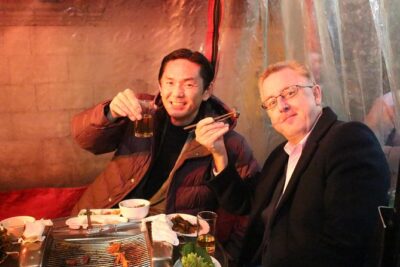
Small-Group Night Food Tour in Seoul with Korean BBQ
Read our review →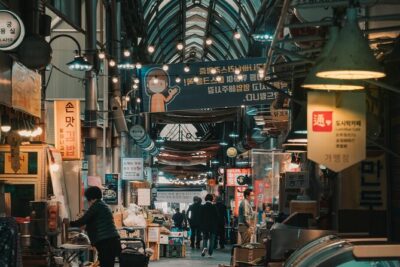
Seoul Night Palace & Market Food Tour with Vehicle
Read our review →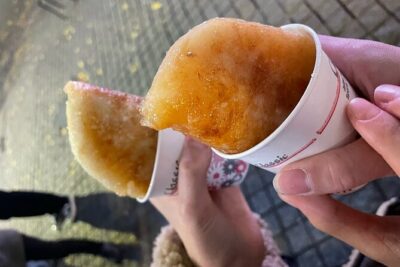
Seoul Fun Food Tour: 12 different food tastings
Read our review →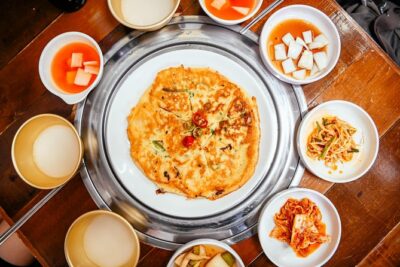
The Award-Winning PRIVATE Food Tour of Seoul: The 10 Tastings
Read our review →
Full Day- Essential Seoul City Tour & Gourmet Tour(including Lunch and Dinner)
Read our review →Browse the lists this tour appears in