
Reviewed · SEOUL DMZ TOURS
Thrilling Korean DMZ 3rd Tunnel Tour from Seoul + Red Bridge Rush
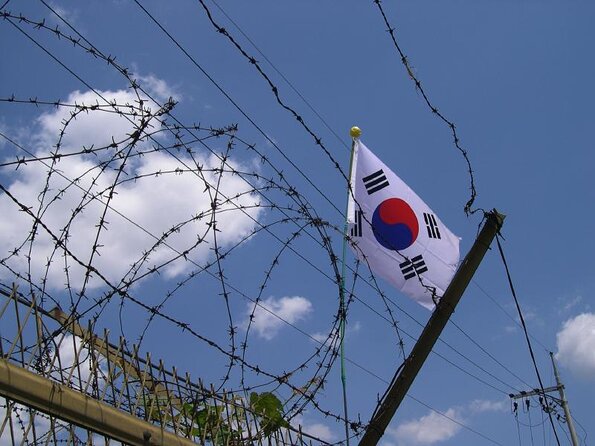
The most striking part of this day is the sudden change from Seoul’s city streets to the tightly controlled border zone. At the Third Tunnel, you walk into a real relic of North Korea’s attempted infiltration, then look toward North Korea from Dora Observatory. It is history you can physically walk through, not just a museum display.
I like the strong guiding, especially when guides such as Kelly, Crystal, Henry, Judy, Lina, and Sunny explain the Korean War, divided families, and the dream of reunification. I also like the useful all-in-one transport from central Seoul and the number of major stops packed into one day. The drawback is real: the Third Tunnel is strenuous, and the Red Bridge option can turn the day into a steep uphill race.
Key points to know before booking
- The Third Tunnel requires effort: Expect a steep walk down and back, plus a low section where you may need to bend your head.
- Dora Observatory offers a distant view: Bring binoculars if you have them, since North Korea is not close.
- The Red Bridge adds a serious uphill walk: The 150-meter bridge is reached by a steep hillside path with limited time.
- Central Seoul pickup keeps the morning simple: Meeting points are near Myeongdong, City Hall, or Hongdae, with some downtown hotel pickup available.
- The schedule can change for military or weather reasons: Border access is controlled, and a planned DMZ visit is not guaranteed in every condition.
- Lunch is not included: Bring snacks or use the food stops, but allow for a quick meal rather than a relaxed restaurant break.
Why this DMZ day trip feels different from ordinary sightseeing
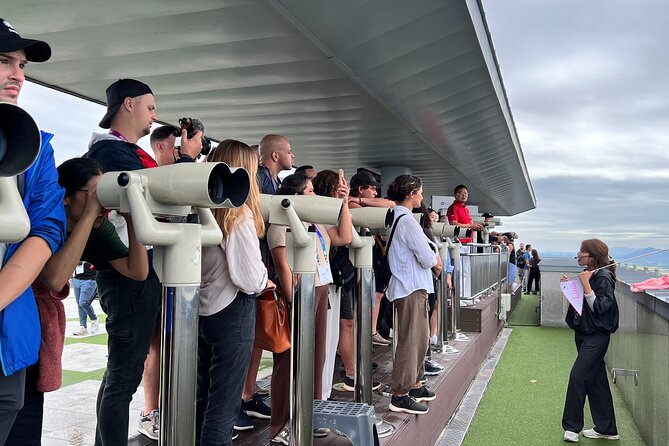
The Korean Demilitarized Zone is only about 52 kilometers from Seoul, yet it feels far removed from the capital. This 7.5-hour tour gives you a guided look at the armistice zone, memorials, a former prisoner exchange route, an underground tunnel, and a viewing point toward North Korea.
The price is about $35 per person. That is strong value for a full day with transportation, a professional English or Chinese guide, entrance fees, and several major sights. You are not paying for a private experience, though. The group can reach as many as 150 people, so the quality of the day depends partly on how clearly your guide handles timing and commentary.
The best guides make a large group feel manageable. Kelly is praised for explaining what to expect before each stop and keeping everyone on schedule. Crystal is remembered for humor and patience, while Henry is noted for looking after the whole group and even teaching a few Korean words. Guide assignments can change, but the repeated pattern is clear: the guide is central to the experience.
More DMZ tours in Seoul:
- Best DMZ Tour Korea from Seoul (Red Suspension Bridge Optional)
★ 5.0 · 41,422 reviews - DMZ Tour: 3rd Tunnel, Option(Suspension Bridge, Boat) from Seoul
★ 5.0 · 21,373 reviews - DMZ tour south Korea from Seoul (NK experience hall, defector)
★ 5.0 · 20,599 reviews
Getting from Seoul to the border
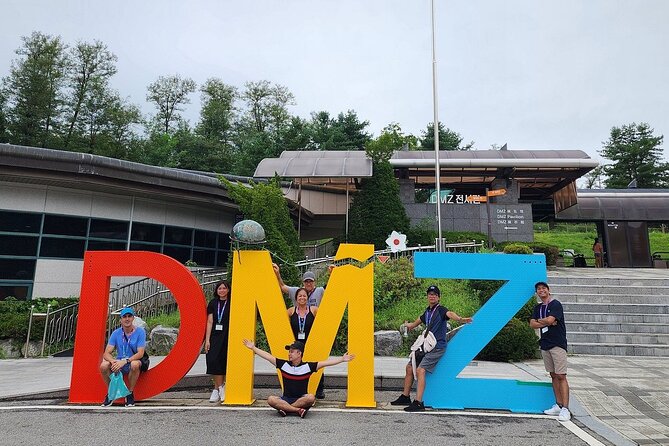
Pickup is arranged from central Seoul hotels when available, or from three subway locations: Myeongdong Station Exit 9, Seoul City Hall Station Exit 6, and Hongdae Station Exit 3. The exact meeting time can vary by location, so check your confirmation closely instead of assuming every pickup begins at the same hour.
The ride gives you a break from Seoul’s crowded subway system and lets you see more of the countryside on the way north. This is one of the practical strengths of the tour. You do not need to work out a complicated route to the DMZ, and you do not need to arrange separate tickets at each stop.
Bring your passport on the tour day. Military identification and a locally issued ARC card are also accepted. Border access is regulated, so your documents are not a minor formality.
The coach journey also sets the tone. Your guide can explain the 1953 armistice, the division of the peninsula, and why ordinary access to the border depends on military conditions. A good guide fills the drive with context, which matters because several stops are brief.
Imjingak Park and the Freedom Bridge
The first major area is Imjingak, a place built around the pain of Korea’s division. At Pyeonghwa-Nuri Park, you see memorial features connected with separated families and the Korean War, including the bullet-scarred Freedom Train.
The Bridge of Freedom has a direct emotional pull. In 1953, 12,773 prisoners of war crossed the Imjin River toward South Korea. The present wooden section is temporary in origin, but the story attached to it is permanent. You have only about 10 minutes here, so listen carefully as your guide gives the background.
Imjingak is also the place where the guide handles entrance clearance and tickets for the controlled area. That administrative stop takes about 10 minutes at Imjingak Resort. It may feel like dead time, but it is part of what makes a regulated border tour possible.
At Mangbaedan Memorial Altar, families remember relatives who remained in North Korea. The site has special meaning during lunar holidays, when remembrance rituals become more visible. Nearby, the 21-ton Peace Bell represents the hope of reunification.
These stops are not thrilling in the amusement-park sense. Their value comes from giving human shape to a political division. I find them most effective when you slow down, read the memorial signs, and let the guide connect the objects to real families.
The Peace Gondola and the Civilian Control Zone
The Paju Imjingak Peace Gondola is an optional part of the day and takes about an hour. Opened in 2020, the cable car crosses the Imjin River into the Civilian Control Zone. From above, you get a broad view of the river and the restricted area.
This is a useful choice if you want a less strenuous way to see the border setting. It also gives you a different angle after the memorials at Imjingak. The gondola is not a substitute for the Third Tunnel or Dora Observatory, but it adds variety to a day otherwise built around walking, monuments, and military history.
Because the tour already includes many stops, ask your guide how the optional ride fits into the timing. You should expect a structured schedule, not a leisurely afternoon with long breaks.
A different kind of day out around Seoul:
- Seoul: DMZ Tour with Optional Suspension Bridge
★ 4.8 · 5,277 reviews - Signature DMZ Tour: Exclusive Defector Talk & Suspension Bridge
★ 5.0 · 4,459 reviews - DMZ Past and Present: Korean Demilitarized Zone Tour from Seoul
★ 5.0 · 2,481 reviews - Ultimate Korea DMZ Tour from Seoul (Gondola & Suspension Bridge)
★ 5.0 · 2,396 reviews
Walking through the Third Tunnel
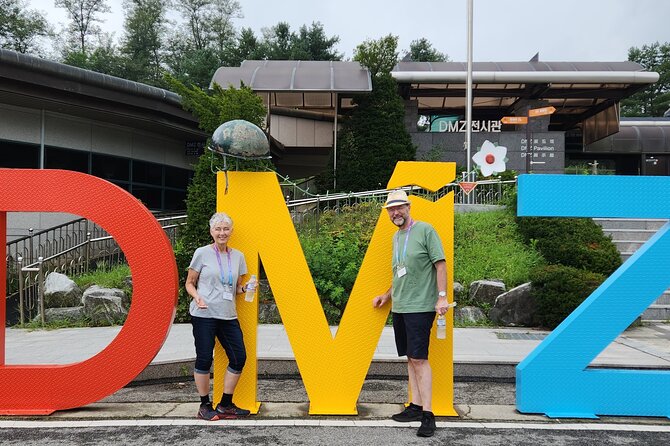
The Third Tunnel is the physical centerpiece of the tour. North Korea’s tunnel was discovered in 1978 and is about 1,635 meters long. It was built as part of an attempted route into South Korea and lies close enough to Seoul to make the threat feel uncomfortably real.
You do not walk the full tunnel. The public route involves a steep descent of roughly 250 meters, a low passage where the ceiling is around five feet high, and the same demanding route back up. The incline is about 20 degrees. If you are short, you may find the low ceiling manageable; taller people should expect to bend or stoop for part of the walk.
This is not a gentle stroll. A physically fit person may find it exciting, but the return climb can be hard, particularly in warm, wet, or snowy conditions. Several people have described it as the most challenging part of the day. One visitor in her sixties managed it but found it very difficult, which gives you a useful sense of the effort involved.
Photography is not allowed inside the tunnel. That rule can disappoint if you expect dramatic underground pictures, but it also keeps the experience focused on the place itself. You are looking at a military construction project, not a polished attraction.
Wear comfortable shoes and bring water. If you have mobility concerns, the tunnel should be your main decision point. The rest of the day can be manageable, but this section is genuinely demanding.
Dora Observatory and the view toward North Korea
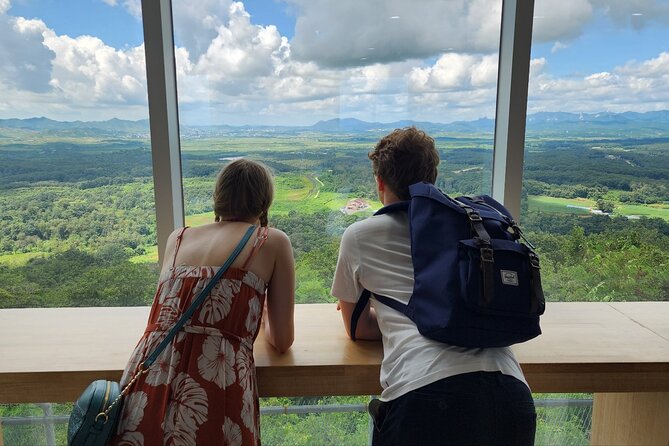
At Dora Observatory, you reach one of South Korea’s closest public viewpoints toward North Korea. The observatory was established in 1986 and rebuilt in 2018. The viewing area gives you a chance to look across the border, but it does not bring North Korea close.
This is where expectations matter. The view can be distant, and weather may reduce what you can see. Bring binoculars if you have them. Photography rules may also limit where and how you take pictures, so follow the guide’s instructions.
The observatory works best after your guide has explained the border markers, nearby areas, and the larger political setting. Without that context, you may see distant hills and buildings without knowing what you are looking at. With it, the view becomes a quiet reminder that two political systems sit within sight of one another.
Do not expect a dramatic military encounter or a visit to the Joint Security Area. This tour focuses on the Third Tunnel, Dora Observatory, Imjingak, and related sites. That makes it a good introduction to the DMZ, but not a substitute for every possible border experience.
Tongilchon and the final Red Bridge option
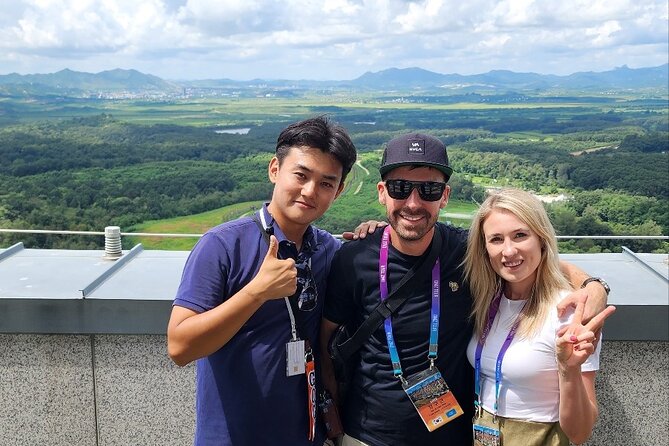
Tongilchon Jangdankong Maeul is a village beyond the Civilian Control Line. The stop lasts about 30 minutes and may include time at a shop selling local products, including goods connected with Jangdan soybeans. This is the point where the tour can feel more commercial than historical.
The stop is brief, and some people appreciate the chance to buy food or souvenirs. If you booked this day expecting no shopping at all, you may find it irritating. Keep some flexibility in your expectations, since the schedule includes this village stop and the tour may allow time for purchases.
The optional Gamaksan Suspension Bridge, also called the Gloucester Heroes Bridge, is the source of the Red Bridge part of the tour. Built in 2018, it stretches 150 meters and is 1.5 meters wide. It honors sacrifices made during the Korean War.
The bridge itself is not the main physical challenge. Reaching it involves a steep uphill walk, and the available time can make the climb feel rushed. If you enjoy hiking, this is a good extra. You get a scenic crossing and a memorial connected with wartime service.
If you have limited stamina, a heart condition, knee trouble, or simply prefer a calmer day, ask about the optional portion before committing. The title may make the bridge sound like a quick photo stop. In practice, the approach can be the hardest walk after the tunnel.
Timing, food, and group size
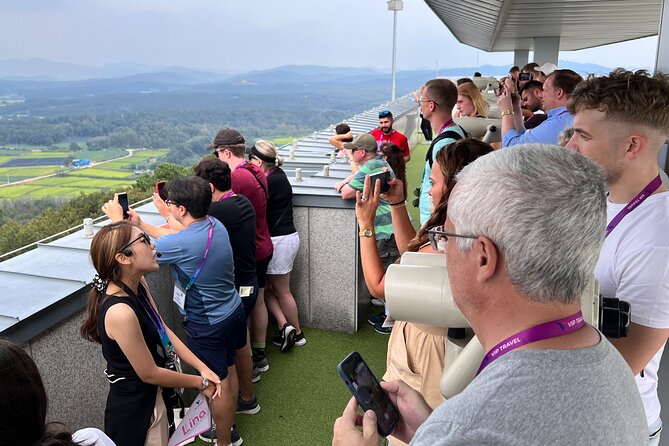
The advertised duration is about 7 hours and 30 minutes. Some schedules begin around 9:30 a.m. and return to Seoul near 4 p.m., though the meeting time can change by pickup location and military conditions.
The pace is brisk. Most stops last 10 to 30 minutes, while the gondola and Red Bridge options can take about an hour each. You will have enough time to see the main sights, but not enough for long, unplanned wandering.
Lunch is not included. Food may be available at stops, but the schedule can move quickly. I would bring snacks, especially if you are doing both the tunnel and the Red Bridge. There is no promise of a sit-down lunch break.
The group limit is listed as 150 people. That is a large coach group, and it explains why meeting instructions and punctuality matter. Stay close to your guide, listen for the next departure time, and do not assume the bus will wait beyond the stated schedule.
The tour ends with drop-off in central Seoul at Hongdae, City Hall, or Myeongdong. It does not include drop-off at your hotel. That arrangement is convenient if you plan an evening in one of those districts, but less convenient if your accommodation lies elsewhere.
Weather, closures, and changing military rules
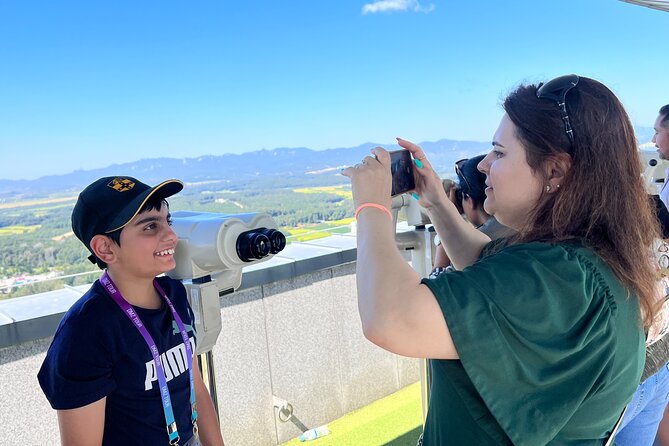
The DMZ is not an ordinary attraction with fixed access all year. The schedule can change because of military issues or events inside the zone. Bad weather can also affect the plan.
Snow has caused some tours to lose access to the DMZ and replace the visit with the Peace Gondola and Korean War Museum. Rain does not necessarily cancel the day, but it can make the tunnel approach and the Red Bridge climb harder.
You should book this tour with some flexibility. If the DMZ is the central reason for your Seoul visit, avoid placing it on your final day. That gives you room to try again if access changes, though the tour offers free cancellation up to 24 hours before the start time and does not refund cancellations made later.
Who should book this Seoul DMZ tour?
I would choose this tour if you want a broad first look at the Korean border without arranging transport, permits, and admissions yourself. It suits history-minded visitors, families with older children, and anyone who wants a guide to explain the meaning behind the memorials.
It is also a good fit if you value several different stops in one day. You see memorial sites, a former prisoner route, a cable car option, an underground tunnel, a border viewpoint, a village, and a suspension bridge.
I would think twice if you dislike strict schedules, large groups, shopping stops, or steep walks. The tunnel alone can be a deal breaker for anyone with limited mobility. The Red Bridge is optional, but the tunnel is a central part of the experience.
At about $35, the day offers plenty for the money. You get transport, a guide, taxes, handling charges, and admission to the listed attractions. The tradeoff is a fast pace and limited personal time. For a first visit to the DMZ, that is a fair exchange.
Should you book it?
Book this tour if you want an informative, practical introduction to the DMZ and are ready for a physically active day. The strongest parts are the guides, the Third Tunnel, Dora Observatory, and the chance to connect memorials with the continuing division of Korea.
Skip it if you want a quiet private outing, a guaranteed military-zone itinerary, or an easy walk. Bring your passport, good shoes, snacks, and binoculars if possible. Go in with realistic expectations, and the day can be one of the most meaningful excursions you make from Seoul.
FAQ
How long does the DMZ tour last?
The tour lasts approximately 7 hours and 30 minutes. Some schedules begin around 9:30 a.m. and return to Seoul near 4 p.m., but the exact time can vary by meeting location and military conditions.
Where can I meet the tour in Seoul?
Meeting points are available at Myeongdong Subway Station Exit 9, Seoul City Hall Subway Station Exit 6, and Hongdae Subway Station Exit 3. Pickup may also be available from downtown hotels or main subway stations.
Is hotel drop-off included?
No. The tour ends with drop-off at Hongdae, Seoul City Hall, or Myeongdong. Hotel pickup is available only in the downtown area or at designated main subway locations.
Do I need my passport?
Yes. You need your passport on the tour day. A military identification card or a locally issued ARC card is also accepted.
Is lunch included?
No. Lunch is not included. Food may be available at some stops, but the schedule can be quick, so bring snacks.
Is the Third Tunnel physically difficult?
Yes. The route includes a steep walk of roughly 250 meters down, a low tunnel section, and the same route back up. The incline is about 20 degrees, and the tunnel is not suitable for everyone.
Can I take photographs inside the Third Tunnel?
No. Photography is not allowed inside the tunnel. Photography from Dora Observatory may also be restricted, so follow the guide’s instructions.
Can the itinerary change?
Yes. The tour time or route can change because of military issues, events in the DMZ, or weather. In severe conditions, the DMZ visit may be replaced with alternatives such as the Peace Gondola and Korean War Museum.
Just added around Seoul
- Your Personal Seoul Photographer!★ 4.1 · 15 reviews
- From Seoul: Hwacheon Ice Fishing and Lighting Festival Tour★ 4.5 · 4 reviews
- You’re Invited to Our Home in Seoul: The Only Cooking Class!★ 5.0 · 8 reviews
- Seoul: Gangneung BTS K-Pop & K-Drama Filming Locations Tour★ 4.6 · 14 reviews
- Unique Native Experience : Han River Picnic, Board game, BBQ★ 5.0 · 3 reviews
- 2-Hour Private Kayaking and Paddleboarding Experience in Hanriver★ 5.0 · 3 reviews
- Yun Korean Cooking Class in Seoul★ 5.0 · 6 reviews
- Day Trip to Yongin Daejanggeum and Korean Folk Village from Seoul★ 4.0 · 9 reviews
Seoul DMZ Tours, compared.
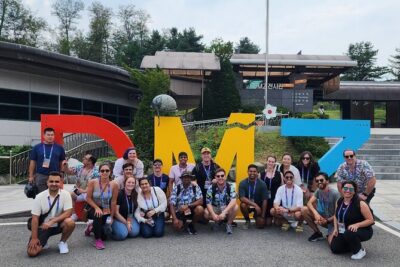
Best DMZ Tour Korea from Seoul (Red Suspension Bridge Optional)
Read our review →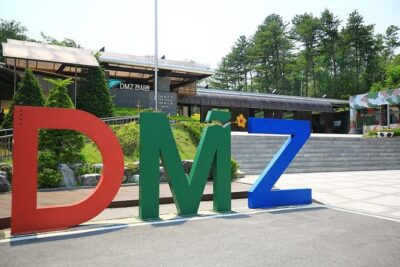
DMZ Tour: 3rd Tunnel, Option(Suspension Bridge, Boat) from Seoul
Read our review →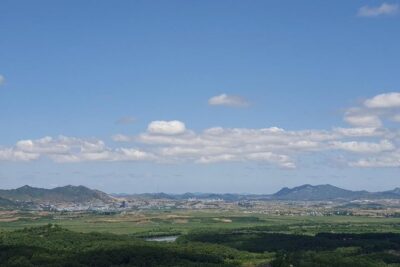
DMZ tour south Korea from Seoul (NK experience hall, defector)
Read our review →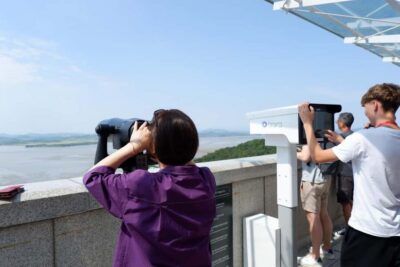

Signature DMZ Tour: Exclusive Defector Talk & Suspension Bridge
Read our review →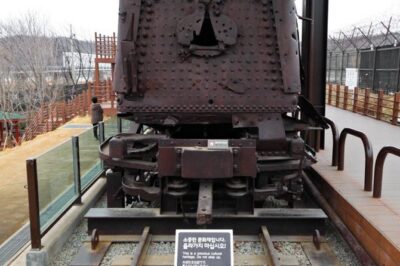
DMZ Past and Present: Korean Demilitarized Zone Tour from Seoul
Read our review →
Ultimate Korea DMZ Tour from Seoul (Gondola & Suspension Bridge)
Read our review →
DMZ; NK Defector, 3rd Tunnel, Suspension Bridge,Hotel pickup
Read our review →Browse the lists this tour appears in