
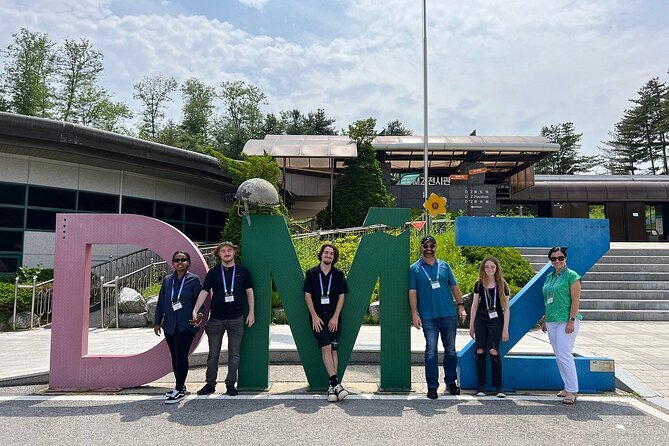
Reviewed · SEOUL DMZ TOURS
Private DMZ the 3rd Tunnel Tour from Seoul (optional Red Bridge)
The most striking part of this DMZ tour is the Third Tunnel, a narrow passage built by North Korea and discovered in 1978. You walk down into the rock toward the border, then turn back before reaching the sealed section. I like the private hotel pickup and the chance to ask a guide questions throughout the day. I also like the mix of serious sites and open views toward North Korea.
The main drawback is that the tour is not entirely under the operator’s control. Military rules, weather, and border conditions can change the departure time or schedule, and a private booking may still require a group shuttle inside the DMZ. Lunch is not included, and some optional fees may apply.
Key points at a glance
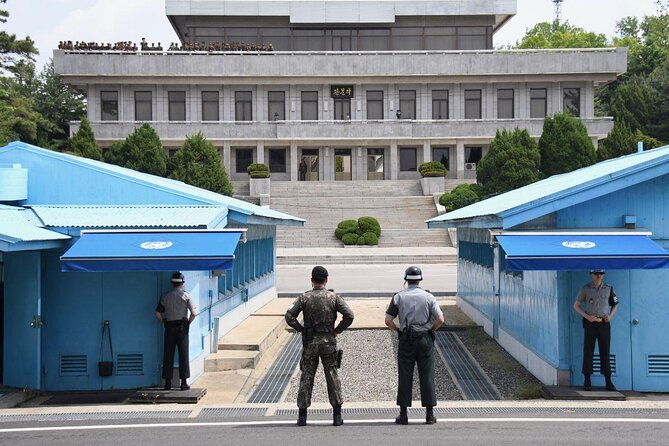
- The Third Tunnel is the physical centerpiece: Expect a steep walk down and back through a low, enclosed passage.
- Dora Observatory gives you a direct view toward North Korea: Binoculars help you spot Kijong-dong and, when conditions allow, Kaesong City.
- The day begins with central Seoul pickup: Your group of up to six can arrange hotel pickup or meet at a nearby subway station.
- The private format suits families and small groups: Guides such as Ray, Alice, Lina, Sua, and Diane have been praised for clear explanations and careful coordination.
- The itinerary has a strong memorial side: Imjingak Park, Mangbaedan, the Bridge of Freedom, and the damaged steam locomotive add human weight to the military story.
- The Red Bridge is optional: Gamaksan Chulleong Bridge adds an hour and a scenic walk, but it is not part of the core DMZ visit.
Why the Third Tunnel gives this tour its edge
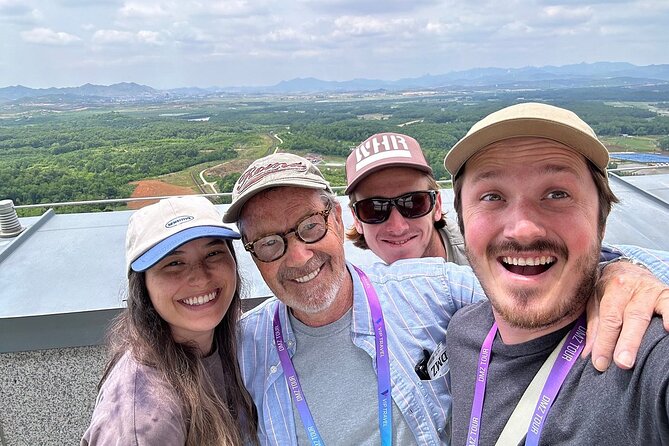
The DMZ is not a normal sightseeing district. It is a 4-kilometer-wide buffer created after the Korean War armistice in 1953, and access depends on military rules. That setting gives the day a serious tone from the start.
At the Third Tunnel, the history becomes physical. The passage is about 1,635 meters long and roughly 2 meters high and 2 meters wide. North Korea built it for possible movement under the border, and South Korea discovered it in 1978. You descend into the tunnel for about 30 minutes, walking through a space that feels far removed from the bright streets of Seoul.
The walk is not a long expedition, but the slope can make it feel demanding. The low ceiling also means you need to pay attention as you move. This is one place where practical shoes and a reasonable level of fitness help. If you dislike enclosed spaces, the tunnel may be the hardest part of the day.
The tour does not treat the tunnel as a standalone attraction. A guide can explain how the DMZ was formed, why the tunnel mattered, and how the border remains active today. That context is important. Without it, you see a dark corridor. With it, the corridor becomes a clear reminder that the Korean War never produced a peace treaty, only an armistice.
More DMZ tours in Seoul:
- Best DMZ Tour Korea from Seoul (Red Suspension Bridge Optional)
★ 5.0 · 41,422 reviews - DMZ Tour: 3rd Tunnel, Option(Suspension Bridge, Boat) from Seoul
★ 5.0 · 21,373 reviews - DMZ tour south Korea from Seoul (NK experience hall, defector)
★ 5.0 · 20,599 reviews
A thoughtful start at Imjingak Park
Your first major stop is Imjingak Pyeonghwa-Nuri Park, about 30 minutes from the schedule. The park opened in 2005 as a place connected with peace and reunification. It is more open and spacious than the tunnel, giving you room to slow down before the more controlled parts of the DMZ visit.
The park contains several sights, so your time here is spread across short stops. You will see the Bridge of Freedom, Mangbaedan Memorial Altar, the Imjin River Dokgae Bridge, the preserved steam locomotive, the Peace Bell, and the Unification Bridge.
Imjingak works best when you do not rush from object to object. Its symbols can seem grand at first, but the personal meaning is easier to grasp when your guide explains how families separated by the border use this area to remember relatives in North Korea.
The park is also a useful place to take stock of the day’s structure. You are not simply going to one military lookout. You are tracing the effects of division through memorials, transportation links, family rituals, and border infrastructure.
The Bridge of Freedom and a divided family story
The Bridge of Freedom was a temporary wooden bridge used in 1953 to bring 12,773 prisoners of war back to South Korea. It is one of the tour’s most affecting places because its purpose was direct and human: people crossed it after years of war and captivity.
You spend about 30 minutes at the bridge. The visit is not a long walk across an active international crossing. Instead, you view and approach the historic area under the site’s restrictions. Your guide’s explanation matters here, especially if you want to understand what the bridge meant to people returning home.
Nearby, Mangbaedan Memorial Altar offers a quieter kind of remembrance. Families with roots in North Korea gather there during holidays such as Chuseok to honor relatives they cannot visit. The stop lasts about 10 minutes, but it adds a personal layer to the larger military story.
I like this part of the itinerary because it keeps the DMZ from becoming a collection of dramatic military objects. The border is also about parents, children, siblings, and grandparents who may never meet again. You get that message more clearly at the altar than at an observation platform.
Bridges, railways, and the scars of war
The Imjin River Dokgae Bridge is viewed from a nearby vantage point during a short 15-minute stop. The bridge was rebuilt after destruction during the Korean War, and its damaged history connects the river to the fighting that shaped the modern border.
The preserved steam locomotive at Jangdan Station is another memorable sight. It was derailed by wartime bombing in 1950 and has remained as a damaged reminder of the railway that once linked the Korean Peninsula. Its frame carries bullet and shell damage, making the history unusually visible.
You will not spend long at either stop, so do not expect a museum visit or a long guided walk. Their value comes from the connection between them. A bridge, a rail line, and a river once supported ordinary movement. War turned those links into barriers and memorials.
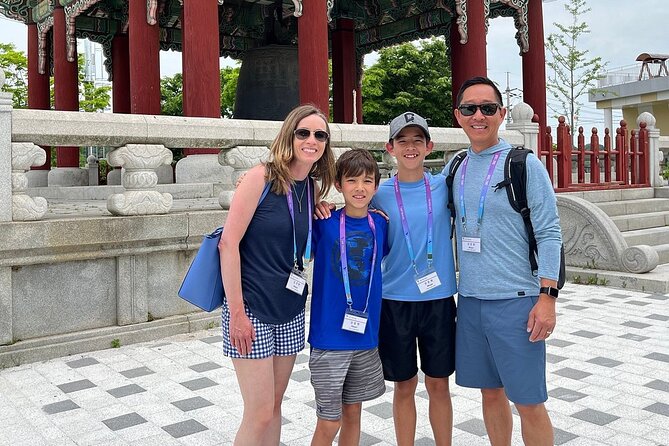
The 21-ton Peace Bell at Imjingak Park continues the memorial theme. It was cast in 2000 as a symbol of hope for reunification. The bell is impressive in scale, but the best reason to see it is the way it brings the park’s ideas together: peace, memory, and a future that remains uncertain.
More private tours in Seoul:
- Private DMZ Tour (No Shopping): 3rd Tunnel & Suspension Bridge
★ 5.0 · 607 reviews - Seoul City Private Full-Day Tour Including Lunch
★ 5.0 · 469 reviews - Seoul Highlights & Hidden Gems Tours by Locals: Private + Custom
★ 5.0 · 359 reviews - Premium Private DMZ Tour & (Suspension Bridge or N-Tower) include lunch
★ 5.0 · 348 reviews
Crossing toward the controlled zone

The Unification Bridge opened in 1998 and leads toward the DMZ. You cross it with military checkpoints nearby, so this is where the day feels less like a conventional city excursion and more like a visit to a live border area.
You may also see the Imjin River from the tour vehicle as you move through the area. That contrast is striking. The water can look calm, while the history around it remains tense. The bus ride is not wasted time. It lets you see how quickly Seoul’s urban setting gives way to restricted farmland and military control.
The tour includes a professional English or Chinese-speaking guide, but the exact guide depends on availability. Several guides have received particular praise for their approach. Ray has been singled out for mixing humor with clear explanations. Alice was praised for working well with a family that included two 11-year-old children. Lina coordinated a well-informed day, and Sua was noted for helping connect the DMZ’s history with a broader understanding of Seoul.
Diane has also been praised for explaining historical details and helping with photographs. Those names are useful when you book because you can ask about guide availability, but you should not assume one of them will lead your group.
Dora Observatory and the view into North Korea
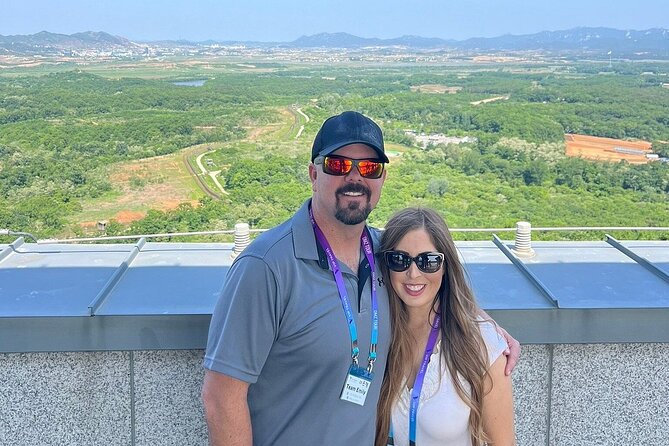
At Dora Observatory, you reach one of the day’s most anticipated moments. The observation point sits on Mount Dorasan and gives you a view toward North Korea. The observatory was established in 1986 and renovated in 2018.
On a clear day, binoculars can help you look toward Kijong-dong, often described as a propaganda village, and Kaesong City. The view is not a movie-like panorama. Distance, haze, weather, and military restrictions affect what you can see. That uncertainty is part of the experience, but it can also disappoint anyone expecting a close look at everyday life across the border.
Give yourself time to look carefully rather than simply taking a quick photograph. Your guide can point out what you are seeing and explain why certain areas are visible or restricted. This is also a good place to ask questions about the present-day border, not just the Korean War.
The observatory stop lasts about 30 minutes. It pairs well with the tunnel because the two places show opposite sides of the DMZ. In the tunnel, you look at a possible route beneath the border. At Dora, you look across the border from above.
Tongilchon and the quieter side of the DMZ
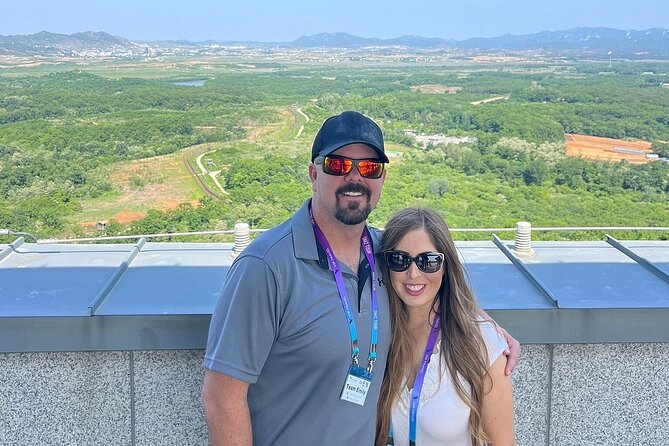
Tongilchon-gil takes you through Tongilchon village, located just beyond the Civilian Control Line. The area is associated with agriculture, including Jangdan soybeans. The planned stop lasts around 30 minutes.
This part of the tour may feel less dramatic than the tunnel or observatory, but it gives you a better sense of how people live near a restricted zone. Fields and village roads replace the monuments and military stories of Imjingak. You get a reminder that the border is not only a historic line on a map. It affects farming, travel, work, and daily movement.
The stop can also help break up the day. An eight-hour outing with repeated memorials and security checks can feel heavy. A quieter rural view gives you a chance to absorb what you have seen.
The optional Gamaksan Chulleong Bridge
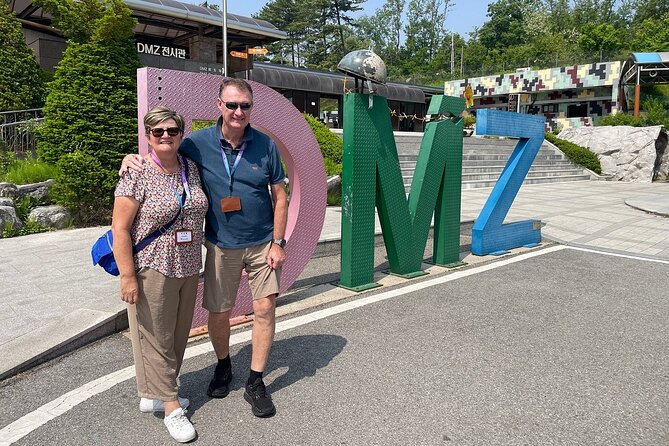
If you choose the optional Red Bridge, allow about one extra hour. Gamaksan Chulleong Bridge is a 150-meter red suspension bridge built in 2018 in honor of Korean War heroes. It hangs about 30 meters above the ground, adding a scenic and physical finish to the day.
This is not a DMZ checkpoint or a replacement for the Third Tunnel. It is an add-on that changes the mood. After a day focused on division and military history, the bridge offers a more active walk and a wide outdoor setting.
I would add it if you want more time outside and enjoy suspension bridges. I would skip it if the tunnel already sounds physically demanding, if you prefer a tighter schedule, or if the central purpose of your visit is the DMZ itself. The core itinerary already fills most of a day.
What the private price really buys you
The price is $500 per group of up to six people. With six people sharing the vehicle and guide, that works out to about $83 per person before any applicable optional charges. For a couple, the per-person cost is much higher, so the value improves sharply as your group gets closer to six.
The private format gives you hotel pickup and drop-off in central Seoul, a dedicated guide, and a driver. You can also arrange to meet at a nearby subway station. That saves you from navigating an early departure with several transfers, which matters on a day when military schedules can shift.
The private setup also gives you room to ask questions. That is especially useful at the memorial sites, where the meaning is not always obvious from the objects alone. Families may also appreciate having a guide who can adjust explanations and pacing to suit children.
There is one important complication. If your group has fewer than 30 people, you may need to transfer to a group shuttle bus once inside the DMZ. So private does not necessarily mean your own vehicle at every point. Confirm how this will work for your date if that distinction matters to you.
Lunch is not included. The information also says optional admission, parking, and toll charges are not included, while taxes, fees, and handling charges are included. Because that wording can vary by itinerary, ask the operator what extra costs apply before you book. Bring food or plan to buy lunch according to the day’s schedule, but do not assume you will have a long, flexible meal break.
Practical advice for a smooth border visit
Bring your passport. It is required on the tour day, and you should keep it with you rather than leaving it in your hotel.
Wear comfortable shoes. The Third Tunnel includes a descent and climb, and the Red Bridge option adds more walking. There is no special dress code for the DMZ, so practical clothing is enough.
Keep your schedule flexible. The start time may change because of military guidelines. Weather and other border conditions can also alter the route. The operator says tour changes caused by military issues or weather do not qualify for a refund, so avoid booking this on a day when you have a tight evening connection.
The cancellation policy allows a full refund if you cancel at least 24 hours before the start time. Changes or cancellations inside that window are not accepted for a refund. That policy is separate from a same-day itinerary change caused by military or weather conditions.
Most people can take part, but the tunnel deserves an honest look at your comfort level. Enclosed spaces, slopes, and a full day on the road can be tiring. Children can enjoy the day, and one family specifically found the private format worked well with 11-year-old twins, but the guide may need to explain some topics in an age-appropriate way.
Who should book this DMZ tour?
I would choose this tour if you want the main DMZ sights in one day and value a guide who can explain the politics and personal stories behind them. It suits families, friends, and small groups who can share the $500 price.
It is also a good fit if you want pickup in Seoul and prefer not to manage public transport, military entry rules, or a separate visit to the Third Tunnel. The English or Chinese guide option is useful for making sense of the sites rather than simply photographing them.
I would think twice if you need a fixed departure and return time, dislike military restrictions, or want a completely private vehicle once inside the DMZ. The schedule can change, and the shuttle transfer may apply. You should also question the value for one or two people unless private service is a high priority.
Should you book it?
Book this tour if the Third Tunnel, Dora Observatory, and the human stories around Imjingak are your main Seoul day-trip goals. The strongest parts are the private pickup, the chance to ask questions, and the balance between border views and memorial sites.
For the best value, bring five companions, carry your passport, pack lunch, and treat the schedule as flexible. Add the Red Bridge only if you want an extra outdoor activity. If you prefer a simple, predictable sightseeing day, the DMZ may test your patience. If you want to understand why the Korean border still matters, this is a strong use of eight hours.
FAQ
How long does the private DMZ tour last?
The tour lasts approximately eight hours, with the optional Gamaksan Chulleong Bridge visit adding about one hour.
How many people can join the private tour?
The price covers up to six people per group.
Is hotel pickup included?
Yes. Free hotel pickup and drop-off are available in downtown Seoul. You may also meet the guide and driver at a nearby subway station.
Is a guide included?
Yes. A professional English or Chinese-speaking guide is included, along with a driver.
Do I need to bring my passport?
Yes. A passport is required on the tour day.
Is lunch included?
No. Lunch is not included.
Is there a dress code for the DMZ?
No special dress code is required.
Can the tour schedule change?
Yes. The start time and itinerary may change because of military guidelines, weather, or other border-related conditions.
Do I remain in the private vehicle inside the DMZ?
Not always. Groups with fewer than 30 people may need to transfer to a group shuttle bus once inside the DMZ.
Can I cancel for a full refund?
Yes, if you cancel at least 24 hours before the experience start time. Cancellations or changes made less than 24 hours in advance are not eligible for a refund.
Just added around Seoul
- Your Personal Seoul Photographer!★ 4.1 · 15 reviews
- From Seoul: Hwacheon Ice Fishing and Lighting Festival Tour★ 4.5 · 4 reviews
- You’re Invited to Our Home in Seoul: The Only Cooking Class!★ 5.0 · 8 reviews
- Seoul: Gangneung BTS K-Pop & K-Drama Filming Locations Tour★ 4.6 · 14 reviews
- Unique Native Experience : Han River Picnic, Board game, BBQ★ 5.0 · 3 reviews
- 2-Hour Private Kayaking and Paddleboarding Experience in Hanriver★ 5.0 · 3 reviews
- Yun Korean Cooking Class in Seoul★ 5.0 · 6 reviews
- Day Trip to Yongin Daejanggeum and Korean Folk Village from Seoul★ 4.0 · 9 reviews
Seoul DMZ Tours, compared.
Best DMZ Tour Korea from Seoul (Red Suspension Bridge Optional)
Read our review →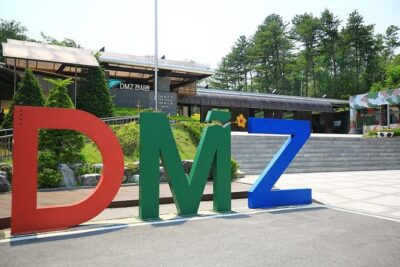
DMZ Tour: 3rd Tunnel, Option(Suspension Bridge, Boat) from Seoul
Read our review →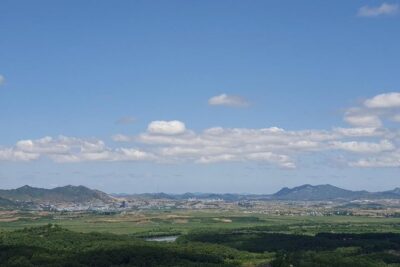
DMZ tour south Korea from Seoul (NK experience hall, defector)
Read our review →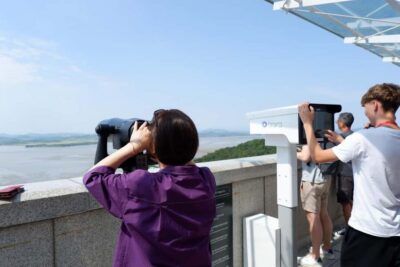

Signature DMZ Tour: Exclusive Defector Talk & Suspension Bridge
Read our review →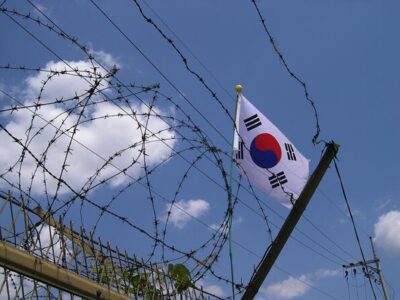
Thrilling Korean DMZ 3rd Tunnel Tour from Seoul + Red Bridge Rush
Read our review →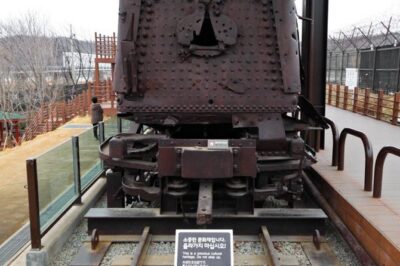
DMZ Past and Present: Korean Demilitarized Zone Tour from Seoul
Read our review →
Ultimate Korea DMZ Tour from Seoul (Gondola & Suspension Bridge)
Read our review →Browse the lists this tour appears in