
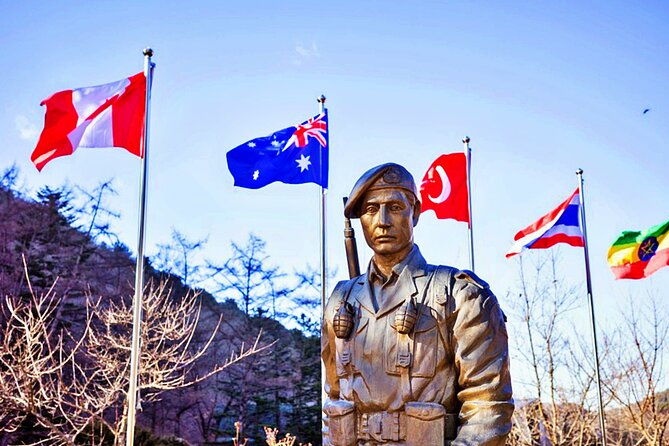
Reviewed · SEOUL DMZ TOURS
Small-Group DMZ Tour w/ North Korea Experience Hall & Susp.Bridge
The most striking part of this day is how close Seoul sits to one of the world’s most heavily guarded borders. You can walk through the Third Infiltration Tunnel, look across the frontier from Dora Observatory, and then finish at a mountain suspension bridge that offers a very different view of Korea.
I like the tour’s mix of history and firsthand places. Imjingak Park and the old Freedom Bridge give the Korean War a human face, while the North Korea Experience Hall and a possible meeting with a North Korean defector add context beyond a quick photo stop. I also like the small maximum group of 16, especially when you get a guide such as BK, Young, Sookhee, or Lua who takes time with questions.
The main caution is physical effort. The tunnel includes a long, steep walk down and back up, and the bridge area may involve more climbs. The day can feel rushed, English delivery varies by guide, and military or weather restrictions can change the route without notice.
Key points to know before booking
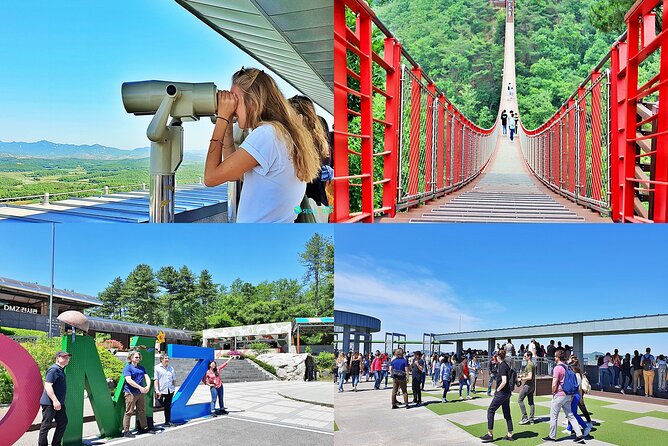
- Walk inside Tunnel 3: Expect a steep descent and climb in a narrow military tunnel built for an attempted North Korean incursion.
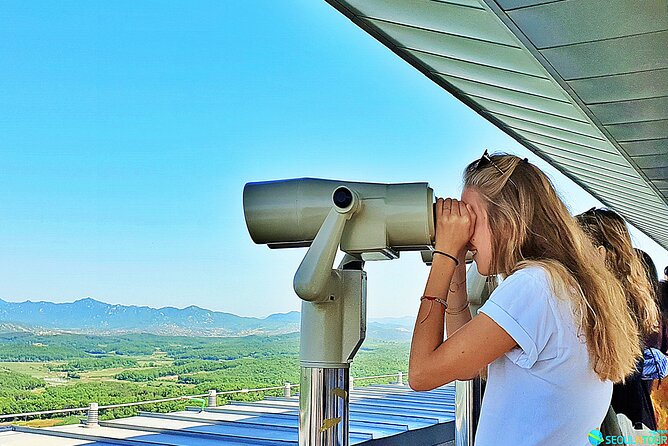
- See North Korea from Dora Observatory: Telescopes point toward the border and the North Korean propaganda village of Kijŏng-dong.
- Hear personal stories: The North Korea Experience Hall may include a talk from a defector, adding a human side to the political history.
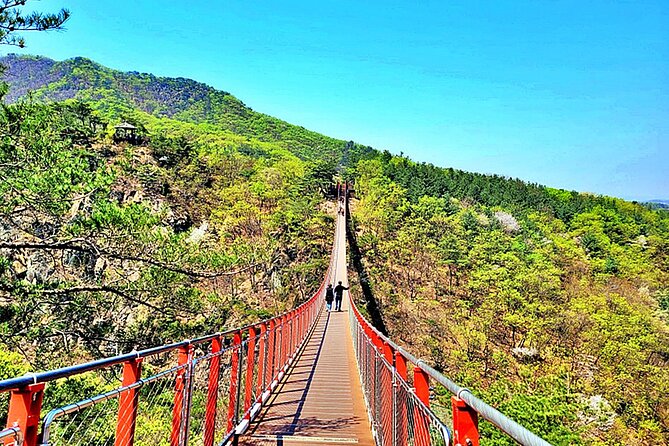
- Finish with a suspension bridge: Gamaksan Chulleong Bridge, also called Gloucester Heroes Bridge, brings mountain scenery and Korean War history into the same afternoon.
- Plan for a full day: The tour lasts about nine hours and ends near City Hall at about 4:50 p.m.
- Carry your passport and water: A current passport is required, and comfortable shoes are essential.
Why this DMZ day trip feels different from a normal Seoul outing
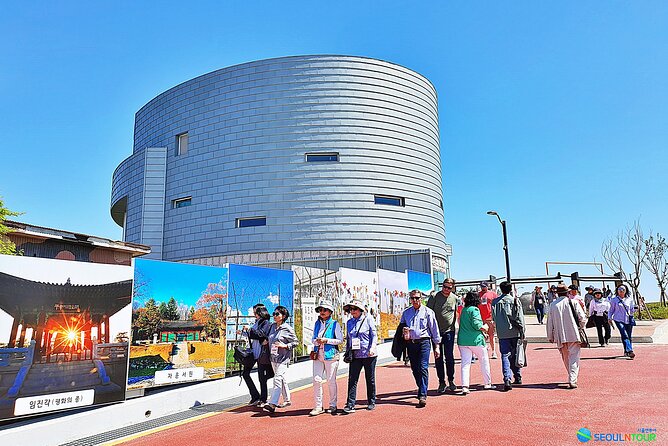
The DMZ is not a standard sightseeing district. It is a controlled border area where access depends on military rules, weather, and current security conditions. That uncertainty is part of the experience, but it also means you should not expect every departure to follow the same route.
At about $65 per person, this tour offers strong value if you want transport, entrance fees, and a guide in one package. You avoid arranging several separate visits from Seoul, and the coach takes you between sites that are not practical to link by ordinary public transport.
The group limit is 16 people. That is small enough for a guide to answer questions without the feel of a large bus tour, though your actual experience depends heavily on the guide assigned that day. Guides named by past customers include BK, Young, Sookhee, Lua, Roy, Junie, Lisa, Sadie, April, and Seokhee. The strongest guiding combines clear English with a real sense of care, and several guides have been praised for explaining extra background, taking photos, and watching the pace of the group.
The day begins in central Seoul, with City Hall Station listed as the start and end point. Pickup is available only at certain listed places, so check your exact meeting instructions rather than assuming hotel pickup. Be ready at least 10 minutes early. The return is around 4:50 p.m., although DMZ controls can make the day shorter or longer.
More DMZ tours in Seoul:
- Best DMZ Tour Korea from Seoul (Red Suspension Bridge Optional)
★ 5.0 · 41,422 reviews - DMZ Tour: 3rd Tunnel, Option(Suspension Bridge, Boat) from Seoul
★ 5.0 · 21,373 reviews - DMZ tour south Korea from Seoul (NK experience hall, defector)
★ 5.0 · 20,599 reviews
Imjingak Park puts faces on the Korean War
Imjingak Pyeonghwa-Nuri Park is a fitting first stop. It was created as a place of comfort for people forced to leave North Korea during the Korean War, and its monuments give you an early sense that this is not just a military sightseeing trip.
You can see the Freedom Bridge, the Soldiers’ Memorial, and old steam trains connected with the conflict. The bridge is especially meaningful because it carried prisoners and displaced people after the war. Your guide explains the sites while you walk, so this is a good moment to ask basic questions before reaching the more restricted border zone.
The park also has a slightly unusual feel. Parts of it include attractions aimed at general day visitors, which can seem out of step with the weight of the subject. I would not judge the whole trip by this first stop. Imjingak works best as an introduction, giving you symbols and stories that make the later military sites easier to understand.
You have around an hour and a half here and nearby stops combined. Keep your passport accessible and use this chance for restrooms, photos, and water. Once the tour moves toward the controlled DMZ sites, the schedule becomes more dependent on official access.
The North Korea Experience Hall adds a human voice
The North Korea Experience Hall is a newer part of the route and helps fill a gap that observation points cannot. From a distance, North Korea can look like a political idea or a line on a map. The hall offers a more educational look at life and society across the border.
The visit lasts about 30 minutes. Depending on the day’s program, you may hear from a North Korean defector. That can be one of the most affecting parts of the day because it shifts the focus from military hardware to ordinary people, family separation, and the hard choices involved in leaving.
Do not expect a long lecture or a full museum visit. This is a short stop, but it gives you a useful human frame before you look across the border. I find that combination more effective than relying on telescopes and warning signs alone.
Tunnel 3 requires real effort, not just curiosity
The Third Infiltration Tunnel was discovered in 1978. North Korea built it in the 1970s as part of a plan to move troops into South Korea. It is about 52 kilometers from Seoul and is one of the clearest physical reminders that the armistice did not create a normal peace treaty.
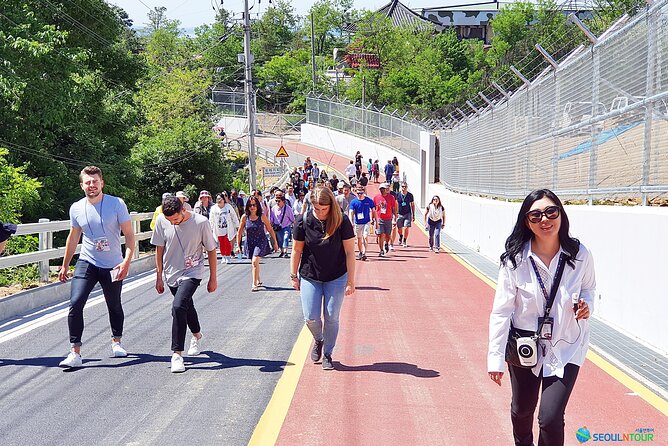
You walk into the tunnel with your guide. The route is narrow, low in places, and steep enough to test your legs. The key challenge is the return climb. Several hundred meters of descent and ascent are involved, and the incline can be demanding even if you are generally active.
Wear shoes with a secure grip. Bring water, and do not assume that a short distance means an easy walk. People with breathing or mobility problems should think carefully before booking. The operator does not recommend this tour for seniors who have trouble walking, and the physical demand is not limited to the tunnel itself.
The tunnel is worth the effort if you want something more direct than viewing a military boundary from behind glass. You are not simply looking at a display. You are walking through a space built for invasion, which makes the history feel immediate. At the same time, the route can feel rushed if the group needs to stay on schedule, so use your time wisely and listen closely to the guide’s instructions.
A different kind of day out around Seoul:
- Seoul: DMZ Tour with Optional Suspension Bridge
★ 4.8 · 5,277 reviews - Signature DMZ Tour: Exclusive Defector Talk & Suspension Bridge
★ 5.0 · 4,459 reviews - Thrilling Korean DMZ 3rd Tunnel Tour from Seoul + Red Bridge Rush
★ 5.0 · 3,097 reviews - DMZ Past and Present: Korean Demilitarized Zone Tour from Seoul
★ 5.0 · 2,481 reviews
Dora Observatory offers a controlled glimpse across the border
At Dora Observatory, telescopes point toward North Korea. On a clear day, you may see the large flagpole and Kijŏng-dong, often described as a propaganda village. You might also spot vehicles or people if visibility is good and your guide helps identify them.
This is a short stop of about 30 minutes, and weather matters a great deal. Haze, rain, or snow can reduce the view to a few vague shapes. The point is not to expect a dramatic panorama every time. The value comes from standing at a rare public viewpoint where the division of Korea is visible in physical terms.
Your guide’s explanation matters here. A good guide points out what you are seeing and explains why the village and flagpole became symbols of the border. Roy, BK, Young, and others have been praised for adding detail at the observatory rather than leaving you to guess what the telescope shows.
The stop can feel tense in a quiet way. There is no theatrical spectacle, and that is part of its power. You stand in South Korea, look toward the North, and see how much of the border experience depends on distance, weather, and military permission.
Unification Village shows the border as a lived place
The coach passes Unification Village on the return route. Your guide explains the community and the hopes many Koreans hold for reunification. This is not a major walking stop, but it helps you see that the DMZ is surrounded by working communities, not isolated from daily life.
The subject can be emotional. The division is more than a Cold War relic for Korean families separated by the border. The tour is at its best when your guide connects the monuments, tunnel, observatory, and village to that ongoing human cost.
You may not get a long pause here, so pay attention during the drive. This is one reason a clear English-speaking guide makes such a difference. If explanations are rushed or difficult to understand, you lose some of the context that ties the stops together.
Gloucester Hill links the battlefield to the bridge

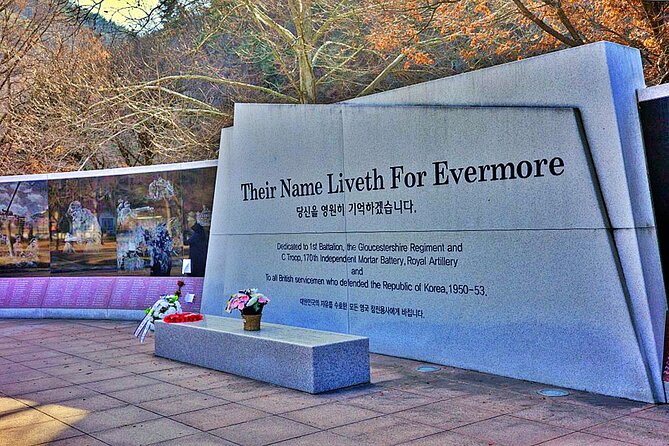
After the main DMZ stops, the tour heads to Gloucester Hill Memorial. The site recalls a Korean War battle involving British forces and gives the final part of the day a different focus. Instead of looking toward North Korea, you are learning about a particular battlefield and the people who fought there.
The nearby Gamaksan Chulleong Bridge is also called Gloucester Heroes Bridge. Opened in 2016, it crosses a mountain valley and was promoted as South Korea’s longest mountain suspension bridge at the time. The setting provides a welcome change after the formal border sites.
You should still expect walking and inclines. The bridge itself is the obvious attraction, but you may find a waterfall and temple after crossing, according to the route information and on-site conditions. If you have time and the path is open, those additions make the stop feel less like a quick photo break.
Weather and security can close the bridge. Heavy rain, snow, or military controls may lead to a replacement visit to Odusan Unification Observatory or Majang Lake Suspension Bridge. The route can also include the DMZ Peace Gondola or the War Memorial of Korea if access to several sites is restricted.
That flexibility is practical, but it means you should book this as a DMZ-focused day rather than as a guaranteed checklist. The suspension bridge is a bonus, not the sole reason to reserve the tour.
The special route can be just as useful
The regular signature course operates Tuesday through Sunday when the Third Tunnel and Dora Observatory are open. Mondays, public holidays, military closures, and bad weather can trigger a special route.
The special version includes the North Korea Experience Hall, Imjingak Pyeonghwa-Nuri Park, the DMZ Peace Gondola, Gloucester Hill Memorial Park, and the suspension bridge. It may also use Odusan Unification Observatory or the War Memorial of Korea if access changes during the day.
This matters when planning your Seoul schedule. Do not book the tour only because you want one particular telescope view or the tunnel. If those stops are essential, leave room in your plans for a changed itinerary. If your main goal is to understand the Korean division and see the border region, the substitute route can still provide a worthwhile day.
What the $65 price really covers
The price includes transportation, a professional guide, entrance fees, and taxes. Lunch and drinks are not included, and hotel pickup and drop-off are not provided. You should budget for your own food and carry water, especially because the tunnel and bridge walks can leave you thirsty.
For me, the value comes from combining distant sites in one organized day. You get a climate-controlled coach from Seoul, controlled-site access, and someone who can explain the Korean War and the border as you go. Booking separate transport would be less simple, and independent access to some locations may not be possible.
The small group also helps. A 16-person maximum does not guarantee a private feel, but groups can be much smaller. One group was only seven people, which allowed more questions and a calmer pace. A private tour would give you more control, but this option costs far less and still offers personal guidance when the group is small.
Who should book this tour?
I would choose this tour if you have one full day in Seoul and want a direct look at the Korean division rather than a general city excursion. It suits people who enjoy history, military sites, personal stories, and unusual places that cannot be visited casually.
It is also a good fit if you prefer an organized day with transport already handled. The combination of Tunnel 3, Dora Observatory, Imjingak, the Experience Hall, and Gamaksan gives you more range than a short DMZ visit.
I would hesitate if you have difficulty with steep walking, narrow spaces, or long days. The English quality may vary between guides, too. Most of the named guides have been praised for clear explanations and warm care, but one person found a guide difficult to understand. If history explanation is your main reason for going, this is worth keeping in mind.
Bring your passport, water, comfortable walking shoes, and a warm or waterproof layer suited to the season. Arrive early at City Hall Station, keep your schedule flexible, and accept that a military border can change its rules at short notice.
Should you book it?
Yes, if you want a well-priced, full-day introduction to the DMZ with both serious history and a scenic finish. The most valuable parts are the tunnel, Dora Observatory, and the chance to hear a defector’s story. The suspension bridge adds variety without distracting from the main subject.
Skip it if you want a relaxed day, guaranteed access to every listed site, or very little walking. For everyone else, this is a practical way to see the border region from Seoul, provided you arrive prepared for hills, weather changes, and an itinerary controlled partly by military conditions.
FAQ
Where does the tour start and end?
The listed meeting point is City Hall Station in Seoul, and the tour ends in the same general area. The planned end time is around 4:50 p.m.
How long does the tour last?
The experience lasts about nine hours, although the duration can be shorter or longer depending on DMZ conditions, security controls, weather, and site access.
Is lunch included?
No. Lunch and drinks are not included, so you should plan to bring or purchase your own food and water.
Do I need to bring my passport?
Yes. You must carry a current valid passport on the day of the tour. You do not need to send a passport copy in advance.
How difficult is the Third Infiltration Tunnel?
The tunnel requires walking down and back up a steep, narrow route. Comfortable shoes are required, and a moderate level of physical fitness is recommended. It is not recommended for seniors who have trouble walking.
What happens if the tunnel or Dora Observatory is closed?
On Mondays, public holidays, or days when military or weather conditions close those sites, the tour uses a special route. This may include the North Korea Experience Hall, Imjingak Park, DMZ Peace Gondola, Gloucester Hill Memorial Park, and the suspension bridge.
Can the suspension bridge be closed?
Yes. Heavy rain, snow, military operations, or other security controls can close the bridge. Replacement stops may include Odusan Unification Observatory, Majang Lake Suspension Bridge, the DMZ Peace Gondola, or the War Memorial of Korea.
Just added around Seoul
- Your Personal Seoul Photographer!★ 4.1 · 15 reviews
- From Seoul: Hwacheon Ice Fishing and Lighting Festival Tour★ 4.5 · 4 reviews
- You’re Invited to Our Home in Seoul: The Only Cooking Class!★ 5.0 · 8 reviews
- Seoul: Gangneung BTS K-Pop & K-Drama Filming Locations Tour★ 4.6 · 14 reviews
- Unique Native Experience : Han River Picnic, Board game, BBQ★ 5.0 · 3 reviews
- 2-Hour Private Kayaking and Paddleboarding Experience in Hanriver★ 5.0 · 3 reviews
- Yun Korean Cooking Class in Seoul★ 5.0 · 6 reviews
- Day Trip to Yongin Daejanggeum and Korean Folk Village from Seoul★ 4.0 · 9 reviews
Seoul DMZ Tours, compared.
Best DMZ Tour Korea from Seoul (Red Suspension Bridge Optional)
Read our review →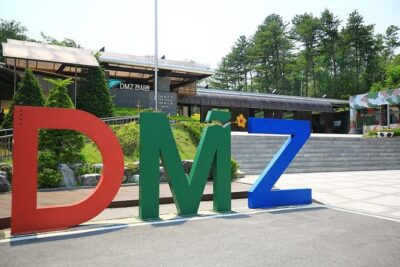
DMZ Tour: 3rd Tunnel, Option(Suspension Bridge, Boat) from Seoul
Read our review →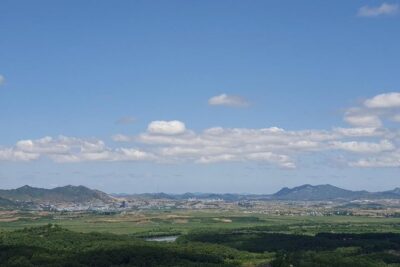
DMZ tour south Korea from Seoul (NK experience hall, defector)
Read our review →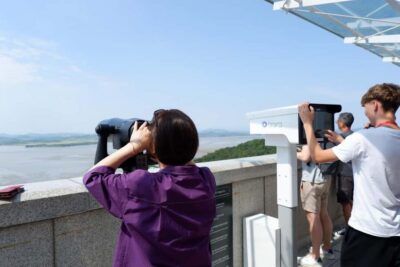

Signature DMZ Tour: Exclusive Defector Talk & Suspension Bridge
Read our review →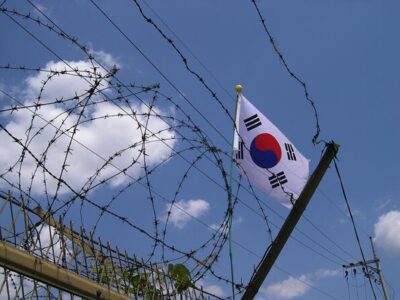
Thrilling Korean DMZ 3rd Tunnel Tour from Seoul + Red Bridge Rush
Read our review →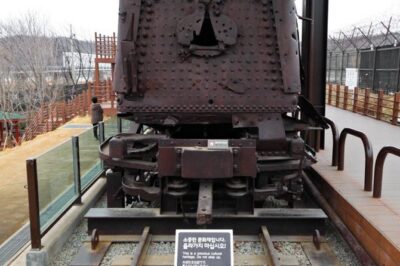
DMZ Past and Present: Korean Demilitarized Zone Tour from Seoul
Read our review →
Ultimate Korea DMZ Tour from Seoul (Gondola & Suspension Bridge)
Read our review →Browse the lists this tour appears in