
Reviewed · SEOUL DMZ TOURS
DMZ Tour from Seoul – Optional Suspension Bridge Experience
The most striking part of this DMZ tour from Seoul is the chance to stand near one of the world’s most heavily guarded borders, then look toward North Korea from Dora Observatory. You also enter the Third Tunnel, a narrow passage built for a military purpose that feels far more real than any museum display.
I like the efficient route, which combines transport, a local guide, and the main DMZ sights for $27.50. I also like the guides’ role: Jung, Stella, Kenny, Leo, and others are praised for clear explanations, humor, patience, and keeping the group moving. The main drawback is uncertainty. The military controls access, Dorasan Station is closed, and weather or security orders can change the schedule without notice.
Key points to know before booking
- The Third Tunnel is the physical highlight: You walk into a 1,635-meter tunnel that is about two meters wide and two meters high.
- Dora Observatory depends on visibility: On a clear day, you may see North Korea, Gaeseong, Songaksan, a Kim Il-Sung statue, and a cooperative farm through telescopes.
- Imjingak gives the visit its human context: The park’s monuments and unification displays connect the border to the Korean War and separated families.
- Your guide matters: Guides such as Jung, Stella, Kenny, and Leo are praised for strong English, good timing, humor, and useful historical explanations.
- The day can run longer than seven hours: Traffic, group size, and military procedures can stretch the return to eight or nine hours.
- The route is not guaranteed: Military closures, fog, snow, storms, training, or government orders may lead to changes or cancellation without a refund.
Why this Seoul DMZ trip is worth your time
The DMZ is not simply another sightseeing stop. It is a living border zone, and the experience works best when you take time to understand what you are seeing. From central Seoul, you ride toward the northern edge of South Korea, where monuments, fences, observation points, and military restrictions replace the city’s palaces and shopping streets.
I like that this tour focuses on the main sights without stopping at ginseng shops, amethyst factories, or other shopping centers. That keeps the day centered on the Korean War, the division of the peninsula, and the uncertain hope of reunification.
The price is another strong point. At $27.50 per person, the package offers air-conditioned transport, a professional local guide, and admission to the listed attractions. You still need to pay for lunch, and hotel arrangements require care, but the price is modest for a full day near a restricted military zone.
This is best for you if you want a structured introduction rather than an independent attempt to reach the border. The DMZ is operated by the military, so access is not as simple as taking a train and wandering around. A guide helps you understand the rules, follow the timing, and make sense of places that could otherwise feel like disconnected checkpoints.
More DMZ tours in Seoul:
- Best DMZ Tour Korea from Seoul (Red Suspension Bridge Optional)
★ 5.0 · 41,422 reviews - DMZ Tour: 3rd Tunnel, Option(Suspension Bridge, Boat) from Seoul
★ 5.0 · 21,373 reviews - DMZ tour south Korea from Seoul (NK experience hall, defector)
★ 5.0 · 20,599 reviews
Imjingak Pyeonghoa-Nuri Park sets the tone
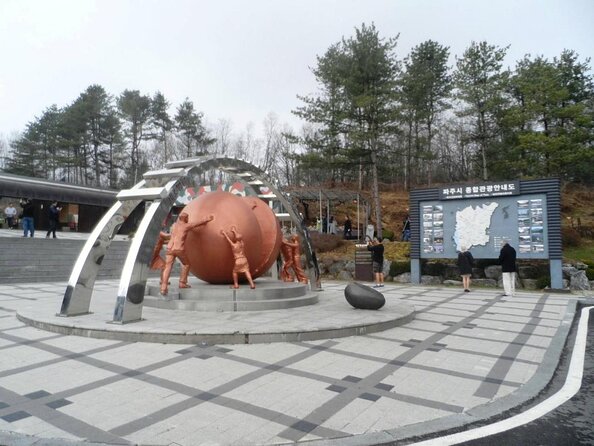
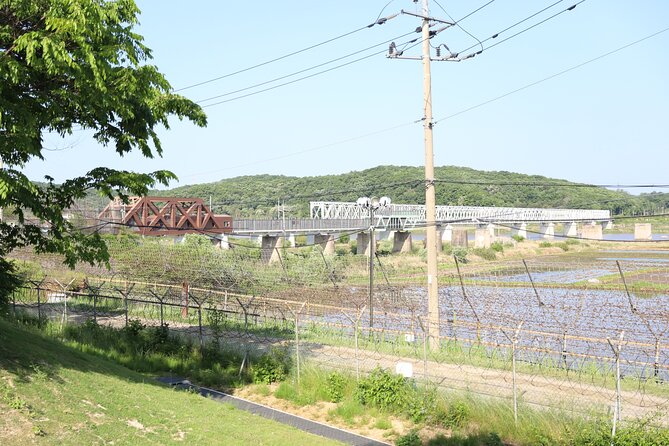
The first main stop is Imjingak Pyeonghoa-Nuri Park, about seven kilometers from the Military Demarcation Line. You have around 40 minutes here, with admission included.
Imjingak was built in 1972 with the hope that reunification would one day be possible. The three-story Imjingak building is surrounded by monuments, Unification Park, and the North Korea Center. This gives you an early reminder that the division is not an abstract line on a map. It has shaped families, politics, memorials, and daily life for decades.
I would use this stop to listen closely to your guide. The park has several features packed into a short visit, and 40 minutes is enough for a look but not for a slow, detailed museum visit. The strongest value comes from the explanation of why the monuments exist and how the Korean War still affects the peninsula.
The park is also a practical first pause after leaving Seoul. You can get your bearings, take photographs where permitted, and prepare for the more physically demanding tunnel visit. Do not expect a long independent exploration. This is a short, organized stop with a fixed departure time.
The Third Tunnel is the tour’s most memorable walk
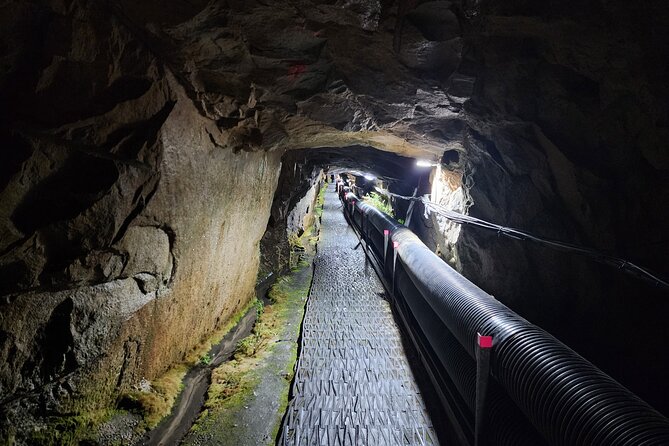
The Third Tunnel was discovered by South Korea in 1978. It runs for about 1,635 meters, is roughly two meters wide and two meters high, and lies about 52 kilometers from Seoul. South Korean estimates suggest that about 30,000 soldiers could have moved through it per hour.
The military purpose is what gives this stop its weight. You are not walking through an old mine or a harmless underground passage. You are seeing a tunnel linked to plans for movement across the border, and the confined dimensions make the experience physical as well as historical.
The scheduled visit lasts about 40 minutes. You need a moderate level of fitness, since the tunnel requires walking in a restricted underground space. The details provided do not give a complete accessibility description, so anyone with mobility concerns should ask the operator before booking.
The tunnel can be uncomfortable for some people simply because it is narrow and low. That is part of the point, but it is also the main limitation. If you dislike confined spaces or have difficulty walking, Dora Observatory and Imjingak may be more enjoyable than the tunnel itself.
Still, I would consider the Third Tunnel the most distinctive part of the route. Photographs of the DMZ can feel distant and symbolic. Walking through the tunnel gives you a direct sense of the engineering, labor, and military planning behind the border story.
Dorasan Station is closed, and that changes the route
Dorasan Station is described as the northernmost stop on South Korea’s railway line. It is about 56 kilometers from Seoul and 205 kilometers from Pyongyang. However, the station is currently closed for military reasons.
That closure matters because old descriptions of DMZ tours often present Dorasan Station as a regular stop. On this experience, you should not expect to enter it. The station remains important as a symbol of a possible future rail connection, but it is not an open sightseeing stop on this route.
This is a good example of why a DMZ visit needs flexible expectations. The tour can include an impressive set of places, but military access always comes first. If a particular stop is important to you, check its current status close to your departure date.
A different kind of day out around Seoul:
- Seoul: DMZ Tour with Optional Suspension Bridge
★ 4.8 · 5,277 reviews - Signature DMZ Tour: Exclusive Defector Talk & Suspension Bridge
★ 5.0 · 4,459 reviews - Thrilling Korean DMZ 3rd Tunnel Tour from Seoul + Red Bridge Rush
★ 5.0 · 3,097 reviews - DMZ Past and Present: Korean Demilitarized Zone Tour from Seoul
★ 5.0 · 2,481 reviews
Dora Observatory offers the clearest border view
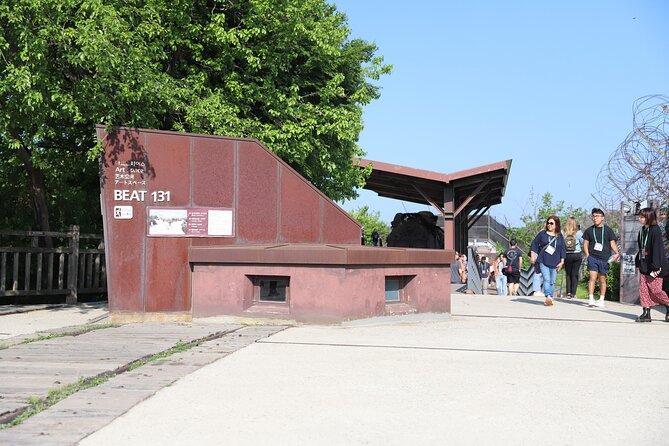
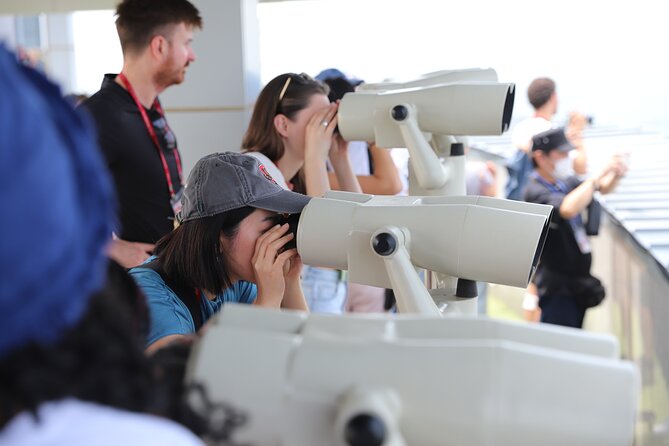
At Dora Observatory, you spend about 30 minutes looking toward North Korea. The view can include Gaeseong, Songaksan, a Kim Il-Sung statue, and the Cooperation Farm known as Geumamgol.
The quality of this stop depends heavily on weather. Clear skies give you the best chance of seeing across the border through a telescope. Fog, heavy snow, storms, or other poor conditions can reduce the view to a hazy outline, so do not book this expecting a guaranteed close look at North Korean life.
That uncertainty does not make the observatory pointless. Even when visibility is limited, the viewpoint helps you understand the geography of the division. When the air is clear, the telescope adds a rare visual connection to places most people can otherwise see only on a map.
Thirty minutes is a sensible amount of time. You can look through the telescope, hear the guide explain the visible locations, and take in the border area without turning the stop into a long wait. Keep your expectations realistic: this is an observation point, not an opportunity to cross the border or explore North Korea.
The guides make the history easier to follow
The strongest part of this tour is the guiding. Jung receives repeated praise for being energetic, friendly, funny, patient, and clear in English. Stella is described as welcoming, approachable, and able to make each location enjoyable. Kenny, Leo, Chloe, and Jun are also praised for useful explanations, good organization, and a personable manner.
That range of names tells you something practical: the exact guide is not guaranteed, but the experience depends greatly on who leads your group. A good guide turns the Third Tunnel from a dark passage into a meaningful part of the Korean War story. At the observatory, a good explanation helps you identify what you are looking at rather than simply pointing toward a distant horizon.
English ability can vary by guide. One person specifically found the guide’s English difficult to follow but had a much better experience with Jun. That is worth bearing in mind if detailed historical explanation is your main reason for booking.
The group can contain up to 40 people, so this is not a private, quiet tour. One group was transferred from a smaller bus to a bus serving Japanese-speaking passengers, which caused some confusion. The guide was not blamed for the change, but it shows that transportation arrangements can shift during a busy day.
Transport, pickup, and the real time commitment
Round-trip transport from central Seoul is included, using an air-conditioned coach or minivan. Pickup is available from centrally located areas such as Gangnam, Myeongdong, Gwanghwamun, Itaewon, and Dongdaemun.
If your accommodation is tucked behind an alley, the staff may ask you to meet at a nearby central hotel or subway station. If you stay outside Seoul, such as in Incheon, you can either make your own way to Seoul or pay an additional distance-based charge on the day.
The published duration is about seven hours, but you should leave more room in your schedule. One reported day ran from 6:40 a.m. until shortly after 3:00 p.m., or roughly eight to nine hours. Traffic, the number of people in the group, and military procedures can all affect the return time.
The stated drop-off points are City Hall or Myeongdong. This is useful if you plan to continue sightseeing, but it is not the same as a guaranteed door-to-door return. Confirm your pickup time if it is not shown in your confirmation email, and avoid booking a tight afternoon reservation afterward.
What the optional extras really mean
The supplied details mention pistol shooting if that option is selected. Participants must be at least 14 years old. This is separate from the core DMZ route, so check exactly what your selected option includes before paying.
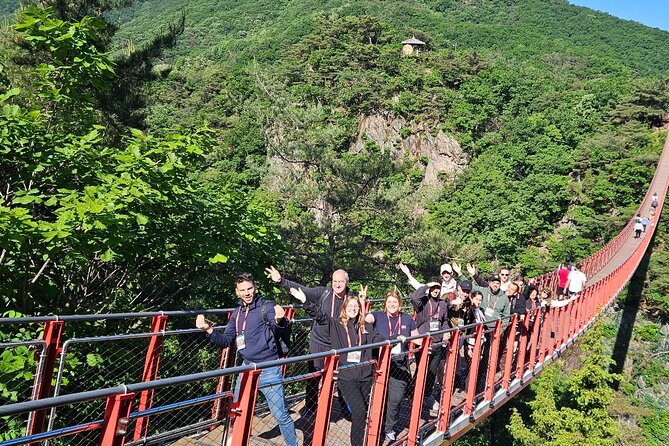
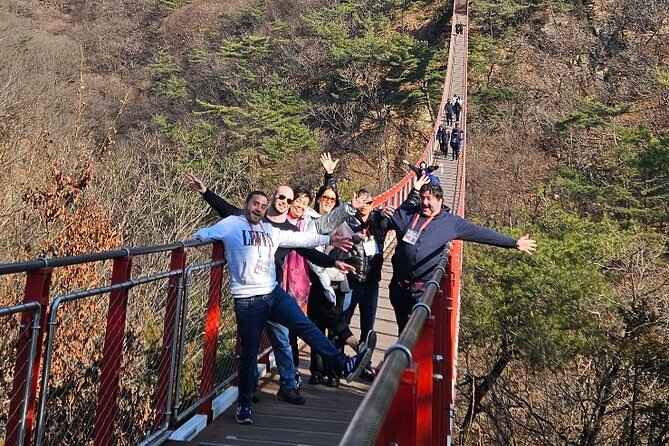
The experience title also refers to an optional suspension bridge, but the supplied stop details do not explain where or when that bridge visit occurs. If the bridge is important to you, confirm its availability and whether it changes the route before booking. Do not assume every departure includes it.
Lunch is not included. The schedule is organized around military access and transport, so plan for the fact that your meal arrangements may be limited or occur at a set point chosen by the operator. The tour information does not specify a restaurant or lunch duration.
Military rules can change your whole day
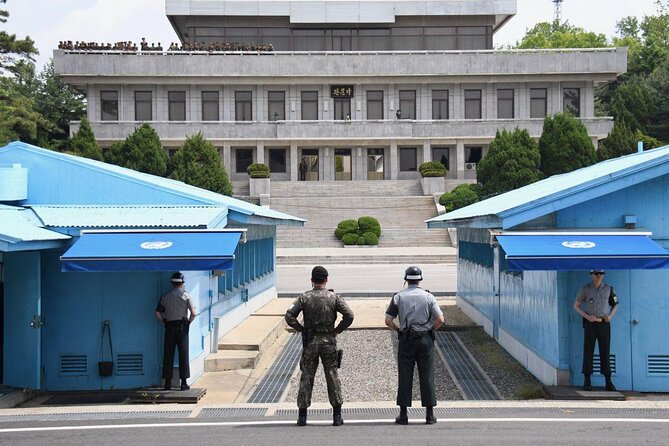
The DMZ is controlled by the military, not by the tour company. The trip may be canceled or altered without prior notice because of military training, visits by senior officials, strikes, government orders, bad weather, dense fog, heavy snow, or other conditions.
The alternative route may include Imjingak Park, Art Space BEAT 131, Odusan Unification Observatory, and the War Memorial of Korea, followed by drop-off at City Hall or Myeongdong. This can still offer useful context, but it is not the same experience as entering the Third Tunnel or viewing North Korea from Dora Observatory.
The terms state that changes caused by circumstances beyond the operator’s control may not qualify for a refund. Read that carefully before booking. Free cancellation is available if you cancel at least 24 hours before the start time, but that policy is different from a military closure on the day itself.
You must bring a current, valid passport. Without it, you may not be able to enter the controlled area. Keep it accessible and follow your guide’s instructions about when it must be shown.
Who should book this DMZ experience?
I would choose this tour if you want the main DMZ sights with simple transport from Seoul and a guide who can explain the history as you go. It suits first-time visitors, history-minded people, and anyone who prefers not to manage military restrictions and regional transport alone.
It also suits budget-conscious visitors. The low price covers the core transport, guide, and admissions, and the no-shopping-stop policy keeps the focus where it belongs.
I would hesitate if you need a guaranteed itinerary, a quiet private group, or a precise return time. You should also think twice if you dislike narrow tunnels, have limited walking ability, or would be disappointed by poor visibility at Dora Observatory.
Final call: book it for context, not certainty
This is a strong-value introduction to the DMZ. The Third Tunnel gives you a physical encounter with the border story, Imjingak provides memorial context, and Dora Observatory offers a chance to look into North Korea when conditions allow.
Book it if you can accept military changes and a long morning with a group of up to 40 people. Choose it for the history, the guide, and the rare chance to approach the border, not for a guaranteed telescope view or a fixed seven-hour finish.
FAQ
How long does the DMZ tour take?
The advertised duration is about seven hours. The actual return can take eight to nine hours because of traffic, group size, and military procedures.
Is hotel pickup included?
Pickup is available for centrally located Seoul hotels and accommodations. If your lodging is behind an alley, you may be asked to meet at a nearby central hotel or subway station.
Where does the tour drop you off?
Drop-off is offered at City Hall or Myeongdong.
Is lunch included?
No. Lunch is not included in the tour price.
Do I need a passport?
Yes. You must bring a current valid passport on the day of the tour.
Can I visit Dorasan Station?
No. Dorasan Station is currently closed for military reasons.
Can I see North Korea from Dora Observatory?
You may be able to see North Korea through a telescope on a clear day. Fog, storms, snow, and other poor weather can limit visibility.
Is the Third Tunnel physically demanding?
A moderate level of physical fitness is required. The tunnel is about two meters wide and two meters high, and the visit involves walking through a confined underground space.
Can the tour be canceled or changed?
Yes. Military orders, training, weather, road conditions, government action, strikes, or other unforeseen events can lead to changes or cancellation without prior notice.
Just added around Seoul
- Your Personal Seoul Photographer!★ 4.1 · 15 reviews
- From Seoul: Hwacheon Ice Fishing and Lighting Festival Tour★ 4.5 · 4 reviews
- You’re Invited to Our Home in Seoul: The Only Cooking Class!★ 5.0 · 8 reviews
- Seoul: Gangneung BTS K-Pop & K-Drama Filming Locations Tour★ 4.6 · 14 reviews
- Unique Native Experience : Han River Picnic, Board game, BBQ★ 5.0 · 3 reviews
- 2-Hour Private Kayaking and Paddleboarding Experience in Hanriver★ 5.0 · 3 reviews
- Yun Korean Cooking Class in Seoul★ 5.0 · 6 reviews
- Day Trip to Yongin Daejanggeum and Korean Folk Village from Seoul★ 4.0 · 9 reviews
Seoul DMZ Tours, compared.
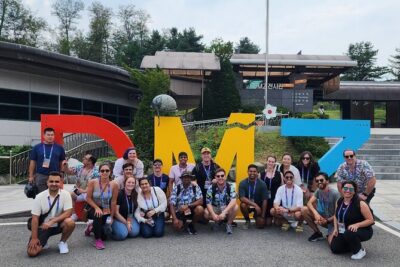
Best DMZ Tour Korea from Seoul (Red Suspension Bridge Optional)
Read our review →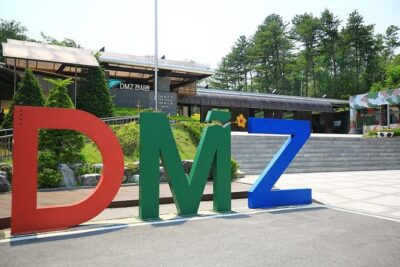
DMZ Tour: 3rd Tunnel, Option(Suspension Bridge, Boat) from Seoul
Read our review →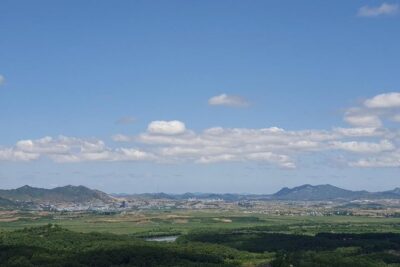
DMZ tour south Korea from Seoul (NK experience hall, defector)
Read our review →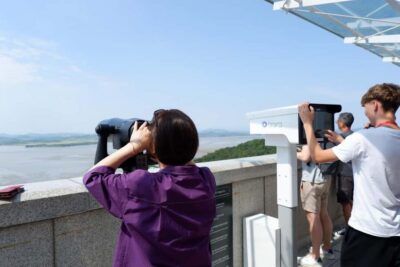

Signature DMZ Tour: Exclusive Defector Talk & Suspension Bridge
Read our review →
Thrilling Korean DMZ 3rd Tunnel Tour from Seoul + Red Bridge Rush
Read our review →
DMZ Past and Present: Korean Demilitarized Zone Tour from Seoul
Read our review →
Ultimate Korea DMZ Tour from Seoul (Gondola & Suspension Bridge)
Read our review →Browse the lists this tour appears in