
Reviewed · GANGNAM TOURS
Seoul: Gangnam Tour on Youth and Society in South Korea
Gangnam is more than designer shops, glossy towers, and the pop song that made its name famous. This 150-minute walking tour uses the district as a classroom, showing how Korea’s success has brought fierce pressure around education, appearance, work, marriage, and money. Guides such as Jessica and June explain the signs and streets in clear English, with personal stories and a sharp sense of humor.
I especially like the way the tour connects ordinary street details to big social questions, and the fact that it finishes near the Han River rather than keeping you inside a lecture room. The main consideration is its serious subject matter. Suicide, low birth rates, beauty pressure, and what some Koreans call Korean hell are discussed directly, so this is not a light sightseeing stroll.
Key points to know before you book
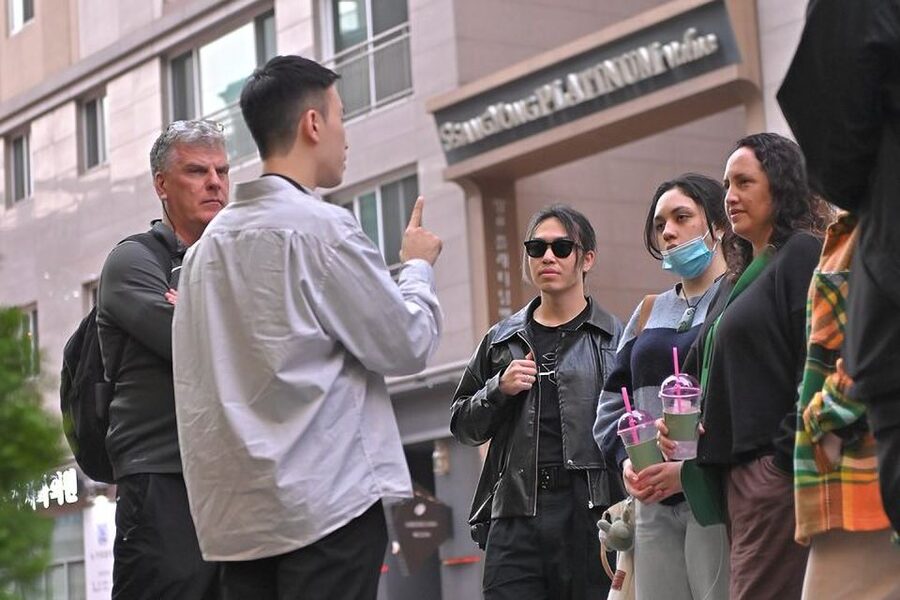
- Gangnam becomes a social textbook: Beauty clinics, luxury advertising, housing, and high-rise offices all help explain daily life in South Korea.
- Jessica and June bring different personal angles: Guides have been praised for strong English, humor, storytelling, and the ability to answer difficult questions.
- The focus is modern society, not classic sightseeing: You come to understand Korean life, not to tick off palaces or monuments.
- The walk is generally easy but not fully effortless: Expect flat streets, some subway steps, and a seated discussion of about 30 minutes.
- The $33 price is strong value for a cultural introduction: You receive a local historian, a long English-language discussion, and practical context for the rest of your Seoul visit.
- Plan for the weather: Summer bookings include a portable handsfree fan, while winter bookings include hot packs. Bring water in hot weather and cash for the 2,000 KRW transportation fee.
Why Gangnam reveals more than Seoul’s glossy image
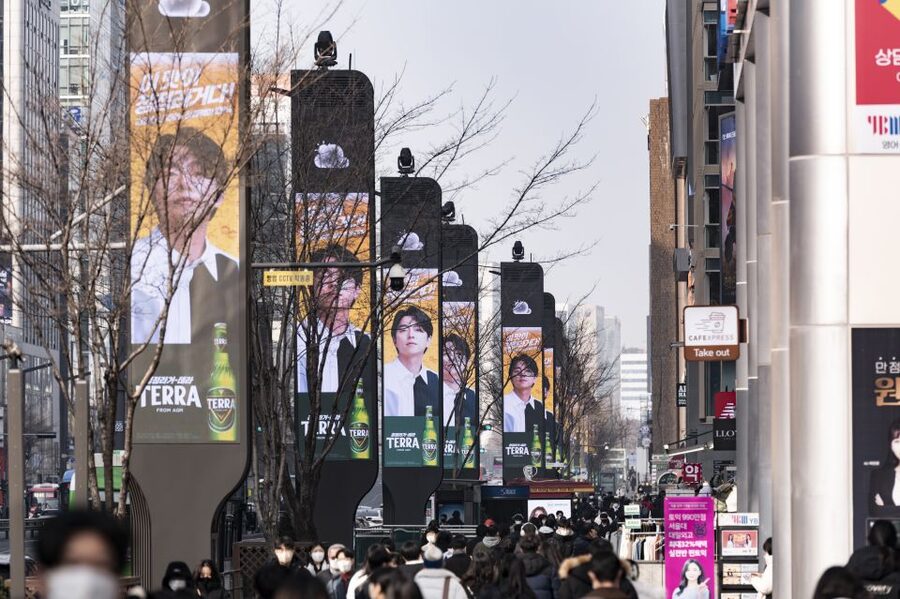
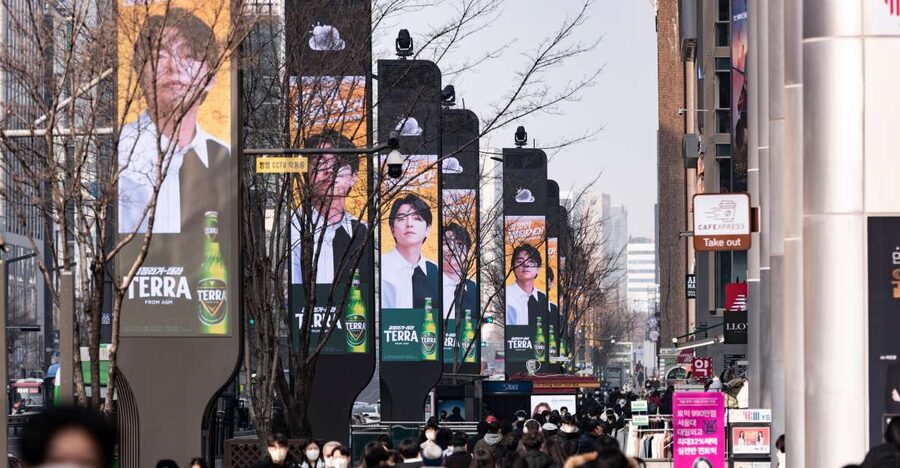
Gangnam is an excellent setting because its polished surface tells part of the story. You walk through streets packed with high-rise buildings, advertisements for beauty products, luxury labels, offices, restaurants, and plastic surgery clinics. These are not just things to photograph. Your guide uses them to explain what success looks like in South Korea and why so many people want to live in this part of Seoul.
The tour asks a useful question: how can a wealthy, highly developed country also have severe social pressure and high unhappiness? That question gives the walk its shape. Instead of treating Korean society as a collection of unusual customs, the guide links economic growth, family expectations, education, work, beauty, dating, and housing.
I like this approach because it helps you read Seoul after the tour. A cosmetic surgery advertisement, a cram-school reference, or a particular kind of apartment sign may look different once you understand the competition behind it. The tour does not simply tell you that Korean society is demanding. It gives you examples to watch for.
You should also expect a balanced discussion. The darker subjects are important, but the guide explains why people stay in Korea, return after living abroad, or continue to value its strong points. That balance matters. You are not being asked to view South Korea only as a success story or only as a troubled society.
More Gangnam tours in Seoul:
- Gangnam Walking Tour on Youth and Society in Seoul Korea
★ 5.0 · 401 reviews - Korean Home Style Cooking Class in Gangnam Seoul
★ 5.0 · 40 reviews - Korea Temple & Starfield Library Gangnam K-BBQ
★ 5.0 · 20 reviews
Meeting at Gangnam Station and reading the streets
The meeting point is Gangnam Station, Exit 11. This is a practical place to begin because the station puts you directly into one of Seoul’s busiest commercial districts. The English address is 820-10, Yeoksam-dong, Gangnam-gu, Seoul, and the Korean address is 강남역 11번 출구.
From here, the route moves through the streets between the towers. The setting changes little in the traditional sightseeing sense, but that is the point. The buildings, signs, clinics, shops, and crowds become the exhibits.
Your guide may point out how advertising speaks to Korean ideas about success and self-improvement. You may see beauty products aimed at perfect skin, clinics promoting cosmetic procedures, and luxury brands selling the image of a successful life. You will not simply be told that appearance matters. You will see how often the message appears in public space.
The walking itself is not the main attraction. This is a discussion tour with movement between examples. Wear comfortable shoes, but you do not need to prepare for a strenuous hike. One detailed account describes flat ground, subway steps, and a later seated conversation, which gives you a useful sense of the physical demands.
History first, then the pressures of modern Korea

The guide begins with historical context so the modern issues do not float without explanation. Korea’s rapid economic rise, traditional social rules, family expectations, and international cultural influence all shape the subjects you discuss in Gangnam.
This context is one of the tour’s strongest features. Education pressure, for example, makes more sense when you understand how much families connect schooling with security and status. Work pressure becomes clearer when success is measured against demanding social standards. Dating and marriage are not treated as purely private choices, since family expectations and economic concerns can affect them.
The tour also helps you understand the contrast between traditional values and younger Koreans’ changing lives. South Korea is known worldwide for K-pop, television, film, fashion, and technology, yet older ideas about family duty, achievement, and fitting in still matter. The guide explains the friction between these forces without pretending that every Korean person thinks alike.
Jessica is frequently praised for explaining these issues through both Korean and Western perspectives, while June is described as a historian with strong insight into Korean culture. The guide assigned to your date may vary, but the experience is built around a live English conversation rather than a fixed audio script.
Beauty clinics and the pressure to look perfect
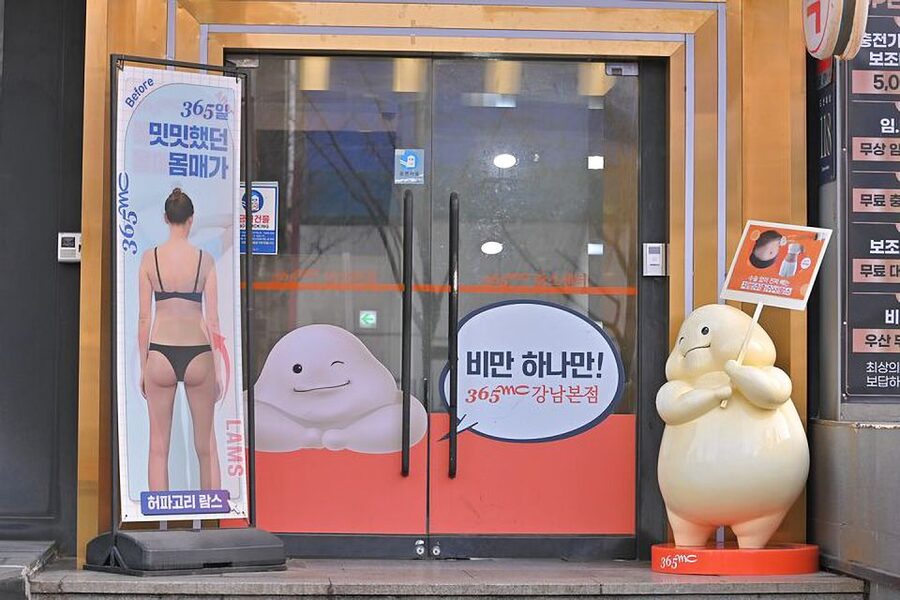
Gangnam’s beauty industry gives the tour some of its most visible examples. You pass advertisements for skincare, cosmetic procedures, and plastic surgery clinics. The guide explains how beauty standards can affect young people, employment hopes, dating, and everyday confidence.
This section is not a clinic tour and does not promote surgery. Instead, it examines why appearance has become such a major part of public life. You learn how pressure can come from advertising, peers, families, workplaces, and the belief that looking a certain way creates better chances.
That is a useful distinction. It is easy to visit Gangnam, see a wall of cosmetic advertising, and treat it as an amusing cultural difference. The tour asks you to consider the human cost behind that polished image. It also avoids reducing Korean beauty culture to vanity. Personal choice, social expectation, competition, and business interests all overlap.
If you are interested in Korean skincare, fashion, or pop culture, this part will add needed context. You will see the connection between the image exported by Korean entertainment and the pressure experienced by people living with those standards every day.
A different kind of day out around Seoul:
- Best DMZ Tour Korea from Seoul (Red Suspension Bridge Optional)
★ 5.0 · 41,422 reviews - DMZ Tour: 3rd Tunnel, Option(Suspension Bridge, Boat) from Seoul
★ 5.0 · 21,373 reviews - DMZ tour south Korea from Seoul (NK experience hall, defector)
★ 5.0 · 20,599 reviews - Seoul: DMZ Tour with Optional Suspension Bridge
★ 4.8 · 5,277 reviews
Education, careers, housing, and the race for security
Education is another major subject. The tour explains why parents and children can feel intense pressure to perform and how schooling affects later opportunities. The emphasis is not simply on studying hard. It is about the fear of falling behind in a competitive society.
That pressure connects directly to careers and housing. Gangnam’s expensive image provides a clear backdrop for discussing why location, income, and professional status matter so much. You may not receive a technical housing lecture, but the guide links the cost of living and the search for security to decisions about work, dating, and family life.
The tour also looks at young professionals and the difficult tradeoffs they face. A successful economy can create excellent opportunities, but it can also raise the standard everyone is expected to meet. You are encouraged to consider why a person might work long hours, delay marriage, avoid having children, or leave Korea and later return.
This is where the tour goes beyond a standard neighborhood walk. It does not just describe what you see. It explains the choices behind the buildings and advertisements. You come away with a more useful idea of how economic success can produce both comfort and strain.
Dating, marriage, family, and the low birth rate
The discussion of relationships is candid. You learn about dating, marriage, family expectations, and the ways friends or social networks may help introduce young people to one another. These subjects are handled as parts of social structure, not gossip.
The low birth rate comes into the conversation because raising a family can feel tied to housing costs, education expenses, career demands, and the expectation that parents must provide an extremely high level of support. The result is a difficult choice for many young adults.
I appreciate that the guide connects this issue to the wider system rather than blaming young Koreans for not having children. The tour asks what kind of society makes family life feel possible or impossible. It also helps you understand why birth rates and marriage trends are not just statistics. They reflect real concerns about time, money, status, and the future.
The subject can feel heavy, but the guide’s humor keeps the conversation human. Jessica and June are both described as personable and easy to question, which matters when the discussion moves into personal territory.
Mental health and the darker side of success
The tour does not avoid South Korea’s high suicide rate or the question of why a rich country can also rank poorly for happiness. These topics are handled as part of the pressures created by achievement, comparison, isolation, and social expectations.
This is the section that may change your outlook most. You begin to see that the bright signs and efficient city life can exist alongside serious emotional strain. The tour does not offer a simple answer, and that is appropriate. Social problems rarely have one cause.
The guide’s role is to explain connections and invite questions. Personal stories and real-life examples make the subject easier to understand than a list of figures would. At the same time, you should know that the tour is not therapy or a formal academic seminar. It is a thoughtful walking discussion led by a local historian.
If difficult topics affect you strongly, read the theme carefully before booking. The wording is frank, and the tour’s appeal comes partly from its willingness to discuss uncomfortable parts of Korean society.
The seated discussion and walk toward the Han River
The experience is not nonstop walking. One detailed account describes about 30 minutes sitting in chairs for discussion, while the route overall includes flat ground and some subway steps. This mix is useful because it gives you time to ask questions rather than forcing every subject into a quick explanation while moving.
The final point is near the Han River. That change of setting gives the tour a quiet sense of release after the dense streets and serious topics. You finish with a wider view of Seoul and a chance to think about the contrast between the city’s achievements and the pressures discussed along the way.
The route does not promise famous monuments at every turn. Its reward is interpretation. If you want grand architecture, royal palaces, or a long list of photo stops, choose a different walking tour. If you want to understand why Gangnam looks and feels the way it does, this ending makes sense.
Is $33 a fair price?
At $33 per person, the tour offers good value if you care about context. The fee covers a local historian, a 150-minute English-language walking tour, and a sustained conversation about topics that are difficult to understand from guidebooks alone.
The value is especially strong for a first Seoul visit. Several people who took the tour wished they had scheduled it earlier, because the information helped them interpret the rest of their time in Korea. I agree with that logic. Take it near the start of your stay if you want a social key for reading the city.
You pay an extra 2,000 KRW transportation fee, so bring cash. An optional Korean food session is not included. The summer fan and winter hot packs are thoughtful seasonal additions, though you should still carry water in Seoul’s hot, humid months.
Free cancellation is available up to 24 hours before the start, and you can reserve while paying later. The practical limits are age and mobility: the activity is not suitable for people over 70 or people with mobility impairments, even though the walking itself is described as fairly easy.
Who will get the most from this Gangnam walk?
Book this tour if you want to understand the society behind Korean pop culture, skincare, technology, and economic success. It is a good match for curious first-time visitors, people interested in modern Asian history, parents traveling with older teenagers, and anyone who prefers conversation over photo stops.
It can also work well for visitors who have already seen Seoul’s palaces and markets but feel they are missing the present-day story. The tour adds meaning to what you already see.
You may not enjoy it if you want a cheerful introduction with little discussion of hardship. The focus on suicide, inequality, beauty pressure, education, and low birth rates is honest and sometimes disillusioning. Also, no audio recording is allowed, so take mental notes or write down key ideas afterward.
The excellent 4.9 rating from 466 reviews fits the strongest parts of the experience: clear English, engaging storytelling, humor, personal insight, and a willingness to answer questions. Jessica and June receive particular praise, but your guide may differ. Either way, this is best understood as a social history walk, not a conventional city tour.
Should you book it?
Yes, if you want a more thoughtful view of Seoul. The Gangnam Youth and Society tour turns advertising, clinics, offices, housing, and family pressure into a readable story about modern Korea.
Book it early in your trip if possible. You will still see Gangnam’s luxury, but you will also understand the cost of that image and the reasons many Koreans both criticize and value their society. For $33, that kind of context is a worthwhile addition to a Seoul itinerary.
FAQ
Where does the Gangnam Youth and Society tour meet?
Meet your guide at Gangnam Station, Exit 11. The English address is 820-10, Yeoksam-dong, Gangnam-gu, Seoul. The Korean address is 강남역 11번 출구.
How long does the tour last?
The scheduled duration is 150 minutes, or two and a half hours. One detailed account also described about 30 minutes of seated discussion during the experience.
What language is the tour conducted in?
The tour is conducted in English with a live guide.
Who guides the tour?
Guides include local historians such as Jessica and June. The guide assigned to your booking may vary.
What subjects does the tour cover?
The tour covers Korean history, youth culture, education, housing, careers, dating, marriage, family expectations, beauty standards, plastic surgery, mental health, suicide, and the low birth rate.
Is the walking physically difficult?
The route is described as generally easy, with flat ground, some steps when using the subway, and a seated discussion. It is not suitable for people with mobility impairments or people over 70 years old.
What does the $33 price include?
The price includes the Gangnam walking tour and a local historian as your guide. A portable handsfree fan is provided in summer, and hot packs are provided in winter.
Are transportation and food included?
Transportation is not included. Bring cash for the 2,000 KRW transportation fee. An optional Korean food session is also not included.
Can I cancel or reserve without paying immediately?
You can cancel up to 24 hours in advance for a full refund. The reserve-now, pay-later option lets you hold a place without paying on the day you book.
Just added around Seoul
- Your Personal Seoul Photographer!★ 4.1 · 15 reviews
- From Seoul: Hwacheon Ice Fishing and Lighting Festival Tour★ 4.5 · 4 reviews
- You’re Invited to Our Home in Seoul: The Only Cooking Class!★ 5.0 · 8 reviews
- Unique Native Experience : Han River Picnic, Board game, BBQ★ 5.0 · 3 reviews
- Seoul: Gangneung BTS K-Pop & K-Drama Filming Locations Tour★ 4.6 · 14 reviews
- 2-Hour Private Kayaking and Paddleboarding Experience in Hanriver★ 5.0 · 3 reviews
- Yun Korean Cooking Class in Seoul★ 5.0 · 6 reviews
- Day Trip to Yongin Daejanggeum and Korean Folk Village from Seoul★ 4.0 · 9 reviews
Gangnam Tours, compared.

Gangnam Walking Tour on Youth and Society in Seoul Korea
Read our review →
Korean Home Style Cooking Class in Gangnam Seoul
Read our review →
4-Hour Gangnam Walking Tour With Customized Itinerary
Read our review →
(Private tour) Seoul highlights; Gangnam and beyond Tour
Read our review →
Apgujeong Premium Pub Crawl with VIP Bottle Service
Read our review →
Essential Gangnam Tour (Incl. Dinner)-Hot Place of Seoul
Read our review →Browse the lists this tour appears in