

Reviewed · SEOUL WALKING TOURS
Gangnam Walking Tour on Youth and Society in Seoul Korea
Gangnam is more than designer shops, pop-culture landmarks, and glossy towers. This 2.5-hour walking tour uses ordinary streets, a cram school district, beauty clinics, love hotels, and the Han River to explain the pressures shaping modern South Korea. Guides June and Jessica bring personal perspective and plenty of room for questions.
I like the way the tour connects big social issues to places you can actually see. I also like the small group limit of 15, which makes serious subjects easier to discuss. The tradeoff is simple: this is mainly a conversation-led walk, not a parade of famous sights, and the steady walking may be tiring for older visitors.
Key points to know before you book
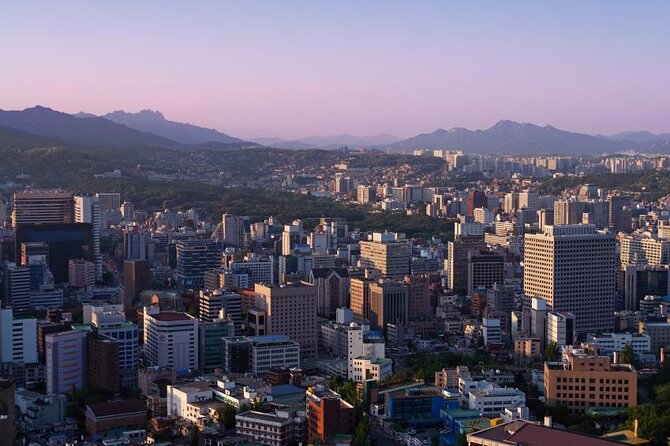
- Gangnam becomes a classroom: You use streets, advertisements, schools, and clinics to understand housing, education, beauty standards, dating, and birth rates.
- The subject matter is frank: Love motels, plastic surgery, suicide, lookism, and youth pressure are discussed directly.
- June and Jessica are praised for clear explanations: The guide assigned to your departure may vary, but both are described as engaging, patient, and strong storytellers.
- The group stays small: A maximum of 15 people gives you a better chance to ask personal questions.
- You pay for one subway ride: Transportation is not included, with a listed fare of 1,800 won for the single trip.
- Expect a real walk: The route begins near Gangnam Station and finishes near Apgujeong Station by the Han River.
Gangnam beyond the polished postcard
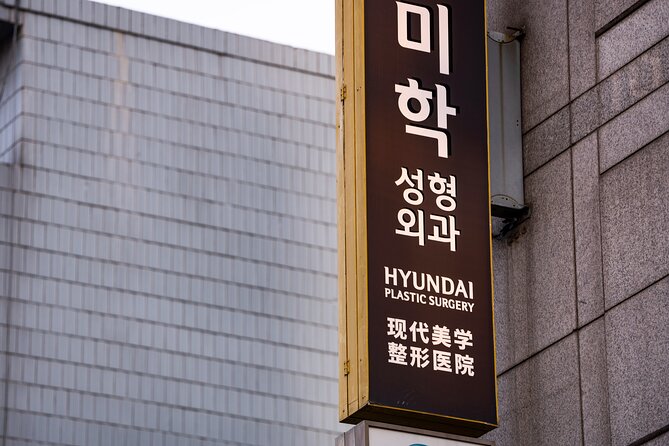
This experience looks at Seoul from the inside out. Instead of focusing on palaces, markets, or K-pop attractions, you walk through one of South Korea’s most prosperous districts and ask what that success costs the people growing up there.
That setting matters. Gangnam is associated with wealth, private education, cosmetic surgery, luxury consumption, and intense competition. The tour does not treat those subjects as isolated curiosities. It links them to housing prices, marriage, low birth rates, academic pressure, appearance standards, and the rapid development of modern Korea.
I find that approach useful because a city can look successful while still placing heavy demands on its young people. You will not simply hear abstract statistics. You will see the kinds of streets and businesses that help explain how daily life works.
The tone is serious, but it is not meant to be grim from beginning to end. The guides use humor, personal perspective, history, and comparison to make difficult subjects easier to understand. June is described as especially strong on historical context, including Seoul’s dramatic development over the last seven decades. Jessica is praised for her friendly, patient style and her ability to explain Korean life in terms that make sense to visitors from abroad.
More Gangnam tours in Seoul:
- Seoul: Gangnam Tour on Youth and Society in South Korea
★ 4.9 · 466 reviews - Korean Home Style Cooking Class in Gangnam Seoul
★ 5.0 · 40 reviews - Korea Temple & Starfield Library Gangnam K-BBQ
★ 5.0 · 20 reviews
Starting at Gangnam Station
The tour begins at 10:30 a.m. near Gangnam Station, at 820-10 Yeoksam-dong. The first stop is Gangnam Station intersection, where the discussion turns to housing and the development of Korea.
This is a useful place to begin because Gangnam’s present-day wealth did not appear overnight. The area represents the country’s economic achievements, but it also raises questions about who can afford to live there and how urban growth has changed family life.
Your guide will discuss the pressure created by expensive housing and the way development has shaped Seoul. You can ask how these issues affect younger Koreans, rather than simply hearing a prepared speech.
The stop itself lasts about 15 minutes. You should expect an urban street setting rather than a formal attraction. That is part of the point, but if you want time inside monuments or museums, this tour will feel different from a standard sightseeing walk.
Love hotels and changing ideas about relationships
The next stop is the Hotel Seattle area, described as a love hotel district. Here, the guide explains Korean dating culture, relationships, and the role of love motels in society.
For many first-time visitors, this is one of the less visible sides of Seoul. The buildings may look ordinary from the street, yet they offer a way to discuss privacy, dating, marriage, and the expectations placed on young adults.
This section is handled as a social topic, not as a cheap joke. That distinction matters. The guide connects the physical setting to broader questions about relationships and the changing way younger Koreans approach romance and marriage.
You spend about 10 minutes here. The short stop does not mean the subject is minor. It gives the group a concrete place to ask questions about interpersonal relationships and the social pressures surrounding them.
Inside the world of cram schools
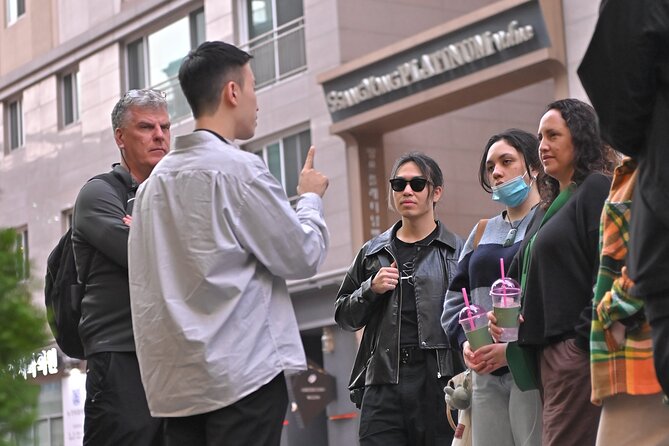
At Gangnam Daeseong Cram School, the focus shifts to education and private tutoring. This is one of the most famous private institutes in the area, and the stop lasts about 20 minutes.
South Korea’s education system is central to the tour because academic competition affects far more than school hours. It connects to family expectations, household spending, career prospects, stress, and the decision to have children.
The guide also links private education to the country’s low birth rate. That connection can be hard to see if you only visit schools as a tourist. Here, the discussion helps explain why the cost and effort involved in raising children can influence personal choices.
I would pay close attention during this part if you are interested in how social systems shape everyday decisions. You may hear comparisons between Korean education and your own country, especially if June is leading the group. The conversation format is more useful than a quick stop for photographs.
A practical warning: you may spend part of this section standing outside or moving through busy streets. It is an observation point and discussion stop, not a school tour.
More walking tours in Seoul:
- Seoul moonlight walking tour with local historian
★ 5.0 · 940 reviews - Seoul: Nighttime Hidden Gems Walking Tour
★ 5.0 · 775 reviews - Seoul: Evening Dark History, Folklore & Ghost Story Walking Tour
★ 5.0 · 593 reviews - Seoul: Dark Side of the City and Ghost Stories Walking Tour
★ 4.8 · 484 reviews
Sinsa-dong and the beauty industry
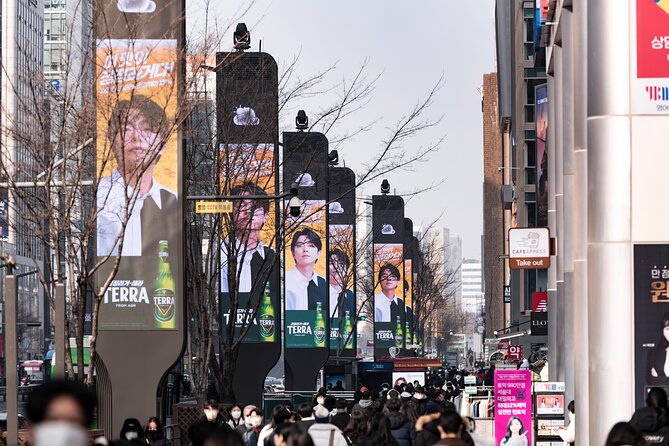
The route continues to Sinsa-dong, a Gangnam area associated with plastic surgery clinics. The guide uses this setting to explain appearance standards, cosmetic procedures, and lookism, the idea that a person’s appearance can affect how others judge them.
This is another place where the physical surroundings help. Clinic signs and beauty-related businesses make the subject visible, while the guide explains the social forces behind the industry.
The tour does not reduce cosmetic surgery to a simple question of vanity. The discussion considers how appearance can influence work, dating, confidence, and social status. You will also look at the pressures young people face when polished images are common in advertising and popular culture.
The stop lasts around 20 minutes. It should appeal to you if you want more than a K-drama version of Seoul. It may be uncomfortable at times, but that discomfort is useful when it leads to a clearer understanding of how beauty standards operate.
The guide’s manner matters here. Jessica is described as relatable and patient, while June is praised for direct explanations and historical context. Since the guide can vary, your exact style of discussion may differ, but the subject remains central.
The Han River, development, and suicide
The final major stop is Hangang Park Playground by the Han River. The guide discusses the river’s role in Seoul’s development and the serious subject of suicide.
This is the most emotionally heavy section of the walk. The river is both a symbol of the city’s growth and a place connected to mental-health struggles. Discussing those two sides together gives you a more complete picture of the pressures addressed throughout the tour.
The setting may also provide a quieter change from Gangnam’s commercial streets. You finish near Apgujeong Station Exit 4, with the closest subway access identified as Apgujeong Station.
The subject matter is not suitable for everyone, especially if you are looking for a light morning activity. Still, the discussion is presented as part of understanding present-day Korean society, not as shock value. One previous group found that even poor weather did not prevent Jessica from adapting the walk while keeping the main ideas intact.
What the guides add to the experience

The guide is the heart of this tour. The route itself is easy to follow, but the meaning comes from the explanations between stops.
June is particularly suited to you if you want history alongside social commentary. He connects current youth issues to Korea’s rapid growth and is described as clear on education, dating, marriage, birth rates, plastic surgery, and lookism.
Jessica brings a slightly different strength. She is described as friendly, engaging, flexible, and good at making visitors feel comfortable asking questions. Her familiarity with American culture can help when she compares Korean customs and pressures with life in the United States.
Do not assume you can select one guide unless the booking process specifically allows it. June or Jessica may lead your departure. Either way, the most useful part of the tour is the opportunity to ask direct questions and hear a local viewpoint rather than only reading general facts.
The maximum group size is 15. That is small enough for a personal exchange, though the experience will still depend on how much the group participates.
Is $31.98 a fair price?
At $31.98 per person, this is reasonably priced for a small-group, guide-led experience lasting about two and a half hours. Gratuities are included, and the only listed extra cost is one subway ride of 1,800 won.
The value depends on what you want from a tour. If you want entrance tickets, major monuments, or a long list of photo stops, you may feel the price is less attractive. Much of the value here comes from interpretation, local perspective, and the chance to ask questions about subjects that are difficult to understand from a guidebook.
The small group helps. A private tour would cost more, while a large coach group would make open discussion harder. For a visitor who wants to understand the forces behind Seoul’s polished image, the price is sensible.
Walking conditions and practical details
The activity lasts approximately 2 hours and 30 minutes and uses a mobile ticket. It is near public transportation, and most people can participate, but you should expect a genuine city walk with several stops along the way.
One section uses the subway, and you pay the 1,800-won fare yourself. Wear comfortable shoes and bring water, especially if you are sensitive to standing or walking for extended periods. A participant specifically noted that the route can be a lot for senior citizens.
The tour starts at 10:30 a.m. and finishes near Apgujeong Station. The listed end point is close to the Han River, so you can continue exploring the area or use the subway from there.
Weather matters. The experience requires good weather, and poor conditions may lead to a different date or a full refund. You can cancel for a full refund up to 24 hours before the start time. Late cancellations and changes are not accepted.
Who should book this Gangnam walk?
I would choose this tour if you have already seen Seoul’s main highlights and want to understand the society behind them. It is also a good first activity for a visitor who prefers context and conversation to quick sightseeing.
You will get the most from it if you are comfortable discussing sensitive subjects such as mental health, suicide, cosmetic surgery, dating, education pressure, and low birth rates. The tour treats these issues directly, so it is not designed as a cheerful shopping walk.
It suits solo visitors, couples, and small groups who like asking questions. It can also work well for older teenagers and adults interested in Korean society, though the serious themes should be considered before booking.
I would skip it if your priority is historic architecture, famous photo spots, or a relaxed stroll with little discussion. The route includes ordinary streets and explanatory stops, and one person found that it offered less unusual sightseeing than expected. That is a fair criticism, but it also describes the tour’s purpose accurately.
Should you book it?
Book this Gangnam walk if you want to see how housing, education, beauty, dating, and economic success affect young Koreans. June and Jessica are both associated with clear, personal explanations, and the small group gives you room to ask the questions that standard sightseeing tours avoid.
Skip it if you want only bright, easygoing Seoul. This is a thoughtful look at difficult parts of modern Korean life, with plenty of walking and fewer conventional attractions. For the right visitor, that honesty is exactly what makes the experience worthwhile.
FAQ
Where does the Gangnam walking tour begin?
It begins at 820-10 Yeoksam-dong in Seoul’s Gangnam District.
What time does the tour start?
The tour starts at 10:30 a.m.
How long does the experience last?
It lasts approximately 2 hours and 30 minutes.
Where does the tour finish?
It finishes near the Han River, with Apgujeong Station Exit 4 listed as the closest subway access.
How many people can join the tour?
The maximum group size is 15 travelers.
Is transportation included?
One subway ride is used during the tour, but the 1,800-won transportation fare is not included.
Are gratuities included?
Yes, gratuities are included in the tour price.
What subjects are discussed?
The tour covers housing, Korea’s development, love hotels and dating culture, cram schools, education, birth rates, plastic surgery, lookism, the Han River, and suicide.
Can I cancel for a full refund?
Yes. You can cancel at least 24 hours before the start time for a full refund. Poor weather or failure to meet the minimum group size may also lead to a different date or a full refund.
Just added around Seoul
- Your Personal Seoul Photographer!★ 4.1 · 15 reviews
- From Seoul: Hwacheon Ice Fishing and Lighting Festival Tour★ 4.5 · 4 reviews
- You’re Invited to Our Home in Seoul: The Only Cooking Class!★ 5.0 · 8 reviews
- Seoul: Gangneung BTS K-Pop & K-Drama Filming Locations Tour★ 4.6 · 14 reviews
- Unique Native Experience : Han River Picnic, Board game, BBQ★ 5.0 · 3 reviews
- 2-Hour Private Kayaking and Paddleboarding Experience in Hanriver★ 5.0 · 3 reviews
- Yun Korean Cooking Class in Seoul★ 5.0 · 6 reviews
- Day Trip to Yongin Daejanggeum and Korean Folk Village from Seoul★ 4.0 · 9 reviews
Seoul Walking Tours, compared.
Seoul moonlight walking tour with local historian
Read our review →
Evening Dark History, Folklore & Ghost Story Walking Tour
Read our review →
Dark Side of the City and Ghost Stories Walking Tour
Read our review →
Gyeongbok Palace and Bukchon Hanok Walking Tour
Read our review →
Best Walking Tour to Gyeongbok Palace Bukchon Hanok Village
Read our review →
Highlights & Hidden Gems With Locals: Best of Seoul Private Walking Tour
Read our review →
Street photoshoot and Seoul Hidden gem History Walking Tour
Read our review →Browse the lists this tour appears in