
Reviewed · SEOUL
Discover Round Korea in 7days: All-Inclusive Experience
South Korea packs a remarkable amount into seven days here: royal tombs, old villages, mountain temples, green tea fields, Busan seafood, and the rocky valleys of Seoraksan. I especially like the no-shopping format and the way the route reaches places many first-time visitors would miss. You are not simply shuttled between Seoul and Busan.
I also like the strong mix of history and hands-on culture. You can wear hanbok in Jeonju, talk over tea with a Buddhist monk, make a traditional dessert, and eat 19 included meals along the way. The trade-off is a full schedule, with early starts and long road journeys. You will see a lot, but this is not a slow, stay-put holiday.
Key points at a glance
- Seven days across Korea: The route links Seoul, Gongju, Jeonju, Boseong, Suncheon, Busan, Gyeongju, Andong, Pyeongchang, and Seoraksan.
- No shopping stops: Your time is given to sights, food, nature, and cultural activities rather than commercial detours.
- Nineteen meals included: Breakfast is included six times, lunch seven times, and dinner six times.
- UNESCO sites and royal treasures: Visit Gongsanseong Fortress, Baekyangsa Temple, Bulguksa Temple, Hahoe Folk Village, and more.
- A maximum of 35 people: The vehicle varies by group size, with an English-speaking guide or driver-guide.
- A hands-on cultural program: Hanbok, Buddhist tea, traditional dessert making, local food, and encounters with Korean customs are built into the week.
Why this route gives you more than Seoul and Busan

This program is designed as an all-inclusive circuit rather than a city break. You begin in Seoul, then head west and south before turning east and north. That broad route lets you see Korea as a country of old capitals, working markets, coastal wetlands, mountain parks, and living village traditions.
The trip is run by Hanatour ITC, with a guide in English or a driver-guide. Group size can reach 35 people, though the available vehicle depends on the number booked. A group of that size can make departures, meals, and hotel check-ins slower, but the benefit is that transport and arrangements are handled for you.
The published price is $1,970 per person. That sounds high beside a simple Seoul hotel stay, but the figure includes six nights of accommodation, every entrance fee, all breakfasts, seven lunches, six dinners, road transport, the guide, a welcome kit, and several special activities. You also avoid the cost and effort of arranging intercity transport and separate admissions.
I would compare the price with seven days of hotels, rail or private transport, meals, and guides booked independently. The value is strongest if you want a managed trip and plan to visit most of these regions anyway. If you prefer choosing your own cafés, sleeping late, and changing plans daily, the fixed format will feel expensive.
More multi-day trips from Seoul:
Gongju, where Baekje history begins
Your first day moves to Gongju, an important former capital of the Baekje kingdom. At Gongsanseong Fortress, you spend about an hour among the old defensive walls and hillside paths. The setting gives you a useful first look at Korea’s early kingdoms, though uneven ground and slopes mean comfortable shoes matter.
The Royal Tomb of King Muryeong and the Songsan-ri Tombs follow. The brick construction of King Muryeong’s burial chamber is unusual and helps explain how royal burial customs differed from later stone tombs. You have about an hour here, enough for the main displays without turning the visit into a long archaeological study.
At the Gongju National Museum, another hour brings the objects into focus. The collection contains around 10,000 cultural items, including objects from the king’s tomb and gilt-bronze ornaments. This museum visit is valuable because it gives you the visual details that the fortress alone cannot provide.
The first day is heavily historical. You will not yet have much free time for independent exploring, but the sequence of fortress, tomb, and museum makes sense. Each stop adds another piece to the Baekje story.
Jeonju’s hanok lanes and a quiet temple tea
Jeonju Hanok Village is one of the most photogenic stops of the week. More than 800 traditional hanok houses fill the area, with tiled roofs, narrow lanes, and restored historic buildings. Your time begins at Gyeonggijeon Shrine, built in 1410 and associated with the portrait of King Tae-jo, founder of the Joseon Dynasty.
The schedule gives the village two hours, followed by a separate hanbok experience at Hanboknam Jeonju Hanok Village. Wearing traditional clothing changes the way you notice the streets, and it gives you a cultural activity rather than just another round of photographs. The clothing experience lasts about an hour.
Gyeonggijeon Shrine also receives its own one-hour visit in the plan. The repeated focus on the shrine and village may feel slightly redundant, but it gives you time to see both the main historic site and the surrounding traditional district.
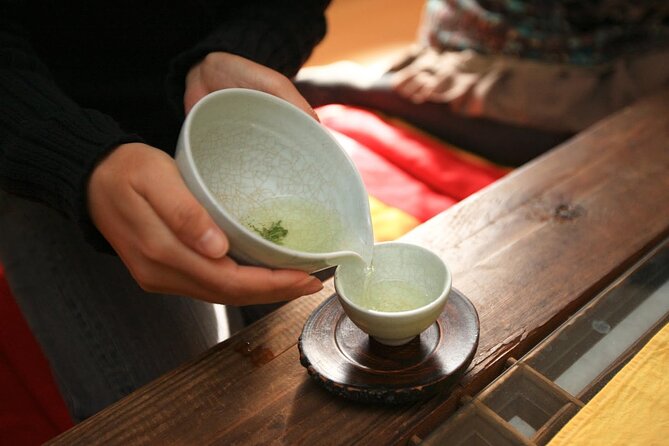
The day’s most reflective stop is Baekyangsa Temple. You have about two hours there, including a tea conversation with a Buddhist monk. This is one of the tour’s best contrasts: after the visual energy of hanbok and village lanes, you get a quieter encounter centered on conversation and tea.
The program describes Baekyangsa as beautiful in every season. That is a useful reminder that the scenery changes with the calendar, while the temple visit remains worthwhile throughout the year.
Boseong tea fields and Suncheon’s coastal wetlands
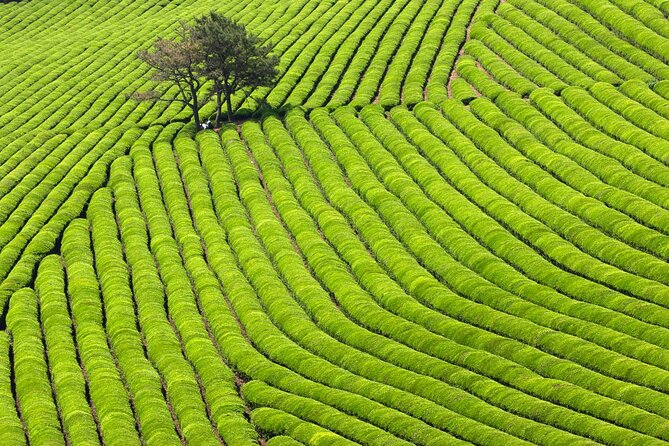
On day three, the route shifts from royal sites to open countryside. Daehan Dawon in Boseong is Korea’s largest green tea field, with rows of tea bushes running across sloping ground. You have two hours to walk through the plantation and take in the views.
This is a good stop for anyone who wants a break from museums and temples. The paths are not simply a photo stop, though the scenery is the main attraction. Expect some walking and possible slopes. The exact appearance of the fields will depend on the season.
After lunch, Suncheon Bay Wetland Reserve brings a different kind of scenery. The reserve lies where a river meets the sea and supports more than 250 species. Two hours here lets you see the marshland at a reasonable pace, but it is still a limited visit for anyone who enjoys nature photography or bird watching.
I like the balance of these two stops. Boseong is cultivated countryside, shaped by farming, while Suncheon shows a broad coastal wetland with its own wildlife. You are not spending the whole day inside built attractions.
A different kind of day out around Seoul:
- Best DMZ Tour Korea from Seoul (Red Suspension Bridge Optional)
★ 5.0 · 41,422 reviews - DMZ Tour: 3rd Tunnel, Option(Suspension Bridge, Boat) from Seoul
★ 5.0 · 21,373 reviews - DMZ tour south Korea from Seoul (NK experience hall, defector)
★ 5.0 · 20,599 reviews - Seoul: DMZ Tour with Optional Suspension Bridge
★ 4.8 · 5,277 reviews
Busan’s memorial, market, and sea cable car
Busan arrives on day four, but this is not a standard city sightseeing circuit. The morning begins at the UN Memorial Cemetery, where about 2,300 graves are arranged by nation. The visit lasts an hour and offers a solemn reminder of the international cost of the Korean War.
Jagalchi Market then shifts the mood completely. It is Busan’s best-known fish market, with fresh seafood and local specialties. You have an hour to walk through the stalls and see a working side of the city. The schedule is short, so do not expect a long independent meal here, especially since lunch is included elsewhere in the day.
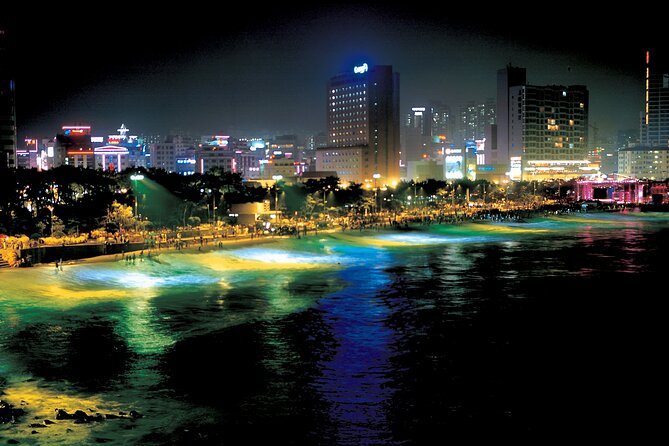
The Songdo Sea Cable Car is the final stop, lasting about two hours. The line runs roughly 1.6 kilometers from Songdo Beach Station to Songdo Sky Park, giving you broad coastal views from above. The ride is a strong visual finish to the day, though weather can affect the experience.
Busan receives only one main day and part of the following day, so this tour is not for someone who wants deep neighborhood exploration. You will see a memorial, a market, and the coast, but there is little room for unplanned wandering.
Busan’s APEC hall and Gyeongju’s Silla treasures
Day five begins on Dongbaekseom Island at Nurimaru APEC House. The modern, glass-walled building hosted the 2005 APEC Summit. This is a short one-hour visit and provides a contemporary counterpoint to the older sites ahead.
The route then moves to Gyeongju, Korea’s ancient capital for a thousand years. Bulguksa Temple is the day’s major religious site, with about 90 minutes scheduled. It is a UNESCO World Heritage site and one of Korea’s key examples of Buddhist architecture.
Daereungwon Tomb Complex follows. Large burial mounds spread across the grounds, and the associated finds include elaborate gold crowns. The site makes Silla power visible in a simple way: you walk among the burial mounds first, then see the objects in museums.
At Gyeongju National Museum, you get two hours with Silla artifacts and golden crowns. This is enough time for a meaningful visit, though museum lovers may wish for more. The museum gift shop is also mentioned as part of the stop, but shopping is not the purpose of the overall trip.
The day ends at Cheomseongdae Observatory, an ancient astronomical structure and a symbol of Gyeongju. The visit lasts only 20 minutes, so treat it as a brief look and photograph rather than a full lesson in astronomy.
Andong’s living traditions and a dessert lesson
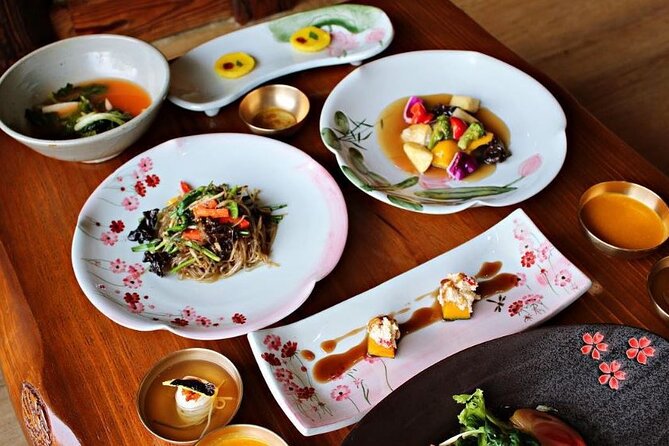
Day six begins with a traditional dessert-making session at Momyeongjae and the Korean Traditional Culture Center. Expert instructors lead the 90-minute activity, giving you something to do with your hands instead of simply looking at historic objects.
This kind of class is useful because food often explains culture more clearly than a display case. The program describes it as a highlight, but your enjoyment will depend on how much you like structured group activities and sweet foods.
Later, Andong Hahoe Folk Village provides two hours in one of Korea’s best-preserved traditional settlements. The village has more than 600 years of history and remains a living community, not just a reconstructed open-air museum. That distinction matters: you are seeing a place connected to daily life as well as heritage.
Two hours is enough to get a feel for the layout and traditional buildings, but not enough for a long, unhurried walk through every corner. With a moderate physical fitness level expected for the full tour, you should be prepared for regular walking across uneven paths and outdoor sites.
Seoraksan’s Jujeongol Valley finale
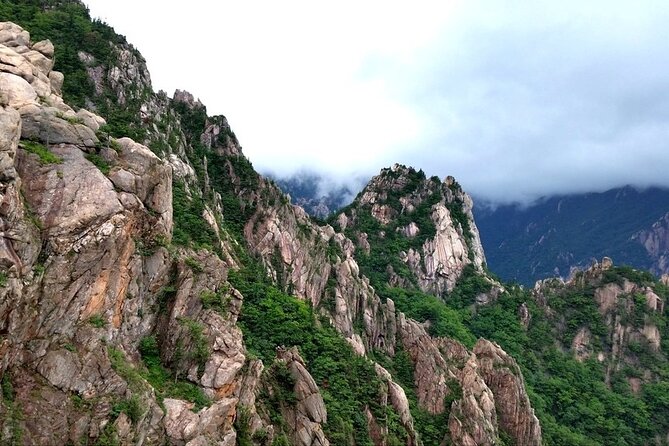
The final day reaches Seoraksan National Park from Pyeongchang. The visit focuses on Jujeongol Valley, known for rock formations, high peaks, and clear streams. You have two hours in the park, making this another active outdoor stop rather than a quick roadside view.
This is a fitting ending because the week has moved from burial sites and royal courts to open mountain scenery. The park can also be the most weather-sensitive part of the trip. The operator notes that the experience requires good weather, so a cancellation or date change is possible if conditions are poor.
You should bring footwear suited to outdoor walking and be ready for a more physical morning. The tour asks for moderate fitness, and this day helps explain why. It is not described as a strenuous hike, but it is more demanding than a museum visit.
Meals, hotels, and the real meaning of all-inclusive
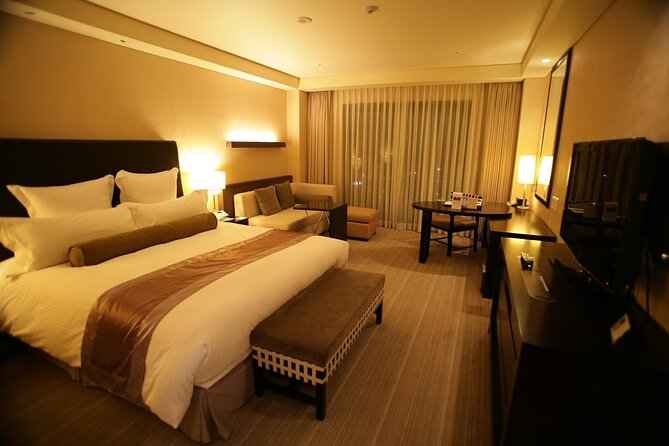
The package includes six nights in twin or double rooms, with hotel quality described as a key part of the itinerary. The specific hotel names are not provided, so you should confirm room arrangements and property details before booking if that matters to you.
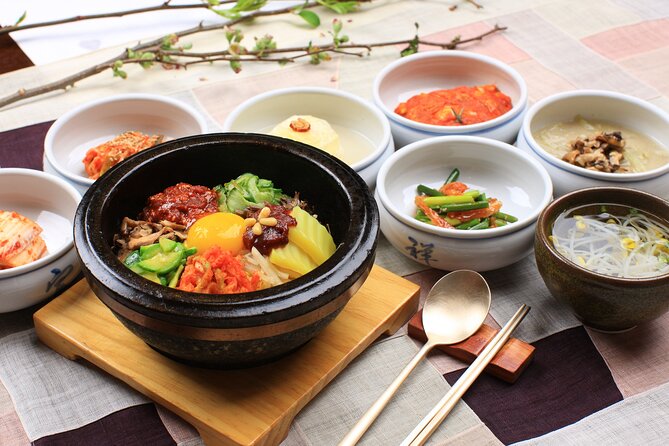
Food is a major part of the design. You receive six breakfasts, seven lunches, and six dinners. The program promises different kinds of traditional Korean food, along with typical dishes and local encounters. This is convenient and helps you sample Korean cooking without spending time searching for restaurants after long sightseeing days.
The downside is limited choice. Included meals keep the budget predictable, but you may not choose every dish or dining time. Drinks, tips, laundry, telephone, fax, pay TV, and other personal expenses are not included.
There are no shopping stops, which I consider a real advantage. You can still buy personal items if you wish, but the route is built around culture, food, scenery, and history rather than pressure to purchase.
Who should book this seven-day circuit
I would recommend this tour if you want to see a broad section of South Korea without managing domestic transport, hotel changes, admissions, and meals yourself. It is particularly well suited to a first visit, solo travelers who prefer a group, and anyone who wants a structured introduction beyond Seoul.
It also suits people who value cultural activities. The monk’s tea conversation, hanbok experience, dessert class, traditional villages, and local food give the trip more texture than a simple highlights bus tour.
I would hesitate if you want free evenings, long stays in each city, or control over every meal. The maximum group size is 35, the start time is 8:00 a.m., and the schedule moves frequently. You also need to reach the Amid Hotel Seoul in Jongno on day one and return there at the end. Pickup on the first day and drop-off on the last are not included.
The tour is generally well regarded, with a 99 percent recommendation rate and a five-star rating from 157 reviews. One guide specifically praised in the supplied material is Jay, who cared for a group of 16 and kept the mood friendly and fun. Guide quality matters greatly on a packed route, so this is encouraging, though your assigned guide may be someone else.
Practical details before you commit
The meeting point is Amid Hotel Seoul, 38 Insadong 5-gil, Jongno District. Departure is at 8:00 a.m., and the activity finishes back at the same meeting point after seven days.
Bring travel insurance, since it is not included. Plan for regular outdoor walking, historic-site stairs or slopes, and changing weather. The special welcome kit is included, as are entrance fees for all listed sites.
Cancellation terms are strict close to departure. Cancel at least six full days before the start for a full refund. Cancellation two to six full days before departure receives a 50 percent refund, while cancellation less than two full days before departure is nonrefundable. Changes follow the same time limits, and poor weather may lead to a new date or a full refund.
Should you book it?
Book this tour if your priority is seeing the breadth of Korea with the practical work already handled. For $1,970, you get a demanding but unusually full week of transport, hotels, meals, admission fees, a guide, and cultural activities. The no-shopping promise and the range of destinations are the strongest reasons to choose it.
Skip it if your ideal Korean holiday means lingering in one city, choosing restaurants spontaneously, or setting your own pace. This is a structured national tour, not a relaxed Seoul base with optional day trips. If you accept the early mornings and long transfers, it gives you a solid first picture of Korea, from Baekje tombs and Silla crowns to Busan’s fish market and Seoraksan’s mountain valleys.
FAQ
Where does the tour start and finish?
The tour starts and ends at Amid Hotel Seoul, 38 Insadong 5-gil, Jongno District, Seoul. The stated start time is 8:00 a.m.
How many meals are included?
The package includes six breakfasts, seven lunches, and six dinners, for 19 meals in total.
Are hotels included?
Yes. The package includes six nights of accommodation in twin or double rooms. Specific hotel names are not provided.
Is transportation included?
Yes. An air-conditioned vehicle is included, and the vehicle type varies according to group size.
How large can the group be?
The tour can include a maximum of 35 people. An English-speaking guide or driver-guide accompanies the group.
Are entrance fees included?
Yes. Entrance fees for all listed tour sites are included, including the Songdo Sea Cable Car and the cultural activities specified in the program.
Just added around Seoul
- Your Personal Seoul Photographer!★ 4.1 · 15 reviews
- From Seoul: Hwacheon Ice Fishing and Lighting Festival Tour★ 4.5 · 4 reviews
- You’re Invited to Our Home in Seoul: The Only Cooking Class!★ 5.0 · 8 reviews
- Seoul: Gangneung BTS K-Pop & K-Drama Filming Locations Tour★ 4.6 · 14 reviews
- Unique Native Experience : Han River Picnic, Board game, BBQ★ 5.0 · 3 reviews
- 2-Hour Private Kayaking and Paddleboarding Experience in Hanriver★ 5.0 · 3 reviews
- Yun Korean Cooking Class in Seoul★ 5.0 · 6 reviews
- Day Trip to Yongin Daejanggeum and Korean Folk Village from Seoul★ 4.0 · 9 reviews