
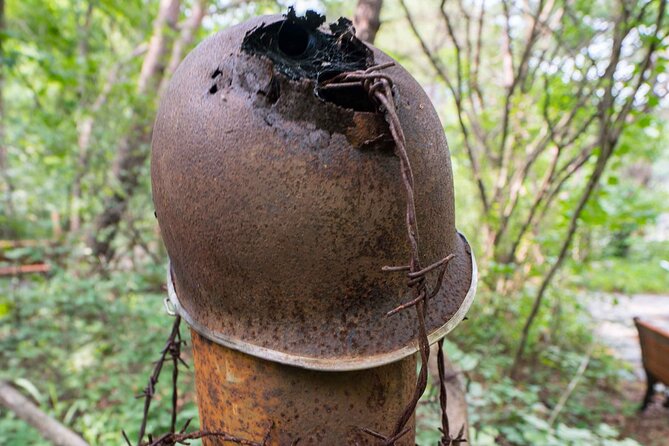
Reviewed · SEOUL DMZ TOURS
DMZ One Day Tour in Gyeonggi-do with English or Spanish
The most striking part of this day is the shift from Seoul’s busy streets to the tense border zone around Paju. At the 3rd Infiltration Tunnel, you walk into a passage reportedly built for a surprise attack on Seoul, then look across the Demilitarized Zone from Dora Observatory.
I like the mix of memorial sites and firsthand border views, rather than a day spent only inside exhibition halls. I also like having an English or Spanish-speaking certified guide to explain the setting as you move between stops. The main drawback is the long day: about nine hours, with roughly 90 minutes of driving from Seoul to Paju.
Key points to know before booking
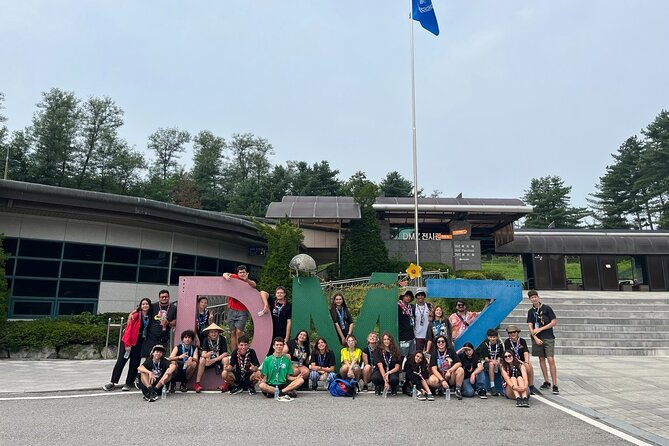
- The 3rd Infiltration Tunnel gives the day its strongest physical experience: you enter the tunnel only as far as the permitted section.
- Dora Observatory offers views toward North Korea: weather and visibility will affect what you can see.
- Imjingak Pyeonghoa-Nuri Park puts the border in human terms: the park was created to console people separated from family and home.
- The Bunker Museum adds wartime context: this is more than a quick photo stop at a lookout.
- English and Spanish guiding is available: choose the language that lets you follow the political and historical explanation most easily.
- The $250 price includes transport and admission: lunch and dinner are extra, so plan for a full day away from Seoul.
Why this DMZ day feels different from a standard sightseeing tour
The DMZ is not a normal attraction. It is a working border area shaped by war, separation, surveillance, and strict access rules. That gives this tour a different rhythm from a palace or market visit. You are not simply moving from one display to another. You are visiting places that explain why the border still matters.
The day begins at City Hall Station, a central Seoul meeting point. From there, your air-conditioned vehicle heads toward Paju, with the drive taking about 90 minutes. That transfer is a real part of the experience. Seoul gradually gives way to a quieter setting where the purpose of the trip becomes clearer.
A certified guide leads the day in English or Spanish. That matters here because the sites can be easy to misread without context. A tunnel can seem like a narrow concrete passage, and an observatory can seem like just another viewpoint. The guide connects those places to the division of the Korean Peninsula and explains what you are seeing.
This is a group tour, so you will not control every stop or linger wherever you wish. The tradeoff is convenience. You get transport from a central point, admission fees covered, and a guide who keeps the day moving through a controlled area.
More DMZ tours in Seoul:
- Best DMZ Tour Korea from Seoul (Red Suspension Bridge Optional)
★ 5.0 · 41,422 reviews - DMZ Tour: 3rd Tunnel, Option(Suspension Bridge, Boat) from Seoul
★ 5.0 · 21,373 reviews - DMZ tour south Korea from Seoul (NK experience hall, defector)
★ 5.0 · 20,599 reviews
Imjingak Pyeonghoa-Nuri Park: starting with separation
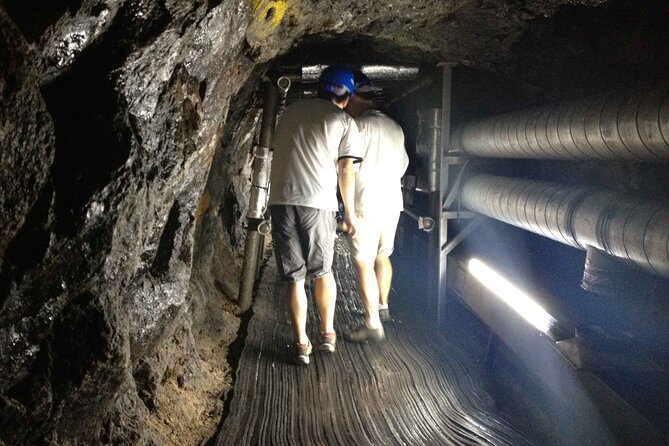
Imjingak Pyeonghoa-Nuri Park is the opening stop and the emotional center of the morning. It was built in 1972 to console people from both sides who could not return to their homes or reunite with family. That purpose gives the visit weight before you reach the more dramatic military sites.
I like beginning here because it frames the DMZ as a human problem, not only a military one. The border is often presented through weapons, soldiers, tunnels, and lookout points. Imjingak reminds you that ordinary people paid the price of division through lost homes, broken family ties, and uncertain futures.
The park also helps you get your bearings. You are starting the DMZ portion of the day in Paju, near the border region, after the drive from Seoul. Admission is included, so you can focus on the setting and the guide’s explanation rather than arranging separate tickets.
Plan for around four hours at this first part of the tour, according to the stated schedule. That time includes the opening stop and related DMZ sightseeing, so the exact pace from one point to the next may depend on access conditions and the group.
The name Pyeonghoa-Nuri points toward peace, but the place does not feel like a simple peace park detached from reality. Its meaning comes from the unresolved division nearby. I find that contrast useful. You can enjoy the open space while still understanding why the location was chosen.
The 3rd Infiltration Tunnel: a physical look at the border
The tour continues to the 3rd Infiltration Tunnel, a passage believed to have been designed for a surprise attack on Seoul from North Korea. The South Korean side has blocked access beyond a limited point, and you walk only into the section open to visitors.
This is the most active part of the day. Instead of viewing the border from behind glass, you move through a place connected to military planning and fear. The tunnel itself is the reason to wear practical clothing and shoes. Even without adding details that are not provided, the key point is clear: this is a walking visit, not a drive-up exhibit.
The schedule gives this DMZ portion about two and a half hours. That should allow time for the tunnel and related explanation, though your actual time inside the passage is controlled by the permitted area and the tour’s pace.
I appreciate the limits here. You are not promised unrestricted access, and the tour does not present the tunnel as a theatrical attraction. The restricted section is part of the story. Military sites operate under rules, and the visit reflects that.
The guide’s role is especially useful at this stop. The tunnel’s importance is not obvious from its shape alone. You need the explanation of why it was built, what threat it represented, and why movement through the site is limited. English or Spanish support lets you follow those points without relying on a translated sign.
The Bunker Museum: wartime evidence beyond the usual stops
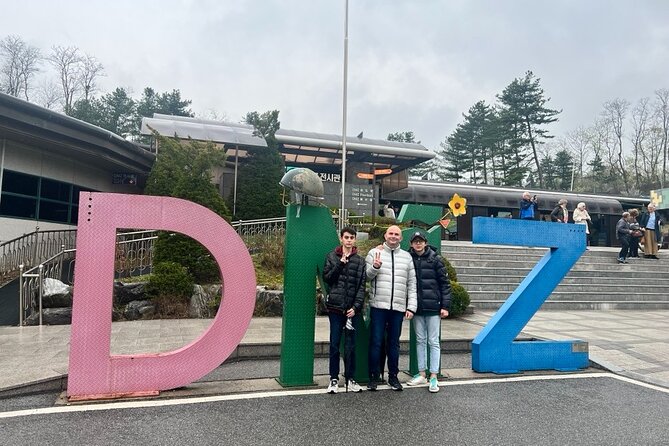
The experience also includes a visit to the Bunker Museum. This adds another layer to the day, since the museum presents historical facts and scenes connected to war rather than relying only on a scenic border view.
The museum is a good fit for visitors who want more than a quick look toward North Korea. It gives you a place to slow down and consider the human cost behind the security zone. The supplied schedule does not give the museum its own separate duration, so it appears within the broader flow of the day rather than as an independently timed stop.
I would pay close attention to the guide here. A museum can provide facts, but a guide helps you understand which details matter and how they connect with Imjingak and the tunnel. The three places work best together: Imjingak shows separation, the tunnel shows military danger, and the bunker museum adds wartime evidence.
Do not expect this part to feel light or purely entertaining. The subject is serious, and the value comes from context. If your main goal is a scenic outing, the museum may feel slower. If you want to understand the border beyond a photograph, it earns its place.
More day trips in Seoul:
- Mt. Seorak+Nami Island+Garden of Morning Calm Day Trip from Seoul
★ 5.0 · 959 reviews - Seoul: Gangwon-do Day Trip with Alpaca World & Nami Island
★ 4.7 · 581 reviews - Day Trip to Nami Island with Rail bike and The Garden of Morning Calm
★ 4.5 · 459 reviews - Day Trip to Nami Island with The Garden of Morning Calm
★ 4.5 · 215 reviews
Dora Observatory: looking across the Demilitarized Zone
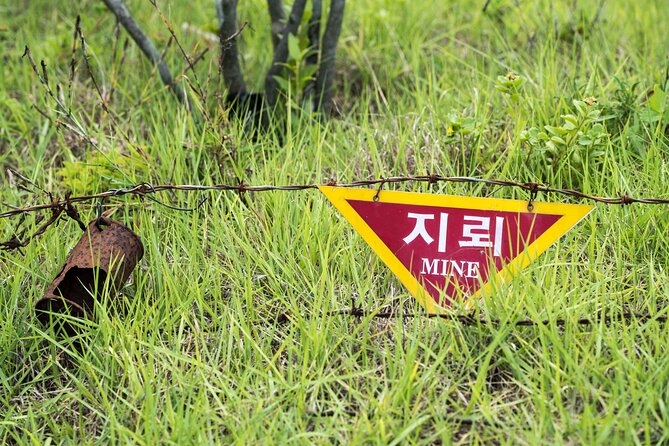
Dora Observatory sits on Mount Dora on the South Korean side of the 38th parallel. From here, you look across the Demilitarized Zone toward North Korea. The observatory is the clearest visual payoff of the tour, though what you can see will depend on weather and visibility.
The location gives the day a wide view after the enclosed tunnel. At Imjingak, you think about separation. In the tunnel, you experience a confined military space. At Dora Observatory, the border opens out in front of you, and the scale of the area becomes easier to grasp.
The scheduled time is about two and a half hours. That is generous enough to include the observatory and the guide’s explanation, rather than forcing you to take one hurried look and leave. Still, the view is not guaranteed to be dramatic every day. Haze, cloud, and other conditions can reduce what is visible across the zone.
I like this stop because it makes the DMZ tangible. Maps and photographs can make the border feel abstract. Looking from South Korea toward the North gives the division a physical direction and distance. The guide can also help you understand what you are looking at, which is important when the view itself may not identify every feature clearly.
This is not a normal city viewpoint. The observatory’s appeal comes from its location and meaning, not from cafés, shopping, or a broad menu of activities. You come to look, listen, and think about the unusual fact that an international border is directly in front of you.
What the $250 price covers
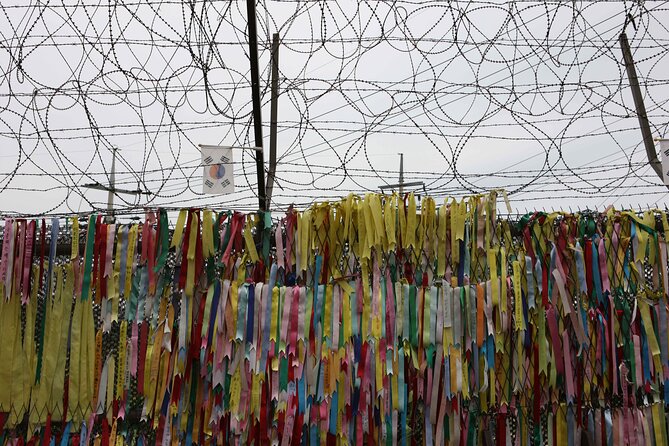
At $250 per person, this is not a budget outing. The value depends on how much help you want with transport, access, and interpretation. The cost includes an air-conditioned vehicle and entrance fees, so the price is not just for a guide standing at the sites.
The drive from Seoul to Paju takes about 90 minutes by car. A private trip would require you to organize transport and manage the route yourself, while this tour brings the main pieces together from City Hall Station. For a first visit to Korea, that convenience may justify the higher price.
You should also account for food. Lunch and dinner are not included. Since the day lasts about nine hours, you need to budget for meals separately, even though the tour information does not specify where or when food will be taken.
Group discounts are available, which may improve the value if you are booking with several people. The mobile ticket also keeps the booking process simple, but the real financial question is whether you want a guided day at the DMZ rather than a more independent Seoul activity.
I would book this for the structure and access, not because every minute is packed with entertainment. The day has long transfers, serious subject matter, and controlled movement. The price makes the most sense if you value a certified English or Spanish-speaking guide, included admission, and a planned route through several significant sites.
Who will get the most from this tour
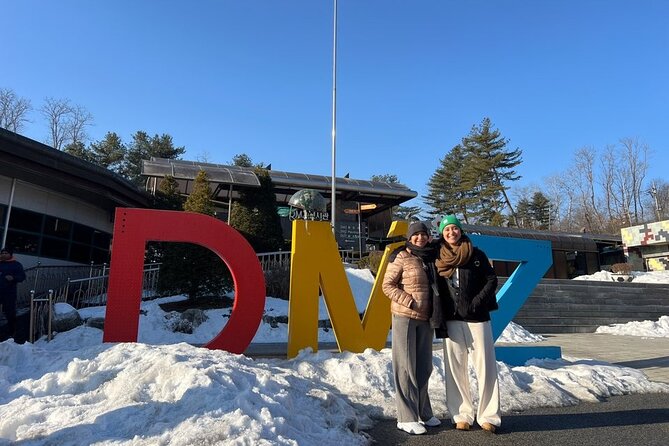
You are a good match for this experience if you want to understand the Korean border through several types of places. The combination of a memorial park, an infiltration tunnel, a bunker museum, and a lookout gives you more range than a single observatory visit.
It also suits you if English or Spanish is your preferred tour language. A day at the DMZ includes military and political ideas that are easier to follow when the guide can explain them clearly and answer questions in a language you understand.
The tour may be less suitable if you dislike long drives or prefer a relaxed schedule with plenty of free time. The transfer to Paju takes about 90 minutes, and the overall day lasts around nine hours. The tunnel also involves walking into the permitted section, so practical footwear is a sensible choice.
Families and groups should think about pace and mood. The subject includes war, separation, and possible attacks, so this is not a cheerful amusement-style outing. Group discounts can help with the cost, but everyone should be comfortable with a full day focused on a serious historical setting.
Practical details that affect your day
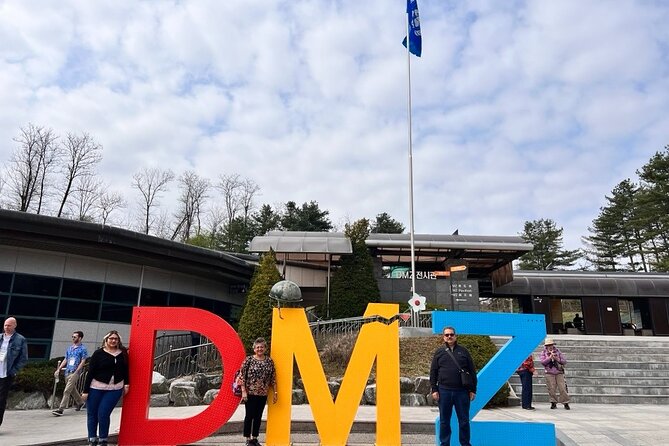
Meet at City Hall Station, then expect the group to travel by air-conditioned vehicle to Paju. Pickup is offered, but the stated meeting point is City Hall Station, so confirm the exact pickup arrangement when booking.
Admission fees are included. You will not need to buy separate entrance tickets for the listed stops, but meals are not part of the package. Bring money for lunch and dinner, and expect the day to take most of your sightseeing hours.
The tour is available with an English or Spanish-speaking certified guide. Choose carefully based on the language in which you can best follow explanations about the border, the tunnel, and the wartime sites.
The schedule lists roughly four hours for the Imjingak portion, two and a half hours for the 3rd Infiltration Tunnel, and two and a half hours for Dora Observatory. These times add up to the advertised nine-hour day, including the broader route and transfers.
This tour is booked, on average, 41 days ahead. That figure suggests you should not leave it until the last minute if your Seoul dates are fixed, particularly if you need a specific language or are traveling in a group.
Should you book this DMZ tour?
Book it if you want a guided, full-day introduction to the DMZ with transport from central Seoul, admission included, and explanations in English or Spanish. The best reasons are the range of stops and the chance to connect a memorial park, a restricted tunnel, a bunker museum, and a North Korea-facing observatory in one day.
Skip it if $250 feels too high for a group tour, if you want a lighter sightseeing day, or if a 90-minute drive each way sounds tiring. You will also pay separately for food.
For most visitors who want the DMZ to mean more than a distant view, this is a strong choice. Just book ahead, wear sensible shoes, allow the full nine hours, and arrive ready for a serious look at one of Korea’s most unusual border regions.
FAQ
Where does the tour begin?
You meet your tour guide at City Hall Station in Seoul before traveling to Paju.
How long does the tour last?
The tour lasts approximately nine hours.
How long does it take to reach Paju?
The transfer from Seoul to Paju takes about 90 minutes by car.
Which languages are available?
The tour is led by certified guides fluent in English or Spanish.
What places are visited?
The day includes Imjingak Pyeonghoa-Nuri Park, the DMZ, the 3rd Infiltration Tunnel, Dora Observatory, and the Bunker Museum.
Can I enter the 3rd Infiltration Tunnel?
You can walk into the tunnel only as far as the limited area open to visitors.
Are admission fees included?
Yes. Entrance fees are included in the tour price.
Are meals included?
No. Lunch and dinner are not included.
Just added around Seoul
- Your Personal Seoul Photographer!★ 4.1 · 15 reviews
- From Seoul: Hwacheon Ice Fishing and Lighting Festival Tour★ 4.5 · 4 reviews
- You’re Invited to Our Home in Seoul: The Only Cooking Class!★ 5.0 · 8 reviews
- Seoul: Gangneung BTS K-Pop & K-Drama Filming Locations Tour★ 4.6 · 14 reviews
- Unique Native Experience : Han River Picnic, Board game, BBQ★ 5.0 · 3 reviews
- 2-Hour Private Kayaking and Paddleboarding Experience in Hanriver★ 5.0 · 3 reviews
- Yun Korean Cooking Class in Seoul★ 5.0 · 6 reviews
- Day Trip to Yongin Daejanggeum and Korean Folk Village from Seoul★ 4.0 · 9 reviews
Seoul DMZ Tours, compared.
Best DMZ Tour Korea from Seoul (Red Suspension Bridge Optional)
Read our review →
DMZ Tour: 3rd Tunnel, Option(Suspension Bridge, Boat) from Seoul
Read our review →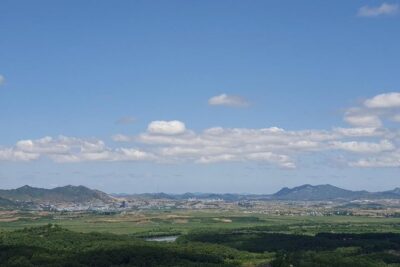
DMZ tour south Korea from Seoul (NK experience hall, defector)
Read our review →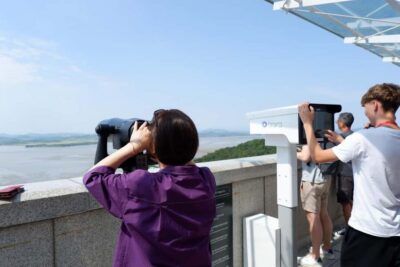

Signature DMZ Tour: Exclusive Defector Talk & Suspension Bridge
Read our review →
Thrilling Korean DMZ 3rd Tunnel Tour from Seoul + Red Bridge Rush
Read our review →
DMZ Past and Present: Korean Demilitarized Zone Tour from Seoul
Read our review →
Ultimate Korea DMZ Tour from Seoul (Gondola & Suspension Bridge)
Read our review →Browse the lists this tour appears in