
Reviewed · SEOUL DMZ TOURS
DMZ Tour w/ North Korea Experience Hall & Opt. Suspension Bridge
The most powerful part of this day is not the distant view of North Korea. It is the walk through the Third Tunnel, a steep, cramped passage built for a possible invasion of the South. Add the flags, memorials, guard posts, and quiet fields of the DMZ, and the division of Korea feels less like a textbook topic and more like a present-day reality.
I like two things here. The logistics are handled for you, which matters because independent access to the DMZ is not allowed. I also like the mix of stops: Imjingak gives you the human story, the tunnel shows the military threat, and Dora Observatory offers a direct view toward North Korea. The main caution is that the day can change with military orders, weather, holidays, or closures, and the bridge upgrade adds more walking to an already active outing.
Key points before you book
- Walk 500 meters into the Third Tunnel: The return climb is steep, and the tunnel is not suitable for people with claustrophobia or limited mobility.
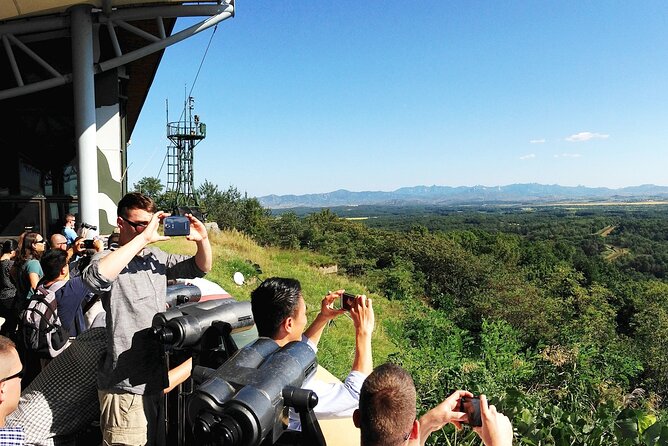
- See toward North Korea from Dora Observatory: Telescopes point toward Kijŏng-dong, including its famous flagpole and propaganda village when conditions allow.
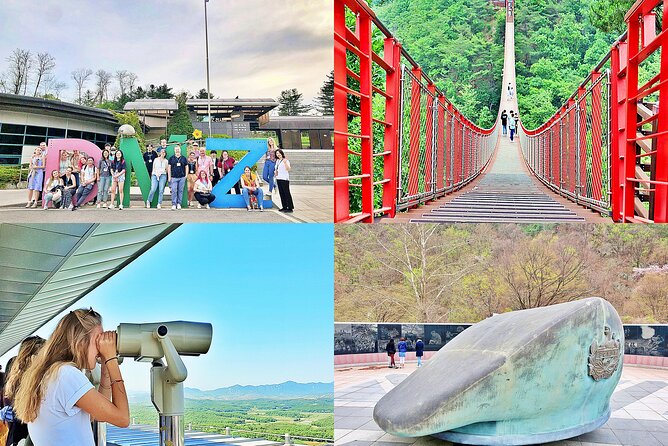
- Visit Imjingak’s war memorials: Freedom Bridge and the Soldiers’ Memorial add personal meaning before you enter the restricted zone.
- Choose the Gamaksan bridge upgrade: The suspension bridge adds about an hour and a dramatic mountain setting, but it may close because of rain, snow, or security orders.
- Expect a full day from central Seoul: The tour lasts about 7 hours and 30 minutes and begins and ends near City Hall Station.
- Carry your passport: A current valid passport is required for entry, and the tour can change at short notice.
Why the DMZ is worth a full day from Seoul
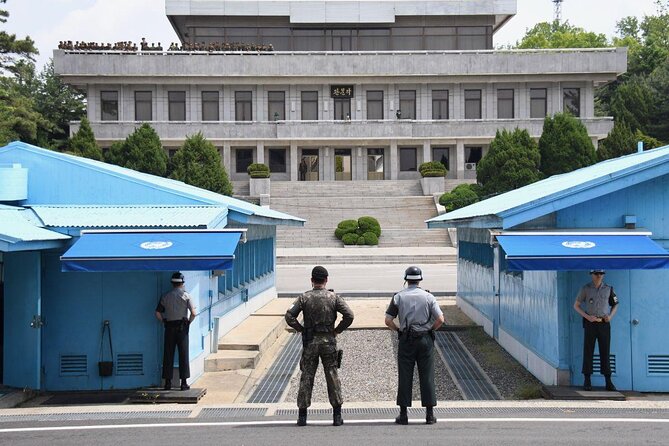
The DMZ is only about 52 kilometers from Seoul, but it feels far removed from the city’s towers, cafés, and shopping streets. This four-kilometer-wide buffer zone has separated North and South Korea since the Korean War armistice, and access is controlled by the military.
That control is the reason I would choose a guided trip here. You cannot simply take a train to the border and walk around. Entry rules, security checks, vehicle access, and possible closures make the DMZ a poor place to improvise.
This tour provides a professional guide, entrance fees for the main paid sites, and round-trip transport from a central meeting point. The price is about $55 per person, which is good value for a day that combines transport, admission, local coordination, and historical explanation.
You should expect a large group, with up to 40 people, rather than a private tour. That keeps the cost down, but it also means you need to stay with the group and pay attention when your guide gives timing instructions.
More DMZ tours in Seoul:
- Best DMZ Tour Korea from Seoul (Red Suspension Bridge Optional)
★ 5.0 · 41,422 reviews - DMZ Tour: 3rd Tunnel, Option(Suspension Bridge, Boat) from Seoul
★ 5.0 · 21,373 reviews - DMZ tour south Korea from Seoul (NK experience hall, defector)
★ 5.0 · 20,599 reviews
Starting near City Hall Station
The meeting point is City Hall Station in central Seoul, and the tour returns there. Hotel pickup and drop-off are not included, and airport or cruise-port transfers are not provided, so plan your route to City Hall before the morning of the tour.
The exact start time can shift. Some departures listed as later morning trips have begun earlier so the group could reach the DMZ before entry capacity filled. One group was notified of a pickup change the night before, which caused problems for people who could not adjust their plans.
My advice is simple: treat the start time as flexible until the operator confirms it. Keep the morning free, check your messages the evening before, and do not schedule a flight, train, or fixed appointment close to the expected return.
The journey north is part of the education. A good guide, such as Young, Junie, Brian, Veronica, or Mr. Youngmi, can explain the war, the armistice, and modern relations between North and South Korea while you travel. Guide quality can vary, but the strongest guides are clear, warm, and good at keeping the day moving.
Imjingak Park brings the human cost into view
The first major stop is Imjingak Pyeonghoa-Nuri Park, usually for about 30 minutes. The park was created as a place of comfort for people who fled North Korea during the war and could not return home.
Here you can see Freedom Bridge, associated with prisoners of war and people separated from family members across the border. The Soldiers’ Memorial and other monuments add a more formal military note, while the park itself gives you room to think before entering the controlled DMZ area.
This stop is not as dramatic as the tunnel or observatory, but it may be the most emotionally direct. Korea’s division was not only about armies and borders. It split families, homes, and ordinary lives.
Do not expect a long free period here. Thirty minutes is enough for the key memorials, photographs, and a quick look around, but not enough for a slow visit to every corner of the park.
The North Korea Experience Hall adds needed context
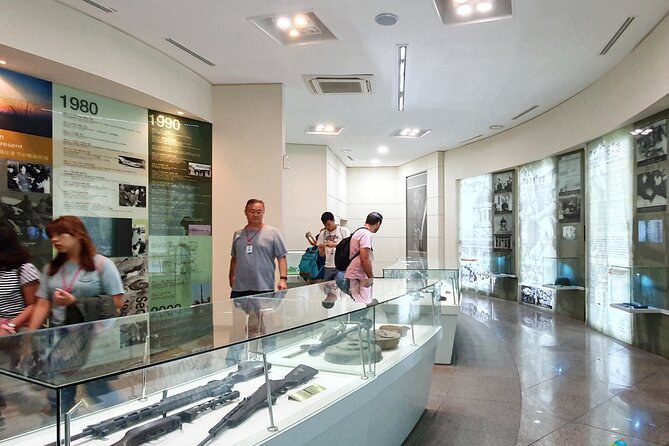
The North Korea Experience Hall is a newer part of the route and lasts about 30 minutes. It is designed to give you a clearer picture of North Korean life and the political system beyond the distant views from Dora Observatory.
I appreciate this stop because the DMZ can otherwise become a collection of military sights and photo opportunities. The hall gives your guide a place to explain the differences between the two Koreas and the forces that keep the border closed.
The exact presentation may change with the day’s route, but the purpose is consistent: to add background before you look across the border. That makes the observatory more meaningful, since you have some context for what you are seeing.
A different kind of day out around Seoul:
- Seoul: DMZ Tour with Optional Suspension Bridge
★ 4.8 · 5,277 reviews - Signature DMZ Tour: Exclusive Defector Talk & Suspension Bridge
★ 5.0 · 4,459 reviews - Thrilling Korean DMZ 3rd Tunnel Tour from Seoul + Red Bridge Rush
★ 5.0 · 3,097 reviews - DMZ Past and Present: Korean Demilitarized Zone Tour from Seoul
★ 5.0 · 2,481 reviews
Dora Observatory offers the clearest view toward North Korea
Dora Observatory is one of the few places where you can look directly toward North Korea from the South. The viewing area has telescopes at different heights, which helps people of different heights get a turn at the eyepieces.
On a clear day, you may see Kijŏng-dong, the southernmost village in North Korea, and its tall flagpole. The village is often described as a propaganda village because it was built to present an idealized picture of life across the border.
Do not expect a close-up view of everyday life. The distance, haze, weather, and security rules all affect what you can see. You might spend more time waiting for a telescope than looking through it, especially when several tour groups arrive together.
Conditions can also change after you book. A viewing area was closed during a period of North Korean trash-balloon activity, and some groups learned about the closure only after reaching the DMZ. If Dora Observatory is closed, the operator may substitute Odusan Unification Observatory or another approved stop.
That uncertainty is part of visiting a live border. It is also the main reason not to judge the day only by whether you get a perfect view.
The Third Tunnel is the day’s most physical stop
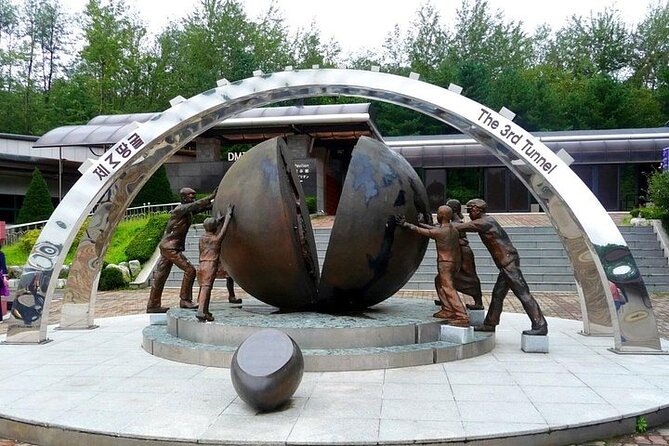
The Third Tunnel was discovered in 1978 and is one of four known tunnels built by North Korea beneath the border area. It was designed as part of a possible military attack on South Korea.
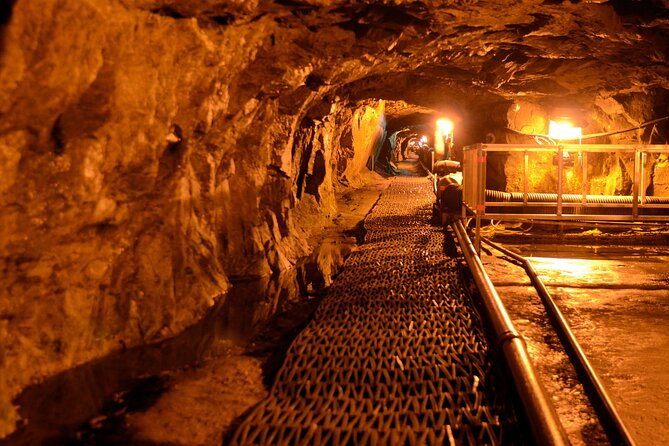
You receive a safety helmet before walking into the tunnel. The route extends about 500 meters and slopes downward, then upward on the way back. The return is the harder part, and the passage becomes uncomfortable if you dislike enclosed spaces.
I find this stop more affecting than a museum display because your body notices the conditions. The tunnel is low enough that you need to watch your head, and the climb can leave you short of breath. You will not see a great deal of decoration or equipment. The point is the scale, the secrecy, and the amount of work involved in creating an underground route toward Seoul.
Wear shoes with good grip and bring water. The tour data describes the activity as requiring moderate physical fitness, and that is fair. People with claustrophobia may wait outside, and older people who are concerned about the slope can also skip the tunnel while the group continues.
If you have knee, breathing, or balance problems, take this warning seriously. You can still get value from the other stops without forcing yourself into the passage.
The suspension bridge changes the mood
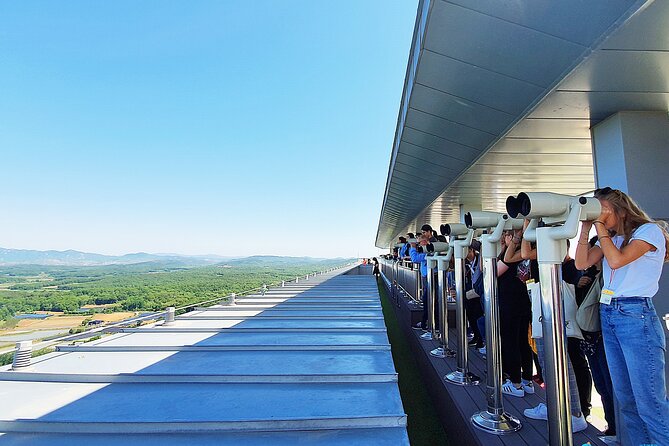
The optional Gamaksan Chulleong Suspension Bridge adds about an hour to the day. Opened in 2016, it is described as the longest mountain suspension bridge in South Korea and crosses a scenic mountain setting.
After the serious tone of the DMZ, the bridge gives you a physical and visual change of pace. You get open air, a high viewpoint, and a chance to stretch your legs. The setting is one of the strongest reasons to pay for the upgrade.
It is not a good choice for everyone. The bridge is unsuitable for people with a fear of heights, and you may wait at the viewpoint instead. Rain, snow, and military security measures can also force a closure. In that case, the route may switch to Odusan Unification Observatory, the DMZ Peace Gondola, Gloster Hill Memorial Park, or the War Memorial of Korea.
If your main reason for booking is the bridge, remember that it is an optional extra, not a guarantee. If your main reason is the DMZ, the possible substitution is less serious because the core historical experience remains the priority.
Monday and holiday routes can be different
The standard signature route usually operates Tuesday through Sunday and includes the North Korea Experience Hall, Imjingak Park, Dora Observatory, Third Tunnel, and suspension bridge if selected.
Mondays, public holidays, and certain military or weather closures can bring a special route. That version may include the North Korea Experience Center, Imjingak Pyeonghoa-Nuri Park, DMZ Peace Gondola, Gloster Hill Memorial Park, and the bridge.
This matters if you have your heart set on the Third Tunnel or Dora Observatory. Check the operating day before booking, and accept that the final route can change without prior notice. The DMZ is not a normal sightseeing district where attractions operate on a fixed schedule.
A well-run day depends heavily on communication. Guides such as Junie, Young, Brian, Veronica, and Mr. Young have received especially strong praise for clear explanations, humor, history, and personal attention. Still, guide assignments are not guaranteed, and English ability may vary.
Food, timing, and what to pack
Food and drinks are not included, and there is no dedicated lunch stop listed. The day can run for about 7 hours and 30 minutes, so eat before departure and carry a snack and water if permitted by the current rules.
Some cafés are available around parts of the route, but I would not depend on finding a full meal at a convenient time. The schedule is built around military access and group movement, not a relaxed restaurant break.
Bring:
- Your current passport
- Comfortable walking shoes
- Water and a small snack
- Layers for changing weather
- A phone that can receive last-minute tour messages
The mobile ticket is convenient, but it does not replace the passport requirement. Children must be accompanied by an adult, and the experience is best for anyone comfortable with a full day of walking, transport, waiting, and schedule changes.
Is $55 good value for this DMZ tour?
At about $55, this is a strong value if you want the main DMZ sights without arranging separate transport or trying to understand entry rules. The price covers the professional guide, round-trip transport from central Seoul, and admission to the included attractions.
You are paying for coordination as much as sightseeing. The bus, military access, timed visits, and backup plans would be difficult to arrange alone. A cheaper independent trip would not offer the same access, and independent entry into the DMZ is not allowed.
The tradeoff is a group format. You may share stops with many other groups, and a less effective guide can make the history feel thin. The schedule may also be adjusted late, and the lack of an included lunch is a minor inconvenience on a long day.
For most people, the price is fair. The tour earns its value through access and organization, not luxury.
Should you book this DMZ experience?
I would book it if you have one full day in Seoul and want to understand the Korean War and the continuing division of the peninsula. The Third Tunnel, Imjingak memorials, and Dora Observatory work well together, and the guide can connect the sites into a clear story.
Choose the suspension bridge option if you enjoy heights and want a scenic finish. Skip it if your interest is strictly historical, or if you already know that heights or extra walking will make the day harder.
This is not the right choice if you need a fixed schedule, a leisurely lunch, private guiding, or guaranteed access to every stop. It is a good choice if you value convenience, can handle moderate physical activity, and understand that a real military border can change its rules without notice.
FAQ
How long does the DMZ tour last?
The tour lasts approximately 7 hours and 30 minutes, though the duration can be shorter or longer because of military conditions, security controls, weather, or route changes.
Where does the tour start and finish?
The tour starts and ends near City Hall Station in Seoul. Hotel pickup and hotel drop-off are not included, and airport and cruise-port pickup is not provided.
Is a passport required?
Yes. You must bring a current valid passport on the day of the tour.
What sites are included on the standard route?
The standard route includes Imjingak Pyeonghoa-Nuri Park, the North Korea Experience Hall, Dora Observatory, the Third Tunnel, and the DMZ area, subject to military and weather conditions.
Is the Gamaksan Suspension Bridge included?
The bridge is an optional upgrade. It usually adds about one hour, but it can close because of heavy rain, snow, or security controls.
Can I skip the Third Tunnel?
Yes. People with claustrophobia or concerns about the steep slope may wait outside instead of entering the tunnel.
Can I skip the suspension bridge?
Yes. People with a fear of heights may wait at the viewpoint rather than cross the bridge.
What happens if the main DMZ sites are closed?
The route may change to include stops such as the DMZ Peace Gondola, Odusan Unification Observatory, Gloster Hill Memorial Park, or the War Memorial of Korea. On some special operating days, the North Korea Experience Center replaces parts of the standard route.
Just added around Seoul
- Your Personal Seoul Photographer!★ 4.1 · 15 reviews
- From Seoul: Hwacheon Ice Fishing and Lighting Festival Tour★ 4.5 · 4 reviews
- You’re Invited to Our Home in Seoul: The Only Cooking Class!★ 5.0 · 8 reviews
- Seoul: Gangneung BTS K-Pop & K-Drama Filming Locations Tour★ 4.6 · 14 reviews
- Unique Native Experience : Han River Picnic, Board game, BBQ★ 5.0 · 3 reviews
- 2-Hour Private Kayaking and Paddleboarding Experience in Hanriver★ 5.0 · 3 reviews
- Yun Korean Cooking Class in Seoul★ 5.0 · 6 reviews
- Day Trip to Yongin Daejanggeum and Korean Folk Village from Seoul★ 4.0 · 9 reviews
Seoul DMZ Tours, compared.
Best DMZ Tour Korea from Seoul (Red Suspension Bridge Optional)
Read our review →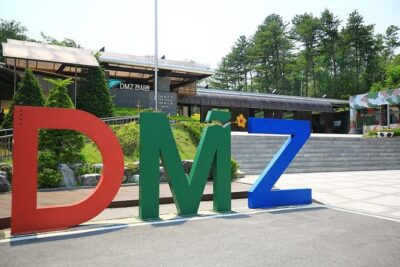
DMZ Tour: 3rd Tunnel, Option(Suspension Bridge, Boat) from Seoul
Read our review →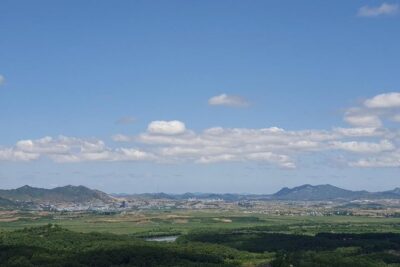
DMZ tour south Korea from Seoul (NK experience hall, defector)
Read our review →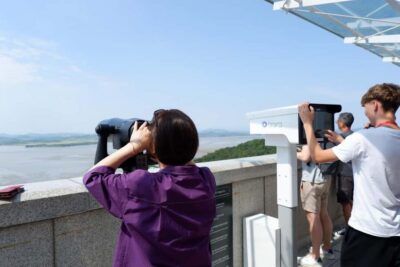

Signature DMZ Tour: Exclusive Defector Talk & Suspension Bridge
Read our review →
Thrilling Korean DMZ 3rd Tunnel Tour from Seoul + Red Bridge Rush
Read our review →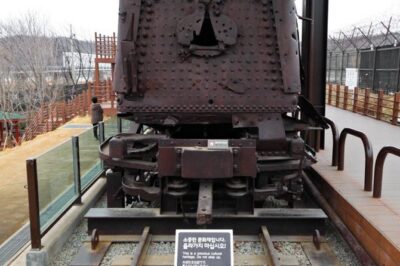
DMZ Past and Present: Korean Demilitarized Zone Tour from Seoul
Read our review →
Ultimate Korea DMZ Tour from Seoul (Gondola & Suspension Bridge)
Read our review →Browse the lists this tour appears in