
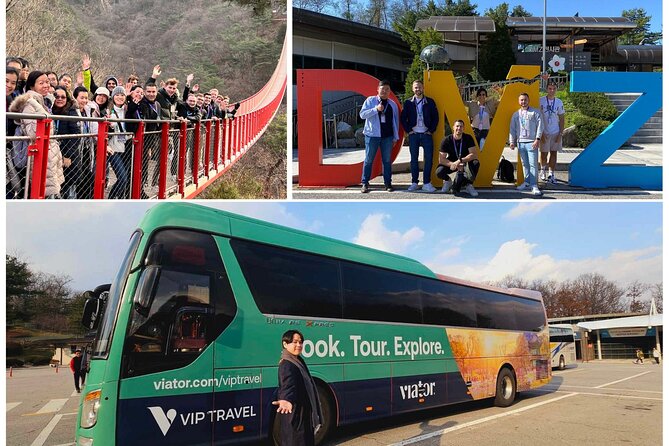
Reviewed · SEOUL DMZ TOURS
DMZ Tour Seoul to North Korea’s 3rd Tunnel & Majang Lake Crossing
The most striking part of this day is the sudden change from Seoul’s city streets to the quiet, tightly controlled border zone beside North Korea. At Dora Observatory, you can look across the fields through a telescope. In the Third Tunnel, you walk through a real Cold War-era passage built for a possible attack.
I like the mix of serious history and physical places. The Bridge of Freedom, the damaged steam locomotive, and Mangbaedan Memorial Altar make the Korean War personal rather than just a chapter in a textbook. I also like the practical pacing, with guides such as Nancy, Alex, Kelly, and Moon keeping the day moving while adding personal stories and humor.
The main drawback is the size and schedule. A group can reach up to 150 people, and military checks or early closures can change the order of stops. You also need stamina for stairs, inclines, and the low tunnel.
Key points at a glance
- Walk through the Third Tunnel: Expect a steep route, low ceilings, and hard hats inside this former infiltration tunnel.
- See North Korea from Dora Observatory: Telescopes provide the closest permitted view from the South Korean side.
- Understand the human cost at Imjingak: The Bridge of Freedom, Mangbaedan, and the battle-scarred locomotive give the border real emotional weight.
- Add Majang Lake for a lighter finish: The optional 262-meter suspension bridge offers a scenic change after the serious DMZ sites.
- Choose your guide carefully when possible: Nancy, Alex, Kelly, Crystal, Lina, Hana, Moon, Emily, K, and Gogo have all been praised for clear explanations, energy, and helpful photo-taking.
- Bring your passport and lunch money: Your passport is needed at the military checkpoint, and lunch is not included.
What this DMZ day trip actually gives you
At about eight hours, this is a full day rather than a quick border photo stop. You leave Seoul by coach, pass through several security points, and visit both memorial sites and controlled areas close to North Korea.
The tour begins with meeting points at Myeongdong Subway Station Exit 9, Seoul City Hall Subway Station Exit 6, and Hongdae Subway Station Exit 3. You are expected to arrive 10 to 15 minutes early. These stops are useful if you are staying in central Seoul, but they also mean the coach collects people before the main journey begins.
Hotel pickup is described as pickup from a main subway station near your hotel or from the downtown area. The return is not to your hotel. You can get off at Myeongdong, Hongik University Station, or City Hall, so plan your evening around one of those locations.
The price is about $35 per person. For a full day of transport, a professional English or Chinese-speaking guide, and entry to the major DMZ sites, that is good value. It is not an all-inclusive day. Lunch costs extra, and the Majang Lake Bridge, Gamaksan Red Suspension Bridge, and strawberry-picking options cost extra unless you select them during checkout.
More DMZ tours in Seoul:
- Best DMZ Tour Korea from Seoul (Red Suspension Bridge Optional)
★ 5.0 · 41,422 reviews - DMZ Tour: 3rd Tunnel, Option(Suspension Bridge, Boat) from Seoul
★ 5.0 · 21,373 reviews - DMZ tour south Korea from Seoul (NK experience hall, defector)
★ 5.0 · 20,599 reviews
Imjingak Park puts the border in human terms
The first major stop is Imjingak Resort and Imjingak Pyeonghwa Nuri Park. This is not simply a place to take a quick photograph of a military zone. It was created in 1972 for people separated from relatives in North Korea after the Korean War.
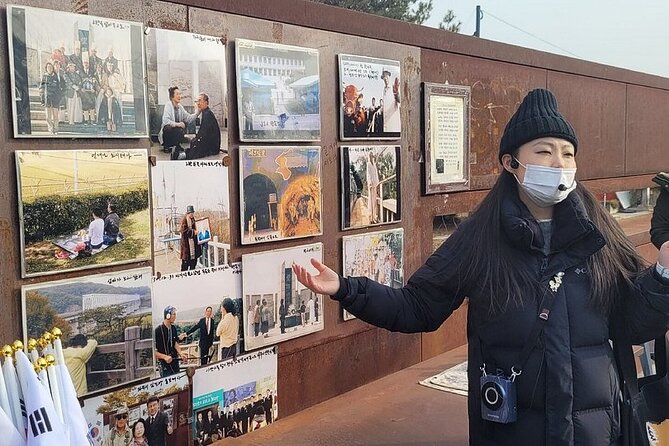
Start with the memorials and give yourself time to look around. The Peace Bell, cast in 2002 and weighing 21 tons, represents the hope for Korean unity. Nearby, the Mangbaedan Memorial Altar is linked to families who remember relatives in North Korea during traditional holidays.
The setting can feel peaceful, but the subject is painful. That contrast is useful. You see open ground, a river, and memorial structures, while your guide explains how the division still affects Korean families.
The Bridge of Freedom is one of the most meaningful sights here. It replaced a destroyed railroad bridge and was used in 1953 by 12,773 prisoners of war returning to South Korea. The wooden structure is modest, which is part of its power. It is not a grand monument. It is a narrow crossing connected with real people coming home.
You also see the preserved steam locomotive at Jangdan Station. It was damaged during the war and left unable to continue along the Gyeongui Line. The rust and bullet damage make the conflict easier to picture than a wall of dates would.
An optional Paju Imjingak Peace Gondola crosses the Imjin River. The ride provides a broad view toward the edge of the DMZ and can be a welcome break from memorials. It takes about an hour, so check how it fits with the rest of your day. If you skip it, there is still plenty to see around the park.
The military checkpoint makes the DMZ feel real
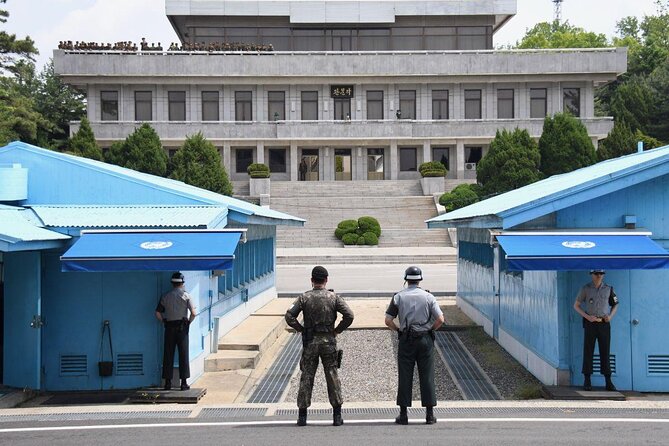
At Unification Bridge, the coach stops for a military inspection. Soldiers check the bus and verify identification before allowing entry into the civilian-controlled area.
Keep your passport with you. The supplied instructions also list a military identification card or a South Korea-issued identification card as accepted documents. Do not leave your passport in luggage under the bus.
This pause can feel slow, especially with a large group, but it is an important part of the experience. The DMZ is not a theme park border attraction. Access can change because of military exercises, security decisions, weather, or early closures.
As the bus crosses the Imjin River, look out for birds and other wildlife. The area has had limited human access since the 1953 armistice, which has allowed nature to flourish in sections of the border zone. Your guide will likely point out the contrast between military control and the quiet river corridor.
The order of stops is not fixed in every situation. One account describes the guide reversing the route because fog blocked the observatory view early in the morning. That kind of adjustment is sensible, but it means you should not expect every stop to happen at exactly the advertised time.
The Third Tunnel is the day’s most physical stop
The Third Tunnel of Aggression is the most active part of the tour. It was discovered in 1978 and measures about 1,635 meters in total. It was built below the border as an infiltration route, according to the South Korean account of its purpose.
You walk through part of the tunnel wearing a hard hat. The route includes a long, steep section, and the tunnel ceiling is low. If you are taller than six feet, secure your helmet well and expect to bend often. One practical warning is worth repeating: head bumps are easy here.
The tunnel is not suited to a leisurely stroll. The heat and humidity can be uncomfortable, especially in summer, and the climb back up takes effort. Wear comfortable shoes and bring water. The activity is manageable for most people who can handle stairs and inclines, but it is not a good choice if you need a completely gentle day.
What makes the tunnel valuable is its scale. You are not just hearing that tunnels were built beneath the border. You are standing inside one, looking at the narrow passage and considering the labor and military planning behind it.
Allow your guide’s explanation to provide the wider setting. The best guides on this tour, including Alex, Crystal, Lina, and Emily, have been praised for giving clear background before the walk and useful instructions during it.
More traditional market tours in Seoul:
- Seoul: Gyeongbok Palace, Bukchon Village, and Gwangjang Tour
★ 4.9 · 2,321 reviews - Seoul Street Food Market Tour
★ 5.0 · 1,226 reviews - Seoul: Gyeongbok Palace, Bukchon Village, and Gwangjang Tour
★ 5.0 · 1,044 reviews - Local Home Korean Cooking Class & Market Adventure in Seoul
★ 5.0 · 1,024 reviews
Dora Observatory is the visual high point
Dora Observatory sits on Dorasan and offers one of the closest permitted views of North Korea from South Korea. At the viewing area, telescopes let you look toward the North Korean side.
Your view depends on weather. Fog, haze, and cloud can limit what you see, so do not treat a clear view as guaranteed. On a good day, the telescope makes the border feel immediate. On a poor day, the guide’s explanation still gives the stop value.
The observatory was established in 1986 and renovated in 2018. Its appeal is not only the view. It helps you understand the geography of the division, with the DMZ separating communities that once formed one country.
You can also buy North Korean products at the observatory. Treat this as an optional shopping stop rather than the main reason to come. The stronger experience is the chance to look across the boundary and connect the earlier memorials with the present-day division.
This is where a strong guide matters most. Alex has been praised for adding personal family stories to the history, while Nancy, Kelly, Moon, and Hana have been praised for making explanations lively without losing the serious meaning of the place. Your assigned guide may be different, but the company uses English and Chinese guides.
Tongilchon adds a civilian side to the border
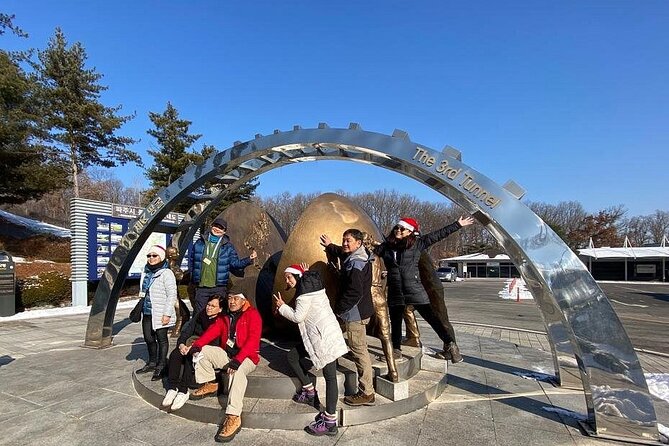
Tongilchon-gil and the village of Tongilchon Jangdankong Maeul show a quieter side of the controlled area. The village is associated with Jangdan soybeans, grown in soil near the DMZ.
You have about 20 minutes here. That is enough for a brief look and perhaps a purchase, but it is not a long village visit. If you want a relaxed lunch, shopping, and time in the garden, the schedule may feel tight.
Lunch is not included. One reported version of the day included an authentic meal in Freedom Village, but the supplied tour details do not promise that meal for every departure. Bring money and ask your guide about the lunch plan at the start of the day.
This stop works best as a change of pace after the tunnel and observatory. It gives you a look at local produce and daily life in an area shaped by military restrictions.
Majang Lake provides a lighter final chapter
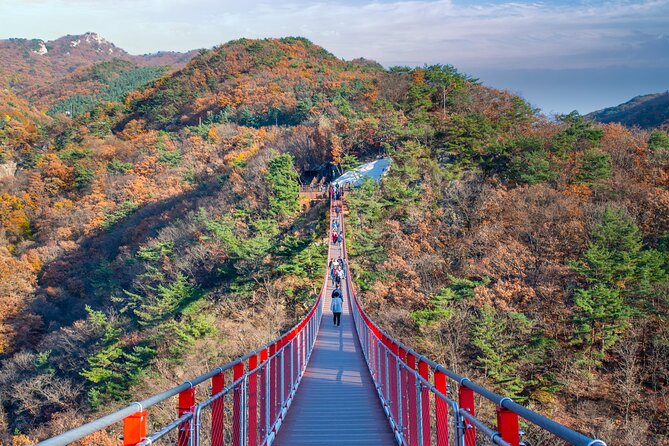
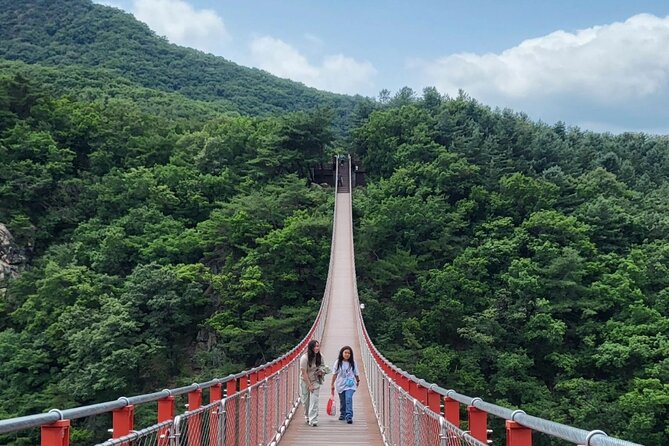
The optional Majang Lake suspension bridge is a very different experience from the DMZ. The bridge opened in 2020, stretches 262 meters, and hangs about 25 meters above the reservoir.
If you select it, expect a scenic walk and open views over the water. It is a good choice if you want the day to end with something outdoors and less solemn. The bridge also gives the itinerary a better balance, moving from war memorials and military checkpoints to a recreational setting.
Do not assume it is included in the basic DMZ-only option. The Majang Lake Bridge must be selected during booking. The same applies to the Gamaksan Red Suspension Bridge, which may be offered as another add-on. The title of this experience highlights Majang Lake, but the details make clear that this portion can be optional.
A strawberry-picking option is also listed for selected bookings. It is not part of the standard tour unless you choose it.
How the guides shape the day
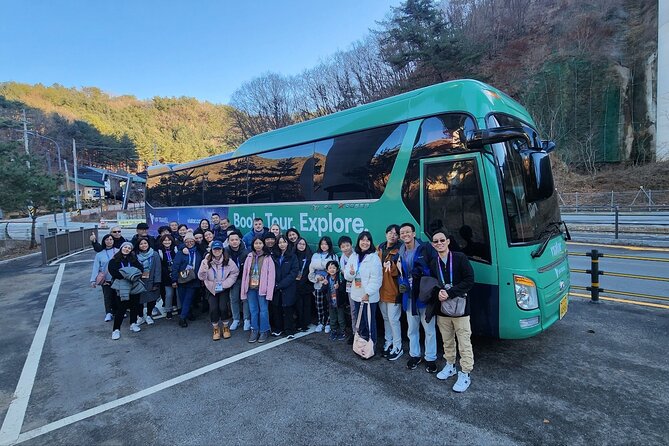
This is a coach tour, so the guide is central to the experience. You spend a lot of time riding between Seoul, Imjingak, the tunnel, the observatory, Tongilchon, and the final stop.
Nancy is repeatedly praised for energy, clear directions, and the ability to keep the day cheerful without making light of the subject. Alex is noted for personal stories about the Korean War and family connections. Kelly is praised for pace and warmth, while Crystal is singled out for strong historical explanations.
Other named guides include Lina, Hana, Moon, Emily, K, Gogo, and Ray. The praise is consistent on a few useful points: good guides explain each stop before releasing you to explore, keep the group on time, answer questions, and help with photographs.
The group can reach 150 people, so this is not a private or quiet tour. The upside is a lower price and an organized route. The downside is that you need to follow meeting times closely. If you wander off or return late, the coach cannot wait indefinitely.
What to bring and how to prepare
Bring your passport. This is the single most important practical point because the military checkpoint requires identification.
Wear shoes suitable for stairs and uneven walking. The Third Tunnel includes a steep route and low ceilings, and the full day includes several outdoor stops. A jacket is useful, even when Seoul feels warm, because conditions can change and the tunnel can feel different from the open air.
Pack water and money for lunch. Hotel drop-off is not included, so know whether you will return to Myeongdong, Hongik University Station, or City Hall.
Keep your expectations flexible. Military exercises, fog, and early closures can alter the order or shorten time at a stop. The guides may reverse the itinerary to improve the observatory view, which is a benefit rather than a failure of planning.
Free cancellation is available up to 24 hours before the start time. Changes or cancellations inside that window are not accepted for a refund.
Who should book this tour
I would choose this tour if you want a broad first look at the DMZ without arranging several separate train rides, tickets, and transfers. It suits anyone interested in Korean War history, divided families, Cold War politics, and the present-day border.
It also works well if you want a guide to explain what you are seeing. The memorials can feel confusing without context, and the military procedures are easier to understand when someone explains what is happening.
I would think twice if you dislike group schedules, crowded coaches, or physical activity. The tunnel is not easy for everyone, and the day can feel rushed if security conditions reduce opening hours.
Should you book the DMZ and Majang Lake tour?
Book it if you want the main DMZ sights in one practical day and you value strong guiding over personal freedom. At around $35, the standard package offers solid value, especially with transport, admission, and a professional guide included.
Choose the Majang Lake option if you want a scenic finish. Bring your passport, wear good shoes, carry money for food, and expect the schedule to change if the military zone requires it. If you can accept those limits, this is a useful and memorable way to understand the border beyond a simple lookout photograph.
FAQ
How long does the tour last?
The tour lasts about eight hours, including transport from Seoul, the DMZ visits, and the return to central Seoul.
Where do I meet the tour bus?
Meeting points include Myeongdong Subway Station Exit 9, Seoul City Hall Subway Station Exit 6, and Hongdae Subway Station Exit 3. You should arrive 10 to 15 minutes early.
Is hotel pickup included?
Pickup is provided from a main subway station near your hotel or from a downtown area. Hotel drop-off is not included. The return drop-off points are Myeongdong, Hongik University Station, or City Hall.
Do I need my passport?
Yes. You need your passport for the military inspection at Unification Bridge. A military identification card or South Korea-issued identification card is also listed as acceptable.
Is lunch included?
No. Lunch is not included in the tour price, so bring money for food.
Is the Majang Lake suspension bridge included?
It is optional and must be selected during booking. The same applies to the Gamaksan Red Suspension Bridge and strawberry picking.
Is the Third Tunnel suitable for everyone?
Most people can participate, but the tunnel includes stairs, inclines, low ceilings, and a physically demanding walk. Wear comfortable shoes and take care with the hard hat.
Just added around Seoul
- Your Personal Seoul Photographer!★ 4.1 · 15 reviews
- From Seoul: Hwacheon Ice Fishing and Lighting Festival Tour★ 4.5 · 4 reviews
- You’re Invited to Our Home in Seoul: The Only Cooking Class!★ 5.0 · 8 reviews
- Seoul: Gangneung BTS K-Pop & K-Drama Filming Locations Tour★ 4.6 · 14 reviews
- Unique Native Experience : Han River Picnic, Board game, BBQ★ 5.0 · 3 reviews
- 2-Hour Private Kayaking and Paddleboarding Experience in Hanriver★ 5.0 · 3 reviews
- Yun Korean Cooking Class in Seoul★ 5.0 · 6 reviews
- Day Trip to Yongin Daejanggeum and Korean Folk Village from Seoul★ 4.0 · 9 reviews
Seoul DMZ Tours, compared.
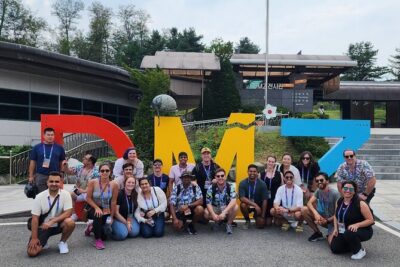
Best DMZ Tour Korea from Seoul (Red Suspension Bridge Optional)
Read our review →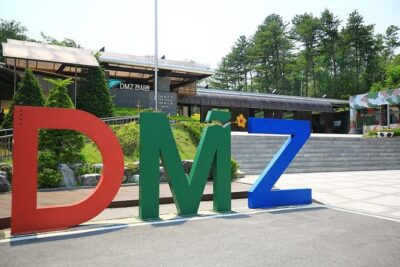
DMZ Tour: 3rd Tunnel, Option(Suspension Bridge, Boat) from Seoul
Read our review →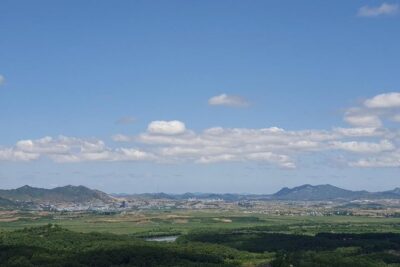
DMZ tour south Korea from Seoul (NK experience hall, defector)
Read our review →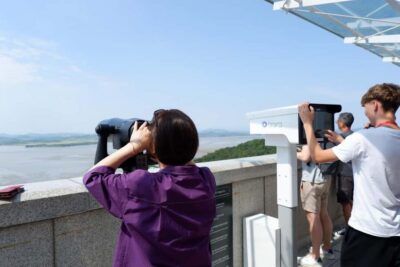

Signature DMZ Tour: Exclusive Defector Talk & Suspension Bridge
Read our review →
Thrilling Korean DMZ 3rd Tunnel Tour from Seoul + Red Bridge Rush
Read our review →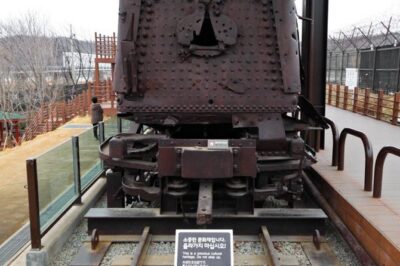
DMZ Past and Present: Korean Demilitarized Zone Tour from Seoul
Read our review →
Ultimate Korea DMZ Tour from Seoul (Gondola & Suspension Bridge)
Read our review →Browse the lists this tour appears in