
Reviewed · SEOUL
Discover Western Korea in 4days: All-Inclusive Experience
Gongju’s royal tombs, Jeonju’s old wooden homes, Boseong’s tea slopes, and Suncheon’s coastal marshes give this four-day route real variety. You move from Korean history to food, religion, nature, and modern memory without spending your holiday at souvenir shops. That is the best reason to consider it.
I like the no-shopping format, which keeps the focus on places rather than sales pitches. I also like the thoughtful mix of meals, with traditional Korean food built into the schedule instead of leaving you to hunt for dinner after a long day. The main drawback is the pace: you cover a large part of western Korea in four days, so long road transfers and early starts are part of the bargain.
Key points to know before booking
- Royal Korea in Gongju: Visit Gongsanseong Fortress, the Songsan-ri Tombs, King Muryeong’s tomb, and Gongju National Museum.
- Traditional Jeonju: Walk among more than 800 hanok houses, wear hanbok, and visit Gyeonggijeon Shrine.
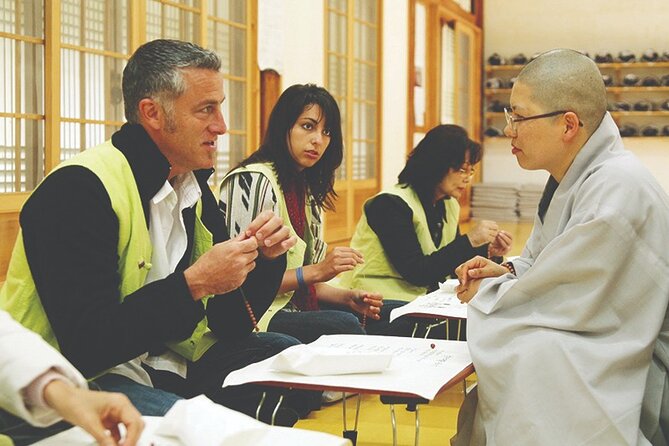
- A quiet temple stop: Baekyangsa includes a tea conversation with a Buddhist monk.
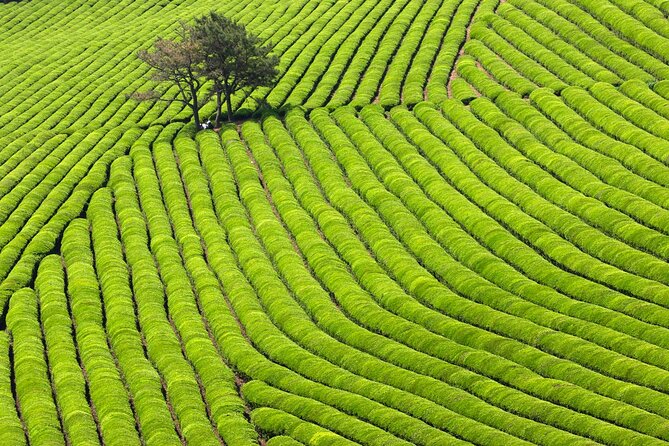
- Nature with a different feel: Boseong offers tea fields, while Suncheon gives you broad coastal wetlands and bird habitat.
- A no-shopping promise: Your time is built around sights, meals, local culture, and scheduled activities.
- Easy long-distance return: On smaller groups of nine or fewer, KTX tickets are provided for the trip from Busan to Seoul.
Why this western Korea route works
This is not a Seoul highlights tour. It is a moving trip through the southwest, ending in Busan before you return to Seoul by train. You see places that can be awkward to connect on your own, especially Gongju, Boseong, Suncheon, and Baekyangsa.
The tour includes three nights of accommodation, four lunches, three dinners, and three breakfasts. That matters here. Your days are full, and arranging every meal or hotel along a cross-country route can quickly become tiring. The all-inclusive structure gives you a fixed plan and fewer small decisions.
The price is $1,200 per person. That is not a bargain-basement tour, but it covers hotels, transport during the tour, admissions, taxes, a professional English-speaking guide or driver-guide, and ten scheduled meals. You are also paying for the route design and for access to several places that would require careful planning by public transport.
You still need to budget for insurance, personal purchases, drinks, tips, laundry, telephone charges, and similar costs. The first-day hotel pickup and final drop-off are not included either. Read the meeting instructions closely, since the information gives AMID Hotel Seoul as the start point and also identifies Center Mark Hotel in Insadong as the pickup point. Confirm the exact address before departure.
More multi-day trips from Seoul:
- Discover Eastern Korea in 4days: All-Inclusive Experience
★ 4.5 · 16 reviews - Jeonju & Yeosu: 4-Day Foodie & Artist Journey
★ 5.0 · 3 reviews
Day 1: Gongju’s fortress and royal tombs
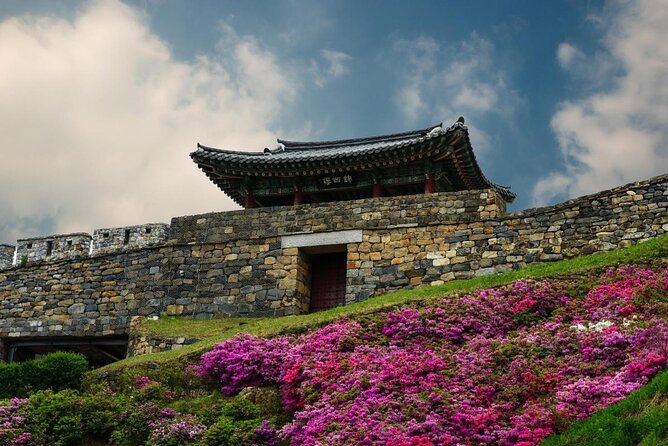
The first morning begins at 8:00 a.m. and heads to Gongju, an important former capital of the Baekje kingdom. The day opens at Gongsanseong Fortress, a UNESCO World Heritage Site since 2015.
Allow about 90 minutes here. The fortress sits on a hill, so expect some walking and uneven ground. The reward is a broad sense of how the old defensive site fits into the surrounding area. This is not a quick photo stop. You have time to walk, look at the walls, and hear how the site relates to Baekje history.
Next comes the Songsan-ri Tombs and the Royal Tomb of King Muryeong. The burial style is especially notable for its brick construction, and artifacts from the tomb show the skill and ceremony connected with royal burials. Another 90 minutes gives you enough time to take in the displays without rushing from one object to the next.
The day finishes at Gongju National Museum, which holds around 10,000 cultural objects. The collection includes royal items, gilt-bronze ornaments, and pieces found in King Muryeong’s tomb. This museum visit is useful because it gives context to the sites you have just seen. After looking at the tomb itself, you can see the objects that explain its importance.
The first day is history-heavy. If ancient sites and museum displays are not your main interest, it may feel dense. For anyone curious about Korea before the Joseon period, though, the order works well: fortress first, tombs next, then museum.
Day 2: Jeonju hanok streets and a temple tea
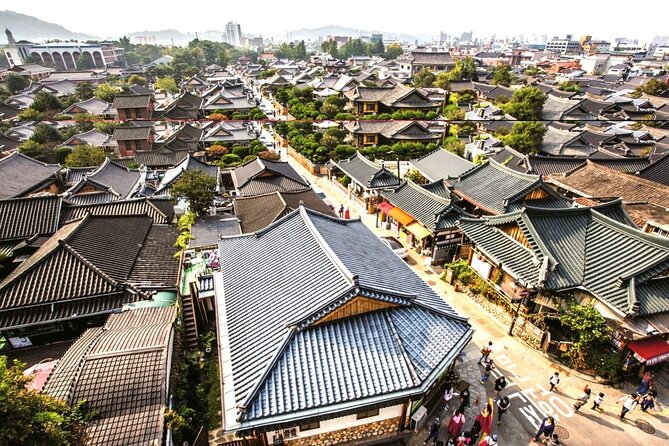
Day two moves into a very different setting. Jeonju Hanok Village contains more than 800 traditional hanok houses, with tiled roofs, narrow lanes, and a slower street rhythm than modern Seoul.
You begin at Gyeonggijeon Shrine, an important Joseon-era site built in 1410. It holds a portrait of King Tae-jo, founder of the Joseon Dynasty. The shrine gives the village more depth than a simple walk through attractive old houses. You are seeing the setting where royal memory and local architecture meet.
The village portion lasts about two hours, followed by a one-hour hanbok experience at Hanboknam Jeonju Hanok Village. Wearing traditional clothing makes the old streets more fun to explore and gives you a clear cultural activity rather than another museum stop. If you take photographs, allow a little patience for changing clothes and moving through the lanes.
Gyeonggijeon is also listed as a separate one-hour visit, so the schedule gives it proper attention. The benefit is time to look closely at the shrine grounds and understand why this site matters. The possible downside is repetition: you are spending much of the morning in the same general Jeonju area, and anyone who prefers constant movement may find the day slower.
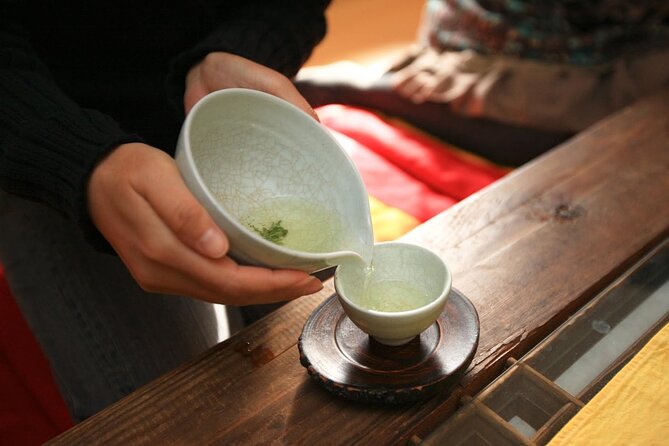
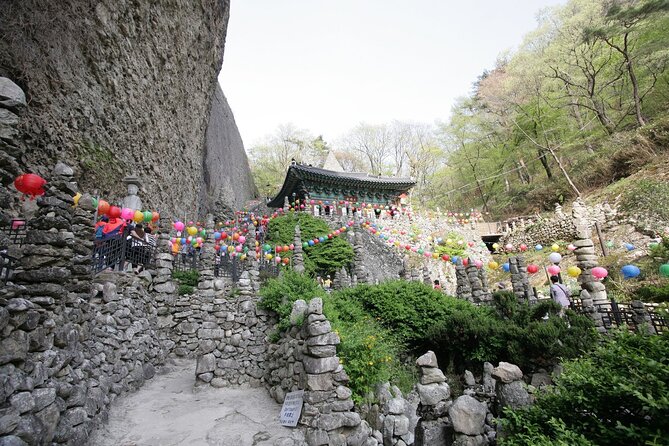
Later, the group travels to Baekyangsa Temple. The temple is known for seasonal beauty, and the program includes a tea conversation with a Buddhist monk for about two hours. This is one of the tour’s most distinctive activities. It is not just a temple photo stop. You have time for a quiet exchange and a pause after the busy streets of Jeonju.
The tea session also gives the itinerary a better balance. You have architecture and dress-up activities earlier, then a calmer encounter connected with Buddhist life. The experience depends on translation and group conditions, so you should approach it as a reflective cultural meeting, not a private lesson or extended retreat.
Day 3: Boseong tea fields and Suncheon wetlands
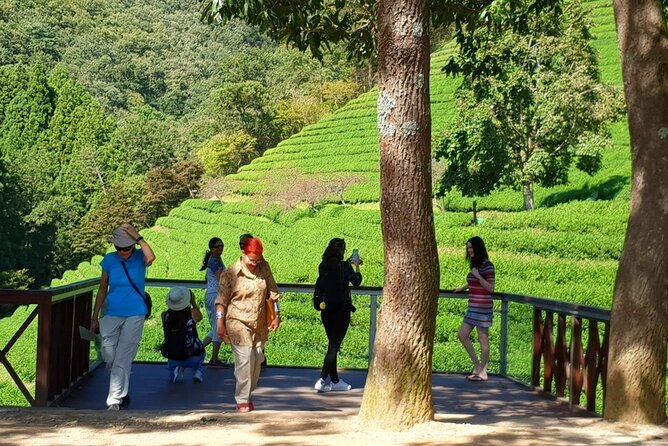
Day three brings you outdoors. At Daehan Dawon in Boseong, you walk through Korea’s largest green tea field. The visit lasts about two hours, giving you time to follow the rows of tea bushes and enjoy changing views across the planted slopes.
Boseong is a good counterpoint to the stone walls and timber buildings of the first two days. The tea fields are carefully cultivated, and the walking route offers a simple way to spend time outside. Wear shoes suitable for walking, since the program involves moving through sloping planted areas.
After lunch, the tour continues to Suncheon Bay Wetland Reserve. This is a large coastal marsh where a river meets the sea, with habitat for more than 250 species. The reserve is listed among the world’s five major wetlands, so this is more than a scenic stop. It shows a different side of Korea, where tidal water, mudflats, plants, and birdlife shape the setting.
You have about two hours at Suncheon Bay. That is enough for a meaningful walk, but not enough to explore every part of a large reserve. Bring protection from the sun or rain according to the forecast, and expect the weather to affect how enjoyable the outdoor portion feels.
This day may be the tour’s best choice for anyone who wants scenery without giving up cultural context. Boseong connects agriculture with Korean daily life, while Suncheon shows the importance of protected coastal habitat. The tradeoff is simple: much of the day is outside, and poor weather can reduce the pleasure of both stops.
A different kind of day out around Seoul:
- Best DMZ Tour Korea from Seoul (Red Suspension Bridge Optional)
★ 5.0 · 41,422 reviews - DMZ Tour: 3rd Tunnel, Option(Suspension Bridge, Boat) from Seoul
★ 5.0 · 21,373 reviews - DMZ tour south Korea from Seoul (NK experience hall, defector)
★ 5.0 · 20,599 reviews - Seoul: DMZ Tour with Optional Suspension Bridge
★ 4.8 · 5,277 reviews
Day 4: Busan’s Korean War memorial and the ride north
The final scheduled visit is the UN Memorial Cemetery in Busan. About 2,300 graves are arranged by nation, honoring UN soldiers who died during the Korean War.
Plan for a quiet, respectful visit of roughly 90 minutes. This stop is different from the royal sites and rural scenery. It connects Korea’s past with the international conflict that shaped the modern country. The cemetery is not an entertainment stop, and the schedule gives you enough time to walk through the grounds thoughtfully.
After the visit, the guide drops you at Busan Station. For groups of nine or fewer, KTX tickets are provided. The estimated train runs from Busan Station at 2:31 p.m. and arrives at Seoul Station at 5:14 p.m. You arrange your own transportation onward from Seoul Station.
That final train is a practical touch. A long coach ride back to Seoul would make the last day exhausting, while the KTX gives you a faster and more comfortable return. The route ends at Seoul Station rather than at your hotel, so do not assume door-to-door service after arrival.
Meals, hotels, and the no-shopping promise
The tour includes three hotel nights, but the supplied details do not name the properties. You should ask for the hotel names before booking if room location, bed type, or neighborhood matters to you.
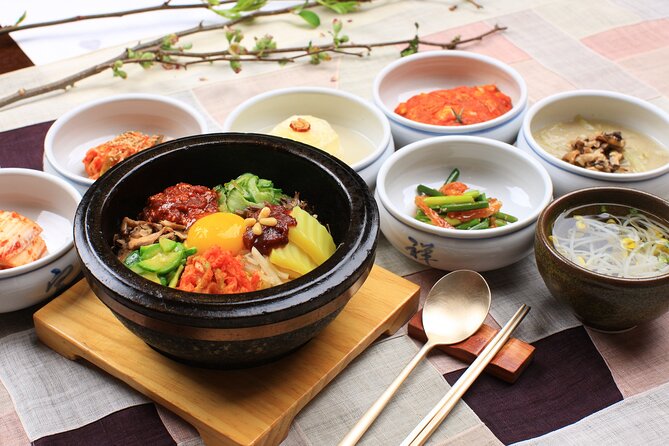
The meals are part of the value. Four lunches, three dinners, and three breakfasts are covered, and the program emphasizes different kinds of traditional Korean food. A previous booking specifically praised the clean hotels, well-planned restaurant choices, and food quality. Guide Jay was also singled out for being caring, which suggests that guide support is an important part of the experience.
Still, meal inclusion does not mean unlimited choice. You follow the group’s restaurant plan, and dietary needs should be raised before departure. Drinks and personal extras are not included.
The promise of no shopping is a major advantage for some people. You do not lose scheduled sightseeing time to compulsory retail stops. It also makes the tour easier to compare with cheaper packages that advertise low prices but depend on sales visits.
Transport, group size, and daily effort
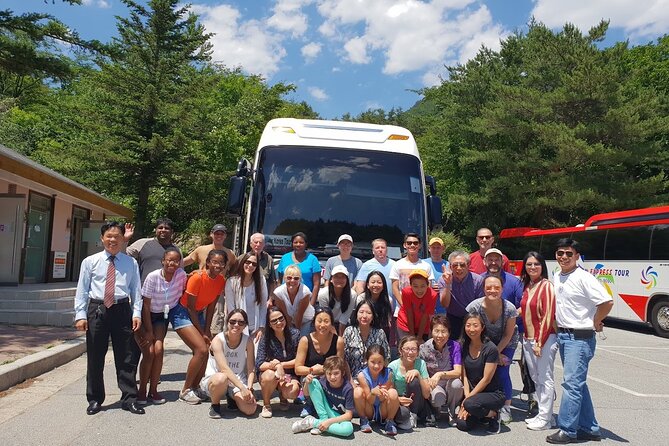
The vehicle is air-conditioned and changes according to group size. The tour can carry up to 35 people, so the experience may range from a small group with a driver-guide to a larger coach. Groups of nine or fewer receive KTX tickets for the return, while larger groups may have different transport arrangements.
You should expect a moderate physical fitness level. The itinerary includes a hillside fortress, walking in a traditional village, temple grounds, tea fields, and wetlands. None is described as an extreme hike, but four consecutive days of sightseeing can leave you tired.
The 8:00 a.m. start is another practical point. You gain more sightseeing time, but this is not a sleep-in holiday. The route covers a lot of ground, and road travel takes up part of the day. If you prefer independent wandering, spontaneous cafe stops, or long stays at one attraction, this schedule may feel too fixed.
On the other hand, the structure suits you if you want someone else to handle the route, admissions, hotels, meals, and regional transport. It is also designed for a wide age range, from young children to people over 80, provided each person can manage moderate walking and full sightseeing days.
Who should book this tour?
I would choose this tour if you want western Korea in one organized sweep and value cultural range over free time. It suits first-time visitors who want more than Seoul, families who prefer one planned package, and older travelers who appreciate included transport and meals.
It is especially strong for you if these sound appealing:
- UNESCO heritage and royal burial sites
- Traditional Korean architecture and hanbok
- A Buddhist temple tea conversation
- Tea-growing countryside and coastal wetlands
- Korean War history
- A firm no-shopping schedule
I would hesitate if you want luxury hotels with named properties, a slow itinerary, nightlife, or a detailed Busan city tour. Busan receives only the UN Memorial Cemetery visit before the trip north, so this is not a substitute for a full Busan stay.
Should you book it?
Book this four-day trip if you want a well-organized introduction to western Korea, with meals, hotels, admissions, and regional transport bundled into one price. The best parts are the strong variety, the no-shopping policy, the tea meeting at Baekyangsa, and the thoughtful move from Busan to Seoul by KTX.
Skip it if you dislike early starts, group schedules, or long transfers. Before paying, confirm the hotel names, exact first-day meeting address, group size, meal arrangements, and final transport plan. Cancellation is flexible only if you act early: a full refund requires cancellation at least six full days before the start, while cancellations less than two full days before departure receive no refund. Poor weather can also lead to a new date or full refund.
FAQ
Where does the tour start?
The stated start time is 8:00 a.m. in Seoul. The meeting information identifies AMID Hotel Seoul in Insadong, while the pickup information names Center Mark Hotel in Insadong, so confirm the exact departure point with Hanatour ITC.
Where does the tour end?
The scheduled return is Seoul Station. After arriving there, you arrange your own transportation to your final destination.
Is transportation between destinations included?
Yes. An air-conditioned vehicle is included during the tour, with the vehicle type based on group size. For groups of nine or fewer, KTX tickets are provided for the return from Busan to Seoul.
Are hotels included?
Yes. The package includes three nights of accommodation. The specific hotel names are not provided in the tour details.
Are meals included?
Yes. The tour includes three breakfasts, four lunches, and three dinners. Drinks and personal food expenses are not included.
Is a guide included?
Yes. A professional English-speaking guide or driver-guide is included. Jay is one guide associated with the experience.
How large can the group be?
The maximum group size is 35 people. Groups of nine or fewer receive KTX tickets for the return journey.
What is the cancellation policy?
You can receive a full refund if you cancel at least six full days before the start time. Cancellations made two to six full days before the start may receive a 50 percent refund, while cancellations less than two full days before the start are nonrefundable. Poor weather may result in a different date or a full refund.
Just added around Seoul
- Your Personal Seoul Photographer!★ 4.1 · 15 reviews
- From Seoul: Hwacheon Ice Fishing and Lighting Festival Tour★ 4.5 · 4 reviews
- You’re Invited to Our Home in Seoul: The Only Cooking Class!★ 5.0 · 8 reviews
- Seoul: Gangneung BTS K-Pop & K-Drama Filming Locations Tour★ 4.6 · 14 reviews
- Unique Native Experience : Han River Picnic, Board game, BBQ★ 5.0 · 3 reviews
- 2-Hour Private Kayaking and Paddleboarding Experience in Hanriver★ 5.0 · 3 reviews
- Yun Korean Cooking Class in Seoul★ 5.0 · 6 reviews
- Day Trip to Yongin Daejanggeum and Korean Folk Village from Seoul★ 4.0 · 9 reviews