
Reviewed · SEOUL DMZ TOURS
Half-Day South Korea DMZ Small-Group Tour from Seoul
The DMZ is not a theme park attraction. It is a heavily guarded border where the Korean War’s unresolved division becomes plain to see. From Seoul, this half-day trip takes you to Imjingak, Freedom Bridge, the 3rd Tunnel, and Dora Observatory, where you may look across to North Korea.
I like the efficient route and the mix of memorials, military history, and actual border views. I also like having an English-speaking guide and transport handled for you, especially on a route where access rules can change. The main drawback is that entry is tightly controlled: your original passport is mandatory, and some stops may be restricted by current political or security conditions.
Key points to know before you book
- Your original passport is required: A copy or passport photo will not get you into the DMZ area.
- The 3rd Tunnel is the most physical stop: The passage is about 2 meters high and 2 meters wide, so expect a confined walk.
- Dora Observatory offers the clearest North Korea view: You may see Gaeseong, Songaksan, and other locations across the border.
- This is a compact six-and-a-half-hour outing: The 8:00 a.m. start leaves your afternoon free in Seoul.
- The listed price is $500 per group of up to four: That can be good value for a small party, but confirm the final group setup because the maximum group size is also listed as 10.
- Henry Park receives repeated praise: If he is assigned to your outing, expect a friendly guide who is attentive to timing, questions, and practical help.
Why the DMZ feels different from a normal day trip
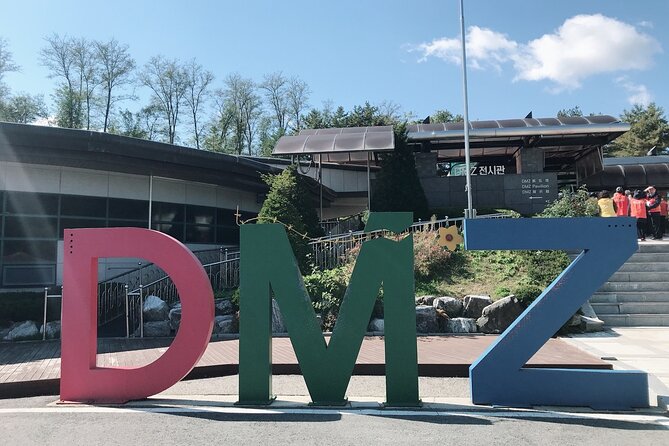
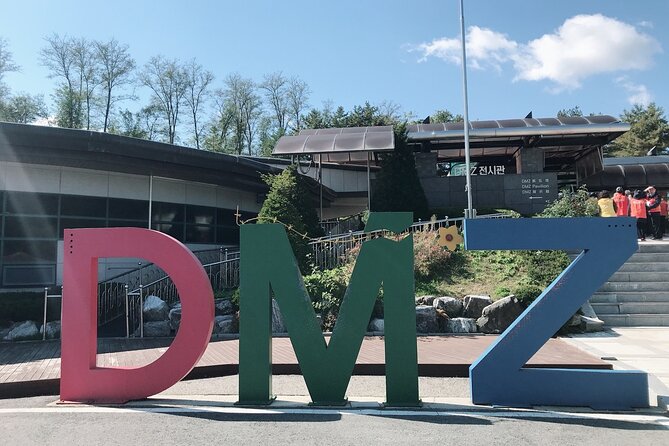
The DMZ, or Demilitarized Zone, is the strip separating North and South Korea. Despite its name, it is one of the most controlled borders in the world. The appeal of this tour is not simply seeing a line on a map. You are visiting places shaped by war, separation, prisoner returns, military planning, and the continuing hope of reunification.
The route also gives you several ways to understand the subject. Imjingak provides the emotional and memorial setting. The 3rd Tunnel shows the physical reality of military planning beneath the border. Dora Observatory gives you a distant view toward North Korea.
That variety matters. A tour made up only of monuments could feel abstract. A tour made up only of military sites could feel narrow. Here, the stops work together, although the exact access and viewing conditions can change.
The group is advertised at a maximum of 10 people, while the price is stated as $500 per group of up to four. I would clarify the group arrangement before paying, particularly if you are traveling alone or with a larger party. For four people, the cost works out to $125 each. That is a substantial price, but it includes transport, an English-speaking guide, entrance fees, and a route that is difficult to arrange casually on your own.
More DMZ tours in Seoul:
- Best DMZ Tour Korea from Seoul (Red Suspension Bridge Optional)
★ 5.0 · 41,422 reviews - DMZ Tour: 3rd Tunnel, Option(Suspension Bridge, Boat) from Seoul
★ 5.0 · 21,373 reviews - DMZ tour south Korea from Seoul (NK experience hall, defector)
★ 5.0 · 20,599 reviews
Imjingak Pyeonghoa-Nuri Park sets the tone
Your first major stop is Imjingak Pyeonghoa-Nuri Park, about 7 kilometers from the Military Demarcation Line. You have about 45 minutes here, with admission included.
Imjingak was built in 1972 in the hope that reunification might one day become possible. Its statues and monuments focus on the Korean War and the families divided by the border. This is the place to begin with the human cost of separation before moving on to tunnels and observation points.
I like the fact that this stop comes early. It gives your guide a chance to explain the conflict and the meaning of the area before you reach the more restricted sites. The park also gives you a little room to walk around rather than spending the entire morning inside a vehicle or under strict instructions.
Do not expect an amusement park atmosphere or a long, leisurely museum visit. Forty-five minutes is enough for the main memorial areas, but not for a slow examination of every monument. Keep your attention on the symbols, the memorial setting, and the larger story of families divided for generations.
Freedom Bridge carries a simple but powerful story
The next stop is Freedom Bridge in Paju, with about 20 minutes to look around. Admission is free.
The bridge itself is not architecturally grand. It was built for temporary use, and its importance comes from what happened there. South Koreans returned through the bridge, giving it a name tied to freedom and homecoming.
This is a short stop, so you will not have time for a long walk or an extensive site visit. That is not a serious flaw. Its value comes from the explanation and the connection to the war’s aftermath. A good guide can turn a plain structure into a meaningful historical place, and Henry Park is repeatedly praised for clear explanations, friendly service, and careful timing.
If Henry is your guide, you can expect a personable style rather than a stiff lecture. The comments about him also point to useful practical help beyond formal commentary, including food suggestions and assistance with plans in Seoul. The tour does not promise Henry specifically, so treat him as a possible guide, not a guaranteed feature.
The 3rd Tunnel makes the border physical
The 3rd Tunnel is likely to be the most memorable stop for many people. South Korean forces discovered it in 1978. It measures about 1,635 meters long, about 2 meters wide, and about 2 meters high, and it is located roughly 52 kilometers from Seoul.
The tunnel was built for military purposes and is estimated to have been capable of moving about 30,000 soldiers. That number helps explain why the site matters. You are not just looking at an old passage. You are seeing evidence of how seriously the possibility of conflict was planned.
The visit lasts about 45 minutes, and admission is listed as free. The practical issue is the size. At about 2 meters high and 2 meters wide, the passage may feel tight, especially if you are tall or do not like enclosed spaces. The supplied details do not specify the exact walking distance open to the public, so do not assume you will cover the full 1,635 meters.
Wear comfortable shoes and allow yourself time to move carefully. The tour is called a small-group experience, but the site itself may feel more regulated than a standard sightseeing stop. Follow instructions closely, and do not expect the easy pace of a city walking tour.
This stop also gives the trip a useful physical dimension. At Imjingak, separation is represented through memorials. In the tunnel, it is built into the ground beneath your feet.
More half-day trips in Seoul:
- Half-Day DMZ Tour Led by a Retired Military Officer from Seoul
★ 5.0 · 1,774 reviews - Seoul: Half-Day DMZ Tour Led by a Retired Military Officer
★ 4.9 · 1,399 reviews - Korean Folk Village Half-day Guided Tour from Seoul
★ 5.0 · 13 reviews
Dora Observatory gives you a controlled view north
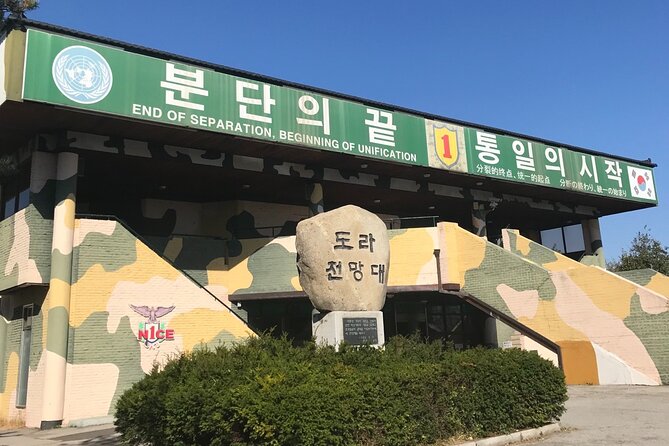
At Dora Observatory, you have about 45 minutes, with admission included. The observatory opened to the public in 1987 and offers views toward North Korea, including Gaeseong, Songaksan, and the Kim Il-Sung statue area.
This is the moment many people anticipate, but keep your expectations sensible. You are looking across a controlled border from a designated viewpoint, not entering North Korea or exploring a town at close range. Visibility and access can vary, and current political conditions may limit what you can see.
A guide makes a real difference here. Without context, a distant view of fields, hills, or buildings can be hard to interpret. With an explanation of the locations and the border, the view becomes more meaningful.
Bring patience as well as your camera. The experience is less about collecting a perfect photograph and more about taking in the oddness of seeing another country so near yet so difficult to reach. Security rules and viewing procedures may also affect how long you can spend at particular points.
One important warning comes from the tour conditions: not everything may be available on every departure. The political situation can affect access, so book this trip for the chance to see the DMZ, not with a guarantee that every expected view will be open.
The Seoul return adds a commercial finish
The final listed stops are in Seoul: a Ginseng Museum and a duty-free shop, together taking about 30 minutes.
At the Ginseng Museum, you can learn about the plant’s history, different types, and commonly described effects. This is a short educational stop, but it may feel less connected to the serious tone of the DMZ. Some people will appreciate the introduction to a major Korean product. Others may prefer to return directly to central Seoul after the border visit.
The duty-free shop offers the chance to buy luxury fashion brands and other goods. Again, this is practical rather than profound. If you have no interest in shopping, it is worth knowing that the tour does not end immediately after Dora Observatory.
These stops may help fill the return schedule, and they can be useful if you want to browse Korean products. Still, they are the least distinctive part of the outing. The real value lies in the border sites, the guide’s explanations, and the transportation between them.
Timing, transport, and group size
The tour begins at 8:00 a.m. and ends back in Seoul after about 6 hours and 30 minutes. The listed end point is Seoul City Hall, at 110 Sejong-daero in Jung District, near City Hall Station on Subway Line 1.
That location is convenient if you are staying in central Seoul or plan to continue sightseeing nearby. The tour includes all transportation, so you do not need to work out the route to the DMZ or manage transfers between distant stops.
The early start is useful for two reasons. It gives you a better chance of fitting in the required sites before the day gets away from you, and it leaves part of the afternoon for Seoul. The tradeoff is simple: this is not a late-rising excursion.
A small group can make the morning more comfortable than a large coach outing. The stated maximum is 10 people, although the price is based on a group of up to four. Ask for clarification if your booking party does not fit neatly into those figures. The tour includes fees and taxes, guide service, and transport, but not lunch, accommodation, or personal expenses.
What the price means for your party
At $500 per group of up to four, this is priced as a private or very small-group experience rather than a budget bus tour. For four people, the cost is $125 per person. For two people, the effective price becomes $250 each, and for a solo visitor it is a costly way to reach the DMZ.
The value improves if you place a high price on convenience. You get a planned route, transport from Seoul, an English-speaking guide, and included entrance fees. You also avoid having to coordinate a sensitive border-area visit on your own.
I would choose this option for a family, two couples, or a small group that wants a direct and guided experience. If you are traveling alone and watching your budget, compare the cost carefully with other DMZ options before booking.
The repeated praise for Henry Park focuses on warmth, professionalism, practical assistance, and time management. Those qualities matter here because the morning has several timed stops and access can depend on current conditions. Still, the assigned guide is not guaranteed to be Henry, so base your decision on the tour structure rather than on one particular person.
Passport rules and booking cautions
You must bring your original passport. A photocopy, scan, or photo on your phone is not accepted. This is the single most important practical rule for the day.
DMZ entrance tickets are limited and sold on a first-come, first-served basis. Booking about one month ahead is suggested, although last-minute bookings may appear at random times. Confirmation is sent within 48 hours of booking, subject to availability.
The experience is non-refundable and cannot be changed for any reason after booking. If poor weather forces cancellation, you are offered another date or a full refund. Since weather can affect the observatory and the overall route, keep this in mind before choosing a date.
Most people can participate, but the tunnel’s confined dimensions may be uncomfortable for some. The tour details do not provide a specific accessibility statement, so ask the operator directly if you need mobility or other assistance.
Who should book this DMZ tour?
I would recommend it to you if you want a focused first visit to the DMZ and prefer to have transport and border-area logistics handled. It suits people who value context, want an English-speaking guide, and are comfortable with a firm morning schedule.
It is also a good fit for a small party that can share the $500 group cost. The combination of memorials, a military tunnel, and a viewing platform gives you more substance than a quick photo stop.
I would hesitate if you dislike confined spaces, have no interest in military history, or want a relaxed morning with no fixed schedule. I would also avoid booking on the assumption that every viewing area will be open. Conditions at the border can change.
If you do book, bring your original passport, wear practical shoes, keep lunch money available, and confirm the group pricing. Then expect a serious, tightly organized look at one of the most important dividing lines in modern history.
FAQ
How long does the DMZ tour last?
The tour lasts approximately 6 hours and 30 minutes, beginning at 8:00 a.m. in Seoul and returning to Seoul.
Where does the tour start?
The tour starts in Seoul. The listed end point is Seoul City Hall, at 110 Sejong-daero in Jung District, near City Hall Station on Subway Line 1.
Do I need my passport?
Yes. You must bring your original passport to enter the DMZ. A copy or photograph of your passport is not accepted.
How many people can join the tour?
The stated maximum is 10 travelers. The price is listed as $500 per group of up to four, so confirm the exact group arrangement when booking.
Is transportation included?
Yes. All transportation for the tour is included, along with an English-speaking guide and commentary.
Is lunch included?
No. Lunch is not included. Personal expenses and accommodation are also excluded.
What happens if bad weather cancels the tour?
If poor weather causes cancellation, you will be offered a different date or a full refund.
Can I cancel or change the booking?
This experience is non-refundable and cannot be changed for any reason. If you cancel or request an amendment, the amount paid will not be refunded.
Just added around Seoul
- Your Personal Seoul Photographer!★ 4.1 · 15 reviews
- From Seoul: Hwacheon Ice Fishing and Lighting Festival Tour★ 4.5 · 4 reviews
- You’re Invited to Our Home in Seoul: The Only Cooking Class!★ 5.0 · 8 reviews
- Seoul: Gangneung BTS K-Pop & K-Drama Filming Locations Tour★ 4.6 · 14 reviews
- Unique Native Experience : Han River Picnic, Board game, BBQ★ 5.0 · 3 reviews
- 2-Hour Private Kayaking and Paddleboarding Experience in Hanriver★ 5.0 · 3 reviews
- Yun Korean Cooking Class in Seoul★ 5.0 · 6 reviews
- Day Trip to Yongin Daejanggeum and Korean Folk Village from Seoul★ 4.0 · 9 reviews
Seoul DMZ Tours, compared.
Best DMZ Tour Korea from Seoul (Red Suspension Bridge Optional)
Read our review →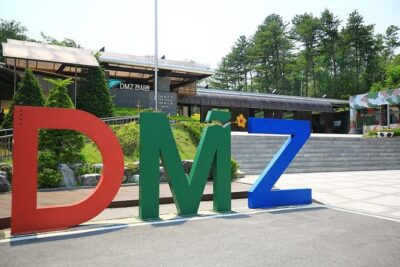
DMZ Tour: 3rd Tunnel, Option(Suspension Bridge, Boat) from Seoul
Read our review →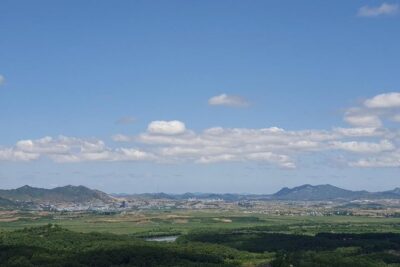
DMZ tour south Korea from Seoul (NK experience hall, defector)
Read our review →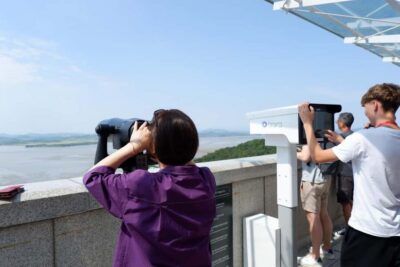

Signature DMZ Tour: Exclusive Defector Talk & Suspension Bridge
Read our review →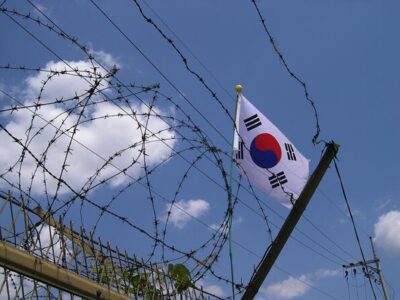
Thrilling Korean DMZ 3rd Tunnel Tour from Seoul + Red Bridge Rush
Read our review →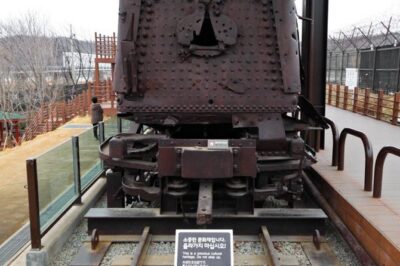
DMZ Past and Present: Korean Demilitarized Zone Tour from Seoul
Read our review →
Ultimate Korea DMZ Tour from Seoul (Gondola & Suspension Bridge)
Read our review →Browse the lists this tour appears in