
Reviewed · SEOUL DMZ TOURS
Seoul: Half-Day DMZ Tour Led by a Retired Military Officer
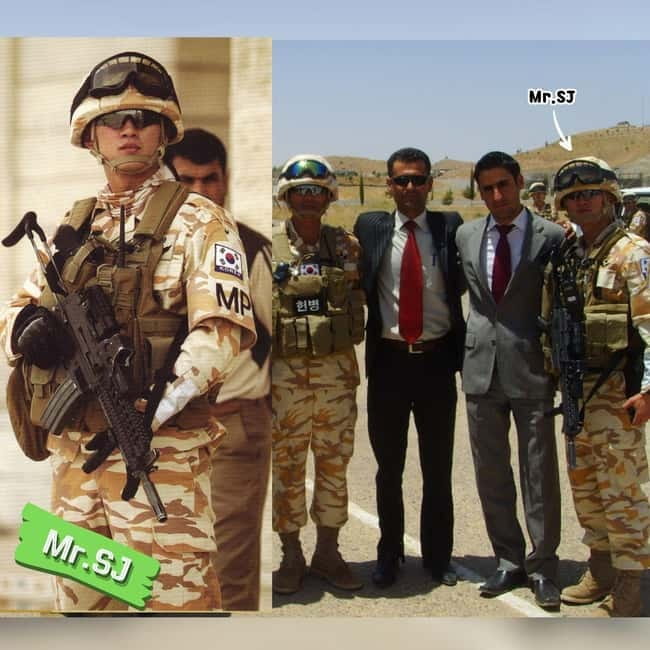
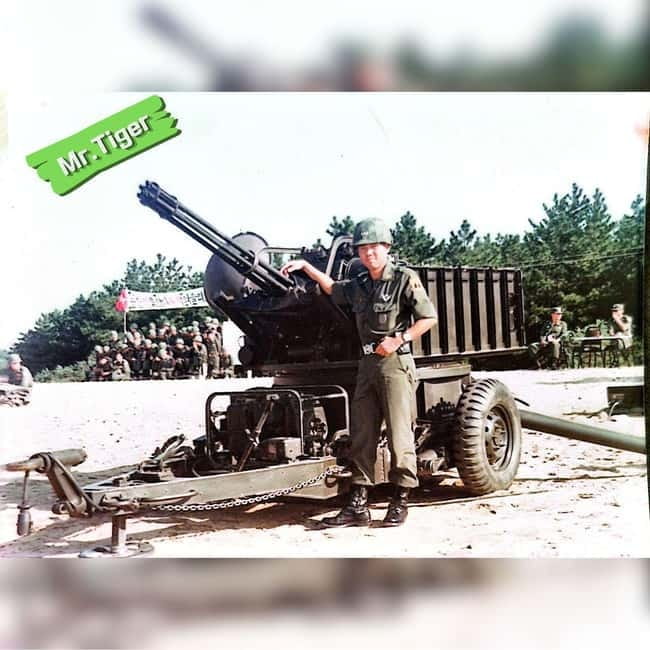
The most unusual part of this DMZ tour is the guide. You may be led by SJ, a Special Forces major and Iraq veteran; Tiger, a former artillery commander; Eddie, an infiltration-tunnel specialist; or Jason, a retired intelligence officer. Their military experience gives the history a human voice, not just a timeline from a guidebook.
I like the real-time choice of observatory, since the team checks conditions before deciding between Odusan and Dora. I also like the chance to walk through the Third Infiltration Tunnel, then hear personal stories about guard duty, separated families, and the uneasy peace along the border.
The main drawback is physical: the tunnel includes steep sections and low ceilings, and the tour is not suitable for people with mobility impairments. The DMZ can also close suddenly for military, weather, or security reasons, so this is not a sightseeing day you can fully control.
Key points to know before booking

- Your guide served in the South Korean military: SJ, Tiger, Eddie, and Jason bring firsthand service experience to the explanations.
- The observatory can change: The team chooses Odusan or Dora based on visibility and access conditions that day.
- The Third Tunnel is a workout: Expect a steep walk and crouching through much of the tunnel.
- You need your passport: Bring the original valid passport or you cannot enter the DMZ.
- The tour runs about six hours: Morning departures return to Seoul around mid-afternoon, though traffic and military access can change the timing.
- The price includes the major costs: At $57 per person, you get transport from Seoul, a guide, DMZ admission, and the tunnel visit, but not lunch or insurance.
Why a retired officer changes the DMZ experience

The Korean Demilitarized Zone is often presented through maps, dates, and photographs. Those matter, but the place makes more sense when someone who served near it explains what the lines, watch posts, tunnels, and restricted roads meant in daily life.
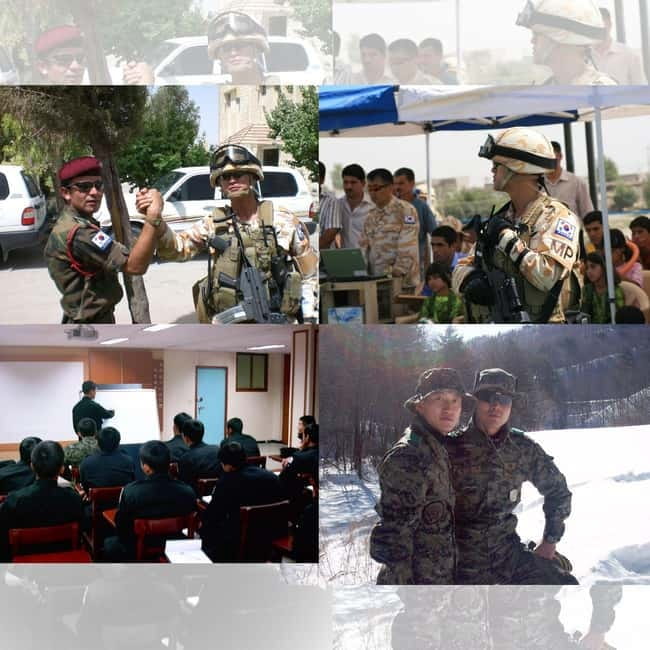
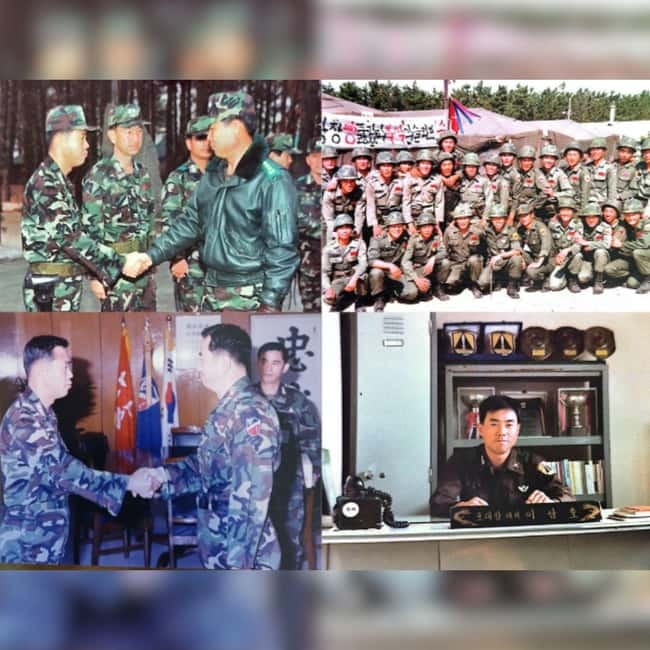
That is the idea behind this tour. The guides are not simply history teachers. They have served in different parts of South Korea’s military and security system. Eddie once led security operations connected with the Third Infiltration Tunnel. Tiger spent 20 years near the front line as an artillery commander. Jason served for 31 years in South Korean intelligence.
You may receive a different guide depending on the day. The names most closely associated with the experience are SJ, Tiger, Eddie, and Jason, though other guides, including Julie, Lucy, Cindy, and Dylan, may also lead groups. The strongest part of the guiding style is the mix of clear explanations, personal stories, and time for questions.
Eddie is especially good at keeping a coach involved during the long ride. SJ is known for detailed explanations and a friendly sense of humor. Tiger brings military history to life through his service background, while Jason tends to give the subject a calm, personal touch. You should ask questions. The guide’s own memories are often more revealing than a prepared speech.
More DMZ tours in Seoul:
- Best DMZ Tour Korea from Seoul (Red Suspension Bridge Optional)
★ 5.0 · 41,422 reviews - DMZ Tour: 3rd Tunnel, Option(Suspension Bridge, Boat) from Seoul
★ 5.0 · 21,373 reviews - DMZ tour south Korea from Seoul (NK experience hall, defector)
★ 5.0 · 20,599 reviews
The ride from Seoul into Gyeonggi Province
The tour begins at a designated meeting point in Seoul, with the exact location depending on the option you book. Round-trip transportation is included, and the drive toward the DMZ takes about an hour each way.
That ride is useful preparation. The guide can explain the Korean War, the division of the peninsula, the purpose of the DMZ, and the rules you must follow once you reach the military-controlled area. The bus also gives you time to settle in before the sightseeing begins.
This is an organized outing rather than a flexible private excursion. You ride in the group bus assigned for the DMZ visit, and everyone needs to stay on time. A passport problem, a late return to the bus, or a missing person can affect the whole group. Keep your passport secure and listen carefully when the guide explains meeting times.
The included transport adds real value to the $57 price. You do not need to work out a complicated route to the border, arrange separate admissions, or manage the day’s military access rules yourself. Lunch is not included, so plan to eat before departure or use any available snack opportunity during the day.
Choosing between Odusan and Dora Observatory
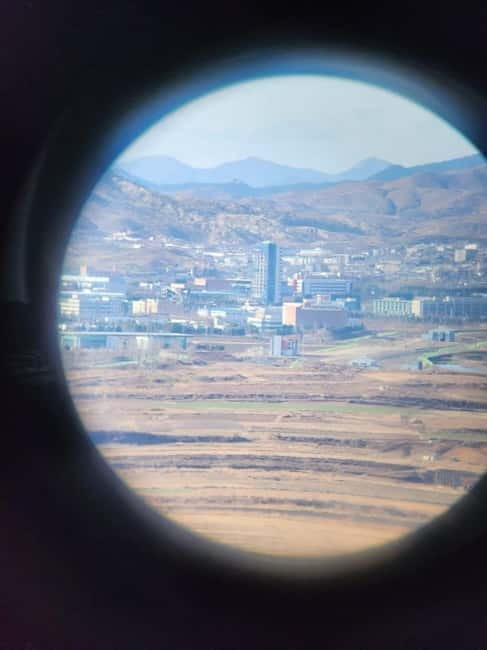
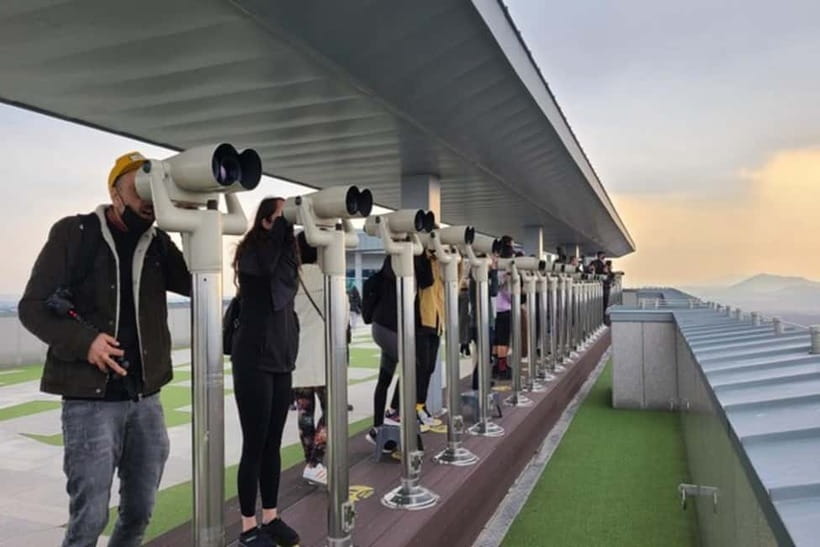
The observatory is often the emotional high point of the tour. From here, you can look across the border toward North Korea, usually with binoculars or viewing equipment available at the site. On a clear day, this turns an abstract political boundary into something you can actually see.
The tour team decides between Odusan and Dora based on current conditions, security access, and which location offers the clearest view. That flexibility is useful, since haze, cloud, weather, or military restrictions can affect what you see. It also means you should not book this expecting one fixed observatory every time.
Dora Observatory is closely associated with the DMZ area near the Third Tunnel and offers a direct vantage point toward North Korea. Odusan provides another viewing option in Gyeonggi Province. The practical point is simple: the best observatory is the one that gives you the strongest view on that particular day.
Bring patience and realistic expectations. You may see buildings, fields, roads, or movement across the border, but visibility is never guaranteed. Several people found the observatory especially memorable, while others wished for clearer weather. If you have any flexibility, a clear day will make a noticeable difference.
Walking through the Third Infiltration Tunnel
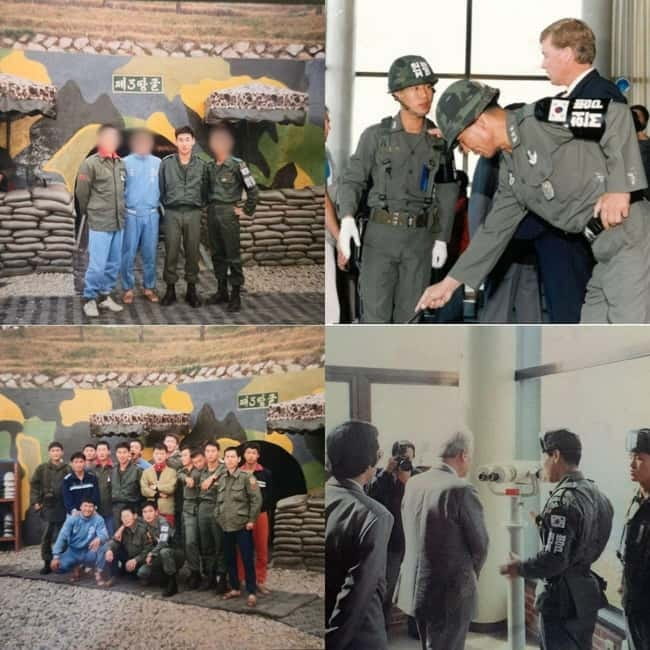
The Third Infiltration Tunnel gives the tour its most physical and unusual stop. North Korean forces built the tunnel as part of an attempted route into South Korea. It was not an escape tunnel for civilians, as some people initially assume.
You walk down into the tunnel and then back up again. Much of the route has a low ceiling, so you may need to bend or crouch for a long stretch. The walk can feel tiring, particularly on the return climb, and the cold underground conditions can make it less comfortable in winter.
Wear proper walking shoes. This is not a place for thin sandals, loose footwear, or an outfit that makes crouching difficult. The supplied information specifically advises comfortable shoes, and that advice matters more here than at any other stop.
The tunnel is valuable because it gives physical scale to the military tension. A map can show where an underground route runs. Walking through a section lets you understand the work involved and why its discovery mattered. Eddie’s experience with tunnel security adds another layer, especially when he explains how such a passage would have been treated by the military.
If steep hills, stairs, or prolonged crouching are difficult for you, consider skipping this part or choosing another way to experience the DMZ. The tour is not suitable for people with mobility impairments, and the tunnel is the clearest reason why.
More half-day trips in Seoul:
- Half-Day DMZ Tour Led by a Retired Military Officer from Seoul
★ 5.0 · 1,774 reviews - Half-Day South Korea DMZ Small-Group Tour from Seoul
★ 5.0 · 43 reviews - Korean Folk Village Half-day Guided Tour from Seoul
★ 5.0 · 13 reviews
Imjingak Park and the symbols of separation
Imjingak Park presents the more human side of the border. Instead of focusing only on military strategy, the site connects the division of Korea with families separated by war and politics.
You pass the Mangbaedan Altar, where people from families divided by the border have gathered to remember relatives they cannot visit. The site carries a quiet emotional weight. It helps explain why the Korean division is not only a matter of national security, but also a family story repeated across generations.
The Freedom Bridge is another important stop. Prisoners of war crossed it after the Korean War, and it has become a symbol of the hope for contact and reunification. You also see the preserved steam locomotive, marked by damage from the conflict. It is a striking reminder that the war affected railways, towns, families, and ordinary movement across the peninsula.
These stops are not as physically dramatic as the tunnel or as visually immediate as the observatory. Their value grows when the guide explains the people connected to them. SJ, Eddie, Tiger, and the other former officers can place the monuments within the continuing military and political story without turning the visit into a simple photo stop.
Unification Village and the living border
The tour also includes Unification Village, a community linked with life near the border. You may pass through rather than spend a long period walking around. That limited time is still useful because it shows that the DMZ is not an empty line on a map.
People live and work close to a heavily controlled military zone. The village, roads, agricultural areas, checkpoints, and restricted access all show how unusual everyday life can be in this part of South Korea. The guide’s explanation helps connect these details with the larger question of how peace is managed when the war has never formally ended.
The tour does not promise a visit to every major DMZ site. For example, the supplied schedule refers to the JSA in the context of the region’s history, but the standard experience described here is built around the observatory, Third Tunnel, Imjingak, Mangbaedan, Freedom Bridge, and Unification Village. If the JSA is essential to your plans, check the exact option before booking.
Timing, group rhythm, and what the six hours feel like
The advertised duration is six hours, usually with an early morning start and a return to Seoul around mid-afternoon. Expected drop-off times are about 2:00 to 2:30 p.m. at Hongik University Station and 2:30 to 3:00 p.m. at Myeongdong Station, though traffic, weather, and military permission can shift the schedule.
The day is full. You move between several sites, listen to explanations, walk through the tunnel, and return to the bus at fixed times. That efficient pace suits you if you want the main DMZ sights without giving up a full evening in Seoul.
It can feel rushed if you prefer long, quiet visits at each location. One stop may give you only enough time for the main view, the guide’s explanation, and a few photographs. The advantage is that you see several parts of the border in one morning rather than spending a whole day on a single site.
Some tours may run closer to seven hours, especially when traffic or military access causes delays. Treat the stated return time as an estimate, not a promise. Avoid booking an important afternoon flight, train, or timed attraction too close to the expected drop-off.
For groups of 10 or more, free hotel pickup is included. Smaller groups should check the assigned pickup point carefully, since it can vary by option. Private groups are available, and the private option can include the War Memorial of Korea in Yongsan during the afternoon. That memorial visit is not part of the standard group outing.
What the $57 price really covers
At $57 per person, this is a strong value if you want a guided introduction to the DMZ. The price includes round-trip Seoul transportation, a live English-speaking guide, DMZ admission, and the guided walk through the Third Tunnel.
The retired military guide is the main reason the cost feels worthwhile. You are paying for logistics, but also for interpretation that connects the sites with military service, surveillance, the Korean War, and the continuing division of the peninsula.
The price does not include lunch or travel insurance. You should also budget for small food or drink purchases if you need them during the day. Large luggage and bulky bags are not allowed, so leave your main suitcase at your accommodation.
A private group costs more than the basic shared experience, but it may make sense if you want a quieter format or the added War Memorial visit. For most people, the standard tour gives the better balance of price, coverage, and expert guidance.
Who should book this DMZ tour
I would choose this tour if you want history explained by someone with military service behind it. It suits first-time visitors to Seoul, families with older children, and anyone interested in the Korean War, geopolitics, divided families, or modern South Korean security.
It can work well for families because the day combines looking, walking, stories, and questions. Teenagers may find the tunnel and border views more memorable than a conventional museum visit. The family group that included children aged 13 and 15 found the subject engaging, especially because the guide used personal stories.
You should think twice if you dislike early starts, fixed group schedules, military rules, or physically demanding walks. The tour also depends on conditions beyond the operator’s control. The DMZ can close without notice, and an alternative tour may be offered without a refund.
Bring your passport, comfortable shoes, warm or weather-appropriate clothing, and only a small bag. The tunnel can be cold, and the outdoor viewing stops can be exposed to winter weather. Most important, arrive on time. The bus cannot wait indefinitely at a military access point.
Should you book it?
Book this tour if you want an efficient half-day visit with strong historical guidance and a genuine military perspective. The combination of the Third Tunnel, a possible view into North Korea, Imjingak’s family memorials, and the Freedom Bridge gives you both the strategic and human sides of the division.
I would not book it solely for a guaranteed view of North Korea or a fixed list of sites. Weather and military permission can change the plan, and the tunnel demands real effort.
For most visitors with a free morning in Seoul, the $57 price is fair and the six-hour format is practical. Bring your passport, wear sturdy shoes, ask questions, and leave room in your schedule for a late return.
FAQ
How long does the Seoul DMZ tour last?
The tour is scheduled for six hours. Morning departures generally return to Seoul around mid-afternoon, but traffic, weather, and military permission can change the timing.
Which observatory will the tour visit?
The tour may visit either Odusan Observatory or Dora Observatory. The team checks conditions and access on the day to select the location expected to offer the clearest view of North Korea.
Do I need my passport?
Yes. Every person must bring a valid passport to enter the DMZ. Without it, access is not permitted.
Is the Third Infiltration Tunnel physically difficult?
The tunnel includes a steep walk and low sections where you need to crouch. Comfortable shoes are essential, and the tour is not suitable for people with mobility impairments.
What is included in the price?
The $57 price includes the guide, round-trip transportation from Seoul, DMZ admission, and the walking tour inside the Third Infiltration Tunnel. Lunch and travel insurance are not included.
Is hotel pickup available?
Free hotel pickup is included for groups of 10 or more. Pickup and drop-off are limited to the Seoul area, and the exact meeting point depends on the option booked.
What happens if the DMZ closes?
The DMZ may close suddenly because of military, weather, or security issues. If that happens, an alternative tour will be provided, but no refund will be offered.
Just added around Seoul
- Your Personal Seoul Photographer!★ 4.1 · 15 reviews
- From Seoul: Hwacheon Ice Fishing and Lighting Festival Tour★ 4.5 · 4 reviews
- You’re Invited to Our Home in Seoul: The Only Cooking Class!★ 5.0 · 8 reviews
- Seoul: Gangneung BTS K-Pop & K-Drama Filming Locations Tour★ 4.6 · 14 reviews
- Unique Native Experience : Han River Picnic, Board game, BBQ★ 5.0 · 3 reviews
- 2-Hour Private Kayaking and Paddleboarding Experience in Hanriver★ 5.0 · 3 reviews
- Yun Korean Cooking Class in Seoul★ 5.0 · 6 reviews
- Day Trip to Yongin Daejanggeum and Korean Folk Village from Seoul★ 4.0 · 9 reviews
Seoul DMZ Tours, compared.
Best DMZ Tour Korea from Seoul (Red Suspension Bridge Optional)
Read our review →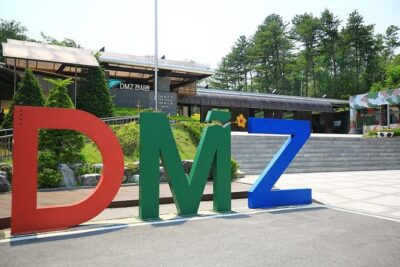
DMZ Tour: 3rd Tunnel, Option(Suspension Bridge, Boat) from Seoul
Read our review →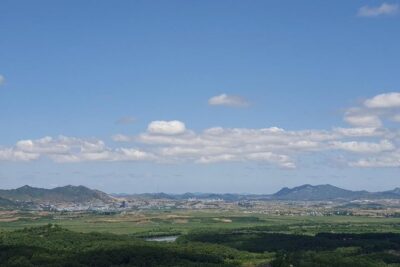
DMZ tour south Korea from Seoul (NK experience hall, defector)
Read our review →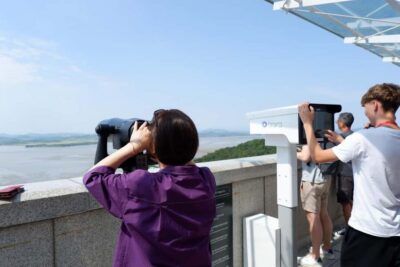

Signature DMZ Tour: Exclusive Defector Talk & Suspension Bridge
Read our review →
Thrilling Korean DMZ 3rd Tunnel Tour from Seoul + Red Bridge Rush
Read our review →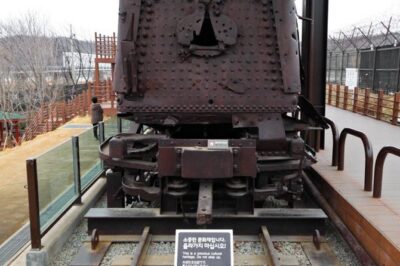
DMZ Past and Present: Korean Demilitarized Zone Tour from Seoul
Read our review →
Ultimate Korea DMZ Tour from Seoul (Gondola & Suspension Bridge)
Read our review →Browse the lists this tour appears in