
Reviewed · SEOUL TRADITIONAL MARKET TOURS
Local Home Korean Cooking Class & Market Adventure in Seoul
The best part of this Seoul experience is the way it joins three things that are often sold separately: a market walk, a hands-on cooking lesson, and a full Korean meal in a local home. You meet at Mangwon Station, learn what you are seeing and buying, then use those ingredients in dishes such as bibimbap or dakgalbi.
I especially like the chance to taste market snacks before cooking and the practical advice that helps Korean food feel manageable at home. I also like the small group limit of 10, which gives Sarah or Junghee time to help with each dish. The main consideration is the price, $91 per person, which is fair for a three-and-a-half-hour food experience but more than a simple cooking class.
Key Points at a Glance
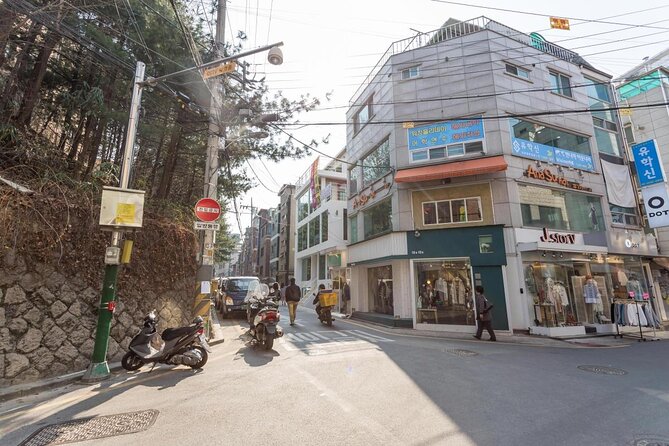
- Mangwon Market comes first: Learn the names and uses of Korean ingredients while sampling local snacks.
- Four dishes are prepared: The menu can include familiar favorites such as bibimbap and dakgalbi.
- The class takes place in a real home: You cook in a personal setting rather than a large commercial kitchen.
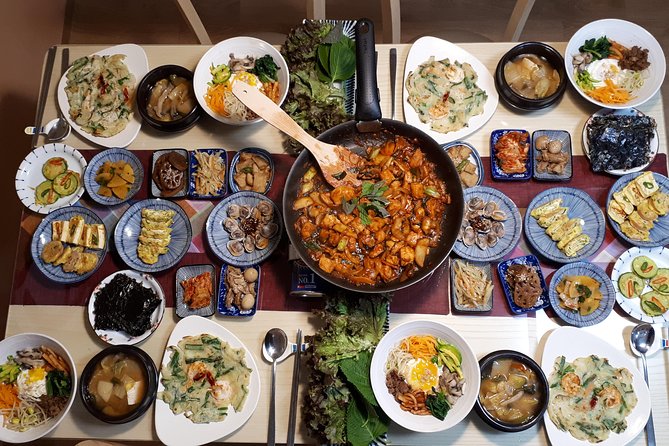
- Hanjeongsik makes the meal feel special: Your food is served with more than 10 side dishes, dessert, and makgeolli.
- The teaching is friendly and practical: Sarah and Junghee are praised for clear English, humor, Korean language tips, and useful cooking advice.
- The group stays small: A maximum of 10 people keeps the lesson social without making it impersonal.
Why This Seoul Cooking Class Works So Well
Korean food is easy to admire in a restaurant and harder to understand from the table alone. This class gives you the missing pieces: what an ingredient is called, how it appears in a market, what it is used for, and how it fits into a Korean meal.
You begin at Mangwon Station Entrance 2, at 377-20 Mangwon-dong in Mapo-gu. The activity ends at the same meeting point, so you do not need to arrange a second pickup or find your way home from an unfamiliar neighborhood.
I like this format because the cooking does not begin in isolation. You first see the market and hear about local food habits. Then, when you reach the home kitchen, the ingredients have some context. A spring onion is no longer just a green garnish, and a market snack is not just something colorful behind glass.
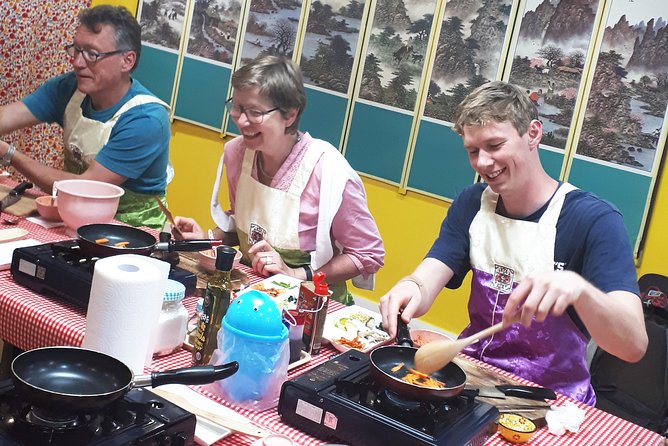
The class is also a good choice if you are not confident in the kitchen. The emphasis is on doing, not watching a chef perform from across the room. You should expect to chop, mix, season, assemble, and follow Korean methods with guidance along the way.
More Korean cooking classes in Seoul:
- Master Korean traditional cooking with a Kimchi chef
★ 5.0 · 385 reviews - Seoul: Korean Cooking Class at a Local Home and Market Tour
★ 5.0 · 348 reviews - Seoul: Korean Cooking at Seoul Cooking Club!
★ 5.0 · 311 reviews
Mangwon Market: Your First Taste of Korean Food Culture
The market visit is more than a quick walk past food stalls. Your host explains local street foods, produce, herbs, spices, and the ingredients used in Korean cooking. You may also stop for a snack, with kwabaeggi, a twisted Korean doughnut, appearing as one memorable example from the experience.
This is where the host’s personality matters. Sarah is praised for being lively and welcoming, while Junghee is described as funny, engaging, and willing to turn simple shopping tasks into small cultural lessons. The market walk can include Korean words, explanations of how foods are used, and tips on ordering or buying something yourself.
One useful detail is the comparison between spring onions and chives. Small distinctions like this can make a big difference when you try to repeat a recipe at home. You are not just memorizing ingredients. You are learning what to look for and how Korean cooks think about them.
The market also gives you a better sense of everyday Seoul. This is not a polished food hall designed only for visitors. You are walking through a working local market, with ordinary ingredients and familiar snacks arranged for neighborhood shoppers.
The limitation is that markets are active places, and a three-and-a-half-hour class cannot explain every stall or food. Treat this section as a guided introduction rather than a full market tour. It works best as preparation for the kitchen.
Cooking Four Korean Dishes by Hand
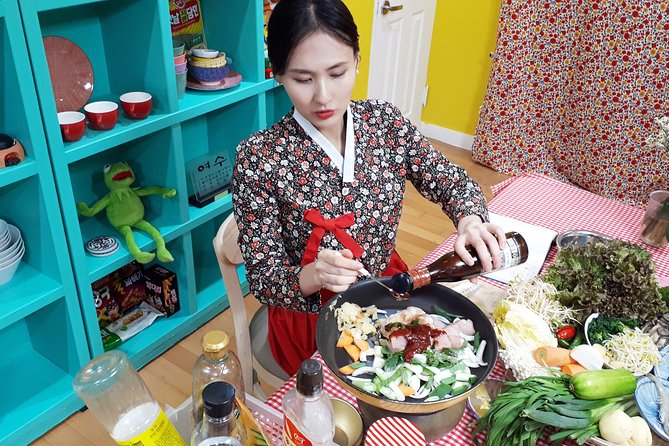
After the market, you go to your host’s home for the cooking class. The menu includes four Korean dishes, with bibimbap and dakgalbi given as examples. The exact combination may vary, so you should not book this expecting one fixed menu unless the host confirms it beforehand.
Bibimbap offers a useful lesson in balance. Rice, vegetables, seasoning, and sauce come together in one bowl, but each part still matters. Dakgalbi, a seasoned chicken dish, gives you another way to work with Korean flavors and cooking techniques.
The class is designed to be hands-on. You should expect clear instruction, repeated demonstrations, and help as you prepare the dishes. Past feedback highlights small but useful tips, simple methods, and recipes that are practical enough to try once you return home.
That makes this class different from a food tasting. At a tasting, you sample the finished result. Here, you learn how the result is built. You also get the social pleasure of making mistakes, asking questions, and seeing several dishes come together at once.
I would choose this for couples, families with older children, and friends who want an activity with conversation built in. Ages 16, 18, and 28 were all considered suitable in one family group, and younger children also enjoyed the experience according to the supplied feedback. Still, it is worth remembering that the class takes place in a home kitchen, so young children should be able to follow instructions and take part safely.
A Local Home Gives the Meal Its Character
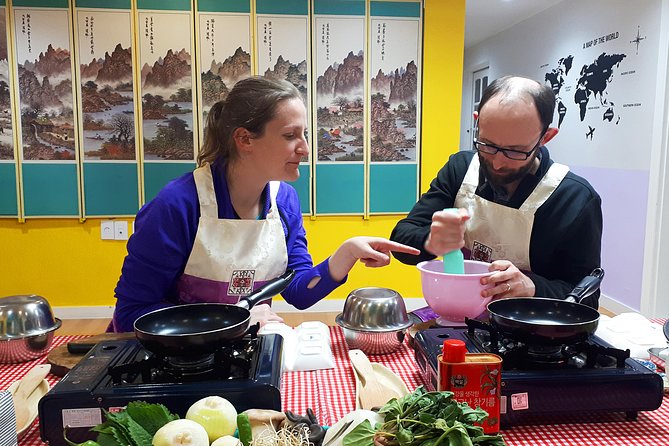
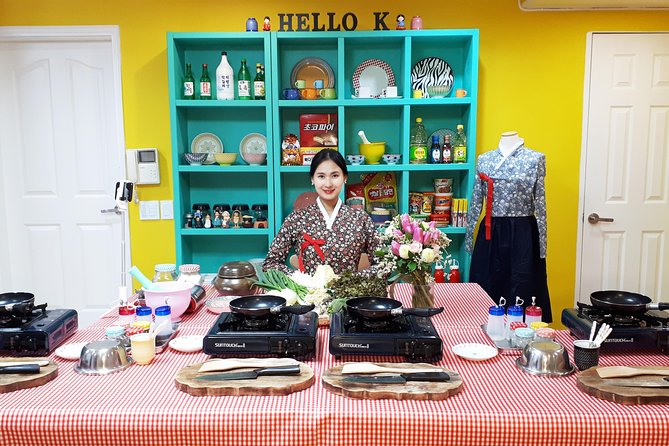
Cooking in a host’s home changes the mood. You are not simply attending a lesson in a professional studio. You are being welcomed into a personal space where food, stories, and daily life can mix.
The host’s English is described as excellent, which is important for a lesson involving ingredients, timing, and technique. Sarah and Junghee also add personal stories about Korean culture and life in Seoul. Some participants learned basic Korean phrases along the way, and the host sometimes shared restaurant suggestions for the rest of the visit.
This personal exchange is one of the strongest reasons to choose the experience. You can ask questions that do not always fit into a standard sightseeing tour: how a dish changes by region, why a certain ingredient is used, or what food might be worth trying elsewhere in Seoul.
The home setting does have a trade-off. It is likely to feel less formal than a culinary school, and the experience depends partly on the host’s energy and teaching style. Here, that is mostly a strength. Sarah and Junghee are repeatedly described as warm, funny, and easy to talk with, but people who prefer a quiet, highly structured lesson may find the social side more prominent than expected.
More traditional market tours in Seoul:
- Seoul: Gyeongbok Palace, Bukchon Village, and Gwangjang Tour
★ 4.9 · 2,321 reviews - Seoul Street Food Market Tour
★ 5.0 · 1,226 reviews - DMZ Tour Seoul to North Korea’s 3rd Tunnel & Majang Lake Crossing
★ 5.0 · 1,185 reviews - Seoul: Gyeongbok Palace, Bukchon Village, and Gwangjang Tour
★ 5.0 · 1,044 reviews
Hanjeongsik: The Meal After the Work
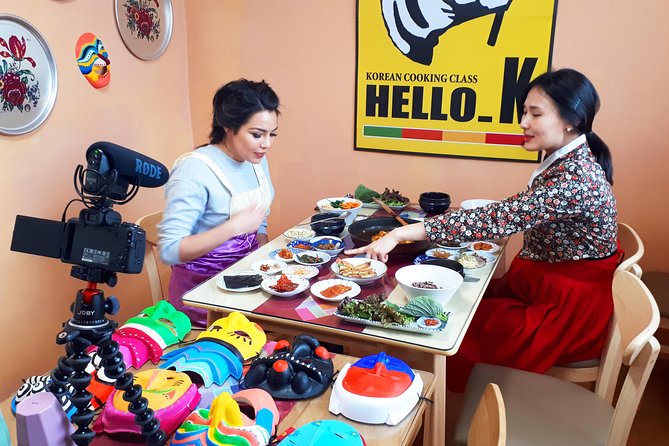
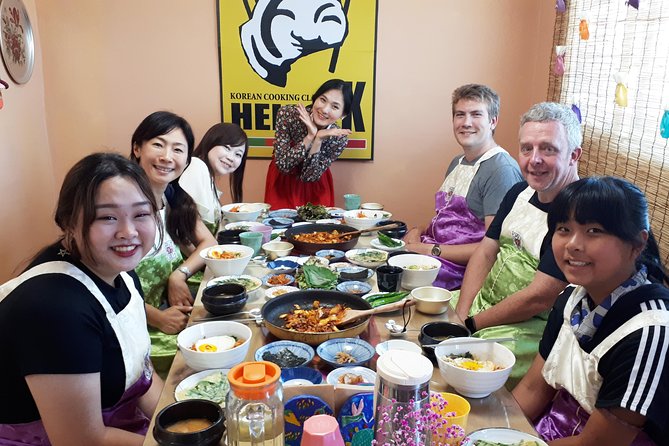
The final meal is not just a plate of the dishes you prepared. It follows the Korean tradition of Hanjeongsik, a table filled with numerous dishes served together.
Your homemade food is accompanied by more than 10 side dishes, dessert, and a glass of makgeolli, a Korean rice wine. This is valuable because Korean dining is often about the relationship between the main dish, rice, soup, pickles, vegetables, and small side dishes. You get to see that arrangement firsthand rather than ordering one item from a menu.
The meal also gives you time to slow down. After the market and the cooking, you can eat what you made and compare it with the additional dishes prepared by the host. It is a satisfying end to the activity, especially for anyone who wants a full meal rather than a small sample.
Makgeolli is included as a glass, so you should not read this as a drinking-focused activity. The main point is the meal and the chance to try a traditional Korean drink in its natural setting.
Dessert adds another pleasant finish, although the exact dessert is not specified. If you have allergies, dietary restrictions, or strong dislikes, ask about them before booking. The available information does not specify special menus or substitutions.
What the $91 Price Really Covers
At $91 per person, this is not the cheapest food activity in Seoul. A market visit alone costs less, and a short cooking demonstration may also be cheaper. The value comes from the combination of parts.
You are paying for approximately three hours and 30 minutes, a guided market visit, street food tasting, ingredients, instruction, four dishes, a full Hanjeongsik meal, more than 10 side dishes, dessert, and makgeolli. You also receive a social experience in a local home rather than simply sitting in a classroom.
I think the price makes sense if you want food to be a central part of your Seoul visit. It is less compelling if you only want a quick introduction to Korean cuisine or if you already have a packed food itinerary.
The small group size matters here. With a maximum of 10 people, the class can remain personal while still giving you the fun of meeting people from different countries. On a quieter date, you might even have a private class if no one else books, though that depends on availability and should not be expected.
Recipes and class photographs may also be provided by the host. The supplied feedback describes recipes being sent afterward and photographs shared promptly, but you should confirm what will be included for your specific booking.
Getting There and Planning Your Afternoon
The meeting point is at Mangwon Station Entrance 2. The activity is near public transportation, making the subway the sensible way to reach it. You should allow enough time to find the correct exit and arrive before the stated meeting time.
The tour starts and ends at the same meeting point. That is convenient if you want to continue exploring the Mangwon area afterward, though the experience itself does not promise additional sightseeing once the meal is finished.
Wear comfortable clothing and shoes because the program includes walking through a market before the cooking. You will also be standing and working in the kitchen, so this is not a sit-down food tour from beginning to end.
The mobile ticket is useful for a Seoul itinerary because you can keep the booking on your phone. Confirmation is provided at booking, and free cancellation is available if you cancel at least 24 hours before the start time. Cancellations made later, along with changes within that period, are not eligible for a refund.
Who Will Enjoy This Most
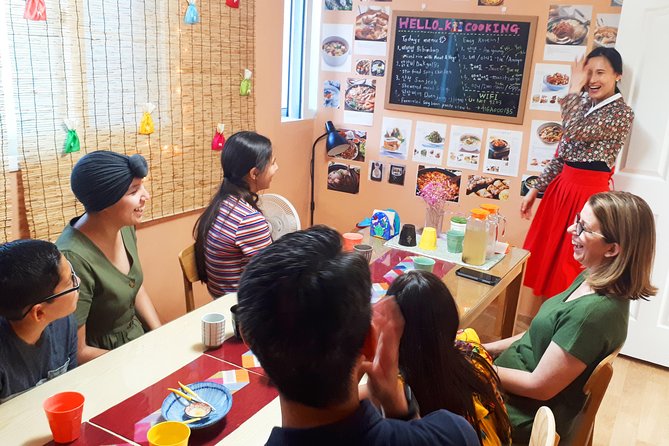
I would recommend this experience to:
- Couples who want a shared activity with a meal at the end
- Families with older children and teenagers
- First-time visitors who want a friendly introduction to Korean food
- Home cooks who want recipes and techniques to try later
- People who enjoy meeting other visitors in a small group
- Anyone who prefers local food culture over a standard restaurant meal
It is also a strong choice for a girls’ trip or a family afternoon. The class has enough structure to keep everyone involved, but enough conversation and humor to make it feel relaxed.
You may want to skip it if you dislike group activities, have very strict dietary needs, or want a precise, fixed menu confirmed in advance. The class is built around sharing food and preparing several dishes, so it may not suit a very limited diet unless the host approves arrangements beforehand.
What Makes the Host Important
A food class can be technically correct and still feel flat. Here, the host is a major part of the experience. Sarah is described as charismatic and welcoming, while Junghee is praised for humor, clear English, Korean phrases, market explanations, and stories about Korean life.
That mix helps the class feel less like a recipe lesson and more like an afternoon with a local guide who happens to cook. The host can also point you toward restaurants and food to try later, which gives the activity value beyond its scheduled hours.
The strongest praise centers on the atmosphere. People describe laughing during the lesson, feeling comfortable in the home, and enjoying the food even when they were not experienced cooks. That is a useful sign for anyone worried about keeping up.
Still, the names Sarah and Junghee appear in the experience information, so check the current host details when booking. The exact host may affect the feel of the class, even though the stated format remains the same.
Should You Book This Seoul Cooking Experience?
Book it if you want more than a meal. The market walk gives you context, the kitchen gives you practical skills, and the Hanjeongsik table shows how Korean food is meant to be shared.
At $91, it is best viewed as a half-day cultural activity rather than a basic cooking lesson. The price is justified by the food, the time, the small group limit, the market tasting, and the personal home setting.
I would place this high on the list for first-time visitors, families, couples, and anyone who likes to bring a useful memory home. If you prefer a quick class, a fixed menu, or a quiet restaurant meal, choose something simpler. For an approachable look at Korean food and daily life, this is a very good use of an afternoon in Seoul.
FAQ
Where does the Korean cooking class meet?
You meet at Mangwon Station Entrance 2, at 377-20 Mangwon-dong, Mapo-gu, Seoul, South Korea.
Where does the activity end?
The activity ends back at the meeting point.
How long does the experience last?
The experience lasts approximately 3 hours and 30 minutes.
How many people can join the class?
The class has a maximum of 10 travelers.
What dishes will I cook?
You will prepare four Korean dishes. Examples include bibimbap and dakgalbi, but the exact menu may vary.
Is a market visit included?
Yes. The experience includes a guided visit to a local market, street food tasting, and explanations of Korean ingredients, herbs, spices, and food customs.
What is included in the final meal?
You eat the dishes you prepare along with a traditional Hanjeongsik meal featuring more than 10 side dishes, dessert, and a glass of makgeolli.
Can I cancel for a full refund?
Yes. You can cancel at least 24 hours before the start time for a full refund. Cancellations or changes made less than 24 hours before the experience are not refundable.
More hands-on classes and workshops in Seoul
- Yongpyong Ski Resort from Seoul with Optional Lesson and Packages
★ 5.0 · 217 reviews - Korean Cooking Class with Grocery Shopping at Seoul Local Market
★ 5.0 · 107 reviews - Royal Seoul Cooking Class in a 100-Year-Old Hanok
★ 5.0 · 81 reviews - Seoul : Taste of Korea, Authentic Home-Style Cooking Class
★ 5.0 · 64 reviews
Just added around Seoul
- Your Personal Seoul Photographer!★ 4.1 · 15 reviews
- From Seoul: Hwacheon Ice Fishing and Lighting Festival Tour★ 4.5 · 4 reviews
- You’re Invited to Our Home in Seoul: The Only Cooking Class!★ 5.0 · 8 reviews
- Seoul: Gangneung BTS K-Pop & K-Drama Filming Locations Tour★ 4.6 · 14 reviews
- Unique Native Experience : Han River Picnic, Board game, BBQ★ 5.0 · 3 reviews
- Yun Korean Cooking Class in Seoul★ 5.0 · 6 reviews
- 2-Hour Private Kayaking and Paddleboarding Experience in Hanriver★ 5.0 · 3 reviews
- Day Trip to Yongin Daejanggeum and Korean Folk Village from Seoul★ 4.0 · 9 reviews
Seoul Traditional Market Tours, compared.

Gyeongbok Palace, Bukchon Village, and Gwangjang Tour
Read our review →

DMZ Tour Seoul to North Korea’s 3rd Tunnel & Majang Lake Crossing
Read our review →Gyeongbok Palace, Bukchon Village, and Gwangjang Tour
Read our review →
Downtown Seoul Guided Food & Market Tour with 8+ Local Tastings
Read our review →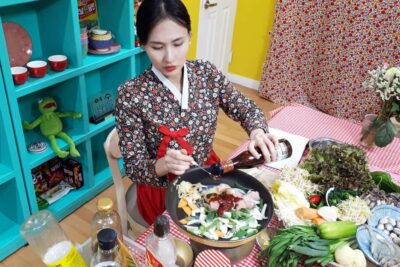
Korean Cooking Class at a Local Home and Market Tour
Read our review →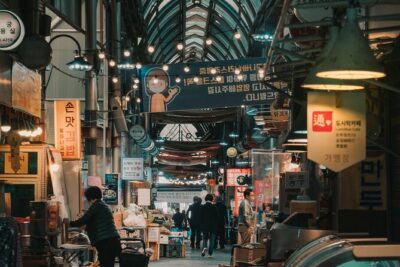
Seoul Night Palace & Market Food Tour with Vehicle
Read our review →Browse the lists this tour appears in