
Reviewed · SEOUL KOREAN COOKING CLASSES
Seoul : Taste of Korea, Authentic Home-Style Cooking Class
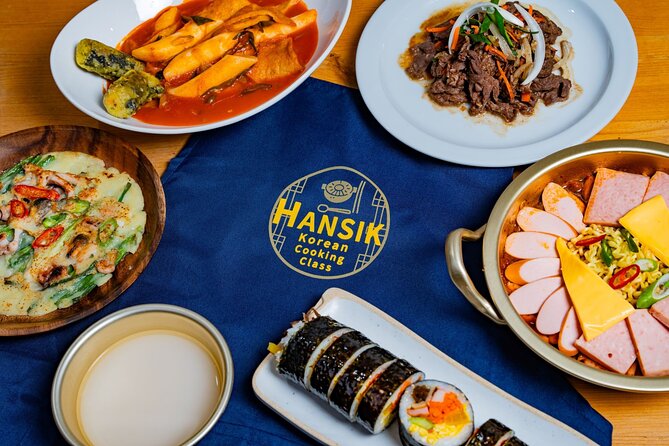
Seoul’s food culture is easiest to understand when you stop watching and start cooking. At this three-hour class near Jongno, Jennifer leads you through four familiar Korean dishes, from rolling gimbap to stirring spicy tteokbokki, while explaining the food and a little of the language and history behind it. You then sit down to a full home-style meal, with Korean tea, snacks, sikhye, makgeolli for adults, and dessert.
I like the way the class gives you real work to do at your own cooking station, rather than having you stand around while someone else prepares lunch. I also like the generous portions and the flexibility with dietary needs. The main consideration is simple: this is a lot of food in only three hours, so arrive hungry and avoid scheduling a heavy meal right beforehand.
Key points at a glance
- Four classic dishes: Prepare gimbap, tteokbokki, haemulpajeon, and budae jjigae from start to finish.
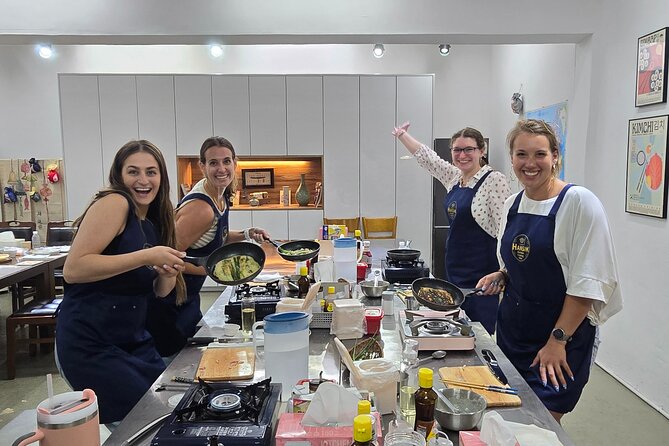
- Jennifer’s hands-on teaching: She explains each step, helps with technique, and gives you room to cook independently.
- A generous meal afterward: Tea, snacks, side dishes, sikhye, makgeolli, dessert, and leftovers may all be part of the spread.
- Useful for families: Children aged 10 and 12 have taken part successfully, with adjustments for skill level.
- Flexible food preparation: Alternative recipes can be offered for dietary restrictions and preferences.
- Small-group setting: The class is limited to 10 people and takes place at 31-5 Jahamun-ro in Seoul’s Jongno District.
Four Korean dishes in one practical class
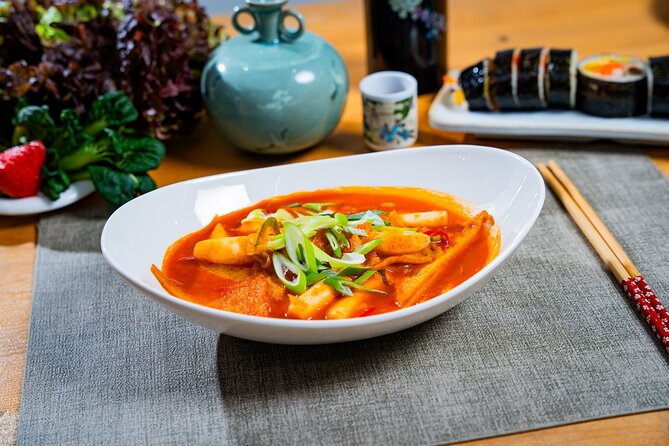
The appeal here is the range. In a single session, you work with several different styles of Korean cooking instead of focusing on one dish. Gimbap introduces rice, fillings, and careful rolling. Tteokbokki brings the sweet and spicy flavor of gochujang together with chewy rice cakes. Haemulpajeon teaches you how a savory seafood and green onion pancake comes together, while budae jjigae offers a hearty stew with a very different character.
That mix gives you a useful introduction to Korean home cooking. You are not just learning restaurant favorites. You are seeing how rice, vegetables, seafood, sauces, pancakes, and stew fit into an everyday Korean meal.
The class is described as home-style cooking, and that matters. Korean food is often presented abroad through barbecue, fried chicken, or elaborate restaurant meals. This experience points you toward the dishes you might find around a family table, served with a range of side dishes and drinks.
You prepare the food step by step. The pace appears to be active but manageable, with Jennifer demonstrating techniques and helping when you need it. You should still expect to chop, mix, cook, roll, and assemble rather than simply follow along from the sidelines.
More Korean cooking classes in Seoul:
- Local Home Korean Cooking Class & Market Adventure in Seoul
★ 5.0 · 1,024 reviews - Master Korean traditional cooking with a Kimchi chef
★ 5.0 · 385 reviews - Seoul: Korean Cooking Class at a Local Home and Market Tour
★ 5.0 · 348 reviews
Jennifer makes the kitchen feel easy to enter
Jennifer is the central figure in the class. Her teaching style combines instruction with conversation, and she also brings in food history and some Korean language. That extra context helps explain why a dish matters, not just how to reproduce it.
I especially like the balance between guidance and independence. You receive help when a technique is unfamiliar, but you also get to make the food yourself. That means your gimbap roll may not look perfect, and your pancake may need a little help, but you leave knowing more than you would after watching a cooking demonstration.
Jennifer is assisted by Ms Lee on some sessions. Together, they provide a friendly setting with attention to individual needs. The class size is capped at 10 people, which is small enough for questions and practical help without making the experience feel like a private lesson.
The atmosphere also suits people who are new to cooking. You do not need to arrive with advanced kitchen skills. The recipes are presented at a pace that allows you to follow along, and alternative recipes can be provided for dietary restrictions or preferences. It is still wise to mention your needs when booking or before the class begins, since the available substitutions may depend on the dish.
What happens during the three hours
The class begins at 31-5 Jahamun-ro in Jongno District. Morning and evening sessions are available, so you can fit the cooking into a day of sightseeing or use it as an evening activity. The meeting point is near public transportation, and the activity ends where it starts.
The opening portion sets up the meal and introduces the dishes. You can expect Jennifer to explain the ingredients and the plan before you begin cooking. This is useful because four dishes might sound like a lot, but the class is organized around clear steps rather than one long recipe.
Gimbap usually requires careful assembly, and the rolling stage is one of the most hands-on parts of the class. You learn how to bring the rice and fillings together into a neat roll, then slice it for serving. It is a practical skill you can try again at home because the finished rolls work well for packed lunches and casual meals.
Tteokbokki offers a different lesson. The rice cakes have a chewy texture, and the gochujang sauce gives the dish its familiar red color and spicy-sweet flavor. You get a chance to understand how the sauce is built and how to adjust the result to suit your preference.
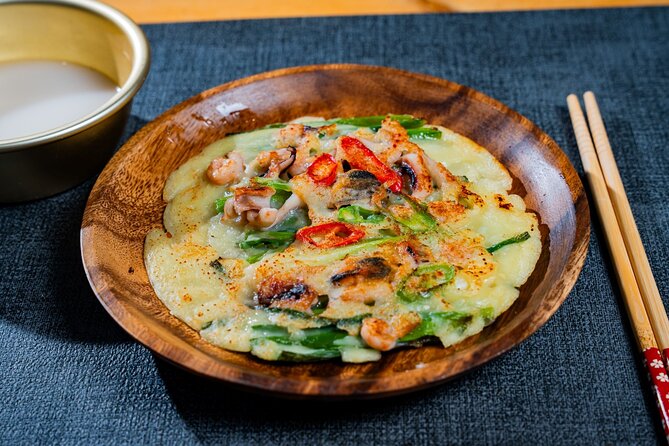
Haemulpajeon is the pancake course. Seafood and green onion are combined into a savory dish that rewards attention to heat and timing. You learn how the mixture comes together in the pan and how to serve it as part of a larger meal.
Budae jjigae rounds out the cooking with a stew. It is hearty, warming, and quite different from the other dishes in texture and preparation. Having a stew in the same class as gimbap and pajeon gives you a broader sense of how varied Korean home food can be.
At the end, you sit down to eat what you prepared along with additional Korean foods and drinks. The portions are generous enough that many people have food left over. That is a real value point at $89 per person, especially in Seoul, where you could easily spend a good amount on several separate meals without learning anything in the process.
The meal is part of the experience, not an afterthought
The cooking is the main event, but the meal afterward adds much of the cultural pleasure. You are served Korean tea and snacks, sikhye, Korean rice punch, makgeolli, Korean rice wine, and desserts. Side dishes are also included in the spread.
Sikhye is a gentle, sweet drink that gives you a taste of a traditional Korean refreshment. Makgeolli adds a more distinctly adult element. Alcohol is served only to people aged 21 and above, while younger participants receive non-alcoholic drinks.
This is not a small tasting menu. Several people have found the meal large enough to provide leftovers for the next day. I would treat that as a planning detail rather than a minor bonus. Eat lightly beforehand, bring a container if you have one and if the host permits it, and leave room to enjoy the food at the table.
The shared meal also helps turn the class into a social experience. You have time to compare your cooking, ask more questions, and enjoy the dishes without rushing to the next attraction. For families, this can be a welcome change from moving through restaurants with children who may not want to wait.
A different kind of day out around Seoul:
- Best DMZ Tour Korea from Seoul (Red Suspension Bridge Optional)
★ 5.0 · 41,422 reviews - DMZ Tour: 3rd Tunnel, Option(Suspension Bridge, Boat) from Seoul
★ 5.0 · 21,373 reviews - DMZ tour south Korea from Seoul (NK experience hall, defector)
★ 5.0 · 20,599 reviews - Seoul: DMZ Tour with Optional Suspension Bridge
★ 4.8 · 5,277 reviews
Why the cultural explanations add value
A cooking lesson can teach technique without telling you much about the place where the food comes from. This class adds background about the dishes, ingredients, history, and Korean language. That makes the meal more meaningful when you encounter similar foods elsewhere in Seoul.
You may already know gimbap or tteokbokki from Korean restaurants at home. Learning to prepare them gives you a better sense of texture, seasoning, and balance. You also gain recipes digitally afterward, so the class can continue once you return home.
The value is not only in copying four recipes. You begin to understand how Korean meals combine several small elements: rice, soup or stew, cooked vegetables, pancakes, sauces, and shared plates. That is a useful framework for ordering food during the rest of your time in Seoul.
The class also offers a small connection to Korean vocabulary. Learning the names of the dishes and a few food-related phrases may seem minor, but it makes markets and restaurant menus less intimidating. You do not need to speak Korean to enjoy Seoul, but a little language goes a long way at the table.
Family appeal and dietary flexibility
This is one of the stronger options for a family looking for a participatory activity. Children aged 10 and 12 have taken part, and Jennifer can adjust the help provided to suit different skill levels. The hands-on format gives younger participants a clear role, which is often more engaging than a standard food tour.
The recipes also let a group experience several flavors in one sitting. Tteokbokki may be spicy, while gimbap and haemulpajeon offer other textures and tastes. If your family has different preferences, you can ask about adjustments.
Dietary restrictions should be addressed ahead of time. The class can offer an alternative recipe for some needs, and the teaching style allows dishes to be adjusted to personal preference. Still, the supplied information does not promise that every allergy or diet can be accommodated, so you should confirm before paying if your requirements are strict.
Location, timing, and group size
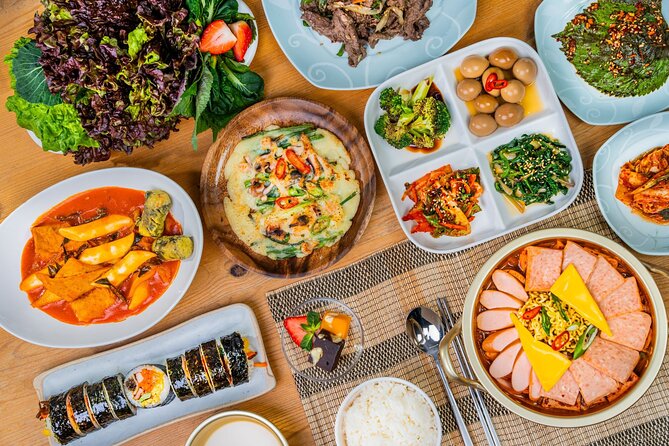
The meeting point is in Jongno District, an area well placed for a day of central Seoul sightseeing. The class is near public transportation, and confirmation is provided when you book. Since the activity returns to the same meeting point, you do not need to arrange a separate ride back afterward.
Three hours is long enough to prepare and eat four dishes, but it is not a full-day food program. You can place it between visits to nearby sights, or choose an evening session after sightseeing. Do not schedule it too close to another meal. The amount of food is one of the most repeated practical details, and you will enjoy the class more if you are ready to eat.
A maximum of 10 people keeps the class personal. It is not necessarily private, but the group should be small enough for Jennifer to reach each cooking station. That is especially useful during the rolling, frying, and seasoning stages, when a quick correction can make a difference.
Is $89 a fair price?
At $89 per person, this is not the cheapest way to eat in Seoul. Korean restaurants and markets offer excellent food for much less. The price makes more sense when you count the cooking instruction, four dishes, the substantial meal, drinks, dessert, recipes, and three hours of direct cultural teaching.
I see the strongest value for people who want to take something home besides photographs. You learn recipes you can try again, and the food is substantial enough to cover more than a light tasting. The class also saves you the trouble of figuring out unfamiliar ingredients and techniques on your own.
It may be less appealing if you only want a quick food sample or if you dislike cooking. This is an active class, not a passive tasting. You need to participate, follow instructions, and spend part of your Seoul day indoors.
The experience has a 4.9 rating from 64 reviews, with 97 percent recommending it. Those numbers suggest a strong record, but the better reason to book is the clear fit between the format and your interests: Korean food, practical instruction, and a generous shared meal.
A few things to keep in mind
The food quantity is both a strength and a possible drawback. If you have a small appetite, four dishes plus drinks, snacks, side dishes, and dessert may feel like too much. Plan your day around the class rather than treating it as a quick stop.
The class requires good weather, and it also requires a minimum number of people. If the operator cancels for either reason, you will be offered another date or experience, or a full refund. You can cancel for a full refund up to 24 hours before the start time. Changes or cancellations inside that window are not accepted.
The information provided does not list accessibility details, so you should ask before booking if you have mobility needs. The class is described as taking place in a clean teaching kitchen with dedicated cooking stations, but specific equipment and access arrangements are not supplied.
Who should book the Hansik cooking class?
I would book this for a first visit to Seoul when you want a break from sightseeing and a closer look at daily food culture. It suits couples, families, and small groups who enjoy doing rather than simply watching.
It is especially good for anyone who already likes Korean food and wants to understand how the dishes are made. Families with older children should find plenty to keep them involved, and people with moderate dietary needs can ask about alternatives.
I would skip it if you want a short tasting, a restaurant-only meal, or a highly specialized culinary course. For everyone else, the combination of Jennifer’s patient instruction, four home-style dishes, recipes to take home, and a large meal makes the $89 price reasonable. Book it, arrive hungry, and leave enough time afterward to carry your food memories into the rest of Seoul.
FAQ
Where does the cooking class meet?
The class meets at 31-5 Jahamun-ro in Seoul’s Jongno District. It is near public transportation and ends back at the same meeting point.
How long does the experience last?
The cooking class lasts approximately three hours.
Which Korean dishes will I prepare?
You will prepare gimbap, tteokbokki, haemulpajeon, and budae jjigae.
Are morning and evening sessions available?
Yes. You can choose between morning and evening sessions.
Is the class suitable for children?
Yes. Children aged 10 and 12 have taken part, and the instructor can adjust assistance to suit different skill levels.
Can the class accommodate dietary restrictions?
Alternative recipes can be offered for dietary restrictions and preferences. You should confirm your specific needs before booking.
Are alcoholic drinks included?
Makgeolli is served to participants aged 21 and above. Minor participants below 21 receive non-alcoholic drinks.
What is the cancellation policy?
You can cancel at least 24 hours before the start time for a full refund. Cancellations or changes made less than 24 hours before the start time are not accepted. If the class is canceled because of poor weather or because the minimum number of participants is not reached, you will be offered another date or experience, or a full refund.
More hands-on classes and workshops in Seoul
- Yongpyong Ski Resort from Seoul with Optional Lesson and Packages
★ 5.0 · 217 reviews - Korean Cooking Class with Grocery Shopping at Seoul Local Market
★ 5.0 · 107 reviews - Royal Seoul Cooking Class in a 100-Year-Old Hanok
★ 5.0 · 81 reviews - K-pop Dance Class in Seoul (Incl. video shooting & editing)
★ 5.0 · 52 reviews
Just added around Seoul
- Your Personal Seoul Photographer!★ 4.1 · 15 reviews
- From Seoul: Hwacheon Ice Fishing and Lighting Festival Tour★ 4.5 · 4 reviews
- You’re Invited to Our Home in Seoul: The Only Cooking Class!★ 5.0 · 8 reviews
- Seoul: Gangneung BTS K-Pop & K-Drama Filming Locations Tour★ 4.6 · 14 reviews
- Unique Native Experience : Han River Picnic, Board game, BBQ★ 5.0 · 3 reviews
- 2-Hour Private Kayaking and Paddleboarding Experience in Hanriver★ 5.0 · 3 reviews
- Yun Korean Cooking Class in Seoul★ 5.0 · 6 reviews
- Day Trip to Yongin Daejanggeum and Korean Folk Village from Seoul★ 4.0 · 9 reviews
Seoul Korean Cooking Classes, compared.
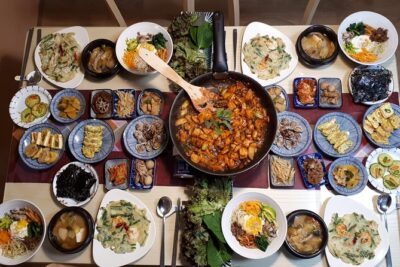
Local Home Korean Cooking Class & Market Adventure in Seoul
Read our review →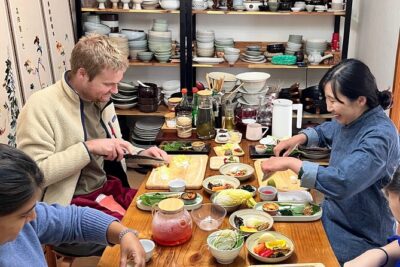
Master Korean traditional cooking with a Kimchi chef
Read our review →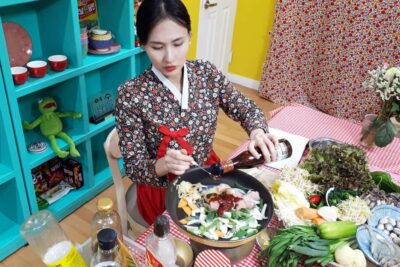
Korean Cooking Class at a Local Home and Market Tour
Read our review →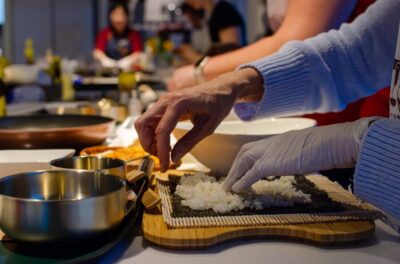
Experience Korean Cooking in Modern Hanok Kitchen
Read our review →
Korean Cooking Class with Grocery Shopping at Seoul Local Market
Read our review →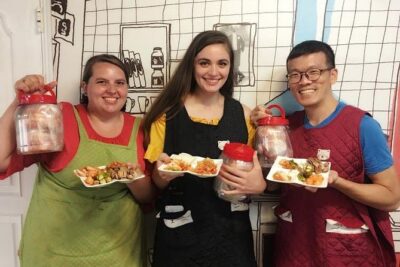
Korean Kimchi Making Day Experience with a Local Market Tour
Read our review →Browse the lists this tour appears in