
Reviewed · BUKCHON HANOK VILLAGE TOURS
Experience Korean Cooking in Modern Hanok Kitchen
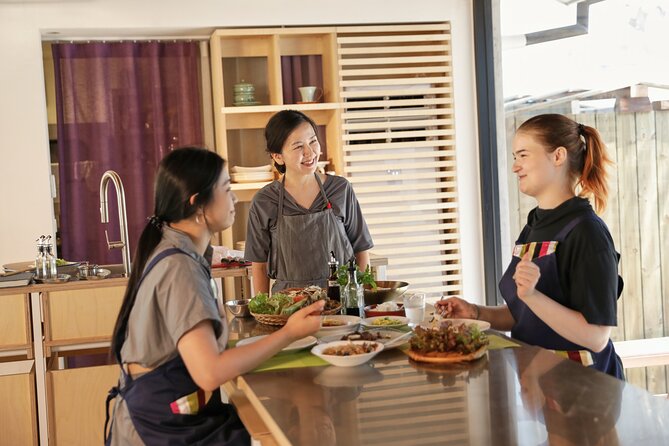
Korean food makes more sense once you have chopped the vegetables, mixed the sauce, and watched a pan turn familiar ingredients into lunch. This two-hour beginner class at O’ngo Food Communications puts you in a modern kitchen near Bukchon Hanok Village, where English-speaking chefs guide you through Korean recipes step by step.
I like the hands-on setup, where you do the slicing, mixing, and cooking at your own workstation. I also like the cultural detail: chefs explain how ingredients are chosen and used, and some sessions include a short local market visit. The main drawback is practical rather than culinary: the building can be hard to find, and the studio may require climbing to a third floor without an elevator.
Key points at a glance
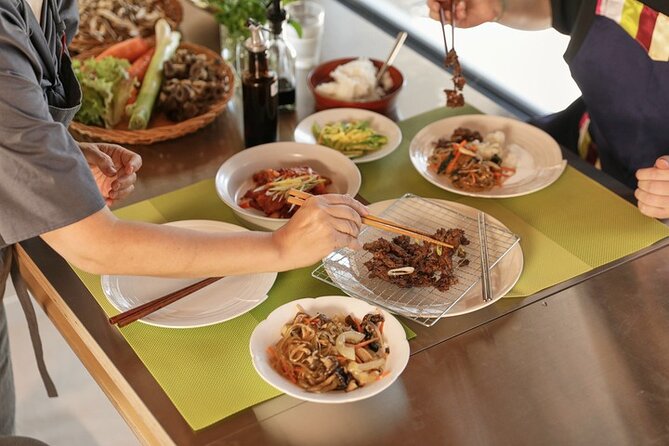
- Cook your own lunch: You prepare Korean dishes yourself, then eat the finished meal with rice and one beverage.
- Made for beginners: Safety guidance, clear demonstrations, and help at each workstation make this suitable even if your cooking skills are limited.
- Bukchon location: The school sits near the historic Bukchon Hanok Village area, making it easy to pair with sightseeing in Jongno.
- Professional English-speaking chefs: Instructors have included Ran and Yibben, with international and Korean culinary training.
- Small classes when numbers are low: The maximum is 22 people, but some sessions have only a handful of participants or even a private-feeling group.
- Book with timing in mind: The class begins at 10:30 am, and you should arrive at least 10 minutes early. Late arrival can mean missing your place in the cooking session.
Cooking Korean food instead of just eating it
Seoul offers endless chances to eat Korean food. This class gives you a useful second layer: you learn why the dishes taste the way they do and how to reproduce them at home.
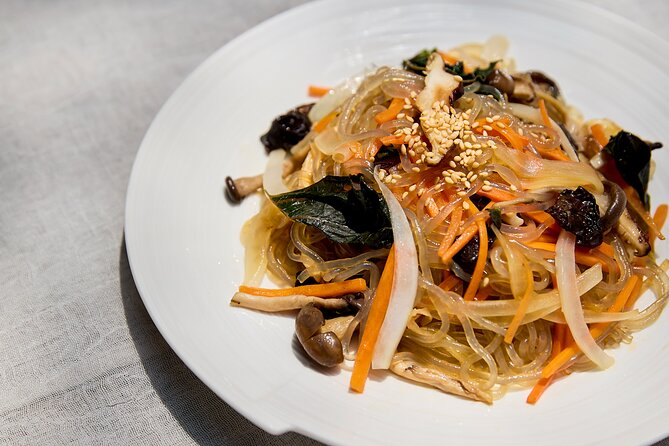
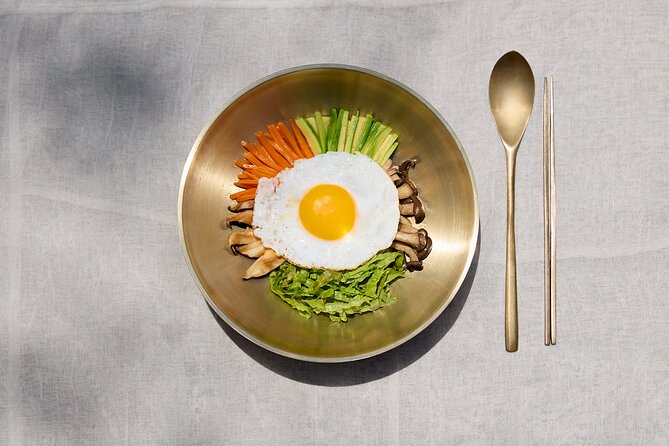
The menu varies by session. Possible dishes described in the class materials and participant accounts include japchae, chicken stew, bibimbap, bulgogi, kimchi, kimchi pancakes, and soup. You should check the selected class menu when booking, since this is not one fixed recipe lesson.
The focus is on accessible dishes rather than advanced restaurant techniques. You receive a short introduction to Korean flavors and food culture, followed by safety instructions. The chef demonstrates each stage, then you repeat it at your own station while staff move around the room to help.
That format matters. You are not simply watching a chef prepare lunch while taking notes. You slice, dice, grind, season, mix, and cook. If a dish needs more spice or seasoning, you can adjust it before sitting down to eat.
More Bukchon and hanok village tours in Seoul:
- Seoul: Gyeongbok Palace, Bukchon Village, and Gwangjang Tour
★ 4.9 · 2,321 reviews - Seoul City Sightseeing Tour Including Gyeongbokgung Palace, N Seoul Tower, and Namsangol Hanok Village
★ 5.0 · 1,423 reviews - Seoul: Gyeongbok Palace, Bukchon Village, and Gwangjang Tour
★ 5.0 · 1,044 reviews
What happens at O’ngo Food Communications
Your meeting point is O’ngo Food Communications, at 137-11 Bukchon-ro in Seoul’s Jongno District. The school is near Bukchon Hanok Village, an area known for traditional Korean houses and narrow streets, so the setting fits the subject well.
The kitchen itself is modern and fully air conditioned. You get the comfort of current cooking equipment rather than a staged heritage demonstration. That is a good match for anyone who wants recipes that can be attempted in a home kitchen after returning from Korea.
The staff provide the ingredients and equipment, so you do not need to shop for supplies or carry anything special. The clean setup also helps if you are cautious about food preparation. One participant with an allergy appreciated the attention given to avoiding problem ingredients and cross-contamination. Still, you should tell the school about allergies in advance and confirm what substitutions are possible.
The maximum group size is 22 people. That is large enough for a social class, though not every session will feel the same. Some classes have had only four students, while other bookings have been larger. A small group means more direct help from the instructor, but you should not assume every date will be nearly private.
The possible market visit before class
Several class accounts describe a short walk through a nearby market before cooking. This can add a useful local touch because the chef can explain how Korean cooks select ingredients and how certain foods appear in everyday shopping.
One practical tip is to arrive about 30 minutes early if you hope to join a market walk. The official start time is 10:30 am, and the included class requires you to arrive at least 10 minutes before that. The market portion is not described as a guaranteed separate itinerary stop, so treat it as a possible extra rather than the main reason to book.
The market experience may feel modest if you have already visited Seoul’s larger traditional markets. Its value is not size. It is the explanation of what you are seeing and how the ingredients connect to the meal you are about to prepare.
The meeting point can also take some effort to locate. One participant found the building difficult to identify, even with help from a taxi driver. Give yourself extra time, save the address, and use a map before leaving your hotel. Staff have helped people who got lost, but it is better not to begin the morning in a panic with a knife and cutting board waiting upstairs.
The cooking lesson, step by step
The class begins with an introduction to Korean cooking and the dishes selected for that session. Your chef explains the basic flavors and points out the role of key ingredients. The aim is not to turn you into a Korean chef in two hours. It is to give you a clear method for making a few familiar dishes.
You first receive safety instructions. Then the chef demonstrates a recipe or part of a recipe before you work through it yourself. The staff have been praised for keeping the preparation manageable, sometimes completing the less interesting advance work while leaving the important hands-on tasks for you.
That balance is helpful. Beginners can lose interest if every vegetable has already been chopped, but a class can also become tiring if you spend the entire time on repetitive prep. Here, you should expect to do the parts that teach technique while receiving help before a small error ruins the dish.
The exact dishes affect the feel of the lesson. Japchae offers practice with vegetables, noodles, and seasoning. Bulgogi gives you a direct lesson in Korean marinades. Bibimbap lets you combine separate ingredients and adjust the final bowl. Kimchi and kimchi pancakes introduce different ideas about fermentation, texture, and pan cooking.
The chefs explain each step in English. Past instructors have included Ran, described as patient and entertaining, and Yibben, who has taught the basics of Korean cooking and food culture. Staff members circulate during the practical work, so you can ask questions as you cook rather than waiting until the end.
More Korean cooking classes in Seoul:
- Local Home Korean Cooking Class & Market Adventure in Seoul
★ 5.0 · 1,024 reviews - Master Korean traditional cooking with a Kimchi chef
★ 5.0 · 385 reviews - Seoul: Korean Cooking Class at a Local Home and Market Tour
★ 5.0 · 348 reviews - Seoul: Korean Cooking at Seoul Cooking Club!
★ 5.0 · 311 reviews
Lunch is part of the lesson
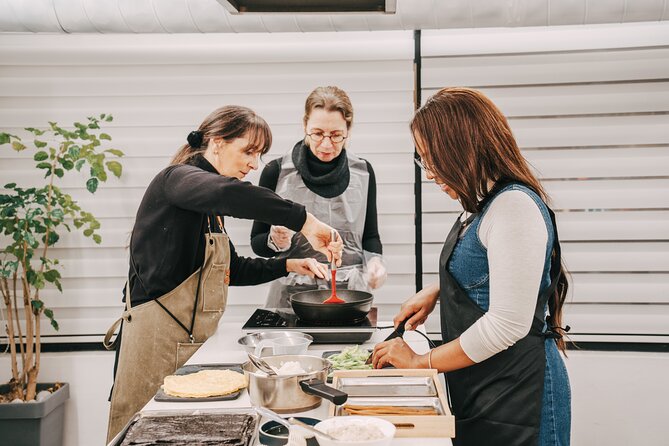
At the end, you eat what you have prepared, with rice and one beverage included. This is one of the best features of the class because the meal gives you an immediate test of the recipe.
You can taste the result while the method is still fresh in your mind. If you prefer stronger seasoning, you may have a chance to adjust it before serving. You also get time to talk with the other people in the class, which gives the final meal a relaxed social side.
The food portions appear substantial enough that you should arrive hungry. Several class accounts describe leaving full, which makes the included lunch more than a token sample. The menu is still dependent on the day you book, so you should not choose the class expecting one specific dish unless that recipe is confirmed.
The drink is included, but the supplied details do not specify the type. Think of it as a simple accompaniment rather than a separate tasting experience.
Why the cultural explanations matter
A recipe is useful, but the context helps you remember it. The chefs discuss Korean food culture and explain how ingredients fit into local cooking. That can make a dish such as bulgogi or japchae feel less like a souvenir activity and more like a practical introduction to the food you are eating around Seoul.
You also learn what to look for when buying ingredients. That is particularly useful if you plan to recreate the dishes at home. A recipe can tell you how much of something to add, but a cook can explain what freshness looks like, how the ingredient should smell, or what texture to aim for.
The class also gives you a better way to read a Korean menu. After making a few dishes yourself, you may recognize the balance of sweet, salty, spicy, and savory flavors more easily. The lesson is short, but the effect can carry into the rest of your trip.
Is $87 a fair price?
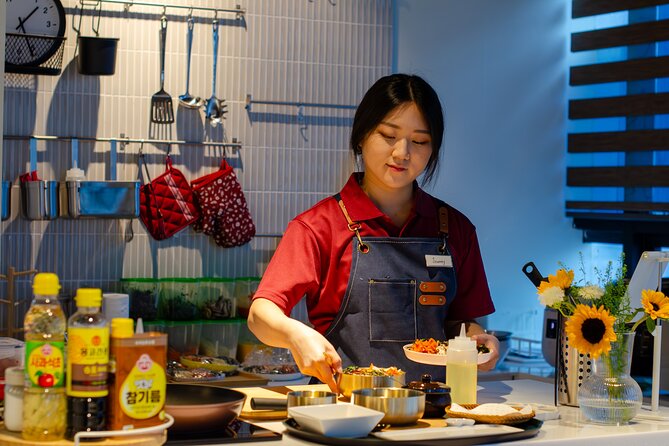
The price is $87 per person. That is not the cheapest meal in Seoul, but it covers a full class, all ingredients, all equipment, lunch, one beverage, an air-conditioned kitchen, and an English-speaking professional chef.
The value depends on what you want from the morning. If you only want to eat Korean food, you can dine for much less. If you want instruction, cultural background, a prepared workspace, and recipes you can use later, the price is easier to justify.
You are also paying for convenience. There is no need to find ingredients, measure supplies in a foreign kitchen, or guess which tools to use. For a first cooking class abroad, that can be worth more than the raw cost of the food.
A small class makes the value better because you are likely to receive more individual guidance. But since the maximum is 22 people, I would not pay the price expecting a private lesson unless your date has a very small booking.
Who will enjoy this class most?
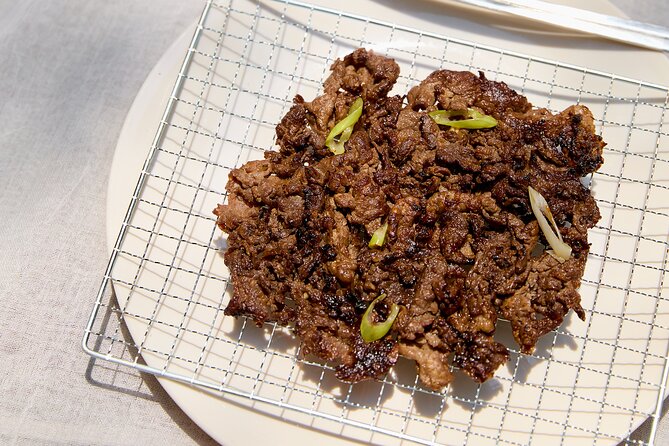
This is a good fit for first-time visitors who want more than sightseeing and restaurant meals. You do not need strong cooking skills. The lesson has been designed for beginners, and the chefs explain the process clearly.
It also works well for couples, families with older children, solo visitors, and small groups of friends. The minimum age for active participation is 11. Children under 11 may attend, but they cannot take part in the class, so families should plan around that rule.
Solo visitors may find the shared meal especially useful. You cook alongside other people, then eat together, which gives the class a social rhythm without requiring you to join a larger Seoul group tour.
This is less suitable if you want an advanced culinary course, a long market tour, or a fixed menu guaranteed to include a particular dish. It is also not ideal for a rushed morning because the 10:30 am start, early arrival requirement, and possible difficulty finding the building leave little room for error.
Planning the morning in Bukchon
The class begins at 10:30 am and ends back at the meeting point after roughly two hours. Hotel pickup and drop-off are not included, so you need to make your own way to Bukchon.
The area is near public transportation, but the exact building can be easy to miss. I would aim to arrive 20 to 30 minutes early, especially if you are unfamiliar with Jongno. That gives you time to find the entrance and perhaps join the market walk if it is being offered that day.
One practical point is the building itself. A class has been held on a third floor without an elevator, so anyone who has trouble with stairs should confirm the arrangement before booking. The tour information does not promise wheelchair access.
The activity uses mobile tickets, and confirmation is provided when you book. Saturday sessions require at least five participants. Any session can be canceled if the minimum number is not met, in which case you are offered another date or a full refund.
You can cancel for a full refund up to 24 hours before the local start time. Changes or cancellations inside that window are not accepted for a refund.
Should you book this Korean cooking class?
I would book it if you want to understand Korean food by preparing it yourself, especially if you are staying near Bukchon or Jongno. The strongest reasons are the hands-on work, clear English instruction, included meal, and chance to learn recipes such as japchae, bulgogi, bibimbap, kimchi, or chicken stew.
Arrive early, allow extra time to find the studio, and confirm the menu and allergy arrangements before paying. If your ideal morning is a small, friendly cooking lesson followed by a filling lunch, this is a strong choice at $87. If you only want a market tour or an advanced chef-led course, choose something more specialized.
FAQ
Where does the Korean cooking class take place?
The class takes place at O’ngo Food Communications, 137-11 Bukchon-ro, Jongno District, Seoul, South Korea.
What time does the class start?
The class starts at 10:30 am.
How long does the experience last?
The cooking experience lasts approximately two hours.
What is included in the price?
The price includes the beginner cooking class, ingredients, equipment, use of the fully air-conditioned modern kitchen, lunch, professional English-speaking chefs, and one beverage.
Is hotel pickup included?
No. Hotel pickup and drop-off are not included. You must make your own way to the meeting point.
What is the minimum age for participation?
The minimum age to participate in the cooking class is 11. Children younger than 11 may attend but cannot participate in the cooking.
How many people can join the class?
The maximum group size is 22 people. Saturday classes require a minimum of five participants.
Should I arrive early?
Yes. You should arrive at least 10 minutes before the 10:30 am start. Arriving around 30 minutes early may also give you a chance to join a possible market walk before class.
Are ingredients and cooking equipment provided?
Yes. All ingredients and equipment needed for the class are included.
Can I cancel for a refund?
You can cancel up to 24 hours before the experience starts for a full refund. Cancellations or changes made less than 24 hours before the start time are not accepted for a refund.
Just added around Seoul
- Your Personal Seoul Photographer!★ 4.1 · 15 reviews
- From Seoul: Hwacheon Ice Fishing and Lighting Festival Tour★ 4.5 · 4 reviews
- You’re Invited to Our Home in Seoul: The Only Cooking Class!★ 5.0 · 8 reviews
- Unique Native Experience : Han River Picnic, Board game, BBQ★ 5.0 · 3 reviews
- Seoul: Gangneung BTS K-Pop & K-Drama Filming Locations Tour★ 4.6 · 14 reviews
- 2-Hour Private Kayaking and Paddleboarding Experience in Hanriver★ 5.0 · 3 reviews
- Yun Korean Cooking Class in Seoul★ 5.0 · 6 reviews
- Day Trip to Yongin Daejanggeum and Korean Folk Village from Seoul★ 4.0 · 9 reviews
Bukchon Hanok Village Tours, compared.
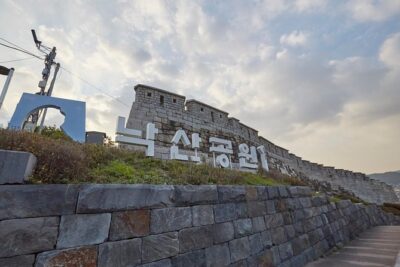
Gyeongbok Palace, Bukchon Village, and Gwangjang Tour
Read our review →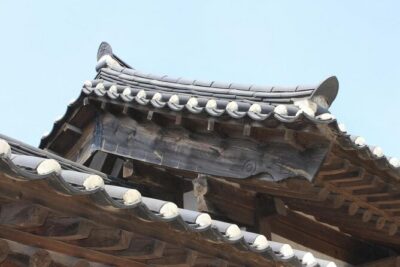
Seoul City Sightseeing Tour Including Gyeongbokgung Palace, N Seoul Tower, and Namsangol Hanok Village
Read our review →Gyeongbok Palace, Bukchon Village, and Gwangjang Tour
Read our review →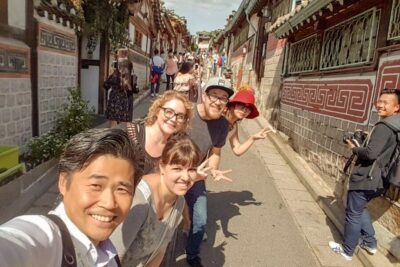
Gyeongbok Palace and Bukchon Hanok Walking Tour
Read our review →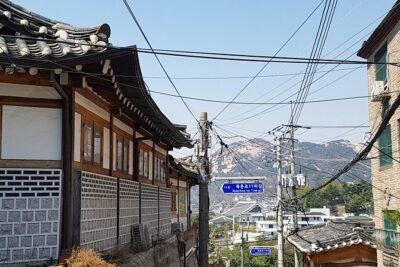
Best Walking Tour to Gyeongbok Palace Bukchon Hanok Village
Read our review →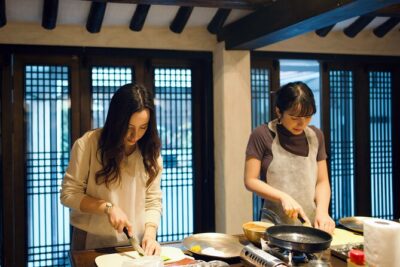
Royal Seoul Cooking Class in a 100-Year-Old Hanok
Read our review →
Afternoon Seoul: Hanok Vibes, Netflix Street Food & N Seoul Tower
Read our review →
Tour Seoul’s oldest district with a storyteller from Bukchon
Read our review →Browse the lists this tour appears in