
Reviewed · BUKCHON HANOK VILLAGE TOURS
Jeonju Hanok Stay & Mt. Jiri Hiking from Seoul
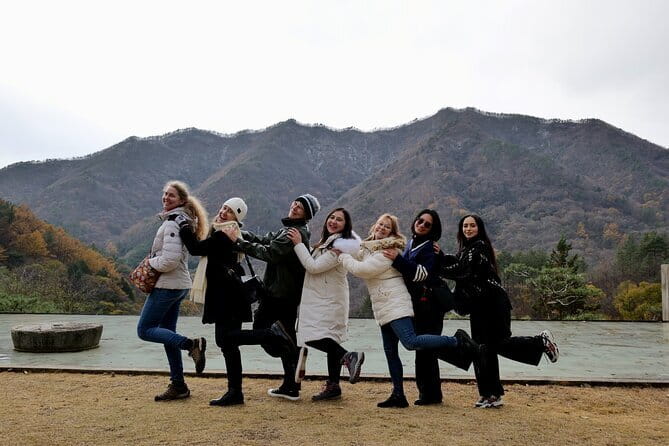
The best thing about this two-day escape is the change of pace. You leave Seoul’s dense city streets behind for traditional hanok homes, seasonal Korean food, and mountain air, with two very different rural areas folded into one short trip.
I like the small group size, capped at seven, and the fact that transport, lodging, meals, entrance fees, a guide, and insurance are included. I also like the mix of places: Oseong Hanok Village connects to BTS history, while Jeonju and Mt. Jiri offer a broader look at Korean culture and nature.
The main drawback is the travel time. This is a packed two-day outing from Seoul, and the Mt. Jiri portion requires moderate physical fitness. It suits you best if you want an active regional trip rather than a slow hotel break.
Key points to know before booking
- BTS connection: Oseong Hanok Village in Wanju is where BTS stayed for a week while filming their 2019 Summer Package.
- Jeonju’s traditional core: You get about three hours in a village of roughly 700 preserved hanok houses.
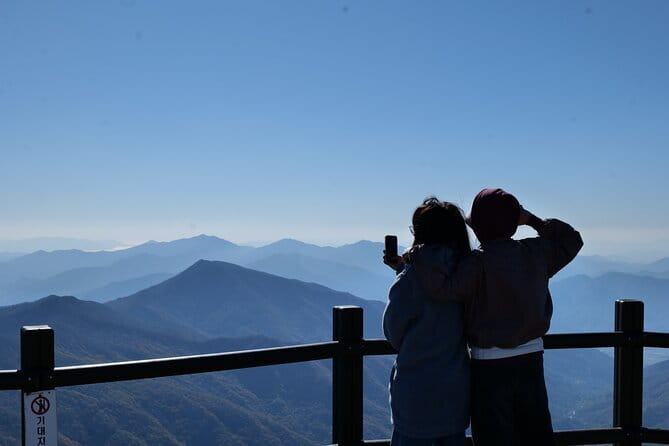
- Mt. Jiri morning outing: The three-hour national park visit includes a sunrise meditation setting among mist-covered peaks.
- Small-group format: The tour operates with at least four people and no more than seven, making it more personal than a large coach trip.
- Meals and lodging are covered: Dinner, two lunches, two breakfasts, accommodation, and entrance fees are included.
- Comfortable long-distance transport: The bus has reclining seats, plenty of legroom, free Wi-Fi, and good views, though the ride still takes time.
Why this Seoul getaway works
Seoul makes a fine base, but South Korea’s character changes quickly once you leave the capital. This trip gives you a taste of the countryside without asking you to plan rail connections, rural buses, a hotel, meals, and a mountain visit on your own.
The route has a sensible contrast. Day one is about architecture, food, and village life. Day two turns toward forest, mountain views, and a quieter hanok setting. You are not spending both days looking at similar houses or repeating the same kind of attraction.
The group size matters here. With a maximum of seven people, you should have a better chance to ask questions, keep moving at a reasonable pace, and receive practical help from the English-speaking guide. The minimum of four also means the departure depends on enough bookings, so confirmation is not quite as certain as it would be on a large daily bus tour.
The trip starts at 8:00 a.m. from Namsan Yejang Public Parking Lot in Jung District. It returns to the same meeting point after the second day. Plan your Seoul hotel arrangements around that location and early start.
More Bukchon and hanok village tours in Seoul:
- Seoul: Gyeongbok Palace, Bukchon Village, and Gwangjang Tour
★ 4.9 · 2,321 reviews - Seoul City Sightseeing Tour Including Gyeongbokgung Palace, N Seoul Tower, and Namsangol Hanok Village
★ 5.0 · 1,423 reviews - Seoul: Gyeongbok Palace, Bukchon Village, and Gwangjang Tour
★ 5.0 · 1,044 reviews
Oseong Hanok Village and the BTS connection
Your first stop is Oseong Hanok Village in Wanju, about three hours from the schedule. The appeal is not only the traditional Korean buildings. Oseong combines hanok architecture with attractive natural surroundings, giving you a quieter setting than the better-known streets of central Jeonju.
The village became internationally familiar after BTS stayed there for a week to film their 2019 Summer Package. If you follow the group, this adds a clear point of interest. If you do not, the village still works as an introduction to Korea’s older building style and rural scenery.
Three hours is enough to walk around without turning the visit into a quick photo stop. You can take in the buildings, enjoy the setting, and listen to the guide before moving on. The included admission removes one small decision from the day.
The limitation is that the experience is not described as a full craft workshop or extended cultural class. You are primarily seeing the village and its setting. If you want hands-on activities, you should ask for current details before booking rather than assume they are part of the program.
Jeonju Hanok Village, with time for food and wandering
Jeonju Hanok Village is the more substantial cultural stop. Around 700 hanok houses fill this traditional district, making it much larger than a single restored compound. The streets give you room to walk, look at rooflines and courtyards, and see how traditional architecture works as part of a living district.
You have about three hours here. That is enough for a useful first look, but not enough to inspect every lane, museum, shop, and food stop. I would treat this as an introduction and use your free moments carefully rather than trying to cover the entire village.
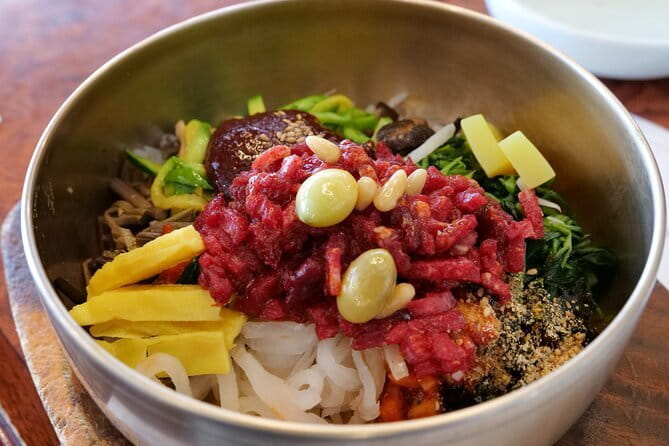
Food is a major reason to value Jeonju. The trip highlights seasonal dishes such as bibimbap and grilled short ribs, with meals planned as part of the experience. That is more useful than simply being dropped in a food district and told to choose something quickly, especially if you are unfamiliar with Korean menus.
The meal arrangements also make the $690 price easier to assess. You are not paying only for transport and sightseeing. Dinner, two lunches, two breakfasts, accommodation, entrance fees, and travel insurance are included. Drinks, tips, laundry, telephone charges, pay TV, and other personal expenses are not.
Jeonju can be busy in popular areas, and the three-hour window may feel short if you want a slow meal and a long walk. Still, the stop gives you a strong sample of traditional Korean architecture and one of the country’s best-known food traditions.
The hanok stay: comfort with a traditional setting
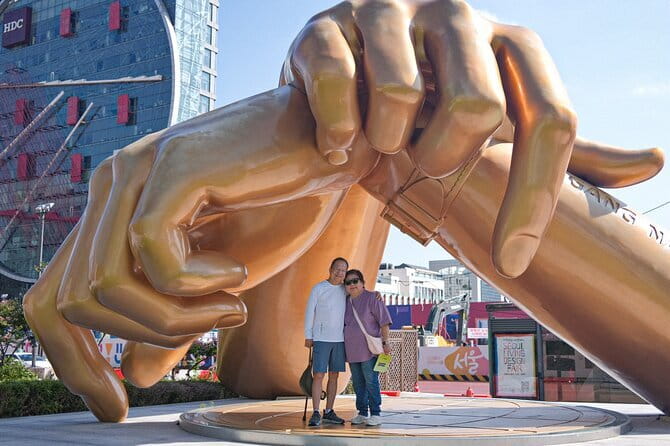
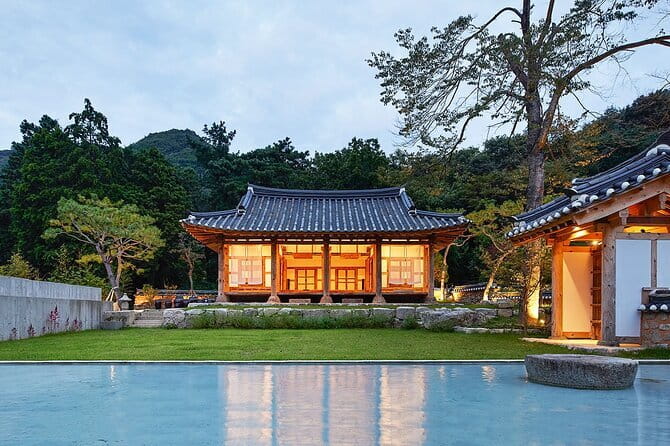
The overnight stay is central to the appeal. Sleeping in a hanok gives you a closer connection to the setting than returning to a standard Seoul hotel after a day trip. The supplied details do not specify the exact property, room layout, bedding, or private bathroom arrangements, so you should confirm those points if comfort requirements are important to you.
A hanok stay can also mean a simpler style of lodging. You may find floor bedding or shared facilities, but the exact setup is not stated here, so I would not book on assumptions. Ask the operator what room type is provided and how rooms are assigned.
That uncertainty is the main accommodation issue. The positive side is clear: an overnight stay saves you from making the long return to Seoul on day one and lets you experience a traditional setting after the day’s sightseeing. The practical side is that traditional lodging may not match the space or facilities of a modern hotel.
More Gyeongju and Busan trips from Seoul:
- 5-Day Korea Golden route by K-shuttle Tour from Seoul Including Busan, Yeosu
★ 4.5 · 37 reviews - Andong Hahoe Village [UNESCO site] Premium Private Tour from Seoul
★ 5.0 · 24 reviews - Danyang Tour:Guinsa Temple & Bobaljae & Cheongpung Cable Car
★ 5.0 · 15 reviews - Small Group 7D Korea package Tour with Seoul Gyeongju Busan Jeju
★ 4.5 · 13 reviews
Mt. Jiri National Park and the morning mountain setting
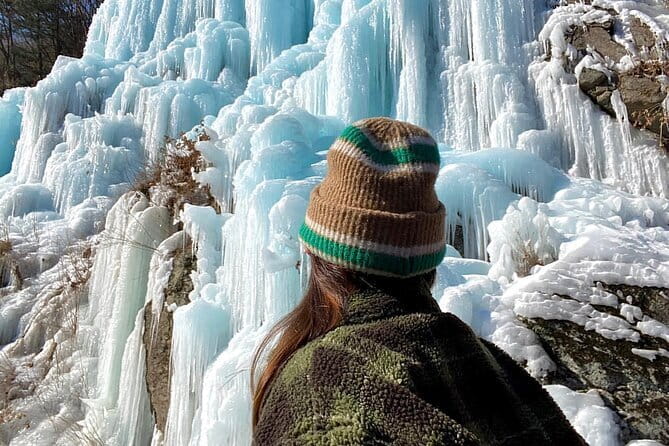
Day two moves into Jirisan National Park, Korea’s first national park. The program describes Mt. Jiri, also called Chiri Mountain, as Mother Mountain, and places a sunrise meditation among mist-covered peaks at the start of the day.
This is the trip’s most active section. You should expect walking and hiking rather than a roadside viewpoint. The scheduled time is about three hours, and the tour asks for moderate physical fitness. That does not tell you the exact distance, elevation gain, trail surface, or pace, so ask for current trail details if you have knee, balance, or stamina concerns.
The timing can be rewarding. Mist and early light give the mountain a calm mood, and the meditation element offers something different from simply rushing to a viewpoint for a photograph. It is also a useful counterpoint to Jeonju’s built environment.
Weather matters here. The experience requires good conditions, and poor weather can lead to a different date or a full refund. Wear suitable walking shoes, bring layers, and be ready for cooler conditions than in Seoul, especially around an early mountain visit. Hot packs have been provided on outdoor outings in the past, but you should still dress for the season rather than depend on that extra touch.
Do not choose this trip if you want a demanding summit expedition. The supplied program presents a three-hour nature outing, not a technical climb or a full-day ascent. It should appeal to you if you want mountain scenery and a moderate walk folded into a cultural trip.
Gurye and the Ssangsanje hanok setting
The final stop is in Gurye, listed as Gurye Sansuyu Village, with the description pointing to Ssangsanje. This setting appeared on the Korean program Youn’s Stay and offers a more modest hanok atmosphere than the larger or more polished traditional sites.
You have about two hours here, and admission is free. That makes it a relaxed final stop after the mountain outing. The value is less about a major ticketed attraction and more about seeing another side of traditional Korean housing and rural hospitality.
This stop also helps prevent the itinerary from becoming only a greatest-hits route. Oseong has the BTS connection, Jeonju has scale and food, and Ssangsanje presents a quieter, simpler hanok setting. Each stop has a different reason to be there.
The description uses two names for this part of the route, so confirm the exact stop and schedule before departure. That is a small planning detail, but it matters if you are researching the place in advance or hoping to visit a specific setting from Youn’s Stay.
Transport, meals, and the real value of $690
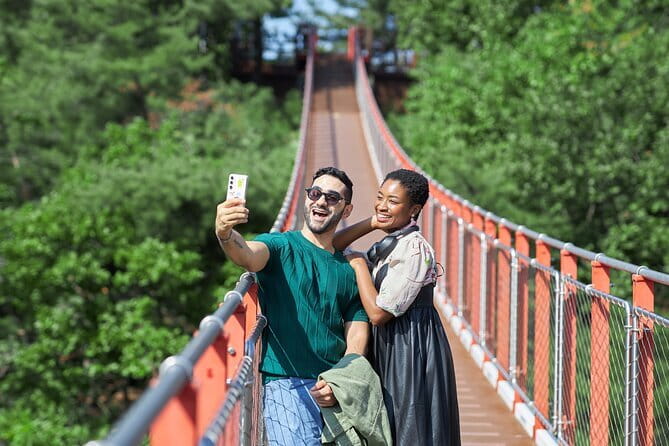
At $690 per person, this is not a bargain day trip. It is a packaged two-day regional journey, and the price should be judged against what it covers.
Included are:
- Round-trip transport from Seoul
- Accommodation
- Dinner
- Two lunches
- Two breakfasts
- All entrance fees
- A licensed English-speaking guide
- Travel insurance
The bus is described as luxurious, with reclining seats, plenty of legroom, free Wi-Fi, and good views. Those features matter because the route from Seoul to the Jeonju and Mt. Jiri area involves substantial road time. You can rest, use Wi-Fi, or look out the window instead of handling rural transport connections yourself.
The trade-off is flexibility. You will follow a set route and schedule, with about three hours at Oseong, three hours in Jeonju, three hours in Jirisan, and two hours in Gurye. You cannot decide to stay longer in Jeonju or skip the hike without affecting the group.
For a solo visitor, the package can be especially practical. You get a ready-made route, a guide, meals, and a small group without needing to find companions for a rural overnight trip. The included insurance and meals also reduce the number of small costs that can add up.
For two people who are comfortable planning independently, the price may feel high. You could likely gain more control over hotel choice, restaurant choice, and time spent in each place by arranging the journey yourself. The tour earns its value through convenience, access, guiding, and the compact combination of sites.
Who should book this trip
I would recommend it to you if you want to see more of South Korea than Seoul but have limited time. It is especially suited to solo visitors, first-time visitors who do not want to manage regional transport, BTS fans interested in Oseong, and anyone who likes traditional architecture paired with nature.
It also suits people who enjoy a small group and planned meals. The food is not an afterthought, and the combination of bibimbap, grilled short ribs, seasonal ingredients, and a hanok stay gives the trip a strong cultural focus.
I would be cautious if you dislike early starts, long bus rides, fixed schedules, or moderate hiking. It may also be a poor fit if you need detailed accessibility information, since the tour provides only a general moderate-fitness warning and does not list trail or lodging specifics.
You can cancel for a full refund up to 24 hours before the start time. Changes or cancellations inside that window are not accepted for a refund. Poor weather or failure to reach the four-person minimum can also lead to a new date, an alternative experience, or a refund.
Should you book the Jeonju and Mt. Jiri tour?
Book it if you want a compact, well-supported escape that combines Jeonju food and hanok culture with a genuine mountain outing. The strongest features are the small group, comfortable transport, included meals, and the variety between Oseong, Jeonju, Jirisan, and Gurye.
Skip it if your priority is a low-cost trip or complete control over your schedule. At $690, the tour asks you to pay for convenience and access, not just admission tickets. For the right person, that trade is worthwhile, especially when a Seoul visit would otherwise leave little time for Korea’s countryside.
FAQ
How long is the Jeonju Hanok Stay and Mt. Jiri Hiking tour?
The experience lasts approximately two days.
Where does the tour start?
It starts at 8:00 a.m. from Namsan Yejang Public Parking Lot in Yejang-dong, Jung District, Seoul.
Where does the tour end?
The tour returns to the original meeting point in Seoul.
How many people can join the tour?
The tour requires at least four participants and allows a maximum of seven travelers.
Is accommodation included?
Yes. Accommodation is included in the tour price.
Which meals are included?
Dinner, two lunches, and two breakfasts are included.
Is transportation from Seoul included?
Yes. Round-trip transfer from Seoul is included.
Is a guide included?
Yes. A licensed English-speaking tour guide is included.
What fitness level is required?
The tour requires a moderate level of physical fitness because the second day includes walking and hiking at Jirisan National Park.
What happens if the weather is poor?
If poor weather causes cancellation, you will be offered a different date or a full refund.
Can I cancel for a refund?
Yes. You can cancel at least 24 hours before the start time for a full refund. Cancellations or changes made less than 24 hours before the start time are not refunded or accepted.
More hikes and mountain trips in Seoul
- Seoul: Guided City Wall Sunset Hike with Korean Dinner
★ 4.9 · 227 reviews - Private Hiking tour to Bukhansan Peak(Baegundae: 836.5m) with Mountain Expert
★ 5.0 · 113 reviews - Fortress Night Hike & Snack at a Local Market
★ 5.0 · 112 reviews - Bukhansan National Park: The Summit Course
★ 5.0 · 53 reviews
Just added around Seoul
- Your Personal Seoul Photographer!★ 4.1 · 15 reviews
- From Seoul: Hwacheon Ice Fishing and Lighting Festival Tour★ 4.5 · 4 reviews
- You’re Invited to Our Home in Seoul: The Only Cooking Class!★ 5.0 · 8 reviews
- Seoul: Gangneung BTS K-Pop & K-Drama Filming Locations Tour★ 4.6 · 14 reviews
- Unique Native Experience : Han River Picnic, Board game, BBQ★ 5.0 · 3 reviews
- 2-Hour Private Kayaking and Paddleboarding Experience in Hanriver★ 5.0 · 3 reviews
- Yun Korean Cooking Class in Seoul★ 5.0 · 6 reviews
- Day Trip to Yongin Daejanggeum and Korean Folk Village from Seoul★ 4.0 · 9 reviews
Bukchon Hanok Village Tours, compared.
Gyeongbok Palace, Bukchon Village, and Gwangjang Tour
Read our review →
Seoul City Sightseeing Tour Including Gyeongbokgung Palace, N Seoul Tower, and Namsangol Hanok Village
Read our review →Gyeongbok Palace, Bukchon Village, and Gwangjang Tour
Read our review →
Gyeongbok Palace and Bukchon Hanok Walking Tour
Read our review →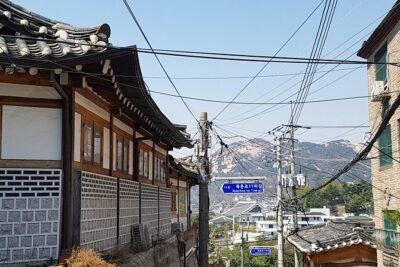
Best Walking Tour to Gyeongbok Palace Bukchon Hanok Village
Read our review →
Experience Korean Cooking in Modern Hanok Kitchen
Read our review →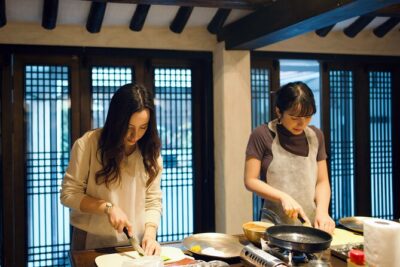
Royal Seoul Cooking Class in a 100-Year-Old Hanok
Read our review →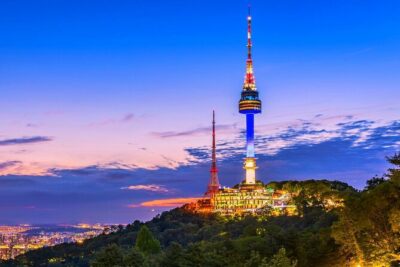
Afternoon Seoul: Hanok Vibes, Netflix Street Food & N Seoul Tower
Read our review →Browse the lists this tour appears in