
Reviewed · SEOUL KOREAN COOKING CLASSES
Korean Cooking Class Full Meal with BBQ on an All in One Table
Korean food is built for the whole table, and this class takes that idea seriously. You prepare four banchan, bibimbap, soup or stew, and dessert, then sit down to eat everything together with pork belly BBQ served by the chef.
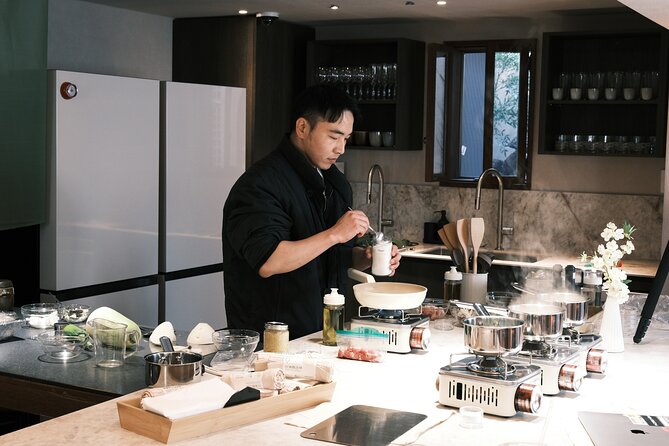
I like the calm Hanok-inspired studio and the small group limit of eight. Woody, the host, explains the cooking clearly, and the setting adds a thoughtful touch with details such as a lava and slate walkway. The main consideration is that this is a cooking class, not a market visit, and the BBQ is served to you rather than cooked by you.
Key points at a glance
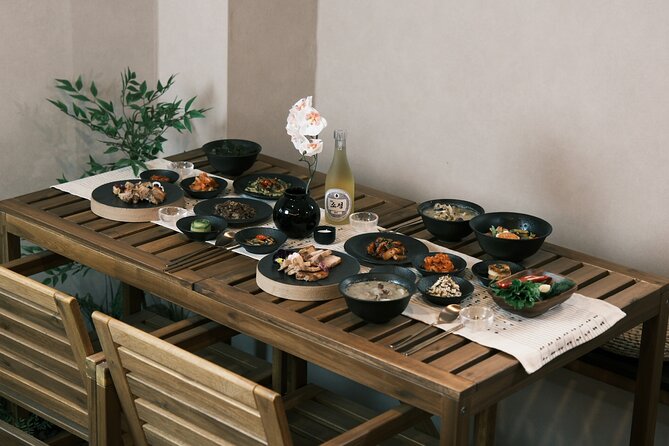
- A full Korean table: Make side dishes, a main dish, soup or stew, bibimbap, and dessert in one three-hour session.
- Choose part of your menu: Select one main dish and one soup or stew to suit your taste.
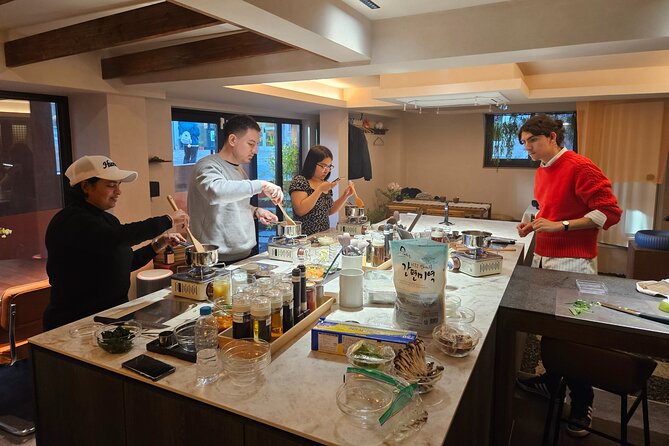
- Small group setting: The class is limited to eight people, allowing room for hands-on instruction.
- Traditional ingredients: Learn how doenjang, gochujang, seasonal vegetables, and fermented flavors shape Korean cooking.
- BBQ and liquor included: The chef serves grilled pork belly and a taste of traditional Korean liquor during the meal.
- Mapo-gu location: Meet at Soop Table: The Hansik Atelier on Donggyo-ro 46-gil, near public transportation.
What this Korean cooking class is really about
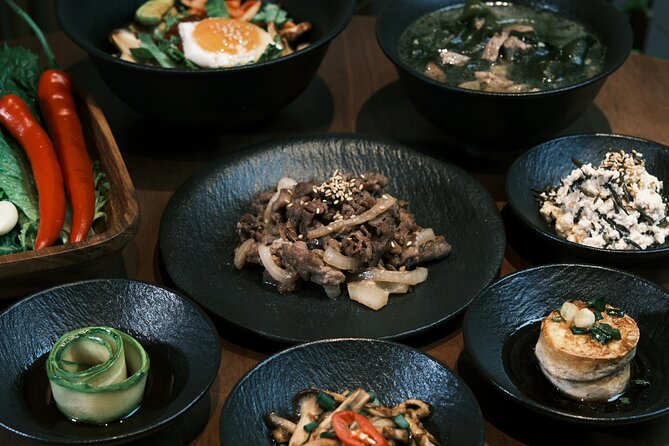
Many cooking classes teach you one or two signature dishes. This one takes a wider view. You make enough food to understand how a Korean meal is assembled, seasoned, arranged, and shared.
That matters because Korean dining is not usually built around a single plate arriving alone. Side dishes, soup, rice, vegetables, and a central dish come together at the same time. This class lets you see that structure from the inside, rather than simply ordering it at a restaurant.
The class lasts about three hours. That is long enough to cover several dishes without turning the session into a rushed demonstration. You spend the time cooking rather than walking through a market or moving between sights.
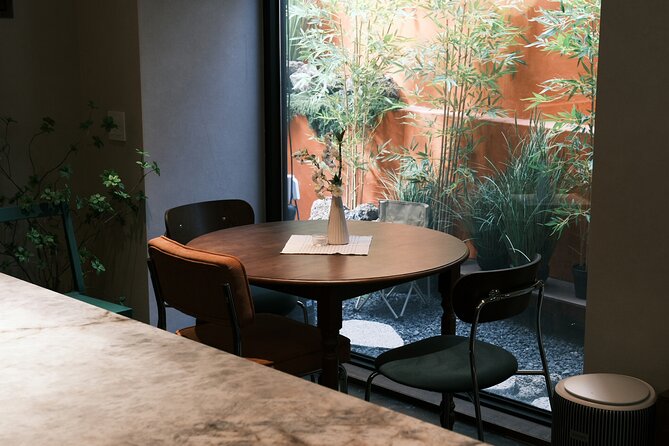
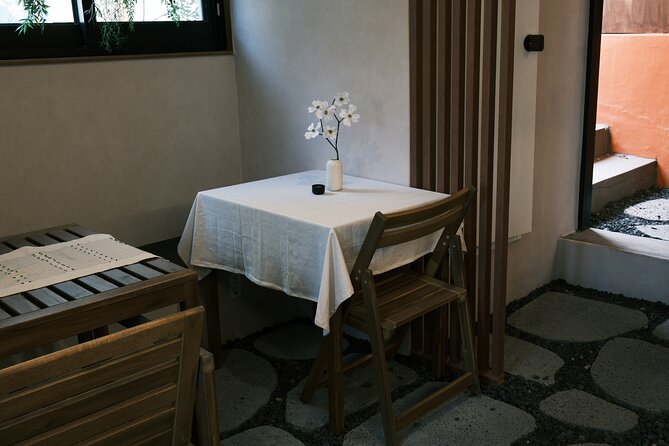
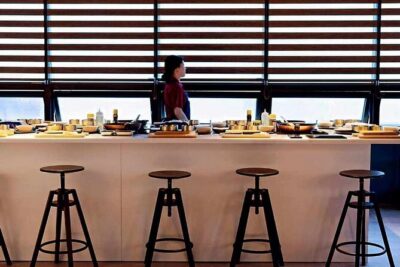
You will work in a studio inspired by traditional Hanok architecture. The setting is calm and carefully arranged, with a lava and slate walkway adding an unusual visual touch. It is not a grand historic house, and you should not book it expecting a heritage tour. The architecture is there to shape the mood of the cooking experience.
More Korean cooking classes in Seoul:
- Local Home Korean Cooking Class & Market Adventure in Seoul
★ 5.0 · 1,024 reviews - Master Korean traditional cooking with a Kimchi chef
★ 5.0 · 385 reviews - Seoul: Korean Cooking Class at a Local Home and Market Tour
★ 5.0 · 348 reviews
Starting with tea and the Korean pantry
The session begins with a seasonal Korean welcome tea. This is a small detail, but it gives the class a gentle start before the chopping and cooking begin.
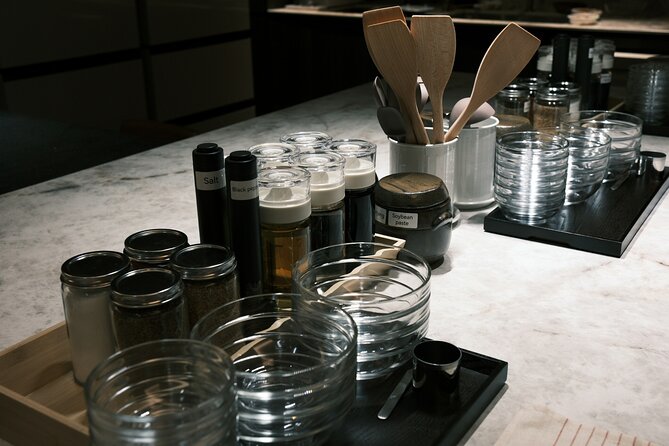
From there, the chef introduces key Korean ingredients and sauces. Doenjang, a fermented soybean paste, brings earthy depth. Gochujang adds heat, sweetness, and fermented savor. You also work with seasonal vegetables, and some of the fermented pastes come from the chef’s hometown.
That hometown connection gives the ingredients a personal link. You are not just memorizing a list of pantry staples. You are learning how Korean cooking uses fermentation, season, and place to build flavor.
The supplied information does not specify every ingredient used on the day, so the exact dishes may change. Seasonal cooking is part of the design. If you need to avoid certain foods, ask about the menu before booking or contact the host after making your reservation.
Making four banchan by hand
The class includes four Korean side dishes, known as banchan. This is one of the most useful parts of the experience because banchan can look simple on a restaurant table while requiring a good feel for seasoning and texture.
You work with fresh vegetables and prepare the side dishes yourself. The point is not only to follow instructions. You get to see how several small dishes balance a larger meal: one may be crisp, another savory, another spicy, and another more gently seasoned.
The banchan also show why Korean meals can feel varied even when the main dish is quite simple. A bowl of rice becomes a full meal when surrounded by small portions with different flavors.
The class is hands-on, so you should expect to chop, mix, season, and plate rather than sit back and watch. That makes the three-hour format worthwhile. It also means the session may feel busy if you prefer a relaxed demonstration with very little participation.
Choosing a main dish and soup or stew
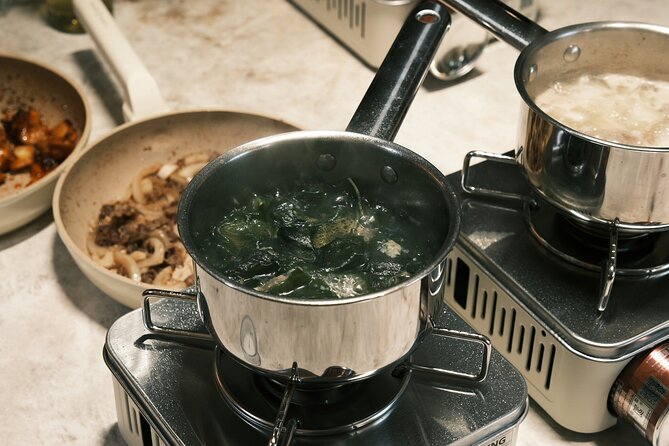
You choose one main dish and one soup or stew according to your taste. This choice gives the class some flexibility, though the available options are not listed in the supplied details.
Soup and stew are important to the Korean table because they bring warmth and moisture alongside rice and side dishes. Learning one in class helps you understand how it fits into the meal, rather than treating it as an isolated recipe.
Your selected main dish gives the table a central focus. The class does not present Korean food as one fixed formula. Instead, you build a balanced spread from several parts, much as you might at a Korean home meal.
Since the exact choices can vary, confirm your preferred dishes with Woody. He has reached out to participants to confirm dinner choices and timing, which is helpful if you have a strong preference or need to plan around your schedule.
More Korean BBQ nights in Seoul:
- Small-Group Night Food Tour in Seoul with Korean BBQ
★ 5.0 · 304 reviews - Seoul: Anthony Bourdain-Inspired BBQ and Pub Experience
★ 5.0 · 186 reviews - Seoul Night “Private Tour”(Korean BBQ, N-Tower, Seoul Fortress, Local Market)
★ 4.5 · 86 reviews - Private DMZ Tour and Suspension Bridge + Korean BBQ
★ 5.0 · 79 reviews
Plating bibimbap your own way
Bibimbap is the class dish where presentation becomes part of the lesson. You arrange your ingredients and plate the bowl in your own style.
This is more than a photo opportunity. Bibimbap depends on contrast: colorful vegetables, rice, sauce, and a tidy arrangement before everything is mixed together. You can see how Korean food can be practical and visually appealing at the same time.
The class puts you in charge of the final look. That makes the dish personal, but it also removes some pressure to make it perfect. The goal is to understand the arrangement and balance, not to reproduce a restaurant chef’s exact bowl.
If you enjoy food photography, this is likely one of the best moments of the session. If presentation is not your concern, the exercise still helps explain why Korean meals are often placed on the table with care.
The BBQ course is served by the chef
During the meal, the chef serves grilled pork belly BBQ. This is the one major food element you do not cook yourself.
That distinction is worth knowing before you book. If you want to grill every dish from start to finish, this class will not fully meet that expectation. On the other hand, having the chef handle the BBQ gives you a break after preparing several dishes and lets you focus on eating the meal you made.
The pork belly also adds a richer, savory centerpiece to the table. It works well beside vegetables, soup, rice, and fermented sauces. A taste of traditional Korean liquor is served with the meal, adding another cultural element without turning the class into a drinking activity.
No amount of liquor is specified, so plan on a taste rather than a full beverage service. If you do not drink, ask the host about alternatives before the meal.
Dessert keeps the class moving to the end
After the main meal, you make a popular Korean dessert together. The exact dessert is not specified, so you should expect a seasonal or class-selected sweet rather than choosing from a menu.
Ending with dessert gives the class a clear rhythm. You begin with tea, prepare the meal, sit down to eat, and then finish by making one more dish. It feels more like a complete Korean food experience than a short recipe lesson.
The dessert also helps show that Korean cooking is not limited to spicy vegetables, rice, and grilled meat. It adds a different texture and flavor to the session, even though the main focus remains the shared meal.
Why the small group matters
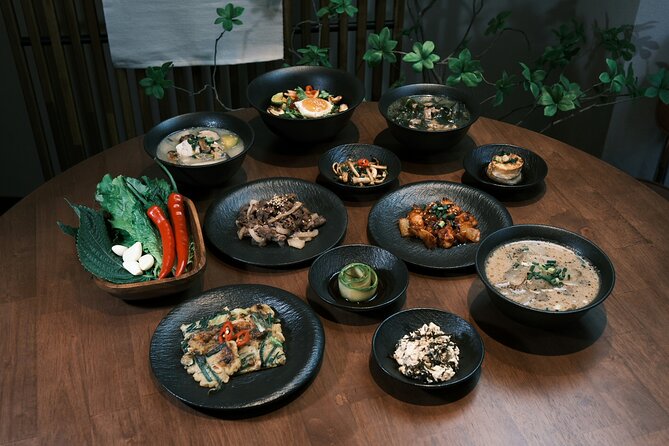
The class accepts a maximum of eight people. For a hands-on activity, that is a useful limit.
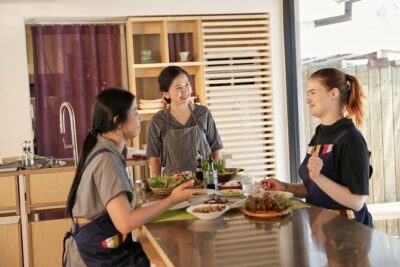
A small group should make it easier to follow Woody’s instructions, ask questions, and get help with technique. It also keeps the class closer to a shared meal than a large demonstration. You are likely to have enough room to work without feeling lost in a crowd.
The class is suitable for couples, friends, solo participants, and anyone who enjoys making food with other people. One booking was made for a couple interested in both Korean recipes and food presentation, which gives a good sense of the class’s appeal: it works for both the cooking and the visual side of Korean cuisine.
The tradeoff is simple. A small, chef-led class usually offers more personal attention but less anonymity. If you prefer to slip in and out without speaking to anyone, this is not that kind of activity.
The Hanok-inspired studio in Mapo-gu
The meeting point is Soop Table: The Hansik Atelier, at 34 Donggyo-ro 46-gil, first floor, in Seoul’s Mapo-gu. The activity ends at the same place.
The studio’s traditional Hanok inspiration gives the class a stronger sense of place than a plain commercial kitchen. The lava and slate walkway is one of the distinctive design details, and the overall atmosphere is intended to feel calm and welcoming.
You are not touring a preserved Hanok or visiting a market. The value is in the setting created for cooking. If you want an activity that fits neatly into a day around Mapo-gu, the fixed start and end point make planning easier.
The location is near public transportation, but the supplied details do not name a specific station or give walking directions. Check the map carefully and allow enough time to find the first-floor entrance.
Why there is no market tour
The class does not include a commercial market visit. That may disappoint you if you hoped to shop for ingredients before cooking.
Still, the decision keeps the experience focused. Three hours can disappear quickly when you are making four banchan, a main dish, soup or stew, bibimbap, and dessert. Adding transport and shopping would leave less time at the stove and table.
If you want market suggestions, the host can share trusted local markets that offer a more authentic experience. Treat that as extra guidance, not part of the booked activity.
This separation is useful. You get a proper cooking lesson here, then you can visit a market on another day with a better idea of what you are looking at.
Is $89 a fair price?
The price is $89 per person. That is not a cheap meal, but it includes about three hours of instruction and food covering much more than a single dish.
You are paying for four side dishes, your chosen main dish, soup or stew, bibimbap, a dessert activity, chef-served pork belly, a taste of traditional liquor, and the use of a dedicated studio. You also leave with practical knowledge about fermented sauces, seasonal vegetables, meal structure, and plating.
The value is strongest if you want to cook. If you only want to eat Korean food, a restaurant meal will cost less and give you more choice. If you want a market walk, this price does not include one.
For couples and food-focused visitors, the class can replace both a meal and a cultural activity. For someone who dislikes hands-on work or has limited time in Seoul, the cost may be harder to justify.
Timing, booking, and cancellation
You receive confirmation at the time of booking, and the activity is available with a mobile ticket. The group is capped at eight people, so booking ahead is sensible, especially since the class has had recent bookings.
Free cancellation is available if you cancel at least 24 hours before the start time. Cancellations made less than 24 hours ahead are not refunded, and changes within that period are not accepted.
The activity also lists a weather requirement and a minimum number of participants. If poor weather causes cancellation, you are offered another date or a full refund. If the minimum number is not reached, you are offered another date or activity, or a full refund.
These rules are worth noting before you fit the class into a tightly planned Seoul itinerary. Leave some flexibility if this is an important part of your day.
Who should book this class?
I would point this class toward you if you want more than a Korean meal and enjoy learning by doing. It suits couples, food lovers, curious beginners, and anyone interested in how a Korean table is built.
It is also a good choice if presentation matters to you. The bibimbap plating exercise and the carefully arranged table give the class a visual side that a basic recipe lesson may lack.
You may want a different activity if you are looking for a market tour, a street-food walk, or a class focused only on BBQ. The chef serves the pork belly, and the market is not part of the schedule.
I would also check the menu in advance if you have dietary restrictions. The class uses seasonal vegetables, fermented pastes, and selected meat dishes, but the available substitutions are not specified.
Should you book Soop Table?
Book this experience if you want to cook a full Korean meal in one calm, small-group setting. The strongest reasons are the complete table format, the hands-on preparation of several dishes, Woody’s clear instruction, and the Hanok-inspired studio.
Skip it if your priority is shopping in a market, grilling every dish yourself, or keeping costs as low as possible. At $89, the value comes from the amount of food, teaching, and cultural context included.
For a first Korean cooking class in Seoul, this is a well-shaped three-hour experience. You do not just learn one recipe. You learn how Korean food comes together at one table.
FAQ
Where does the Korean cooking class take place?
The class meets at Soop Table: The Hansik Atelier, at 34 Donggyo-ro 46-gil, first floor, in Mapo-gu, Seoul. The activity ends at the same meeting point.
How long does the class last?
The experience lasts approximately three hours.
How many people can join the class?
The activity has a maximum of eight participants.
What food will I prepare?
You will make four Korean side dishes, one main dish, one soup or stew, bibimbap, and a popular Korean dessert. The available main dish and soup or stew choices depend on the class menu and your preferences.
Is the BBQ cooked by participants?
No. The chef serves grilled pork belly BBQ during the meal. You prepare the other dishes included in the class.
Is a market tour included?
No. This is a cooking class rather than a food or market tour. The host can share suggestions for trusted local markets if you would like to visit one separately.
Can I cancel for a refund?
Yes. You can receive a full refund if you cancel at least 24 hours before the experience start time. Cancellations or changes made less than 24 hours before the start time are not refunded or accepted.
More hands-on classes and workshops in Seoul
- Yongpyong Ski Resort from Seoul with Optional Lesson and Packages
★ 5.0 · 217 reviews - Korean Cooking Class with Grocery Shopping at Seoul Local Market
★ 5.0 · 107 reviews - Royal Seoul Cooking Class in a 100-Year-Old Hanok
★ 5.0 · 81 reviews - Seoul : Taste of Korea, Authentic Home-Style Cooking Class
★ 5.0 · 64 reviews
Just added around Seoul
- Your Personal Seoul Photographer!★ 4.1 · 15 reviews
- From Seoul: Hwacheon Ice Fishing and Lighting Festival Tour★ 4.5 · 4 reviews
- You’re Invited to Our Home in Seoul: The Only Cooking Class!★ 5.0 · 8 reviews
- Unique Native Experience : Han River Picnic, Board game, BBQ★ 5.0 · 3 reviews
- Seoul: Gangneung BTS K-Pop & K-Drama Filming Locations Tour★ 4.6 · 14 reviews
- 2-Hour Private Kayaking and Paddleboarding Experience in Hanriver★ 5.0 · 3 reviews
- Yun Korean Cooking Class in Seoul★ 5.0 · 6 reviews
- Day Trip to Yongin Daejanggeum and Korean Folk Village from Seoul★ 4.0 · 9 reviews
Seoul Korean Cooking Classes, compared.
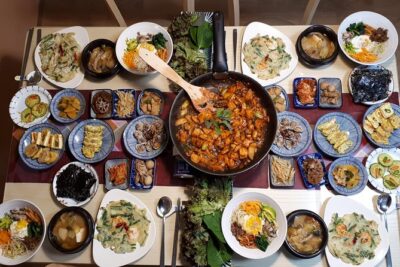
Local Home Korean Cooking Class & Market Adventure in Seoul
Read our review →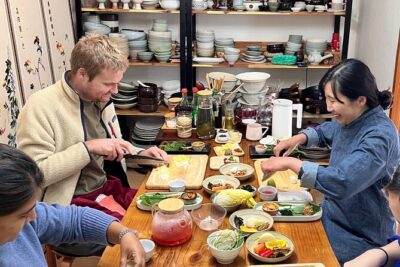
Master Korean traditional cooking with a Kimchi chef
Read our review →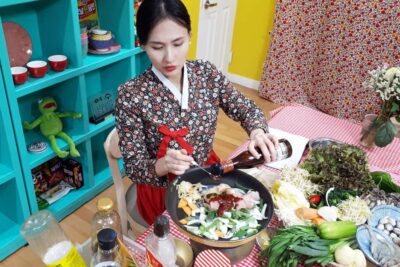
Korean Cooking Class at a Local Home and Market Tour
Read our review →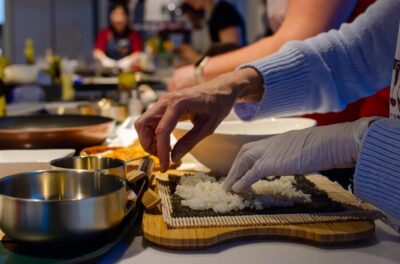
Experience Korean Cooking in Modern Hanok Kitchen
Read our review →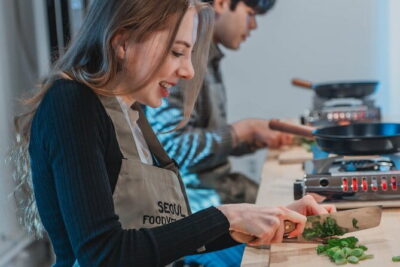
Korean Cooking Class with Grocery Shopping at Seoul Local Market
Read our review →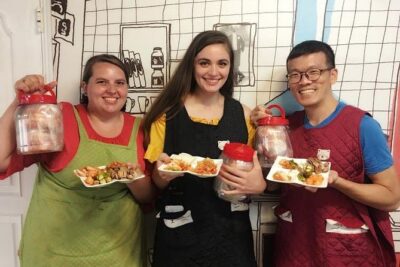
Korean Kimchi Making Day Experience with a Local Market Tour
Read our review →Browse the lists this tour appears in