
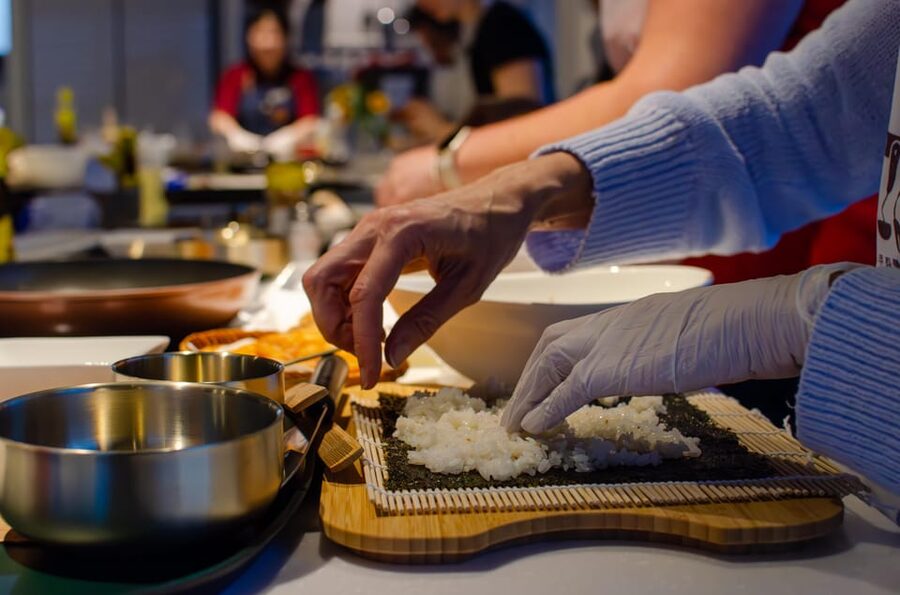
Reviewed · SEOUL KOREAN COOKING CLASSES
Seoul: Korean Cooking at Seoul Cooking Club!
Seoul Cooking Club turns a meal into a full Korean food lesson. In 150 minutes, you prepare several kinds of jeon, japchae, bulgogi, Jeonju bibimbap, side dishes, and dessert, then sit down to eat what you made. It is a generous spread, not a quick demonstration.
I like the clear English instruction and the way each dish comes with a bit of food culture and history. I also like the practical setup: ingredients are prepared ahead, stations are kept tidy, and you can take home a recipe book and, when there is enough food, leftovers.
The main consideration is the $109 price, which is high compared with simply eating Korean food in Seoul. You are paying for a meal, several tastings, teaching, a social activity, and recipes to use later, so it makes the most sense if you want to cook rather than only eat.
Key things to know
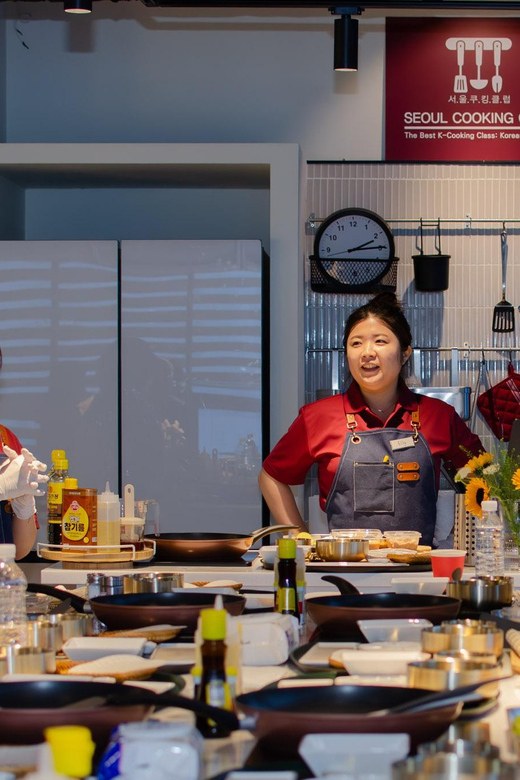
- Seven or more Korean dishes: Prepare jeon, japchae, bulgogi, bibimbap, banchan, and a changing dessert menu.
- English speaking chefs: Classes may be led by Sally, Olivia, Elly, or Grace, all praised for patient, easy-to-follow instruction.
- A very filling experience: Come hungry, since the class includes cooking, tasting as you go, and a final sit-down meal.
- Excellent central location: Jonggak Station is only about 15 metres from the meeting point, with Insadong, Ikseondong, and Gwangjang Market nearby.
- Useful take-home material: A recipe booklet and tote bag are provided, and takeaway containers are available when there is food left.
- Best for age 16 and up: The class runs in three daily sessions, from brunch through early dinner.
What you actually cook in 150 minutes
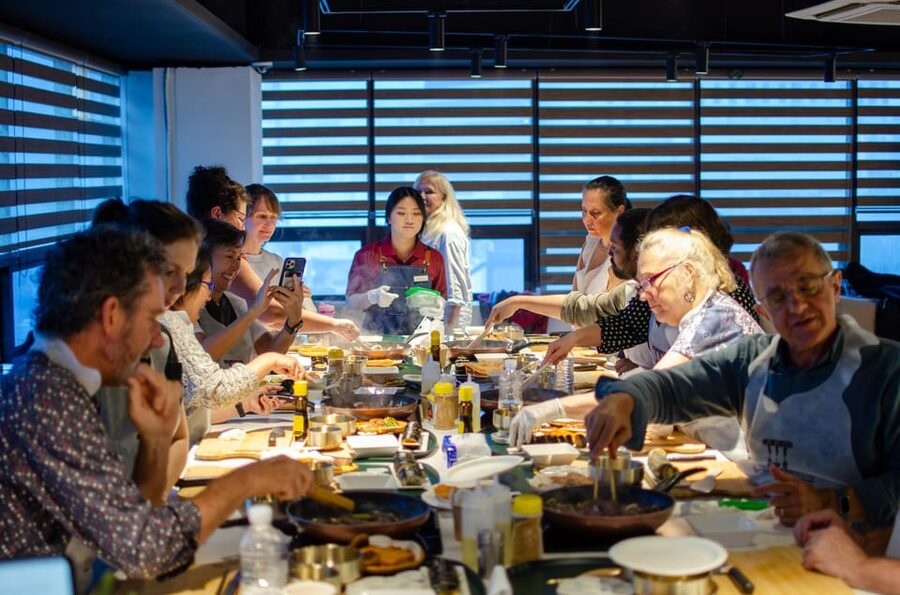
The class is built around a Korean meal rather than one signature recipe. That is its biggest strength. You do not spend the whole session chopping one dish, then leave with a single new skill. Instead, you move through small pancakes, noodles, meat, rice, fermented side dishes, drinks, and sweets.
The exact starter selection changes, but you make three or four kinds of jeon. These small Korean pancakes can include donggrangttaeng, pan-fried battered meatballs, pollack pancake, pajeon with seafood, beef pancake, tofu pancake, or sesame leaf pancake.
This is a smart introduction to Korean cooking because jeon shows how a few simple ingredients can produce very different textures and flavors. Seafood, tofu, beef, herbs, and vegetables all work within the same basic pan-frying idea. You get to compare them instead of treating jeon as one fixed dish.
The main cooking section covers japchae, bulgogi, and Jeonju bibimbap. Japchae brings stir-fried vegetables together with glass noodles. Bulgogi uses thinly sliced beef seasoned with soy sauce before cooking. Bibimbap gives you the familiar Korean rice bowl, with separate ingredients arranged so you can mix them together at the table.
Some sessions have also featured gimbap among the dishes prepared. The menu can vary, so do not book expecting every single item to appear on every date. The core experience remains a broad meal with several dishes prepared by the group.
You also taste around ten banchan, or Korean side dishes. These can include kimchi, radish kimchi, seasoned soybean sprouts, seasoned spinach, spicy cucumber, stir-fried anchovy, and Korean egg-roll. Banchan matter because they show how Korean meals are built. The main dish is only part of the table. Salty, sour, spicy, sweet, and fresh side dishes keep changing the taste of each bite.
More Korean cooking classes in Seoul:
- Local Home Korean Cooking Class & Market Adventure in Seoul
★ 5.0 · 1,024 reviews - Master Korean traditional cooking with a Kimchi chef
★ 5.0 · 385 reviews - Seoul: Korean Cooking Class at a Local Home and Market Tour
★ 5.0 · 348 reviews
From prepared ingredients to a shared feast
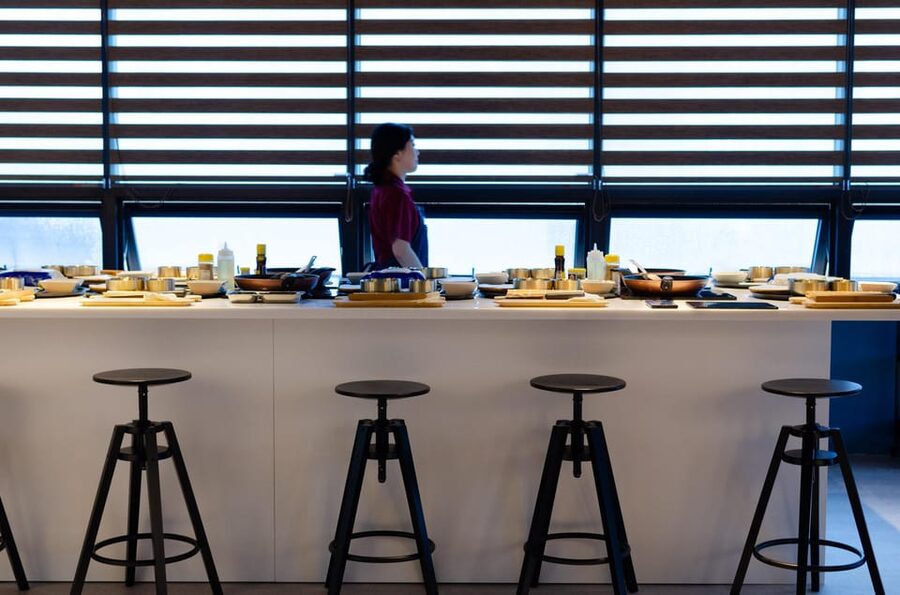
You do not begin with a bare kitchen and a pile of raw vegetables. Much of the preparation is handled before the class starts. That keeps the 150 minutes moving and makes the recipes manageable for cooks with little experience.
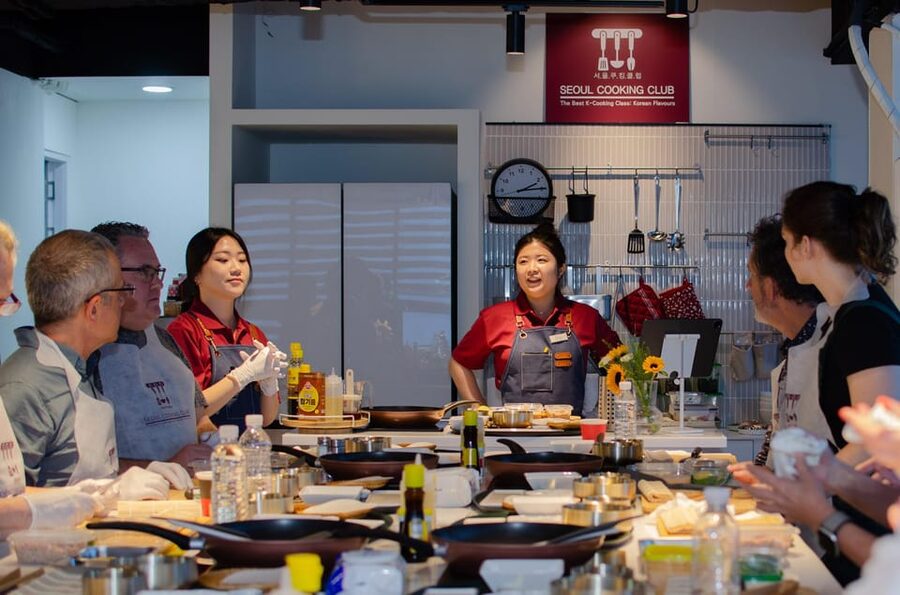
This also means the class is not a professional cooking exam. You receive demonstrations, then follow each step at your station. The chefs explain what you are doing and why, with help available if you get behind or have questions.
The approach works well for beginners. Several dishes may sound complicated when listed together, but the work is divided into clear tasks. You learn how sauces, seasoning, noodles, rice, vegetables, and fillings come together without spending half the class washing and slicing.
An assistant may collect used tools as you work, which helps keep stations orderly. That detail matters more than it sounds. With several dishes on the go, a messy counter can make a cooking class tiring. Here, the setup is designed to let you concentrate on the food.
At the end, you sit down to eat the meal. This is an important part of the experience. You are not simply handed a plate and sent on your way. You see how the dishes fit together as a Korean table, and you can judge the seasoning and texture of food you helped prepare.
Come hungry and pace yourself. You may taste ingredients during the cooking, sample the banchan, and then face a full meal at the end. The portions can be generous enough that takeaway containers are useful.
The chefs make the difference
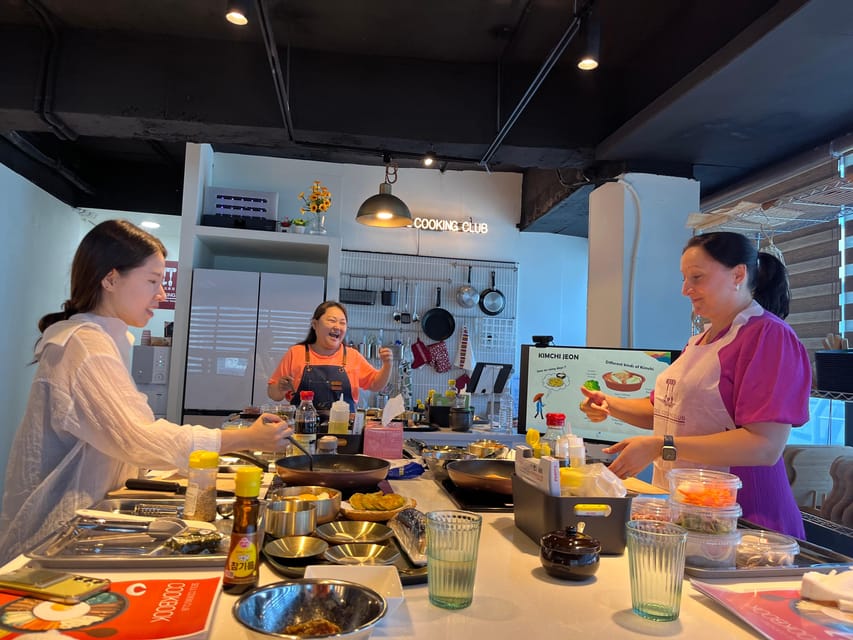
The instructor changes by session. Sally, Olivia, Elly, and Grace have led classes, and the strongest pattern is patient teaching with clear English.
Sally has been especially good at walking people through each step without making the class feel rushed. Olivia is known for a warm, cheerful style and for answering questions carefully. Elly has helped make the class lively while still keeping the recipes easy to follow. Grace has been praised for detailed explanations about each dish and its origins.
You should not assume that you will get a particular chef unless the booking page confirms it. The useful point is that the class format supports a range of teaching styles, and the chefs are experienced at working with people who may never have cooked Korean food before.
The cultural explanation adds value. You learn more than a list of ingredients. The chefs talk about where dishes come from, how they fit into Korean meals, and customs connected with food. It is not a long academic lecture, which is good. The information arrives while you are mixing, frying, seasoning, and tasting.
I also like that the teaching is practical. You leave knowing which parts of the meal can be recreated at home, not just remembering that the food tasted good in Seoul. The recipe booklet reinforces that. It includes the recipes used in class, giving you a realistic chance to repeat them after your trip.
Drinks, dessert, and the sweet finish
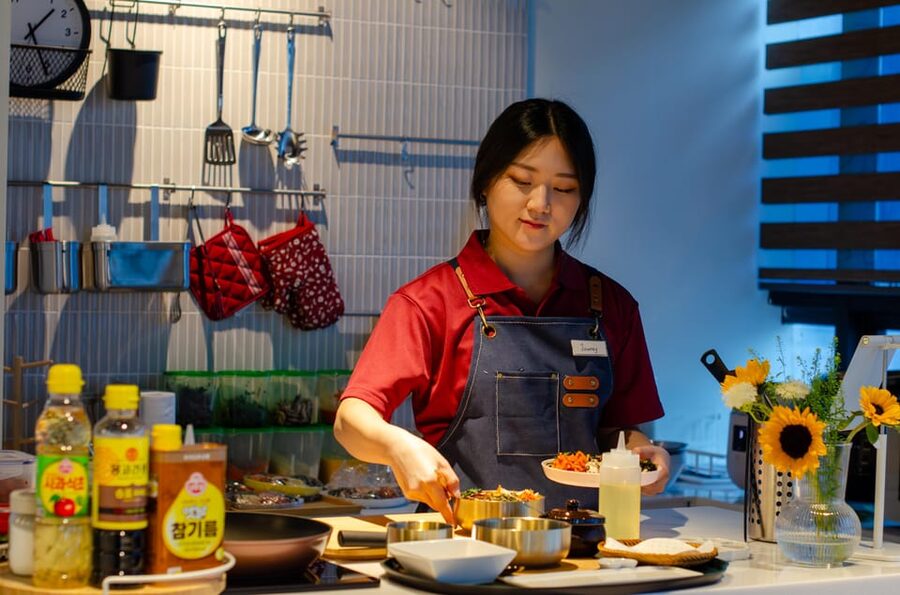
The class includes water, sikhye, and Korean tea. Sikhye is a sweet rice drink that gives you another small taste of Korean food culture beyond the better-known dishes.
Dessert changes by day. Bingsu, a popular Korean shaved ice dessert, may be served as the sweet finish. Since the dessert is not fixed, you should treat it as a pleasant extra rather than a guaranteed specific flavor.
The changing dessert keeps the class from feeling too rigid, but it also means you cannot plan around one particular sweet. The main value is the range: savory pancakes, noodles, meat, rice, side dishes, drinks, and a Korean dessert all appear within one sitting.
A different kind of day out around Seoul:
- Best DMZ Tour Korea from Seoul (Red Suspension Bridge Optional)
★ 5.0 · 41,422 reviews - DMZ Tour: 3rd Tunnel, Option(Suspension Bridge, Boat) from Seoul
★ 5.0 · 21,373 reviews - DMZ tour south Korea from Seoul (NK experience hall, defector)
★ 5.0 · 20,599 reviews - Seoul: DMZ Tour with Optional Suspension Bridge
★ 4.8 · 5,277 reviews
Is $109 good value?
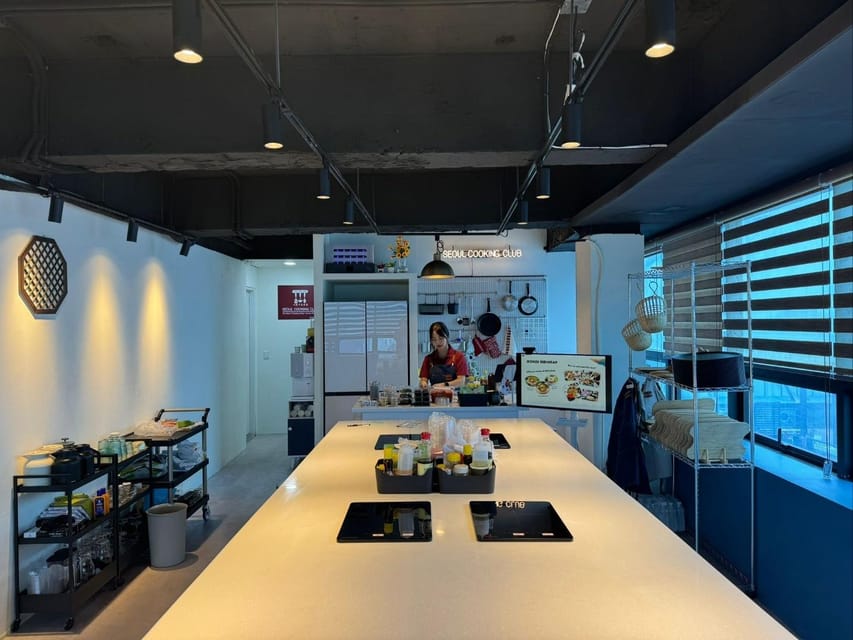
At $109 per person, Seoul Cooking Club is not the budget way to sample Korean food. You could eat several restaurant meals for less, especially if you choose simple local places and order modestly.
The comparison changes if you want more than dinner. Your fee covers 150 minutes of instruction, a welcome drink, three or four jeon, three main preparations, Jeonju bibimbap, roughly ten side-dish tastings, dessert, traditional drinks, and the final meal.
You also receive a recipe booklet, and many sessions provide a tote bag and containers for leftovers. Those extras are useful, but the real value is the range of dishes and the chance to learn a method you can use at home.
I would call it fair value for a hands-on food experience, not a bargain. It is best for someone who would otherwise book a food tour, cooking lesson, or special meal. It is less appealing if you only want a cheap lunch or if you dislike group activities.
Solo visitors can fit in well because the class gives you a built-in activity and a chance to meet other people. Couples and families with older teenagers can also enjoy it. Children under 16 are not suitable for this class.
Location: Jonggak, near Seoul’s best food districts
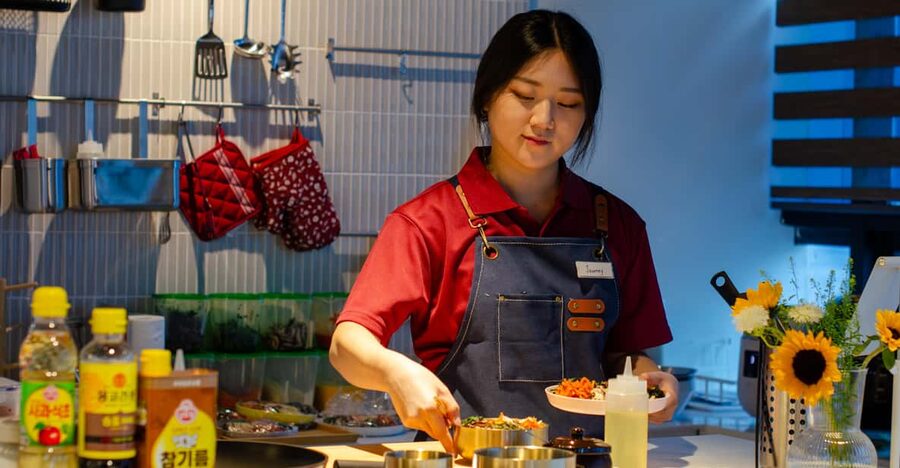
The meeting point is easy to reach from Jonggak Station on Line 1. Use Exit 12. The cooking club is about 15 metres from the station entrance.
After leaving the station, walk straight, then take the first right around the corner of Pascucci. Look for the orange facade beside the Good Game Zone and take the elevator to the seventh floor.
This central location makes the class easy to fit into a sightseeing day. Insadong and Ikseondong are close by, while Gwangjang Market, Myeongdong, and Gyeongbokgung Palace are within roughly ten minutes on foot according to the provided directions.
The location is more than a practical meeting point. You can schedule a cooking session between palace visits, shopping, market browsing, or an evening in Jongno. The three daily sessions let you choose brunch, lunch, or early dinner.
I would avoid planning another major meal immediately afterward. The class is designed to feed you properly, and the food may continue into the next morning if you take leftovers away.
Practical details before you book
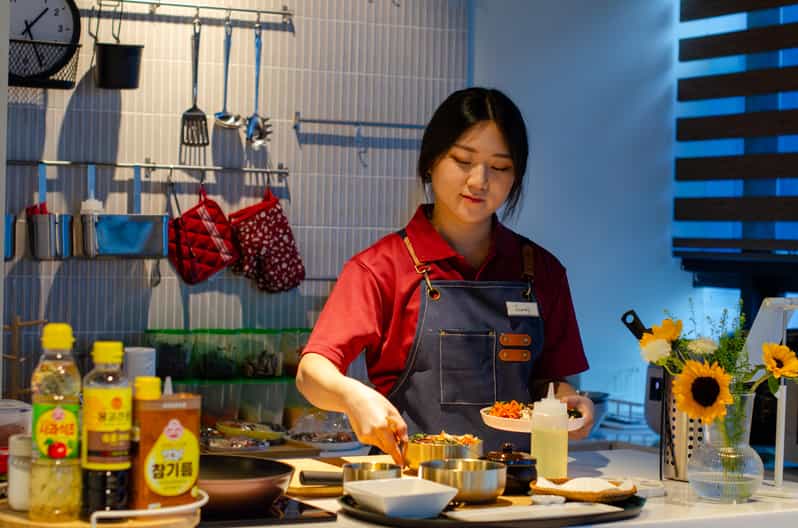
Wear closed-toe shoes, as required. Comfortable clothing is sensible for a class that includes standing and hands-on preparation, though no special cooking skills are needed.
The venue is wheelchair accessible. Hotel pickup and drop-off are not included, but the nearby subway stop makes public transport simple.
You can cancel up to 24 hours before the activity for a full refund, and the reserve-now, pay-later option lets you hold a place without paying immediately. Check the available start times because the activity runs for 150 minutes and the session you choose affects the rest of your day.
If you have dietary restrictions, contact the provider before booking. One participant with a gluten-free request reported that the staff adapted the food successfully, and another class accommodated a child with coeliac disease. Those examples are encouraging, but you should still confirm your own needs in advance rather than rely on a last-minute change.
The menu is generous enough that food waste could be a concern. The class helps with this by offering takeaway containers when there is food left. Bring space in your day and appetite for a substantial meal.
Who will enjoy Seoul Cooking Club most?
I would choose this class if you already like Korean food and want to understand how several dishes work together. It is also a good pick if you want a souvenir you can use, since the recipes are more valuable than another small object in your suitcase.
Beginners should feel comfortable. The recipes are broken into manageable tasks, the prep is largely done in advance, and the chefs explain each step in English. You do not need to know Korean or have professional kitchen experience.
Solo visitors get a social afternoon without having to arrange their own group. Couples can share the work, and families with teenagers can turn it into a food-focused outing. The age limit is important: children under 16 should not be booked into the class.
I would skip it if your main goal is a quiet, private meal, a market crawl, or a lesson focused on one advanced recipe. The class is social and broad. You will cook many dishes, but you will not spend an hour refining one restaurant-level technique.
Should you book this Korean cooking class?
Book Seoul Cooking Club if you want a full Korean meal plus usable cooking skills in a central location. The class is well suited to first-time Korean cooks, solo visitors, couples, and anyone who wants food culture explained in plain English.
The price requires thought, but the generous menu, patient chefs, recipe booklet, drinks, dessert, and possible leftovers make it more than an expensive lunch. Choose a session that fits your sightseeing plans, arrive hungry, wear closed-toe shoes, and ask about dietary needs ahead of time.
If you would rather simply eat Korean food, spend the $109 elsewhere. If you want to cook, taste, learn, and leave with recipes you can make back home, this is a strong choice in Seoul.
FAQ
How long does the Seoul Cooking Club class last?
The class lasts 150 minutes, or two and a half hours. You cook several dishes, taste along the way, and finish by eating the prepared meal.
Where does the cooking class meet?
Meet at Jonggak Station on Seoul Subway Line 1, Exit 12. Walk straight, take the first right around Pascucci, and find the entrance beside the orange Good Game Zone facade. The class is on the seventh floor.
Which dishes will I prepare?
The class includes three or four types of jeon, japchae, bulgogi, Jeonju bibimbap, and Korean side dishes. Some sessions may also include gimbap. The exact jeon flavors and dessert can change.
Is the class taught in English?
Yes. The chef teaches in English and explains the origins and food customs connected with the dishes.
Is food and drink included?
Yes. The experience includes a welcome drink, starters, main dishes, bibimbap, Korean side dishes, dessert, water, sikhye, and Korean tea.
Can children attend the class?
The class is not suitable for children under 16. The venue is wheelchair accessible, and participants should wear closed-toe shoes.
Just added around Seoul
- Your Personal Seoul Photographer!★ 4.1 · 15 reviews
- From Seoul: Hwacheon Ice Fishing and Lighting Festival Tour★ 4.5 · 4 reviews
- You’re Invited to Our Home in Seoul: The Only Cooking Class!★ 5.0 · 8 reviews
- Seoul: Gangneung BTS K-Pop & K-Drama Filming Locations Tour★ 4.6 · 14 reviews
- Unique Native Experience : Han River Picnic, Board game, BBQ★ 5.0 · 3 reviews
- 2-Hour Private Kayaking and Paddleboarding Experience in Hanriver★ 5.0 · 3 reviews
- Yun Korean Cooking Class in Seoul★ 5.0 · 6 reviews
- Day Trip to Yongin Daejanggeum and Korean Folk Village from Seoul★ 4.0 · 9 reviews
Seoul Korean Cooking Classes, compared.
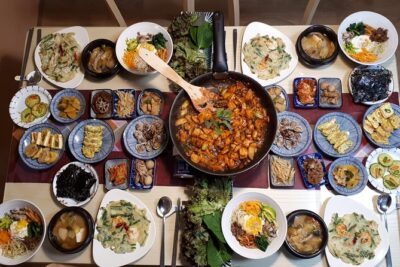
Local Home Korean Cooking Class & Market Adventure in Seoul
Read our review →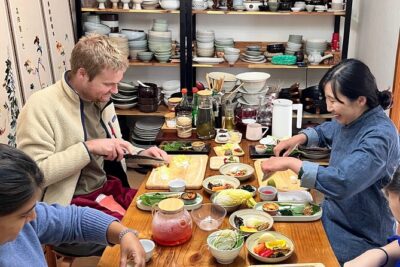
Master Korean traditional cooking with a Kimchi chef
Read our review →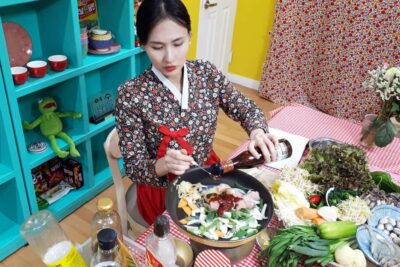
Korean Cooking Class at a Local Home and Market Tour
Read our review →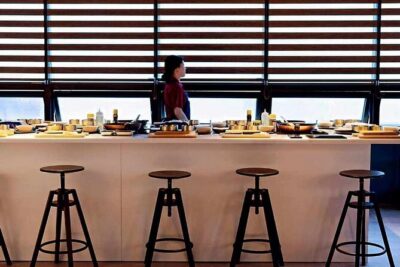
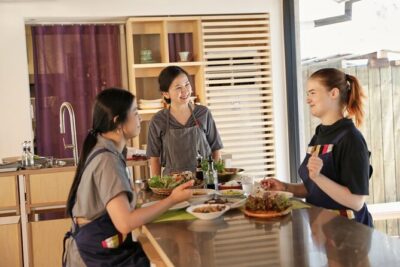
Experience Korean Cooking in Modern Hanok Kitchen
Read our review →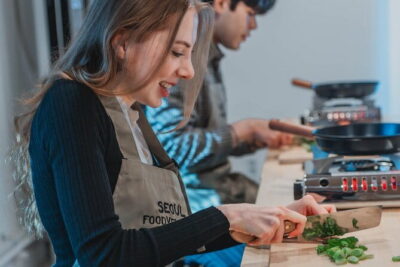
Korean Cooking Class with Grocery Shopping at Seoul Local Market
Read our review →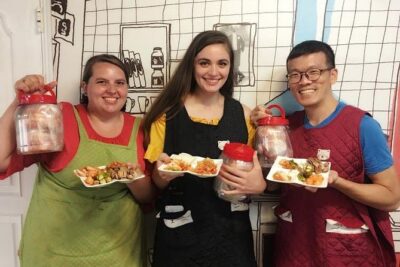
Korean Kimchi Making Day Experience with a Local Market Tour
Read our review →
Royal Seoul Cooking Class in a 100-Year-Old Hanok
Read our review →Browse the lists this tour appears in